- Car
- Armstrong-Siddeley (1 offer)
Armstrong-Siddeley Classic Cars for Sale
Armstrong-Siddeley stands for British engineering excellence, marrying luxury with robust technology. Collectors appreciate the marque’s elegant body lines, spacious interiors, and a mechanical foundation associated with reliability. Hallmark models like the Sapphire and Whitley continue to be featured at classic car rallies. The subtle design language and bespoke features make Armstrong-Siddeley a name cherished by connoisseurs.
Search results
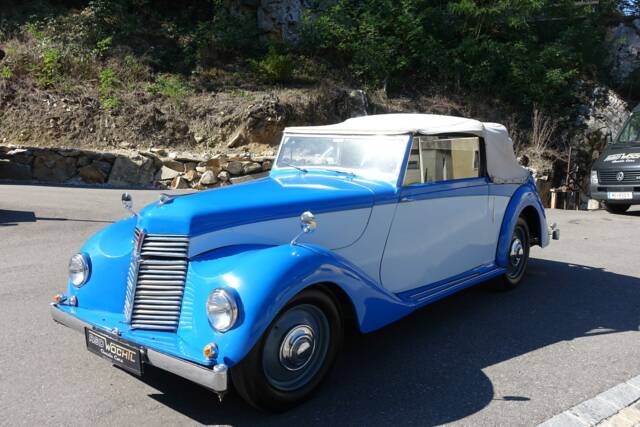

Armstrong-Siddeley listing references from Classic Trader
Below you will find listings related to your search that are no longer available on Classic Trader. Use this information to gain insight into availability, value trends, and current pricing for a "Armstrong-Siddeley" to make a more informed purchasing decision.
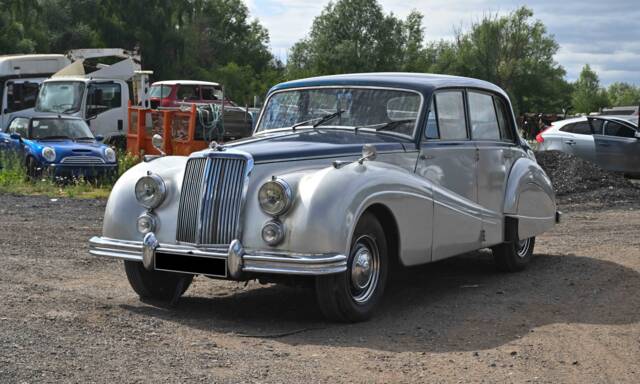
1956 | Armstrong-Siddeley Sapphire 346
1956 Armstrong Siddeley Sapphire 346

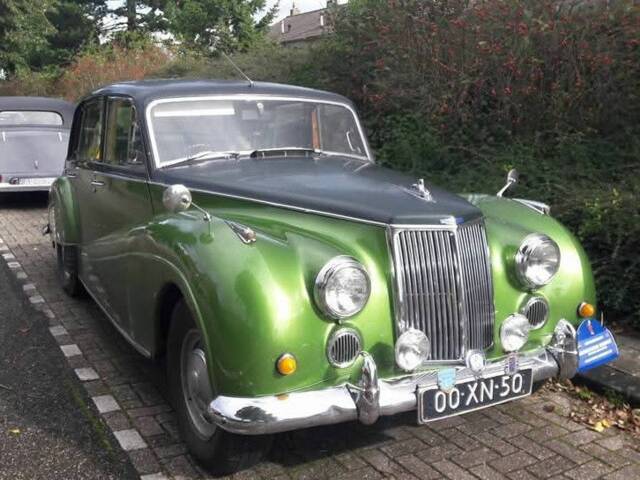
1959 | Armstrong-Siddeley Star Sapphire
Armstrong Siddeley Star Sapphire | 1959 | Route 66 Auctions - For sale by auction. Estimate 4500 EUR

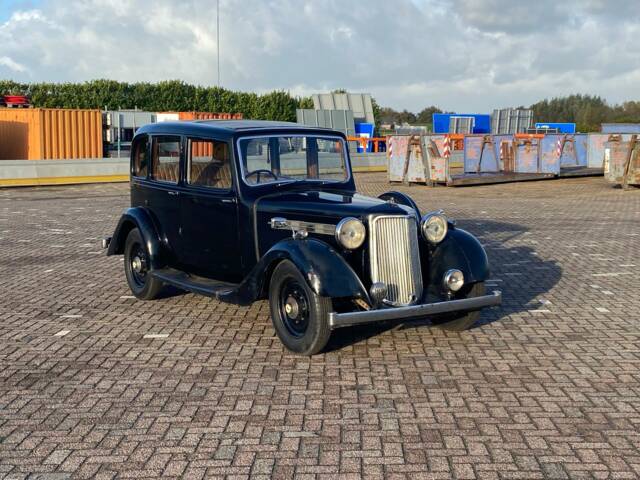
1938 | Armstrong-Siddeley 17 HP
Armstrong Siddeley Saloon | 1938 | Route 66 Auctions - For sale by auction. Estimate 0 EUR
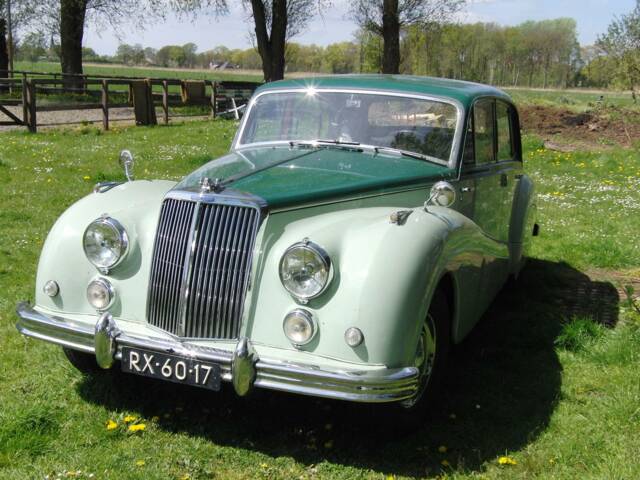
1955 | Armstrong-Siddeley Sapphire 346
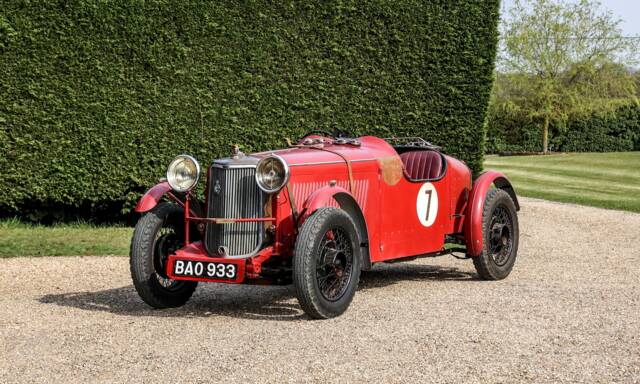
1936 | Armstrong-Siddeley Special
1936 Armstrong Siddeley 17hp Special
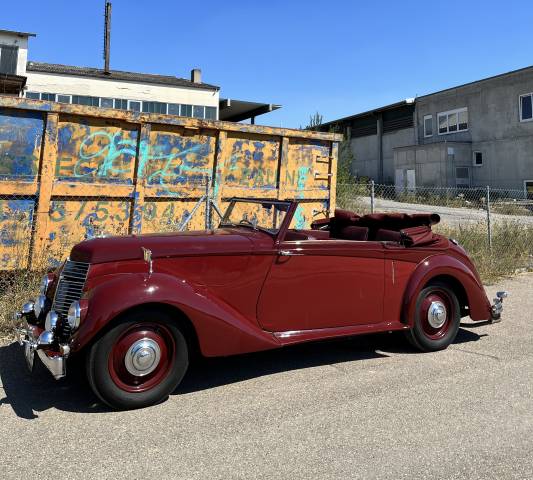
1946 | Armstrong-Siddeley Hurricane
Deutsche Zulassung,H-Kennz.,vor einigen Jahren restauriert

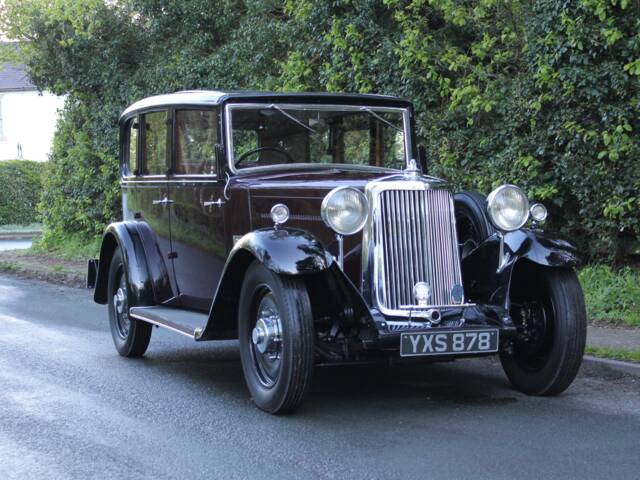
1933 | Armstrong-Siddeley 15 HP Long
1933 Armstrong Siddeley Long 15
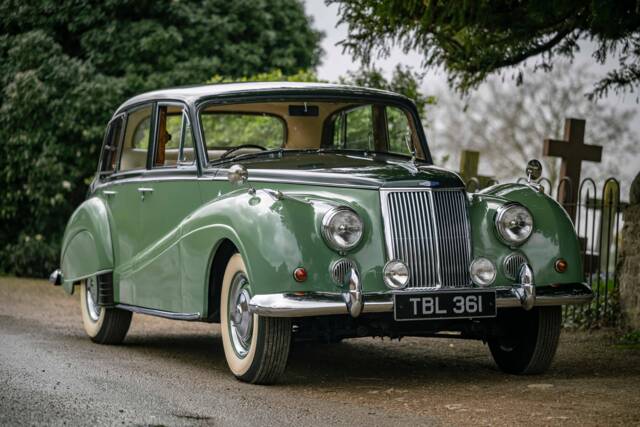
1959 | Armstrong-Siddeley Star Sapphire
Fabulous Star Sapphire – Enthusiast Owned
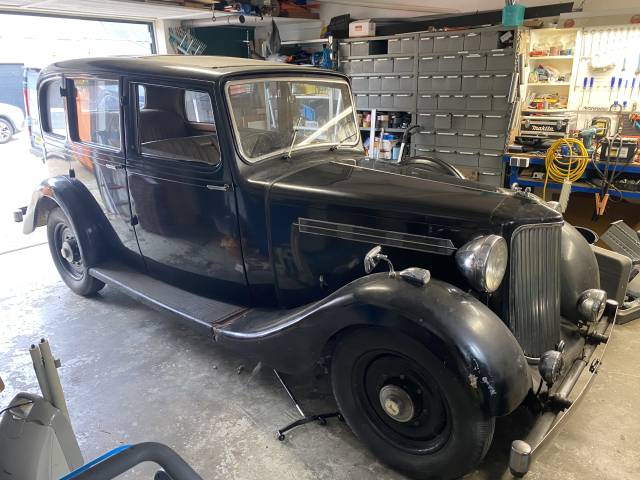
1937 | Armstrong-Siddeley 17 HP
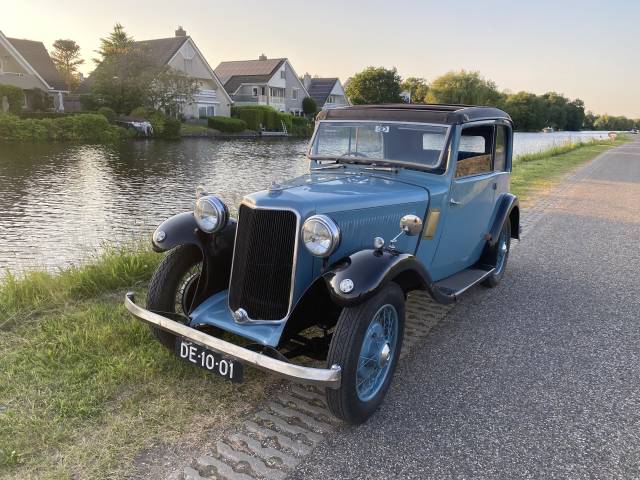
1935 | Armstrong-Siddeley 12 HP Sports Tourer
For Sale: 1935 Armstrong Siddeley 12 HP Sports Coupe
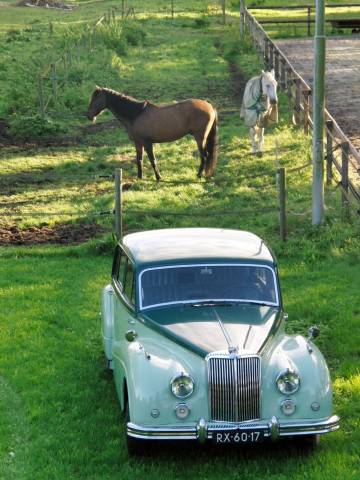
1955 | Armstrong-Siddeley Sapphire 346
Bought new in the Netherlands
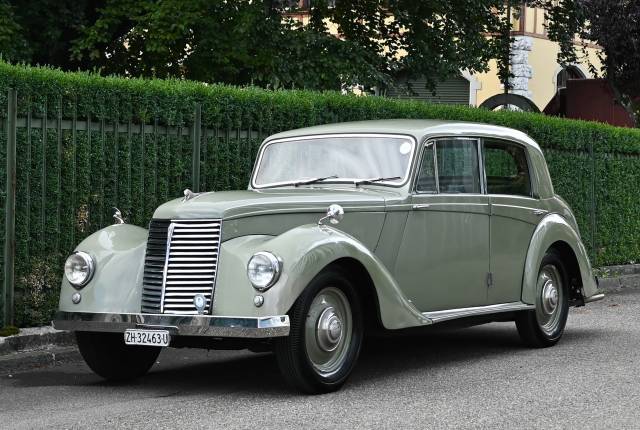
1951 | Armstrong-Siddeley Whitley 18
Seltene und originale Limousine, 6-Zyl., Handschaltung, Motor revidiert, RHD

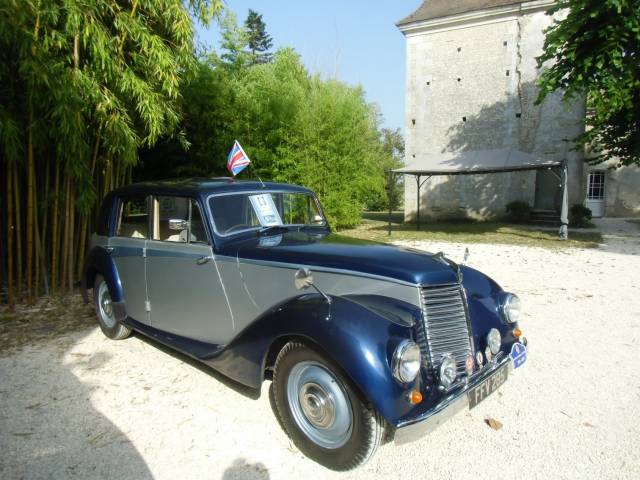
1952 | Armstrong-Siddeley Whitley 18
Armstrong-Siddeley Whitley 18 (1952)

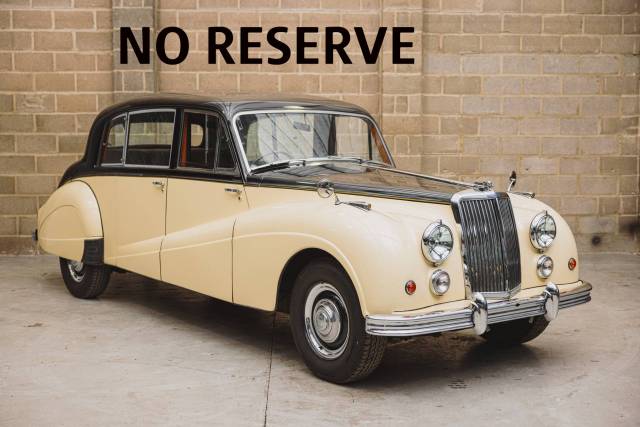
1957 | Armstrong-Siddeley Sapphire 346
Original Car - Good Condition - Dry Stored
History of Armstrong-Siddeley
Armstrong-Siddeley emerged in 1919, a result of John Davenport Siddeley’s ambition and the merger between Siddeley-Deasy and Armstrong Whitworth. Based in Coventry, the company soon became synonymous with luxurious cars and pioneering engineering, including aircraft engines. The brand’s early cars were known for their stately appearances, advanced six-cylinder engines, and innovations such as the Wilson Preselector gearbox. Armstrong-Siddeley was tightly woven into the fabric of British industrial history, collaborating with Hawker Aircraft and eventually merging with Bristol Aeroplane Company before the automotive division was absorbed by Rolls-Royce in 1966.
Model History
The model journey began with the 30-hp straight-six in 1919, establishing a standard for stateliness. The next significant step was the 15-hp six-cylinder in 1928, bringing modern valve technology to the lineup. The 1930s were dominated by six-cylinder engines, with models like the Siddeley Special. After WWII, models were often named after aircraft, reflecting the company’s aviation heritage—examples include the Lancaster and the Hurricane. In the 1950s, the Sapphire models marked Armstrong-Siddeley’s final evolution, culminating in the Star Sapphire with an automatic gearbox in 1958.
Highlights and Popularity
Armstrong-Siddeley vehicles distinguish themselves through their silent operation, a trait symbolised by the Sphinx mascot. Technical highlights include the Wilson Preselector gearbox and the robust six-cylinder engines. Interiors typically featured high-quality materials and spacious layouts, often with bespoke features to satisfy demanding clients. Noteworthy is the Sapphire’s comfort at high cruising speeds and its association with royalty—Queen Elizabeth II drove a Sapphire privately.
According to our statistics, the Sapphire makes up 26.3% of available Armstrong-Siddeley listings but commands 38.1% of demand views. Whitley follows with 21.1% supply and 29.8% of views, indicating strong marketplace interest. The Hurricane and Star Sapphire, though less common, are also in demand among enthusiasts.
Technical Data
Special Editions and Collectible Models
Special interest surrounds the Sapphire and Star Sapphire models, notable for their refined engines and limited production numbers—particularly left-hand-drive Sapphires, produced in small quantities. The Station Coupe, tailored for the Australian market (1,022 built), stands out with its dual-cab format and utilitarian refinement. The Sports and Utility Coupes, regularly seen at historic rallies, reflect the diversity within the Armstrong-Siddeley portfolio.
Weak Spots and Common Issues
Reports highlight strong reliability and smooth operation as signature strengths. As with most vehicles of the era, attention to rust and condition of the wiring is crucial. The Wilson Preselector gearbox requires specialist knowledge for service but is generally robust if maintained properly. Mechanical components such as carburettors and the hydraulic systems benefit from regular inspection to preserve operational excellence.
Engine, Performance, Transmission and Handling
Armstrong-Siddeley cars are known for serene, vibration-free cruising at sustained speeds—the Sapphire easily maintains 70–80 mph (110–130 km/h). Some models feature twin carburettors for sharper response. The Wilson Preselector gearbox provides a distinct, almost pre-war driving experience, admired by enthusiasts for its engineering uniqueness. The chassis offers a blend of comfort and road-holding consistent with luxury aspirations.
Popular models include:
- Sapphire: 2.3/3.4/4.0-litre sixes, preselector or automatic gearbox
- Whitley: six-cylinder saloon, strong presence in supply and demand
- Hurricane: postwar convertible, popular for rallies
- Star Sapphire: final generation with automatic, luxury trim undefined
Interior, Comfort, Exterior and Design
Interiors blend wool or leather upholstery with polished wooden veneers. Dashboard layouts reflect period luxury, featuring comprehensive instrumentation. Notable are the elongated body lines, upright grilles, and subtle styling cues—such as the Sphinx mascot and distinctive oval grille badge. Factory bespoke features were not uncommon, especially for high-status clientele. Special models (e.g., Station Coupe) offered dual-cab utility layouts for export markets, particularly Australia. Optional accessories included Wilson Preselector gearboxes and specific paint finishes on request.
Other Relevant Features
The Armstrong-Siddeley logo—with its stylised 'AS' monogram above a Sphinx—underscores the brand’s ethos: silent, dignified motoring. Many parts, records, and rights are preserved by the Armstrong Siddeley Owners Club, which remains a resource for owners and restorers. The marque’s influence extended well beyond cars, contributing to Britain’s aeronautical development.
Summary
Armstrong-Siddeley offers a unique fusion of British luxury, mechanical innovation, and historical pedigree. With a lineage spanning sophisticated saloons, convertibles, and export specials, these vehicles remain a touchstone for discerning collectors who value craftsmanship, engineering, and authentic period character.