Alpine A 210 Classic Cars for Sale
The Alpine A 210 stands as one of the purest forms of lightweight French racing engineering from the 1960s, widely recognised for its role on endurance circuits and its distinctive streamlined design. For classic car fans interested in unique motorsport heritage and innovative construction, the A 210 offers an unmatched glimpse into Alpine’s competition roots.
Search results
Currently, there are no matching listings for your search.
Create search alert
Let yourself be notified as soon as a listing is published that matches your search filters.
Create listing
Do you have a Alpine A 210 that you want to sell? Then create a listing now.
Create listingAlpine A 210 listing references from Classic Trader
Below you will find listings related to your search that are no longer available on Classic Trader. Use this information to gain insight into availability, value trends, and current pricing for a "Alpine A 210" to make a more informed purchasing decision.
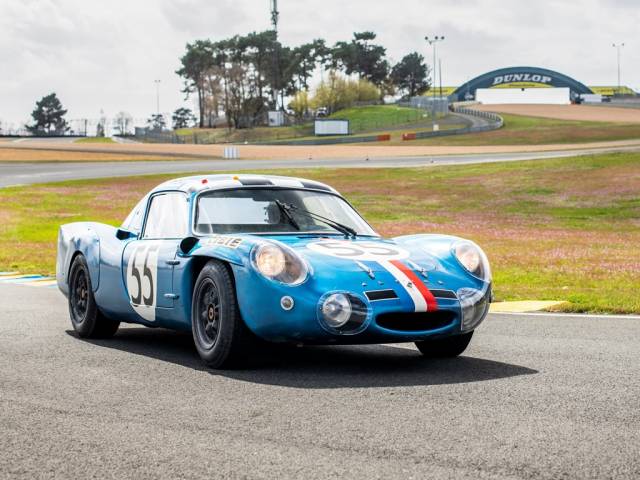
1967 | Alpine A 210
1967 Alpine A210
Create search alert
Let yourself be notified as soon as a listing is published that matches your search filters.
Create listing
Do you have a Alpine A 210 that you want to sell? Then create a listing now.
Create listingAlpine A 210 Classic Cars: Prices & Market Values
History of the Alpine A 210
During the mid-1960s, Alpine developed the A 210 specifically for endurance racing, particularly at Le Mans. This model was designed to maximise efficiency and reliability, combining a lightweight chassis with remarkable aerodynamics. The A 210 was a direct result of Alpine’s ongoing quest to excel in sports car racing, working in close partnership with Renault for powertrain solutions. The model emerged as a successor to previous small-displacement Alpine sports racers, symbolising the marque’s drive to blend performance and low fuel consumption—critical for long-distance events. The car’s most notable moments came at events like the 24 Hours of Le Mans, where its agile handling and fuel efficiency earned class wins against more powerful competition.
Model History of the Alpine A 210
The A 210 was introduced as an evolution of Alpine’s earlier A 108 and A 110 race cars, incorporating advanced aerodynamic ideas and improved running gear. Production started in 1966, focusing on motorsport applications rather than general road use. The A 210 paved the way for the subsequent A220, which pursued further technical sophistication for Alpine’s endurance racing efforts. The direct predecessor can be seen in the earlier A 110 endurance variants, while its successor was the even more aggressive A220, as Alpine continued refining their approach for higher performance and greater race distances.
Highlights of the Alpine A 210
The A 210’s most distinguishing features were its featherweight fibreglass bodywork and expertly tuned Renault-based engines engineered for both efficiency and speed. This model was known for its exceptional aerodynamic form—long, low, and fitted with a Kamm tail, which reduced drag during sustained high-speed runs on circuits such as Le Mans. The A 210 achieved several class victories, leveraging small-displacement engines to outlast and outpace rivals in similar categories.
Technical Data
Special Editions and Collectible Models
Some A 210 chassis received specific upgrades for individual racing events, such as unique aerodynamic modifications or lightweighting efforts, but all were purpose-built endurance racers. While production numbers were inherently limited, there were no officially designated 'special editions' separate from the core group of race cars.
Weak Spots and Common Issues
Given their motorsport origins, originality of chassis and mechanical components is critical—buyers should closely inspect for authentic race parts and integrity of the lightweight body panels. Restorations should be scrutinised to ensure proper period components were used, as replacements are rare and specialist knowledge is required to maintain them in race-ready condition.
Engine and Performance, Transmission and Handling
The A 210’s engines—sourced from Renault—were small, optimised for economy, but ingeniously tuned for endurance competition. Output ranged typically from around 95 to 115 hp, depending on engine and tuning. The low kerb weight (usually well under 600 kg) allowed nimble handling and high stability at speed, especially on long straights and twisty sectors. The manual transmission provided precise control, ideal for experienced drivers on track. - Most race-active versions used the 1.3-litre Renault-Gordini engine, widely respected for its robust construction and lively response in competition settings.
Interior, Comfort, Exterior and Design
The Alpine A 210’s body was shaped by wind tunnel development, giving it a long, teardrop profile. The shell is made from ultra-light fibreglass, sometimes finished in the famous Alpine blue racing hue. Interiors were minimal, focused purely on racing functionality—expect a bare cockpit, bucket seats, and essential instruments. Accessories and luxury features were almost entirely eschewed in favour of performance and weight reduction.
Other Relevant Features
Many surviving Alpine A 210s retain their original race entries and can be traced by chassis numbers through historic motorsport records, providing additional provenance for collectors and enthusiasts. The cars are also eligible for various historic racing events across Europe, increasing their appeal to motorsport-oriented buyers.
Summary
The Alpine A 210 is a remarkable example of French racing ingenuity, combining streamlined aerodynamics, lightweight construction, and proven Renault mechanicals into a highly specialised endurance car. Its presence in the classic car market is as singular as its reputation on the racetrack, offering enthusiasts pure motorsport DNA and historical relevance.