- Car
- Adler (5 offers)
Adler Classic Cars for Sale
Adler vehicles stand for pioneering German automotive engineering between 1900 and 1940, from the streamlined Typ 10 ‘Autobahn’ to the innovative Trumpf series. These models offer historical driving experiences, robust engineering, and Bauhaus-influenced design, making them a unique intersection of technology and culture from Frankfurt’s automotive heyday.
Search results
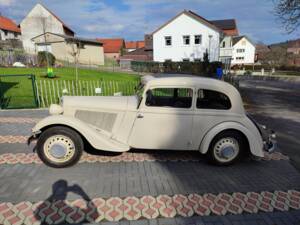
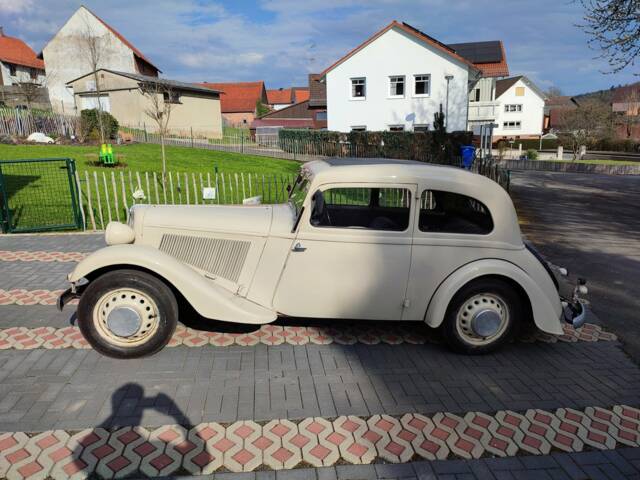
1936 | Adler Trumpf Junior
Adler Trumpf Junior 1E | 1936 | Route 66 Auctions - For sale by auction. Estimate 9000 EUR

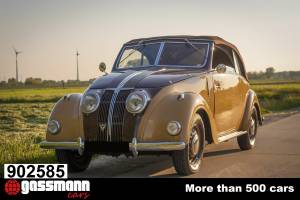
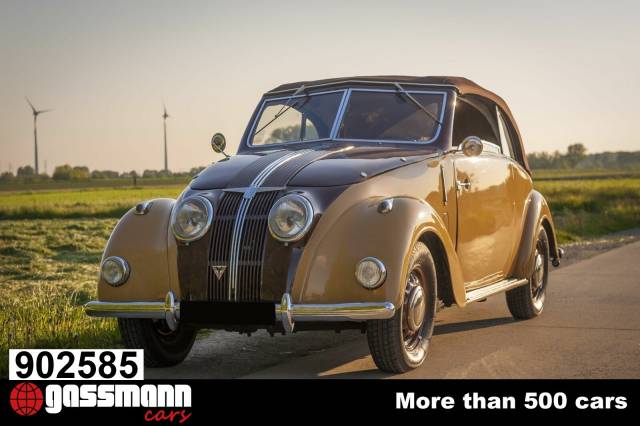
1938 | Adler 2,5 Litre
ADLER 2.5L Type 10 Cabriolet von Karmann

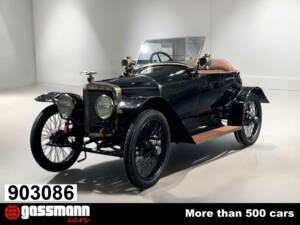
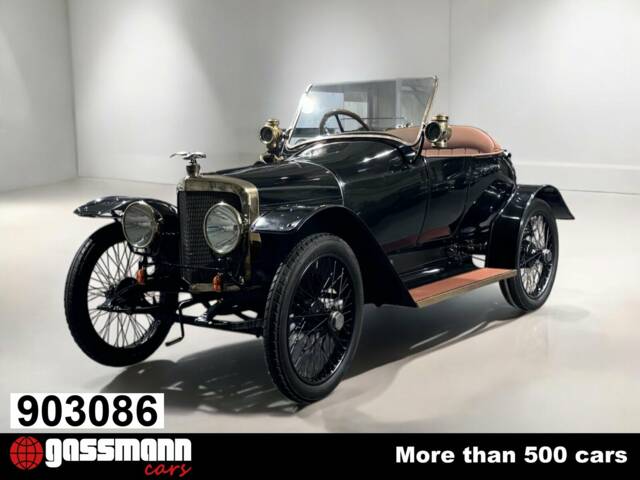
1916 | Adler KL 5 / 14 PS
5/14, 2-Sitzer Bj.1916 - RHD
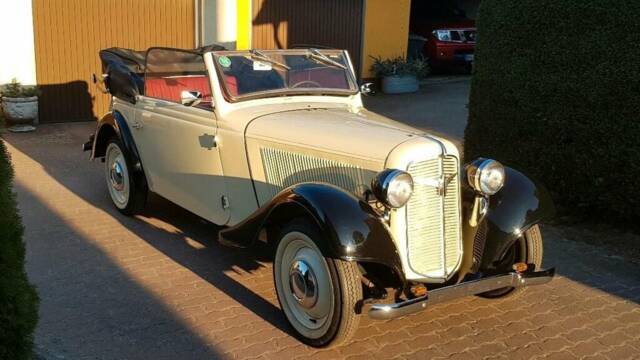
1936 | Adler Trumpf Junior
Adler Trumpf Junior | 1936 | Route 66 Auctions - For sale by auction. Estimate 7200 EUR
Newsletter
The best Adler listings, straight to your inbox
Get hand-picked Adler listings, plus the best of cars, motorbikes, and auctions on Classic Trader — all in one place.
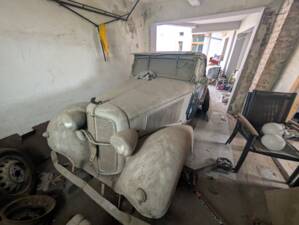
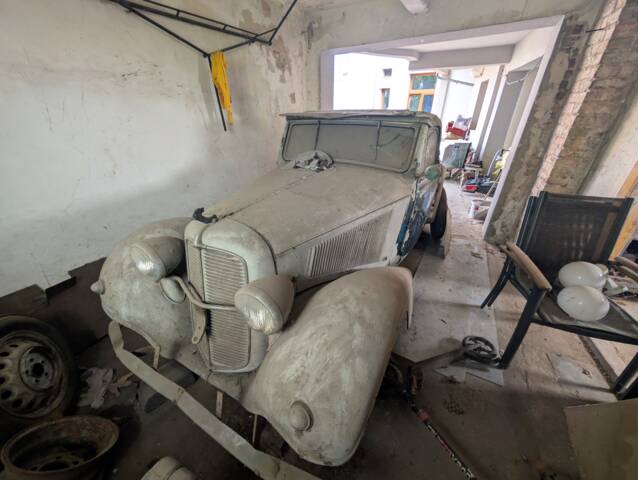

Adler listing references from Classic Trader
Below you will find listings related to your search that are no longer available on Classic Trader. Use this information to gain insight into availability, value trends, and current pricing for a "Adler" to make a more informed purchasing decision.
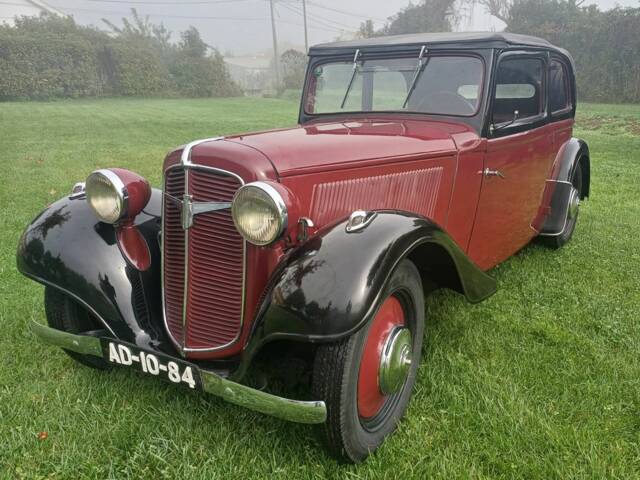
1935 | Adler Trumpf Junior
Adler Trumpf Junior Cabriolet | 1935 | Route 66 Auctions - For sale by auction. Estimate 23500 EUR
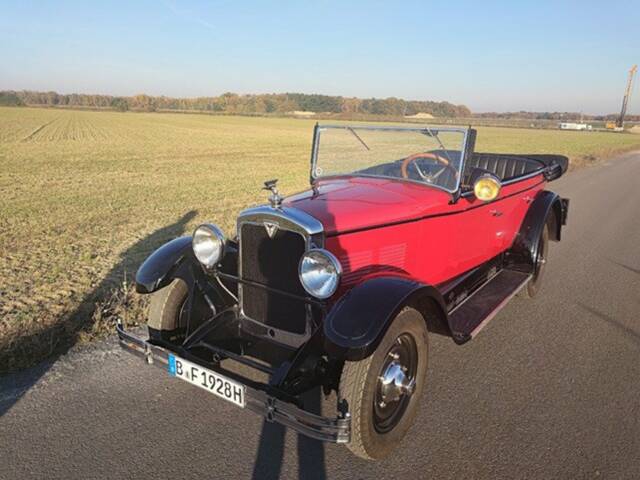
1928 | Adler Favorit 8/35 PS
Sehr seltener Oldtimer ADLER-FAVORIT-TOURER (Cabrio)
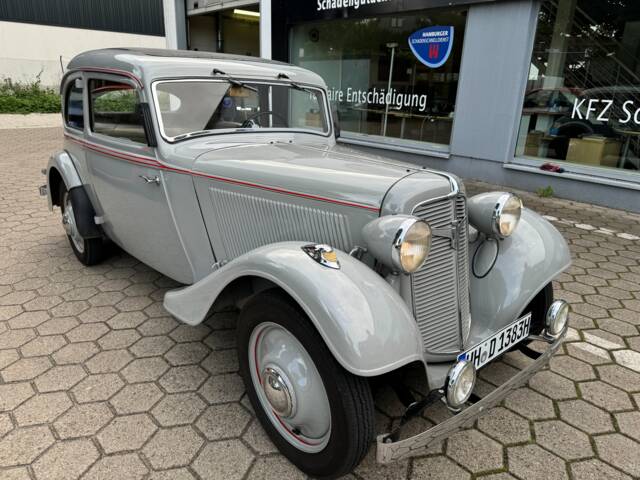
1937 | Adler Trumpf Junior
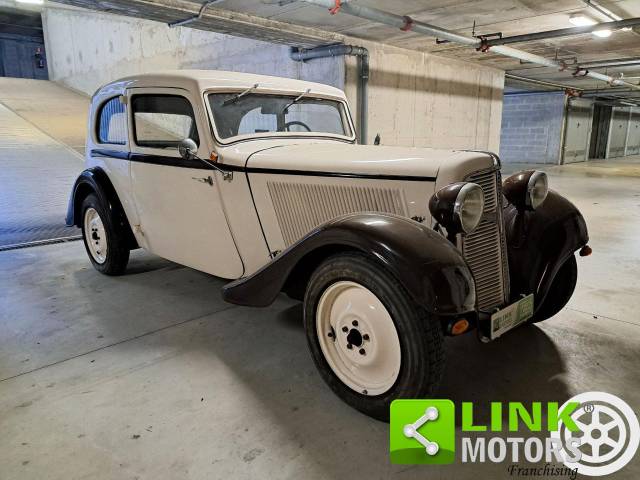
1951 | Adler Trumpf Junior
ADLER Trumpf Junior Ulisse Bubba

1951 | Adler Trumpf Junior
ADLER Trumpf Junior Ulisse Bubba
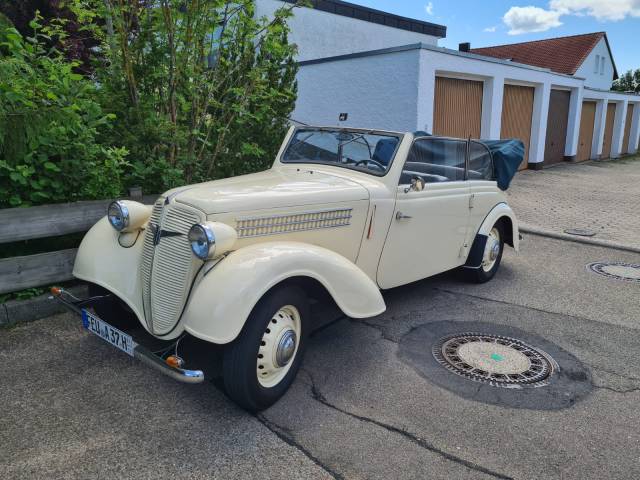
1937 | Adler Trumpf
1,7 EV
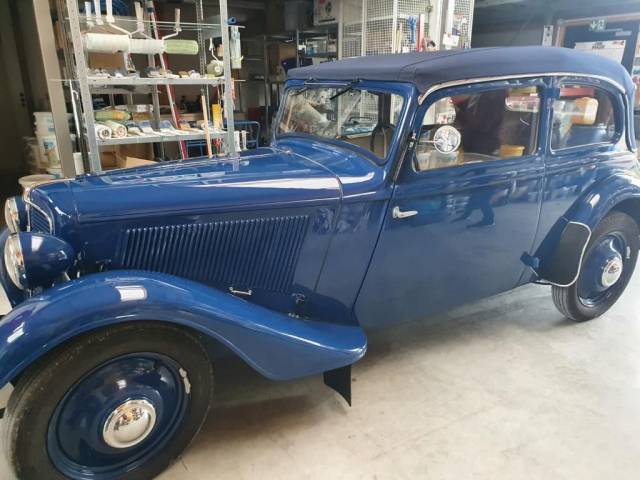
1936 | Adler Trumpf Junior
Wertgutachten mit Gesamtnote 2
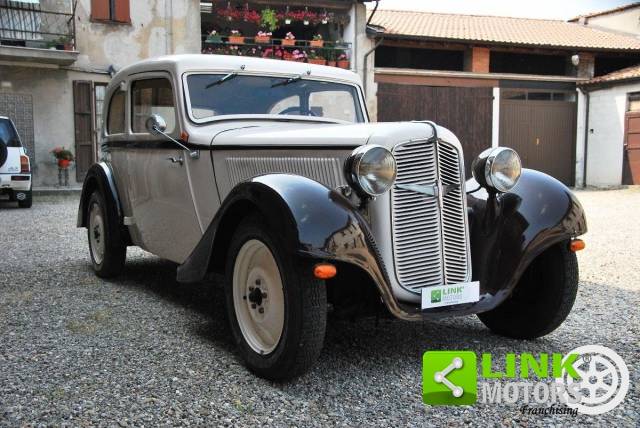
1951 | Adler Trumpf Junior
Adler Trumpf Junior Giardinetta
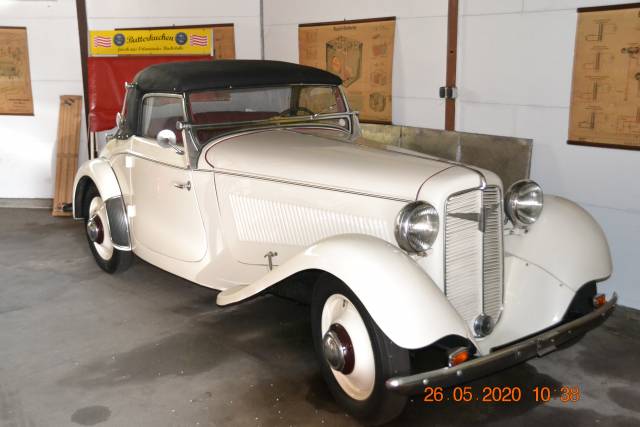
1934 | Adler Trumpf Junior Sport
Adler junior Sport Cabriolet top restauriert
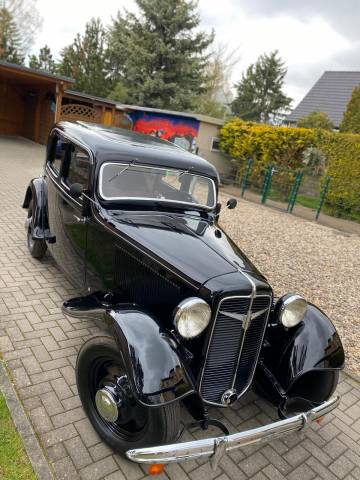
1934 | Adler Trumpf Junior
Top Zustand
History of Adler
Adlerwerke, founded by Heinrich Kleyer in Frankfurt in 1880, quickly evolved from bicycles to motor vehicles, establishing itself as a technological trendsetter in German automotive history. By the early 20th century, Adler dominated motorization in Germany—nearly 20% of all cars on German roads in 1914 bore the eagle emblem. Technical director Edmund Rumpler led the charge in engine innovation as Adler began developing its own power units after 1904. Walter Gropius shaped the marque’s visual identity from 1930, bringing rational Bauhaus clarity to Adler designs, including the iconic spread-wing logo. Hanns Gustav Röhr and later Karl Jenschke shaped the brand’s technical DNA, with major innovations like block-mounted engines and early adoption of hydraulic brakes and independent suspension. Adler set 28 international speed records in the mid-1930s and gained international recognition, especially through Clärenore Stinnes’ world tour in a Standard 6. War and economic strife after 1940 forced Adler out of car production; post-WWII, the company shifted to typewriters, later merging with Triumph and taken over by Grundig and Olivetti.
Model History
Adler’s model development tracks the evolution of German automotive technology. The Standard 6 (1927–1934) was the core of the range, known for reliability and technology—nearly 30,000 units were built. The Standard 8 introduced a straight-eight engine, positioning Adler against luxury manufacturers. The Trumpf (1932) pioneered front-wheel drive in Europe, available as saloon or convertible. The Trumpf Junior (1934) opened the brand to compact segments, with over 100,000 sold. In 1937, the Typ 10 ‘2.5 Litre’—aka ‘Autobahn Adler’—set new standards in streamlined design and performance. The Adler Favorit, Diplomat, and rare one-offs like the Giardinetta by Bubba complemented the portfolio. Coachbuilders such as Autenrieth, Papler, and Karmann made special Cabriolet editions, today considered especially rare. Following WWII, automobile construction ended, and Adler focused solely on other products.
Highlights and Special Features
Adler’s vehicles stand out for technical and design innovations uncommon in their era: monocoque bodies, front-wheel drive (Trumpf, Trumpf Junior), streamlined shapes (Typ 10, Autobahn Adler), and hydraulic 4-wheel brakes. Walter Gropius’ influence yielded not just bodywork but the legendary eagle logo. Features like large sliding roof, split front windows, and spacious interiors defined their top models. The Trumpf Junior was a major seller, while the Typ 10 ‘2.5 Litre’ is especially notable today: only about 50 units are estimated to survive globally, out of ca. 5,200 originally built. Collectors prize original documents, matching-numbers vehicles, and well-preserved interiors. Concours awards and registration at classic rallies underline their standing as German automobile cultural assets.
Technical Data
Special Editions and Collectible Models
Adler history features desirable special editions and coachbuilt rarities. The most notable include: the Papler-bodied Diplomat Cabriolet (possibly only one original survivor), unique Cabriolets by Autenrieth and, later, Karmann; the Giardinetta estate car by Ulisse Bubba; competition specials like the Stromlinien-Sportwagen for Le Mans; and Standard 6 cars associated with Clärenore Stinnes’ global tour. Models in preserved or original condition with 'matching numbers' are highly valued among collectors.
Weak Spots and Common Issues
Originality and thorough restoration are critical in Adler preservation. As with many vehicles of this era, condition varies with history: corrosion in bodywork, outdated or fragile materials in the interior, or wear in drivetrains can require attention. Restoring the coach-built interiors and ensuring mechanical originality—especially matching-number engines and gearboxes—are essential for value. Complete historical documentation, parts books, and original tools are sought after; vehicles lacking these may need specialist support for authentic restoration.
Engine and Performance, Transmission and Handling
Adler models span from rugged prewar tourers to streamlined Autobahn cruisers. The 2.5-litre six-cylinder typifies balanced long-distance cruising: 125 km/h top speed, good for its class, with cruising at 80–100 km/h comfortable and relatively economical. Trumpf models introduced front-wheel drive and agile handling for the period. Standard 6 and Standard 8 favour a softer, comfort-focused ride, suitable for touring. MB 200 features a two-stroke parallel-twin for modest city speed and low maintenance. Aerodynamic bodywork contributes to stable autobahn behaviour in the Typ 10 and Stromlinien-Sportwagen. Period competition pedigree—28 speed records prewar—underscores the seriousness of Adler engineering. - Trumpf (Standard, Junior): Front-wheel drive innovation, large supply and high demand.
- Typ 10 ‘2.5 Litre’: Standout streamlined saloon with major collector appeal.
- Diplomat: Available as rare Cabriolet versions from esteemed coachbuilders.
- MB 200: Two-stroke utility model, now a niche classic.
Interior, Comfort, Exterior and Design
Adler’s top-end models were shaped by the Bauhaus master Walter Gropius, visible in balanced silhouettes and subtle detailing. The 2.5 Litre Typ 10 presents a low drag coefficient, small frontal area, and flowing lines, with hallmark features: optional large sliding roofs, ‘pretzel’ rear windows, and extensive brightwork. Interiors balance practicality and understated elegance, with seating for up to six. Early Diplomat and Trumpf models feature split screens and robust materials, while Cabriolets by coachbuilders reflect handcrafted upholstery and bespoke accessories. Original paint hues and period-correct trims are highly prized in the collector scene.
Other Notable Features
Adler cars are regularly seen at European concours events and hold registration under FIVA papers. Many are traded internationally and feature in prominent classic rallies. They are commonly accompanied by historic paperwork—original logbooks, parts catalogues, and maintenance records, further enhancing their provenance.
Summary
Adler classics represent a milestone in German pre- and immediate postwar engineering, offering enthusiasts advanced designs, robust technology, and a taste of Frankfurt’s motoring culture. Highlights include front-wheel drive, advanced braking, and designs influenced by Bauhaus aesthetics. Rarity—particularly with models like the Typ 10—ensures sustained collector interest, and comprehensive historical documentation, along with condition, defines value in today’s classic market.