Renault Dauphine classic cars for sale
The Renault Dauphine is a French compact four-door sedan built from 1956 to 1967, renowned for its rear-engine layout, agile chassis, vibrant colours, and significance as the successor to the 4CV. With over 2.1 million units produced and special sporty editions like the Dauphine Gordini, it is a cornerstone of Renault's heritage and a staple of 20th-century European motoring.
Search results
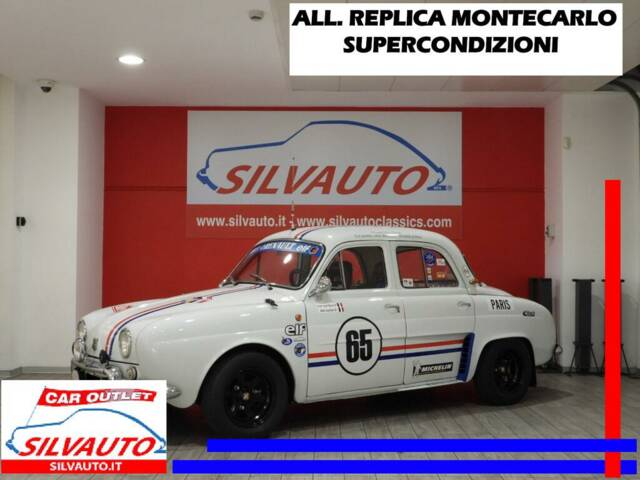
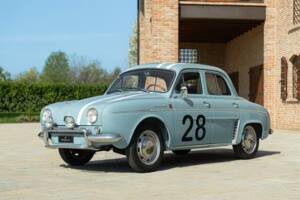
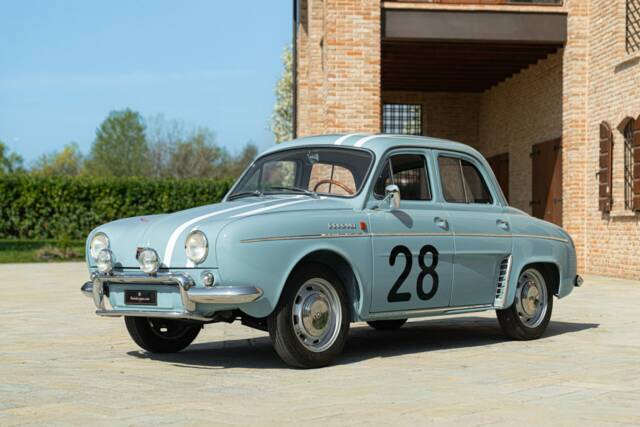
1959 | Renault Dauphine Gordini
RENAULT DAUPHINE R1090 ”ALL. GORDINI REPLICA MONTECARLO” (1959) DISPONIBILE C.R.S. – DIVERTIMENTO ALLA GUIDA ASSICURATO – SUPERPREZZO
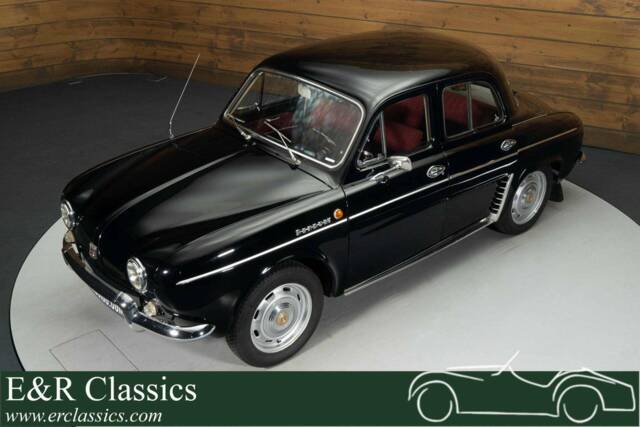
1961 | Renault Dauphine Gordini
Renault DAUPHINE GORDINI
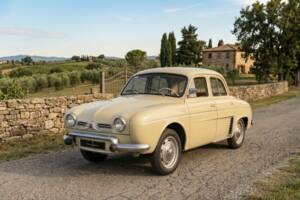
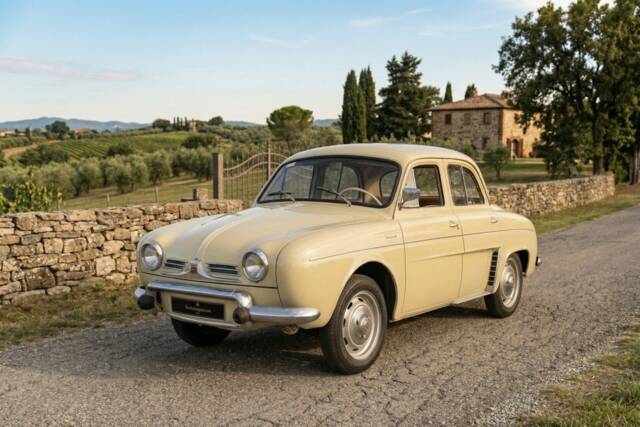
1961 | Renault Dauphine Gordini
Renault Dauphine Gordini
Renault Dauphine listing references from Classic Trader
Below you will find listings related to your search that are no longer available on Classic Trader. Use this information to gain insight into availability, value trends, and current pricing for a "Renault Dauphine" to make a more informed purchasing decision.
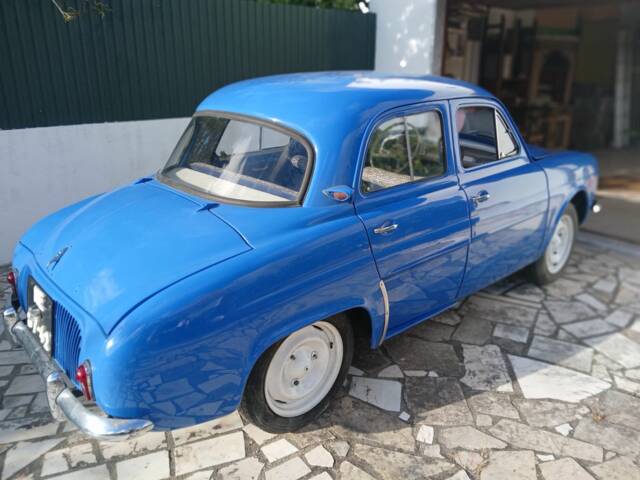
1960 | Renault Dauphine
Renault Dauphine | 1960 | Route 66 Auctions - For sale by auction. Estimate 5500 EUR
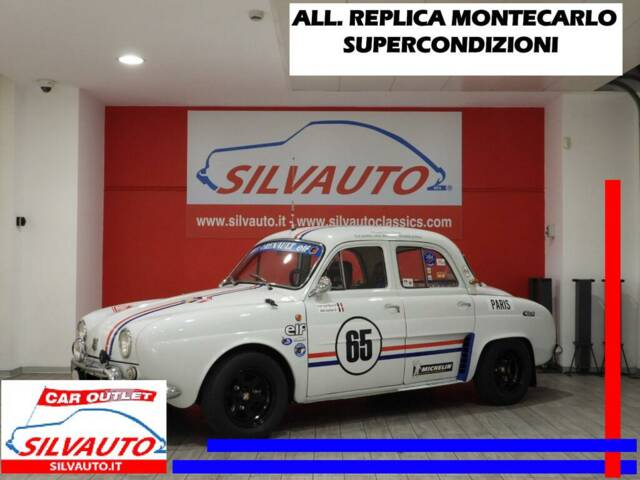
1959 | Renault Dauphine Gordini
RENAULT DAUPHINE R1090 ”ALL. GORDINI REPLICA MONTECARLO” (1959) DISPONIBILE C.R.S. – DIVERTIMENTO ALLA GUIDA ASSICURATO – SUPERPREZZO
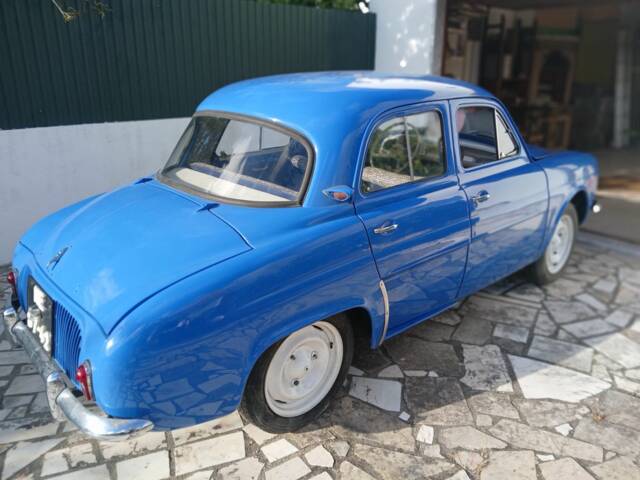
1960 | Renault Dauphine Export
Renault Dauphine | 1960 | Route 66 Auctions - For sale by auction. Estimate 6500 EUR
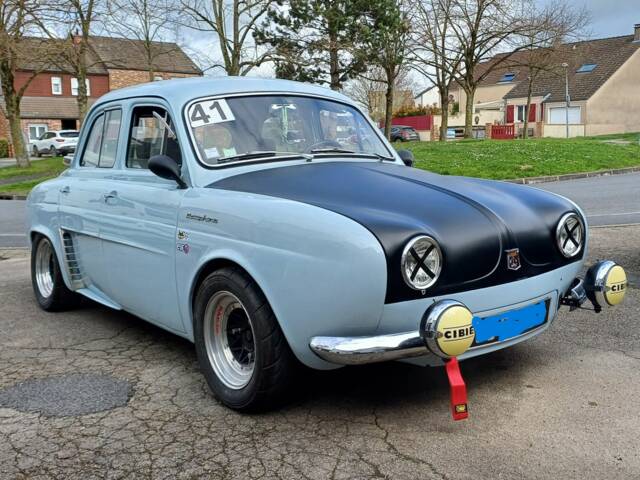
1959 | Renault Dauphine Gordini
Renault Dauphine Rally | 1959 | Route 66 Auctions - For sale by auction. Estimate 7500 EUR
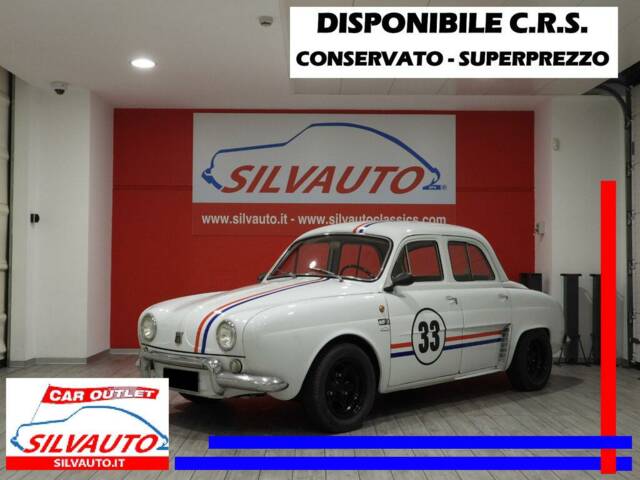
1959 | Renault Dauphine
RENAULT DAUPHINE R1090 (1959) DISPONIBILE C.R.S. – CONSERVATO – SUPERPREZZO
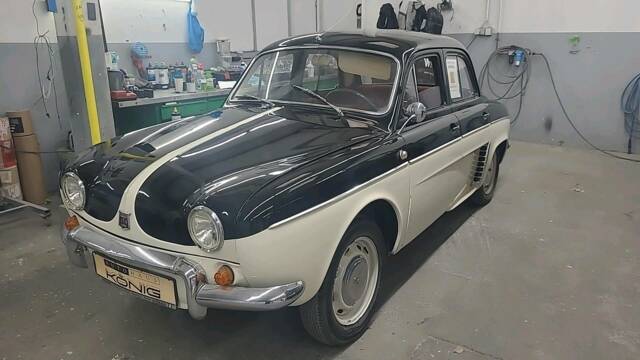
1965 | Renault Dauphine
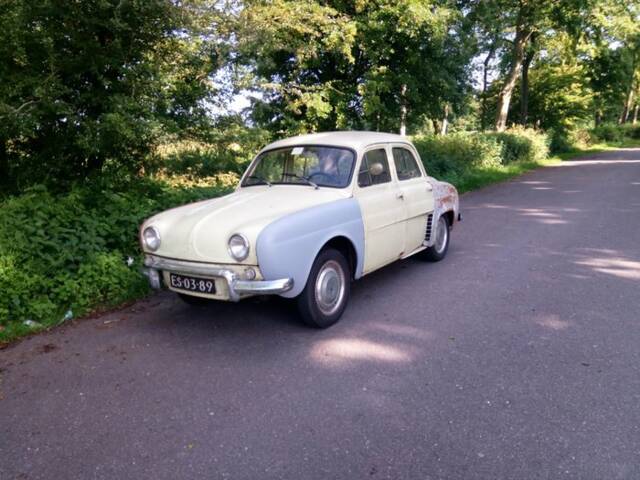
1965 | Renault Dauphine Export
Renault - Dauphine R1094 - NO RESERVE - 1965
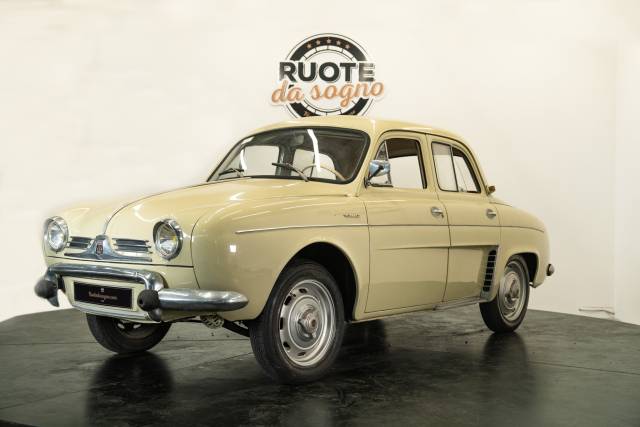
1961 | Renault Dauphine Gordini
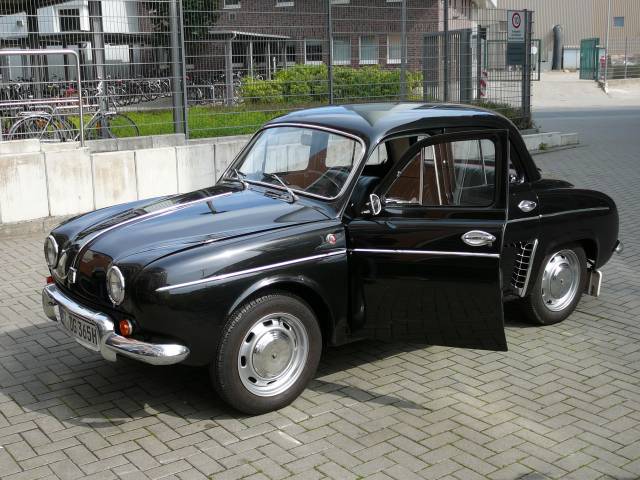
1965 | Renault Dauphine Gordini
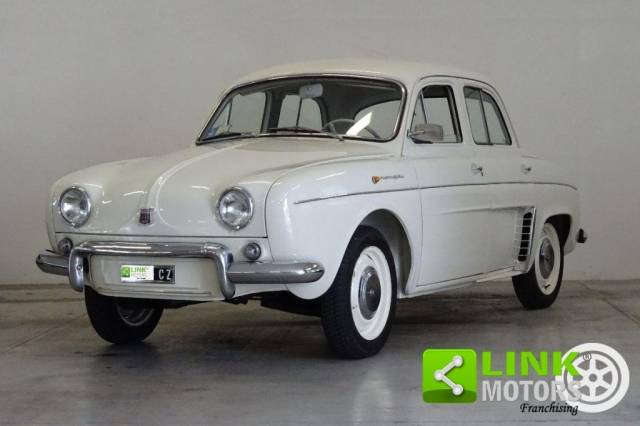
1962 | Renault Dauphine
RENAULT DAUPHINE
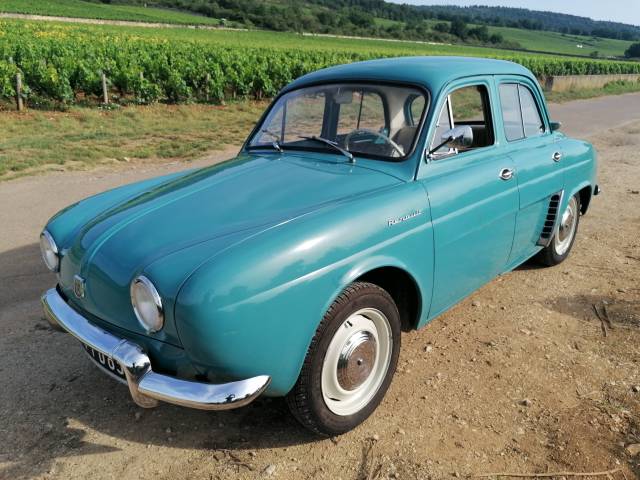
1960 | Renault Dauphine
Renault Dauphine Classic Cars: Prices & Market Values
History of the Renault Dauphine
Renault introduced the Dauphine in March 1956 at the Flins plant as a direct follow-up to the successful 4CV. Conceived as an affordable and practical car for the masses, it balanced engineering ambition with everyday usability. The name Dauphine, hinting at ‘heir to the throne’, reflected its status as Renault’s new flagship for small family transport. Development involved extensive long-distance and harsh climate testing to ensure reliability across global markets. The Dauphine’s elegant three-box design and practical dimensions proved popular, particularly in France and West Germany. Exports, including about 150,000 units to Germany, underlined its international reach. Although celebrated as a mobility solution for post-war Europe, the Dauphine also became known for its motorsport presence and innovative features for its time, especially for a compact economy saloon.
Model History
The Dauphine was developed as replacement for the 4CV, which, due to persistent demand, continued in production for years alongside the new model. The Dauphine’s utility and adaptability led to worldwide assembly and a rich array of versions over its 11-year production run. The main line was enhanced by the Gordini performance versions, the luxury-focused Ondine (1961) with a four-speed gearbox and upgraded interior, and the rare rally-ready 1093 variant. The lineage built a bridge to later Renault models, notably as a technical and design ancestor of the Renault 4. After 2,150,738 cars produced globally, the main production ceased in late 1966, with the last units leaving assembly in 1967.
Highlights of the Renault Dauphine
The Dauphine stands out for its refined handling, distinctive retro-chic styling, and versatile use as both family transport and motorsport contender. Key highlights include the rear-engine, rear-wheel drive layout, advanced (for its class) four-wheel drum brakes in early models, and colour choices influenced by renowned French designer Paule Marrot. Special trims like the Gordini, with unique striping and sport-tuned engines, elevated its appeal among enthusiasts and racers. The Dauphine also boasted vibrant factory colours and bespoke interior trims, catering both to style-conscious and pragmatically-minded buyers.
Technical Data
Special Editions and Collectible Models
The Dauphine Gordini, named after performance specialist Amédée Gordini, featured uprated engines, sport suspensions, and distinct visual cues like striping—making it a sought-after choice for motorsport and spirited driving. The Ondine represented the luxury end with comfort improvements such as adjustable seats and special interior trims. In addition, the Rallye 1093, produced in very limited numbers (circa 2,200 units), targeted competition use with further power and a close-ratio five-speed gearbox.
Weak Spots and Common Issues
Rust is the primary concern with the Dauphine, especially on early models and those exposed to damp climates. Structural corrosion in the chassis, sills, and suspension mounting points should be scrutinised. Mechanically, engine cooling and carburation can require meticulous care due to the compact engine bay and the age of original components. Suspension components and drum brakes need routine fettling for consistent function. Electrical systems, especially early 6V configurations, can also show weakness; many cars have been sympathetically upgraded to 12V. Parts remain available thanks to a robust enthusiast network, but authenticity and fitment should be confirmed when sourcing replacements.
Engine and Performance, Transmission and Handling
With its rear-mounted inline-four engine and light kerb weight, the Dauphine delivers agile, city-friendly handling, quick steering response, and moderate straight-line performance. Standard versions produce around 30–36 PS, rising to nearly 50 PS in rally/1093 trim. The Gordini and 1093 models impress with improved suspension, closer gear ratios and sharper power delivery, making them favourites for historic racing. The basic four-speed manual offers intuitive, period-correct shifting and suits the car's power output. While motorways push the limits of comfort and stability at speed, the Dauphine remains enjoyable on twisty roads and in urban settings. Most admired are the Dauphine Gordini for its motorsport legacy and distinctive looks, and the limited Rallye 1093 for its exclusivity and uprated performance. The Ondine’s luxury trim also attracts collectors seeking rare period features.
Interior, Comfort, Exterior and Design
Renault collaborated with Paule Marrot for a bold visual identity, with colour names like Bahamas Yellow and Trinidad Red that made the Dauphine stand out in post-war Europe. Interiors featured bespoke fabric patterns and details such as the triple-dolphin emblem on the steering wheel and bonnet. Four-door configuration and efficient space design created comfortable seating for four adults. Optional extras included special upholstery, stylish two-tone paintwork, and branded accessories. Some versions boasted disc brakes, rare for a compact saloon of the era. The dashboard, switchgear and layout exude the functional yet charming French style of the 1950s and 1960s.
Other Notable Features
The Dauphine was predominately left-hand drive but some right-hand drive variants exist, mainly for export markets. Many cars offered today have retained their originality, from blue interior trims to factory wheel designs and correct engine components. The Dauphine’s lightness and simplicity have made it a frequent candidate for barn finds and full restorations, contributing to its enduring presence among classic car circles.
Summary
The Renault Dauphine offers a unique combination of retro design, innovative rear-engined engineering, and lively driving characteristics. Its variety of special editions appeals to collectors, while the robust production figure (over two million) ensures that restoration and passion for these classics remain strong. It stands alone as the dominant Renault classic currently offered, suiting drivers who seek French charm and distinctive 1950s–60s craftsmanship.