Wartburg 311 Oldtimer kaufen
The Wartburg 311 stands as one of the most distinctive classic saloons from East German automotive history, produced between 1956 and 1965, with remarkable variety in body styles, robust two-stroke technology and characteristic chrome details. Its unique design, technical distinctiveness and rarity – especially in convertible and luxury versions – makes it a compelling find for collectors seeking something unlike anything from the West.
Search results
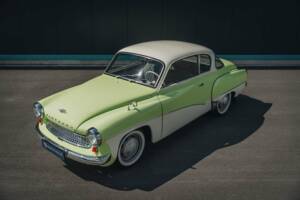
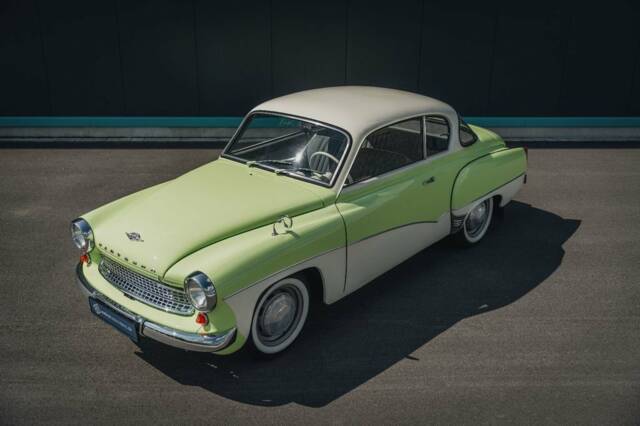

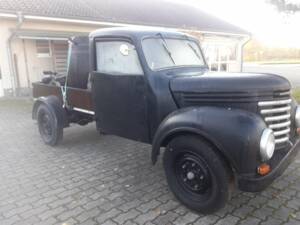
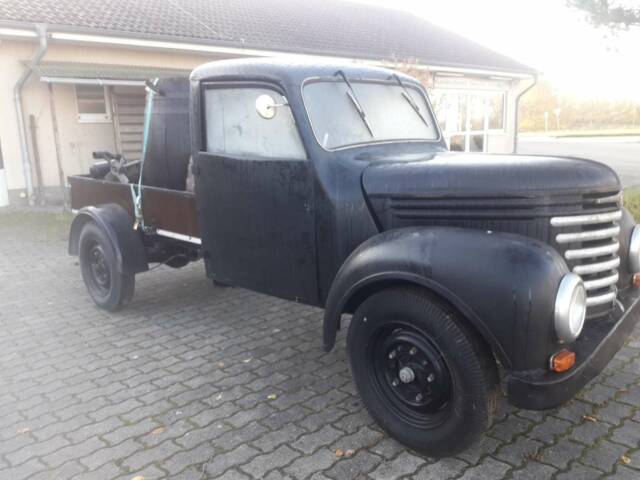
1960 | Wartburg 311/7 Schnelltransportwagen
Wartburg Framo
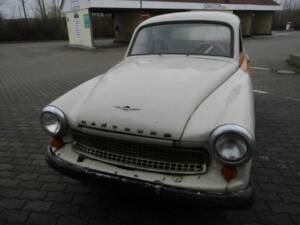
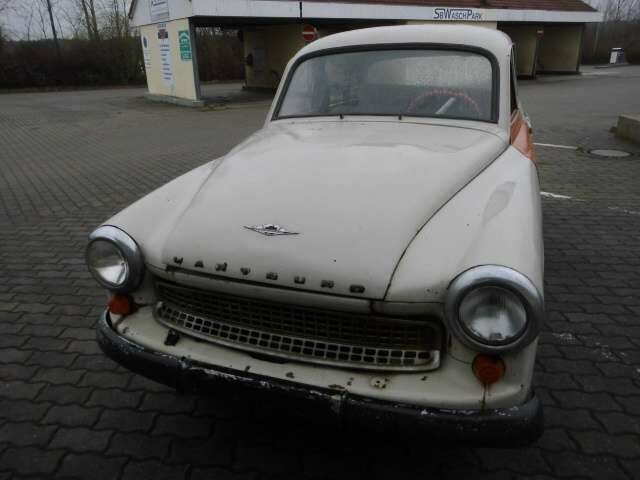
1962 | Wartburg (311/0) 1000 Standard
Wartburg 311
Wartburg 311 listing references from Classic Trader
Below you will find listings related to your search that are no longer available on Classic Trader. Use this information to gain insight into availability, value trends, and current pricing for a "Wartburg 311" to make a more informed purchasing decision.
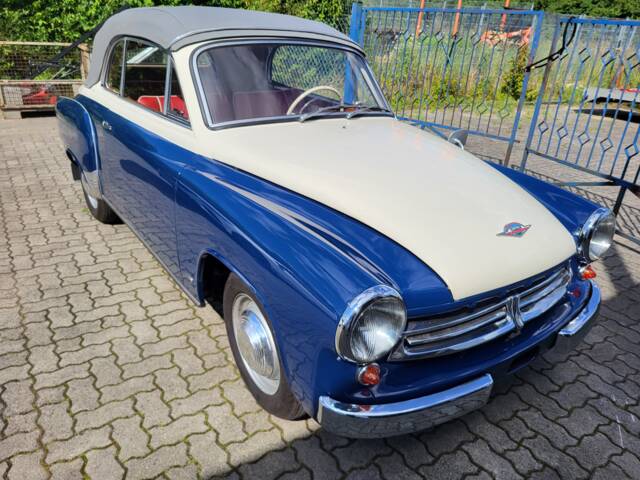
1959 | Wartburg 311/2 Kabriolett
Wartburg 311/2 Cabrio-Limousine / Note 2+ / BVSK-Gutachten / Restauriert
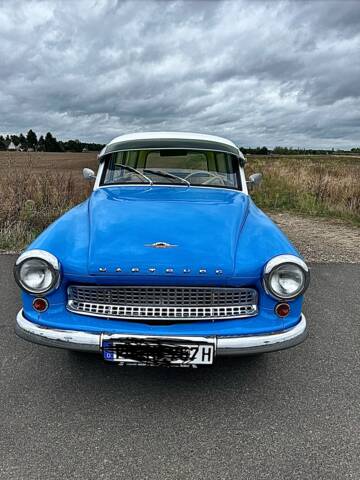
1964 | Wartburg (311/5) 1000 Camping
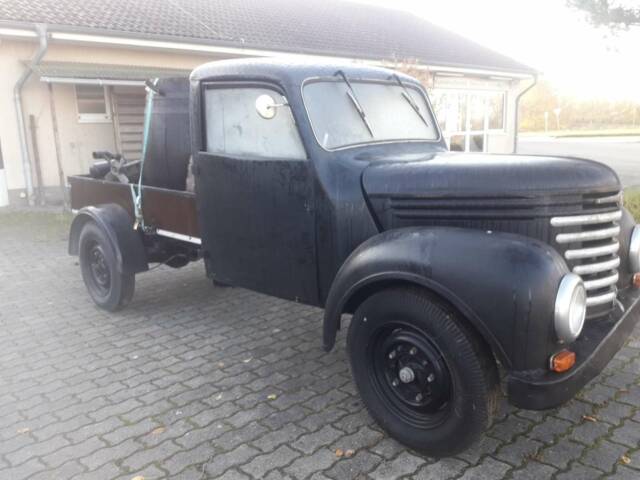
1960 | Wartburg 311/7 Schnelltransportwagen
Wartburg Framo
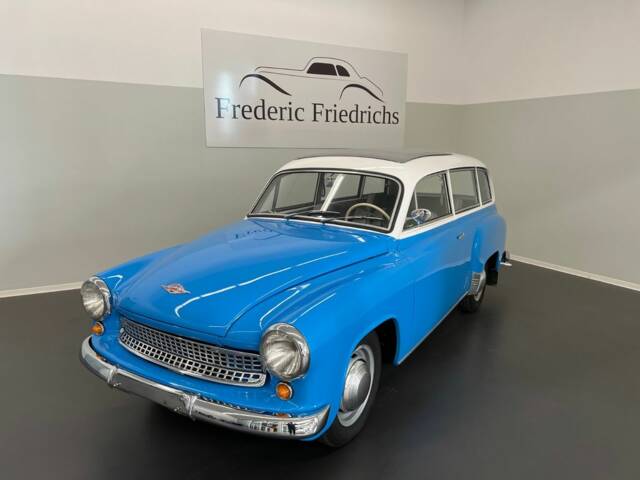
1963 | Wartburg (311/9) 1000 Kombi
Rundheckkombi de Luxe Faltdach
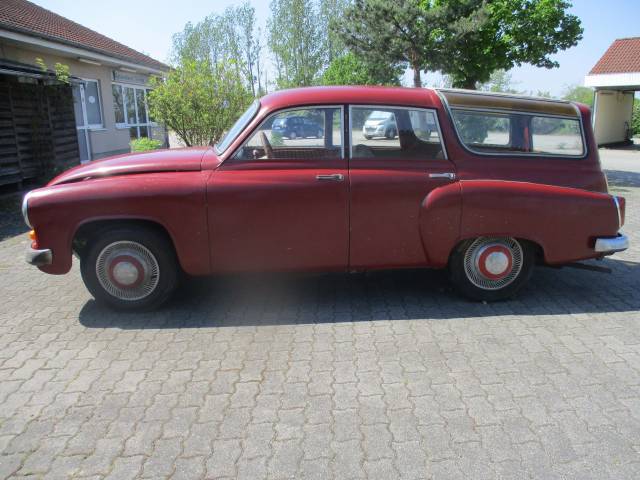
1962 | Wartburg (311/5) 1000 Camping
Wartburg 311 W 311-5 Camping
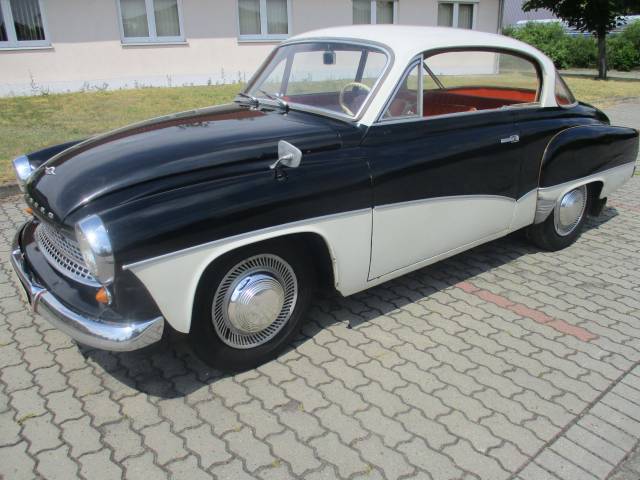
1963 | Wartburg (311/3) 1000 Coupé
Wartburg 311 Wartburg W 311-3 Coupe
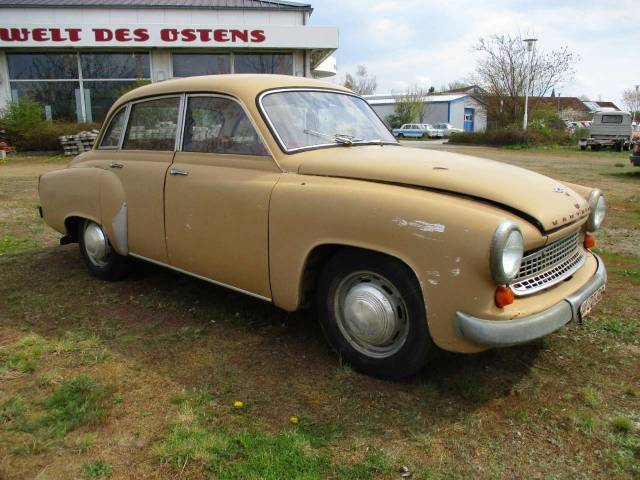
1959 | Wartburg 311/0 Standardlimousine
Wartburg 311
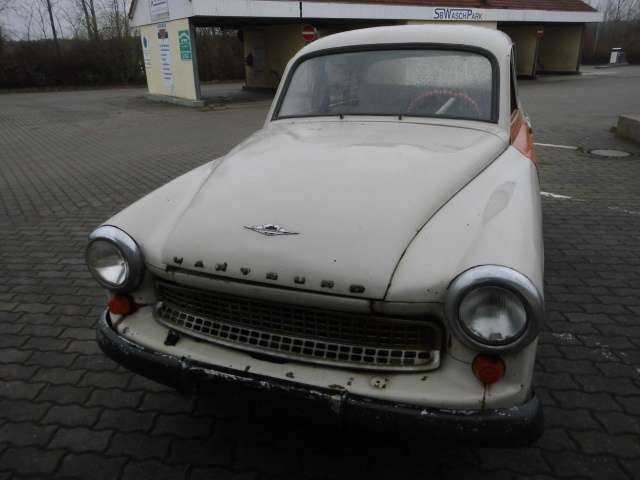
1962 | Wartburg (311/0) 1000 Standard
Wartburg 311
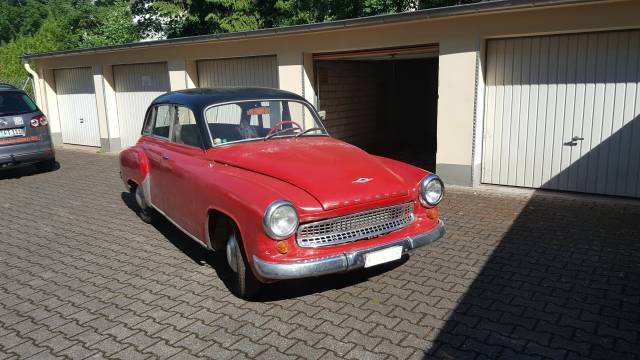
1962 | Wartburg (311/0) 1000 Standard
Super Basis. Kaum Rost
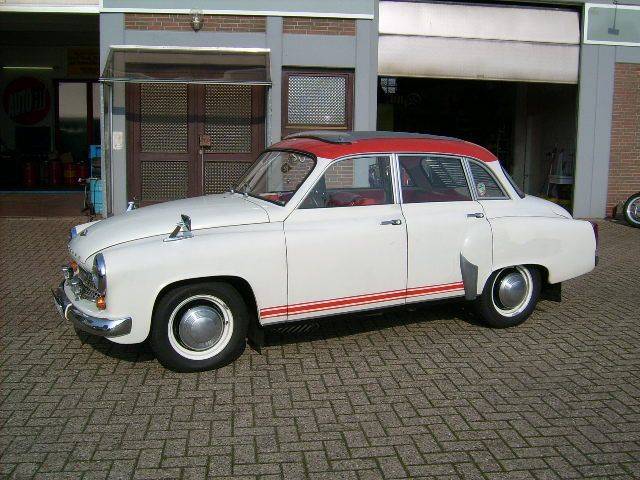
1963 | Wartburg (311/1) 1000 Luxus
Wartburg 311 Faltdach Limousine
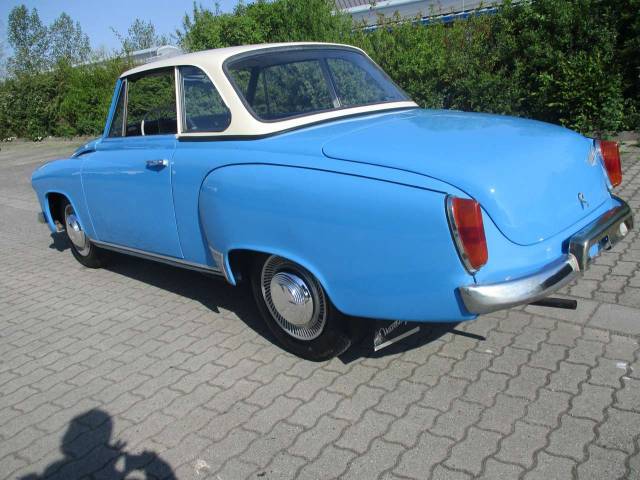
1965 | Wartburg 311-300 HT
Wartburg 313 W311 300 HT , ähnlich 312 HT
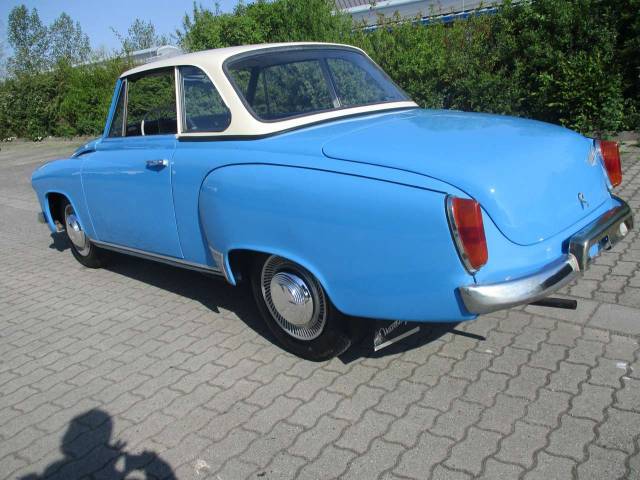
1965 | Wartburg (311/3) 1000 Coupé
Wartburg 311 W311 300 HT , ähnlich 312 HT
Wartburg 311 Classic Cars: Prices & Market Values
History of the Wartburg 311
The Wartburg 311 was introduced in 1955 by VEB Automobilwerk Eisenach as the leading model from the GDR and succeeded the EMW 309, which itself traced back to the pre-war DKW F9 architecture. Though its ladder frame construction was already outdated upon launch, this concept allowed immense flexibility, enabling Eisenach to offer the 311 in saloon, coupé, cabriolet, estate, and pickup versions. Continuous developments marked its production run: from updated chassis and bodywork in the initial years to engine enhancements culminating in the 991 cc displacement and 45 hp. Notably, the Wartburg 311 was also exported, making a considerable contribution to the economy of East Germany. Nearly 250,000 units were built before production transitioned to the more advanced Wartburg 312.
Model History of the Wartburg 311
The direct predecessor to the Wartburg 311 was the EMW 309, derived from the IFA F9, itself based on Auto Union's DKW F9. This lineage established the basic framework and technical philosophy for the 311. Production spanned from 1956 to 1965, with numerous adaptations and improvements implemented throughout the years. The most prolific variant was the four-door saloon, with over 130,000 units made. Luxury versions, distinguishable by their two-tone paint and chrome accents, appeared from 1957. Cabriolets, coupés, camping saloons, station wagons, police special versions and pickups were also produced, highlighting the model's versatility. In 1962, the engine capacity was increased to 991 cc, and the model subsequently evolved into the Wartburg 1000 designation. After 1965, the model was succeeded by the intermediate Wartburg 312, carrying over the 311's body but introducing an improved chassis.
Highlights of the Wartburg 311
• Broad variety: Offered as saloon, luxury saloon, coupé, cabriolet, station wagon, camping saloon, police Kübelwagen and pickups, with corresponding bodywork adaptations. • Technically distinctive: Two-stroke, three-cylinder engine, robust ladder frame, leading-link front suspension, and remarkable adaptability for diverse use-cases. • Unique aesthetics: Chrome bumpers, headlight rings, mirror housings, distinctive front grille, two-tone finishes on luxury models and harmonious design on coupés/cabriolets. • Collector value: Special and rare variants such as folding-roof and luxury versions (approx. 14,749 folding-roof cars built) are especially coveted. • Equipment and options: Features such as vinyl or folding roofs, accessory spotlights, rear foglamps, roof blinds, original documentation and original windows distinguish many examples. • Market presence: With a supply share of 100%, all listed Wartburg models on Classic Trader bearing this manufacturer code correspond to the 311, highlighting its defining role within the brand. Demand metrics agree: listing views for the 311 also account for 100% of Wartburg model views, underlining its absolute dominance within available and sought-after Wartburgs.
Technical Data
Special Editions and Collectible Variants
The Wartburg 311 was notable for its high number of rare and collectible models. Among these, the cabriolets, coupés, and fold-roof ('Faltdach') saloons stand out, with only an estimated 14,749 folding-roof variants produced. Luxury sedans, with two-tone paint and elevated trim levels, are also particularly valued. Exclusive versions for police and specialist roles, as well as export models with specific features to suit foreign markets, add further appeal for dedicated collectors.
Weak Spots and Common Issues
While no manufacturer-specific weak spots are listed, experience shows that points deserving attention with the Wartburg 311 include the health of the two-stroke engine (notably piston rings and seals), condition of the ladder frame (potential for rust and fatigue), and the availability of original replacement parts such as carburettors, axles, leaf springs, exhaust components, and body panels. Regular maintenance and access to original or high-quality reproduction parts are crucial for long-term preservation. Particular trims and features (e.g., folding roofs, luxury interiors) may be hard to replace, underscoring the importance of completeness in prospective purchases.
Engine and Performance, Transmission and Handling
The Wartburg 311’s hallmark was its robust and torquey 3-cylinder, 2-stroke engine—an unusual feature in Western cars. Early versions delivered 37 hp, with improvements raising output to 45 hp at 991 cc towards the end of production. Coupled to a 3-speed manual transmission (with synchronisation from 1958), the 311 provided lively acceleration and could reach up to 115 km/h. Handling, dictated by the ladder frame and leaf spring suspension, was tailored toward comfort and versatility across differing body styles. Brake systems and chassis technology saw regular updates, enhancing reliability and control over the years. - Wartburg 311/8 (Standard four-door saloon): Represents the most commonly encountered configuration, combining everyday usability and authentic GDR motoring experience.
- Wartburg 311 Luxus (Luxury saloon): Two-tone paint, richer trim, and superior upholstery appeal to collectors.
- Wartburg 311 Cabriolet and Coupé: Sought-after due to rarity and harmonious body design.
- Wartburg 311 Campinglimousine & Kombi: Versatile for both utility and touring, especially in original condition.
Interior, Comfort, Exterior and Design
The Wartburg 311 distinguished itself with a contemporary, flowing body design that kept pace with design trends of the late 1950s and early 1960s, despite its roots in pre-war concepts. Notably, luxury and export models offered two-tone finishes, extensive chrome detailing (bumpers, headlight surrounds, mirrors, grilles), and upgraded upholstery in multiple colours and high-quality artificial leather. Optional folding roof or vinyl roofs further set certain versions apart. Interiors could feature white headliners and dashboards, adjustable sunblinds for rear windows, and additional accessories like fog lights, reversing lamps (often chromed), and period-correct radios or additional lighting. The uniqueness of each configuration continues to fascinate dedicated classic car enthusiasts, with each car’s paint code, accessory set, and fabric composition telling a story of East German ingenuity amid material constraints.
Other Relevant Features
The Wartburg 311 has retained a surprising degree of originality in many surviving examples, often with full documentation and period paperwork. Many feature rare original windows, authentic documentation, and period accessories. Replacement parts for engine, gearbox, suspension and bodywork are reported to be available, supporting ownership even decades after production. Variant-specific documents, such as luxury edition manuals or export version paperwork, enhance provenance and desirability.
Summary
With production numbers nearing a quarter-million, and unrivalled variety in body versions and equipment, the Wartburg 311 has had a lasting impact on the classic car landscape, particularly as the defining model from Eisenach in the GDR era. Its unique blend of robust engineering, two-stroke powertrain, originality in design, and exceptional collector appeal—especially in rare versions—make the 311 an essential choice for those seeking an authentic piece of motoring history. Every Wartburg on the Classic Trader platform falls into this series, reflecting its dominance and sustained significance among enthusiasts.