- Car
- Volkswagen
- Volkswagen Karmann Ghia (20 offers)
Volkswagen Karmann Ghia: Classic Car Buying Guide
The Volkswagen Karmann Ghia merges Italian design flair with robust German engineering, resulting in one of the most visually distinctive and technically accessible classic VWs. Built between 1955 and 1974, it combines the proven mechanical platform of the Beetle or Type 3 with hand-crafted bodywork and a characterful driving experience.
Search results
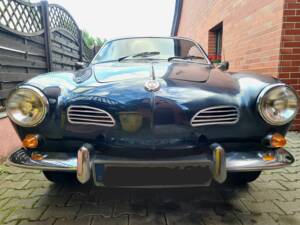
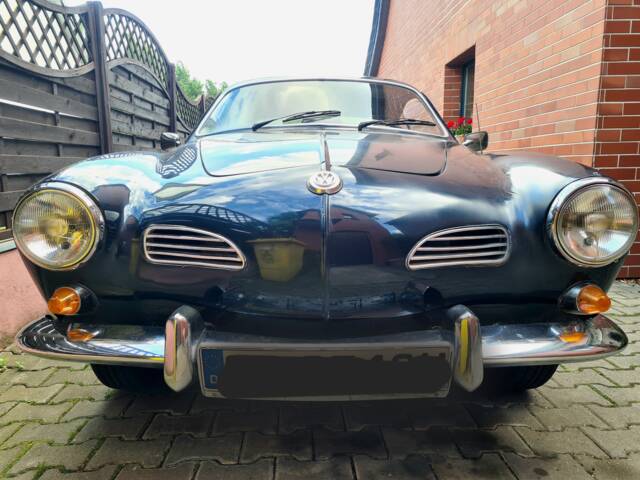
1968 | Volkswagen Karmann Ghia 1500
Karmann Ghia 1500 Typ 14
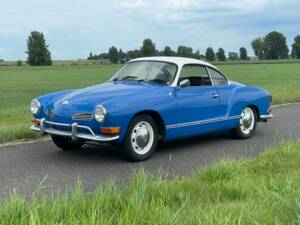
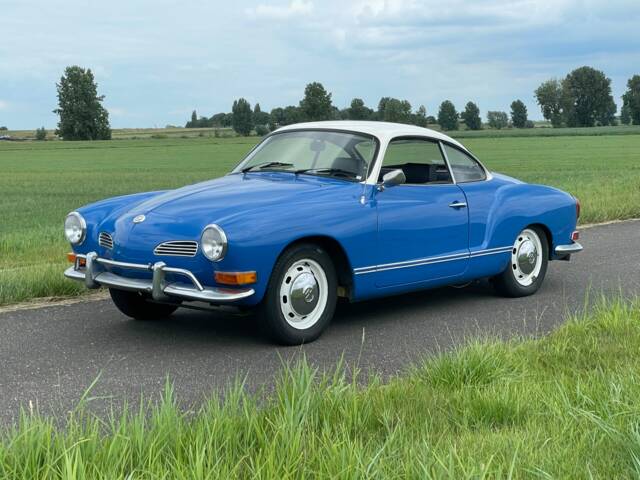
1970 | Volkswagen Karmann Ghia 1600
Volkswagen Karmann Ghia Coupe | 1970 | Route 66 Auctions - For sale by auction. Estimate 9500 EUR
Auctions ending soon

Loading…
Loading…
Loading…
Loading…
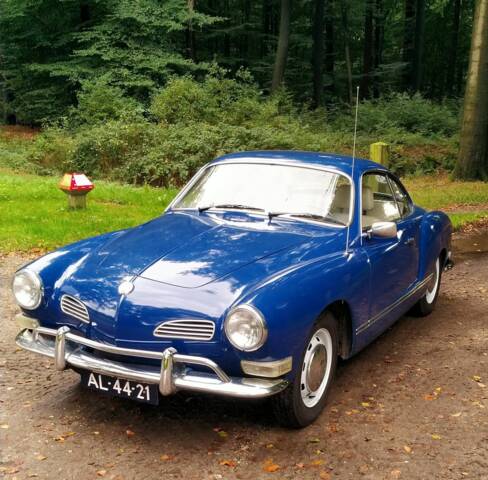
1970 | Volkswagen Karmann Ghia 1600
Volkswagen Karmann Ghia | 1970 | Route 66 Auctions - For sale by auction. Estimate 9500 EUR
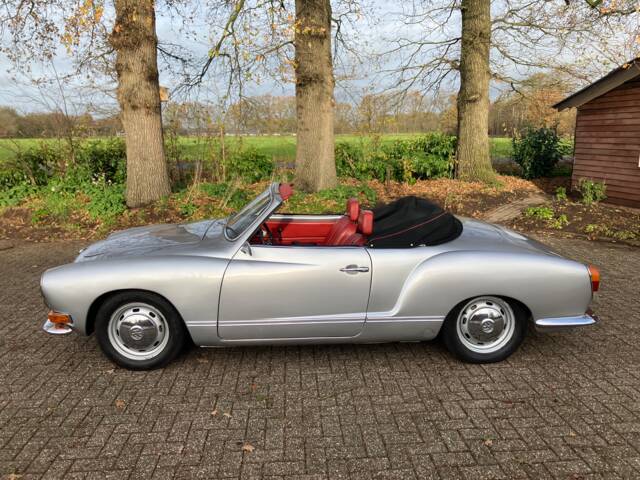
1971 | Volkswagen Karmann Ghia 1600
VW Karmann Ghia 1600 Cabrio, body-off gerestaureerd. AE-motor


1973 | Volkswagen Karmann Ghia 1600
Volkswagen Karmann Ghia Cabriolet | 1973 | Route 66 Auctions - For sale by auction. Estimate 14500 EUR
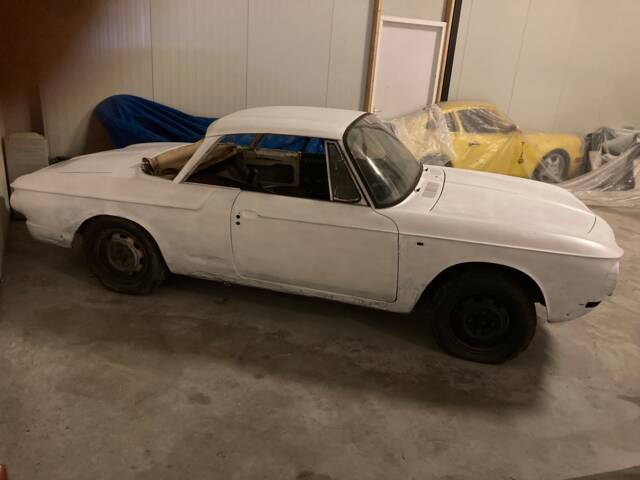
1968 | Volkswagen Karmann Ghia 1600 L
Seltene T34 zum restaurieren, fast complet
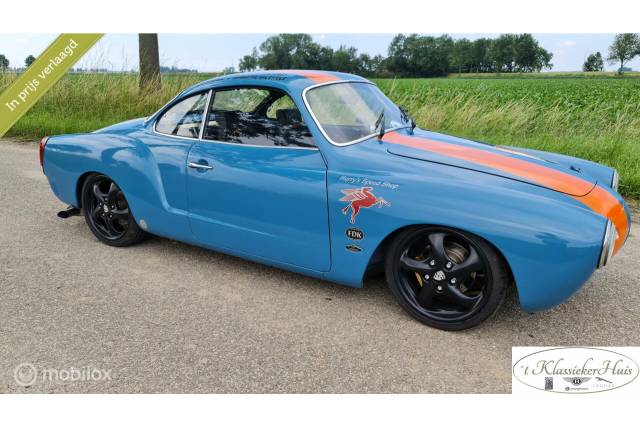
1974 | Volkswagen Karmann Ghia 1600
Volkswagen Karmann Ghia coupé 180 pk porsche nieuw
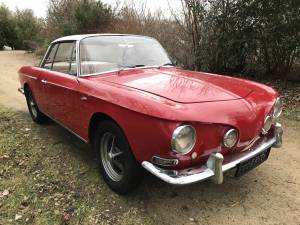

1963 | Volkswagen Karmann Ghia 1500
KARMANN GHIA TYPE 34
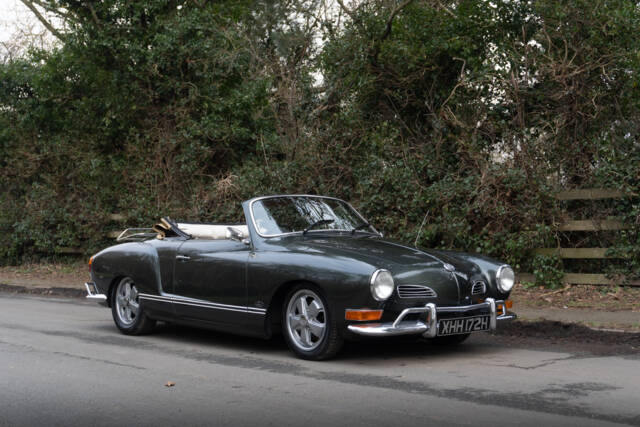
1970 | Volkswagen Karmann Ghia 1500
1970 Volkswagen Karmann Ghia Convertible
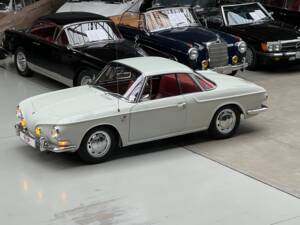
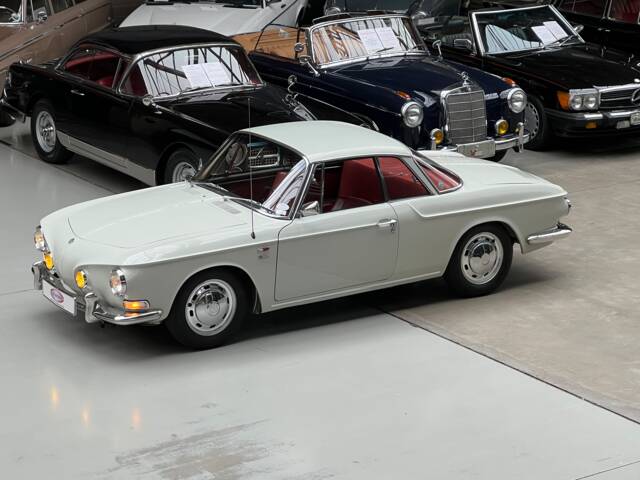
1968 | Volkswagen Karmann Ghia 1600 L
Premium-VW
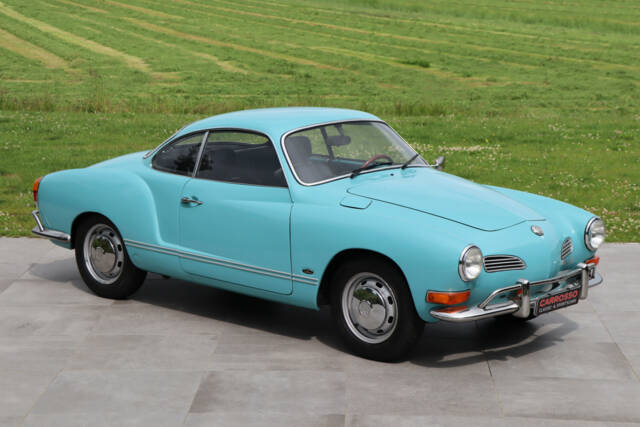
1970 | Volkswagen Karmann Ghia 1600
Volkswagen Karmann Ghia T14 Coupé - Restored
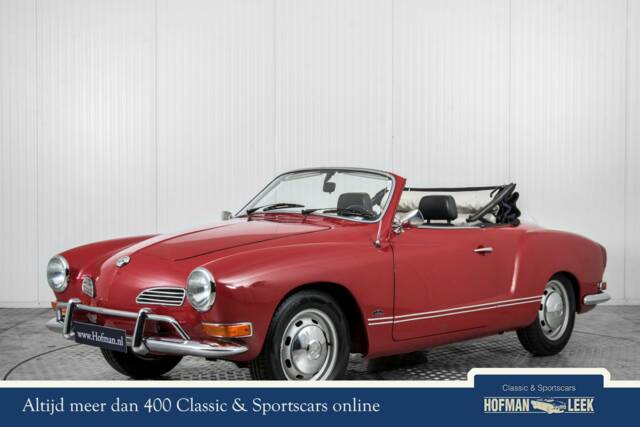
1971 | Volkswagen Karmann Ghia 1600
Volkswagen Karmann Ghia cabrio .
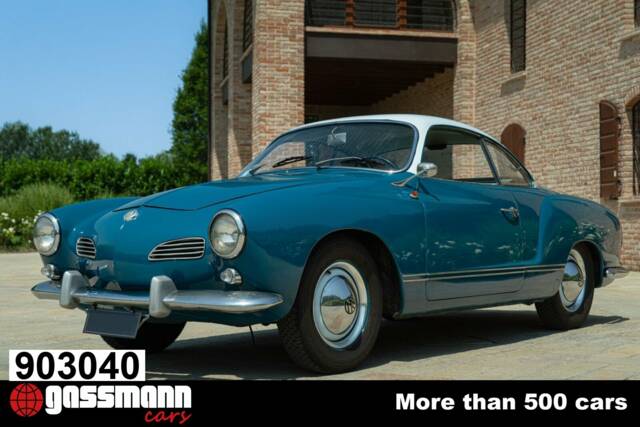
1963 | Volkswagen Karmann Ghia 1200
1200 Karmann Ghia Coupe
History of the Volkswagen Karmann Ghia
Launched in 1955, the Volkswagen Karmann Ghia was created by blending the mechanicals of the VW Beetle (Type 1) with a curvaceous body designed by Italian studio Ghia and coachbuilt by Karmann in Osnabrück. Its original coupé debuted at the 1953 Paris show and quickly gained traction as a car of style and modest sportiness. Production spanned nearly 450,000 units over two main series, with the vast majority exported, especially to the USA, reflecting an early step towards a globalised car market. The model was so successful that for many years, about two-thirds of production went to North America. In Brazil, production of the Karmann Ghia 'C' lasted until 1975. After nearly two decades, production wound down to make way for the Porsche 914 and Scirocco.
Model History and Generations
The Karmann Ghia lineage comprises three key variants:
- Type 14 (1955–1974): The original version, available as coupé and convertible, based on the Beetle chassis and running gear with engines from 1200cc (30 hp) to 1600cc (50 hp). Over 440,000 Type 14s were built, making it the most numerous model.
- Type 34 (1962–1969): Known as the 'big Karmann,' it used Type 3 underpinnings and engines (usually 1500cc or 1600cc, up to 54 hp). About 42,500 were produced, with a distinctive angular design, more luxurious equipment, and options like an electric sunroof.
- Type 145/TC (1970–1975): Brazilian-built, mechanically similar to the Type 3, but with a unique body and featuring higher performance (1600cc, 65 hp).
The Karmann Ghia never received a true sports car successor—Volkswagen proposed a 'Cheetah' but decided against it. Production ceased finally in the mid-1970s.
Highlights and Key Features
The Karmann Ghia stands out for its sculpted Italian body, hand-finished by Karmann with butt-welded and leaded panels—quite unlike the mass-produced Beetle. Early 'lowlight' models (1955–59) feature delicately low-mounted front lamps and refined proportions, highly sought after by enthusiasts. Technical simplicity ensures parts (with the exception of body panels) are mainly interchangeable with the equivalent Beetle or Type 3, keeping maintenance costs controllable.
Original equipment and options include a wide palette of paint colours, contrasting interiors, classic radios (often VW Emden), wood or plastic steering wheels, chrome bumpers (with or without overriders), and accessories such as whitewall tyres, luggage racks, and, in the Type 34, an optional electric steel sunroof.
Technical Data
Special Editions and Collectible Models
Early Type 14 'Lowlight' (1955–59) examples are recognised for their lower headlights, slim bumpers, and minimalist chrome—favoured for their purer design language. Type 34s stand out for their rarity, higher specification, and the possibility of a factory-fitted electric sunroof. The Brazilian Type 145/TC is also of particular collector interest due to its unique bodywork and limited production run. Specific colour/interior combinations or original accessories (like Emden radios or wood dashes) can enhance collector value.
Engine, Performance, Transmission and Handling
Although its looks suggest a sporty nature, the Karmann Ghia's performance aligns closely with contemporary Beetles. Type 14 engines ranged from 1200cc (30 hp) to 1600cc (50 hp), giving top speeds between about 116–150 km/h. The Type 34 used 1500–1600cc engines, scoring up to 54 hp. Gearboxes are four-speed manuals (later, select automatics). Handling is safe and predictable, built on torsion bar front suspension and swing axle rear setup, but spirited driving is limited by contemporary standards, with rear-engined dynamics and swing axle quirks. Braking improved from drum all round to front discs from 1967. The Brazilian TC (65 hp) is the quickest and most agile of the line. - Type 14 Coupé/Cabriolet: Most common, easiest for parts and maintenance, and ideal for those wanting the classic Ghia experience.
- Type 34: Sought after for rarity, higher trim, and unique design details; more difficult (and expensive) to restore.
- TC (Brazil): Highest performance, suitable for those seeking uniqueness and a bit more power.
Interior, Comfort, Exterior and Design
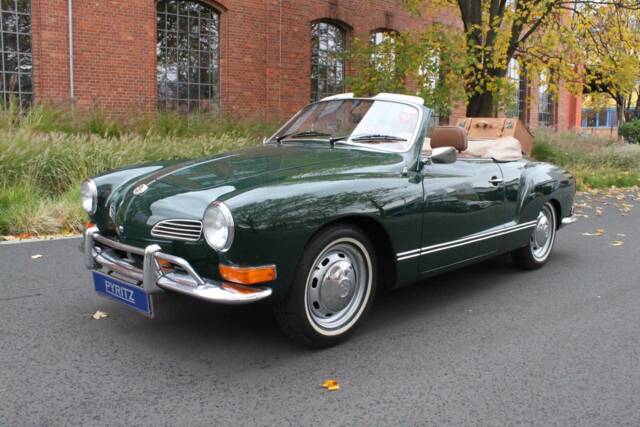
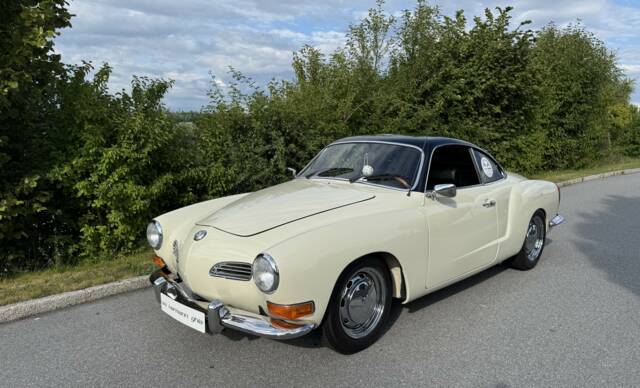
The Karmann Ghia's key design asset is its harmonious bodywork, a product of Italian styling by Ghia and careful hand-crafting by Karmann. Early cars display delicate bumpers, subtle trim, and minimalist interior decor, while later variants bring chunkier bumpers, more luxurious dashboards (including wood or wood-effect for Type 34), and improved seats. The palette of original paint colours is broad—rare colours boost appeal. Accessory options span original radios, sunroofs (especially rare and prized on Type 34s), headrests, seat belts, and stylish wheels. Many classics still retain period features like whitewall tyres and luggage racks, enhancing their 'period-correct' visual presence.
Other Relevant Features
The Karmann Ghia benefited from Volkswagen's reliable engineering, meaning good parts availability for mechanical and electrical systems. Cars delivered to the US often had national trim differences. Most original cars are eligible for historic registration and tax benefits in many countries. All genuine Ghias have unique, non-removable bodywork—notably, the wings are welded—not bolted like a Beetle.
Summary
The Volkswagen Karmann Ghia represents a blend of mid-century Italian aesthetics with practical, air-cooled VW engineering. Most models (especially the Type 14 coupés and cabriolets) offer robust reliability and broad parts support, while the rarer Type 34 and Brazilian TC models stand apart for collectors. Its design, gleaming paintwork, and mechanical honesty make the Karmann Ghia a lasting favourite for those seeking classic style with dependable running costs.