Vauxhall 20/60 Classic Cars for Sale
The Vauxhall 20/60 stands as a hallmark of British engineering from the late 1920s, distinguished by its robust 2.7-litre engine and its reputation for reliability during a transformative period in automotive history. Today, the 20/60 remains a rare find, attracting enthusiasts of pre-war motoring and collectors alike.
Search results
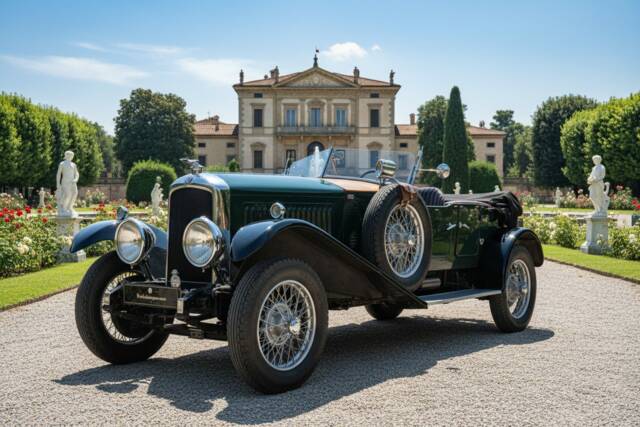
1930 | Vauxhall 20/60 T80
Vauxhall T80 OPEN TOURER

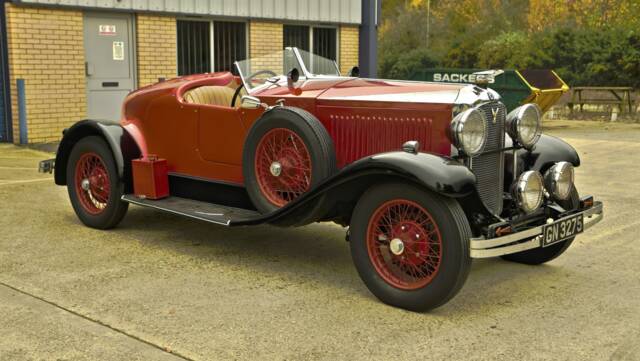

Auctions ending soon

Loading…
Loading…
Loading…
Loading…
Vauxhall 20/60 listing references from Classic Trader
Below you will find listings related to your search that are no longer available on Classic Trader. Use this information to gain insight into availability, value trends, and current pricing for a "Vauxhall 20/60" to make a more informed purchasing decision.
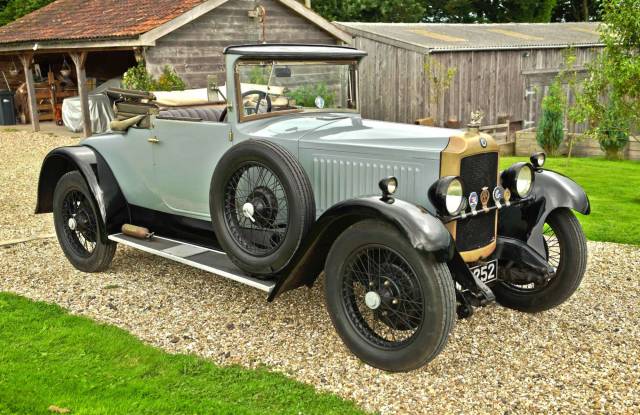
1928 | Vauxhall 20/60 T80
1928 Vauxhall 20-60 Grafton Drophead Coupé with Dickey
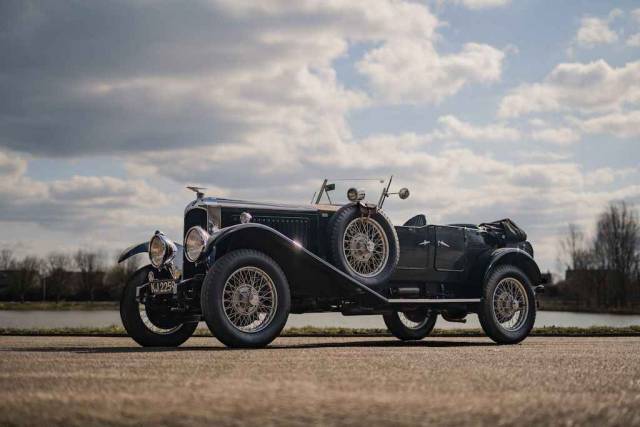
1930 | Vauxhall 20/60 T80

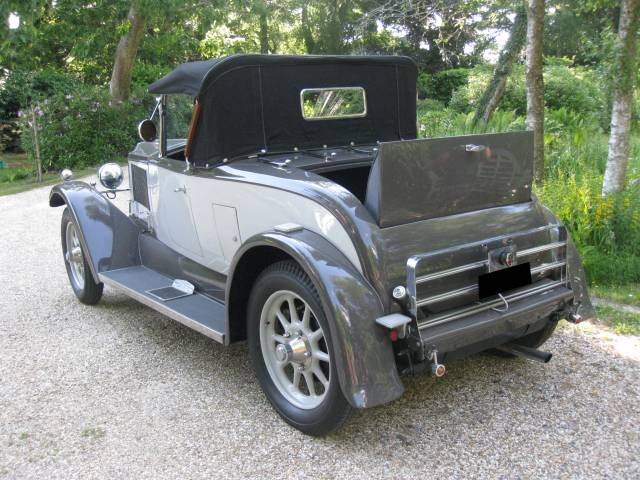
1928 | Vauxhall 20/60 T80
1928 Vauxhall 20/60 Melton fastback
Vauxhall 20/60 Classic Cars: Prices & Market Values
History and Introduction of the Vauxhall 20/60
Debuting in 1927, the Vauxhall 20/60 marked an evolution for the brand as it emerged from the era of WWI with a focus on refinement and engineering substance. Designed in the wake of Vauxhall’s acquisition by General Motors, the 20/60 embodied the transition from the hand-built, Edwardian-style automobiles to more modern, mass-produced vehicles. Known for its dependability, the model gained popularity among motorists seeking a balance of power, comfort, and mechanical sophistication in the interwar years.
Model History
The Vauxhall 20/60 replaced the company's earlier 14-40 model, bringing significant advancements in chassis design, comfort, and engine performance. Production ran from 1927 until 1930, after which it was succeeded by the Vauxhall 23-60 and later models with more displacement and further refinements. The 20/60 T-Type is especially noted for its mature design and coherent integration of new technologies, making it a pivotal chapter in the lineage of Vauxhall’s pre-war cars.
Highlights and Statistics
A distinguishing feature of the 20/60 is its six-cylinder in-line engine, a significant step forward for the marque at the end of the 1920s. Synchromesh transmission began appearing late in the production run, improving drivability. The model stands apart with its solid axles and semi-elliptic leaf springs, which delivered a durable yet compliant ride for the era. Period coachbuilders often fitted the chassis with bespoke bodies, including saloons, tourers, and limousines.
Technical Data
Special Editions and Collectible Models
Although no factory-produced special editions are documented, a variety of coachbuilt bodies exist due to the era’s custom coachwork tradition. Models with rare open tourer or limousine bodies, particularly those by esteemed firms like Grosvenor or Mulliner, are especially sought after by dedicated Vauxhall historians and collectors for their provenance and architectural detail.
Weak Spots and Common Issues
Given its 1920s construction, potential buyers should inspect for chassis corrosion, condition of the wooden coachwork frame (where applicable), and the integrity of the original electrical and braking systems. Spare parts for the engine and transmission are relatively scarce, making diligent maintenance and sourcing of replacements essential for continued reliable running.
Engine, Performance, Transmission and Handling
The 20/60’s six-cylinder engine, paired with a four-speed gearbox, delivered smooth acceleration and an easy cruising speed for contemporary roads. The introduction of synchromesh in later models made gear changes considerably less demanding compared to earlier pre-war cars. While not intended for brisk driving, the Vauxhall’s weighted steering and soft suspension provided a comfort-oriented ride. Braking is mechanical and requires foresight, though it was considered progressive when new. Within the T-Type range, the most technically interesting variant is the later 20/60 models with synchromesh transmission, as they represent one of the earliest adoptions of this technology by Vauxhall.
Interior, Comfort, Exterior and Design
The 20/60’s design is marked by classic proportions: a long bonnet, upright radiator grille, and sweeping fenders. Interiors, depending on body style, commonly feature polished wood dashboards, leather upholstery, and pullman-style seating in limousines. Coachbuilt examples often exhibit unique period details, such as two-tone paintwork, external spare wheels, and bespoke badging. Optional extras included trunk racks, wind deflectors, and supplementary driving lamps.
Other Features
Some 20/60s were equipped ex-factory with accessories such as built-in tool sets, rear luggage carriers, and fold-out windshield visors. Period-correct upgrades, like trafficators or wire wheels, can enhance both safety and authenticity without detracting from collectibility.
Summary
With its blend of technical innovation and bespoke bodywork possibilities, the Vauxhall 20/60 occupies a distinct role among British classics from the interwar period. It combines robust engineering with the allure of tailored craftsmanship, and its limited survival rate today underscores its appeal to enthusiasts who appreciate both historical significance and mechanical authenticity.