Suzuki LJ Classic Cars for Sale
The Suzuki LJ series represents Suzuki's first successful foray into the off-road segment. Built from 1978 to 1982, the LJ 80 set the stage for Suzuki's reputation in robust, nimble 4x4s, initially intended for military use but finding popularity among civilian drivers thanks to its compact design and versatile drivetrains.
Search results
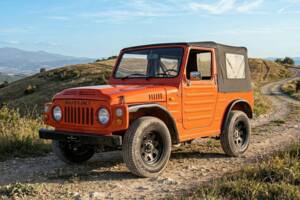
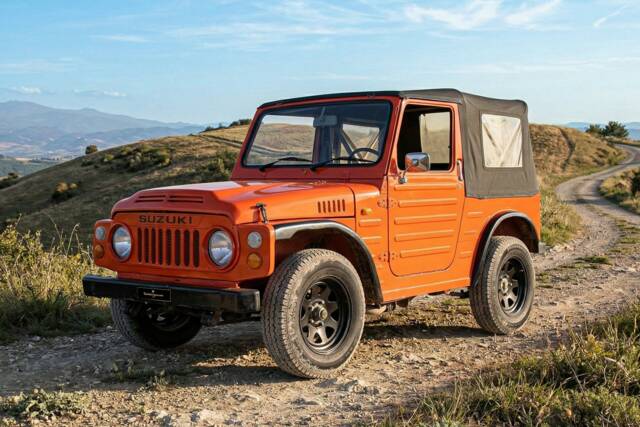
1981 | Suzuki LJ 80
Suzuki LJ 80

Suzuki LJ listing references from Classic Trader
Below you will find listings related to your search that are no longer available on Classic Trader. Use this information to gain insight into availability, value trends, and current pricing for a "Suzuki LJ" to make a more informed purchasing decision.
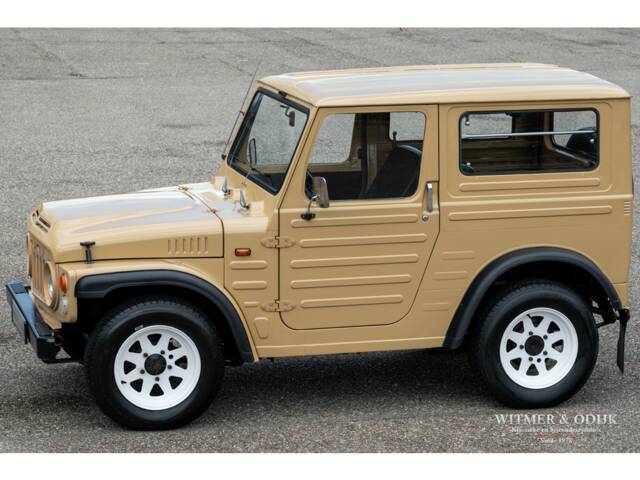
1981 | Suzuki LJ 80
LJ 80 V

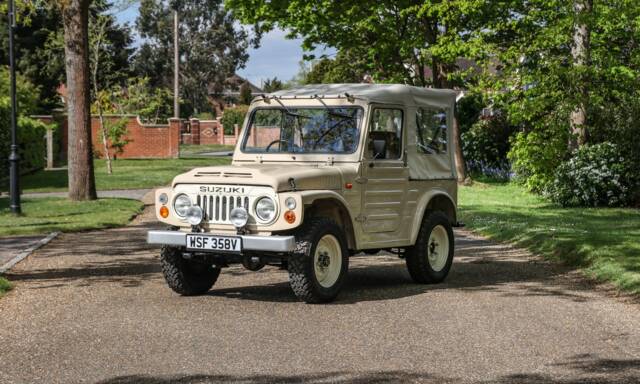
1980 | Suzuki LJ 80
1980 Suzuki LJ80 *WITHDRAWN*

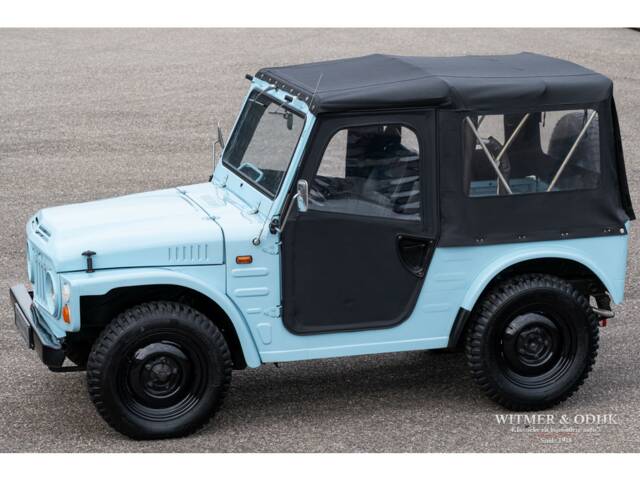
1980 | Suzuki LJ 80
4 wheel drive
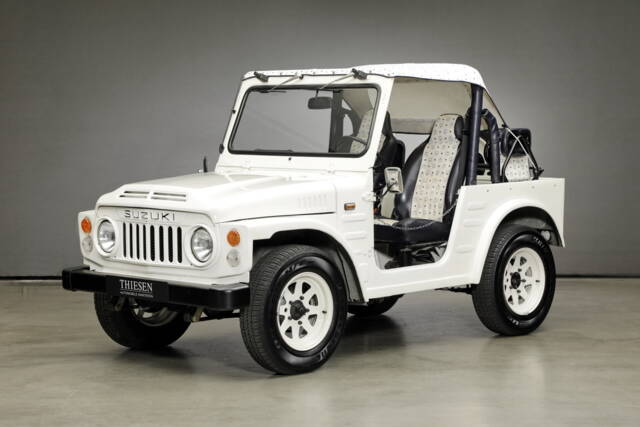
1981 | Suzuki LJ 80
LJ 80 "MCM Fashion"

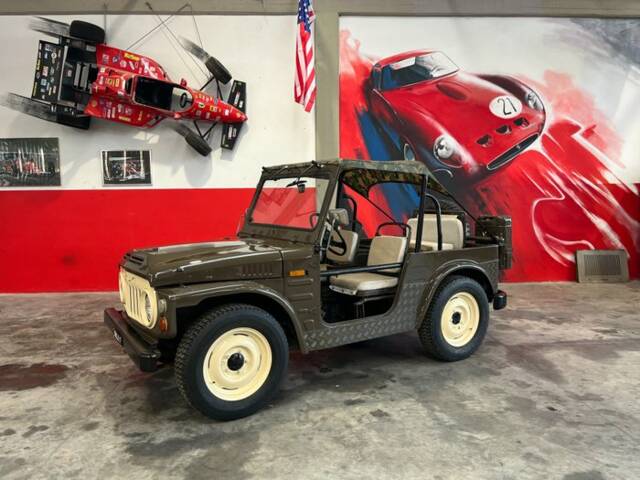
1981 | Suzuki LJ 80
Suzuki - LJ80 Jimny - 1981
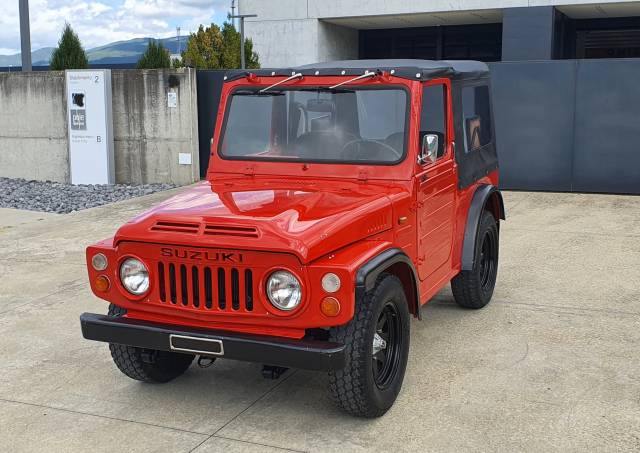
1979 | Suzuki LJ 80
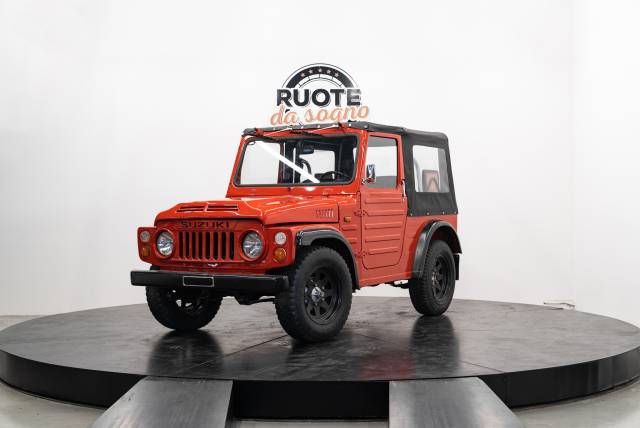
1979 | Suzuki LJ 80
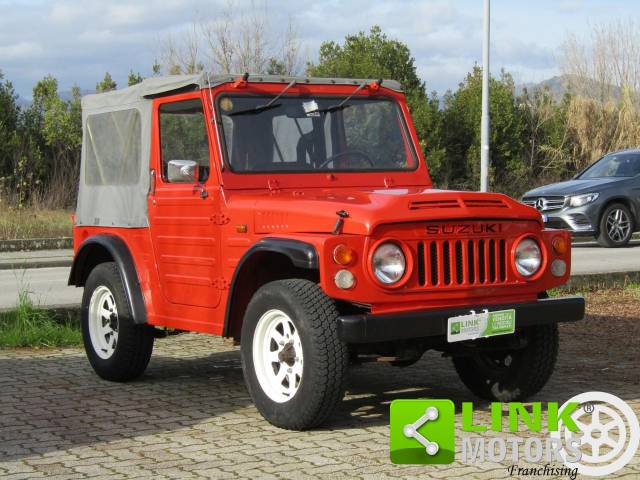
1982 | Suzuki LJ 80
SUZUKI LJ 80 LJ80
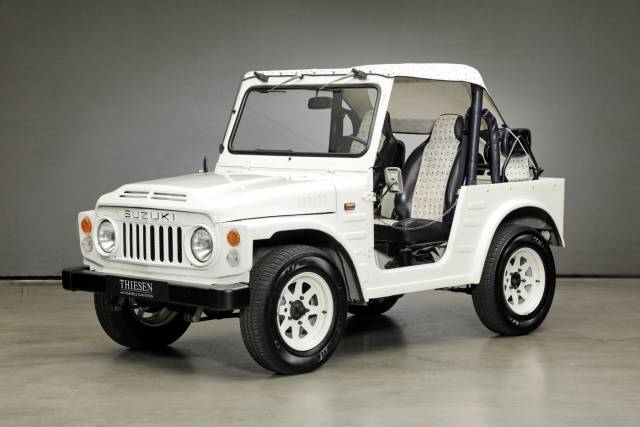
1981 | Suzuki LJ 80
LJ 80 "MCM Fashion"
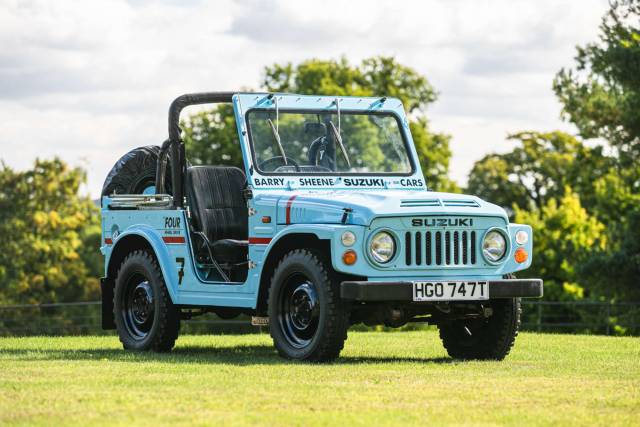
1979 | Suzuki LJ 80
1979 Suzuki LJ80R Ex-Barry Sheene
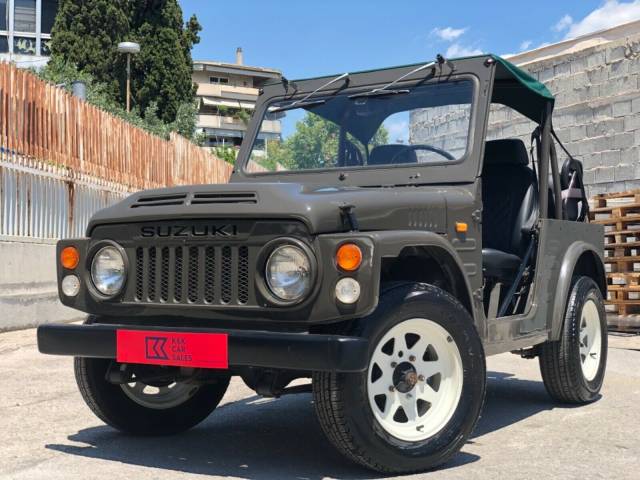
1982 | Suzuki LJ 80
Suzuki LJ 80 100% RESTORED

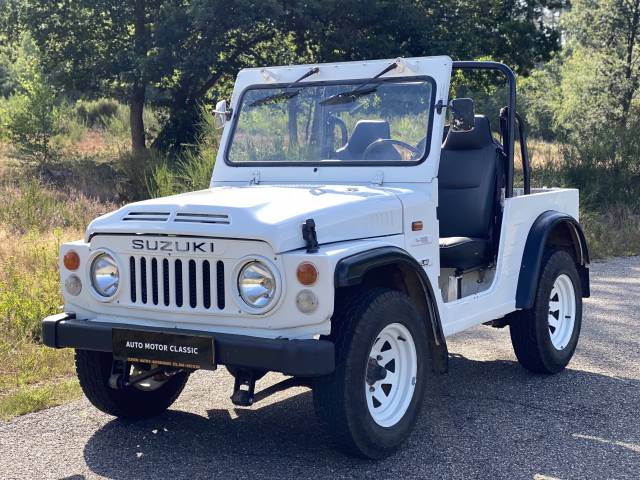
1980 | Suzuki LJ 80
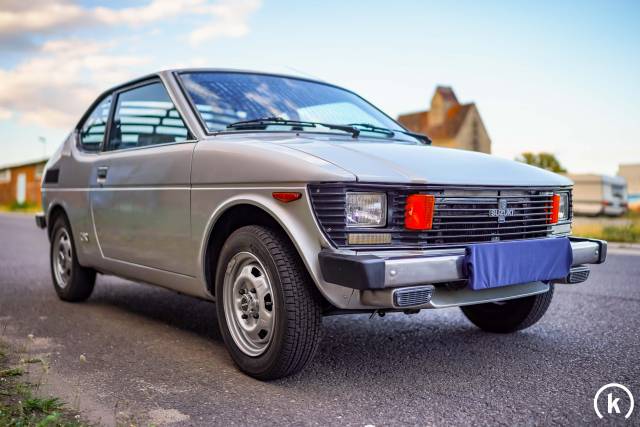
1980 | Suzuki LJ 80
Suzuki SC100 GX Heckspoiler sehr guter Zustand 49 PS (1980)
Suzuki LJ Classic Cars: Prices & Market Values
History of the Suzuki LJ
Suzuki, established in 1909, expanded its automotive presence globally with models like the LJ 80, introduced in 1978. The LJ 80 built on the experience Suzuki gained from earlier models, including the HopeStar 4WD, LJ10, LJ20, and LJ50. Originally designed for the Australian army, the vehicle quickly transitioned to civilian markets. Its German launch at the 1979 IAA was pivotal, despite an initial naming dispute over 'Eljot' and 'Jipsy.' With around 15,800 exported to Germany, the LJ 80 marked Suzuki’s international breakthrough. Rust was an issue that later models would address, but the rugged character, four-seat practicality, and utilitarian engineering secured its following.
Model History
The Suzuki LJ series traces its roots to the HopeStar 4WD of 1968, evolving through the LJ10 and LJ20 before the direct predecessor LJ50. The LJ 80, as the most advanced of these, debuted in 1978 and remained in production until 1982, when it was succeeded in Suzuki’s line-up by the Alto—an entirely different type of vehicle. Key evolutionary steps included an incremental increase in engine output and continuous refinement of the off-road drivetrain. The LJ 80 remains the foundational model for Suzuki’s enduring reputation in light off-roaders.
Highlights of the Suzuki LJ Series
The LJ 80 was available as a cabriolet, hardtop, and with a pick-up bed. Its robust ladder frame and manually switchable four-wheel drive made it apt for both unpaved roads and city use. The four-cylinder petrol engine, small footprint, and exceptional manoeuvrability set it apart from larger, heavier competitors. These capabilities contributed to more than 15,000 sales in the first three years. Additionally, the supply and demand data from our marketplace shows that 100% of Suzuki classic car listings and page views are focused on the LJ series, underlining its centrality in Suzuki’s classic portfolio.
Technical Data
Special Editions and Collectible Models
Several LJ 80 body styles were produced: cabriolet, hardtop, and pick-up. In Germany, only the cabrio version was available to civilian buyers. No factory limited editions are officially documented, but regional names like 'Eljot' and 'Jipsy' temporarily distinguished early imports.
Weak Spots and Common Issues
A defining drawback of the LJ 80 is its susceptibility to rust, especially affecting the steel body panels and chassis. Interested buyers should meticulously inspect for corrosion, particularly on the sills, floor panels, and frame. Mechanical components are straightforward and generally robust, but due diligence with respect to wear on the four-wheel-drive system and gearbox is advisable due to age and possible previous hard use.
Engine and Performance, Transmission and Handling
The Suzuki LJ 80 features a 797 cc naturally aspirated engine, coupled to a 4-speed manual gearbox with selectable four-wheel drive and low-range gearing. Despite modest power, the low weight and short wheelbase deliver impressive off-road capability and ease of use. The rear-wheel-drive configuration for road use and the shiftable four-wheel drive provide solid all-round performance for a vehicle of this class. The German-market cabriolet version is especially notable, as are pick-up body variants, prized for their versatility.
Interior, Comfort, Exterior and Design
The LJ 80’s design is strictly utilitarian: exposed hinges, round headlights, and flat body panels dominate its look. Inside, four individual seats and a spartan dashboard reflect its no-nonsense origins. Steel wheels, minimal overhangs, and simple construction all contribute to durability and ease of maintenance. Accessory options were scarce, with basic weather protection being among the most noteworthy extras.
Other Features
With its lightweight build, the LJ 80 paved the way for Suzuki's ongoing emphasis on practical off-road vehicles. Its compact size made it practical for urban environments, while the selectable 4WD and solid axles delivered true off-road capability.
Summary
The Suzuki LJ 80, produced from 1978 to 1982, is inextricably linked to Suzuki's growing presence in the global off-road market. Its compact design, four-wheel drive, and robust engineering have made it the sole focus of Suzuki's classic sales and search interest. Prospective buyers should pay careful attention to rust issues, but in exchange, they receive a pure, rewarding off-road experience uniquely positioned within the classic car landscape.