Morris Minor classic cars for sale
The Morris Minor stands out as perhaps Britain’s most widely-recognised small car, produced from 1948 to 1971 in a distinctively rounded shape and available in saloon, convertible, Traveller estate, van and pick-up body styles. Its precise engineering and strong presence in UK car culture have ensured continued interest among classic car fans.
Suchergebnisse
1967 | Morris Minor 1000 Traveller
Vienna Calling - coming soon
Preview

1963 | Morris Minor 1000
Vienna Calling - coming soon
Preview
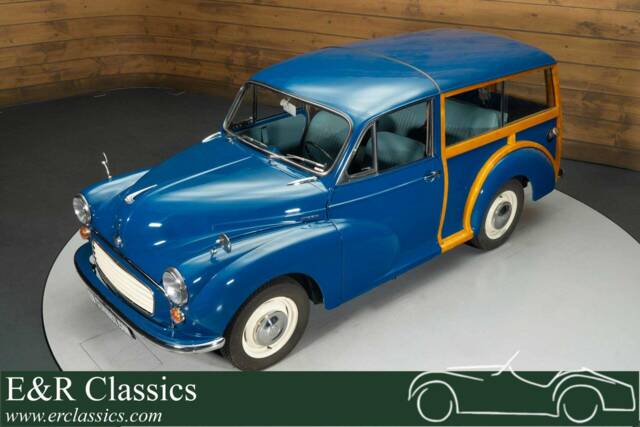
1971 | Morris Minor 1000 Traveller
Oldtimer Morris Minor

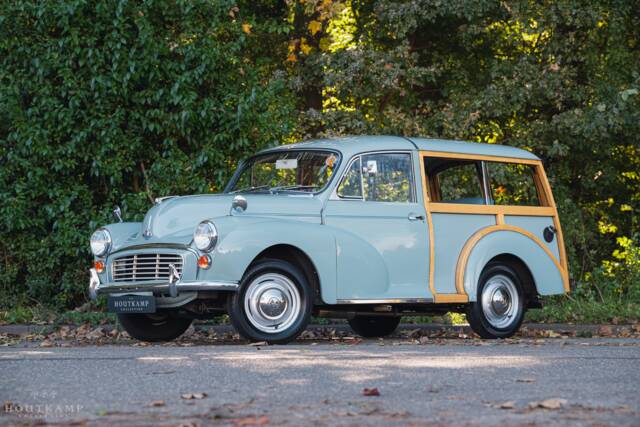
1968 | Morris Minor 1000 Traveller
Completely nut and bolt restored, fully documented by the well known magazine Practical Classics
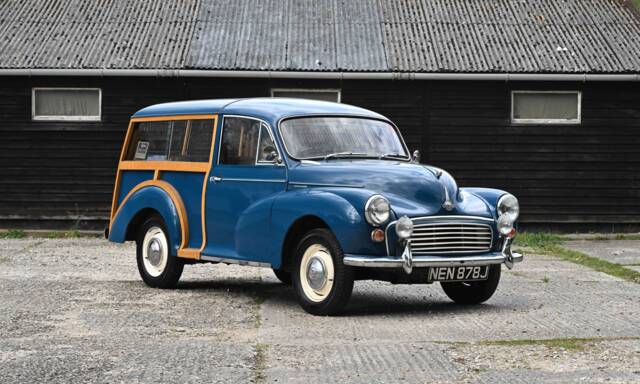
1971 | Morris Minor 1000 Traveller
1971 Morris Minor Traveller

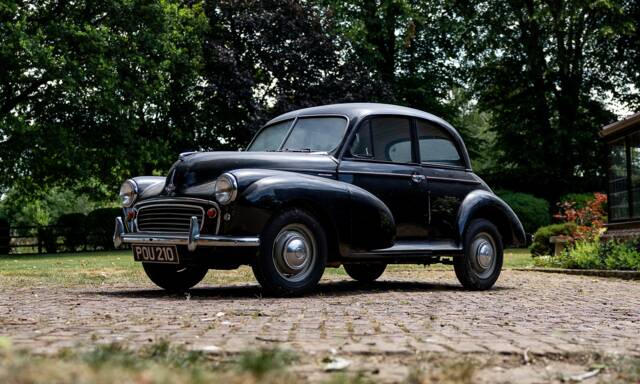
1956 | Morris Minor Series II
1956 Morris Minor(No Reserve)
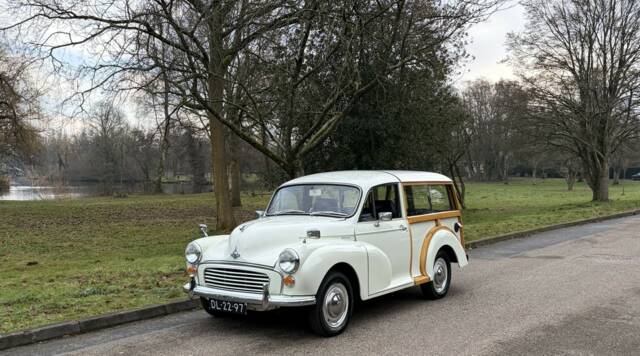
1970 | Morris Minor 1000 Traveller
Minor Your Classic Car SOLD-VENDU-VERKAUFT.
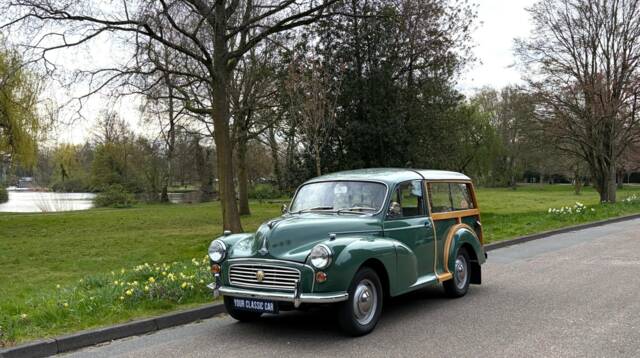
1968 | Morris Minor 1000 Traveller
1000 Traveller. Your Classic Car SOLD_VERKAUFT.
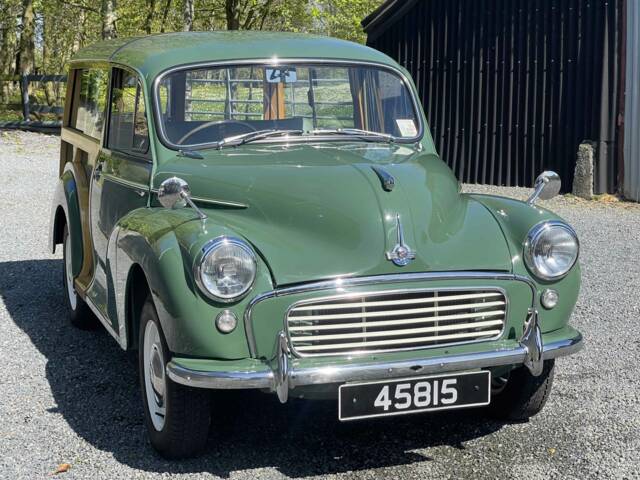
1962 | Morris Minor 1000 Traveller
Older restoration in excellent condition
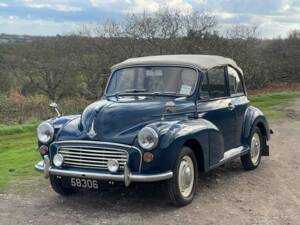
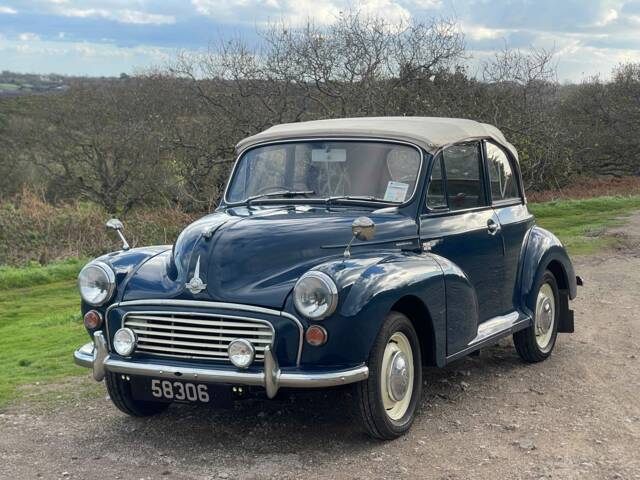
1966 | Morris Minor 1000
Morris Minor 1000 Tourer – Series V
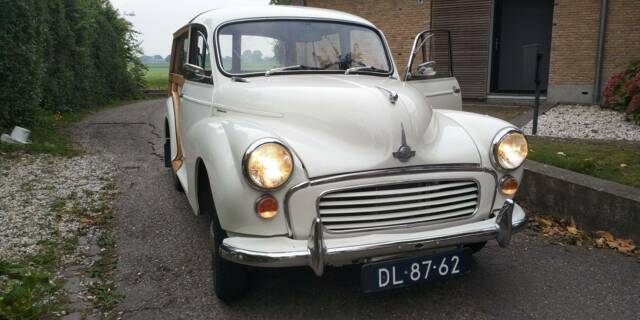
1967 | Morris Minor 1000 Traveller
Morris Minor Traveller – elektrisch omgebouwd, netjes en goed bruikbaar
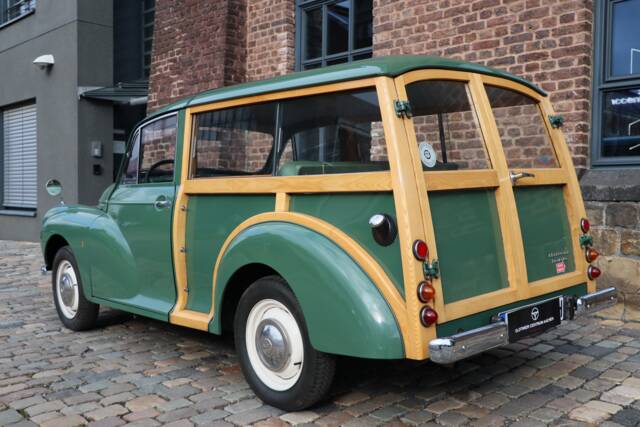
1966 | Morris Minor 1000 Traveller
Excellent condition, low mileage

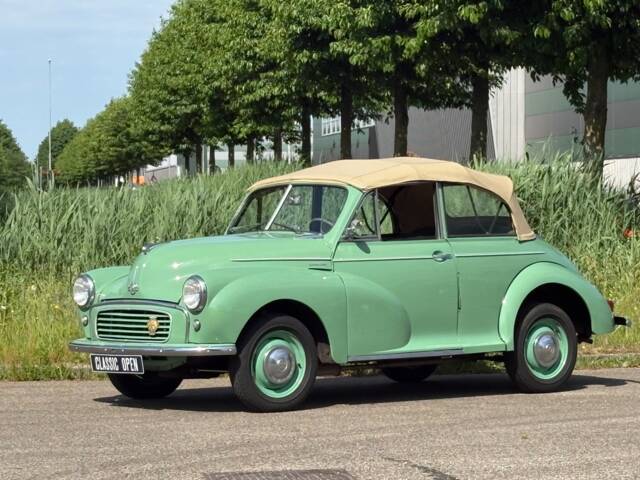
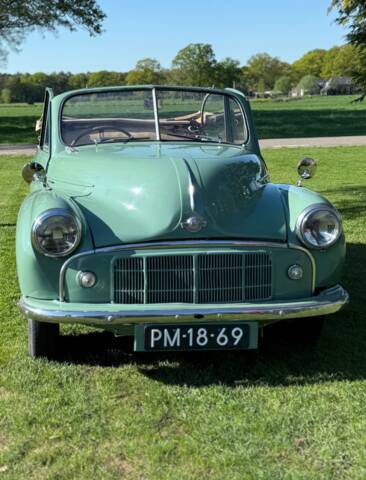
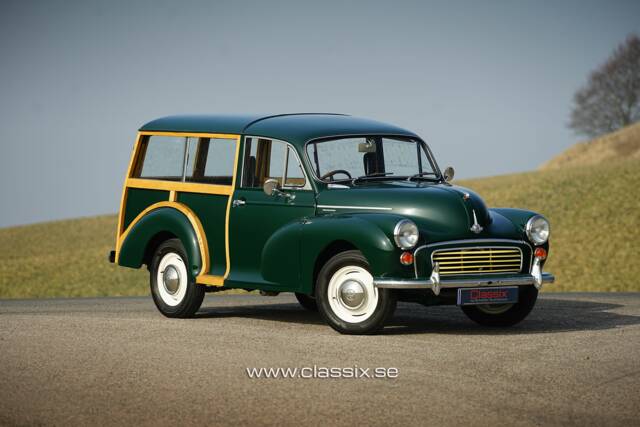
1971 | Morris Minor 1000 Traveller
1380cc Cooper S Engine! Restored!

Morris Minor Classic Cars: Prices & Market Values
The market value of Morris Minor classic cars is primarily determined by the specific manufacturer code and variant, as well as technical condition, originality and mileage. Additional factors include rarity, history and documentation. A well-maintained, largely original vehicle with low, verifiable mileage and complete history including appraisals and documentation typically achieves significantly higher prices than a comparable vehicle with deferred maintenance, many modifications or unclear provenance.
Morris Minor: Market Prices & Value Trends
Based on sales data from the Classic Trader marketplace, the Morris Minor market in Europe looks broadly stable to gently firming over the period from January 2021 to January 2026, with most asking prices clustering in a consistent middle band despite a few clear outliers. Across common variants such as the Minor 1000 saloon and the popular 1960s–early 1970s Traveller (including 1962–1971 cars), realistic market values typically sit around €9,000–€20,000, depending on condition, restoration quality and specification. UK adverts show a similar pattern, with many usable examples appearing in the high four figures to mid-teens in £, while Dutch and German listings often occupy the mid-teens in €. Very low figures (project cars) and very high prices (heavily restored or modified examples) appear in the dataset but should not be taken as the norm. For today’s buyers, this suggests a liquid, condition-led market where well-presented Travellers command a premium, supported by strong nostalgia, practical classic usability and good parts availability.
History of the Morris Minor
Originally conceived by Alec Issigonis and revealed at the 1948 Earls Court Motor Show, the Morris Minor quickly positioned itself as a benchmark for affordable family motoring in post-war Britain. Over 1.6 million units were eventually manufactured across three main ranges: Series MM (1948–1952), Series II (1952–1956), and the Minor 1000 (from 1956). Its technical advances—including a semi-monocoque chassis and torsion-bar suspension—kept it competitive for decades. Following the first Minor’s production run (1928–1934), the postwar car set a new standard, with updates and market-specific developments leading up to its 1971 replacement by the Morris Marina.
Model History
The Minor’s first iteration was produced between 1928 and 1934, after which the line was replaced by the Morris Eight. Production restarted in 1948 with the Alec Issigonis design, and the postwar Minor rapidly evolved. Series I and II improved performance and comfort, notably switching from a side-valve to an OHV engine in 1952. The Traveller estate (‘Woody’) with its functional ash wood frame and dual rear doors added distinctive load-carrying capabilities. By the launch of the Minor 1000 in 1956, engine sizes increased from the original 918cc and 803cc to first 948cc, and from 1962, 1098cc. The model’s flexibility led to various derivatives, such as pickup and van, catering to both private and commercial use. Convertible (Tourer) production ceased in 1969, and the entire Minor lineup was discontinued by 1971.
Highlights of the Morris Minor
The Morris Minor combined everyday usability with engineering sophistication. Features like rack-and-pinion steering, robust leaf-sprung rear suspension, and its unique Traveller estate’s ash woodwork set the Minor apart. Split-screen windscreens, semaphore indicators (until 1961), and a range of two- and four-door bodies broadened choice. In 1960, the Minor became Britain’s first car to sell over a million units, marked with a limited-edition lilac paint and white interior series.
Technical Data
Special Editions and Collectibles
The most famous special edition is the ‘Minor 1,000,000’, produced in 1960 to celebrate the milestone. Each wore a unique lilac paint with a white interior and carried ‘Minor 1,000,000’ badging. Only 350 were built, making it a distinctive collector’s variant.
Weak Spots and Common Issues
Buyers should check Traveller models for rot or woodworm in the ash frame, as it’s a structural component. Sills, floors, and lower bodywork on all variants are prone to rust, along with the suspension mounts and chassis legs on estate, van, and pick-up versions (which use a separate chassis). Early drum brakes may need regular adjustment and uprating for modern traffic, with some cars converted to disc brakes. Gearboxes in earlier (pre-synchro) models can be worn; oil leaks from engine and gearbox are common but parts supply is excellent. Electric systems may need updating or reconditioning; check that conversions and repairs are to a good standard. Door and window seals, as well as Traveller door alignment, also deserve attention.
Engine, Performance and Handling
Minor models deliver usable pace for their time, with a reputation for good roadholding and comfortable ride—thanks to independent torsion-bar front suspension and rack-and-pinion steering. Engine upgrades (especially from 948cc to 1098cc) significantly improved performance, pushing top speed from around 103 km/h in the earliest cars to 124 km/h in later ones. All share light, direct steering and predictable cornering ability, which made them popular as practical, everyday cars as well as club racers. Popular models include:
- Minor 1000 (948cc, later 1098cc): 37–48 bhp, 4-speed gearbox, most practical for regular use.
- Traveller estate: loved for its load-lugging capability, unique wood bodywork, and flexibility, with the same running gear and overall performance as the saloon variants.
- Tourer/Convertible: open-top motoring with typical Minor mechanical simplicity.
- Commercials (van and pick-up): rugged and highly adaptable, often featuring the more robust rear frame and leaf suspension.
Special note: All Minors are suitable daily classics with easy maintenance and a wide base of parts supply. undefined
Interior, Comfort, Exterior and Design
Alec Issigonis gave the Minor its now-familiar rounded, friendly look, with a nearly symmetrical profile and domed bonnet. Early Minors feature a split-screen windscreen (until 1956), while later cars use a single, curved glass. Travellers stand out especially, with their varnished ash wood framing, which is structural, not just decorative, and double rear doors. Body colour options varied widely year by year, including Old English White, Almond Green, Clipper Blue, Rose Taupe, and Maroon. Interiors mostly use hardwearing vinyl, with carpets and headlining colour-matched per period factory options. Deluxe packages (with glovebox lids, upgraded trim) and heaters appeared late in the run. Saloons and estates featured generous space, simple instrumentation, and practical folding rear seats. Extras like radios, overdrives and even sunroofs were often fitted by owners.
Other Notable Features
The Minor is affectionately known as the "Moggie" in the UK, and as the "Morrie" in Australia/New Zealand. Its robust mechanicals have led to a worldwide following and strong parts support, including many reproduction items. The Minor was widely exported, and rights- or left-hand drive was factory-available. Semaphores gave way to flashing indicators in 1961. Many Minors have been upgraded sympathetically for modern use—like improved brakes and seatbelt installations. The Traveller’s rear is especially prone to water ingress if not well-maintained.
Summary
With over 1.6 million built and a technical evolution spanning nearly a quarter-century, the Morris Minor occupies a crucial role in British motoring history. Its lasting popularity on the classic car market is underlined by supply and demand data: almost two-thirds of Morris cars listed, and nearly three-quarters of Morris interest, are for the Minor. Key strengths include ease of maintenance, strong community support, wide spare parts availability, and a truly unique design heritage—from semi-monocoque saloons to wood-framed estates. The Morris Minor is a highly usable and rewarding classic for both new and experienced enthusiasts.