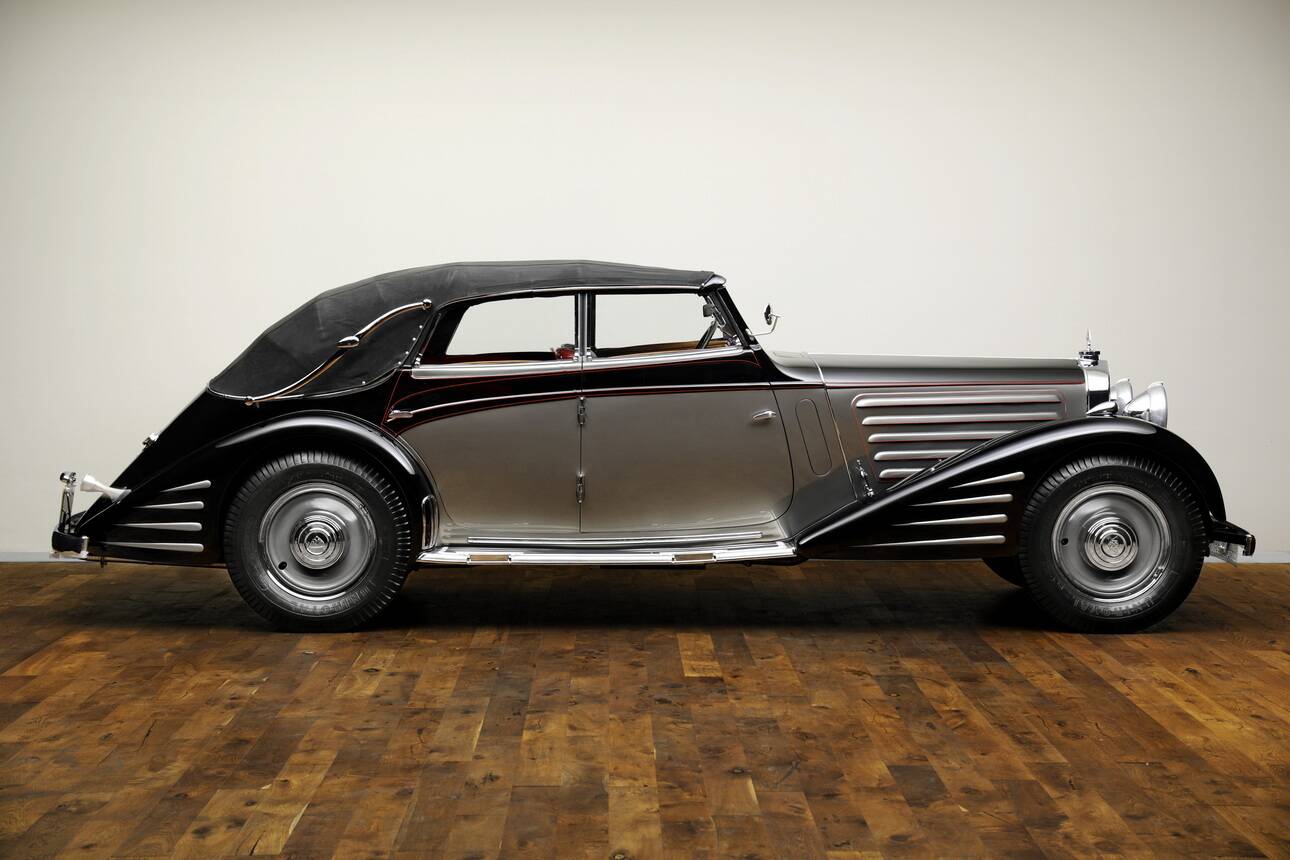
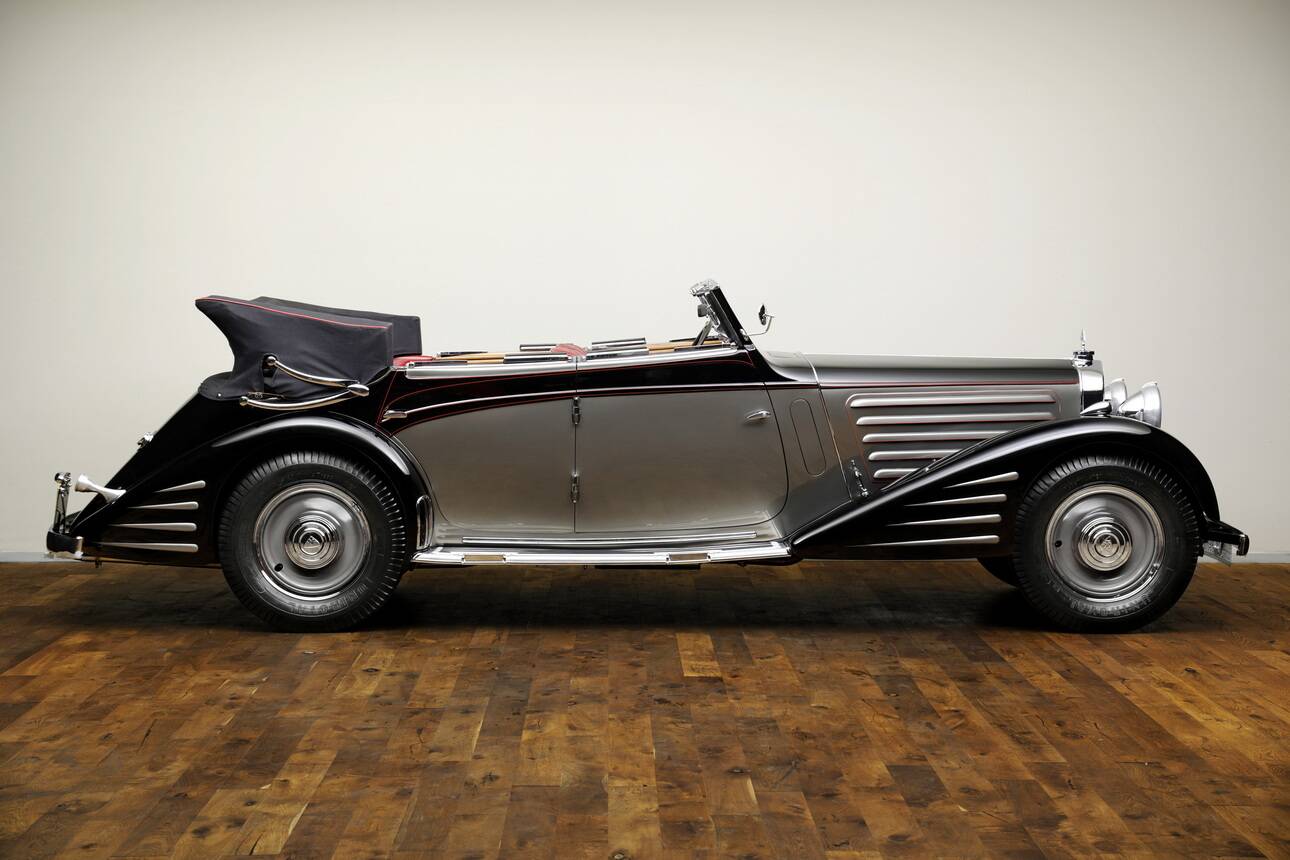
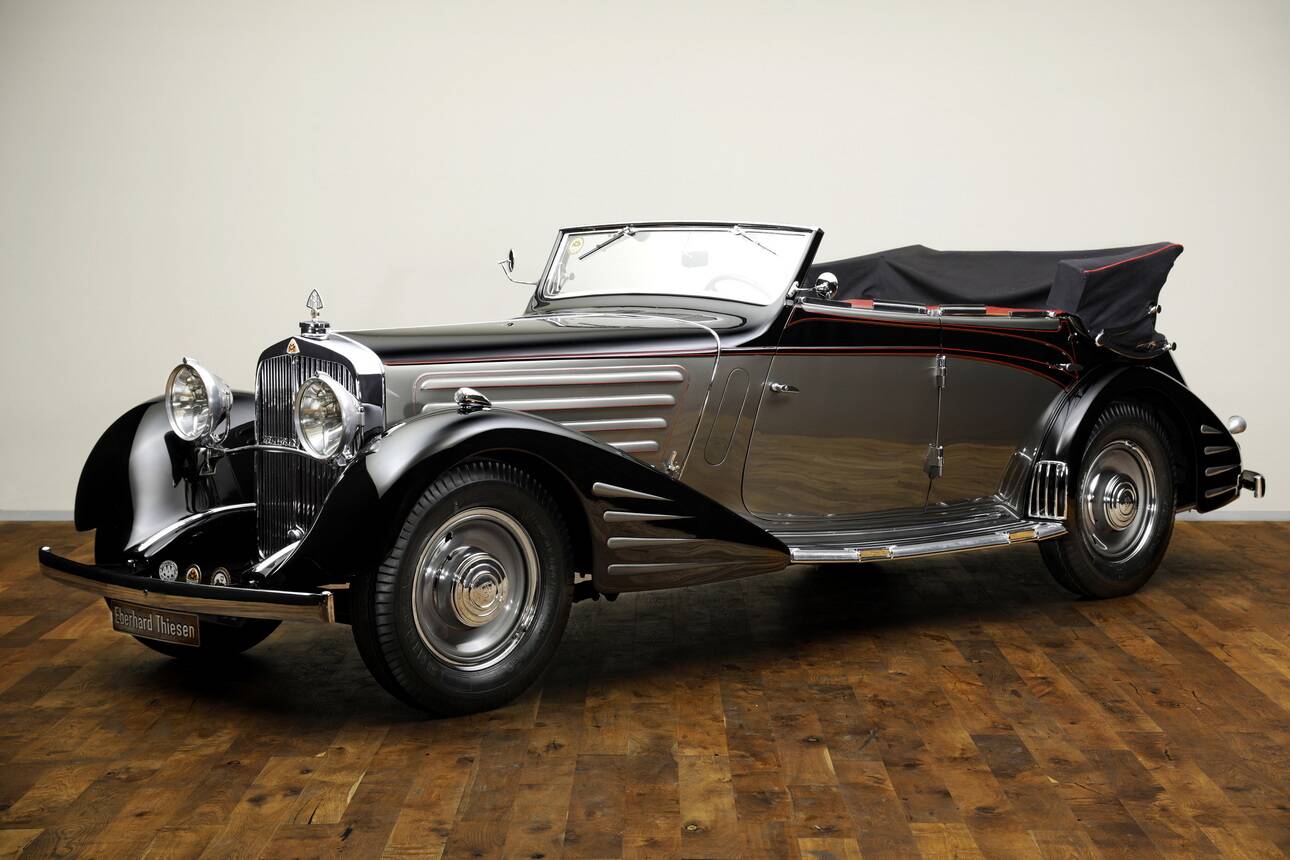
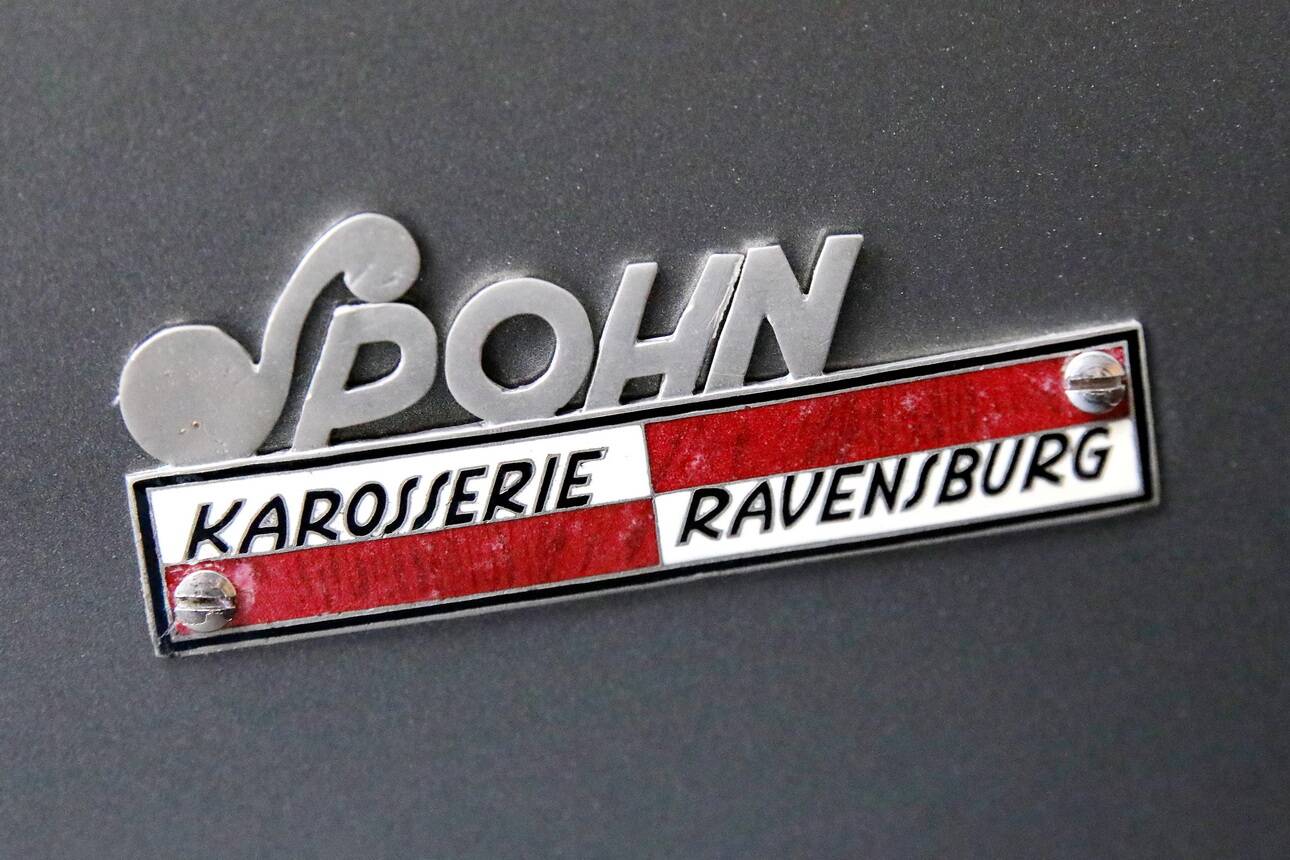
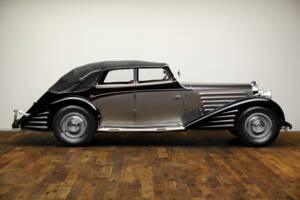
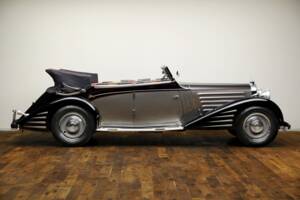
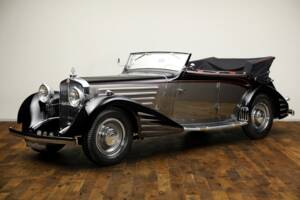
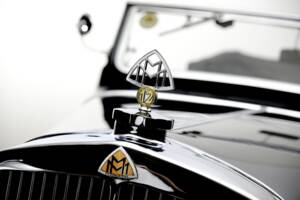
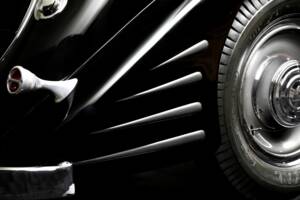
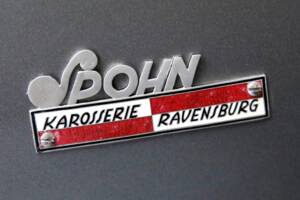
- One-of-a-kind bodywork by Spohn
- Maybach was a technological leader in European vehicle manufacturing
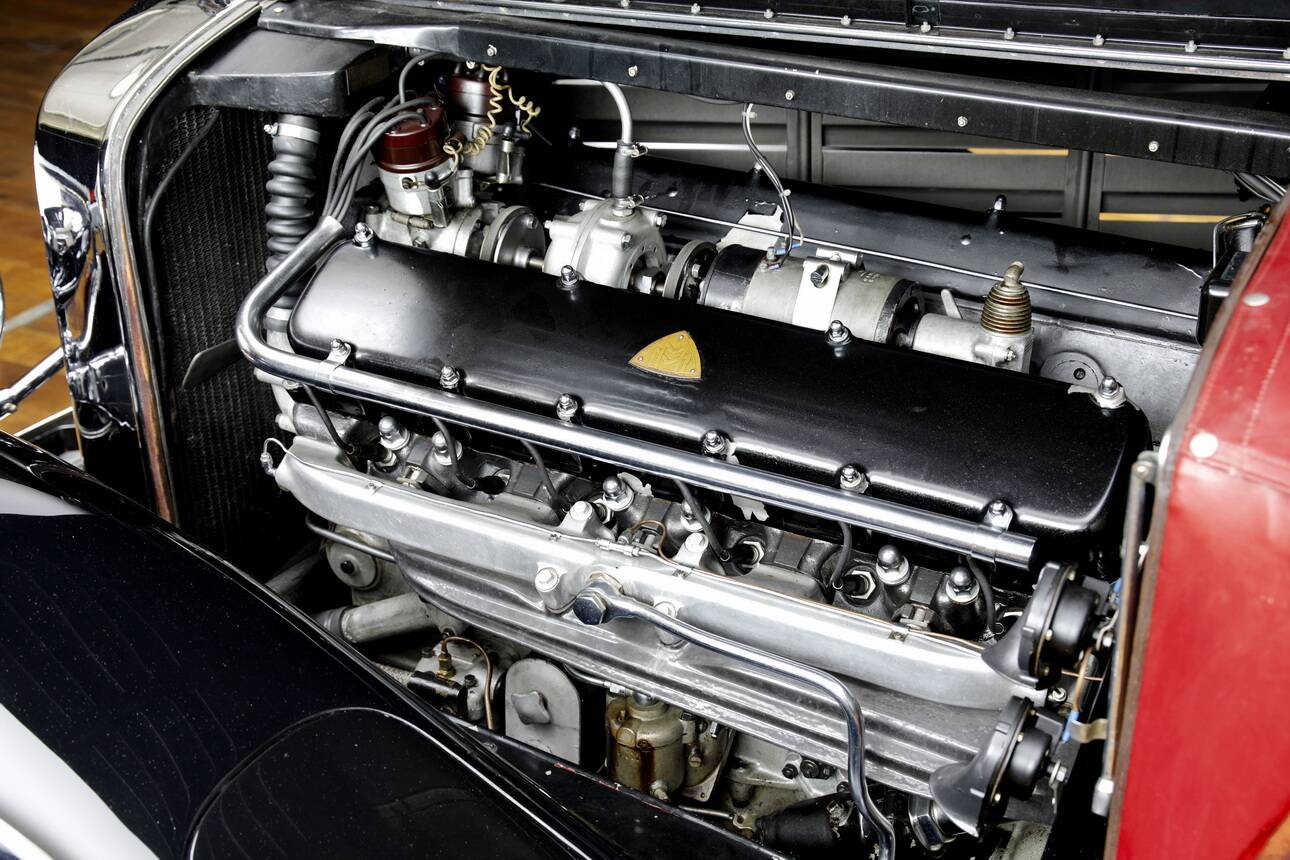
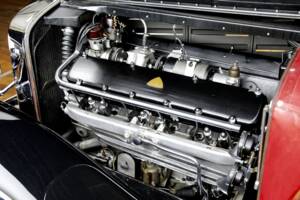
- 12-cylinder engine with 8-litre displacement and 200 hp
- Unique 8-speed shift regulator transmission
- Only 24 Maybach Zeppelin cars, including 2 chassis, still exist today
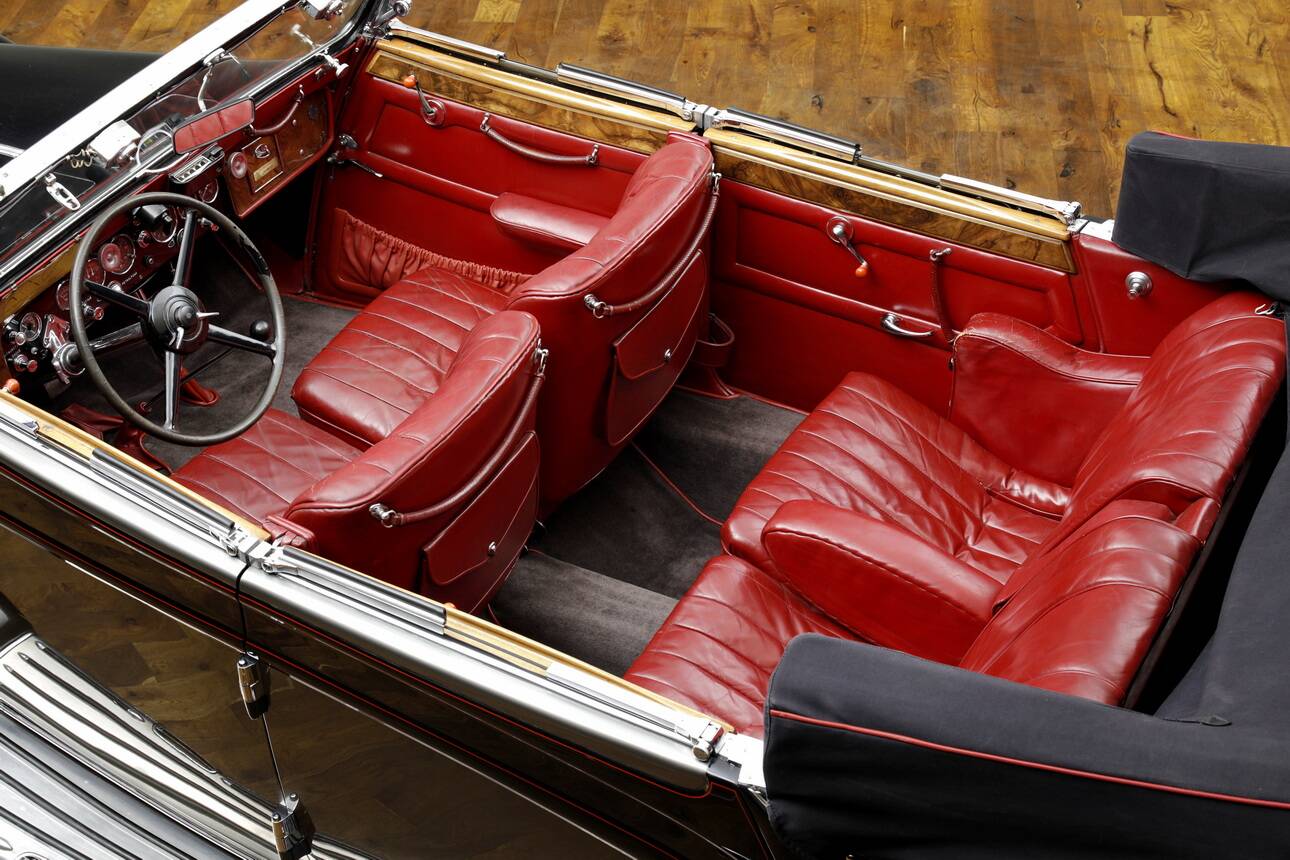
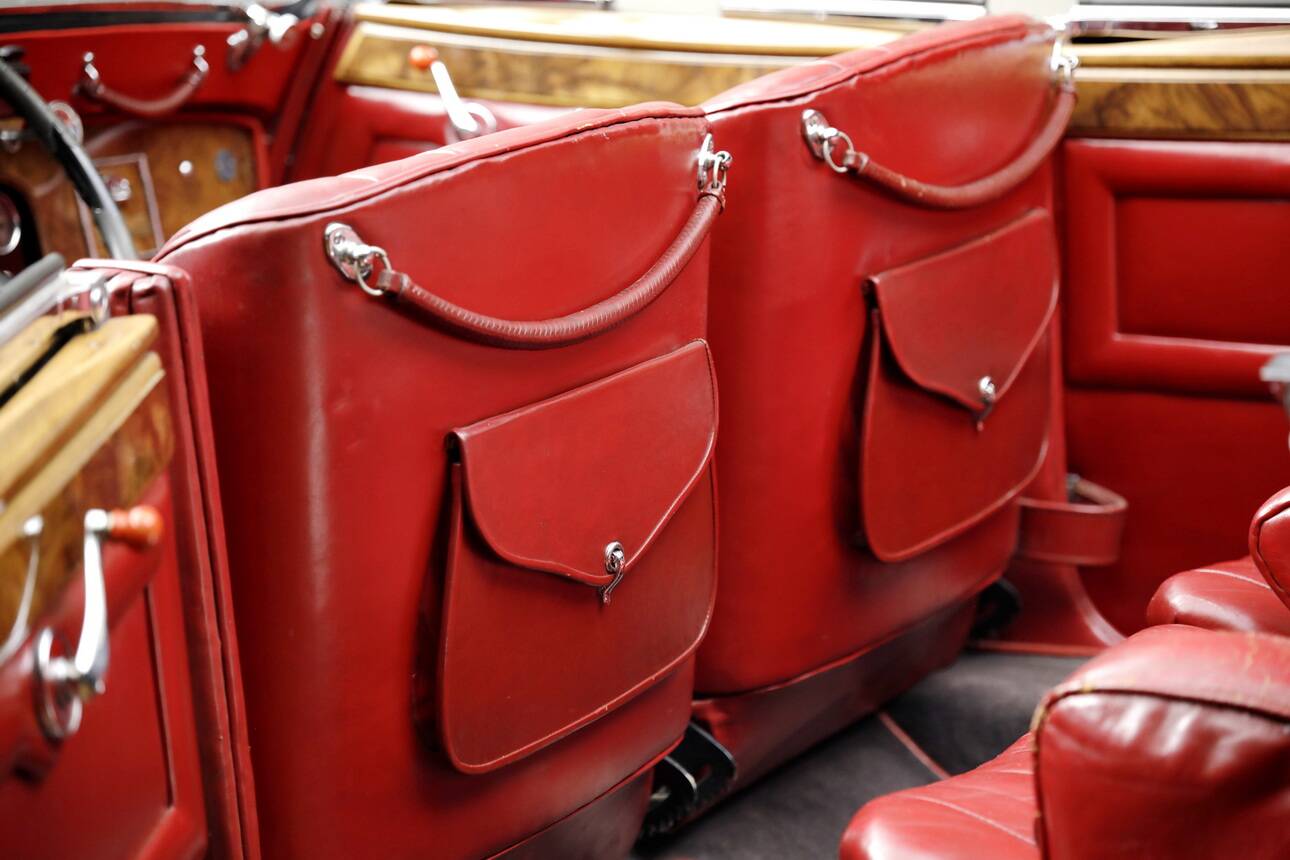
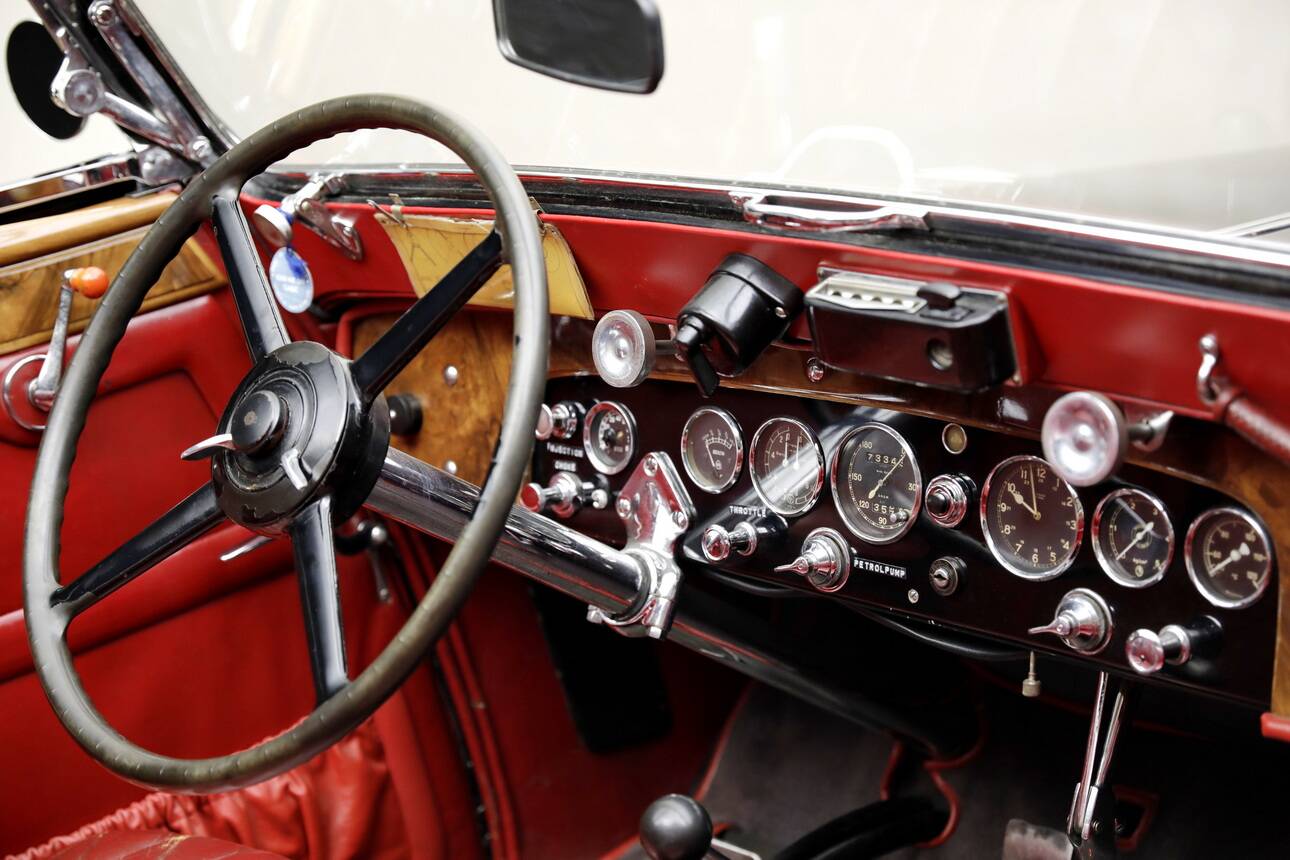
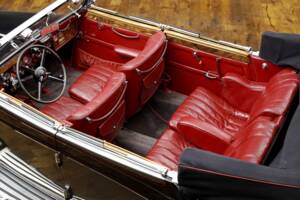
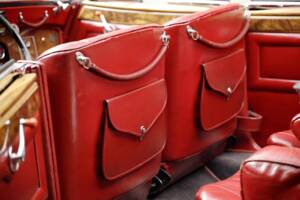
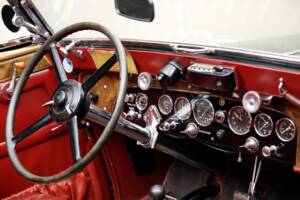
- Original leather interior in excellent condition
- Purchase price at the time was twice as of a supercharged Mercedes
- All other open-top Zeppelin cars are in foundations and museums
- Excellent driving characteristics
Not too long ago, Mercedes-Benz traded the trademark rights to “Horch” with Audi in exchange for the rights to “Maybach” — reportedly sometime in the 1980s. In the years that followed, Mercedes-Benz invested heavily in reviving the legacy of what was once Germany’s most prestigious pre-war automobile manufacturer. In the early 2000s, Mercedes introduced a new Maybach limousine, inspired by the spirit of its former flagship models, the Mercedes-Benz 770 and 600 (W100). The goal was clear: to combine the name of Germany’s once most advanced automobile manufacturer with the prestige of the Mercedes-Benz brand.
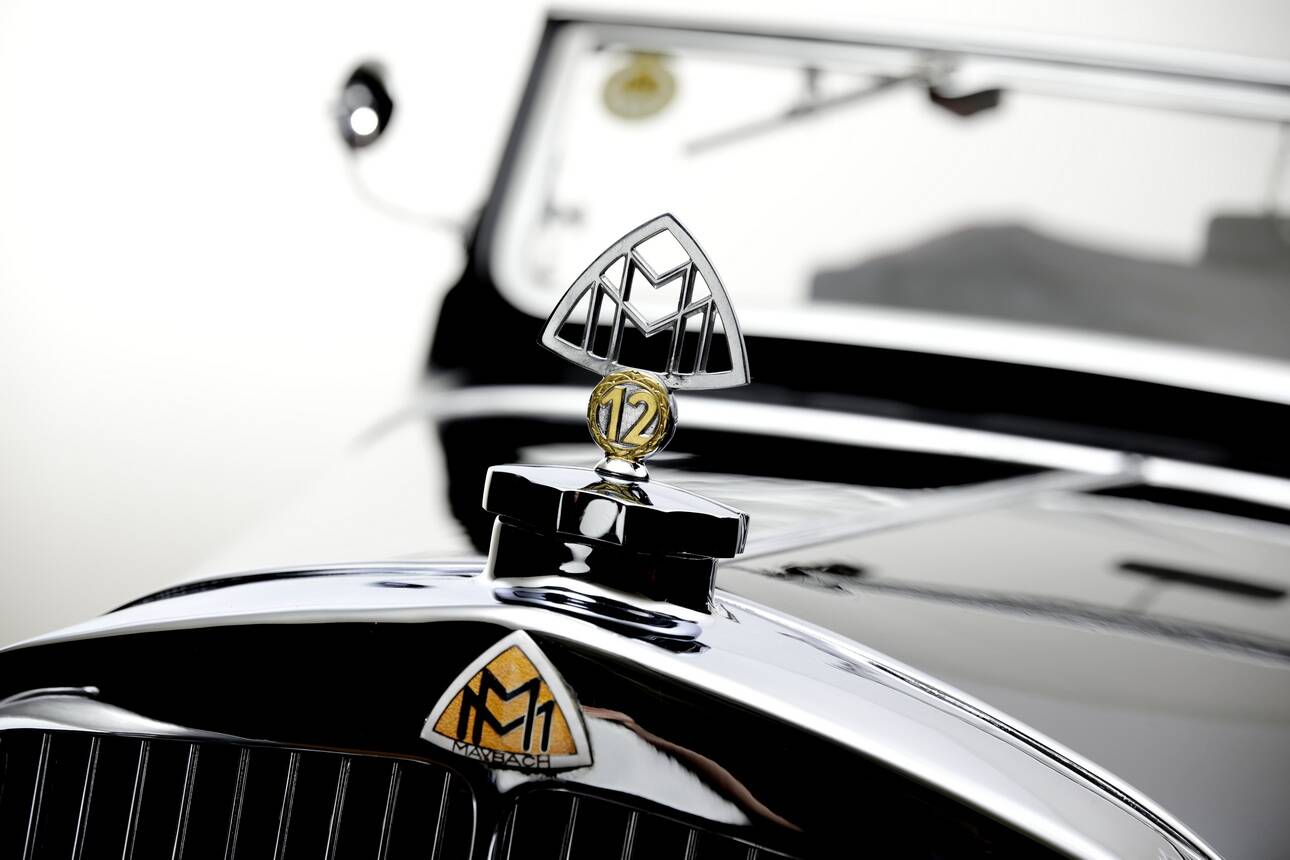
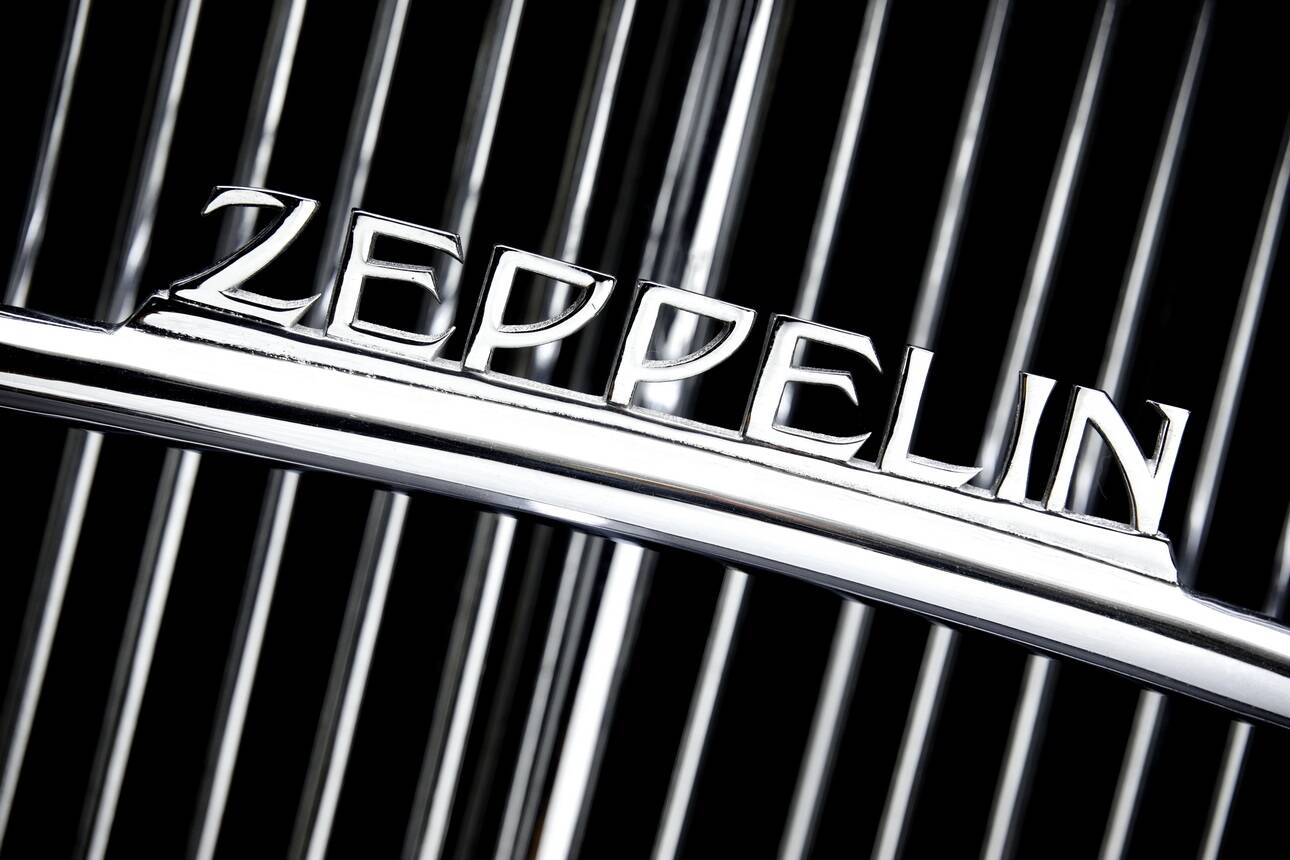
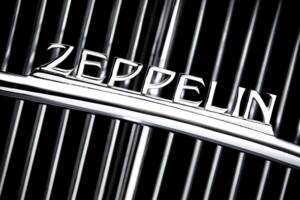
Historically, Maybach was far ahead of its time in automotive technology. During the war, the German government relied on Maybach to power all half-tracks and tanks, and the company was also a major engine supplier for the marine and aviation industries. Even the legendary “Zeppelin” airships that crossed the Atlantic in the 1930s were equipped with Maybach engines. The company’s most prestigious automobile model was named after these airships: the “Maybach Zeppelin.” Unlike Horch, which struggled with unreliable 5-liter V12 engines, Maybach built robust and powerful 12-cylinder engines — beginning with a 7-liter engine producing 150 hp, later replaced in the DS8 by an 8-liter engine delivering 200 hp. Their cars also featured a revolutionary 7-speed preselector gearbox, an engineering masterpiece of its era.
I had the privilege of driving the Maybach Zeppelin offered here through a hilly and winding landscape, and the car’s performance — its acceleration, handling, and braking — was simply phenomenal. It is no surprise that this model cost twice as much as a supercharged Mercedes at the time. Due to its exclusivity, only a small number of Zeppelins were built, and even fewer survive today. According to the Maybach Club registry compiled by Count Metternich, only 28 V12 Maybachs still exist. Of those, only 15 are open-top models, and among them, only eleven are DS8s with the 8-liter engine — of which just three still retain the original 7-speed gearbox.
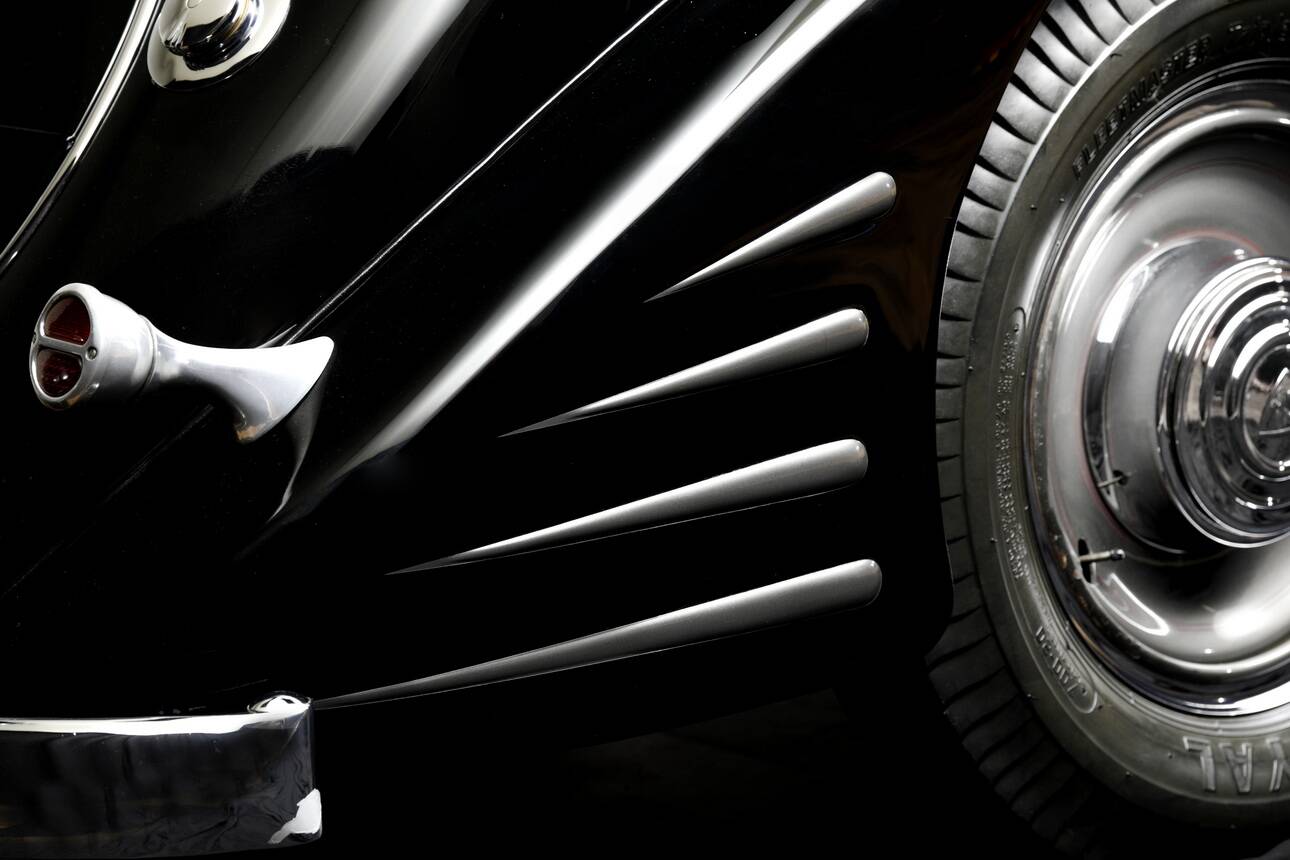
From a design perspective, there are only two other DS8 Zeppelins that can rival the beauty of our streamlined cabriolet, which Maybach officially referred to as a “Stromlinien-Cabriolet.” One resides in the renowned Loh Collection in Germany and is reportedly not for sale even after receiving an offer of €12 million. The other, known as the “Binomi” Cabriolet, has remained in the possession of the same Swiss family since it was built.
Having previously sold four Zeppelins, I can say with confidence that this is the most impressive example both technically and aesthetically. It likely remained with its original North American owner until 1984, when it was acquired by its current (and second) owner. The car still retains its original red leather interior, which remains in remarkably good condition. Measuring nearly six meters in length, with its teardrop-shaped profile and extremely low windshield, it is among the most fascinating automobiles I have ever seen.
This car, which was exhibited at the 1934 Paris Motor Show and appears on the cover of Harry Niemann’s latest Maybach book, is a prime candidate for Pebble Beach. It is an honor for me to present such an extraordinary automobile.