De Tomaso Pantera classic car for sale
The De Tomaso Pantera combines raw American V8 engine power with sharp Italian lines by Tom Tjaarda, resulting in one of the most distinctive mid-engined sports cars of its era. Manufactured between 1971 and 1992, over 7,000 Panteras were built, blending motorsport technology with grand tourer comfort. Most units found their first owners via US Lincoln-Mercury dealerships, but European variants came with unique features and higher performance. Distinctive, powerful, and technically advanced, the Pantera is a statement on wheels.
Search results
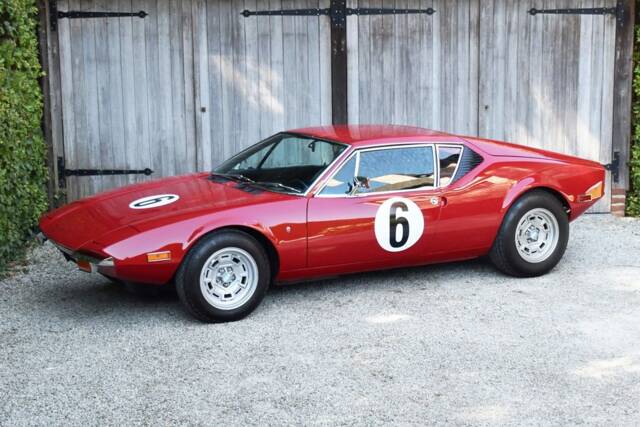
1971 | De Tomaso Pantera
The Hawaii Five-O Pantera.

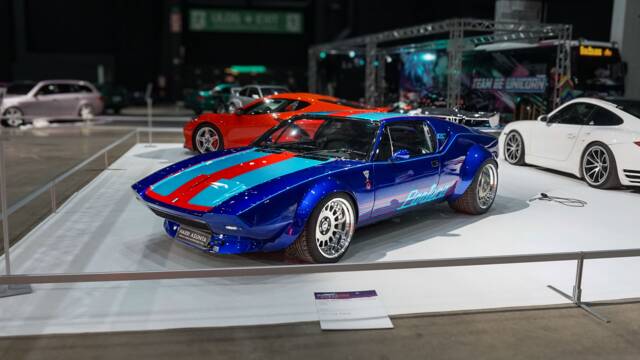
1973 | De Tomaso Pantera
Restomod

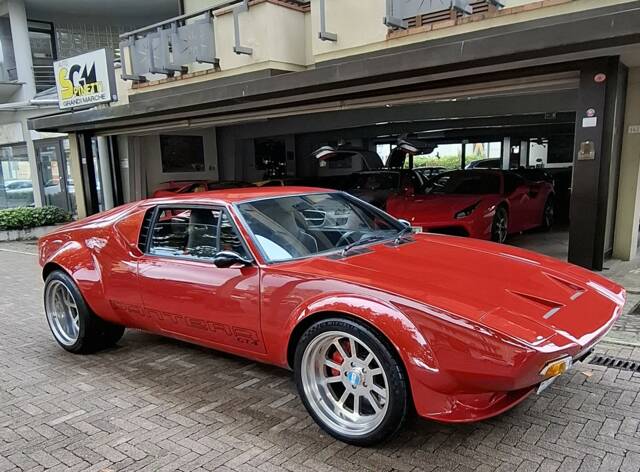
1972 | De Tomaso Pantera L
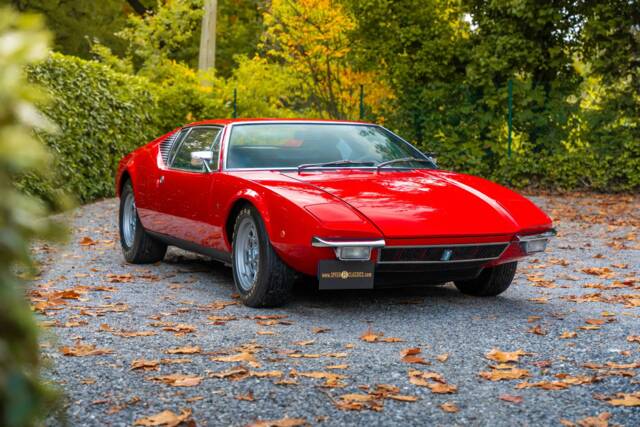
DeTomaso Pantera

Newsletter
The best De Tomaso listings, straight to your inbox
Get hand-picked De Tomaso listings, plus the best of cars, motorbikes, and auctions on Classic Trader — all in one place.
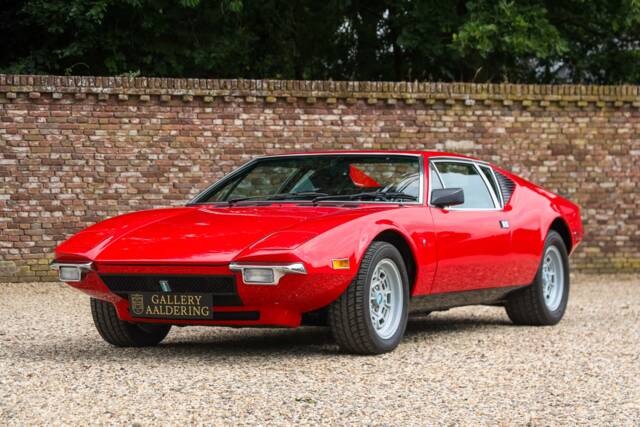
1972 | De Tomaso Pantera
De Tomaso Pantera "Highly original" Matching numbers engine and gearbox, Exceptionally low mileage complete with documentation and service history, The few owners kept the Pantera hidden away in their collection or garage, Very original in its essence with only the slightest of changes - "No trailer-queen", Now in its (almost) third decade in Europe - Newly shipped to The United States,

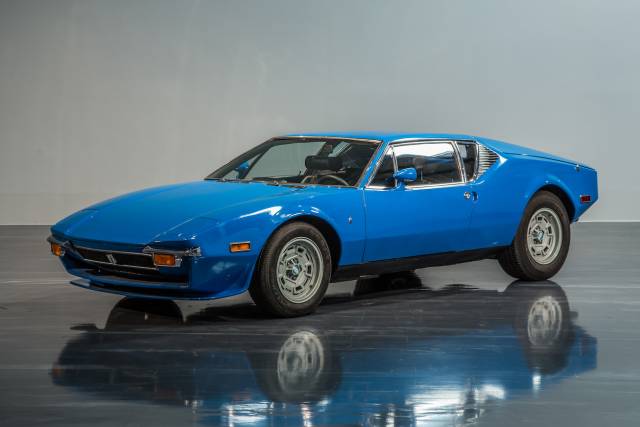
1971 | De Tomaso Pantera
Push button Modell

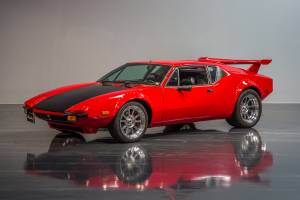
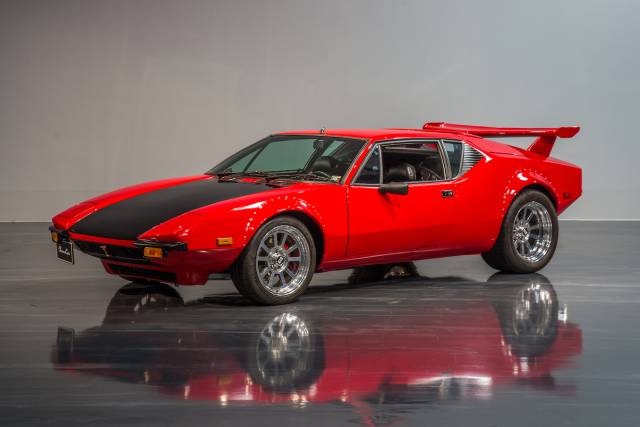
1972 | De Tomaso Pantera GTS
Der erste GTS
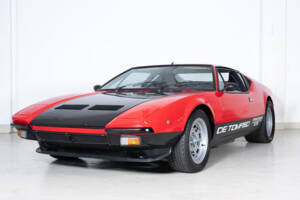
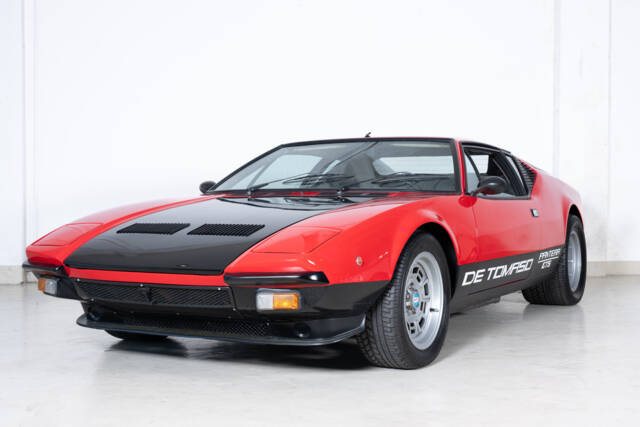
1981 | De Tomaso Pantera GTS
5.7 V8 GTS - German Delivered - Matching Numbers & Colour -
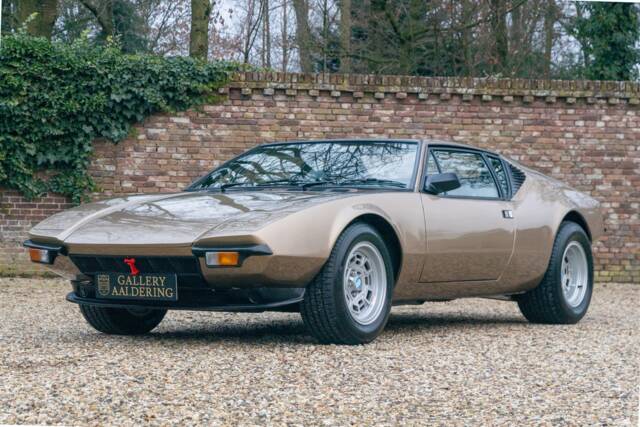
1975 | De Tomaso Pantera GTS
De Tomaso Pantera GTS Rare Factory Sunroof!! "Restored to factory specifications" "Restored to factory specifications" - Factory file as blueprint for restoration, Euro spec Pantera - First owner was Claude Dubois from Belgium, Accompanied by factory file and numerous parts invoices from Pantera Parts Connection (USA), Livery in Marron Colorado over Pelle Nero, Equipped with open roof (Tetto Apribile) from factory,
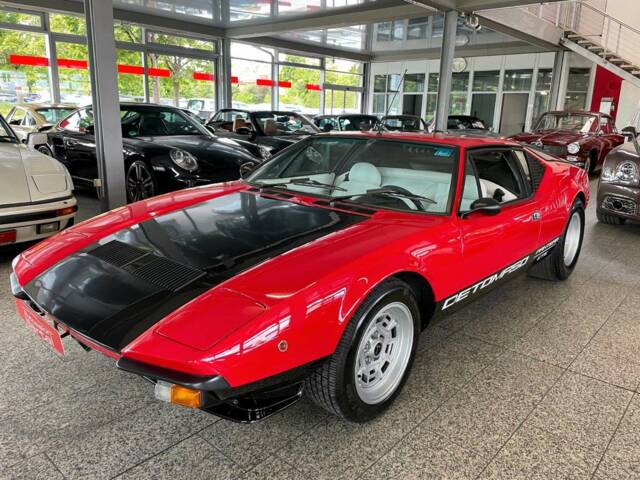
1980 | De Tomaso Pantera GTS
De Tomaso Pantera
De Tomaso Pantera listing references from Classic Trader
Below you will find listings related to your search that are no longer available on Classic Trader. Use this information to gain insight into availability, value trends, and current pricing for a "De Tomaso Pantera" to make a more informed purchasing decision.
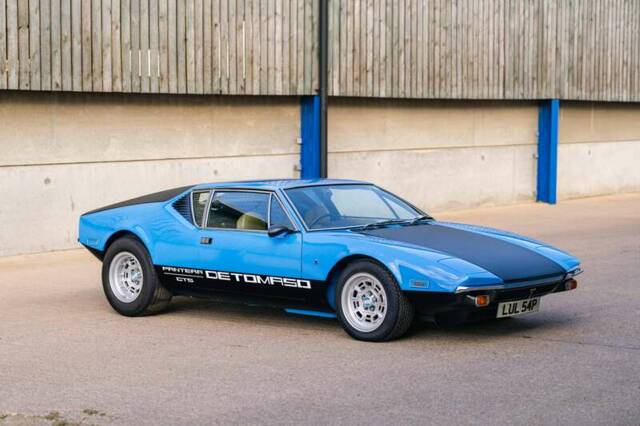
1975 | De Tomaso Pantera GTS
1975 De Tomaso Pantera GTS

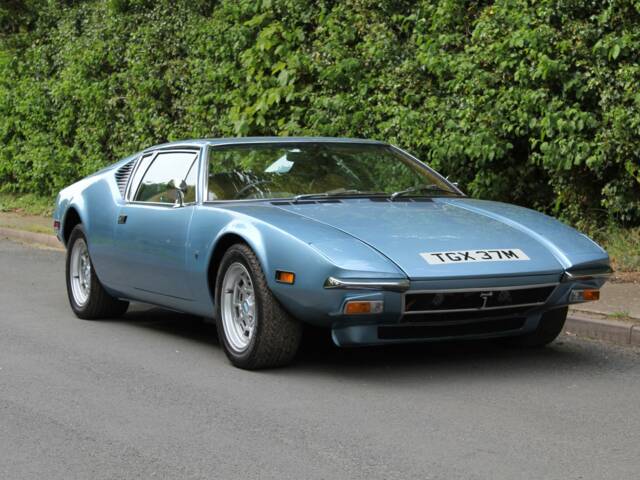
1973 | De Tomaso Pantera GTS
1973 De Tomaso Pantera GTS - UK RHD - Geneva Show Car
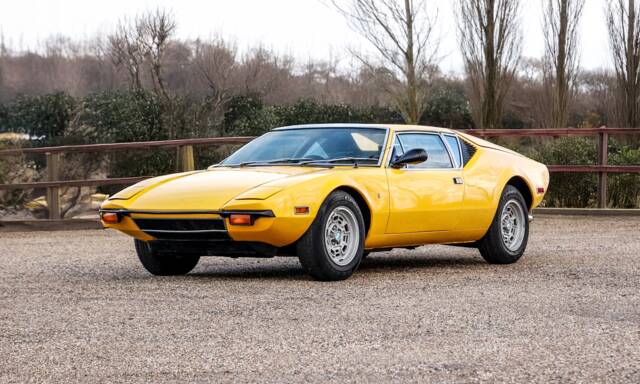
1972 | De Tomaso Pantera
1972 De Tomaso Pantera
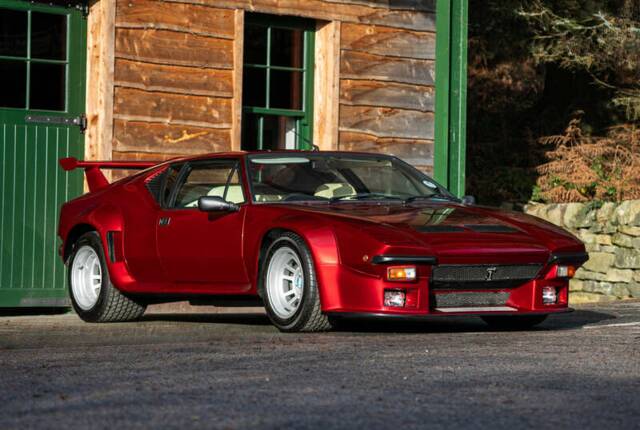
1984 | De Tomaso Pantera GT5
1984 De Tomaso Pantera GT5
De Tomaso Pantera Classic Cars: Prices & Market Values
The market value of De Tomaso Pantera classic cars is primarily determined by technical condition, originality and mileage, as well as rarity, history and documentation. A well-maintained, largely original vehicle with low, verifiable mileage and complete history including appraisals and documentation typically achieves significantly higher prices than a comparable vehicle with deferred maintenance, many modifications or unclear provenance.
De Tomaso Pantera: Market Prices & Value Trends
Based on sales data from the Classic Trader marketplace, the De Tomaso Pantera market in Europe has remained firm to slightly rising over the period from early 2021 to January 2026, with strong demand for well-specified 1970s cars and the more aggressive GT5/GT5-S derivatives. Most “standard” Pantera examples from 1971–1974 tend to cluster around roughly €110,000–€160,000, suggesting a stable core market where condition, originality and documented history make the decisive difference. Pantera L models often sit in a similar band, although cheaper projects appear occasionally and should be treated as outliers rather than a benchmark. Higher-spec variants such as the Pantera GTS (typically mid-1970s to early 1980s) commonly trade around €140,000–€180,000, while GT5 and GT5-S cars push the upper end of the market, frequently in the €190,000–€260,000 range. Overall, today’s pricing reflects the Pantera’s rare blend of Italian wedge styling and US V8 performance, with limited supply helping values to hold steady.
History of the De Tomaso Pantera
The De Tomaso Pantera debuted in 1971 as a collaboration between De Tomaso and Ford, envisioned to bring European mid-engine dynamics with American V8 reliability to a broader market. Conceived as the successor to the Mangusta, the Pantera featured improved weight distribution and a roomier, more practical cabin. Its creation owes thanks to Argentinian founder Alejandro de Tomaso and design by Tom Tjaarda at Carrozzeria Ghia. Production began at Carrozzeria Vignale before moving in-house to Modena, and eventually to various specialist Italian body shops. Emphasising aggressive, wedge-shaped styling, it was engineered for high-speed stability and daily usability. The Pantera became the marque’s most prolific car, with approximately 7,260 units produced. US-market cars, especially those from 1972-1975, made up the majority of production before Ford ceased its official distribution, after which De Tomaso focused on smaller-scale European sales.
Model Series Evolution
The Pantera was introduced as a modern mid-engined alternative to the Mangusta, immediately setting itself apart with a stiffer steel monocoque chassis and far better handling. Early ‘push-button’ Panteras featured unique press-button doors, soon replaced by conventional handles. The Pantera L (Lusso) arrived in 1972 with impact bumpers and improved trim for the American market. The GTS followed in 1973, with wider arches and sportier appearance, while the Pantera II addressed new safety regulations. In 1980, the GT5 was born, boasting dramatic wheel arch flares, instantly recognisable wide Campagnolo wheels, and a clear motorsport focus. The final GT5 S, produced from 1984, refined this formula with integrated arches and a more luxurious layout. Production ended in 1992, superseded by the much rarer Guara.
Highlights and Market Data
What sets the Pantera apart is the blend of a Ford Cleveland 351 V8, reliable 5-speed ZF gearbox, and motorsport-bred suspension. Acceleration is formidable, with most cars delivering 330–350 hp, and specialist versions offering much more for Group 3 and Group 4 competition. Panteras are known for sturdy steel monocoques, independent suspension all round, and distinctive Campagnolo alloy wheels. Inside, thickly padded leather and purposeful instruments dominate. Factory air-conditioning, electric windows, and period radios appear frequently. Variants like the GT5 S are especially revered, with only around 136 built, while homologated Group 3/4 racers and factory right-hand drive examples are among the rarest.
Technical Data
Special Editions and Collectible Variants
The GT5 (from 1980) stands out for its polyester wheel arch extensions and ultra-wide Campagnolo wheels, with its track-oriented setup. The GT5 S (from 1984) features steel-integrated arches, improved luxury, and rarity—about 136 made. The Pantera GTS (especially Euro spec) comes with lighter weight, more power, and, in some cases, a sunroof. Motorsport homologation Group 3 and Group 4 models feature dry sump lubrication, special carburettors, roll cages, and significant power uprates, with some exceeding 500 hp. The final Pantera SI, with only 41 made (1990-1993), introduced dramatic styling changes and modernised technology, making it a sought-after rarity.
Weak Spots and Common Issues
Originally, the factory cooling system was often under-dimensioned for hot climates, leading to overheating—most examples have since been upgraded with larger radiators and electric fans. Watch for previous chassis rust repairs; inspect suspension bushings and electrical systems, which can be temperamental. Later models generally improved build quality, but check for corrosion especially around floorpans, suspension mounts, and inner panels. Make sure engine, gearbox, and brakes are well maintained, and that replacement parts are documented.
Engine, Transmission, and Driving Behaviour
The Pantera’s Ford Cleveland V8 enables savage acceleration from low rpm, limiting the need for constant gear changes—a true benefit for road and track use alike. The ZF transaxle is robust, though its distinctive dog-leg pattern requires familiarisation. With its wide tyres, mid-engine balance, and independent suspension, the Pantera delivers high lateral grip and precise steering, benefitting both daily and spirited driving. Later variants received upgrades for motorsport and comfort alike, with the chassis layout proving adaptable for racing.
- Pantera GTS (Euro): Higher power, lower weight, minimal bumper overhangs.
- GT5/GT5 S: The widest, boldest road-going Panteras, especially rare and desirable.
- Group 3/4 Convertibles: Purpose-built competition cars with high-output dry-sump V8s and FIA passports.
- SI (1990-1993): The last, restyled, and most advanced Pantera series.
Interior, Comfort, Exterior, and Design
Tom Tjaarda penned the Pantera’s unmistakable wedge silhouette, defined by sharp creases, flat planes, and a muscular stance. Campagnolo wheels, exposed or blended arch extensions, and the double-exit exhaust contribute to the instantly recognisable profile. Standard interiors often featured thickly quilted black or red leather, detailed stitching, and classic gated shifters. Veglia Borletti instrumentation, Momo or OMP steering wheels, and air-conditioning appeared on better-equipped models; rarer features include sunroofs and custom paint. The iconic T-shaped Pantera badge with the blue-and-white background honours Alejandro de Tomaso’s Argentine heritage.
Other Features
Noteworthy are the extensive original toolkits, spare tyre compressors, and period-correct handbooks often accompanying preserved cars. Many surviving Panteras come with detailed documentation, restoration records, and, in the case of motorsport-prepared vehicles, FIA HTP paperwork for historic competition. Factory and aftermarket upgrades—such as Le Mans gearing, Weber carb conversions, or larger competition brakes—frequently feature.
Summary
As the undisputed mainstay of De Tomaso’s history, the Pantera sets itself apart by combining Italian design, American power, and racing pedigree. With its unique heritage, extensive variants ranging from touring to race, and singular dominance within the De Tomaso market, the Pantera stands as a high-performance classic both on the road and the track. Its widespread community support, ample parts supply, and clear historical value make it a compelling focus for classic car collectors globally.