- Car
- De Tomaso (10 offers)
De Tomaso Classic Cars for Sale
De Tomaso stands for Italian engineering, American muscle, and bold design. This manufacturer carved its reputation from the 1960s on, blending the reliability of Ford V8 engines with the finesse of Italian chassis and styling. Enthusiasts today are drawn to De Tomaso's rare models and their unique character, especially the Pantera — the centrepiece of the brand's legacy.
Search results
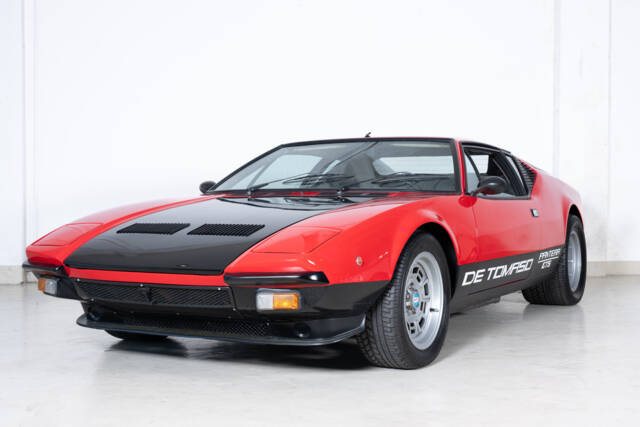
1981 | De Tomaso Pantera GTS
5.7 V8 GTS - German Delivered - Matching Numbers & Colour -


Auctions ending soon

Loading…
Loading…
Loading…
Loading…
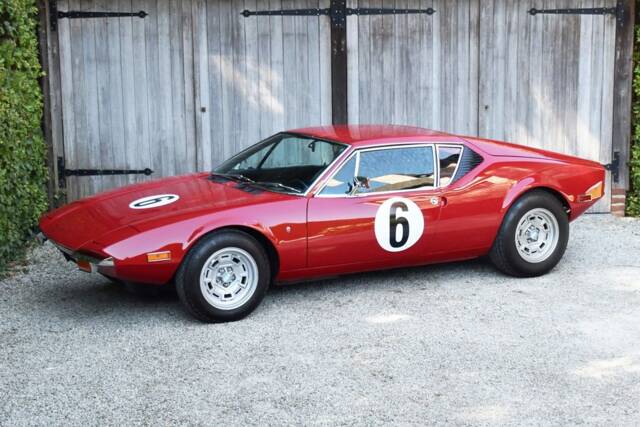
1971 | De Tomaso Pantera
The Hawaii Five-O Pantera.

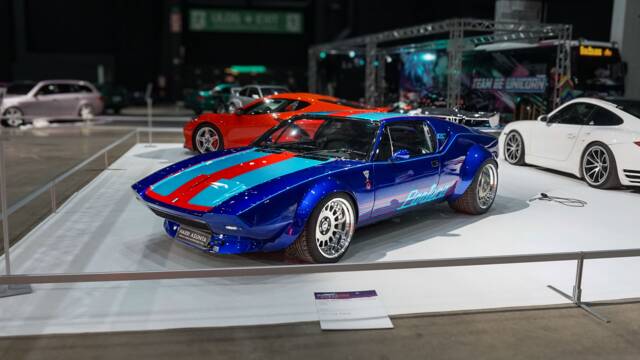
1973 | De Tomaso Pantera
Restomod

Newsletter
The best De Tomaso listings, straight to your inbox
Get hand-picked De Tomaso listings, plus the best of cars, motorbikes, and auctions on Classic Trader — all in one place.
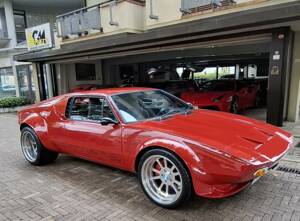
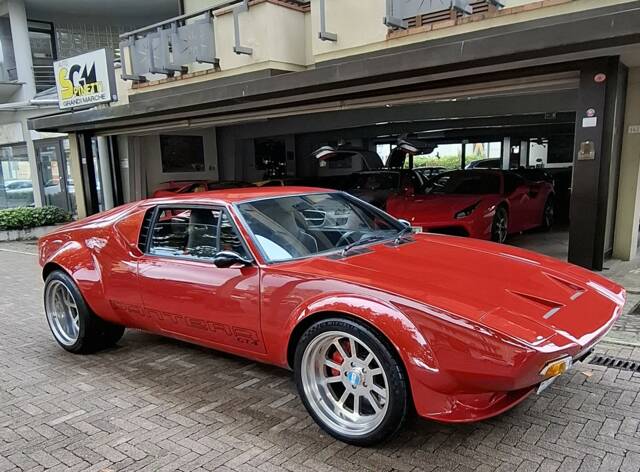
1972 | De Tomaso Pantera L
DeTomaso Pantera

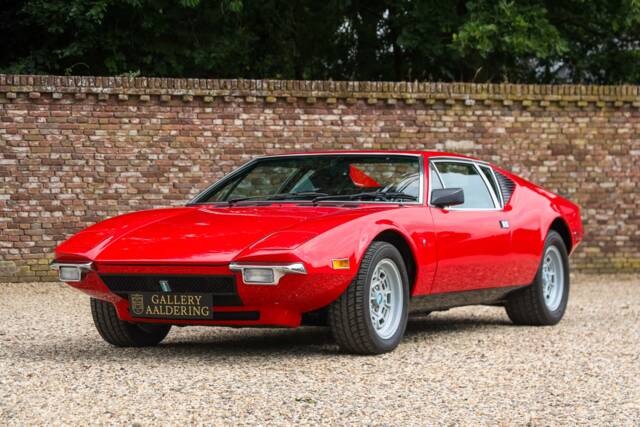
1972 | De Tomaso Pantera
De Tomaso Pantera "Highly original" Matching numbers engine and gearbox, Exceptionally low mileage complete with documentation and service history, The few owners kept the Pantera hidden away in their collection or garage, Very original in its essence with only the slightest of changes - "No trailer-queen", Now in its (almost) third decade in Europe - Newly shipped to The United States,
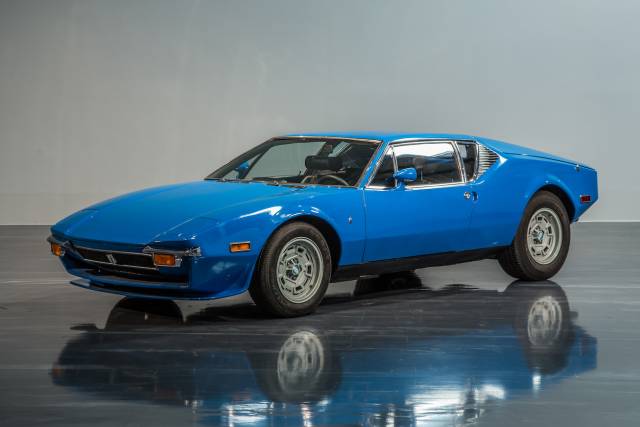
1971 | De Tomaso Pantera
Push button Modell

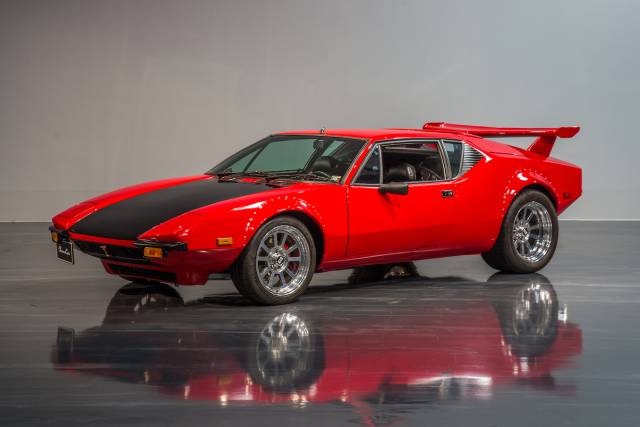
1972 | De Tomaso Pantera GTS
Der erste GTS
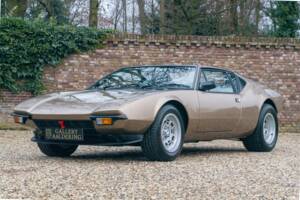
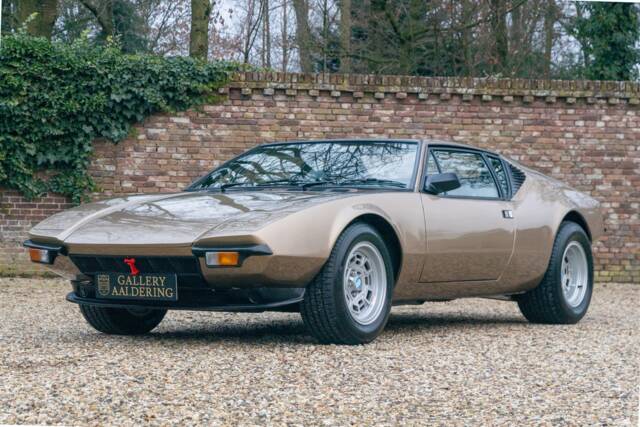
1975 | De Tomaso Pantera GTS
De Tomaso Pantera GTS Rare Factory Sunroof!! "Restored to factory specifications" "Restored to factory specifications" - Factory file as blueprint for restoration, Euro spec Pantera - First owner was Claude Dubois from Belgium, Accompanied by factory file and numerous parts invoices from Pantera Parts Connection (USA), Livery in Marron Colorado over Pelle Nero, Equipped with open roof (Tetto Apribile) from factory,
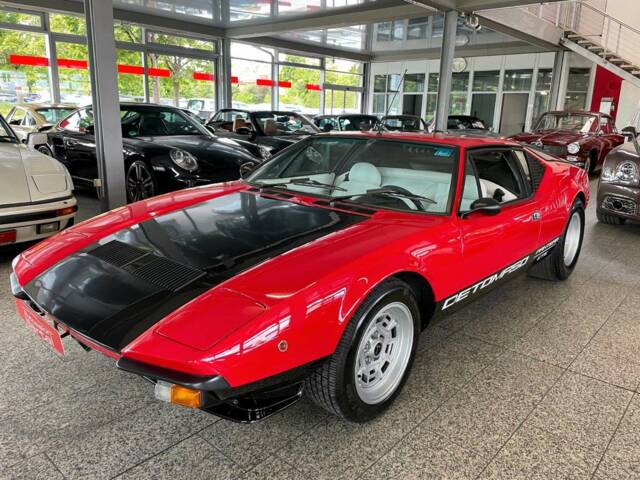
1980 | De Tomaso Pantera GTS
De Tomaso Pantera
De Tomaso listing references from Classic Trader
Below you will find listings related to your search that are no longer available on Classic Trader. Use this information to gain insight into availability, value trends, and current pricing for a "De Tomaso" to make a more informed purchasing decision.
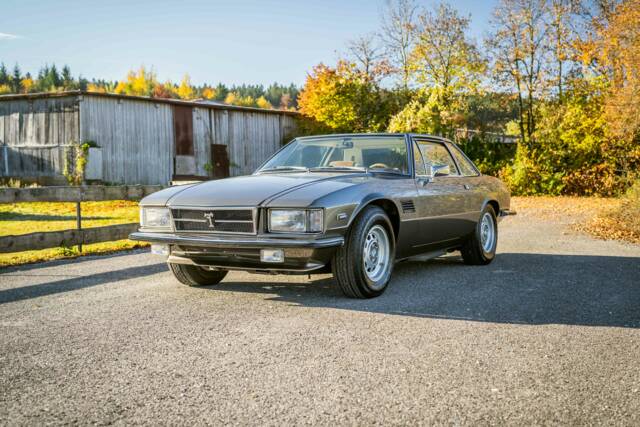
1973 | De Tomaso Longchamp
De Tomaso Longchamp Series 1 (1973) – 32 Years in Single-Family Ownership – Condition 2+
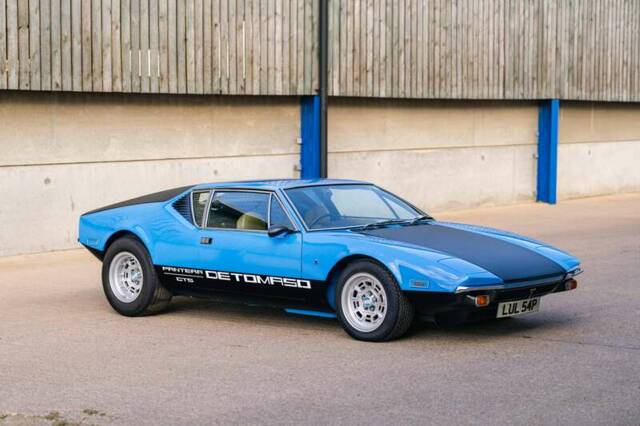
1975 | De Tomaso Pantera GTS
1975 De Tomaso Pantera GTS

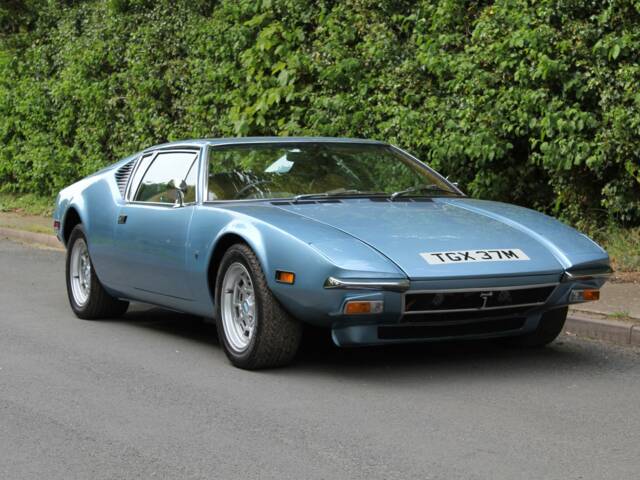
1973 | De Tomaso Pantera GTS
1973 De Tomaso Pantera GTS - UK RHD - Geneva Show Car
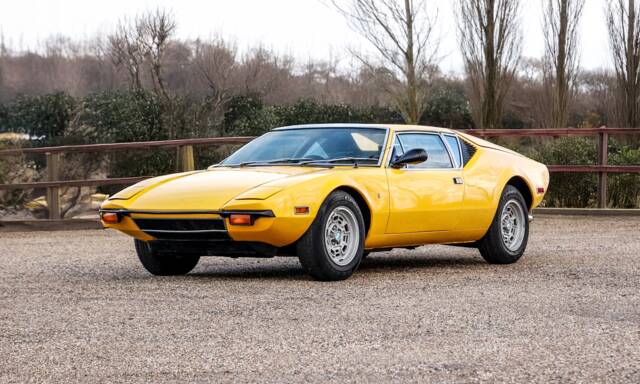
1972 | De Tomaso Pantera
1972 De Tomaso Pantera
History of De Tomaso
Founded in 1959 in Modena by Argentinian Alejandro de Tomaso, the company initially built racing prototypes and even a Formula 1 chassis for Frank Williams Racing in 1970. Quickly pivoting to road cars, De Tomaso forged a path with low-volume, high-performance vehicles. In the brand’s early years, Alejandro leveraged partnerships with renowned coachbuilders like Ghia and Vignale, and later, strong ties with Ford. De Tomaso vehicles stood out for merging robust American powertrains (primarily the Ford Cleveland V8) with handcrafted Italian bodies. Although De Tomaso expanded its range through the '70s and '80s, the brand struggled with shifting market demands. Production ultimately ceased in 2012, but the marque remains highly regarded for its audacious approach to performance and design.
Model History
De Tomaso introduced its first production car, the Vallelunga, in 1963 — a mid-engined coupe with just 48 units completed. Followed by the Mangusta (1967–1971), styled by Giugiaro at Ghia, De Tomaso cemented its reputation for exotic lines and race-inspired layouts. The Pantera (1971–1993) became their most recognised model, especially popular in the US where it was distributed by Ford’s Lincoln-Mercury dealers. Other models included the luxury sports Longchamp (1972–1989), the four-door Deauville (1970–1985), and rare experimental units such as the Sport 5000 and the Vallelunga-based prototypes. Most models were produced in strictly limited runs, resulting in an exclusive ownership experience.
Highlights and Key Features
De Tomaso cars are defined by their mix of American engineering and Italian craftsmanship. The Pantera, with its steel monocoque, wedge-shaped body, and Ford Cleveland V8, is the most prevalent De Tomaso on the road, representing 63.9% of classic De Tomaso offerings on the market. The Mangusta impresses with its unique backbone chassis and gullwing engine covers, while the Longchamp and Deauville offered luxury and 2+2 seating with sports performance.
The Pantera dominates enthusiast attention, capturing 81.3% of all De Tomaso listing views. Special versions, such as the GT5/GT5 S and motorsport-derived Group 4 cars, further underscore the brand’s flair for limited, high-spec variations. US-market versions, especially early "Push Button Panteras", are particularly sought after for their originality.
Technical Data
Special Editions and Collectible Models
De Tomaso produced multiple limited and competition-focused variants. Highlights include the Pantera GTS (more aggressive tuning and styling), GT5/GT5 S (widebody fenders, larger spoilers, and bigger wheels), and the Group 3/4 motorsport cars with extensive racing features like roll cages, Weber carburettors, and dry sump lubrication. Early 'Push Button' Panteras, identified by their unique door mechanisms and pure Vignale construction, are particularly desirable among collectors. The Mangusta, predecessor to the Pantera, was limited to around 400 units and is noted for its Giugiaro design and backbone chassis. The rare De Tomaso Sport 5000, with only a handful built, occupies the top tier of collectability.
Weak Spots and Common Issues
With any classic De Tomaso, attention to cooling systems is crucial — early Panteras in particular are prone to overheating and have often been retrofitted with aluminium radiators and upgraded fans. Rust protection, especially on models built before the mid-1970s, is often lacking, so thorough chassis inspection is essential. Brake systems on early cars were frequently enhanced during restorations, as original components could fall short of modern expectations. Buyers should verify the quality of past restoration work, particularly regarding chassis, suspension, and factory-fitment documentation. The blend of US and Italian components makes parts sourcing a unique challenge but also enables access to some serviceable components via Ford’s classic parts network.
Engine and Performance, Transmission and Handling
De Tomaso’s focus on mid-engine layouts and Ford V8s delivers strong acceleration and ample torque. Panteras and Mangustas combine rear-wheel drive with independent suspension and solid weight distribution, providing a compelling combination of straight-line power and agile handling by the standards of their era. The ZF transaxle with five manual gears contributes to the precise, mechanical feel. Pantera GT5 and Group 4 versions benefit from wider tracks and racing upgrades, making them formidable both for fast road use and historic motorsport events.
The Longchamp adopted the Pantera’s proven V8 for comfortable GT performance with room for four, while the Deauville saloon balanced luxury and high-speed touring capability. With their blend of American muscle and Italian chassis dynamics, De Tomasos deliver an experience quite distinct from contemporary Ferraris or Lamborghinis. - Pantera (1971–1993): Ford Cleveland V8, typically 330–350 bhp; 5-speed ZF manual; independent suspension; 2-seater coupe.
- Mangusta (1967–1971): 4.7-litre Ford V8, 305 bhp; backbone chassis; Ghia styling; approx. 400 produced.
- Longchamp (1972–1989): Luxury GT, 5.8-litre Ford V8, automatic or manual gearbox, 2+2 seating.
- Deauville (1970–1985): 5.8-litre V8, automatic, four-door saloon, approx. 244 made.
Interior, Comfort, Exterior and Design
De Tomasos are celebrated for their dramatic forms: the Pantera’s angular wedge profile, styled by Tom Tjaarda at Ghia, and the gullwing engine covers of the Mangusta, penned by Giugiaro, are instantly recognisable. Interiors blend Italian materials, typically with leather seats and a dashboard loaded with Veglia instruments. Factory options ranged from Campagnolo magnesium wheels to air conditioning and even electric windows—luxuries for performance cars of their period. Early Pantera bodies (the 'Push Button' series) display distinct design choices borrowed from their Mangusta predecessor. Later variants, such as the GT5 S, feature exaggerated body flares and spoilers molded from polyester for motorsport homologation. The De Tomaso logo, a stylised branding iron over the Argentine flag, reflects Alejandro de Tomaso’s heritage and personal story.
Other Relevant Information
Many Panteras, Mangustas, and Longchamps have undergone restoration, often with mechanical improvements or custom finishes that reflect the owner’s taste. Detailed provenance—service manuals, period booklets, or original toolkits—adds value and verifies authenticity. Some cars were delivered with open-gate shifters or right-hand drive (the latter being extremely rare). Evolution across production years can be seen in door handles, bumpers, wheel design, and cockpit layouts. Motorsport variants, especially Group 4 Panteras, are equipped for competition use with roll cages, upgraded brakes, and reinforced chassis.
Summary
De Tomaso classic cars offer a rare mix of American engineering and Italian design, especially evident in the Pantera — the brand’s flagship with most market presence and demand. Prospective buyers should consider the marque's cooling, rust, and braking idiosyncrasies, but will be rewarded with a car of dramatic presence, robust mechanicals, and a tangible connection to both Modena’s motoring tradition and transatlantic flair. Whether as a powerful two-seater, an elite coupé, or a luxurious saloon, De Tomaso’s classic models remain distinct, charismatic choices for the informed enthusiast.