Highlights
This 1937 Alvis Speed 25 SB has a remarkably well-documented history that, according to the records available, began with its use as a factory demonstration car. Its first registration is given as 23 December 1937; as early as February 1938, it passed via Charles Follett to W. G. MacGregor in London. Following a later rebuild, the car received a new body based on Vanden Plas Design No. 1460. This was complemented by participation in the Mille Miglia and the Ennstal-Classic – a history that makes this Speed 25 interesting far beyond its technical specifications.
General Information on the Alvis Speed 25
The Speed 25 belongs to Alvis’s large six-cylinder models from the second half of the 1930s. The vehicle database lists a production period for the series from 1936 to 1940. The information available for the listing states that a total of 391 chassis of the SB and SC variants were produced.
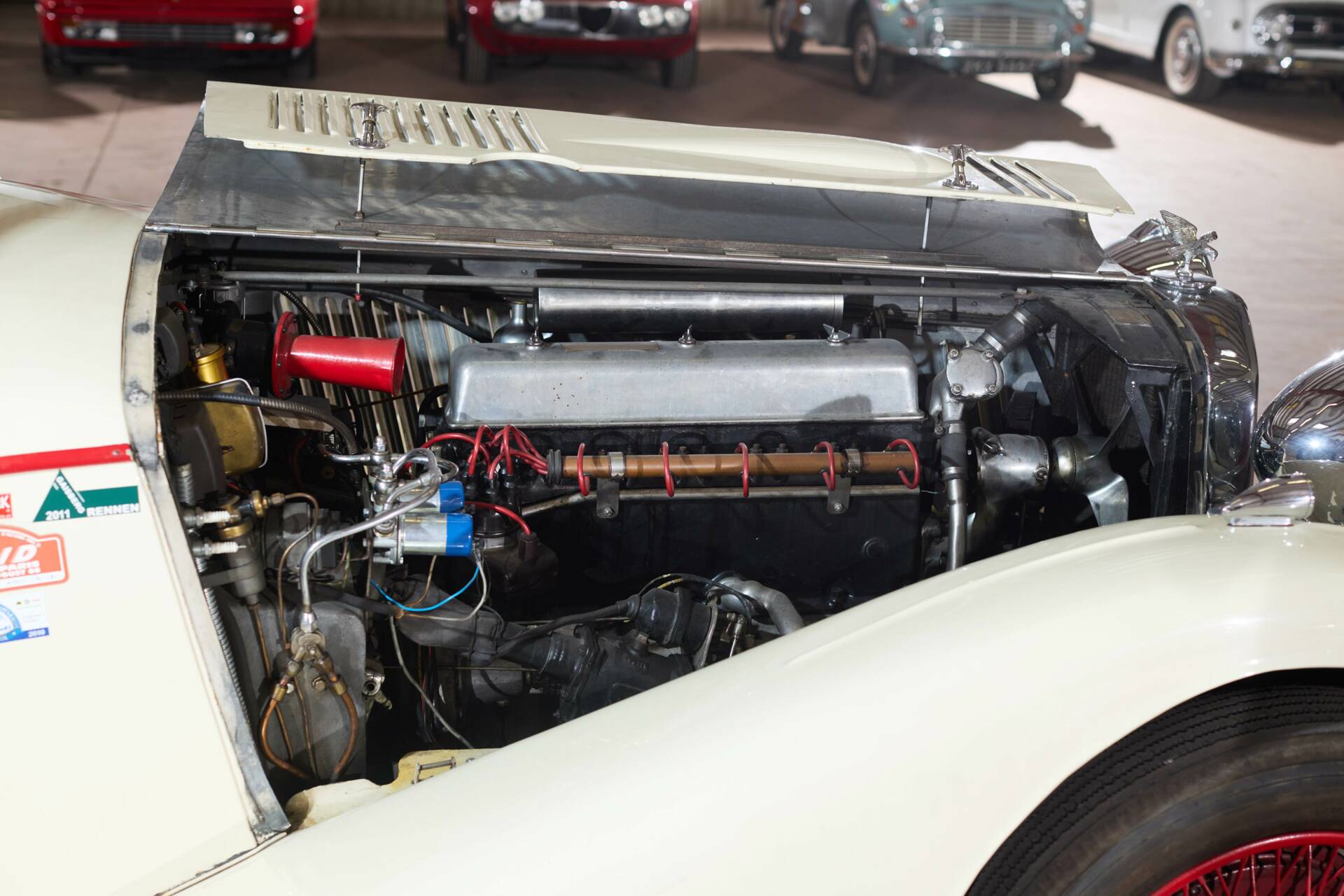
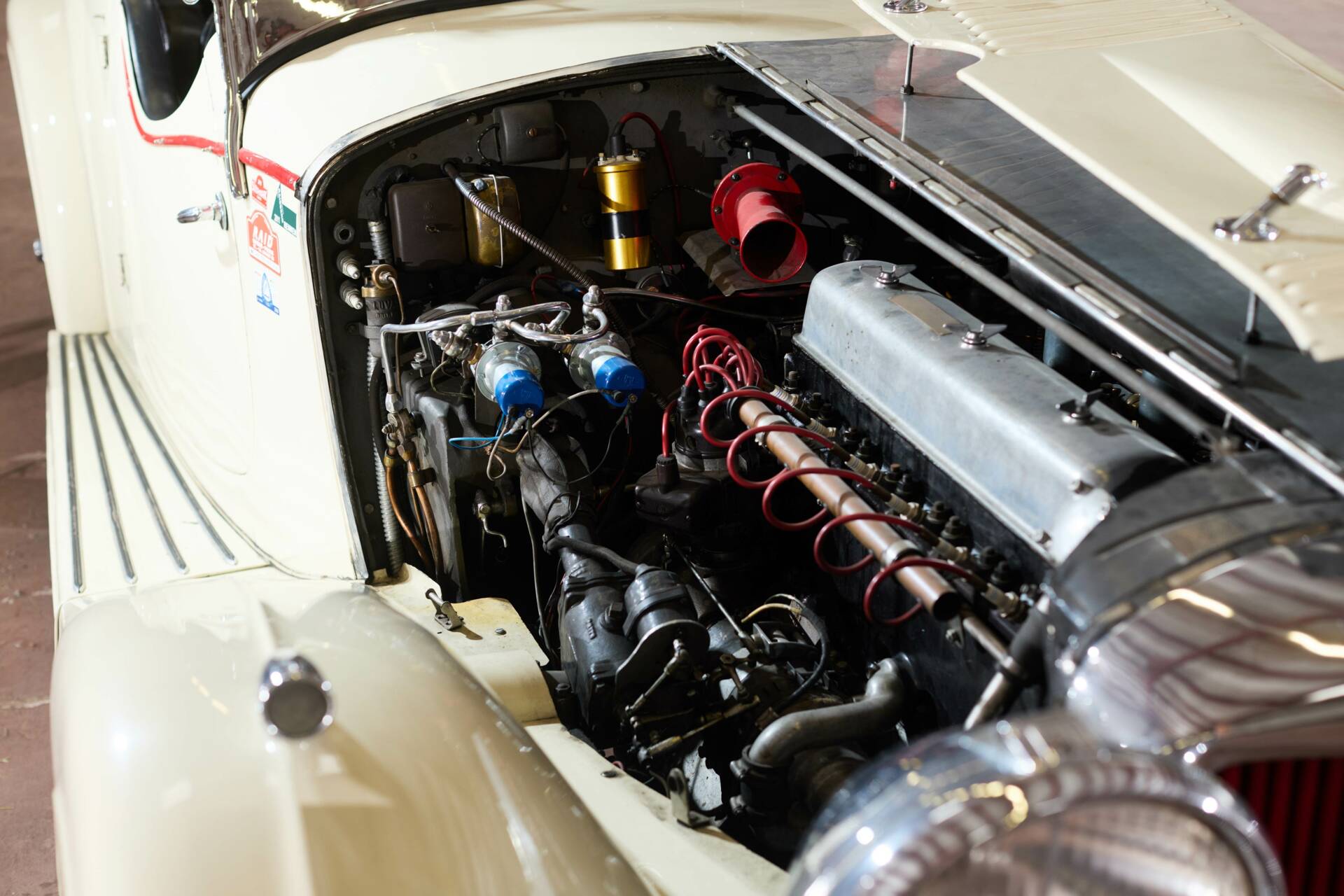
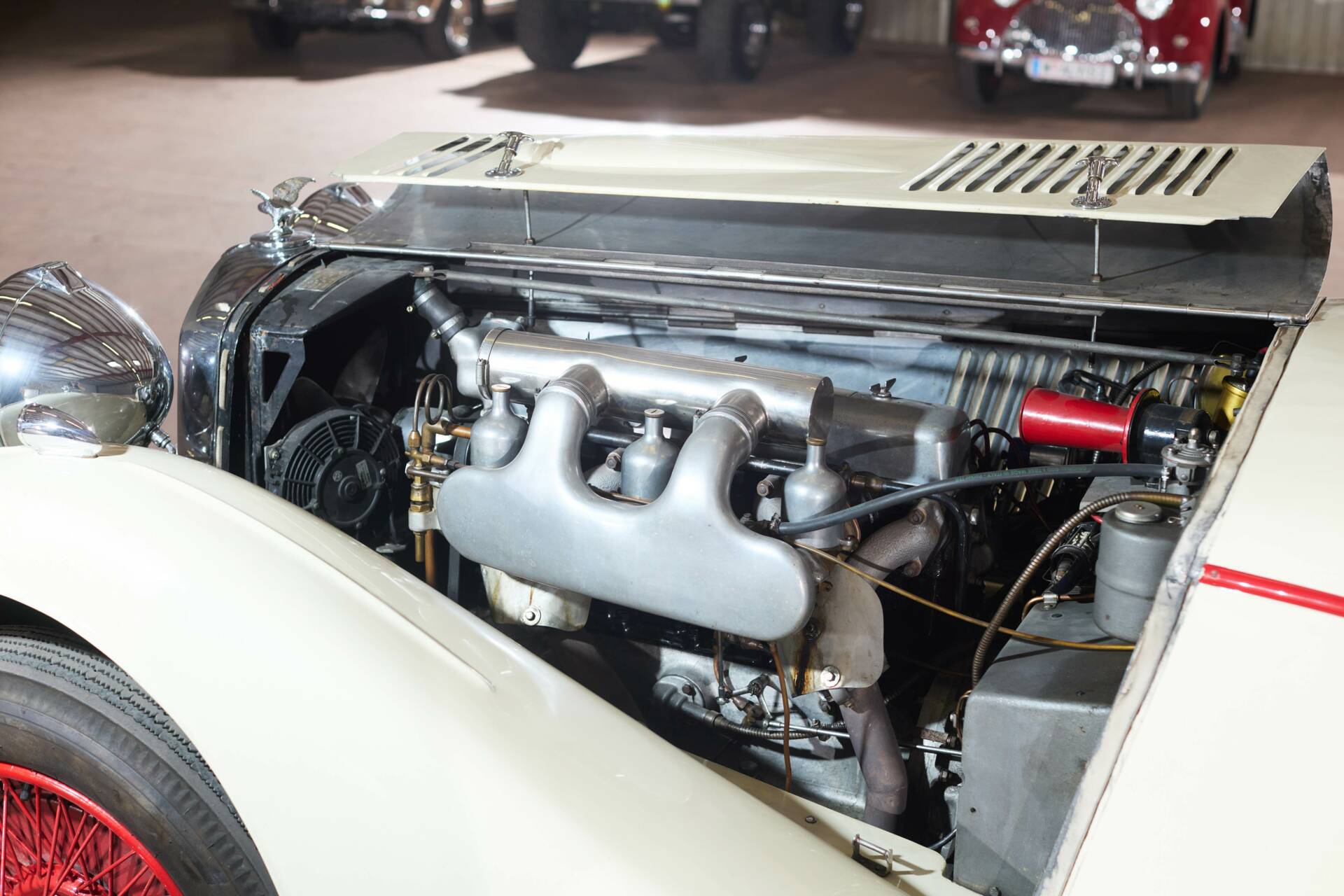
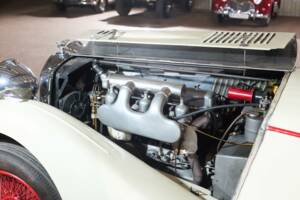
The 3,571 cm³ inline six-cylinder engine is listed in the current vehicle database with 115 hp or 85 kW. The available model description also mentions three SU carburettors and a seven-bearing crankshaft. Power is transmitted through a manual gearbox in this right-hand-drive car.
With a car like this, however, its individual history is at least as significant as its engineering. The current touring body is explicitly part of that history and is not an untouched factory body: after the car was rediscovered in the 1970s, it was rebuilt and fitted with a new body based on a historic Vanden Plas design.
This Vehicle
Exterior
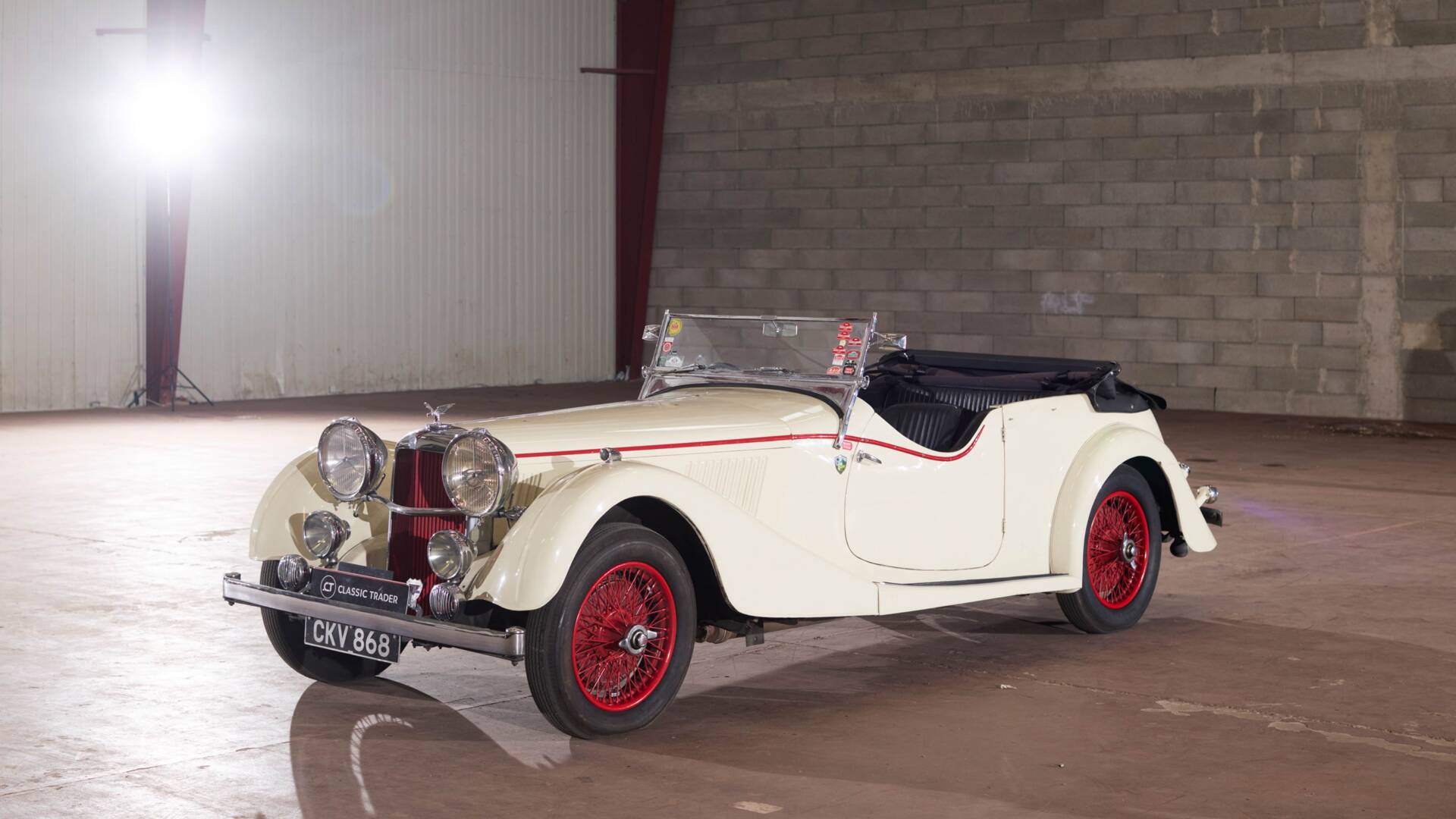
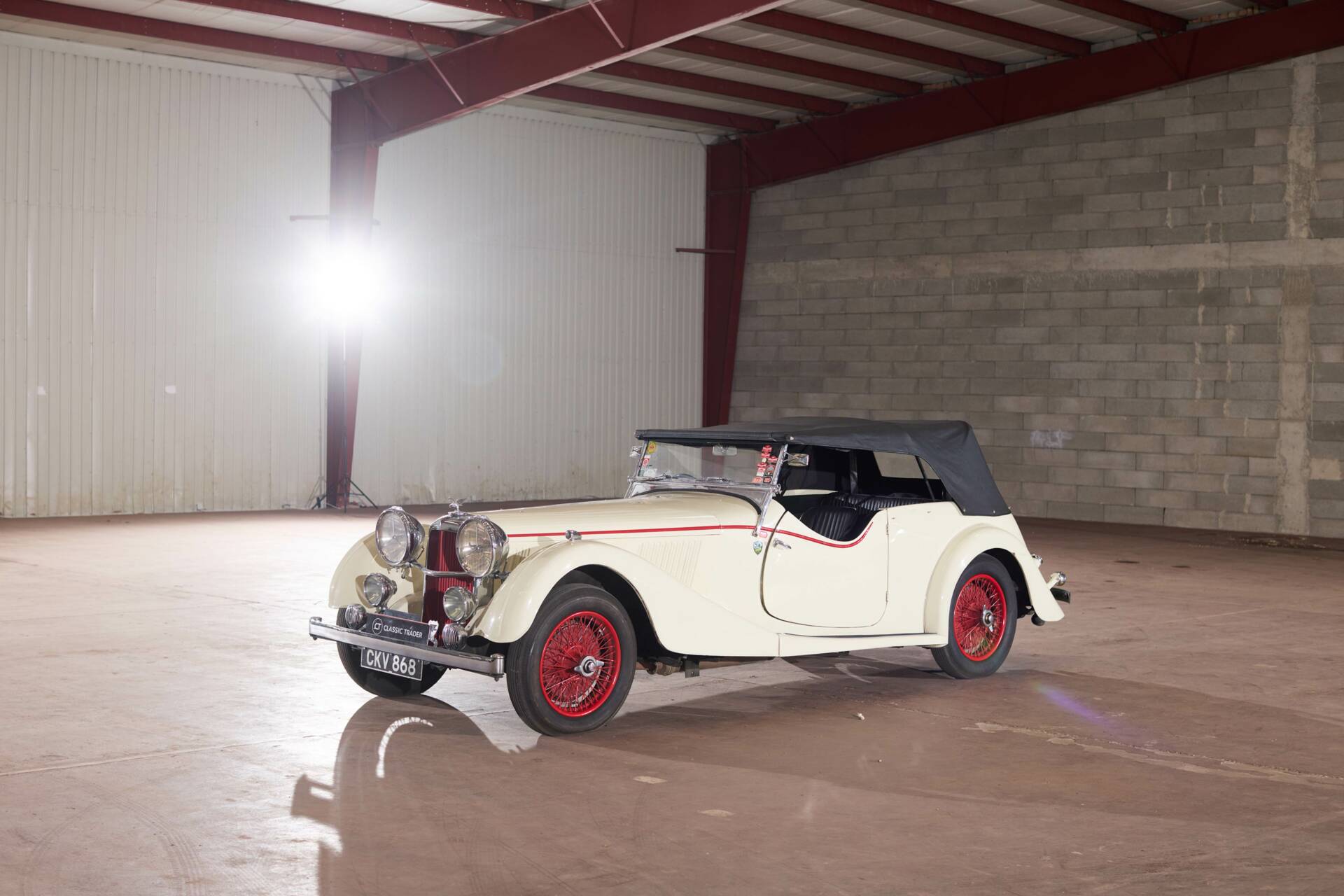
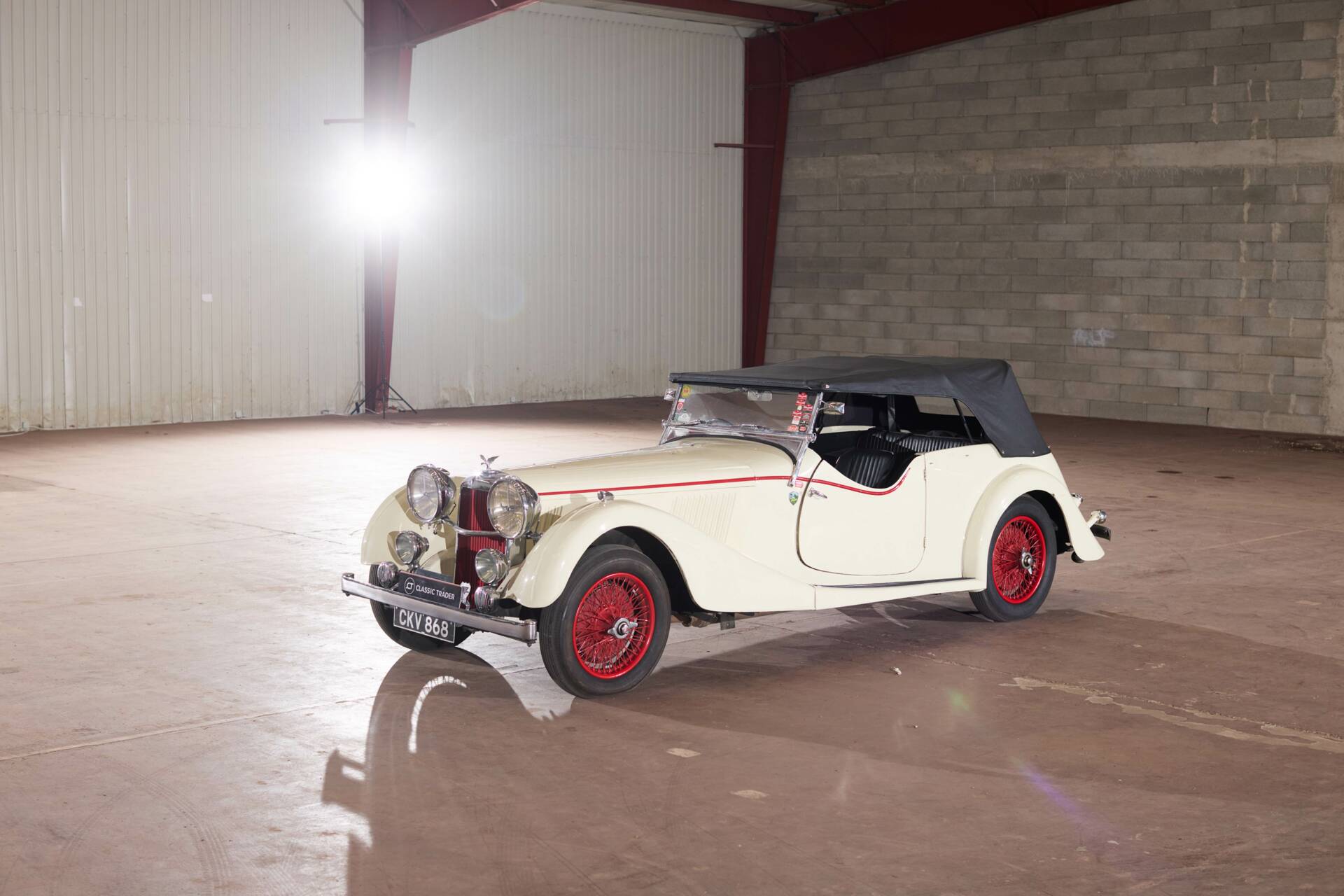
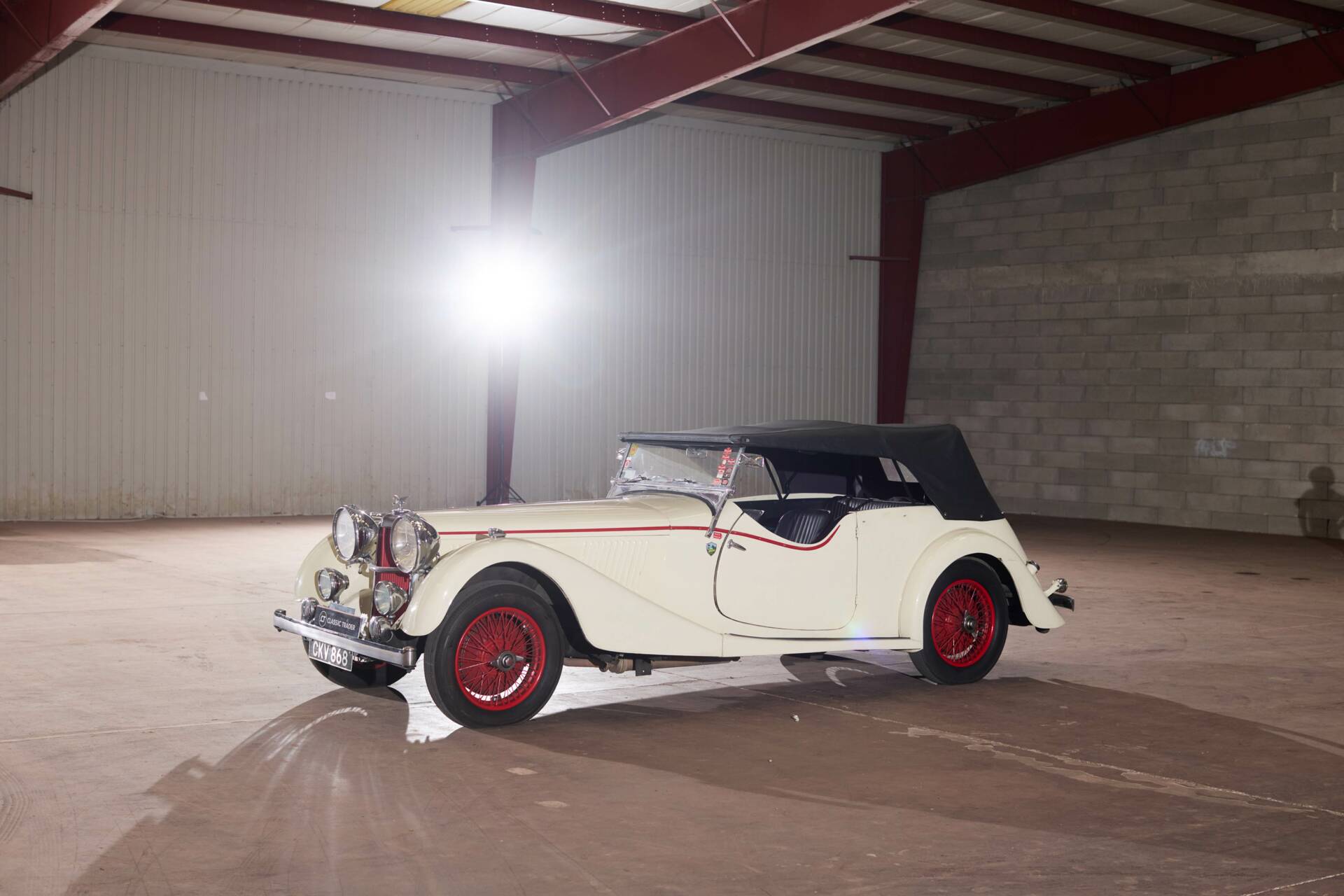
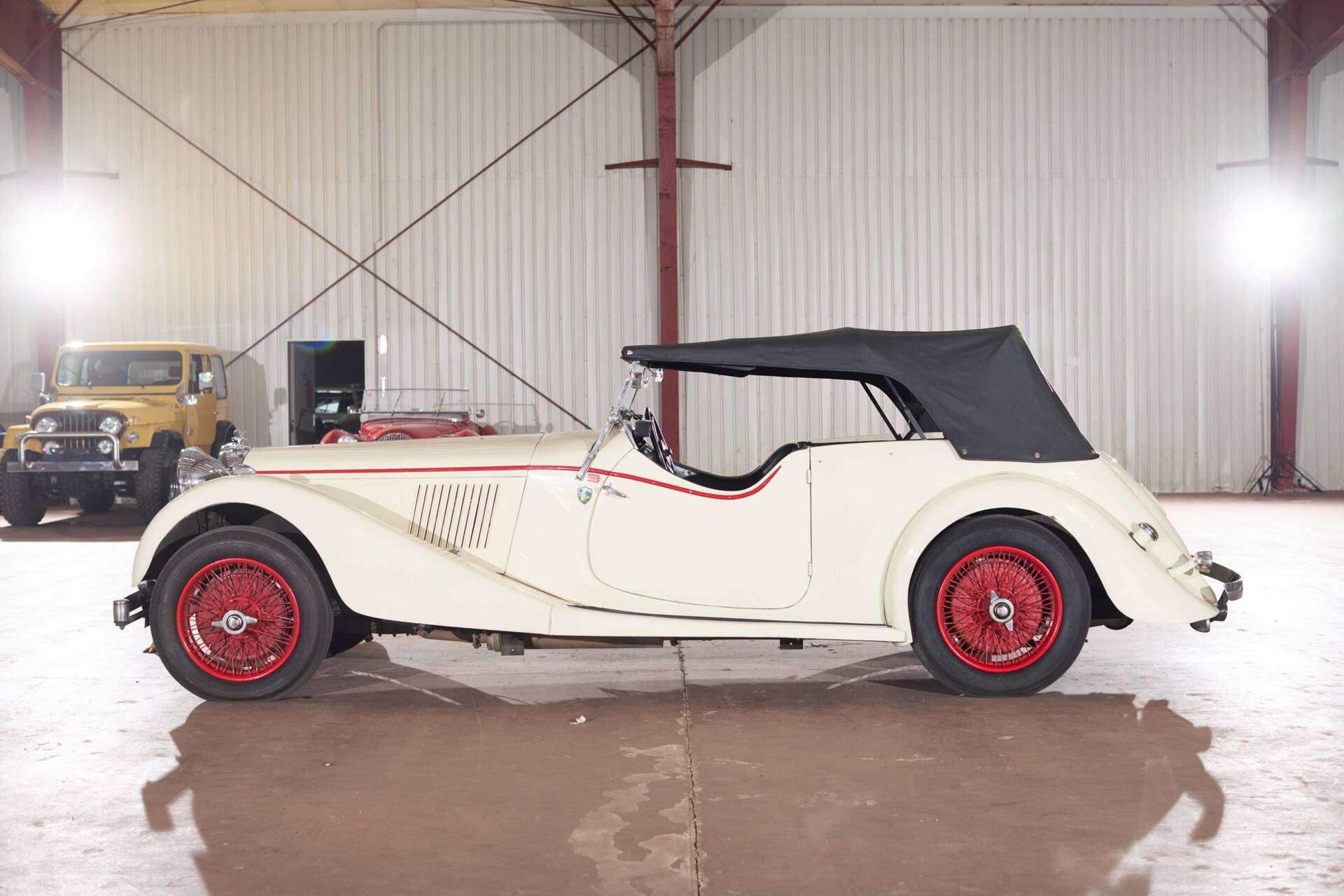
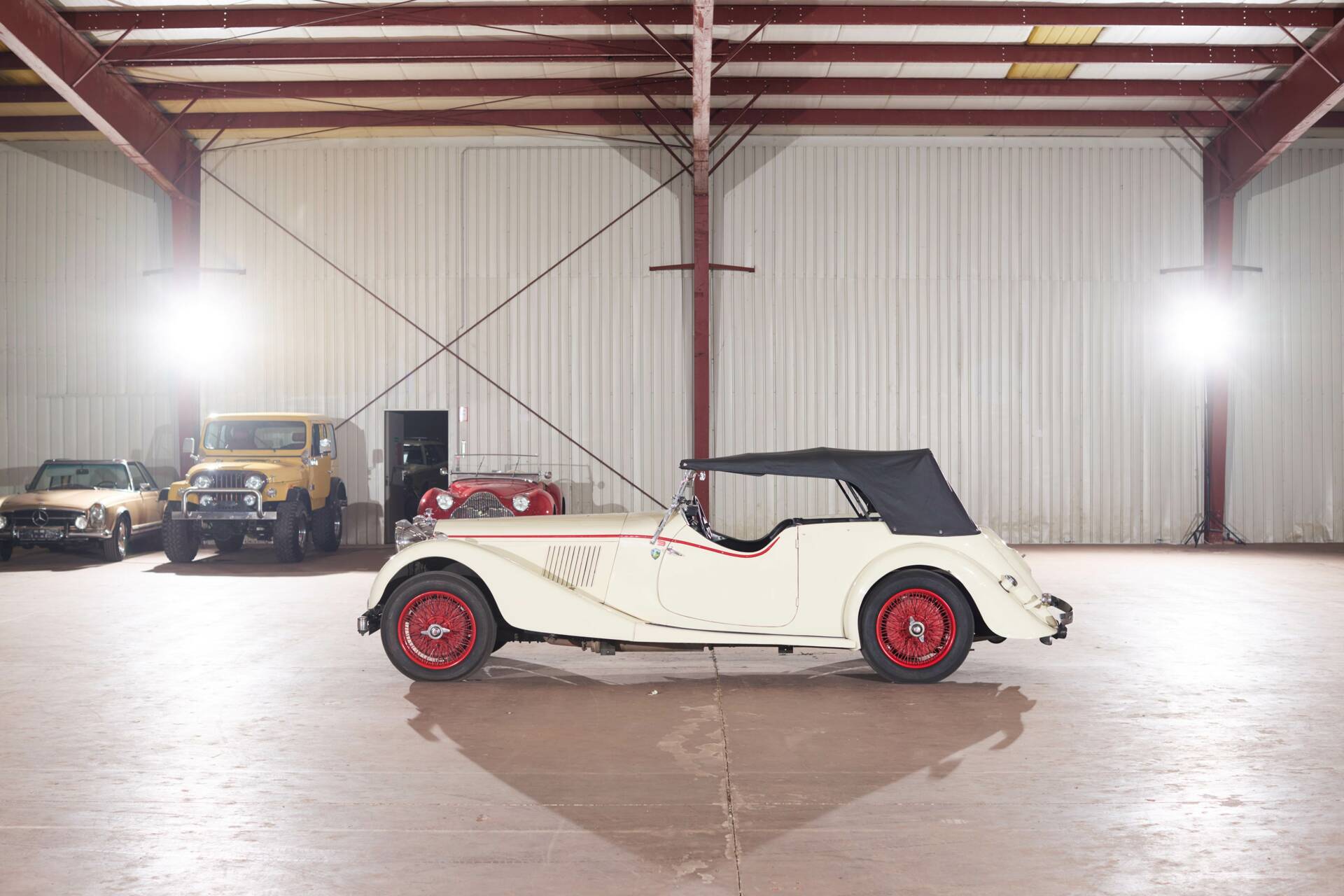
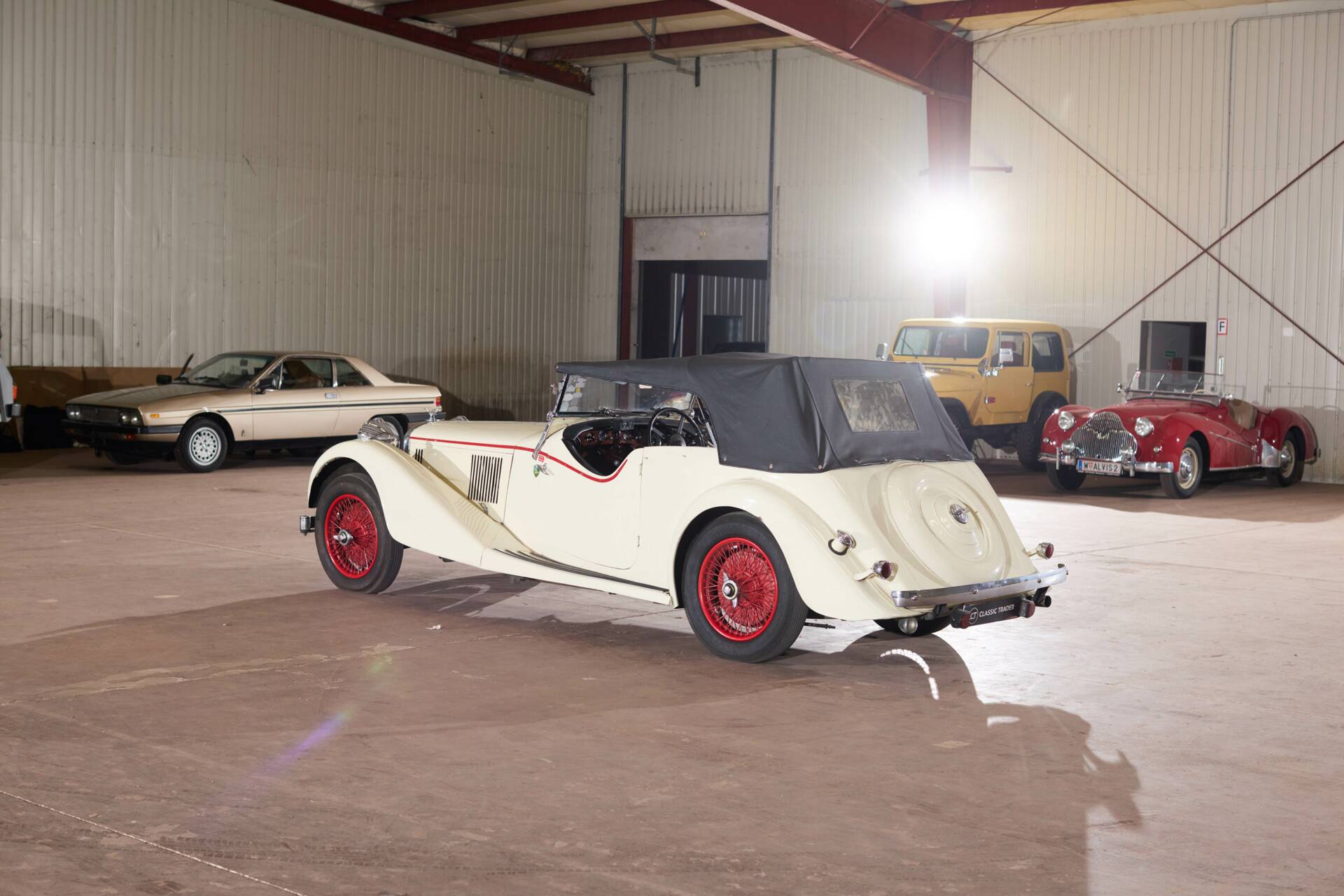
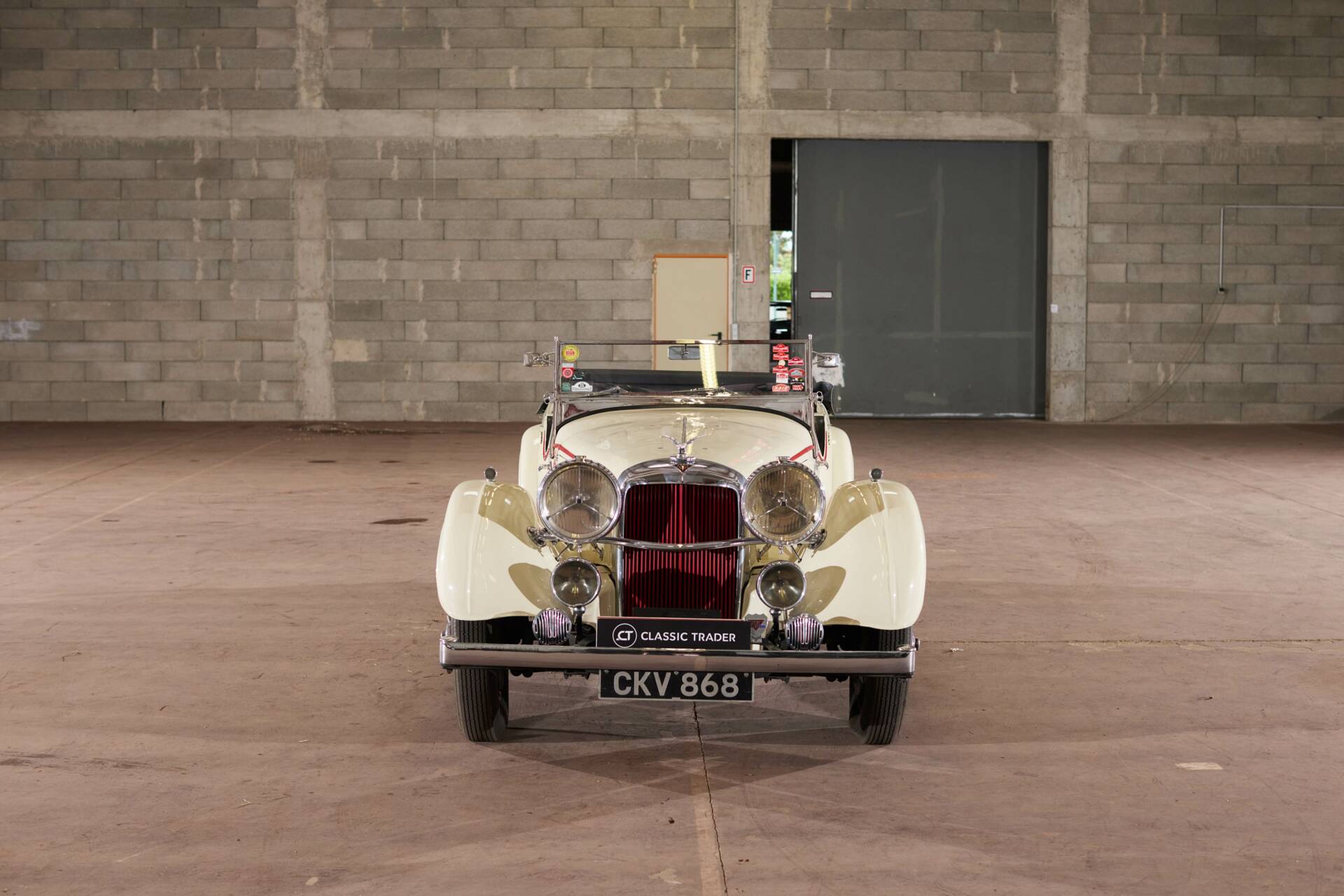
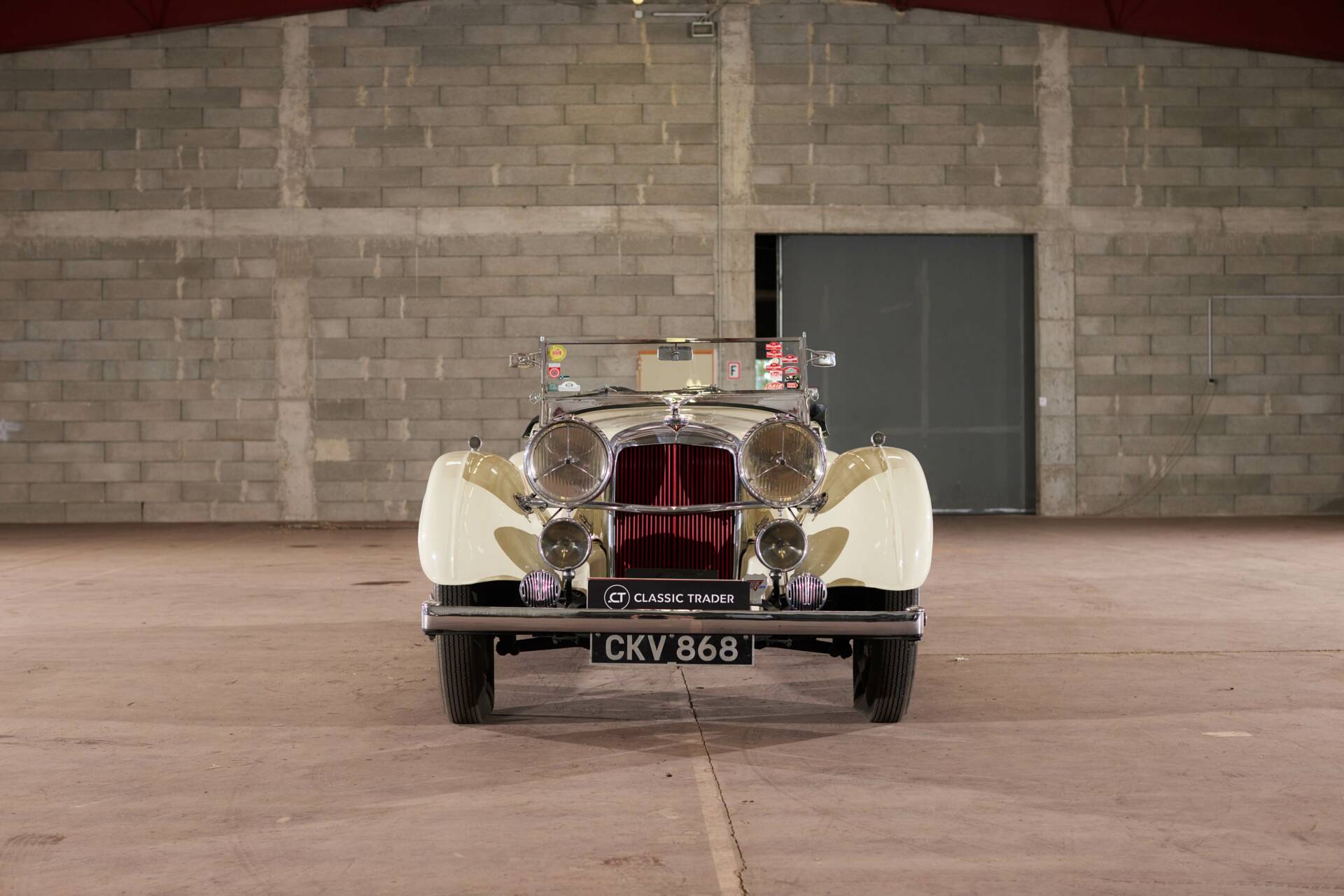
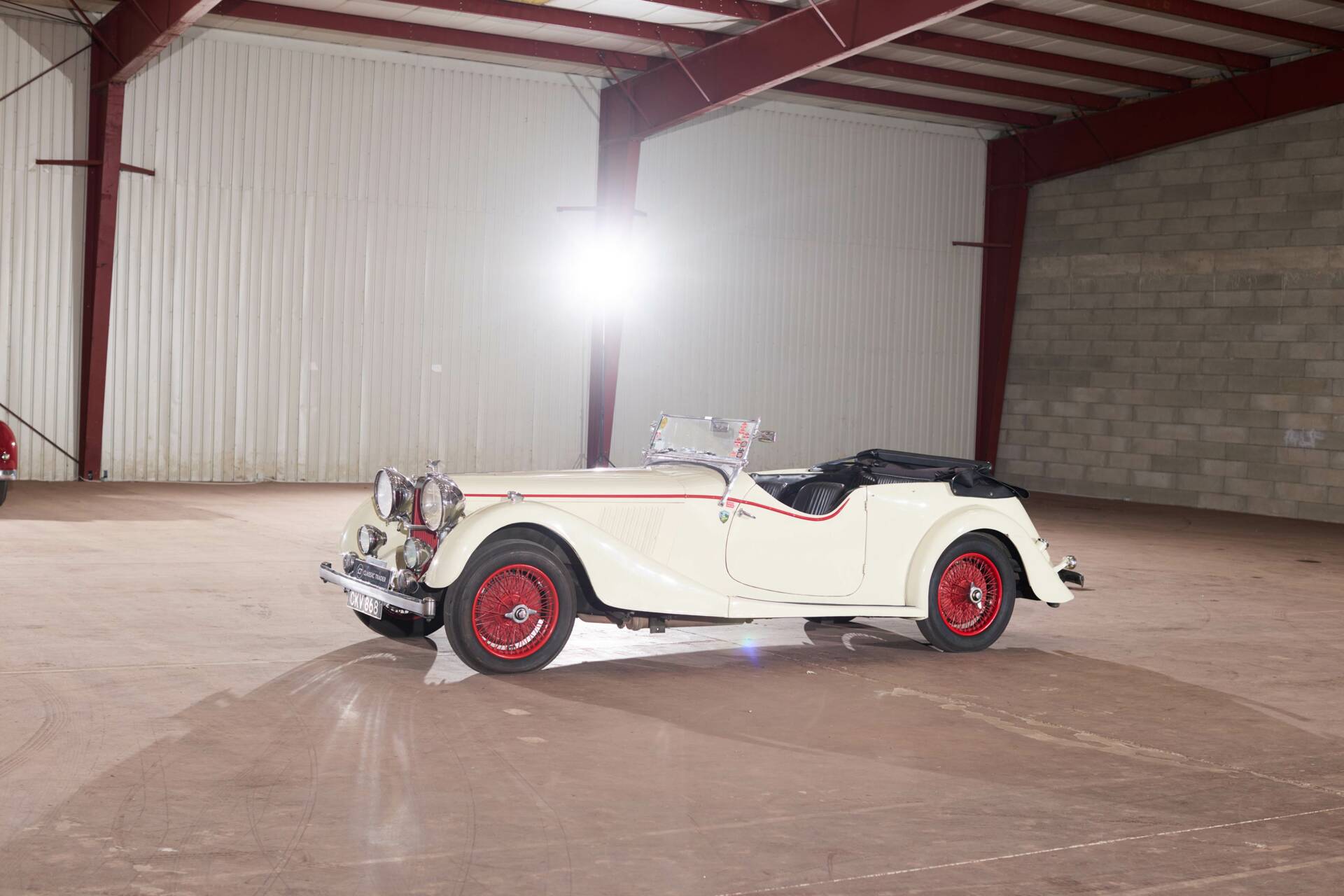
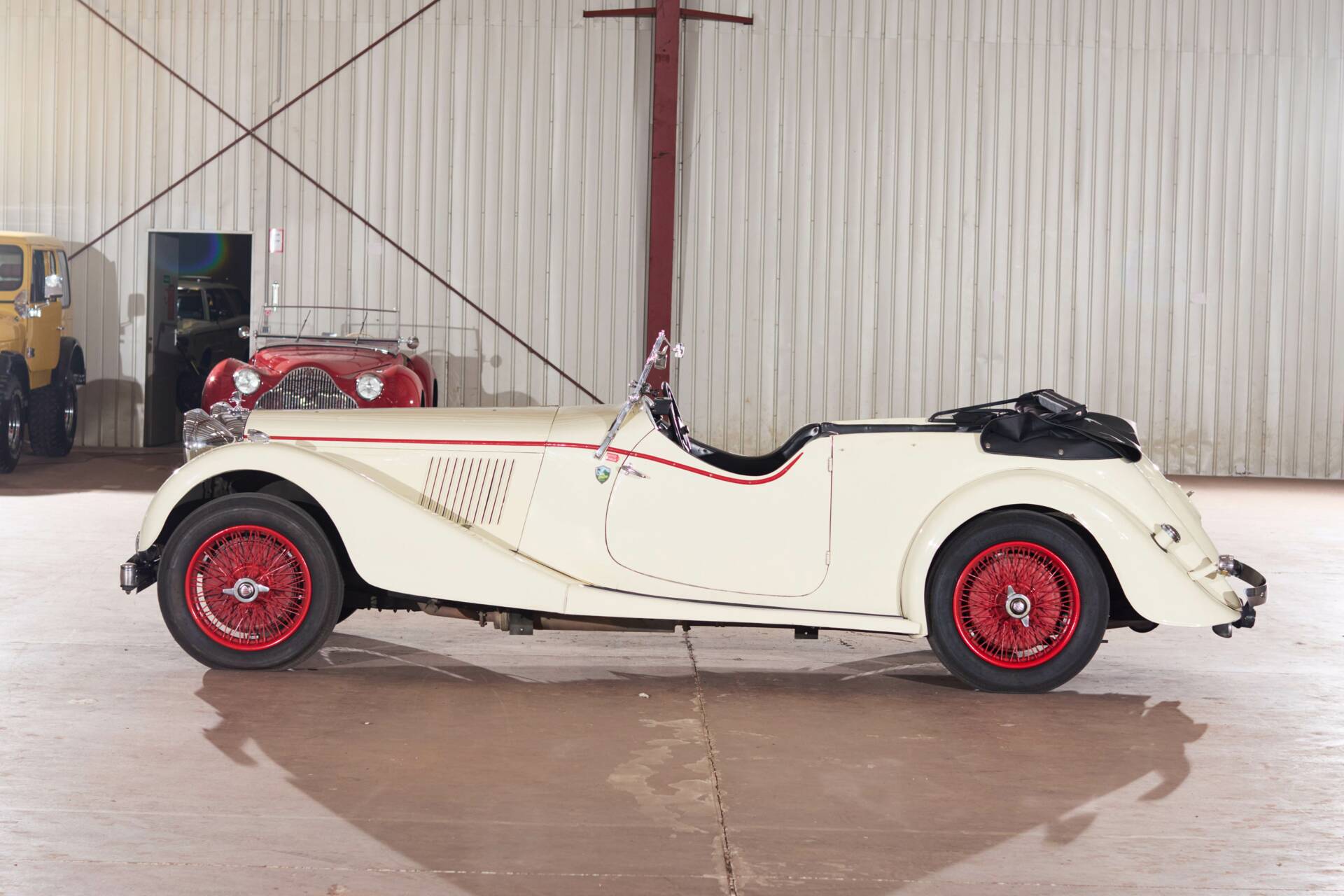
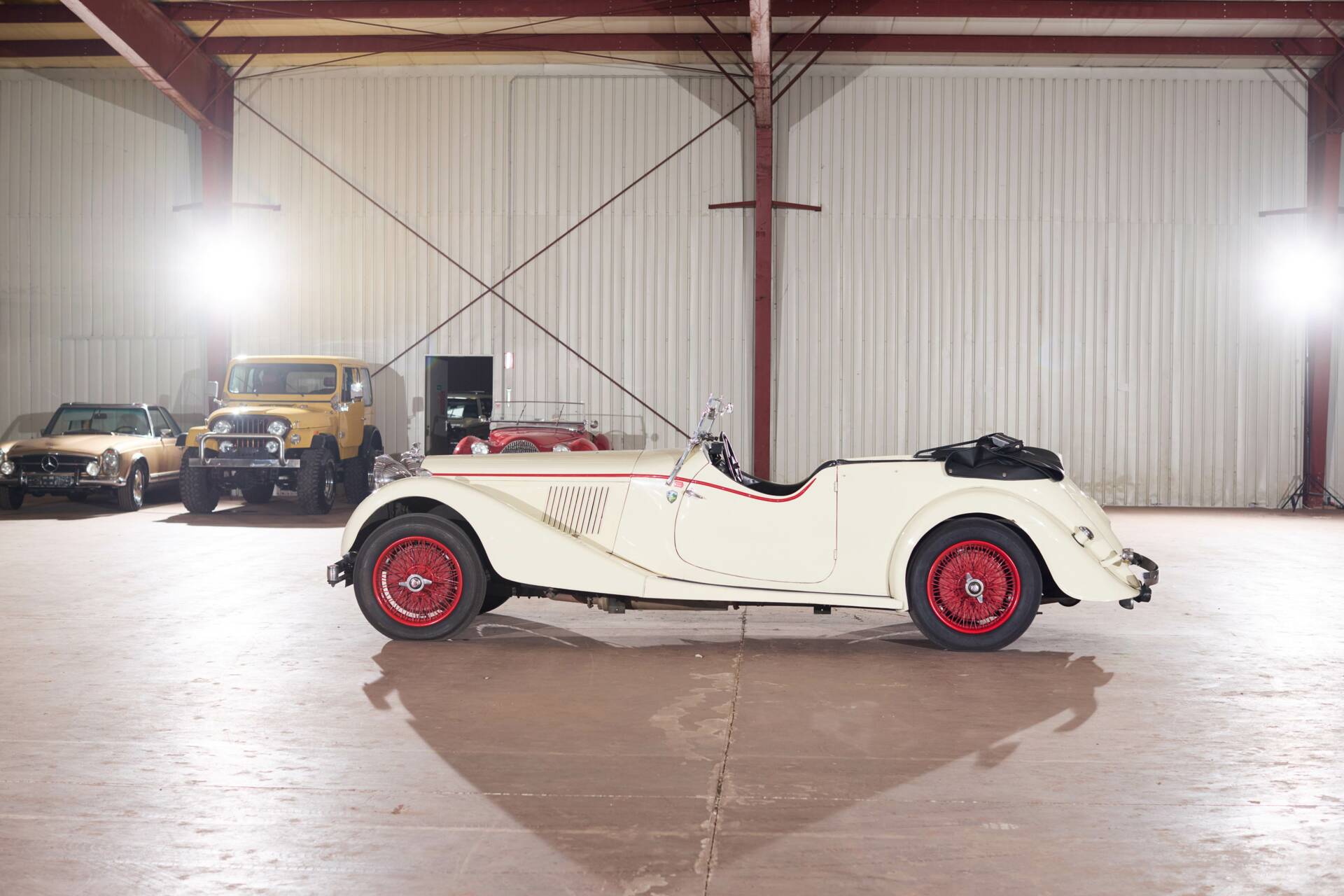
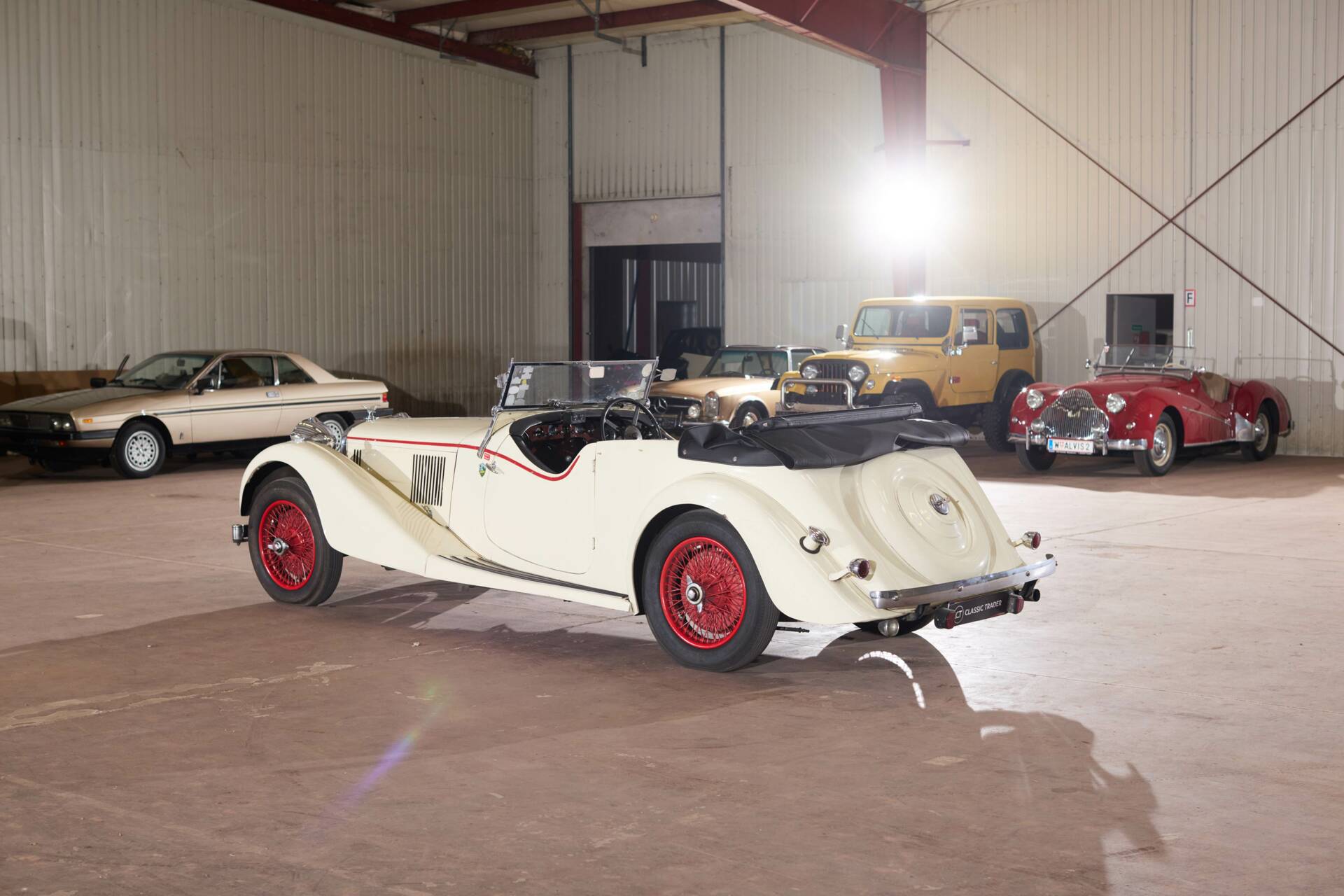
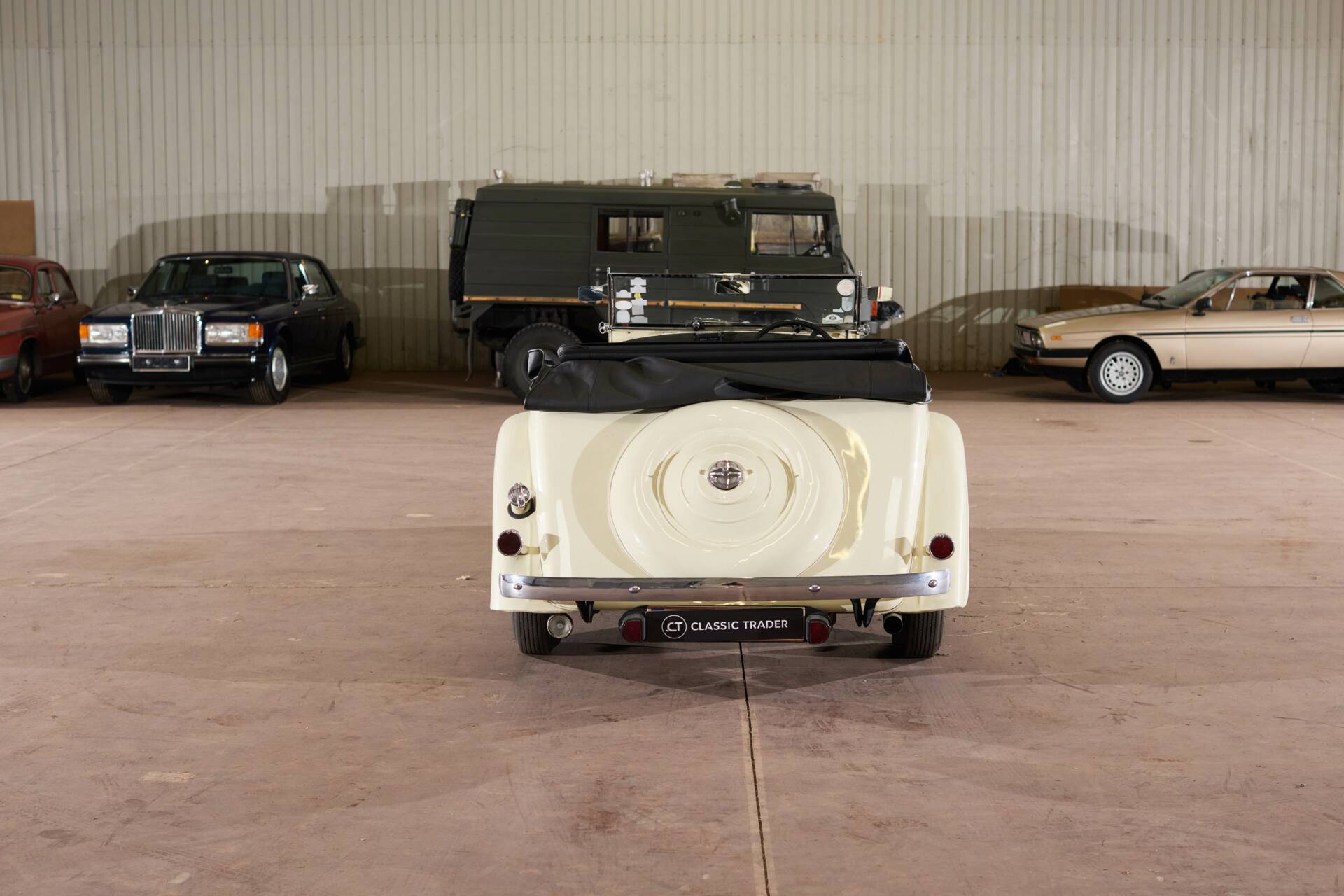
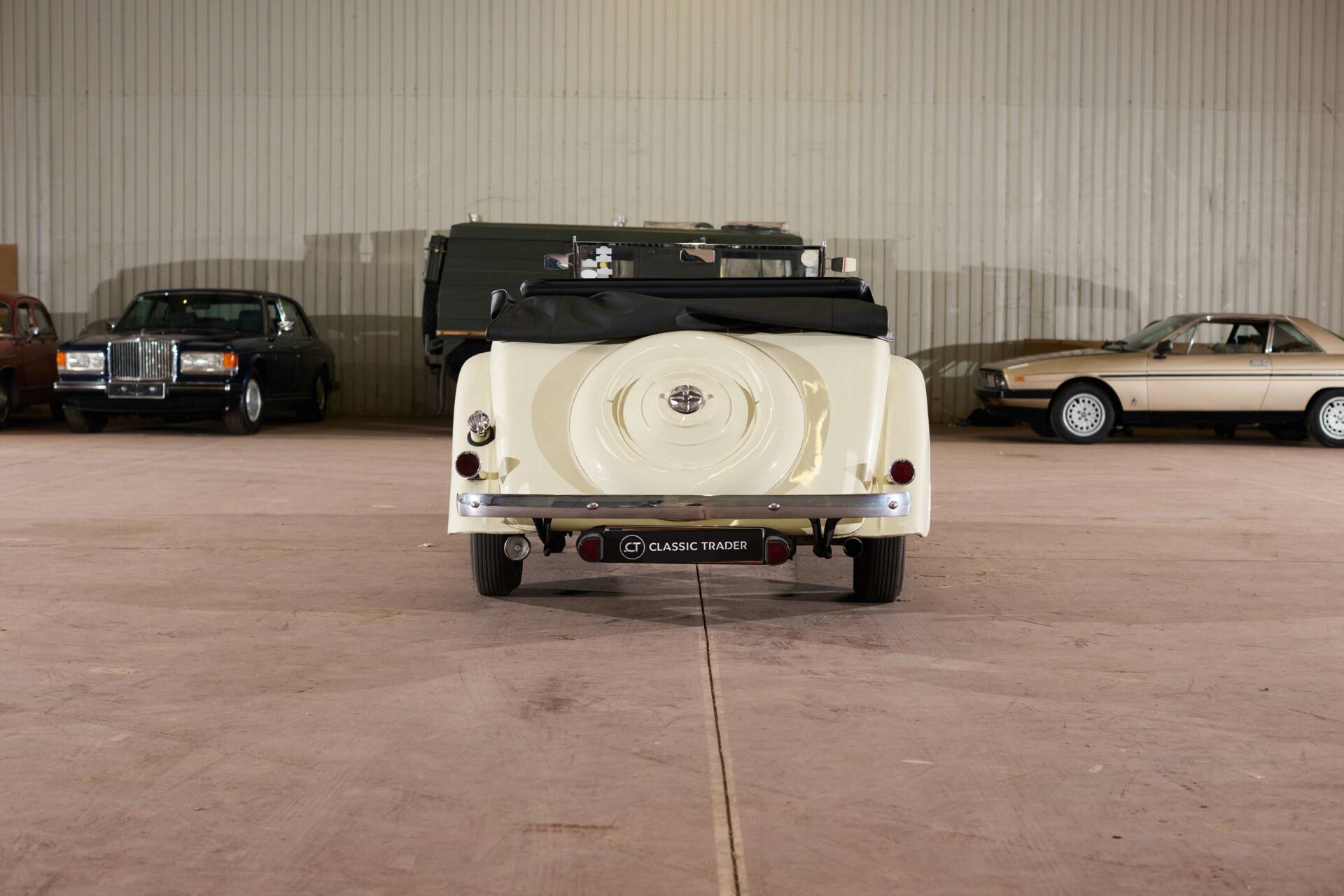
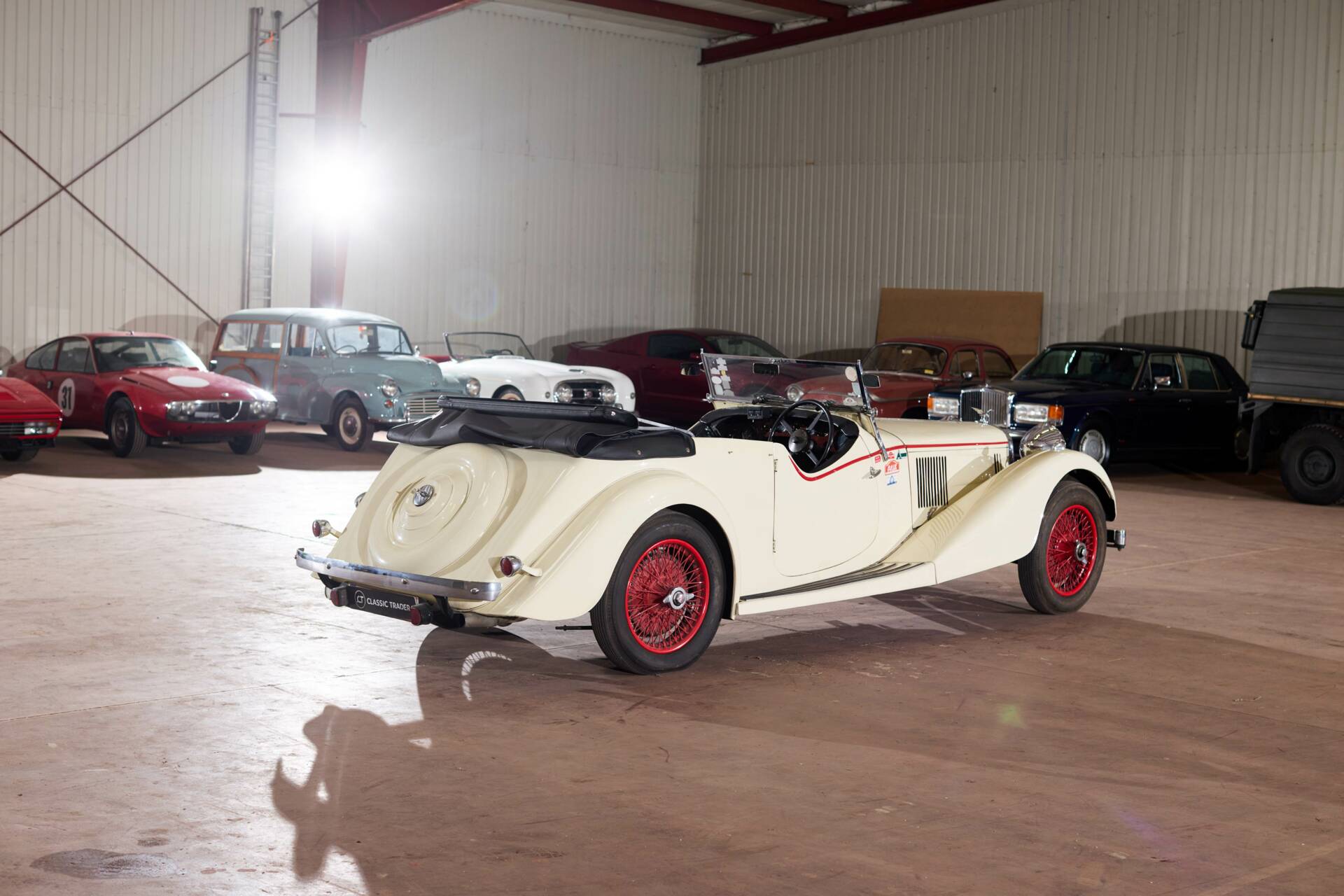
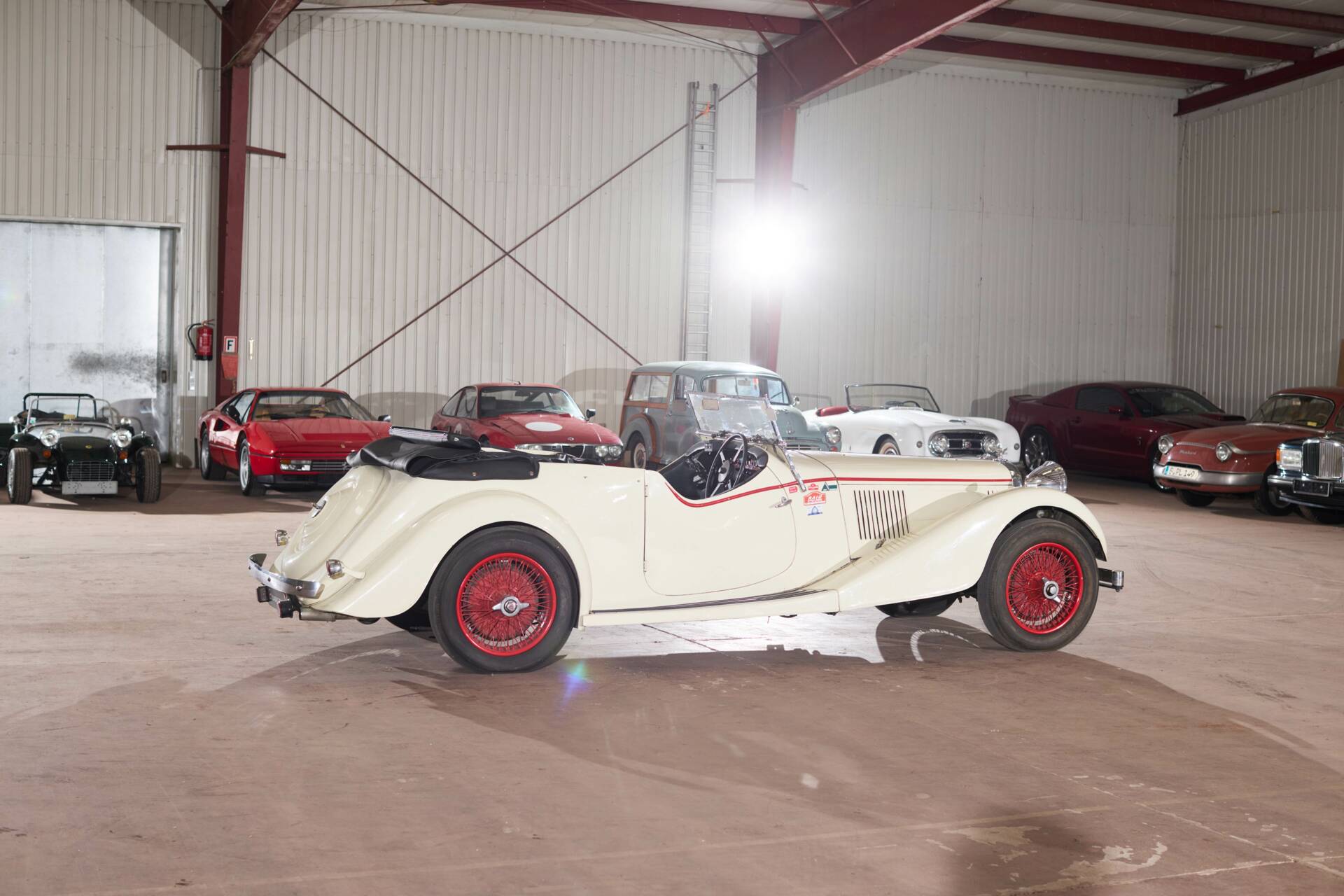
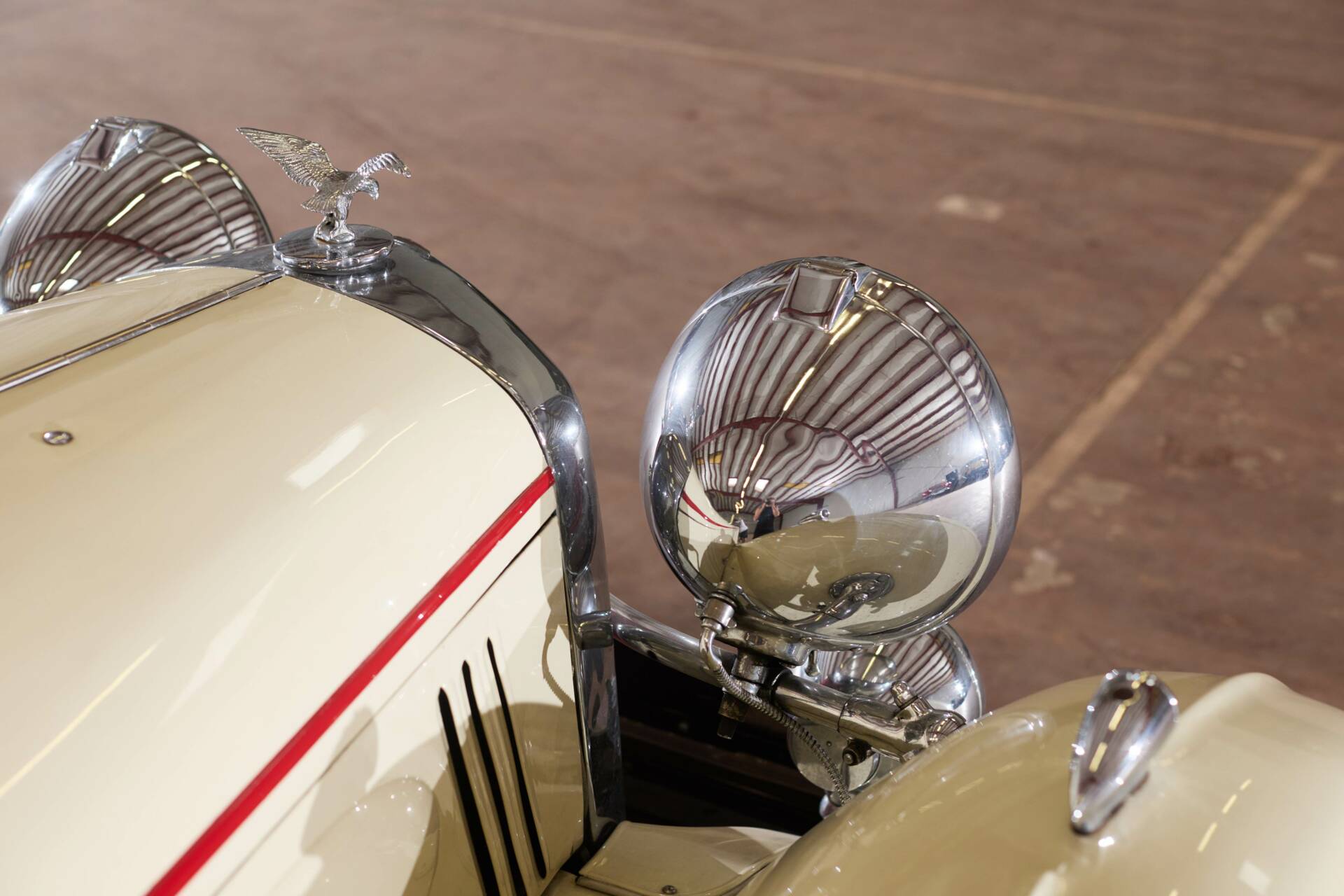
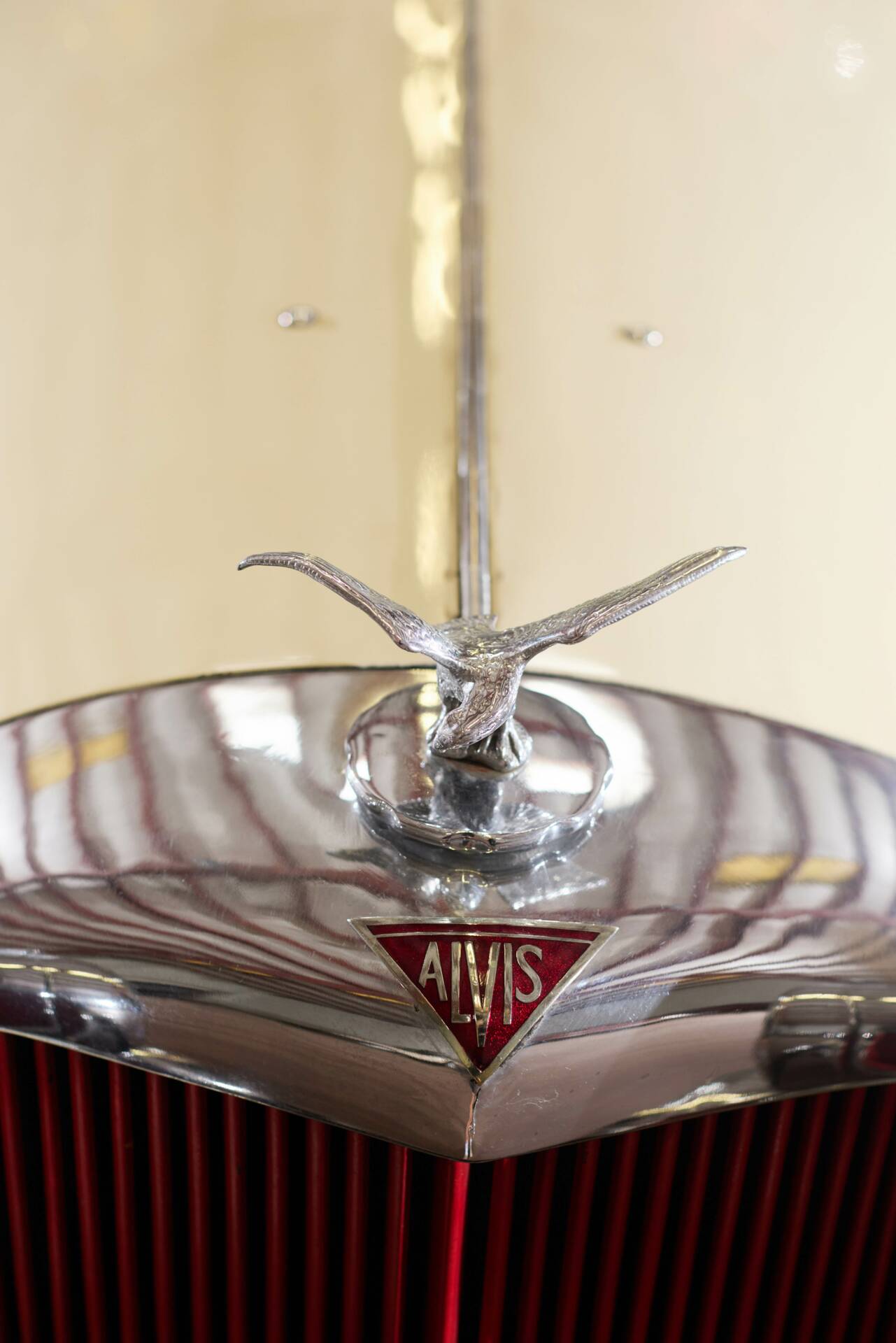
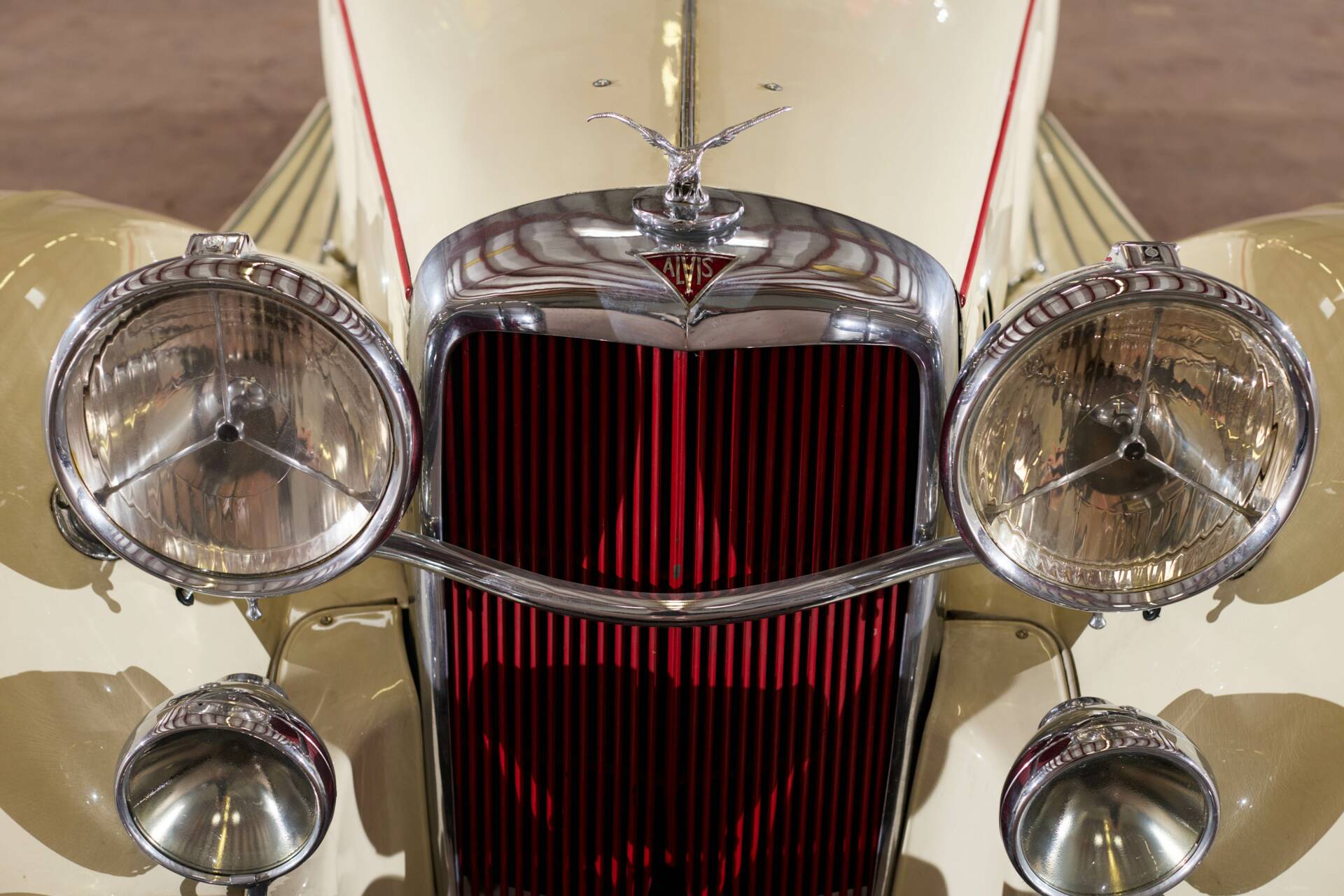
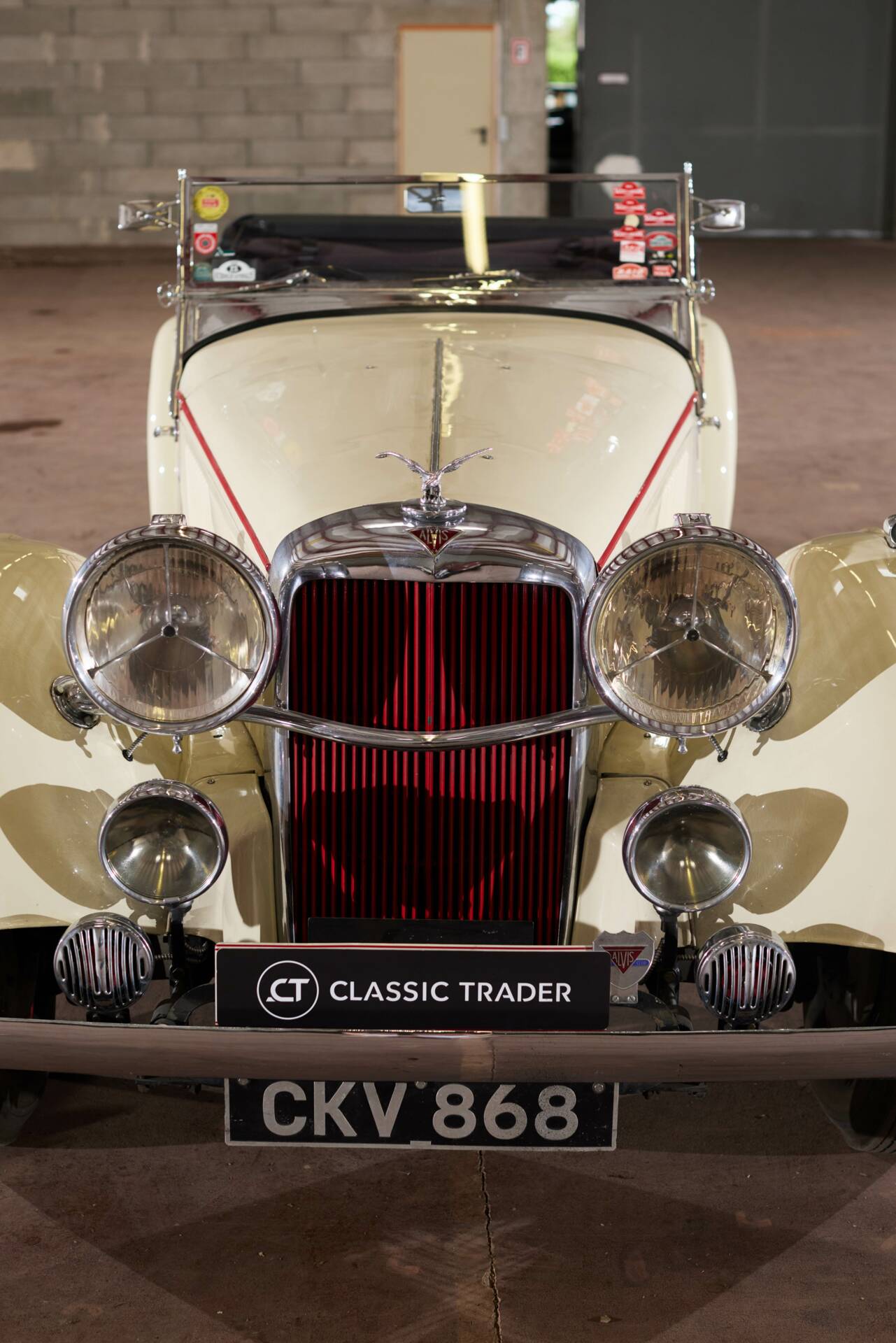
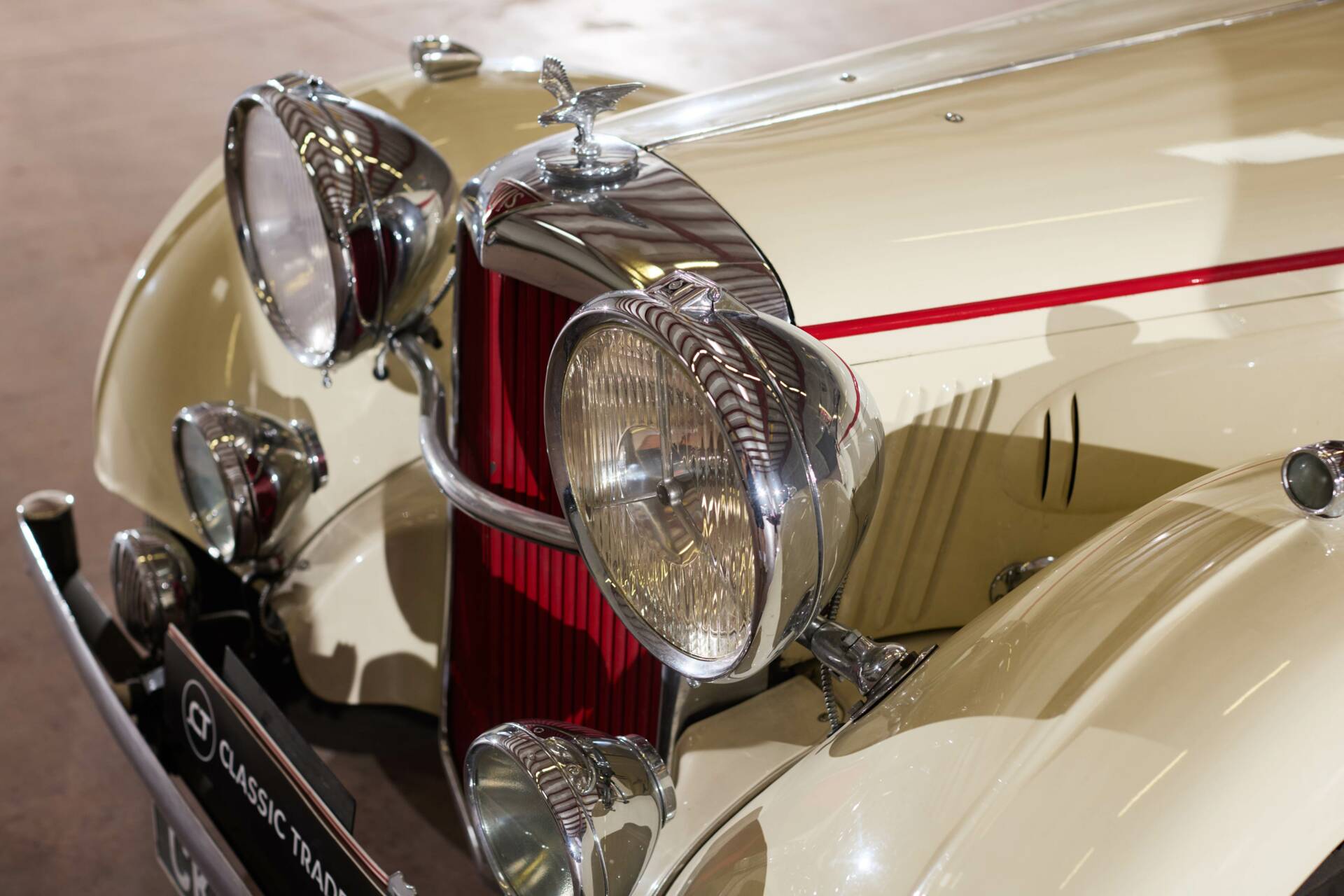
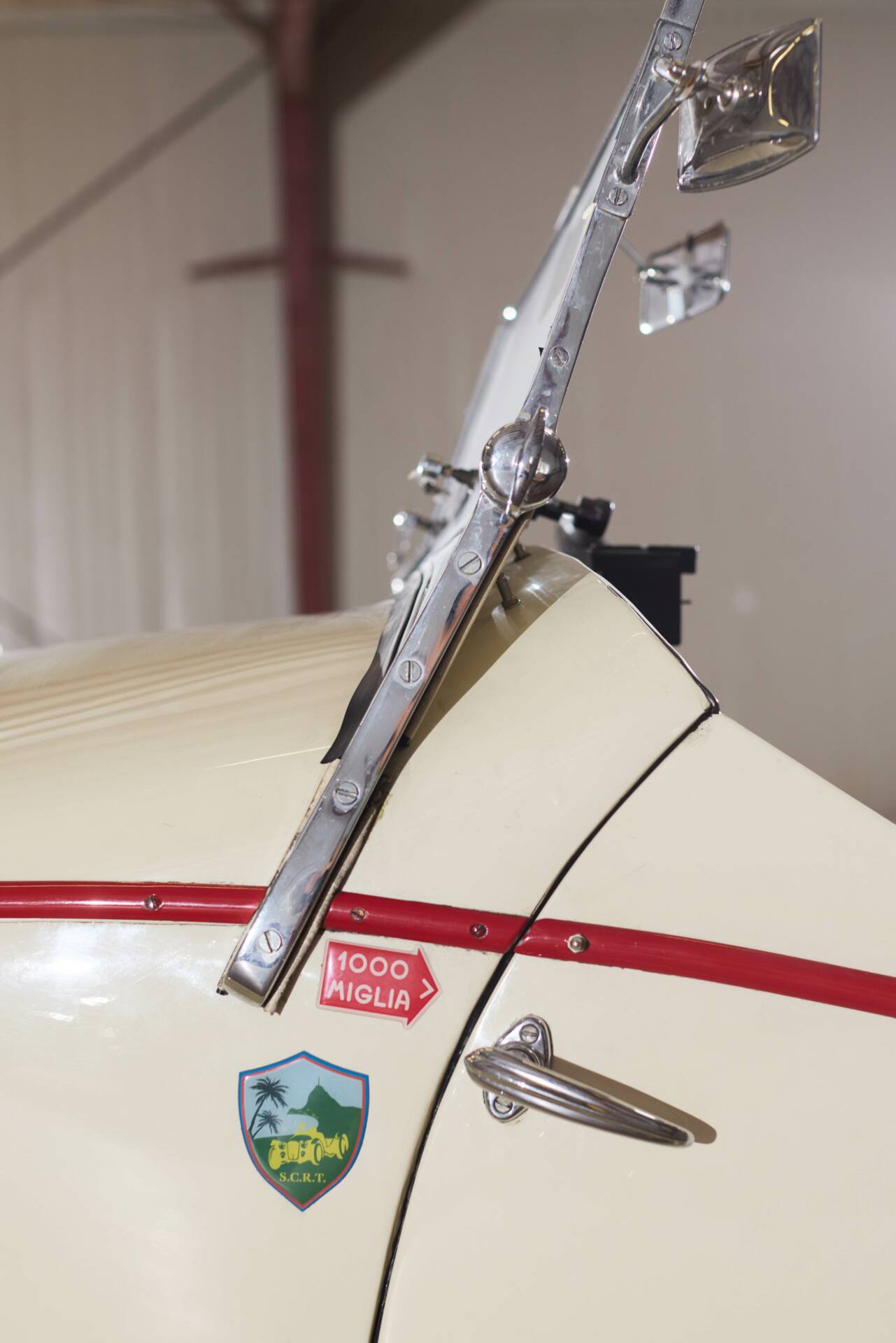
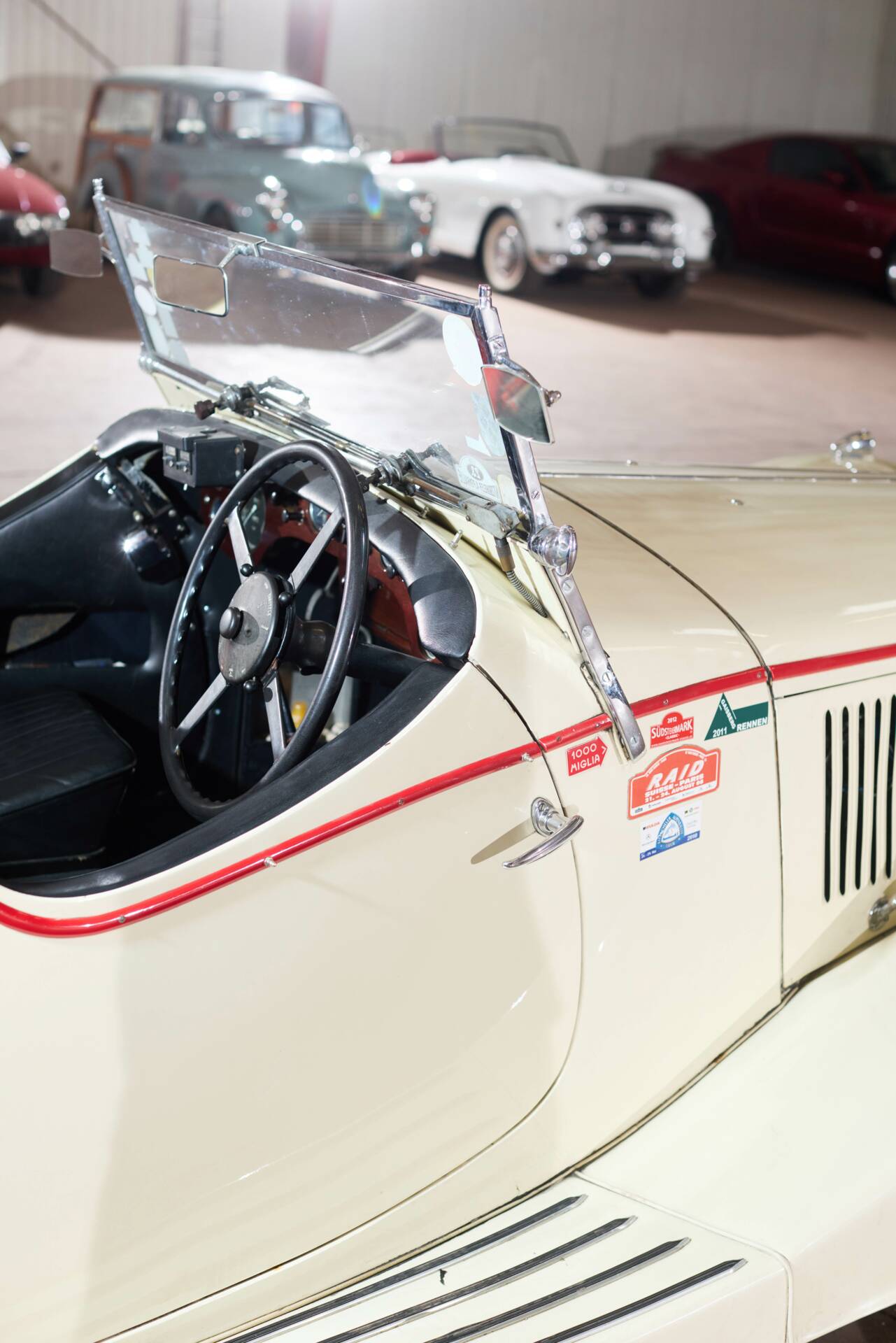
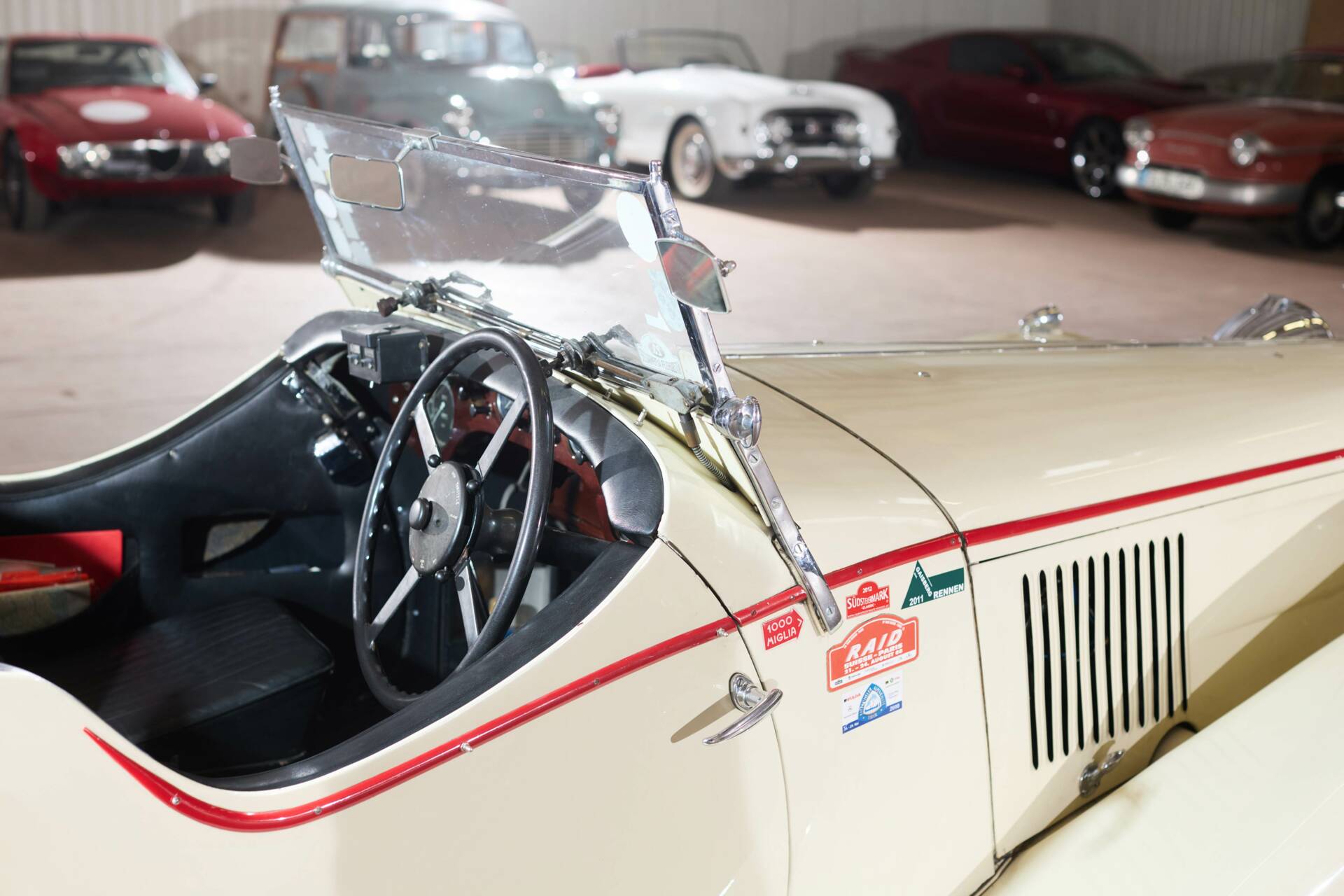
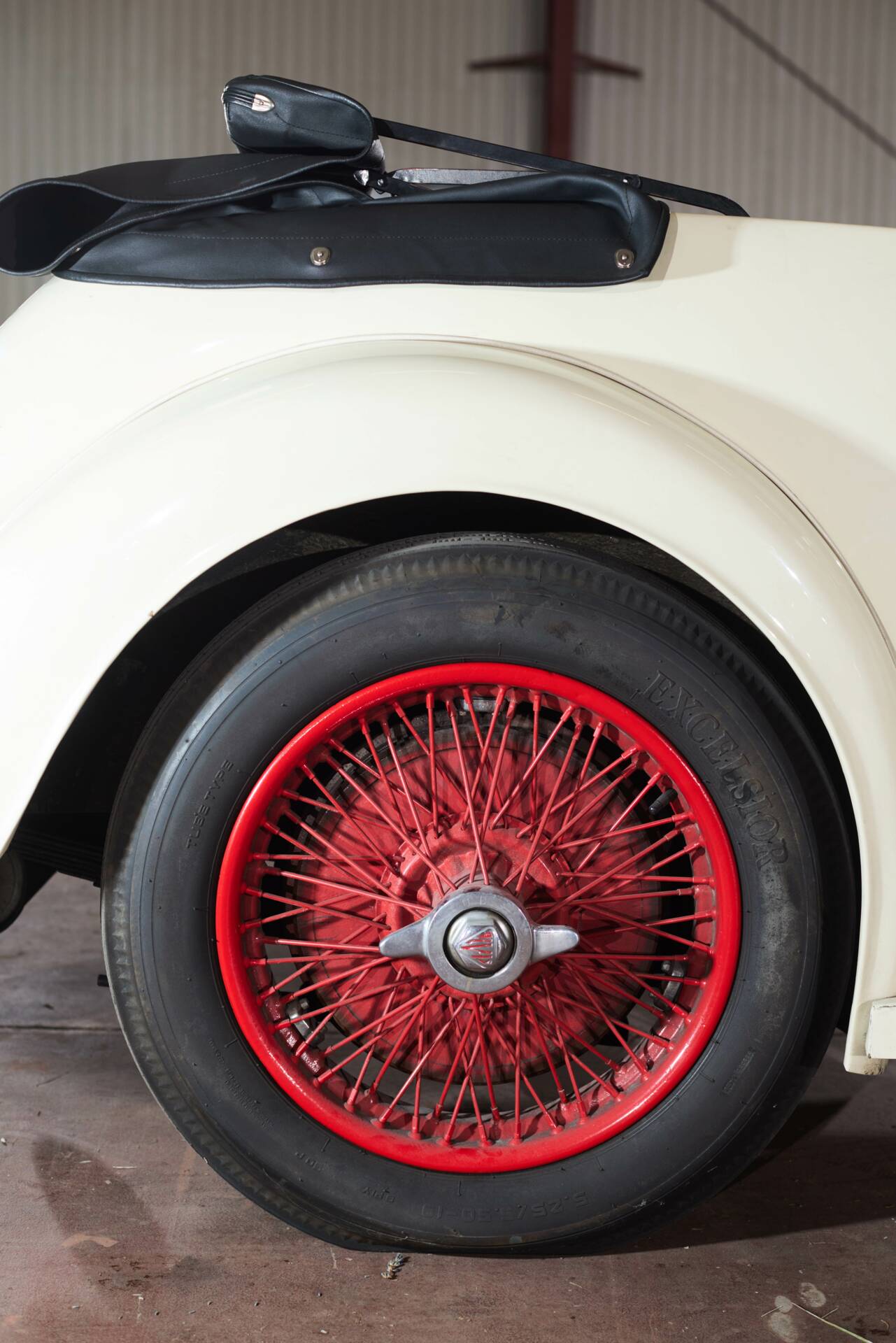
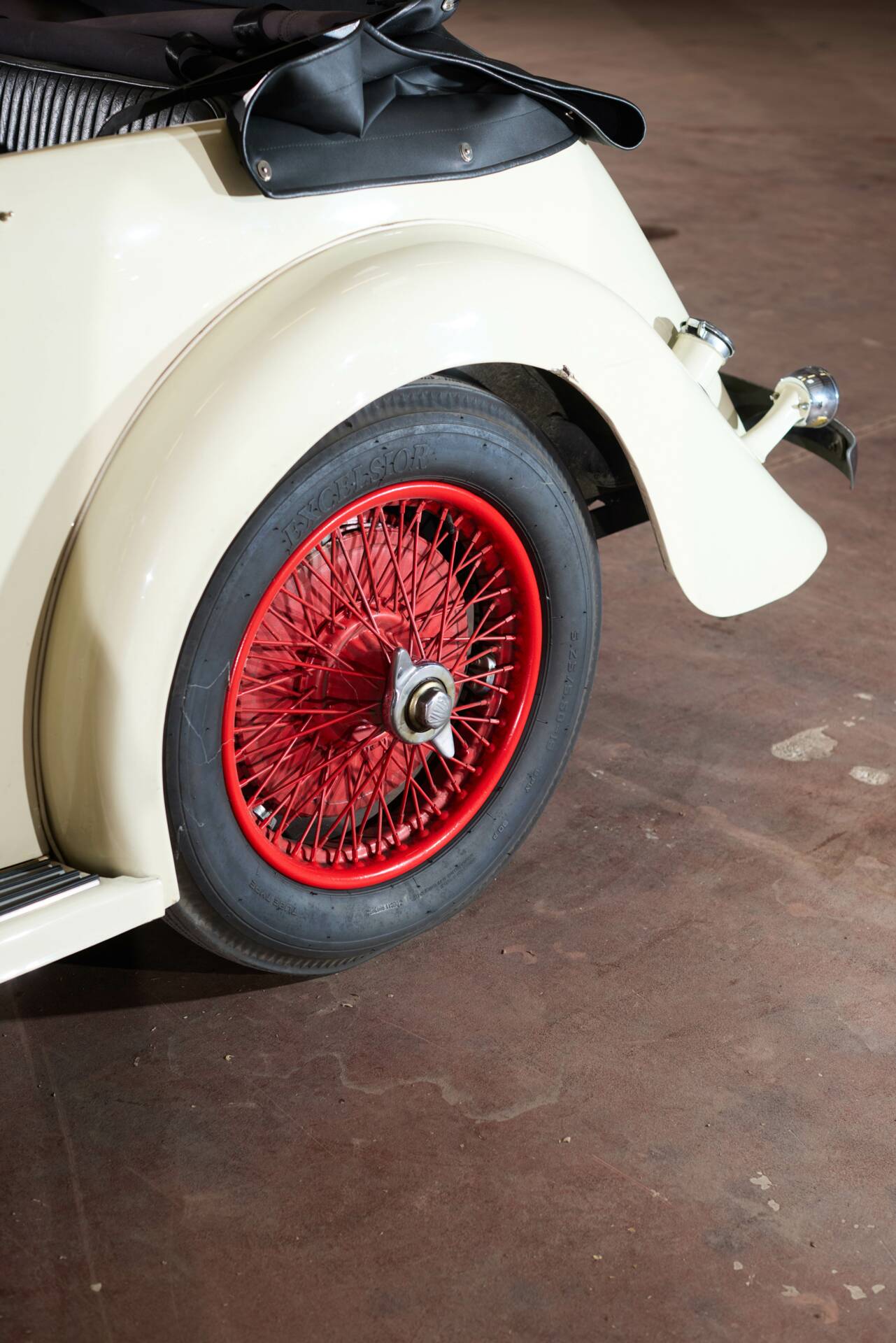
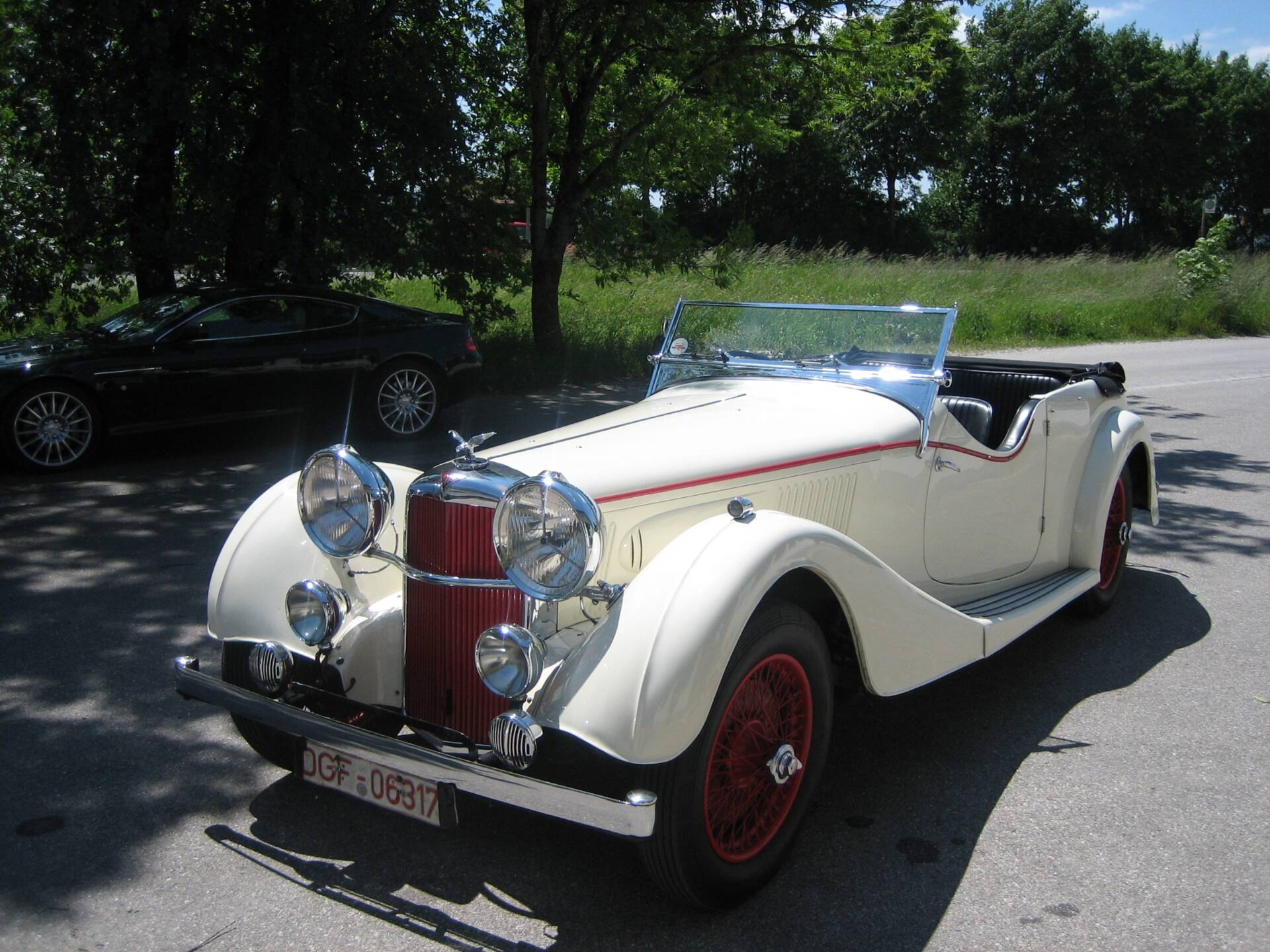
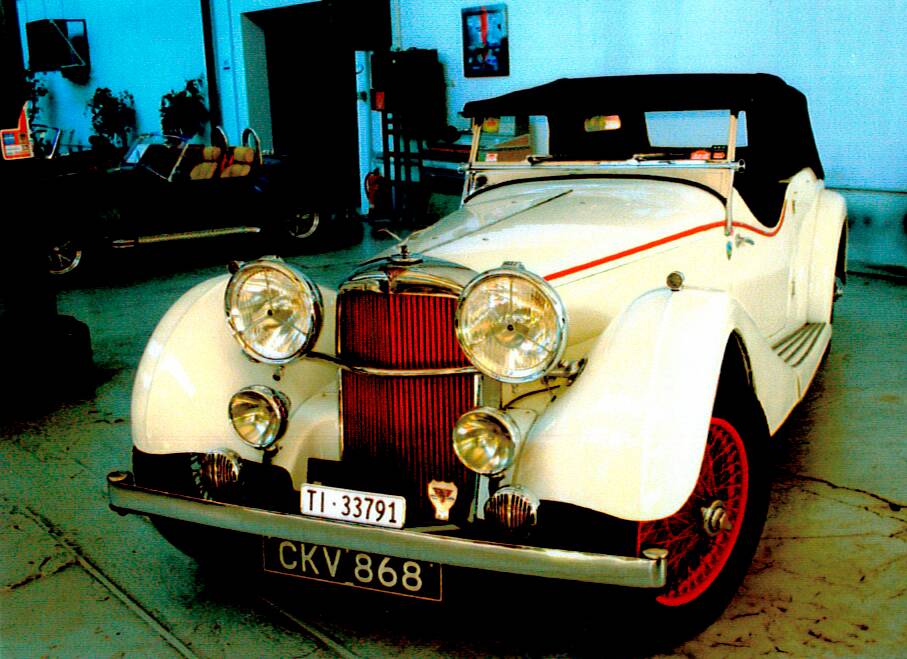
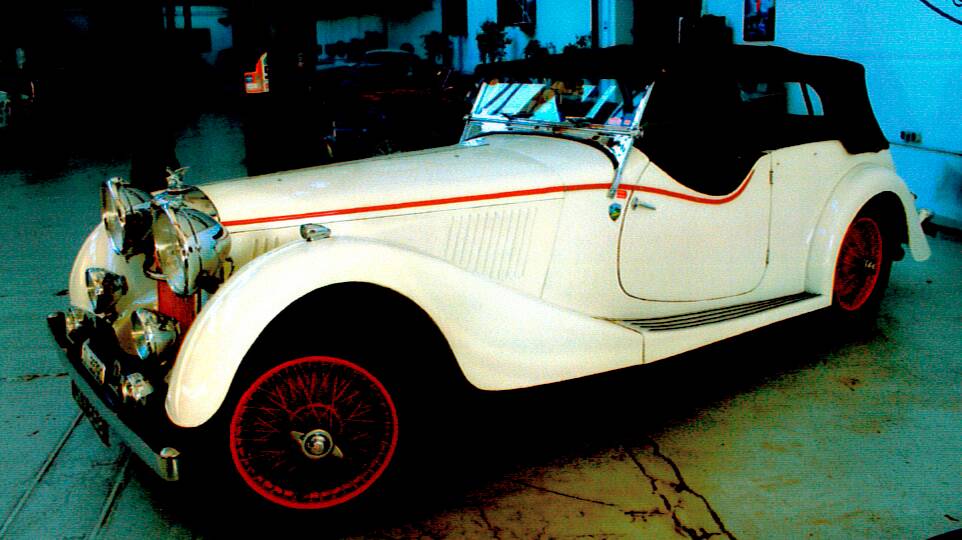
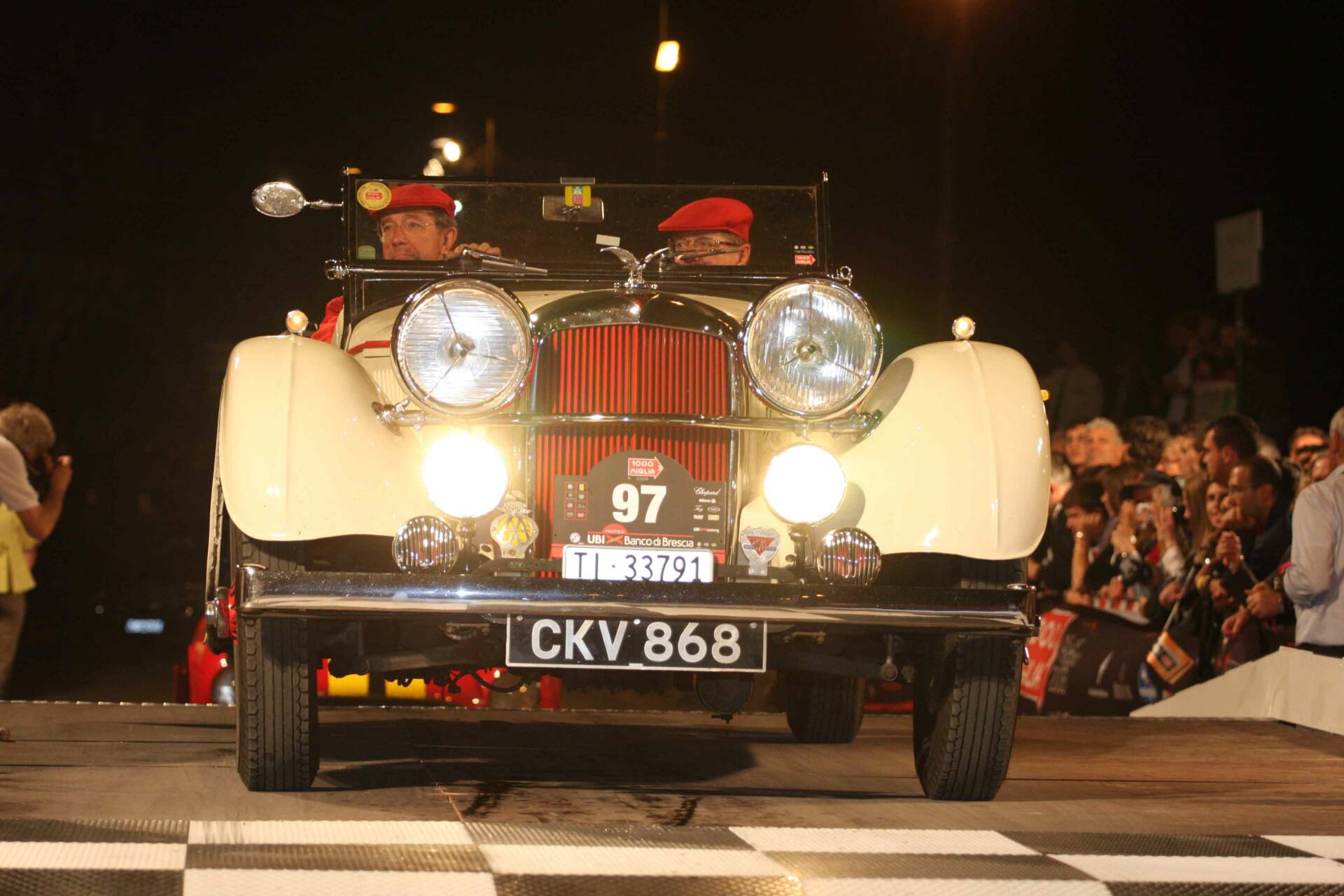
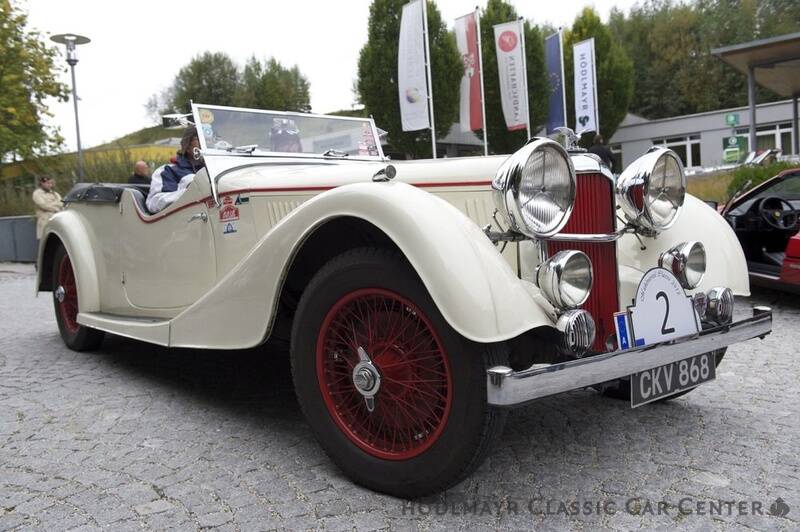
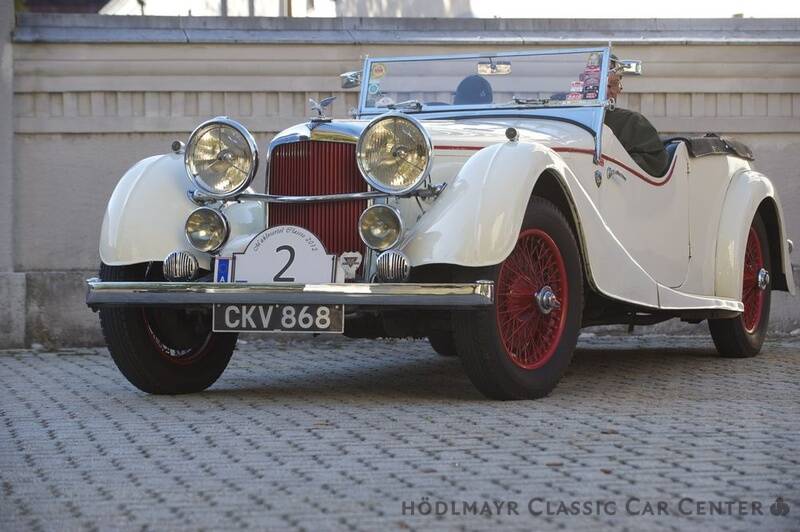
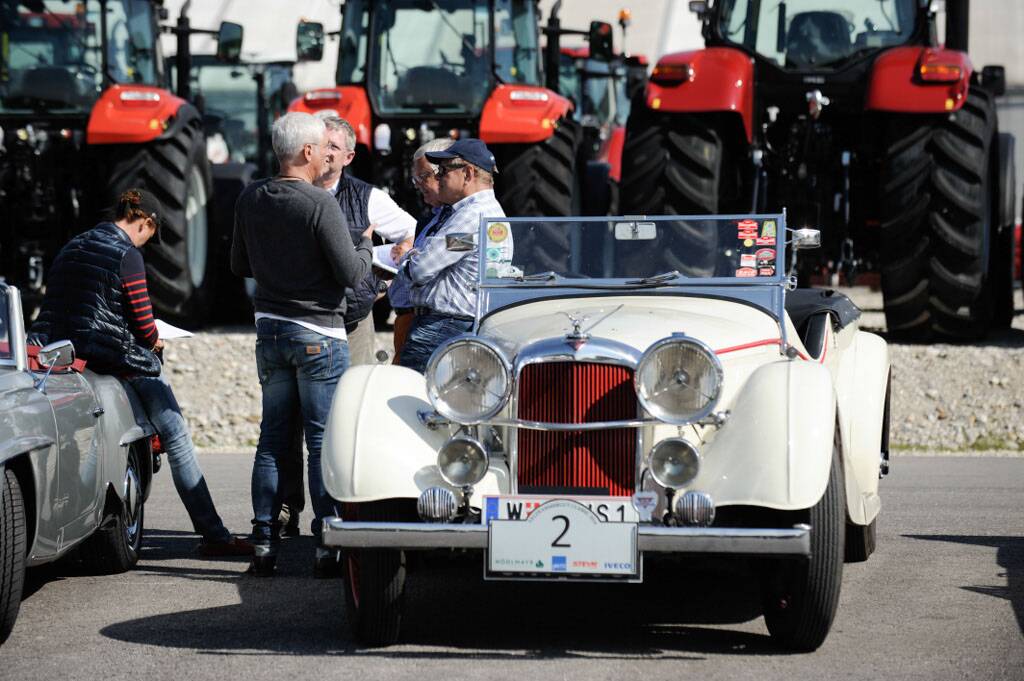
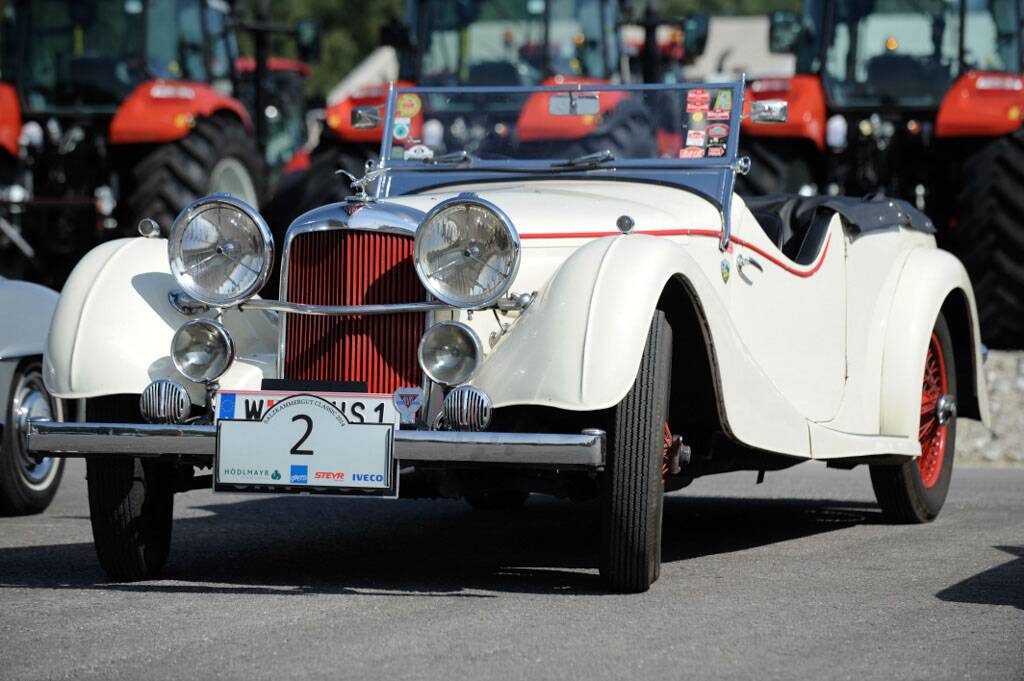
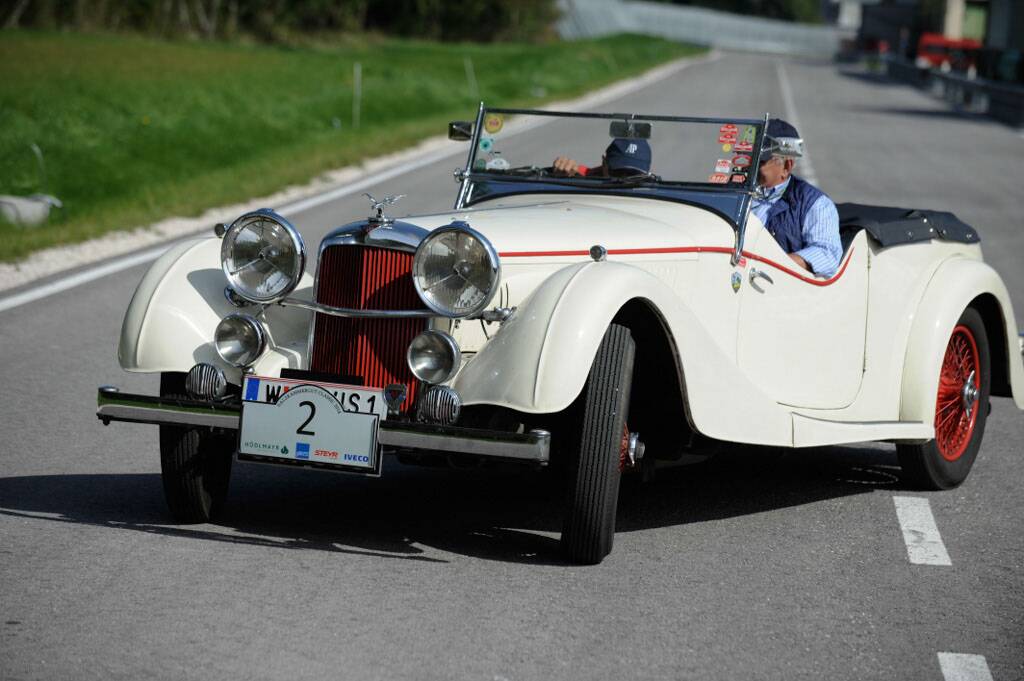
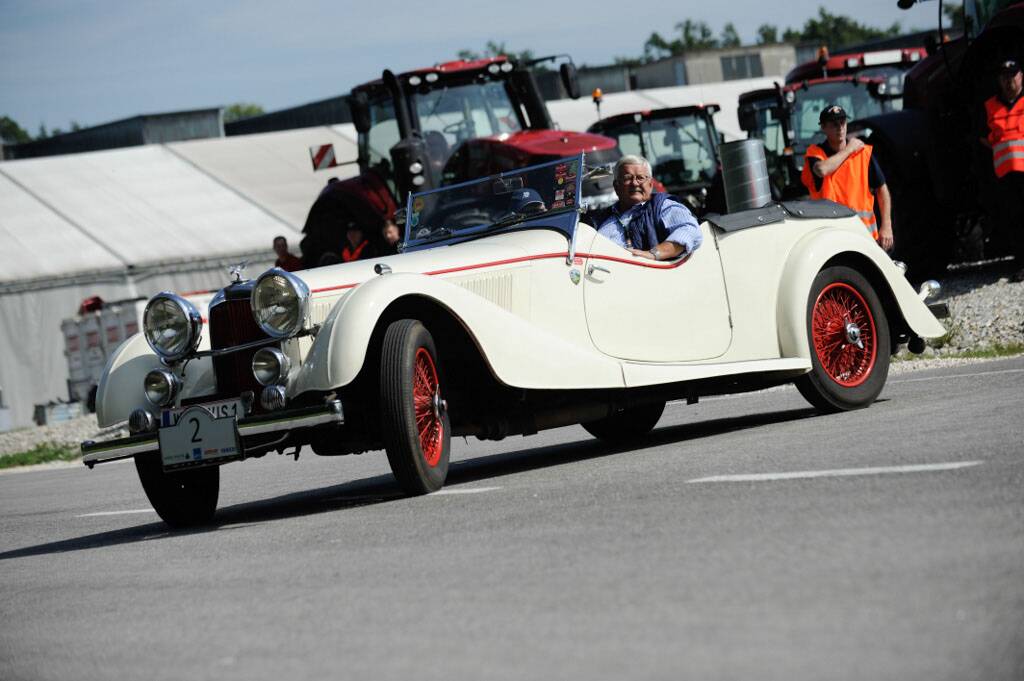
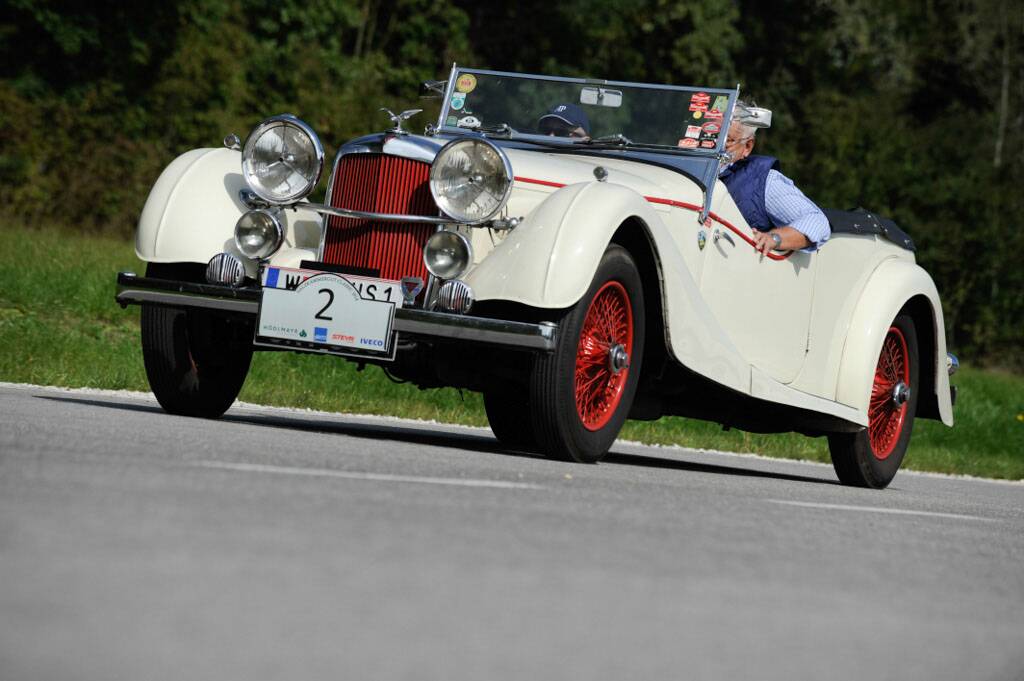
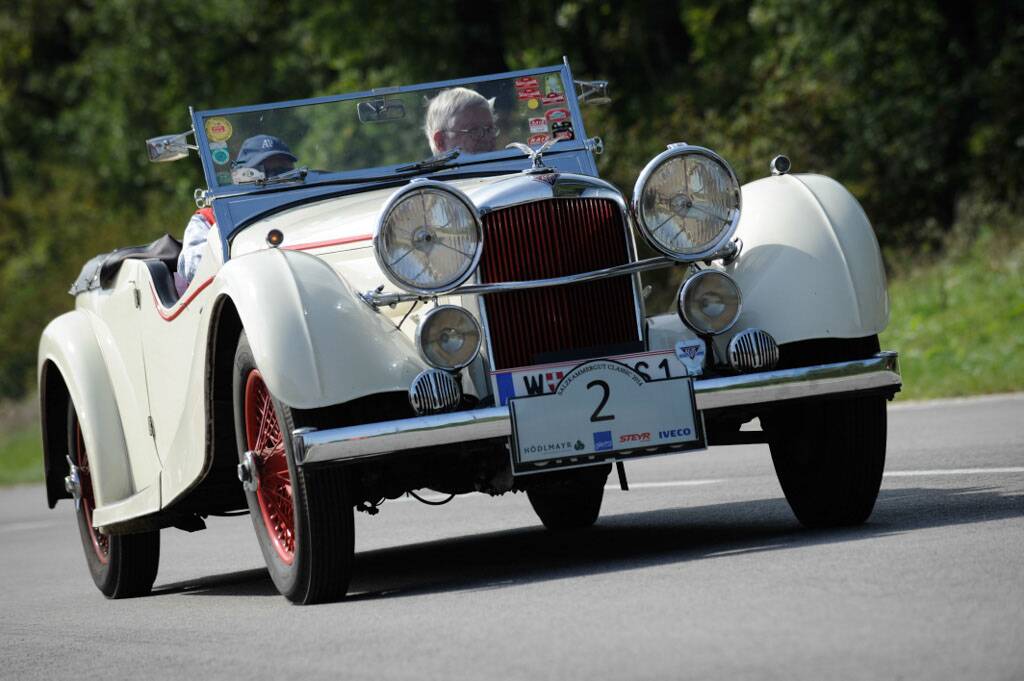
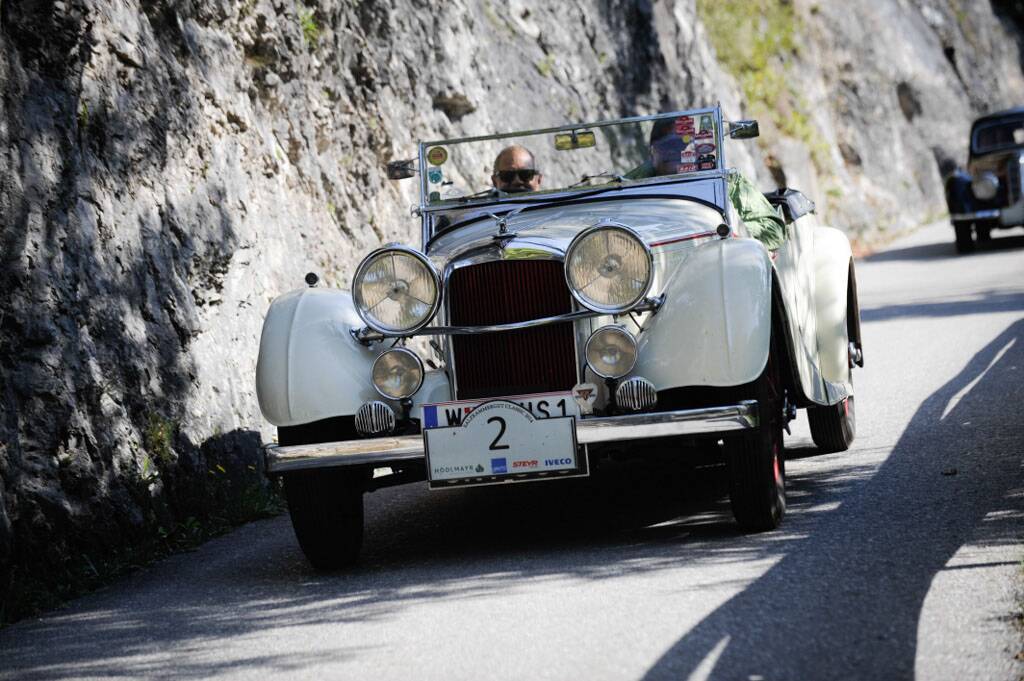
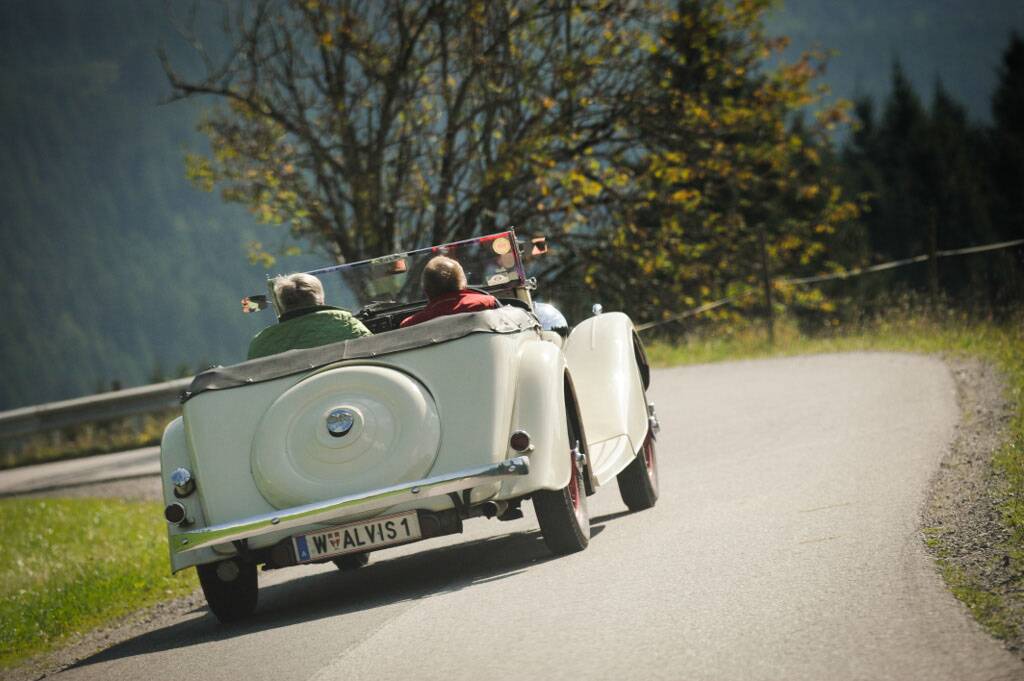
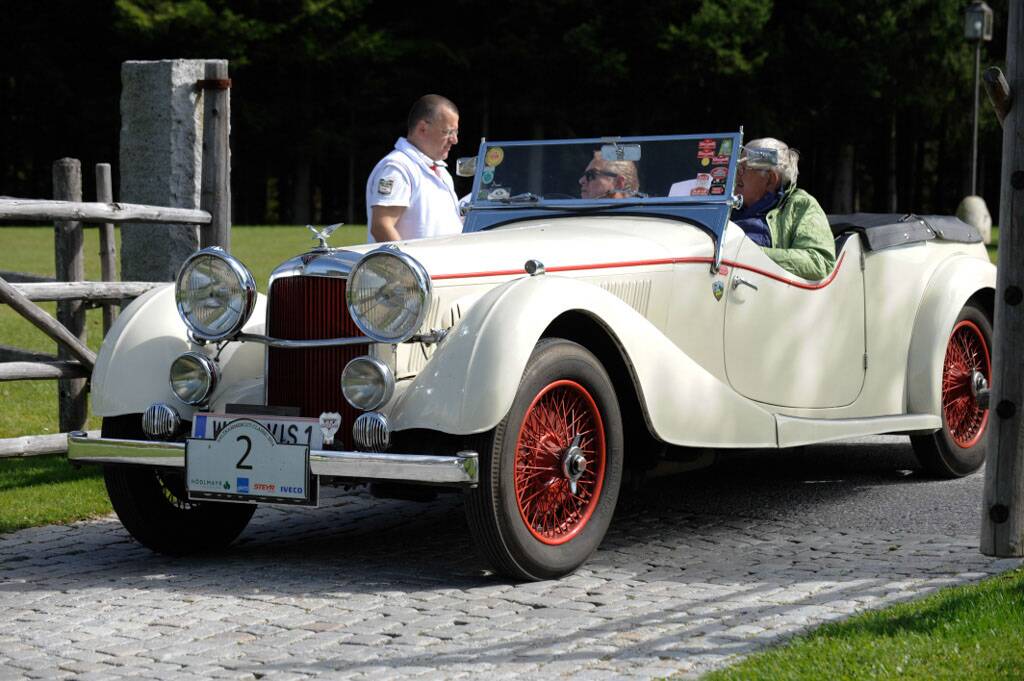
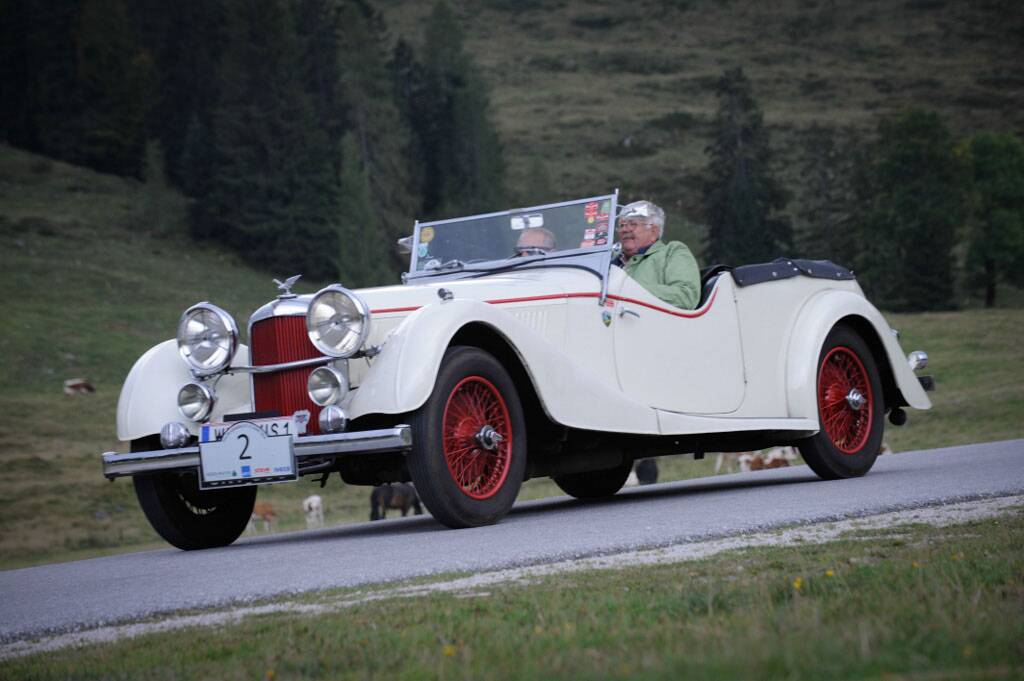
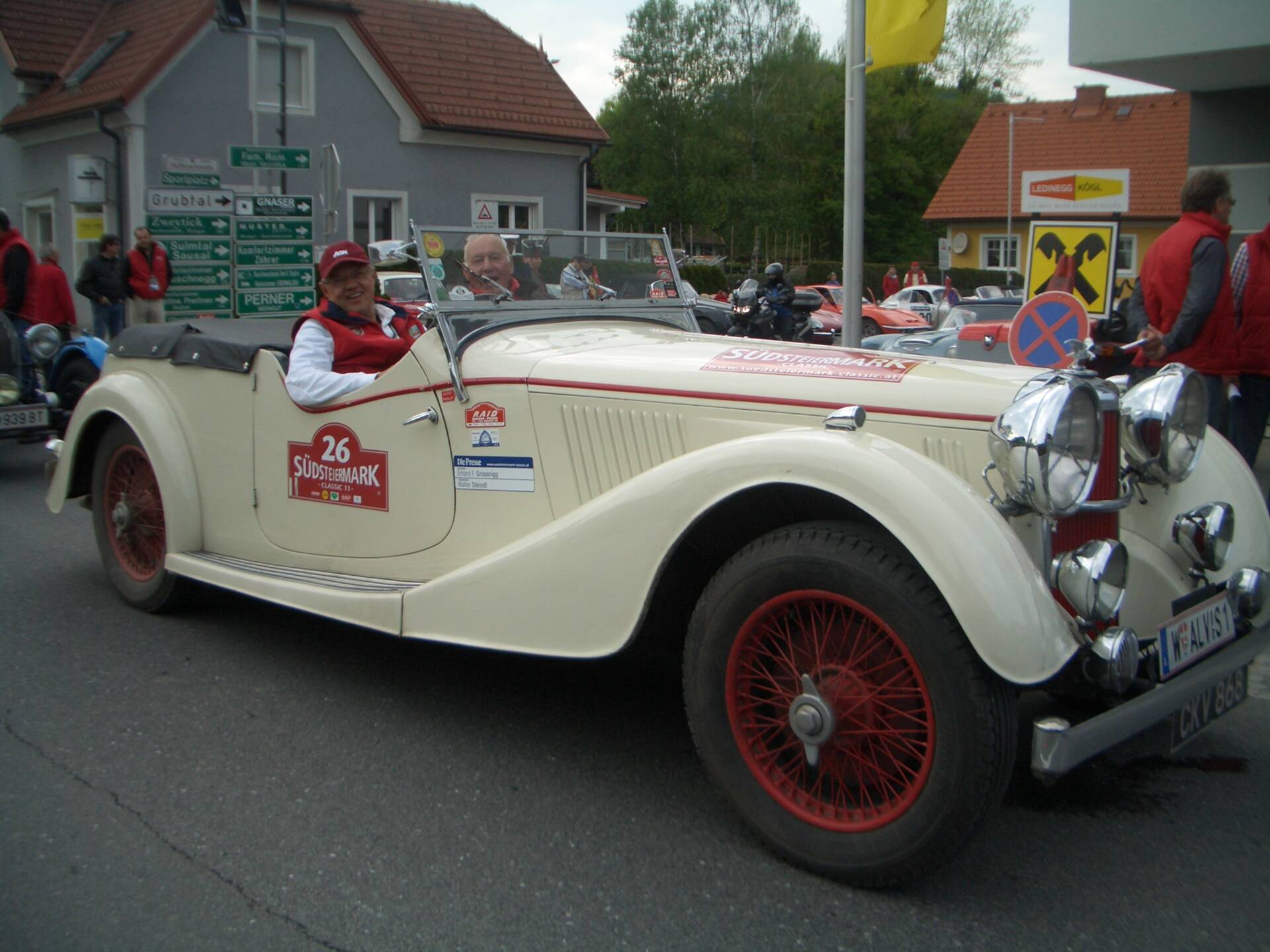
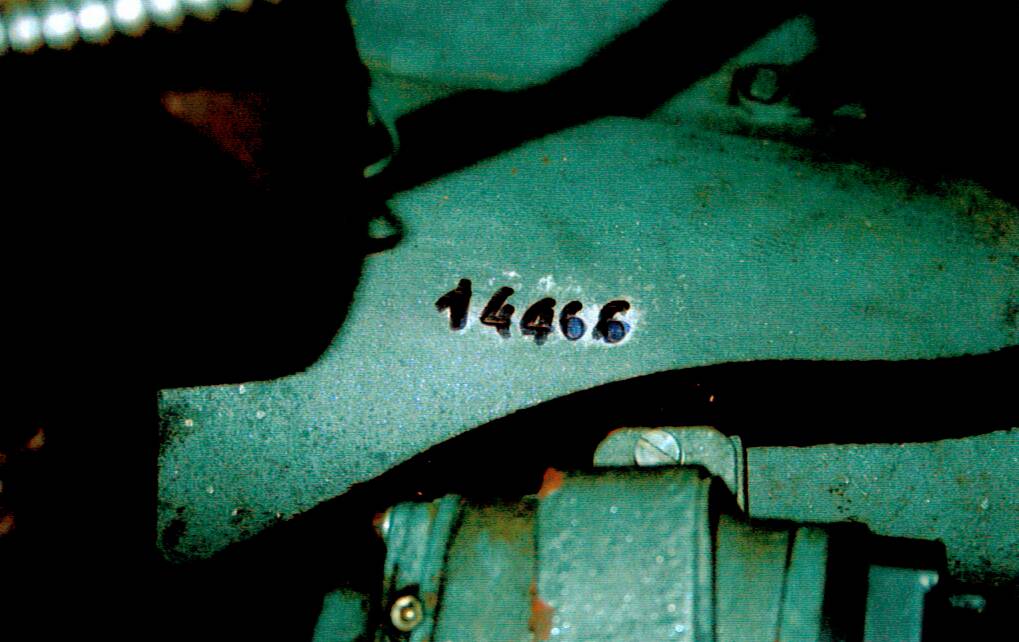
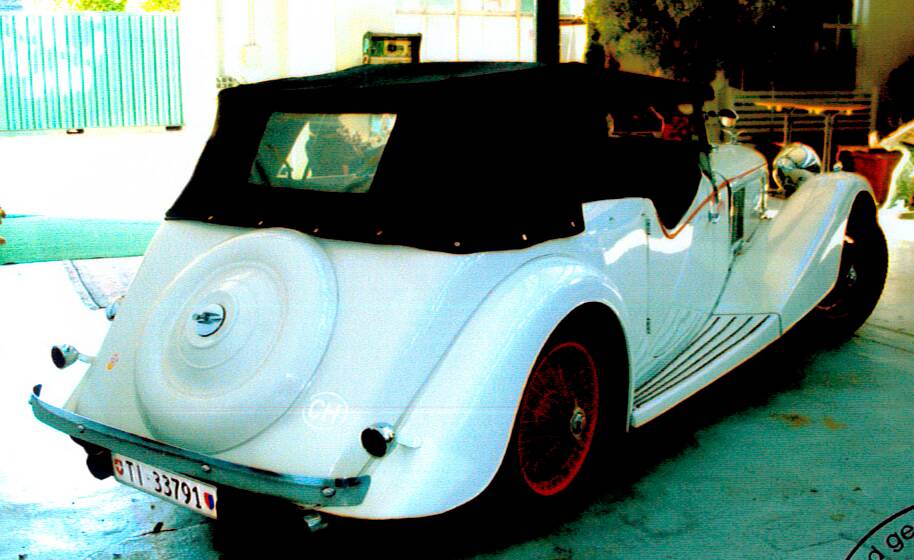
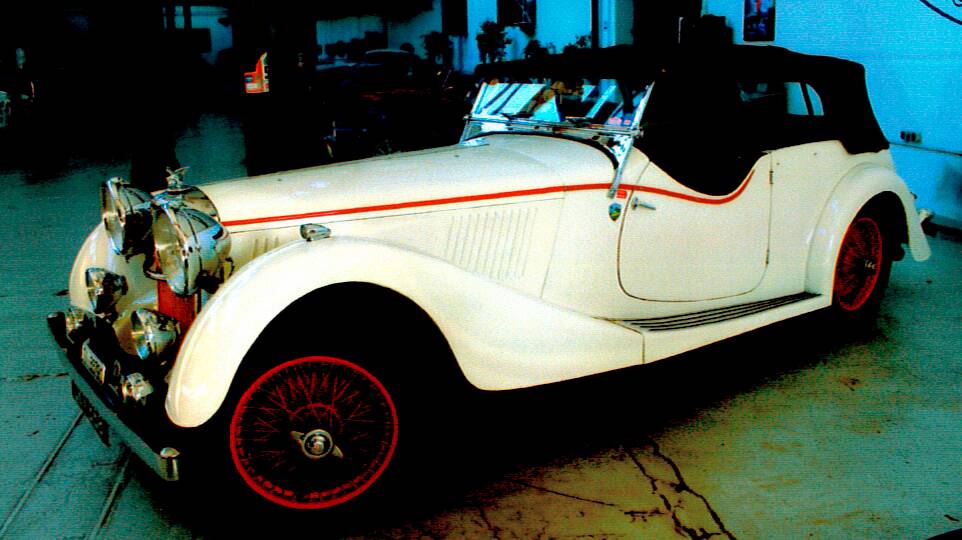
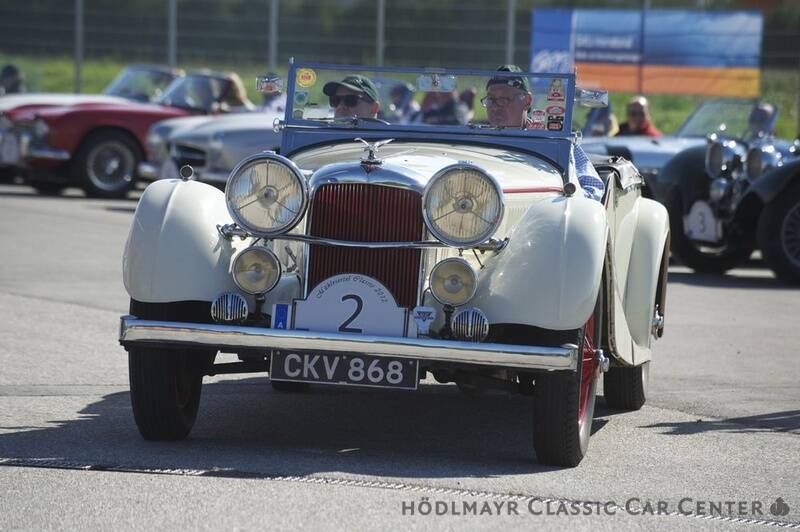
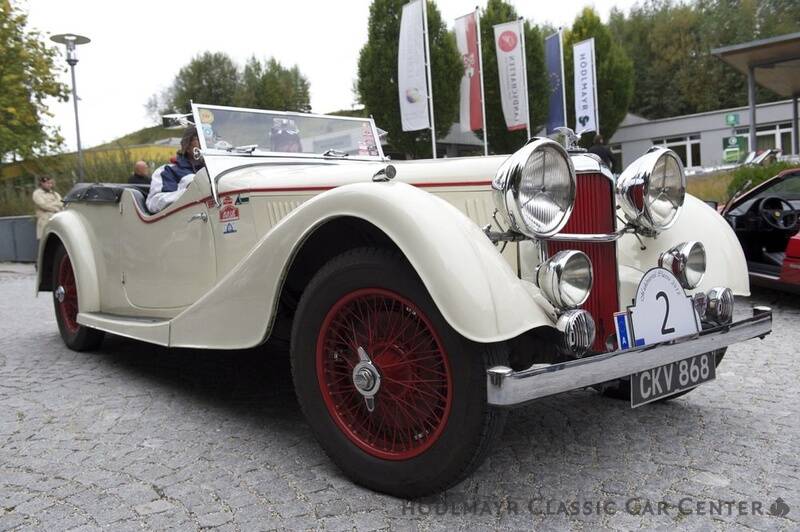
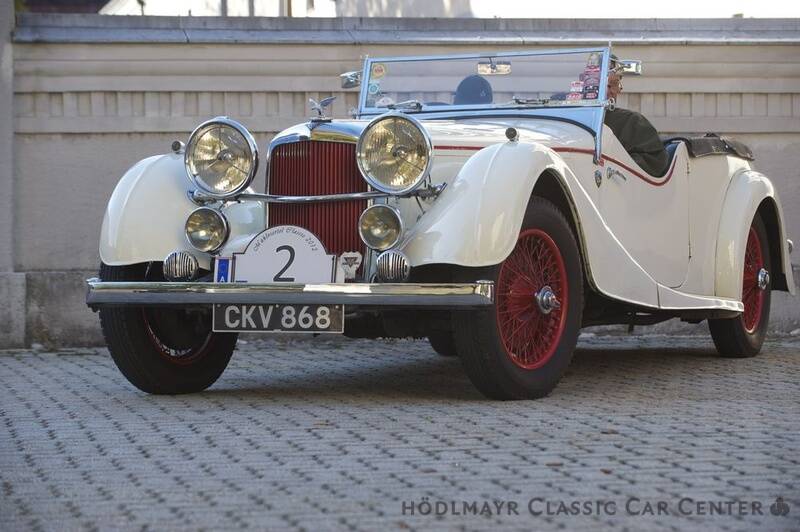
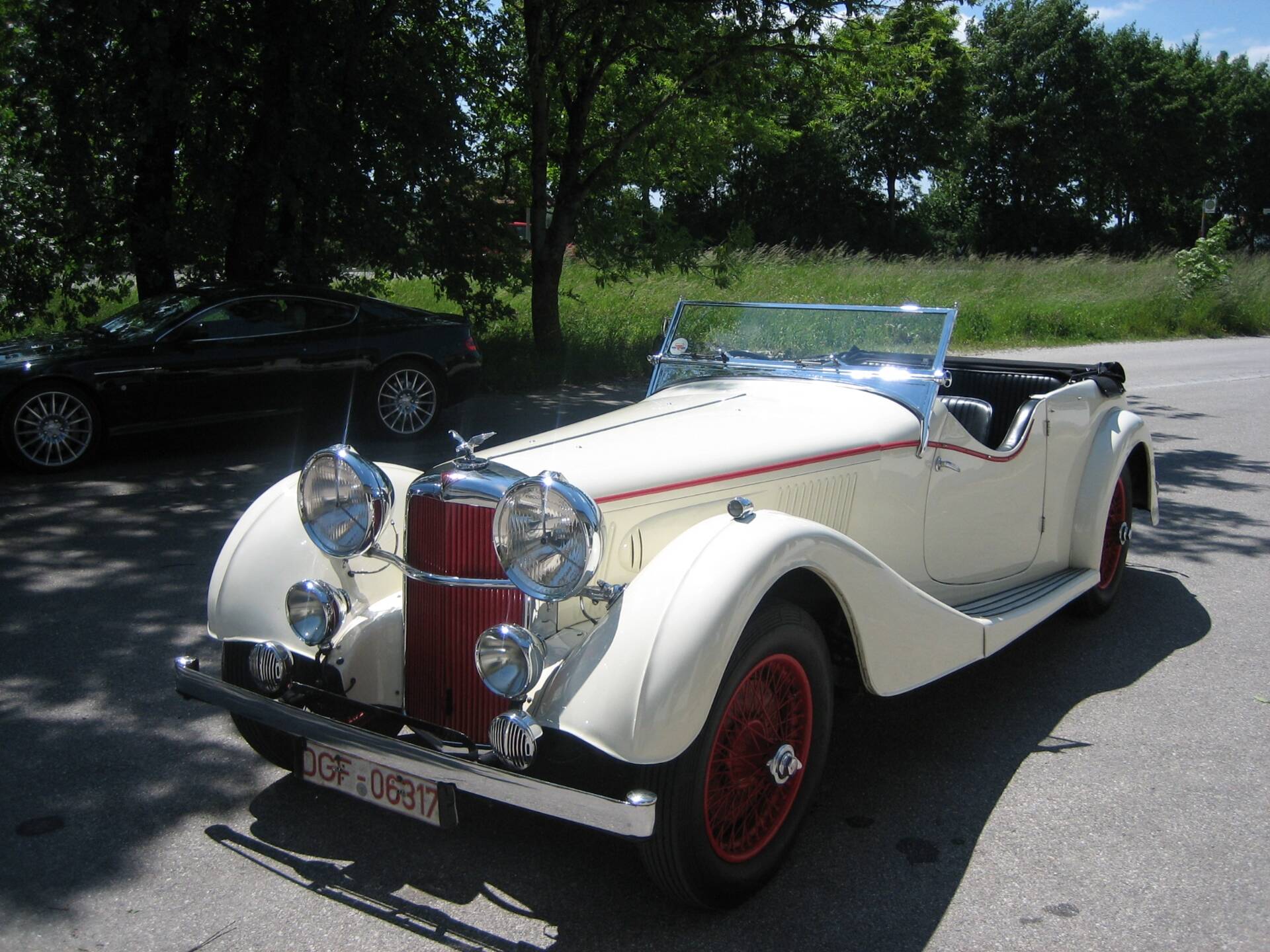
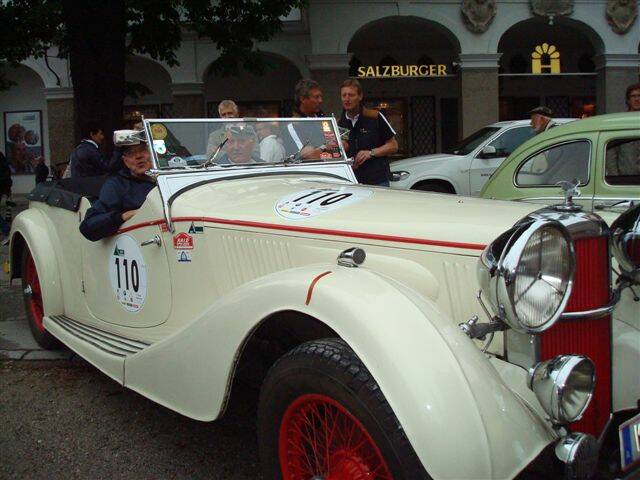
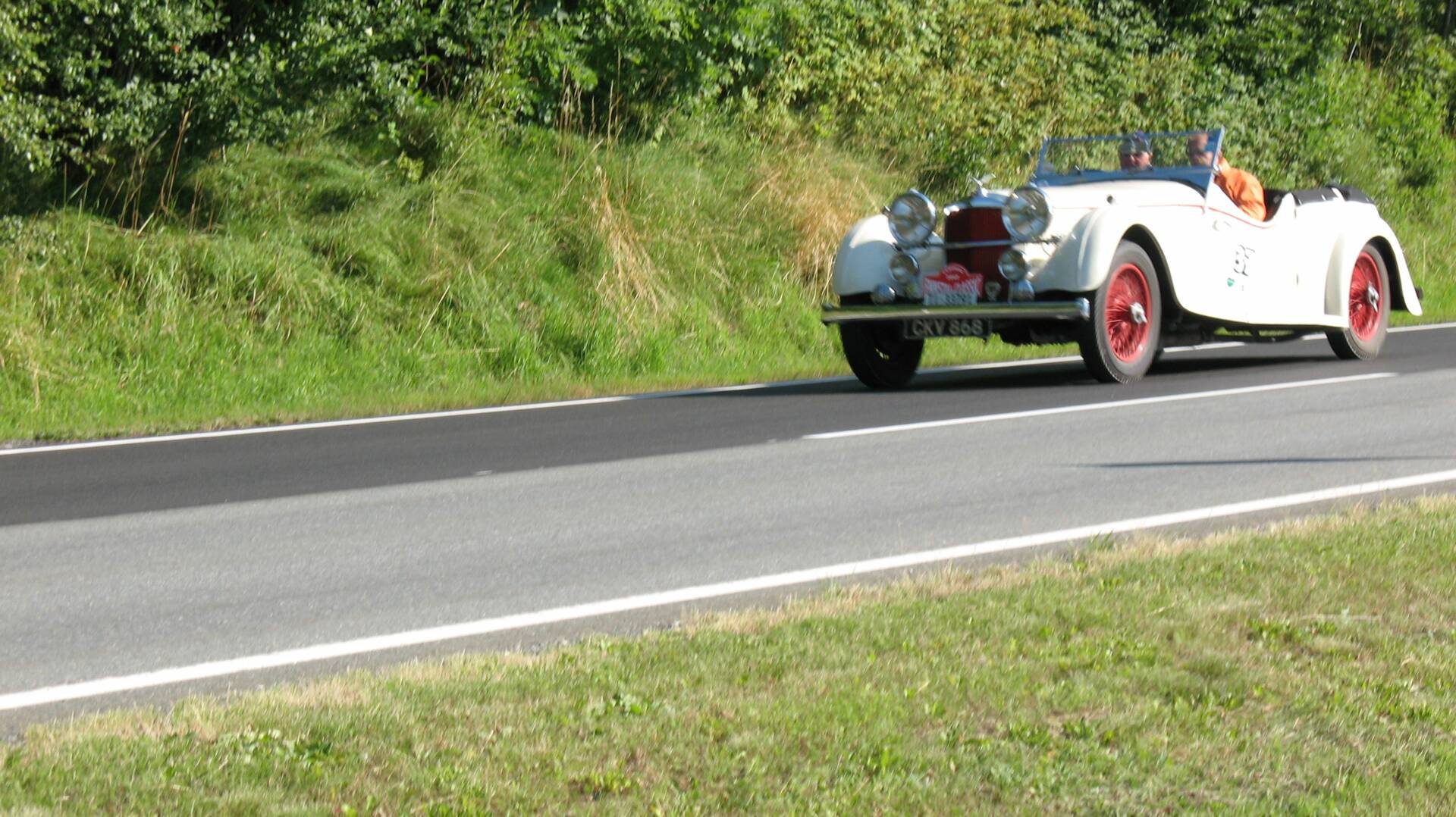
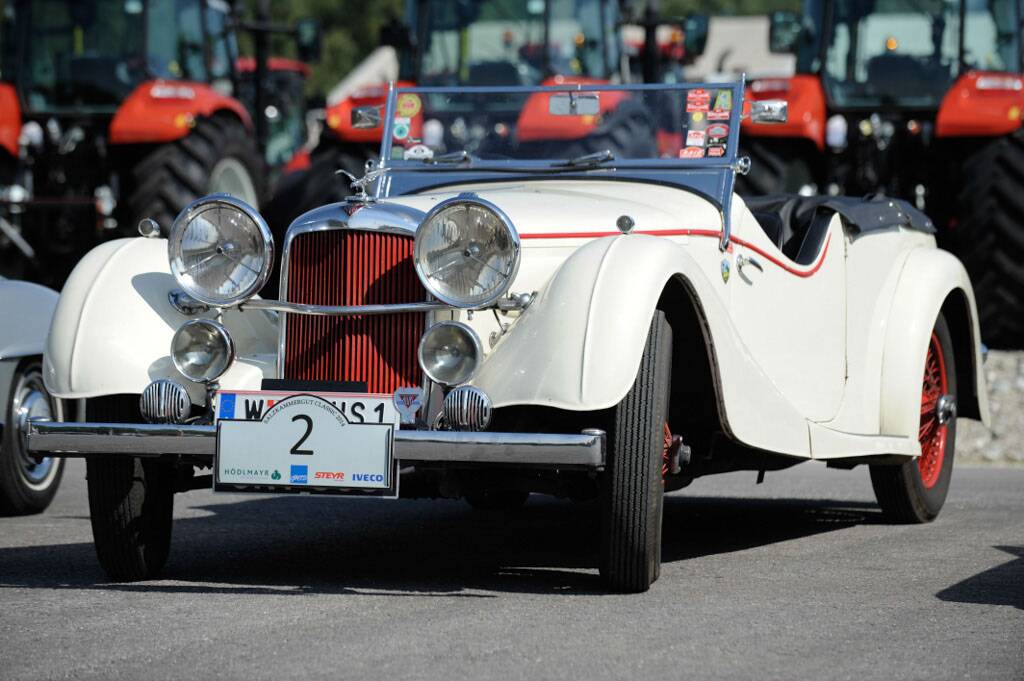
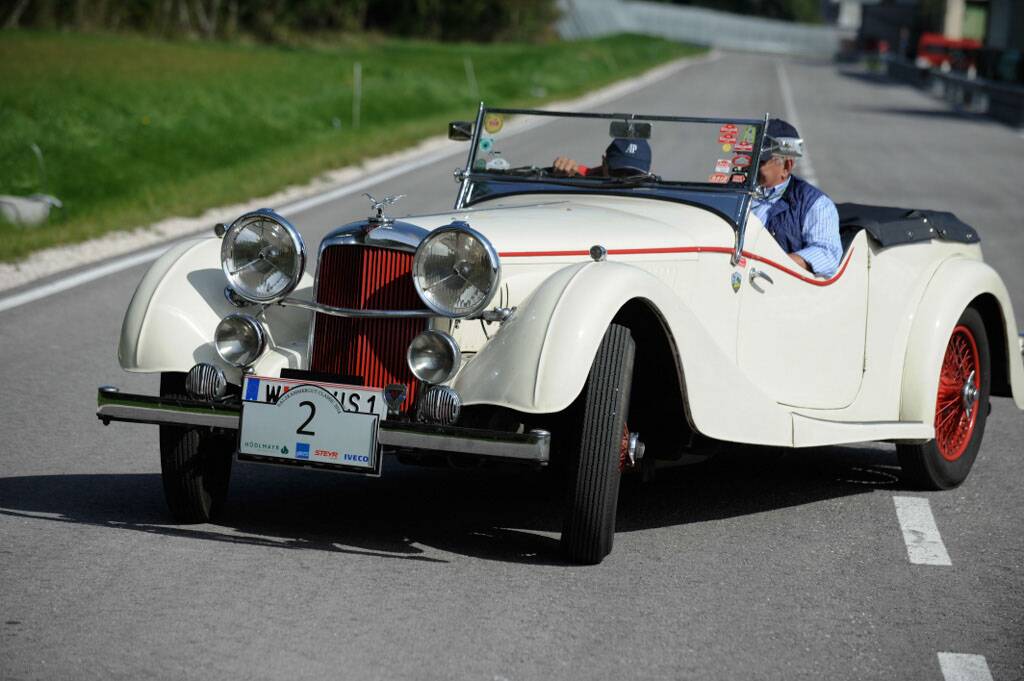
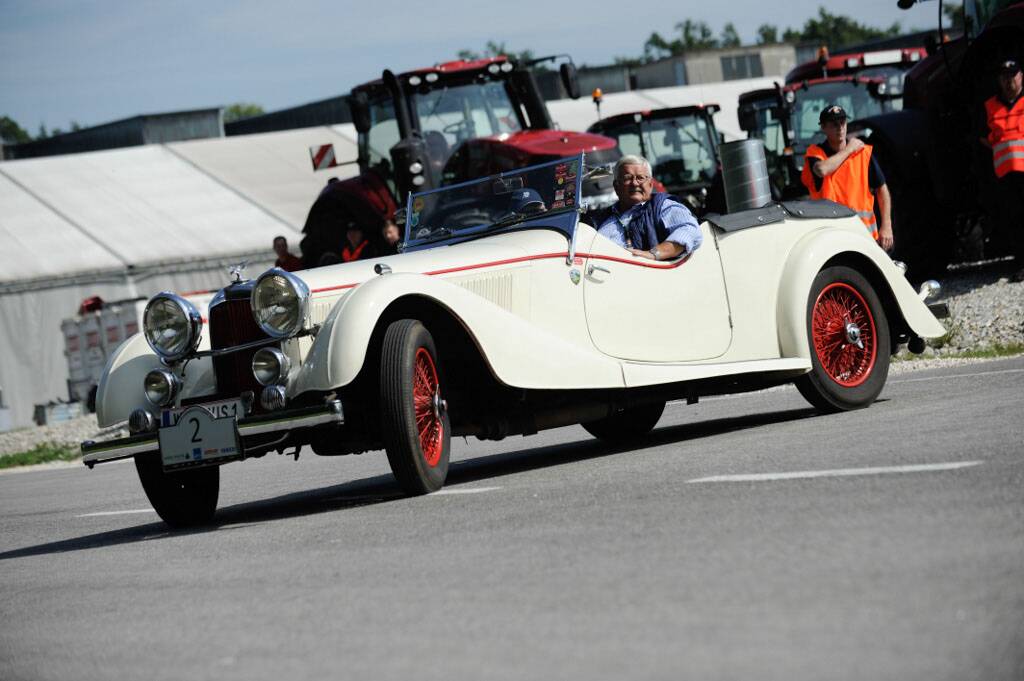
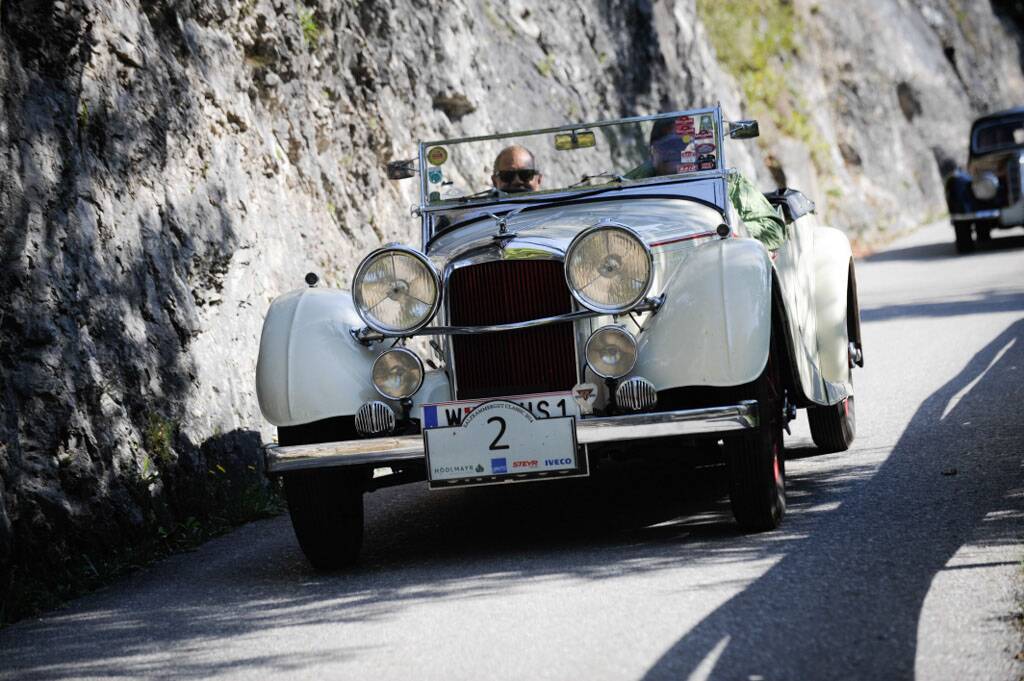
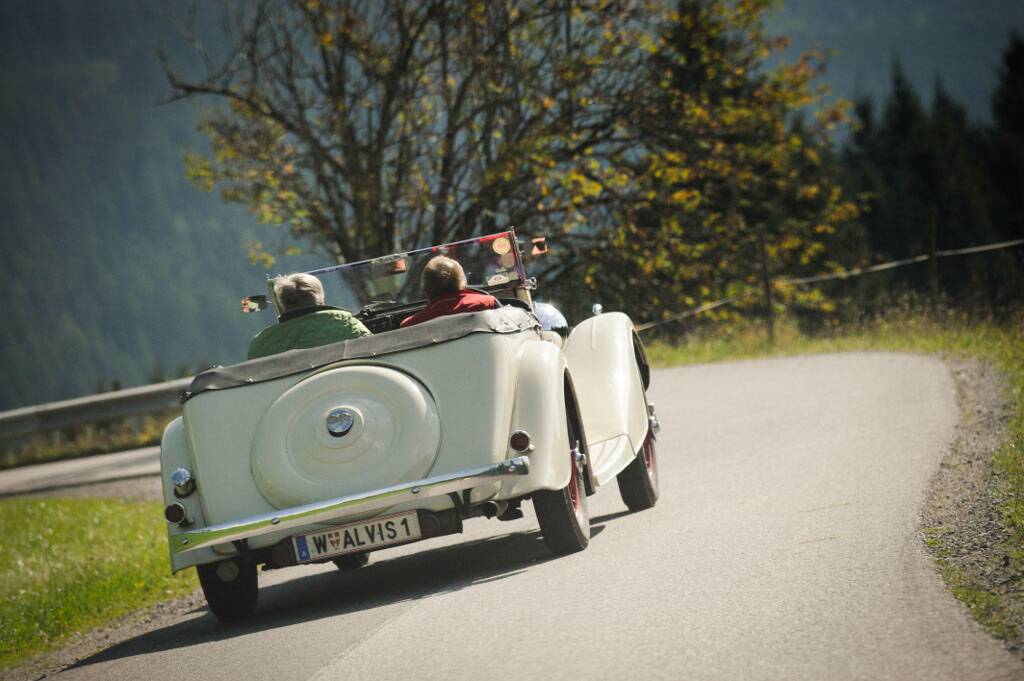
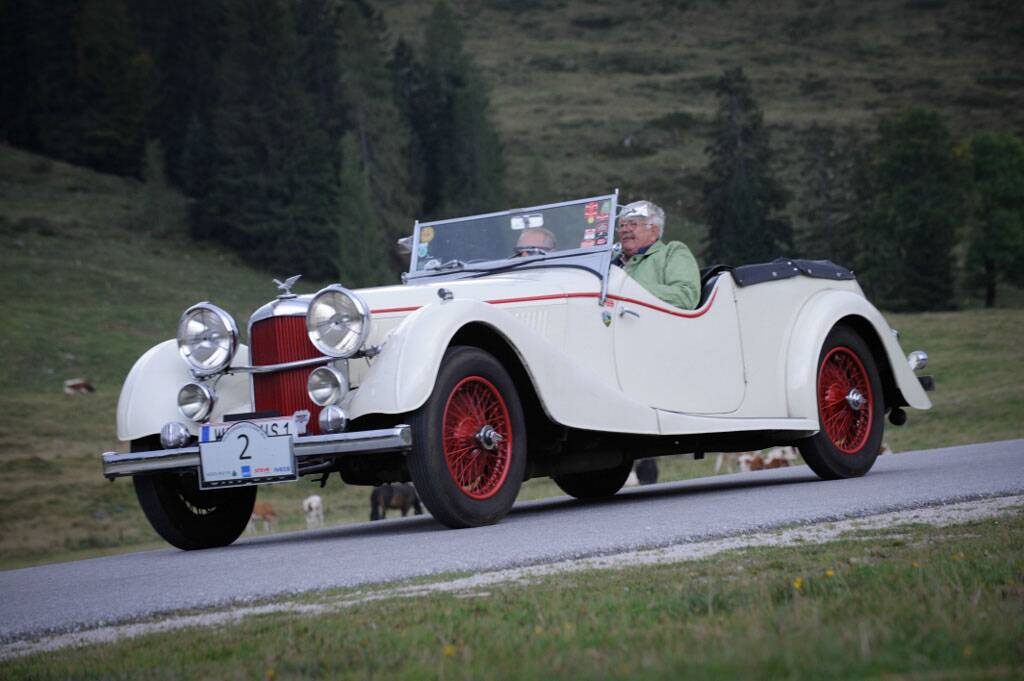
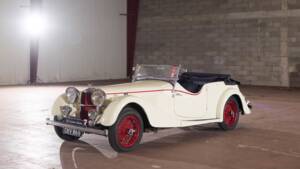
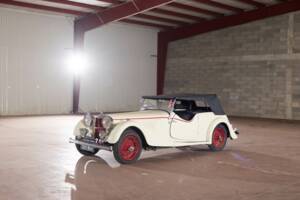
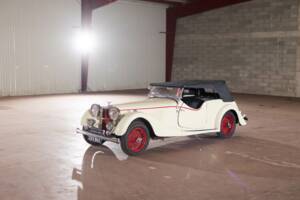
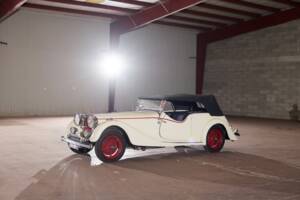
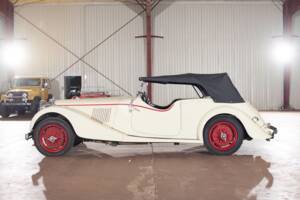
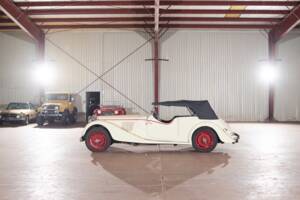
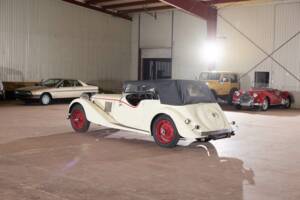
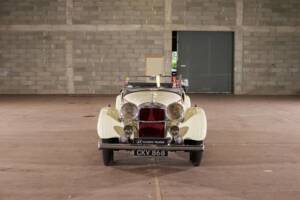
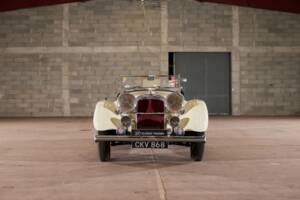
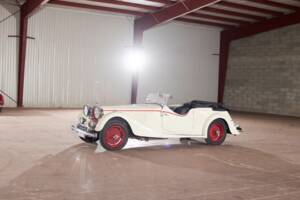
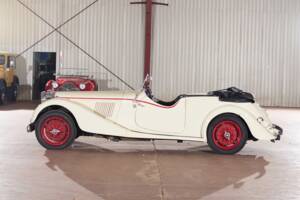
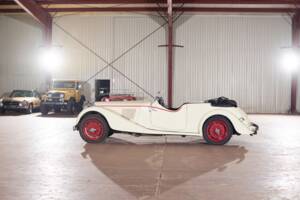
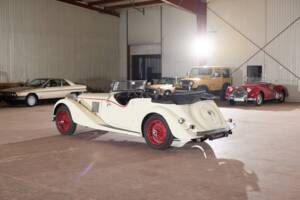
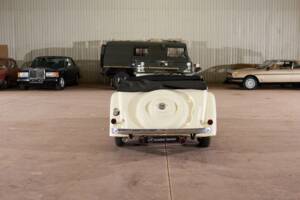
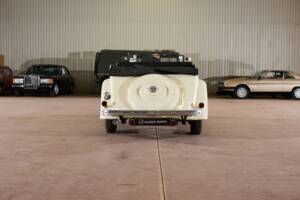
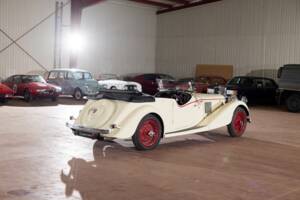
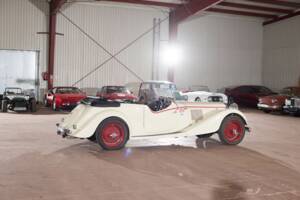
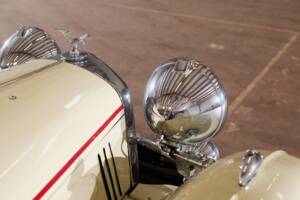
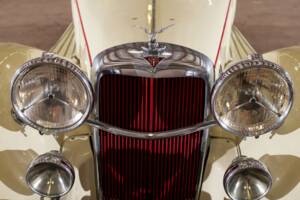
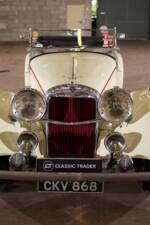
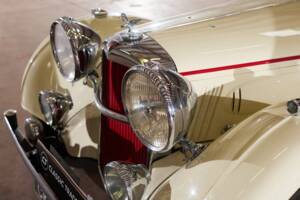
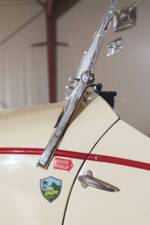
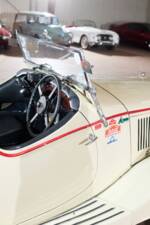
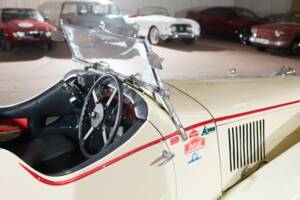
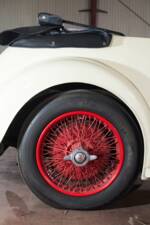
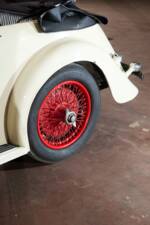
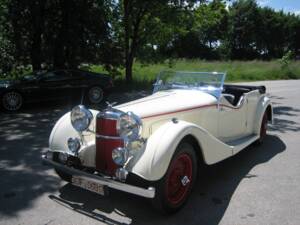
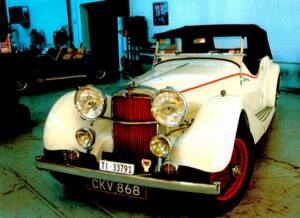
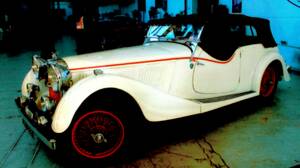
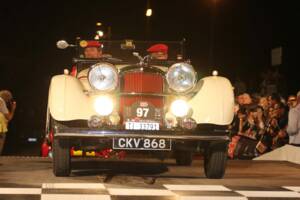
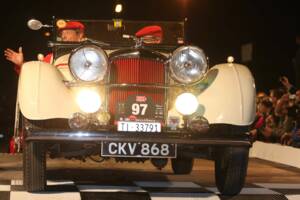
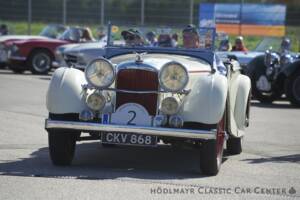
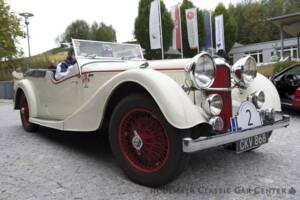
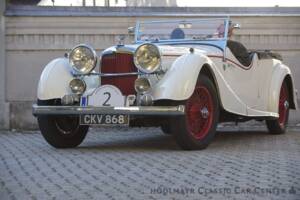
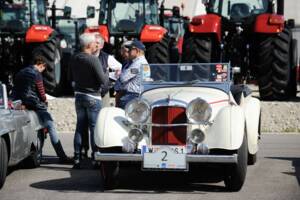
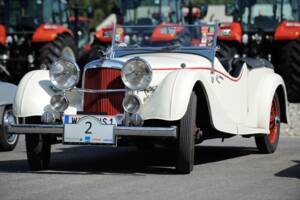
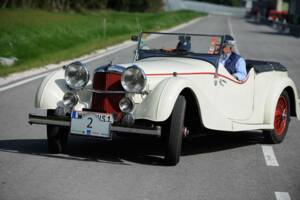
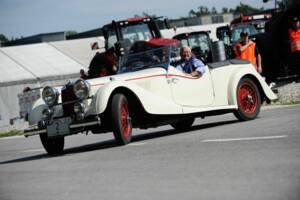
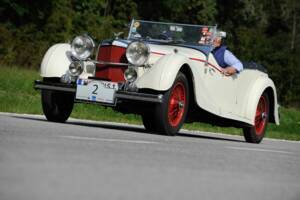
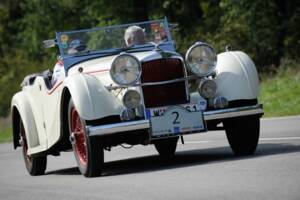
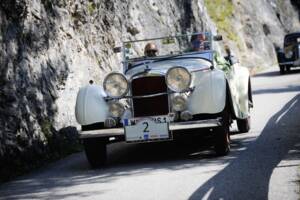
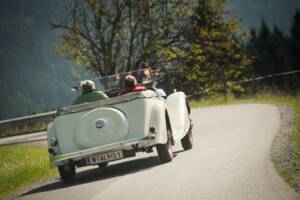
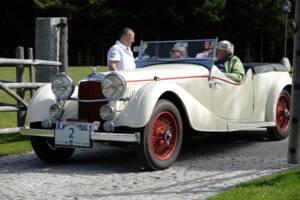
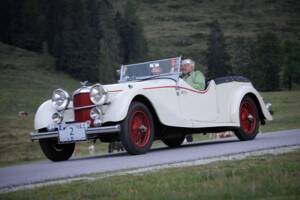
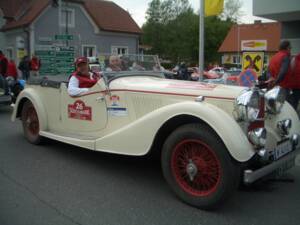
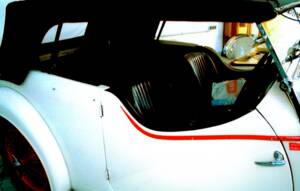
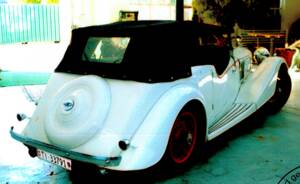
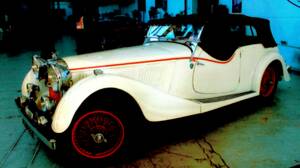
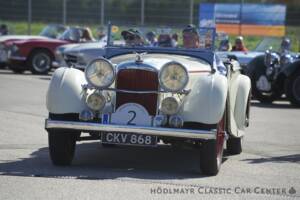
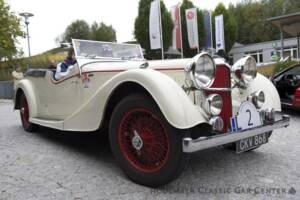
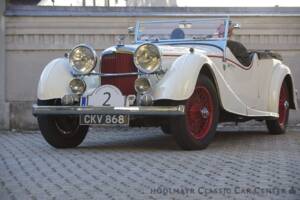
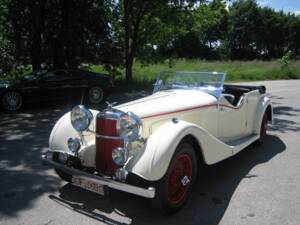
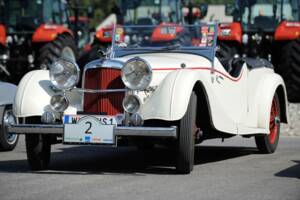
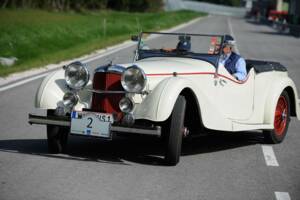
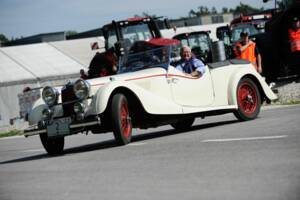
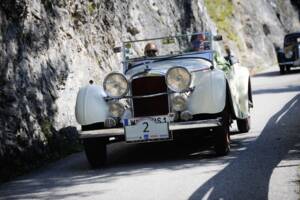
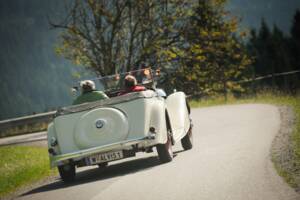
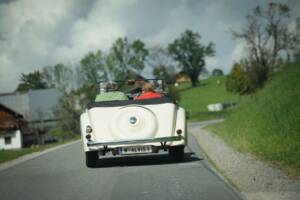
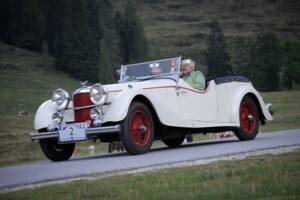
Today, chassis 14466 presents itself as an open tourer in white with a black interior. The available photographs show a classic open body with a long bonnet, separate front wings and a rear section tapering towards the back. According to the historical record, the current body follows Vanden Plas Design No. 1460 for the Speed 25 chassis and was constructed as a two-door, four-seat tourer with the spare wheel mounted in the rear.
Interior
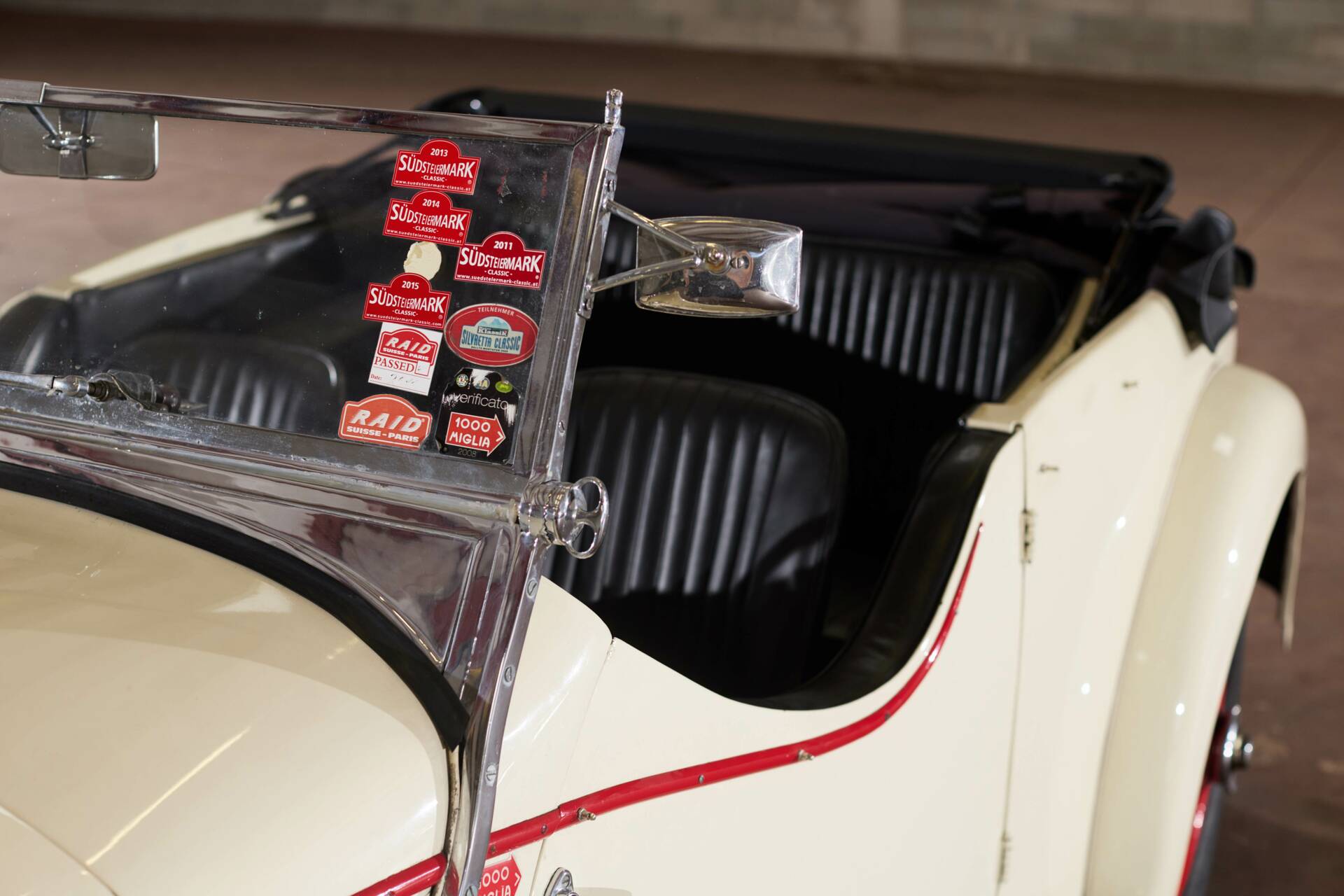
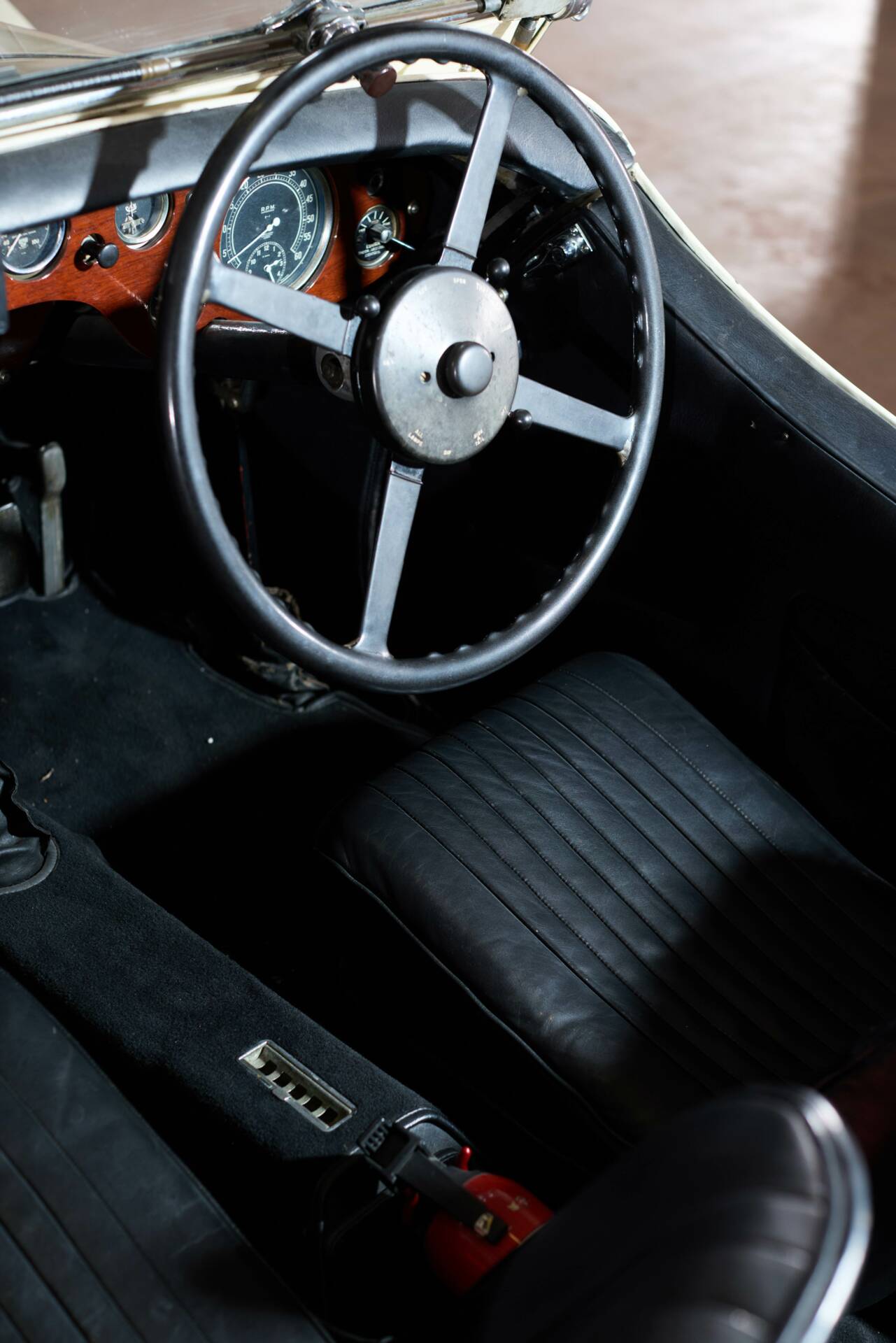
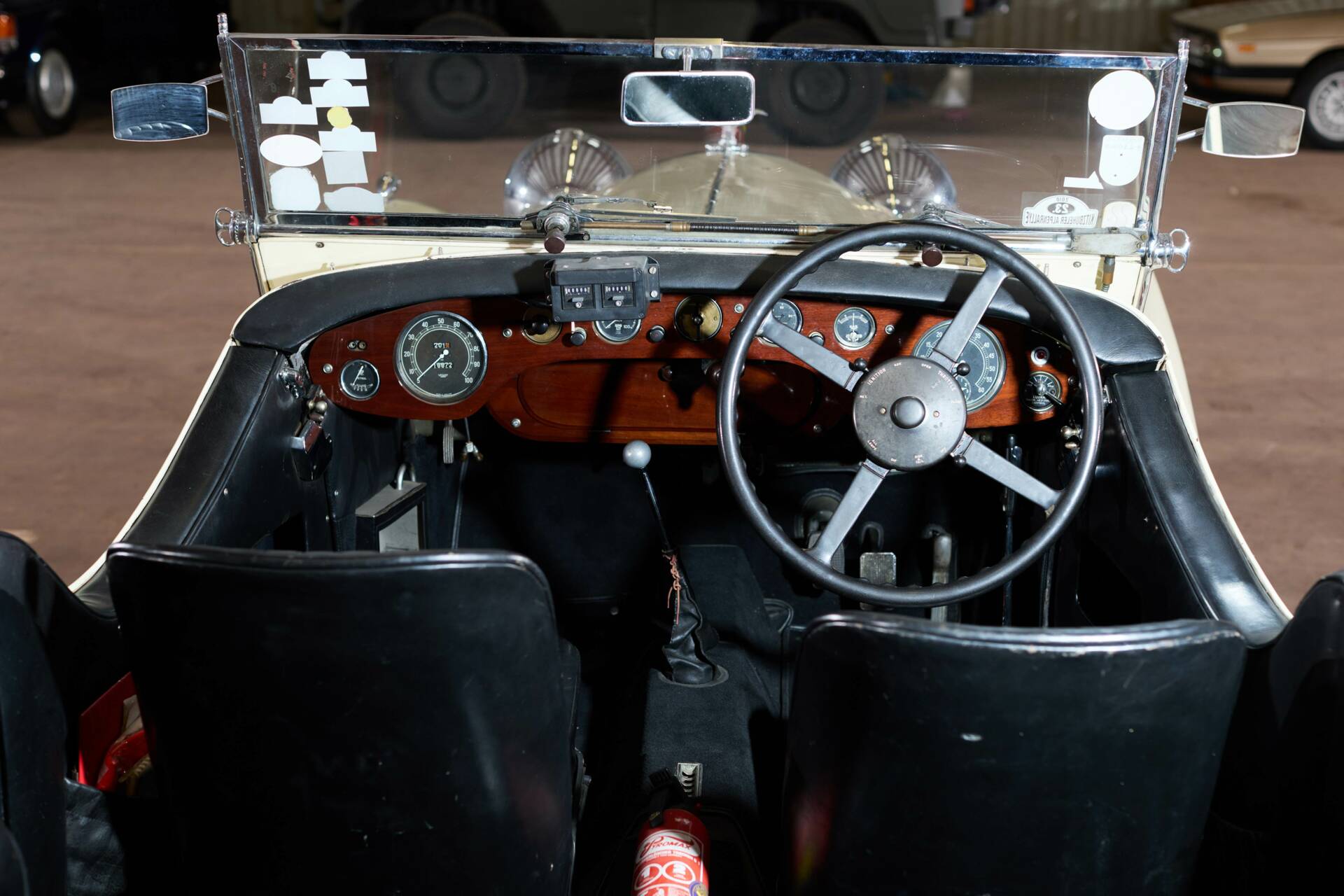
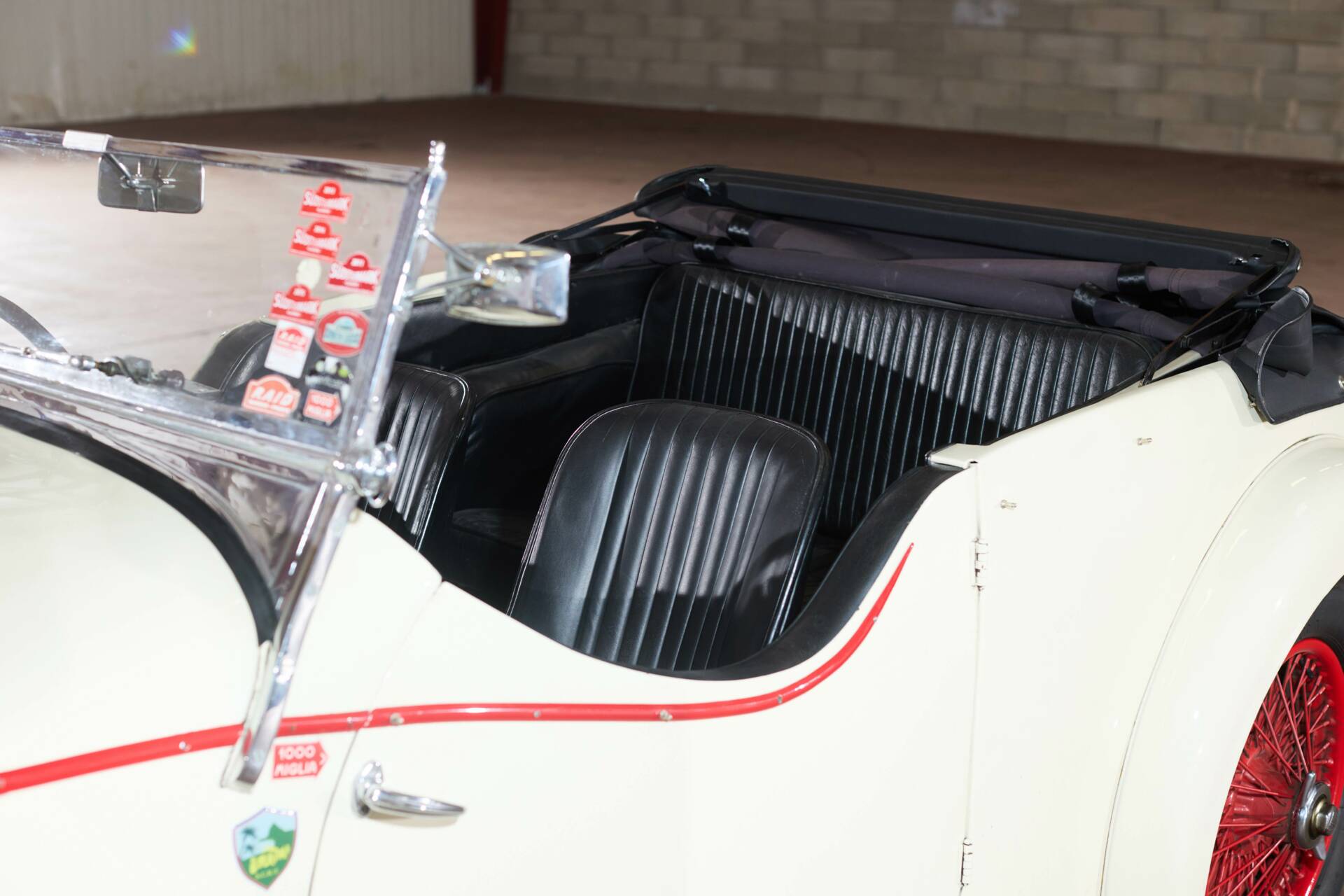
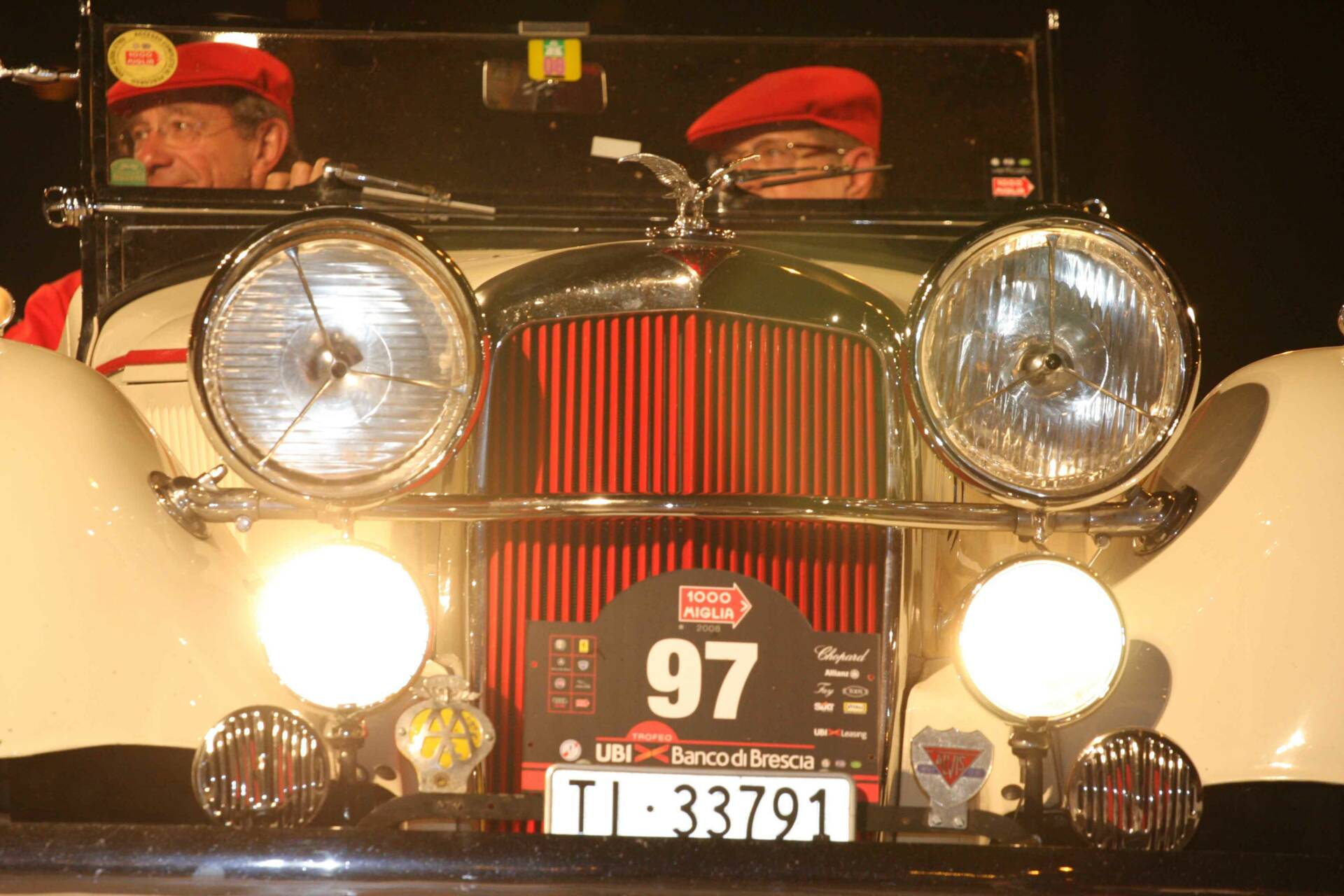
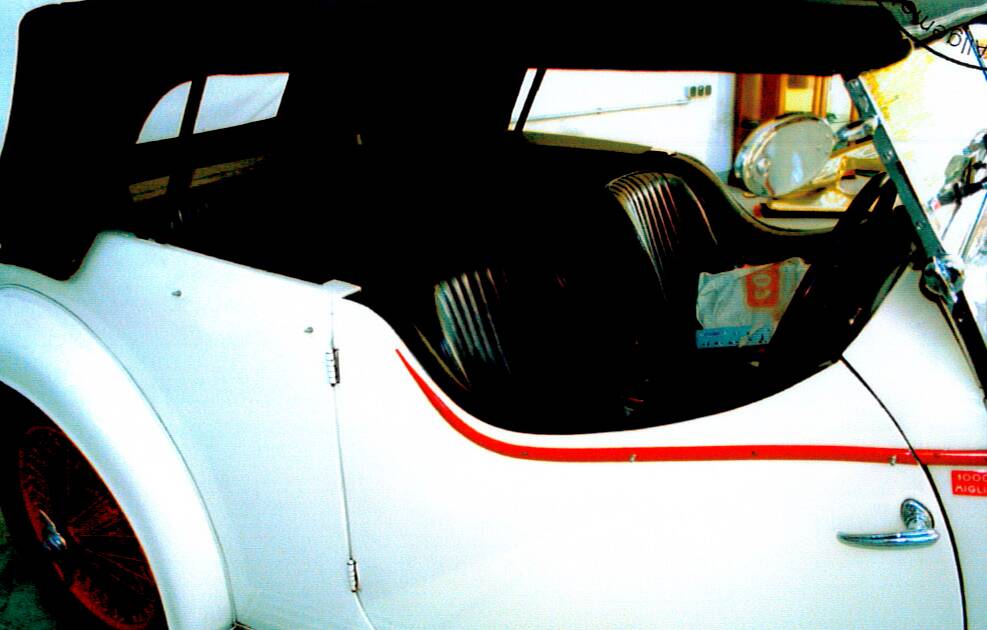
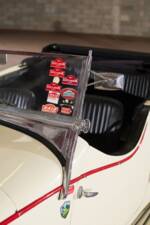
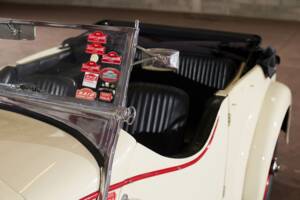
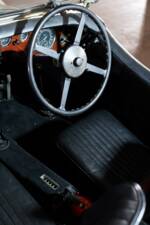
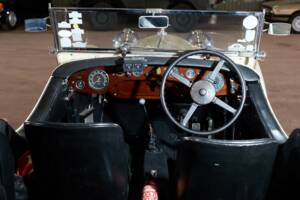
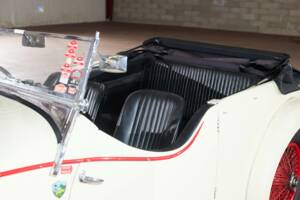
The interior is listed in the database as black leather. The open four-seater therefore combines its light exterior colour with a deliberately contrasting interior. The photographs also show an extensive array of instruments – an interesting detail that was already specifically mentioned in the historical record when the car was acquired in 1972.
Technology
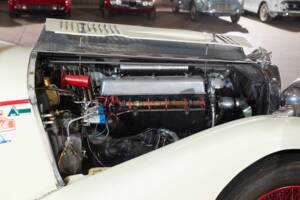
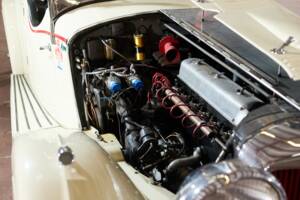
The Alvis is powered by a 3,571 cm³ inline six-cylinder engine. The current database lists 115 hp or 85 kW. The vehicle description additionally specifies three SU carburettors. The car is right-hand drive and has a manual gearbox.
The current database lists a mileage of 19,000 kilometres. Given the age of the vehicle and its extensive history, this figure should not be interpreted as a documented total mileage since 1937.
History
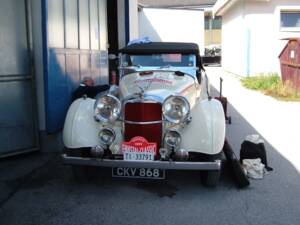
This is where the truly fascinating part of this Alvis begins. According to the historical record available, CKV 868 began its life as a factory demonstration car. The record also associates individual later modifications with the vehicle. Its first registration is stated as 23 December 1937.
On 4 February 1938, the Alvis was passed on to Charles Follett, who sold it to W. G. MacGregor, 72 Onslow Gardens, London SW7. For the period from February 1938 to August 1961, the historical record itself describes the provenance as incomplete – an important qualification that has deliberately not been smoothed over.
From August 1961 onwards, the history becomes more tangible again. A surviving tax disc is associated in the record with Messrs. Boyle, father and son, who are said to have been employed by the major Jaguar dealer in Glasgow. The car then passed to David Templeton in Kilwinning, Ayrshire. He is said to have owned the Alvis for nine years without using it. This was followed by Stan Pollard from Great Harwood near Preston, described as a local Alvis enthusiast and dealer.
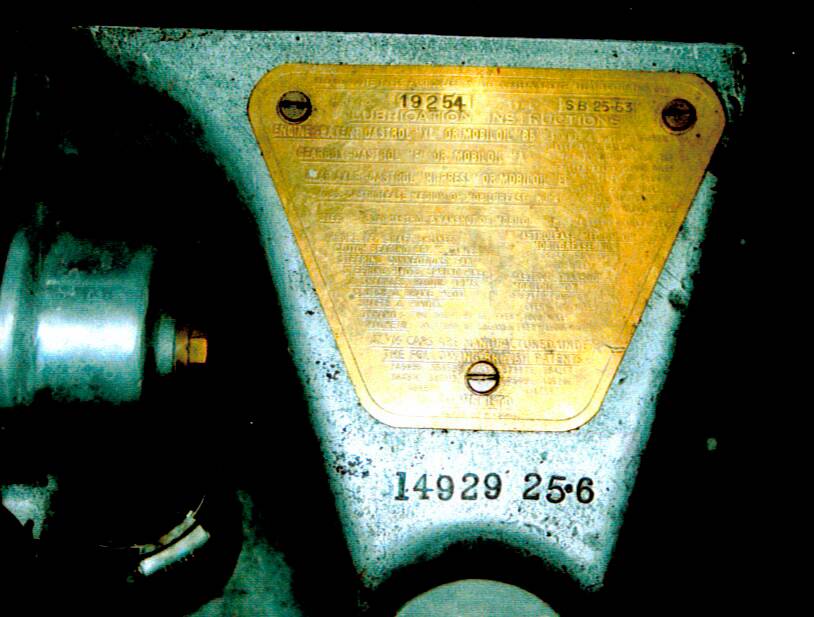
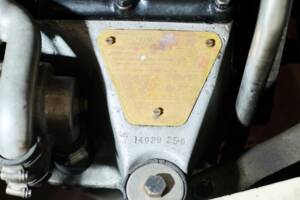
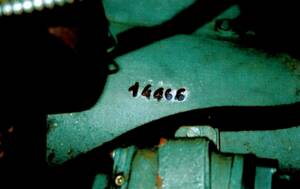
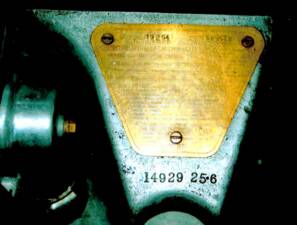
A decisive turning point came on 4 August 1972. On that day, Brian A. D’Arcy-Drake from Alveston near Bristol purchased the Alvis, according to the historical record, as a complete wreck. The description from the time is particularly noteworthy: despite its condition, the car was explicitly described as “matching numbers”, while its three carburettors and extensive instrumentation were highlighted. This historical statement should be distinguished from a present-day technical verification of matching numbers.
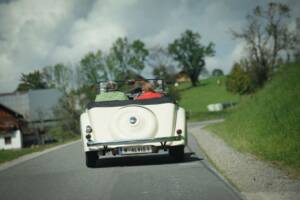
The car was subsequently rebuilt and re-bodied. According to the documentation, the design used as the basis was Vanden Plas Design No. 1460 for the Speed 25 chassis. The new body was constructed as a two-door, four-seat tourer with a spare wheel integrated into the sloping rear. This documented re-bodying is now an essential part of the car’s identity.
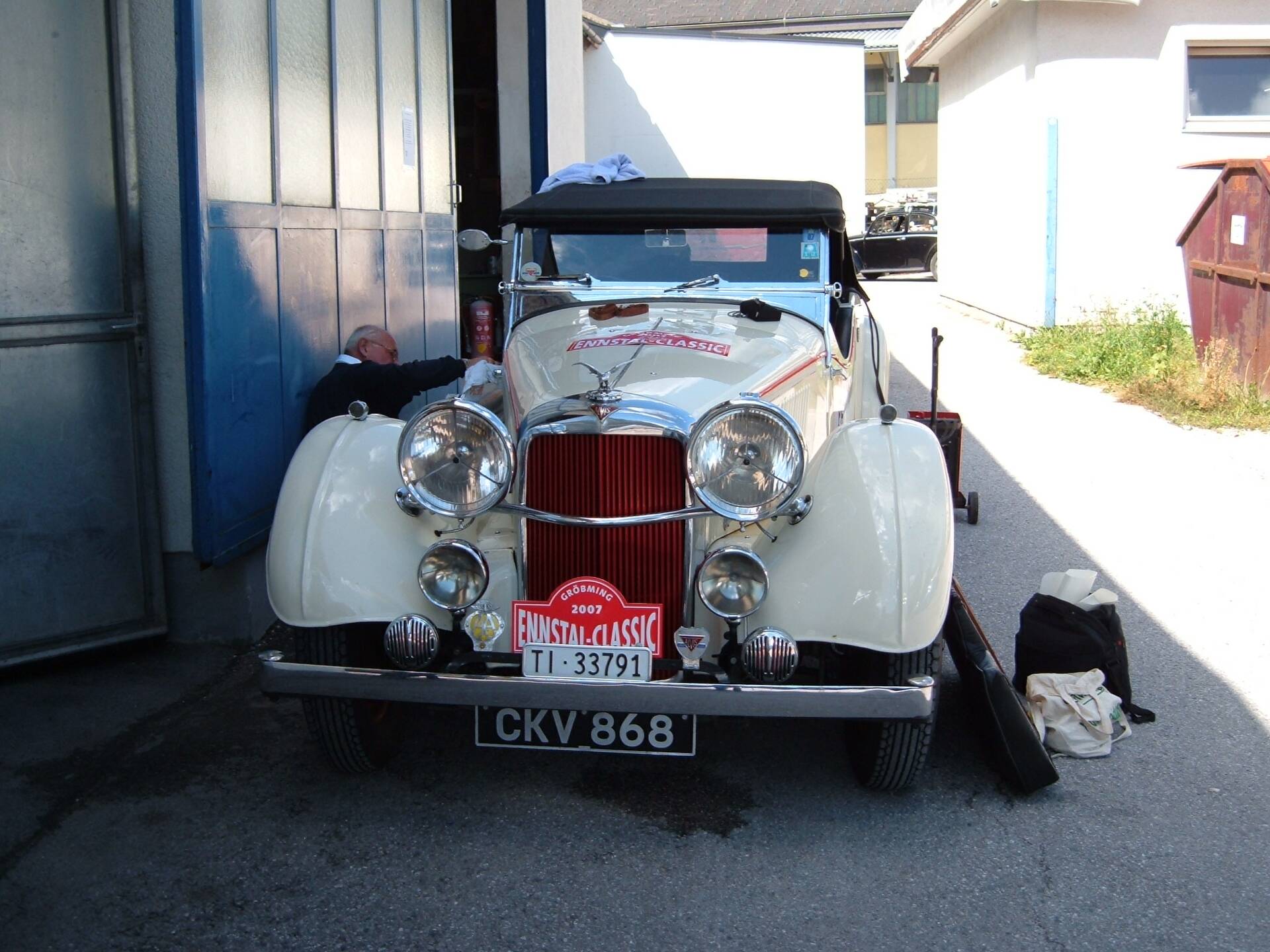
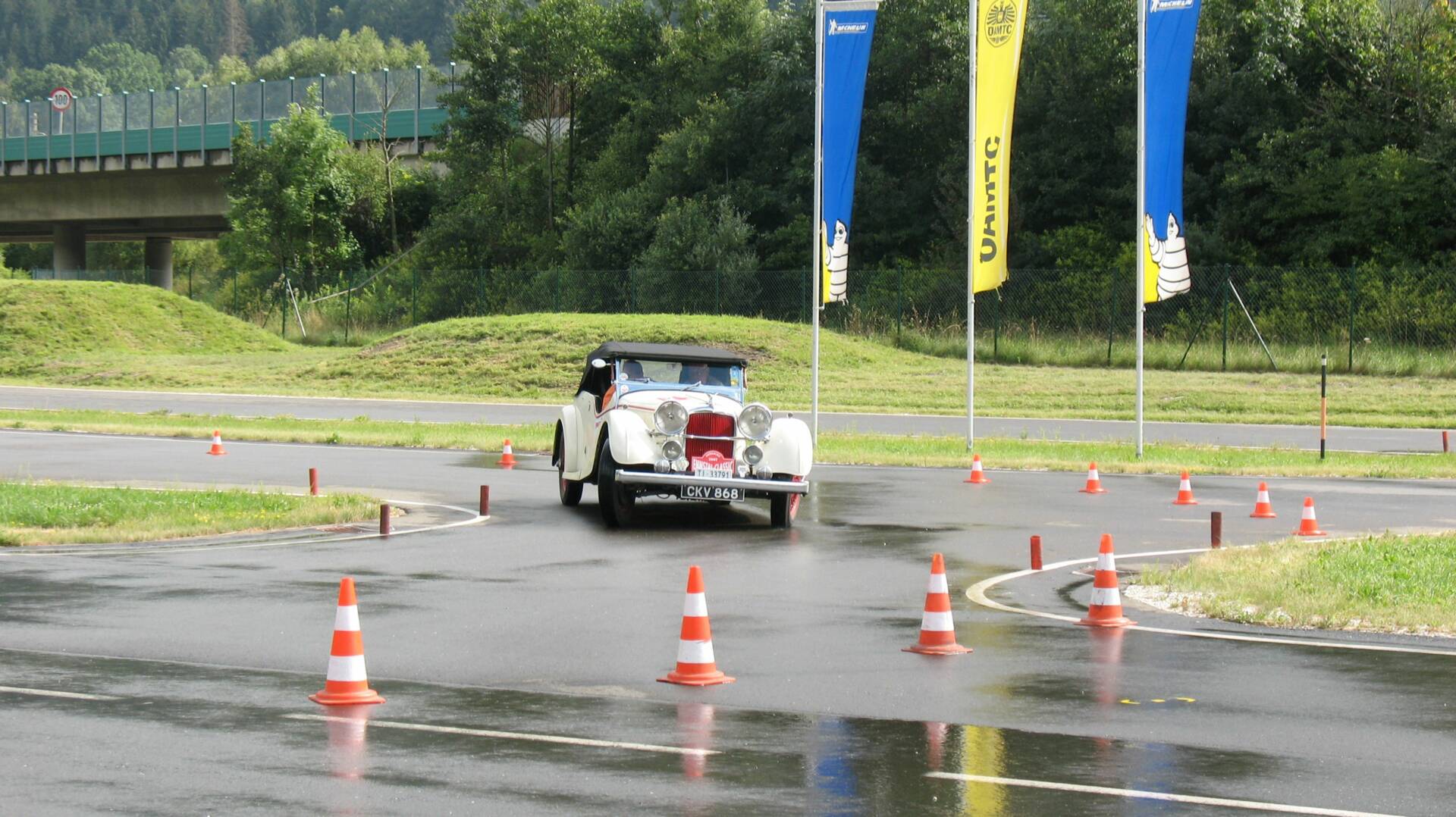
In 1995, CKV 868 passed to Brian’s son, Angus James D’Arcy-Drake. He sold the car in 2005 to a German car dealer. In July 2006, Rudolf W. Hug from Zurich acquired the Alvis and returned it to the road in Switzerland under registration number TI 33 791.
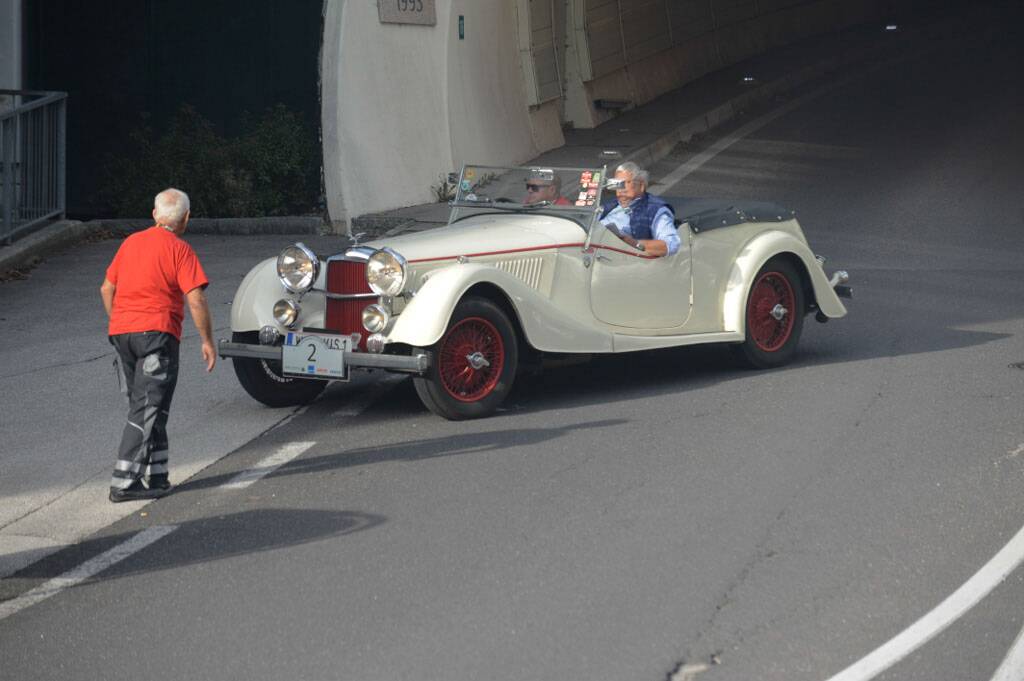
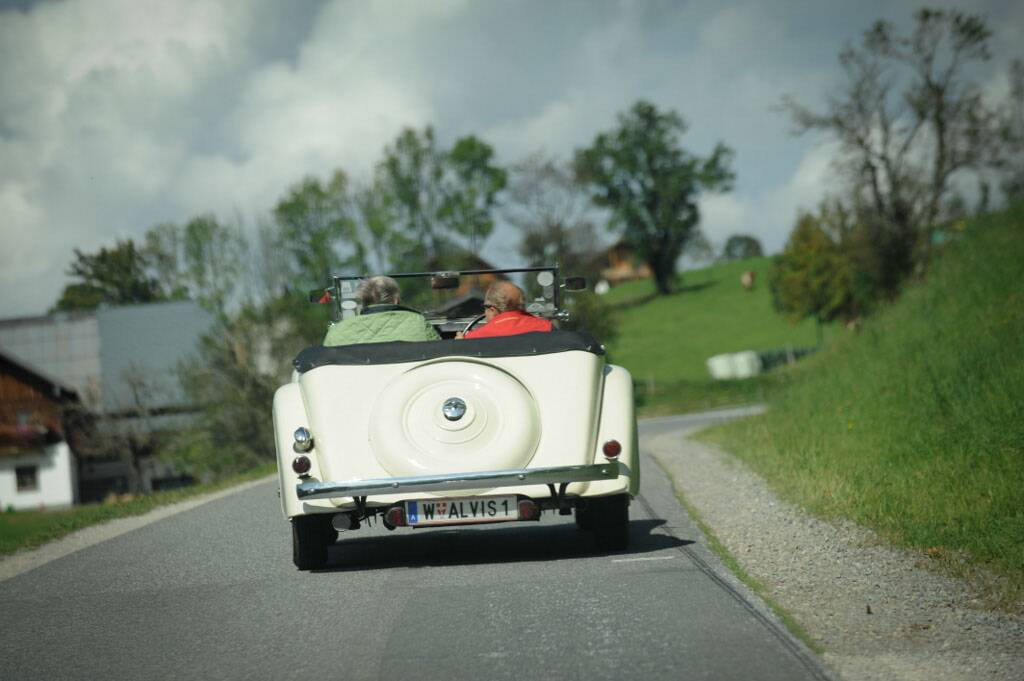
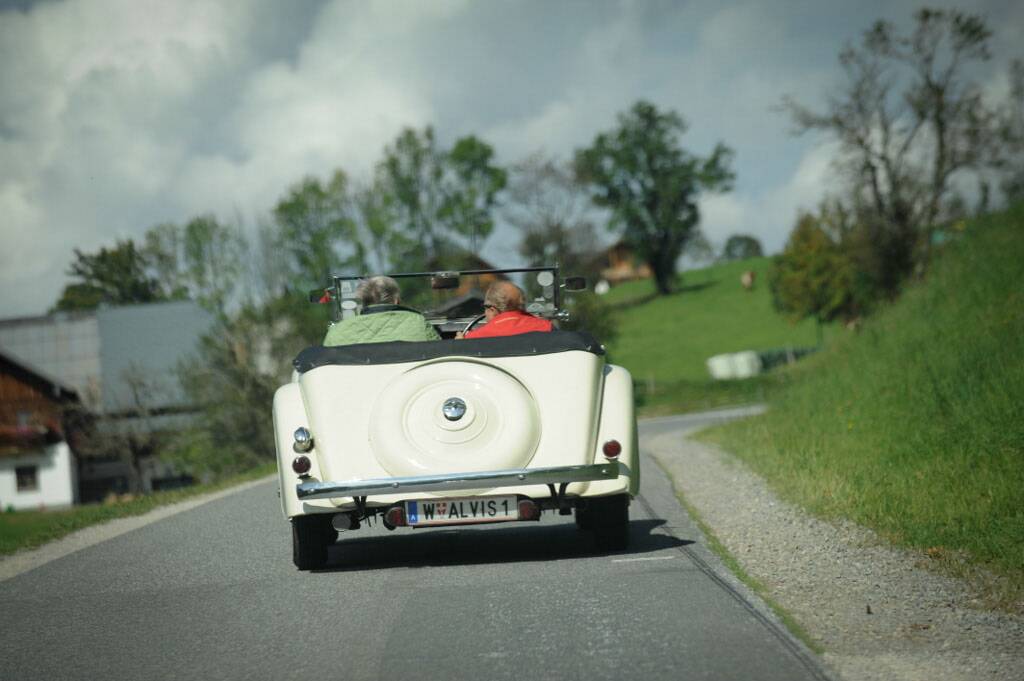
In August 2008, the Speed 25 finally moved to Austria. A collector from Vienna acquired the car and, according to the historical record, registered it under the fitting number plate W ALVIS 1.
Mille Miglia and Ennstal-Classic
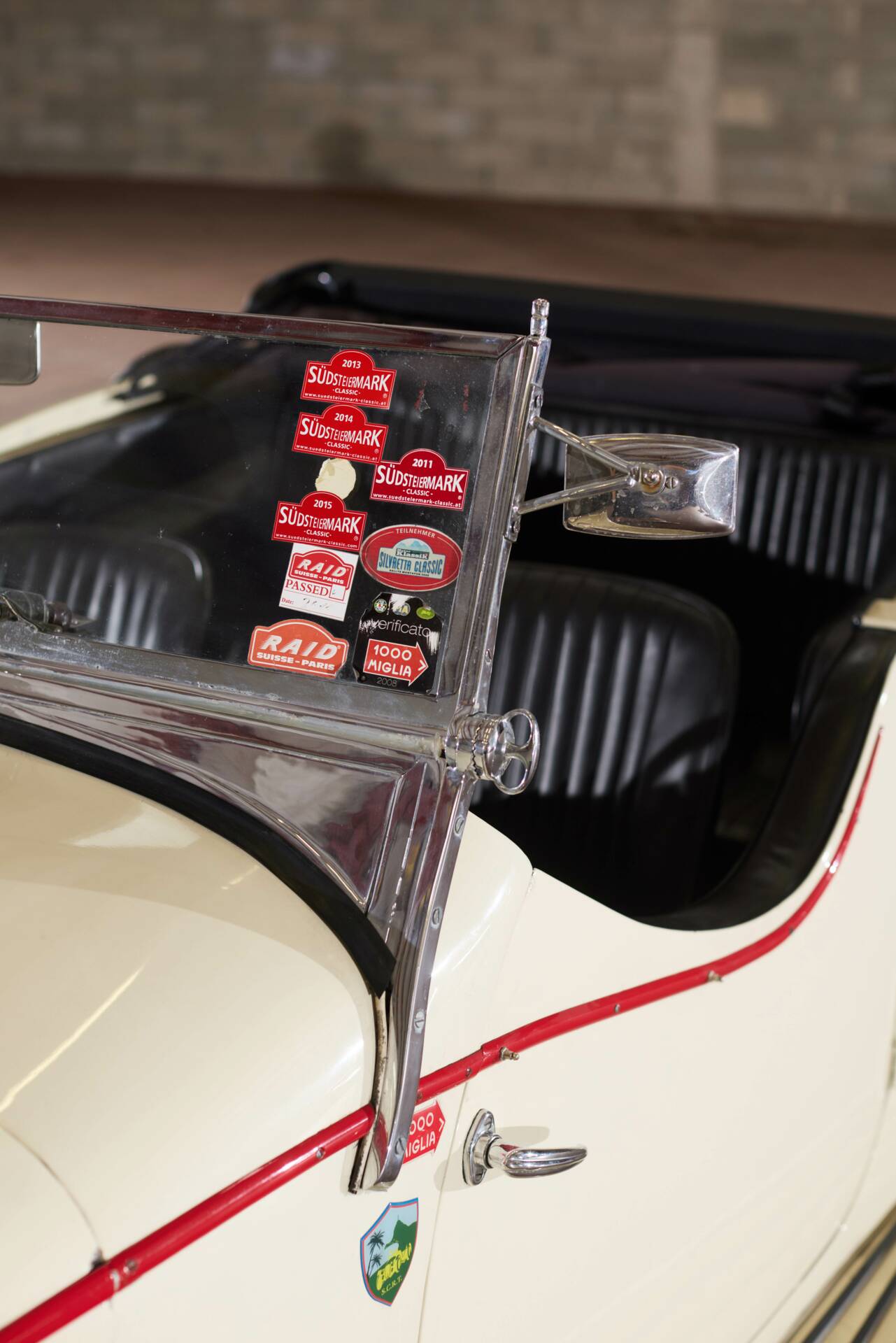
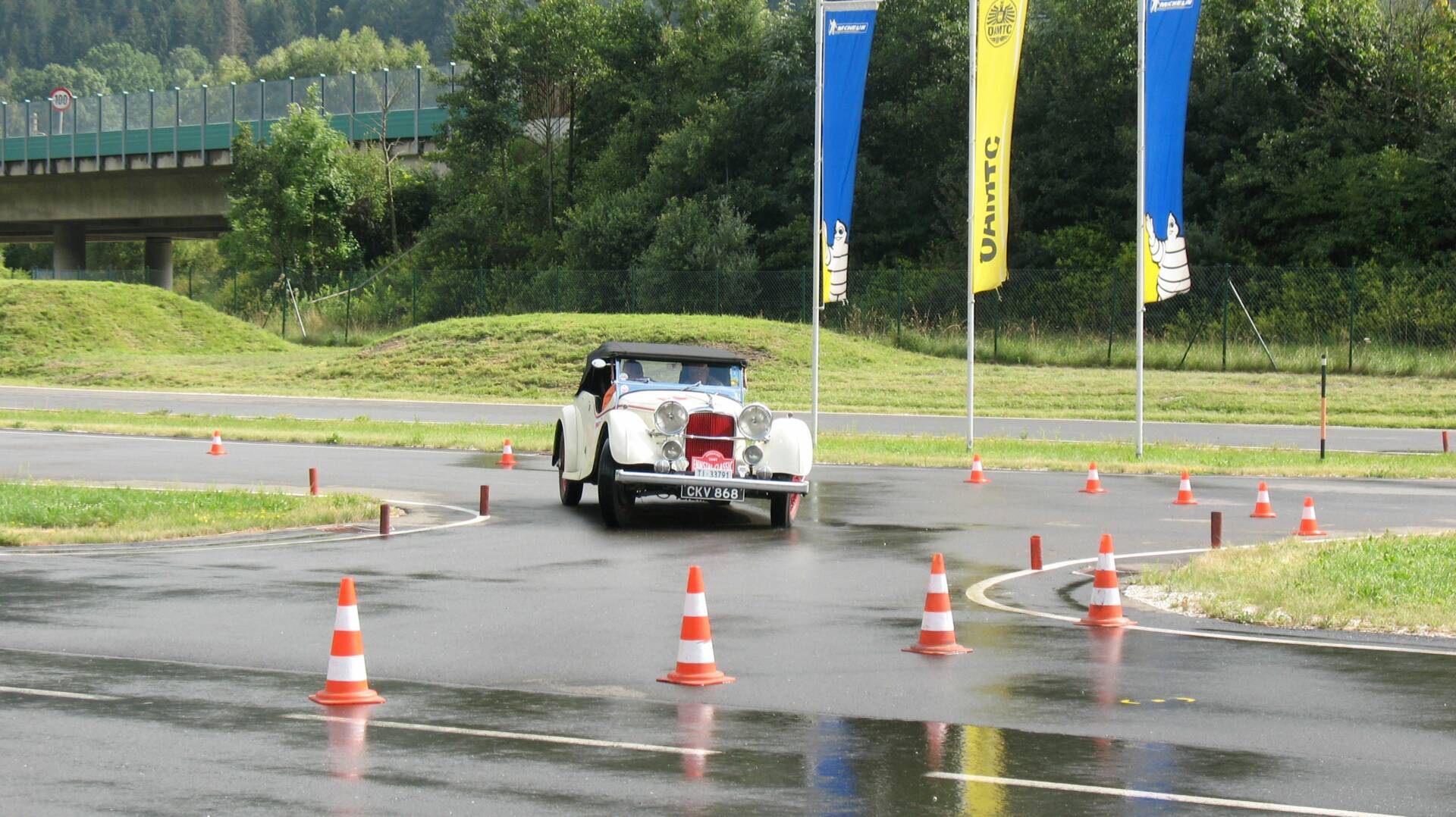
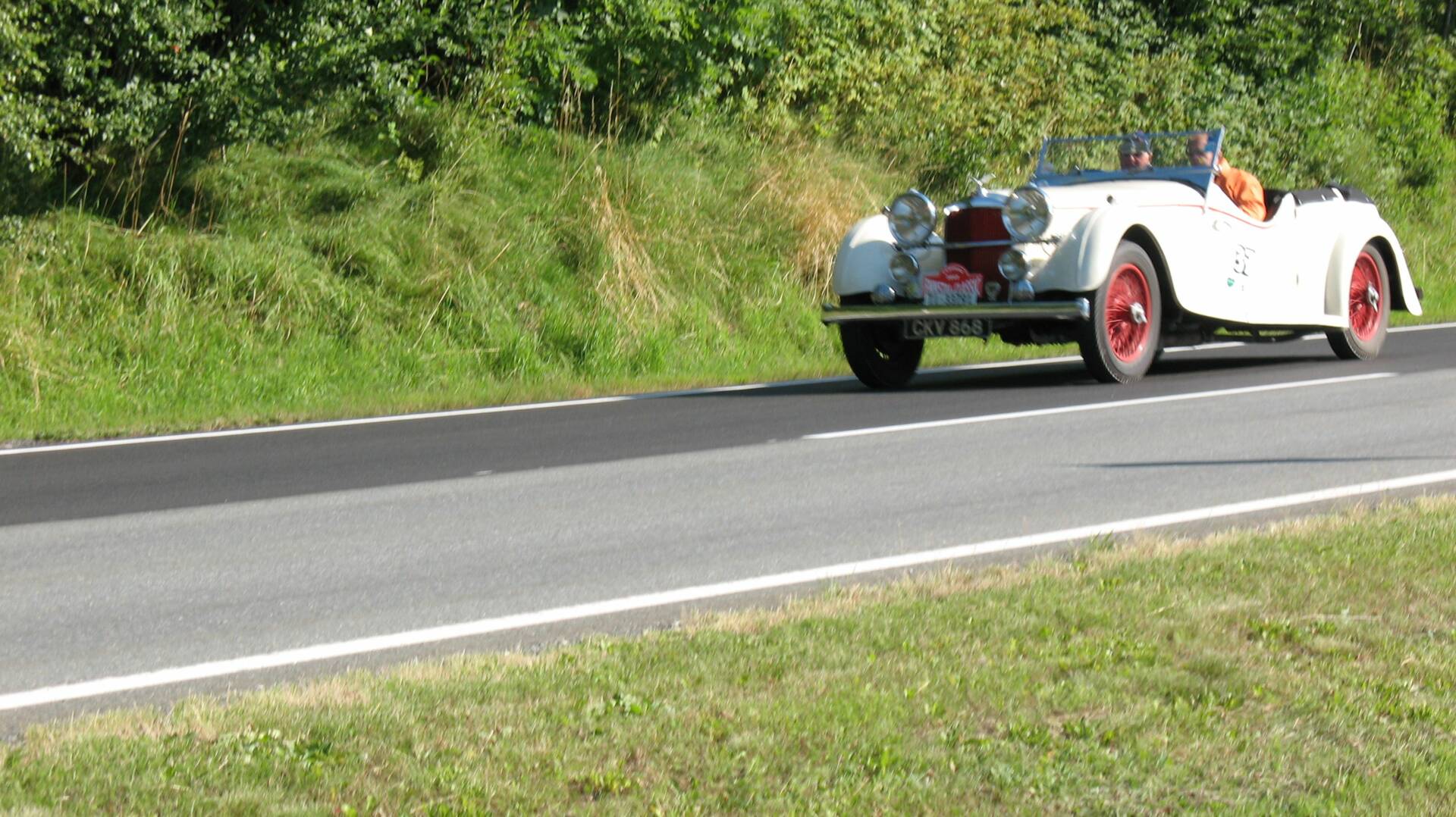
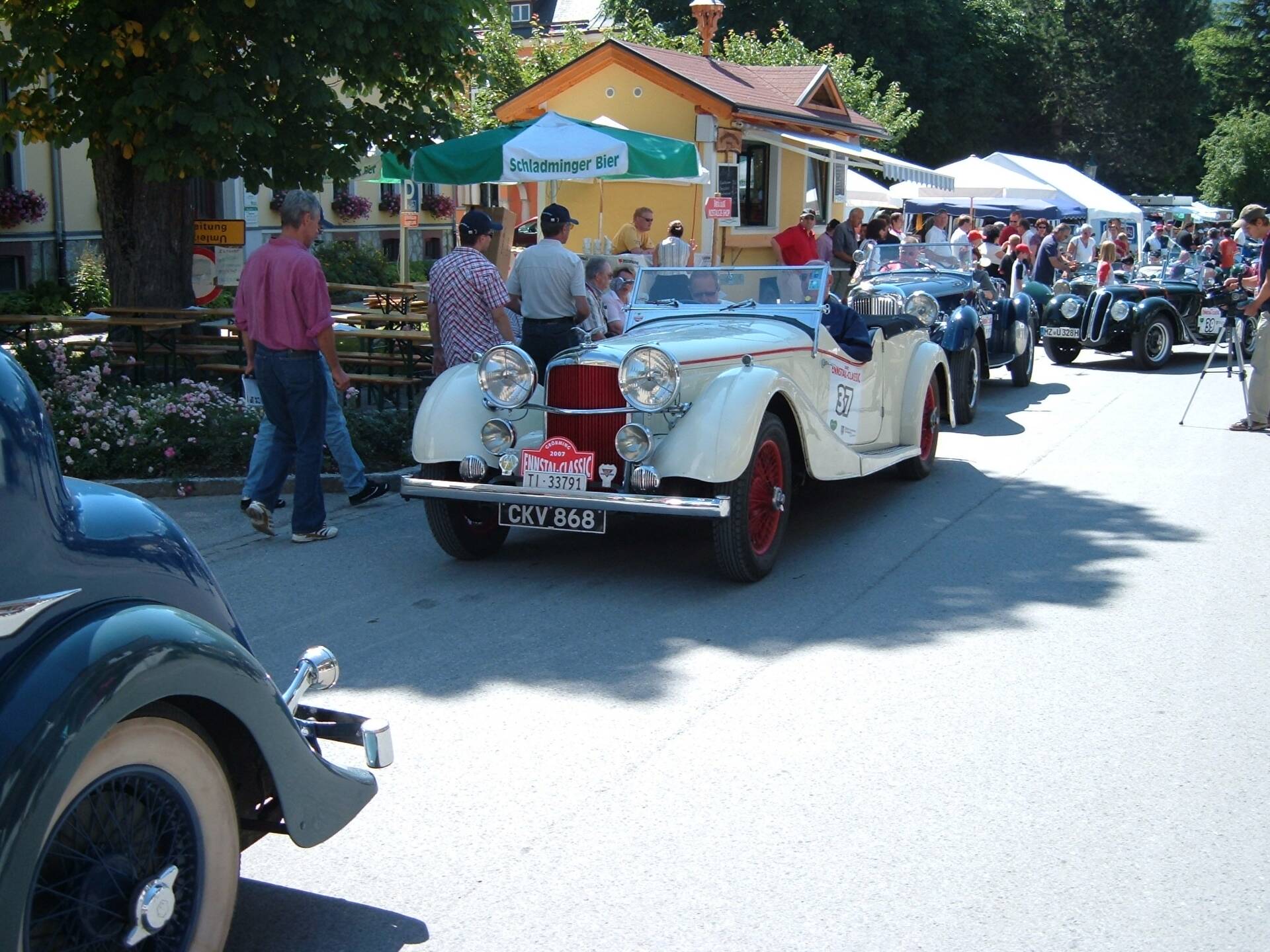
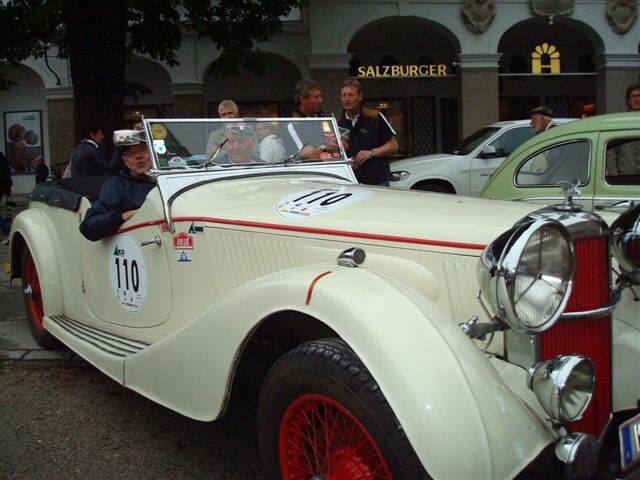
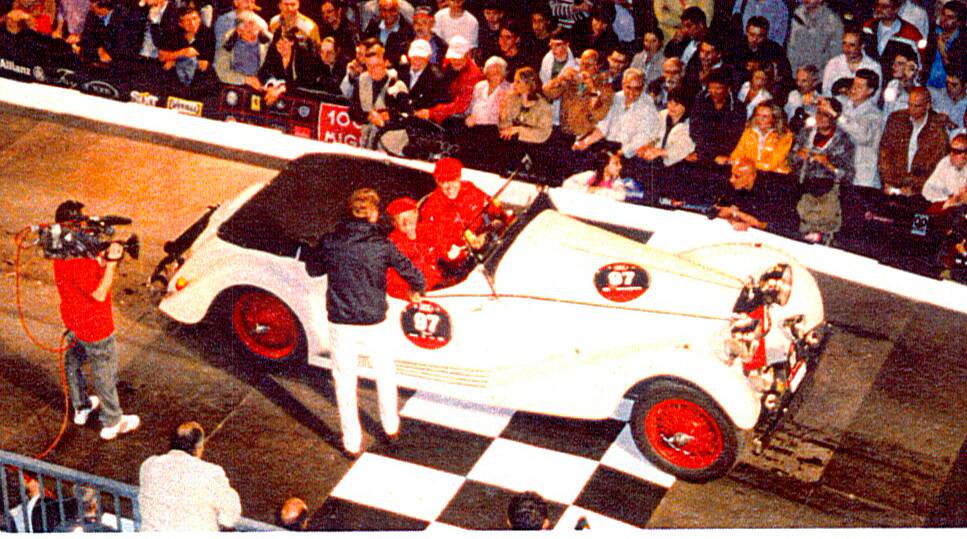
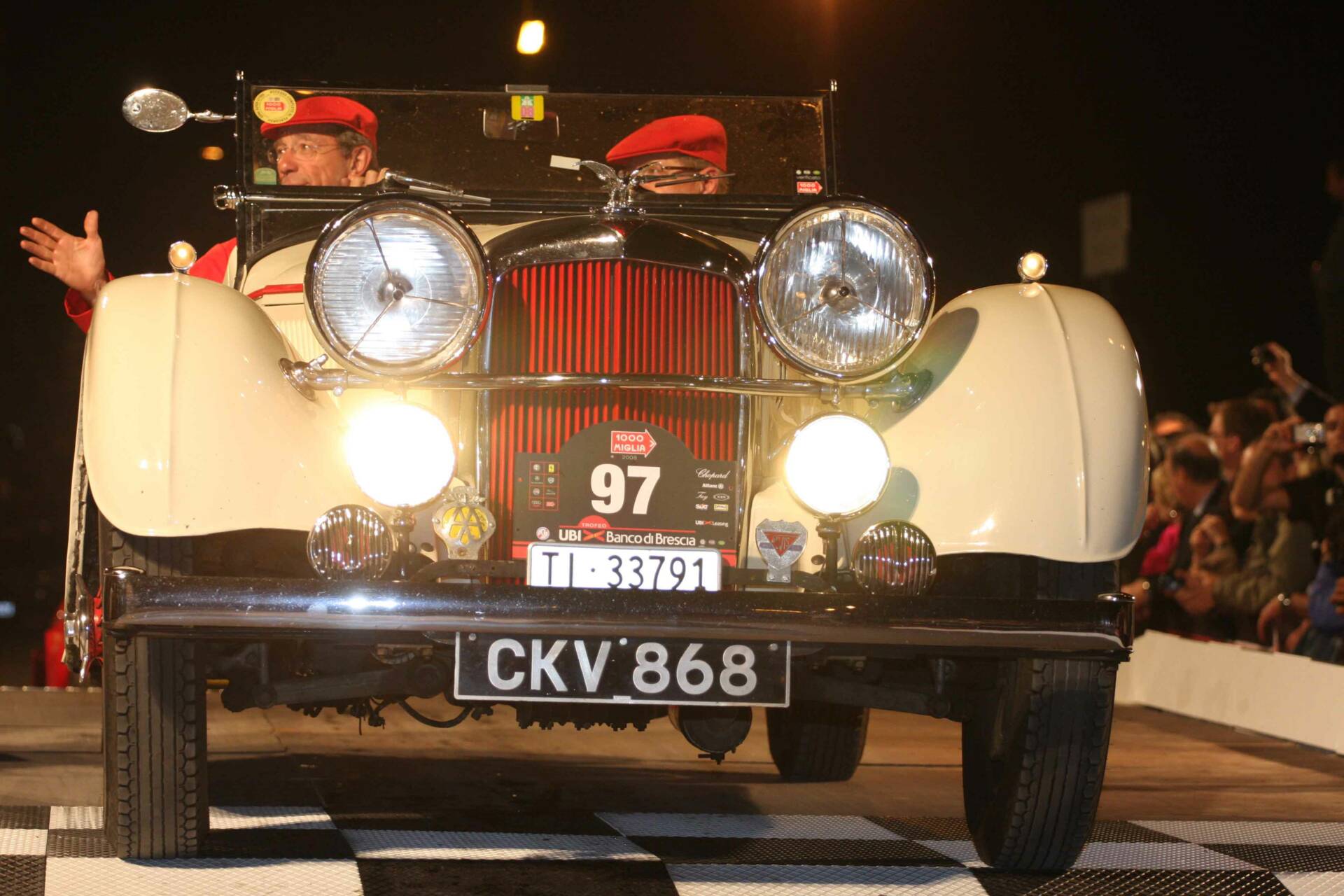
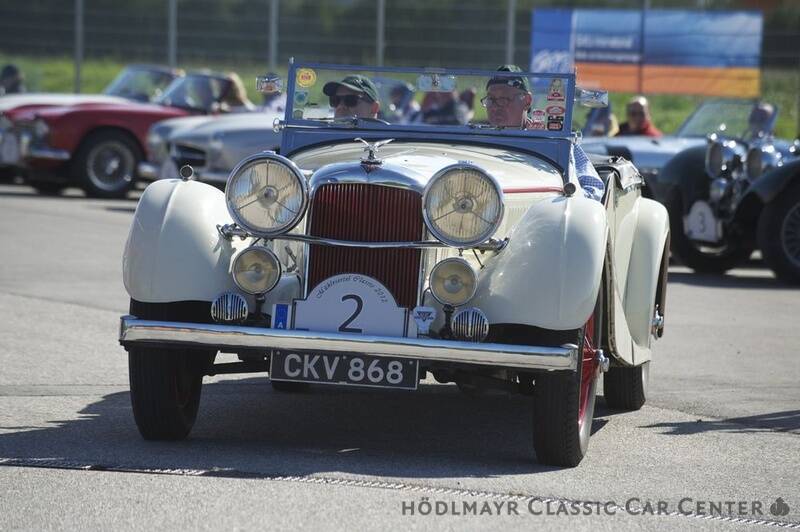
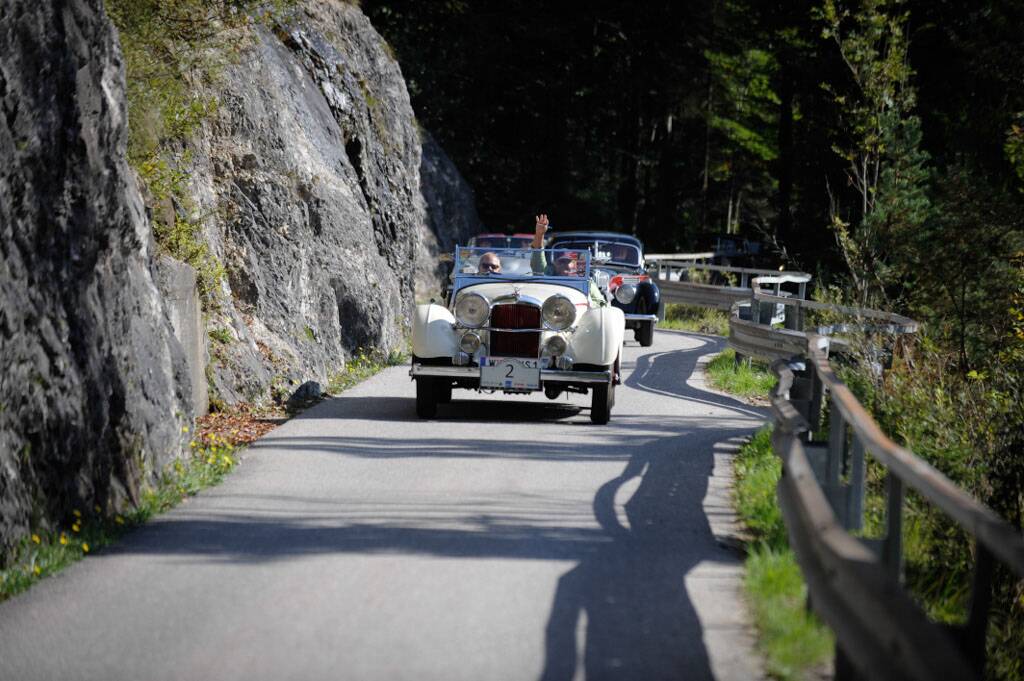
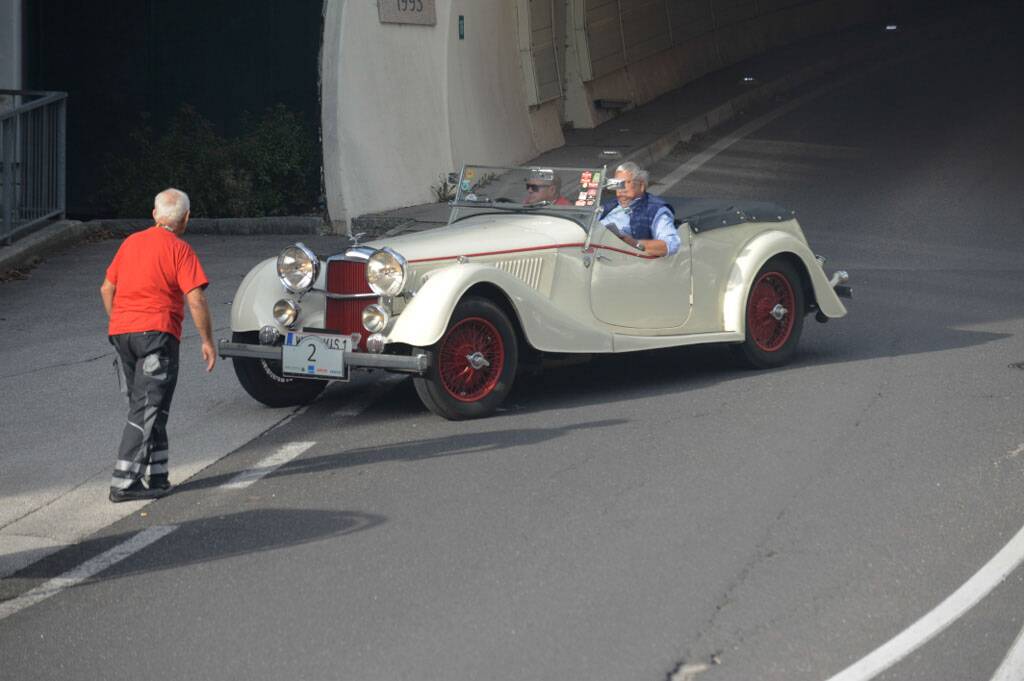
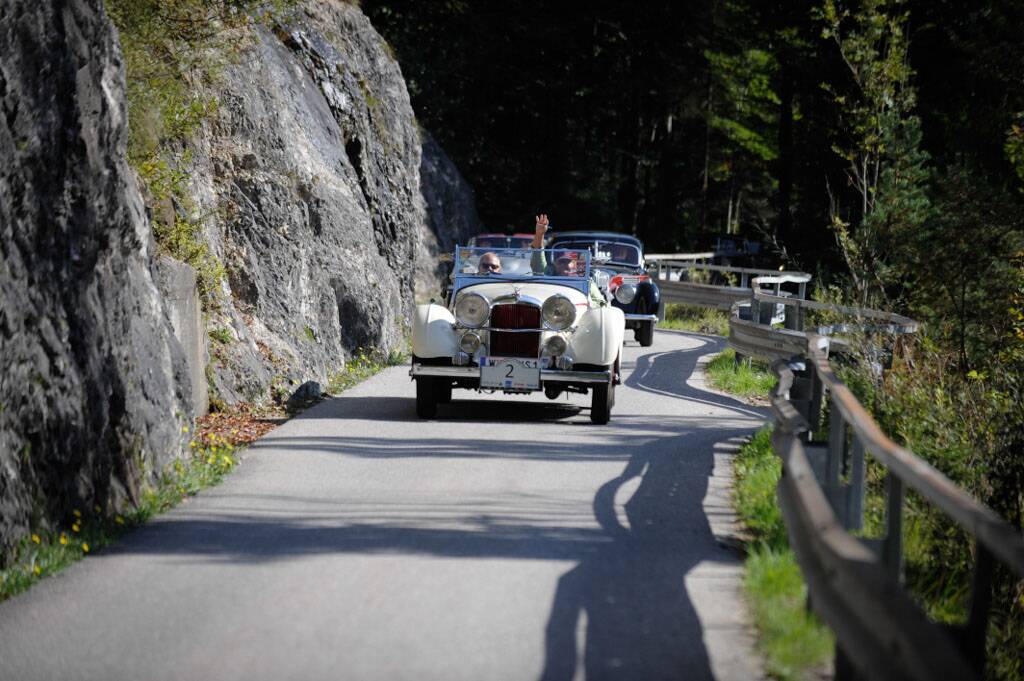
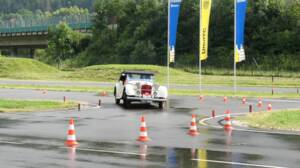
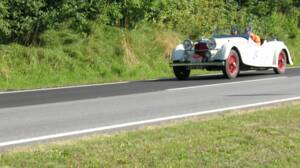
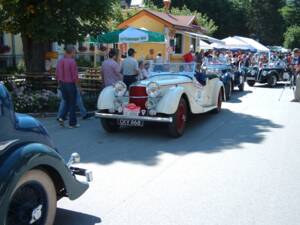
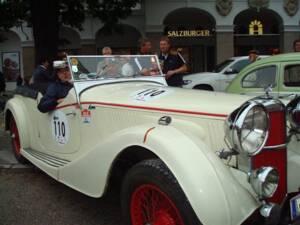
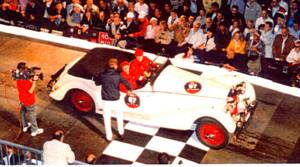
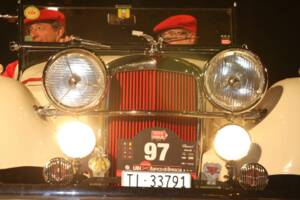
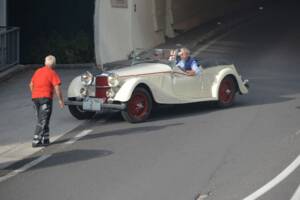
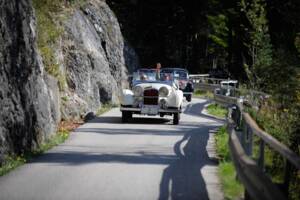
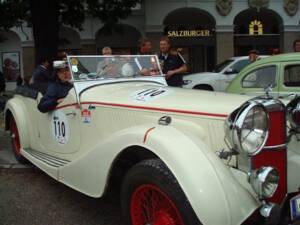
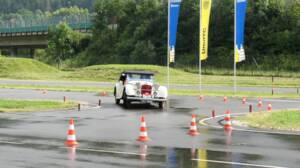
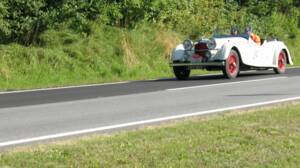
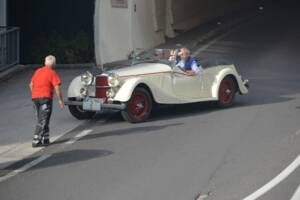
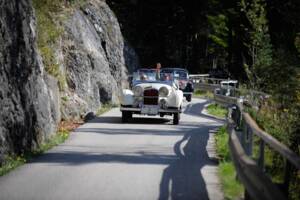
The fact that this Alvis was not merely collected but also actively used is demonstrated by its event history. According to the confirmed information available for the vehicle, the Speed 25 has participated in the Mille Miglia. It also took part in the Ennstal-Classic. The listing’s image archive likewise contains historic event photographs documenting this phase of its more recent history.
According to the consignor, the previous participation in the Mille Miglia also provides corresponding eligibility to take part. For any future participation, the organiser’s current registration and eligibility requirements naturally apply.
Documentation
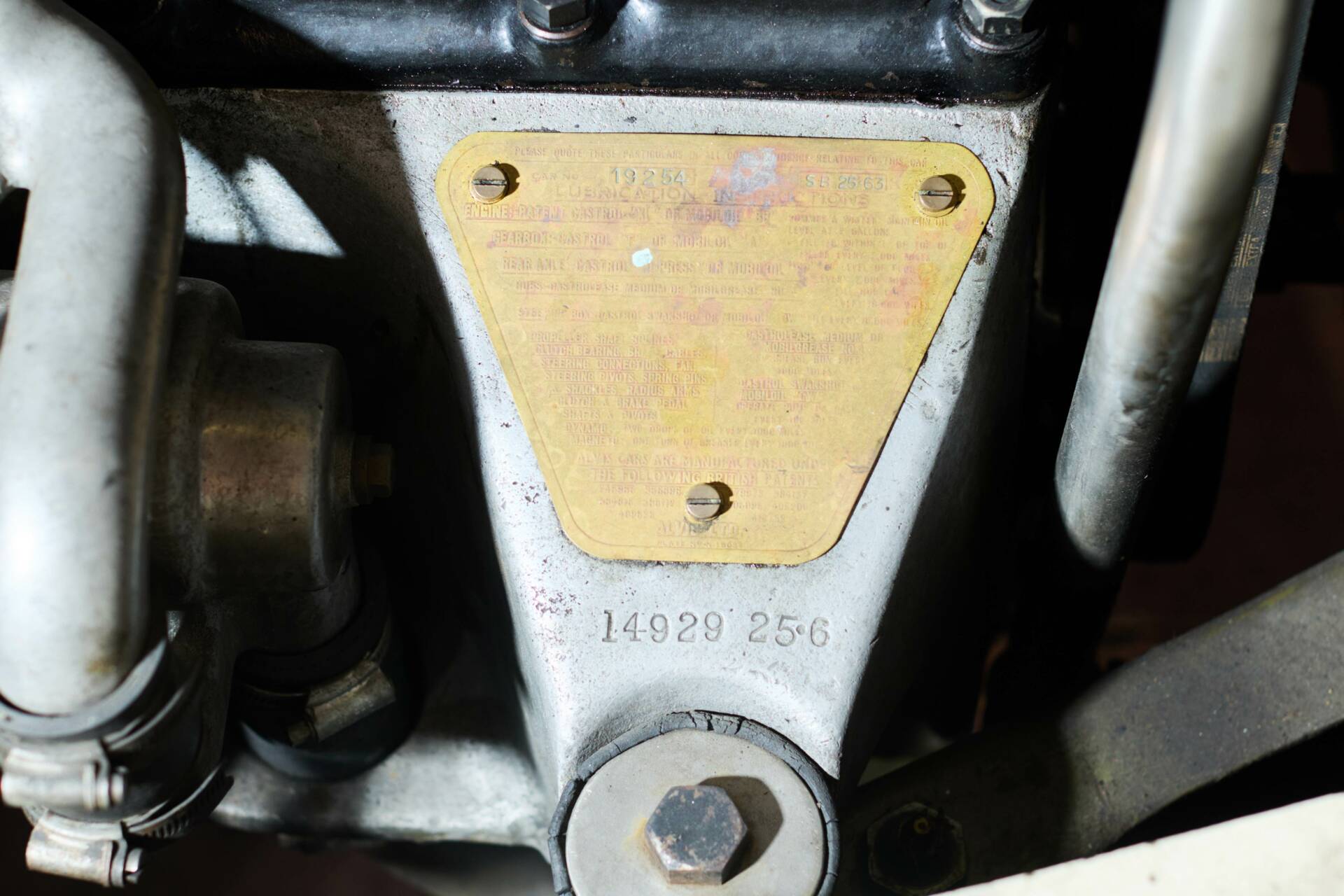
A written historical record is available for the vehicle, allowing key stages of its history from 1937 through its move to Austria to be traced. The current vehicle database also records a FIVA status. The historical statement regarding matching numbers is explicitly documented for 1972; however, the current structured database contains a contradictory entry. A present-day confirmation of matching numbers should therefore be carried out separately on the basis of the vehicle documentation and/or the relevant numbers.
Summary
This Alvis Speed 25 is not a pre-war automobile with a conveniently polished history – and that is precisely what makes it interesting. Its story stretches from its presumed use as a factory demonstration car in 1937, through British ownership, years of inactivity and its rediscovery as a wreck in 1972, to its rebuild with a body based on Vanden Plas Design No. 1460.
It later travelled via Germany and Switzerland to Austria. Its participation in the Mille Miglia and Ennstal-Classic adds an active event history to this provenance. Rather than concealing the re-bodying, this Speed 25 openly tells the story of its different phases of life – and precisely because of that, possesses an exceptionally multifaceted biography.
Personal Impression
With a car almost ninety years old, I am interested not only in how immaculate its past sounds, but in how much of it can actually be told. This Alvis has quite a story to tell: factory demonstration car, London, Scotland, rediscovered as a wreck in 1972, rebuilt with a Vanden Plas design, later Switzerland and Vienna – and then the Mille Miglia and Ennstal-Classic. This is not a sterile provenance. It is an automotive life with twists, a rebirth and miles that were apparently driven for good reason.