Adler Trumpf classic cars for sale
The Adler Trumpf represents a milestone in German automotive engineering of the 1930s. This front-wheel drive saloon and convertible, available in various body styles, stood out for its innovative design and became a rarity among pre-war classics. Its lasting impact and low surviving numbers make the Trumpf a sought-after model for discerning collectors and enthusiasts.
Search results
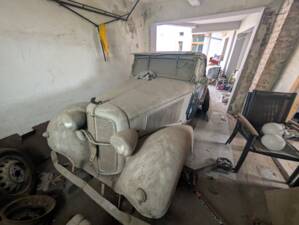
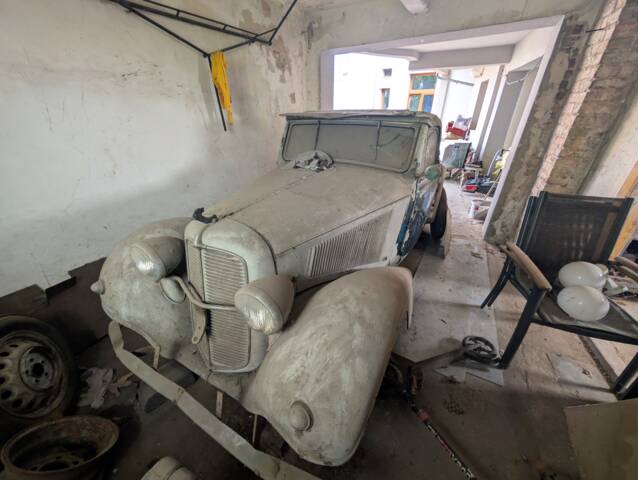

Adler Trumpf listing references from Classic Trader
Below you will find listings related to your search that are no longer available on Classic Trader. Use this information to gain insight into availability, value trends, and current pricing for a "Adler Trumpf" to make a more informed purchasing decision.
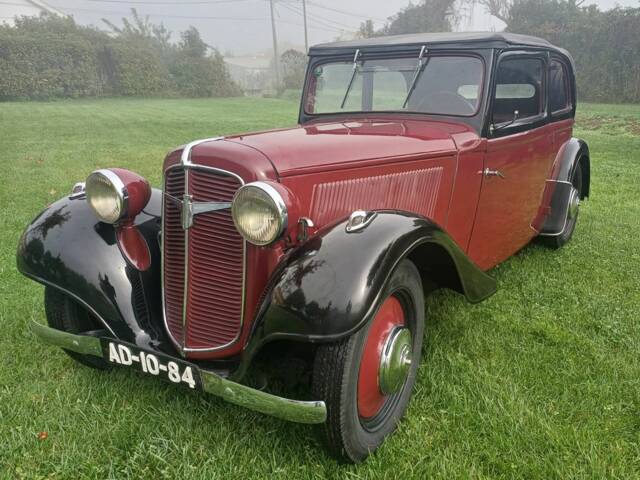
1935 | Adler Trumpf Junior
Adler Trumpf Junior Cabriolet | 1935 | Route 66 Auctions - For sale by auction. Estimate 23500 EUR

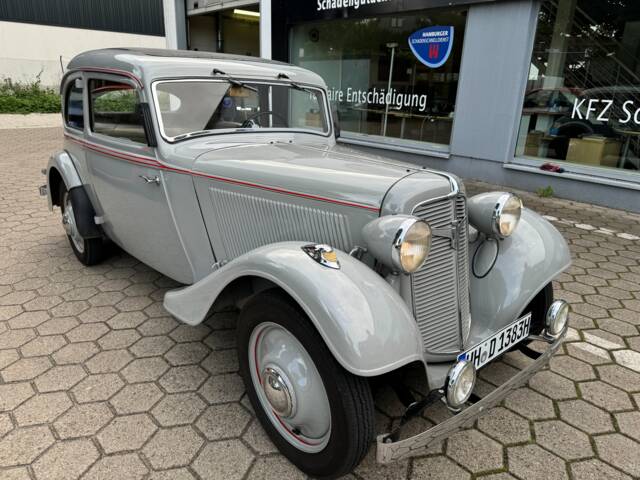
1937 | Adler Trumpf Junior

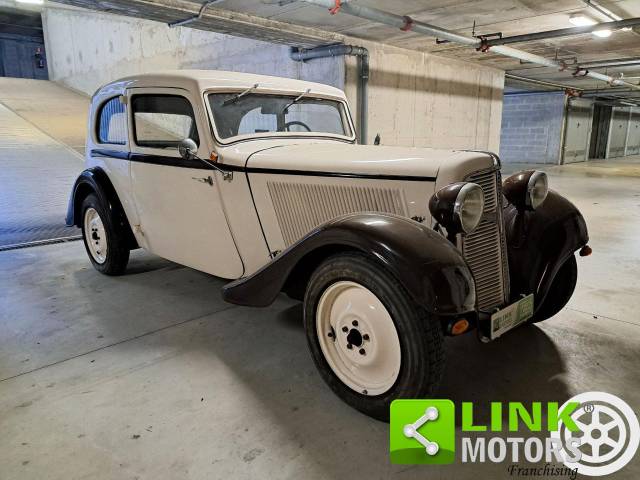
1951 | Adler Trumpf Junior
ADLER Trumpf Junior Ulisse Bubba

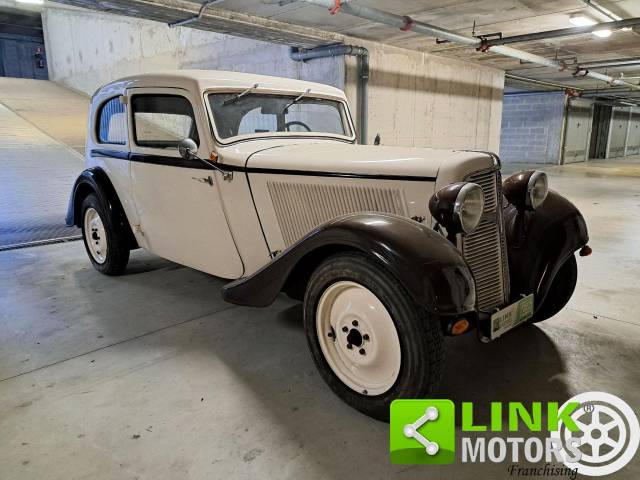
1951 | Adler Trumpf Junior
ADLER Trumpf Junior Ulisse Bubba
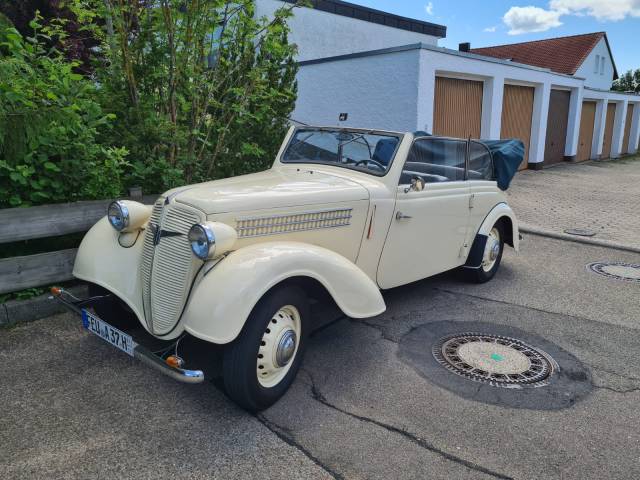
1937 | Adler Trumpf
1,7 EV
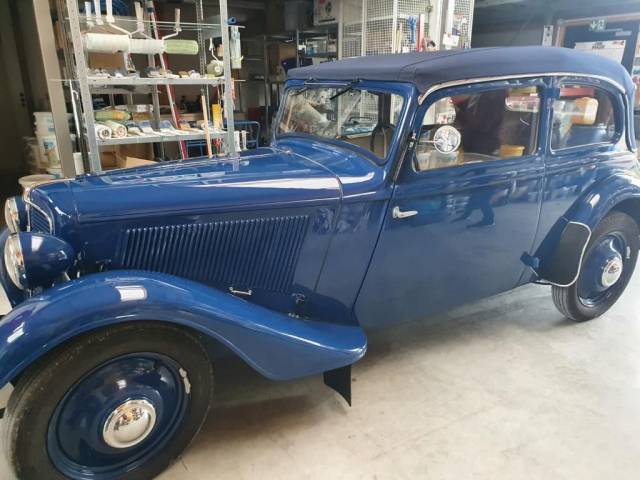
1936 | Adler Trumpf Junior
Wertgutachten mit Gesamtnote 2
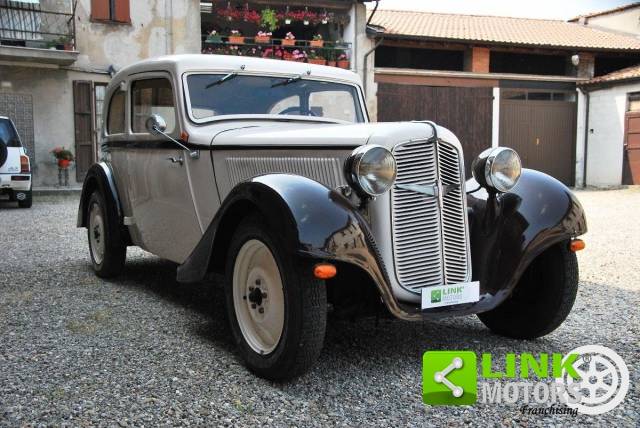
1951 | Adler Trumpf Junior
Adler Trumpf Junior Giardinetta
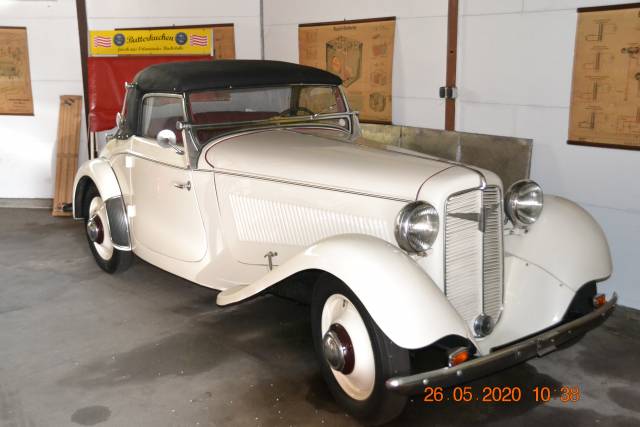
1934 | Adler Trumpf Junior Sport
Adler junior Sport Cabriolet top restauriert
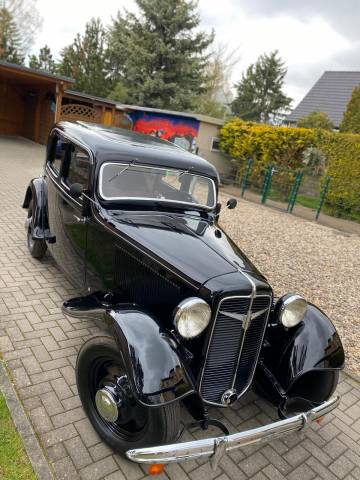
1934 | Adler Trumpf Junior
Top Zustand
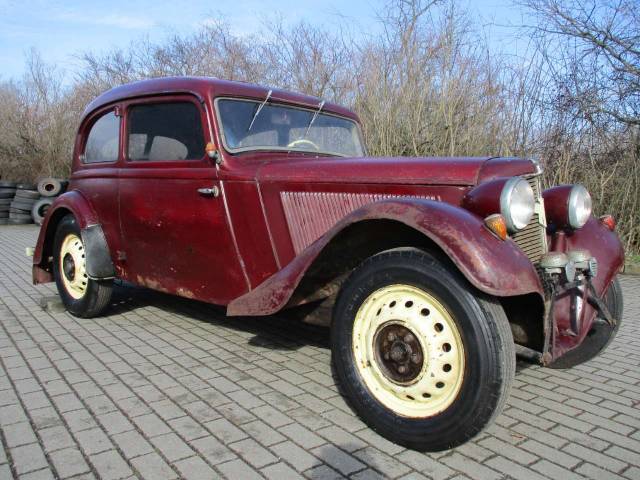
1937 | Adler Trumpf Junior
Oldtimer Adler Adler Trumpf Junior
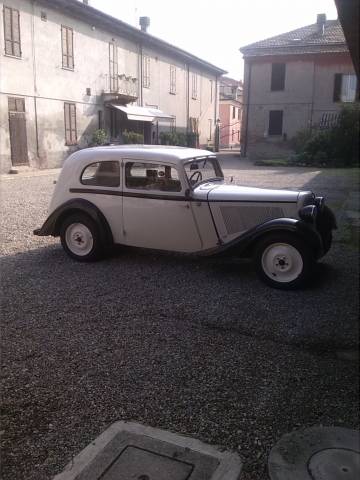
1940 | Adler Trumpf Junior
VERSIONE GIARDINETTA ESEMPLARE UNICO - ASI C.R.S.C. N.289890 DEL 27/04/2018
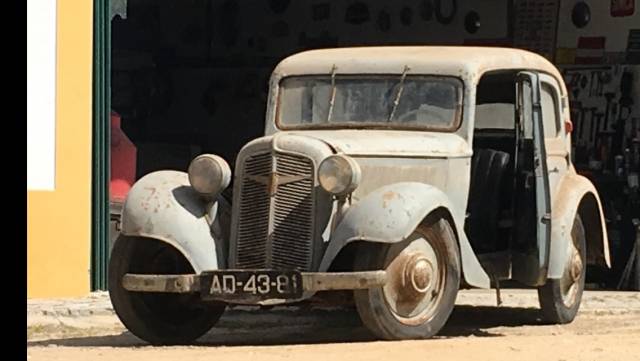
1935 | Adler Trumpf Junior
Rare Adler Trumpf Junior Limousine 1935

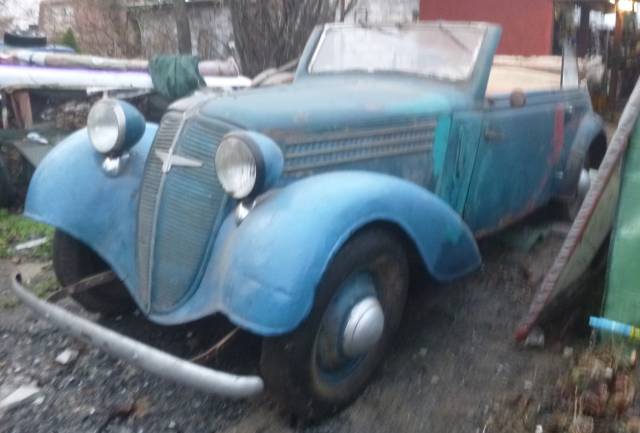
1936 | Adler Trumpf 1.7
Karmann cabrio

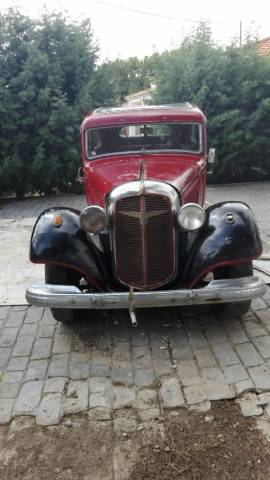
1940 | Adler Trumpf Junior

Adler Trumpf Classic Cars: Prices & Market Values
History of the Adler Trumpf
Established in Frankfurt am Main in 1880, Adler initially built a global reputation on typewriters and bicycles, before expanding into motorcycles and four-wheeled passenger cars by the early 1900s. By 1914, Adler vehicles accounted for about 20% of all registered cars in Germany. The turning point for Adler came in 1932, under the direction of chief designer Hans Gustav Röhr, with the introduction of the Adler Trumpf. This medium-class family car featured forward-thinking elements such as independent suspension and a front-wheel drive layout, which was inspired by newer automotive trends of the early 1930s. Production lasted until 1938, after which Adler withdrew from the car market and focused on its core businesses of typewriters and bicycles. With approximately 210,000 vehicles produced by Adler overall, the Trumpf series remains a defining chapter in the company's automotive legacy.
Model history
The Adler Trumpf debuted in 1932 as a family car positioned alongside the rear-wheel drive Adler Primus. The Trumpf’s early models featured a 1.5-litre four-cylinder engine, while a more powerful 1.65-litre variant with increased output arrived in 1933. The body styles ranged from two- and four-door saloons to cabriolet/roadster versions, built by coachbuilders like Ambi-Budd (Berlin) for closed models and Karmann (Osnabrück) for convertibles. In 1936, the Trumpf 1.7 EV succeeded earlier models, delivering a longer, more streamlined body and retaining the 1.645 cc engine. The Trumpf Junior, launched in 1934, was Adler’s answer to the demand for small cars and found particular commercial success with over 100,000 units sold by 1941. The Trumpf series ended with the 1.7 EV in 1938, and post-war efforts to revive automobile production remained limited to a few prototypes.
Highlights of the Adler Trumpf
The Trumpf series distinguished itself in the 1930s with a front-wheel drive layout, a modern differential housed in a block, and an unusually quiet third gear. It offered both two- and four-door saloon versions, as well as cabriolet and roadster styles, catering to a broad range of buyer preferences. The long, high bonnet adorned with Adler's eagle emblem, sweeping fenders, and a body length of 4.15 metres gave it a distinctive period presence. Sporting performance, rarity today, and bodywork by renowned builders added to the Trumpf’s collector appeal. Notably, some rare bodies—such as bespoke 'Giardinetta' or one-offs—were produced, and original or restored interiors are highly prized.
Technical data
Special Editions and Collectible Models
Notably rare are the Trumpf Giardinetta (a unique estate-bodied variant) and one-off coachbuilt versions from European craftsmen such as Dott. Ing. Ulisse Bubba. The Adler Trumpf Junior Sport stands out thanks to its more dynamic setup and has been featured in several classic films. Vehicles with certified provenance, such as ASI-registration or inclusion in national historic registers, enhance their collector significance.
Weak Spots and Common Issues
Due to their 1930s technology, all Trumpfs require attention to mechanics such as leaf springs, drum brakes, carburation, and the early front-wheel drive transmission. Many examples have undergone extensive restoration or remain restoration projects (frequent barn finds are typical), and careful inspection of chassis numbers, body authenticity, and matching numbers is crucial for collectors. The rarity of original mechanical and trim parts, as well as the availability of provenance documentation, often presents challenges.
Engine and Performance, Transmission and Handling
The Trumpf’s four-cylinder engines delivered between 32 and 38 hp in standard models and up to 47 hp in the Sport version. The front-wheel drive layout, advanced at the time, provided more stable handling and better traction than most contemporaries. The Trumpf’s independent suspension translated into higher ride comfort and superior road-holding, characteristics rare among its peers. The three-speed gearbox with a quiet third gear further differentiated the driving experience. Popular models include the Trumpf 1E (most listed and sought after), the Trumpf 1.7 EV for its more modern bodyshell and technical refinements, and the Trumpf Junior for its historical significance and high production volume. Technical details like matching numbers and authentic restoration are highly valued among enthusiasts.
Interior, Comfort, Exterior and Design
The Adler Trumpf set itself apart visually with a pronounced bonnet, chrome-laden eagle mascot, intensely rounded fenders, and classic 1930s streamlined contours. Interiors, especially when unrestored, feature original upholstery and period instrumentation. Convertibles sported practical, often rebuilt, folding tops. Accessories and options included rare coachbuilt bodies, custom luggage, and, for certain cars, special paint schemes. Four-door versions offered more family practicality, while cabriolets and limited-run roadsters presented greater open-air elegance. Wagen with intact original materials or period-correct restoration are especially prized for authenticity.
Other notable features and context
Trumpf models are frequently encountered in film appearances, particularly in German and Eastern European cinema, highlighting their period-correct styling. Historic vehicle certification (such as ASI badges or entries in national registries) underscores the Trumpf’s status as a reference point in pre-war German car design. Specialist communities, registry entries and provenance documentation are valued assets for buyers and collectors.
Summary
The Adler Trumpf represents a pioneering chapter in German automotive history, combining trailblazing front-wheel drive engineering with streamlined 1930s design, wide-ranging body styles, and a noted collector following. Though production numbers once reached tens of thousands, surviving examples—especially in authentic or well-restored condition—are increasingly scarce, reflected in low current supply and concentrated demand for main models such as the 1E and 1.7 EV. The Trumpf remains a reference point for classic car enthusiasts searching for a technical and aesthetic landmark among pre-war vehicles.