✨ Highlights
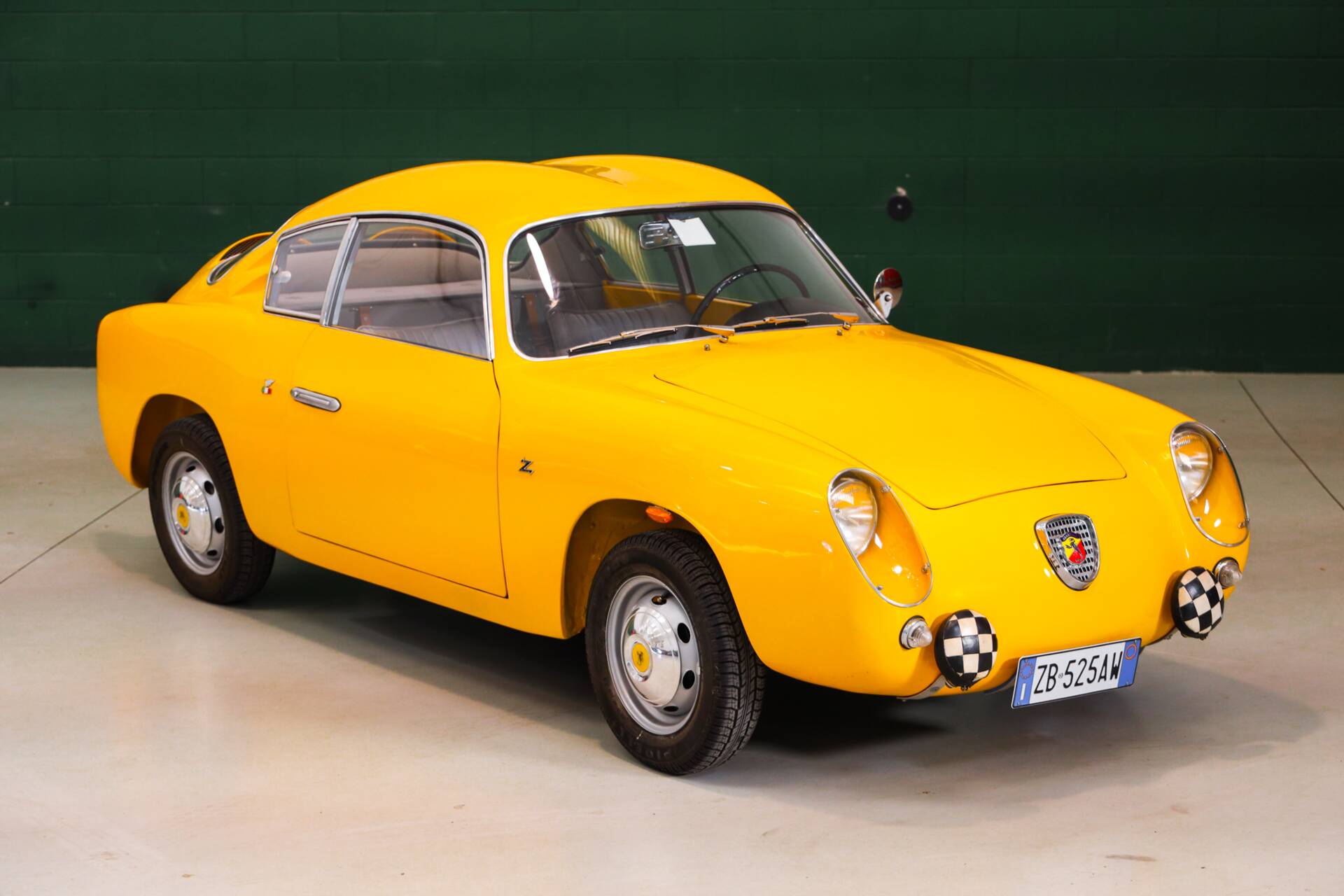
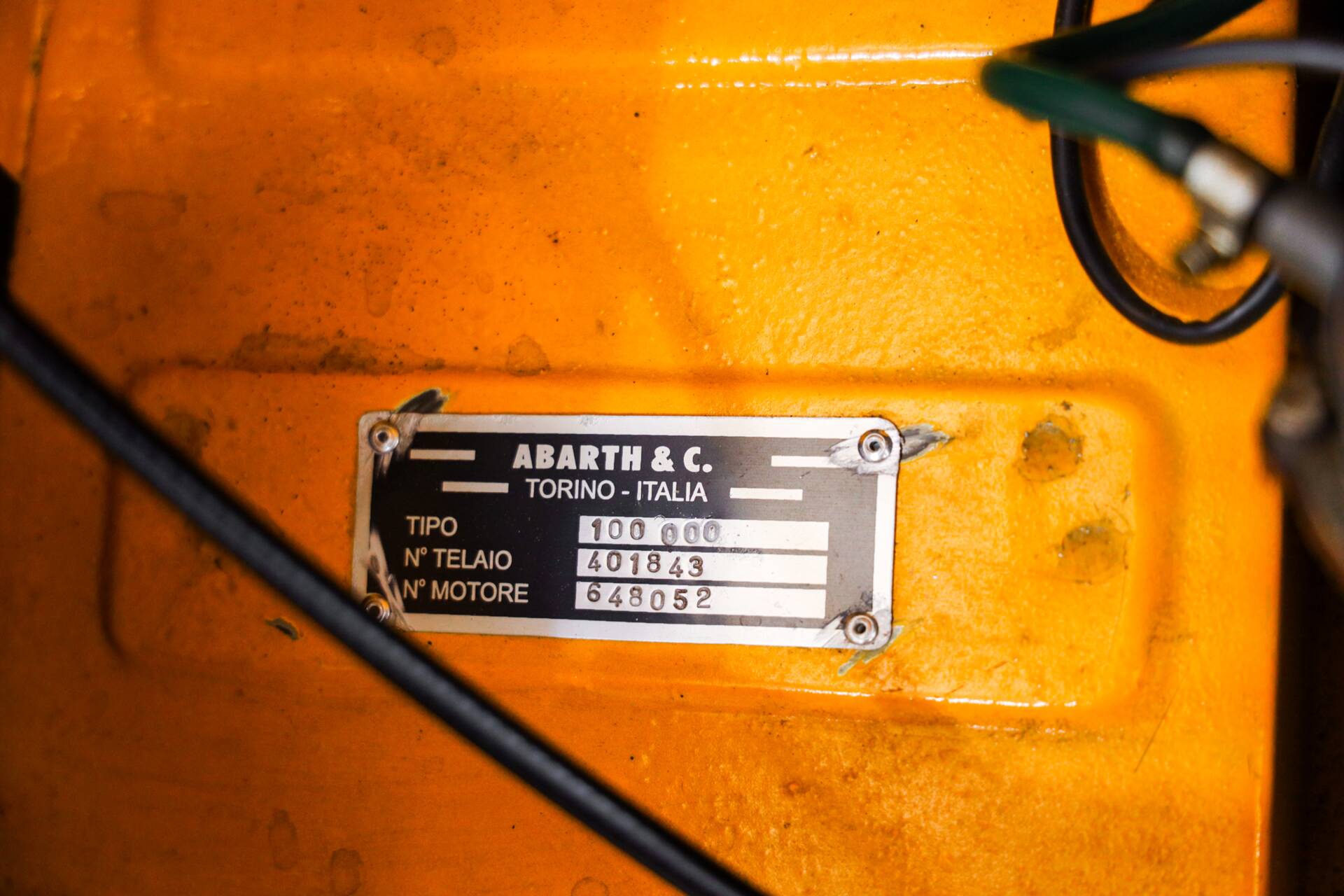
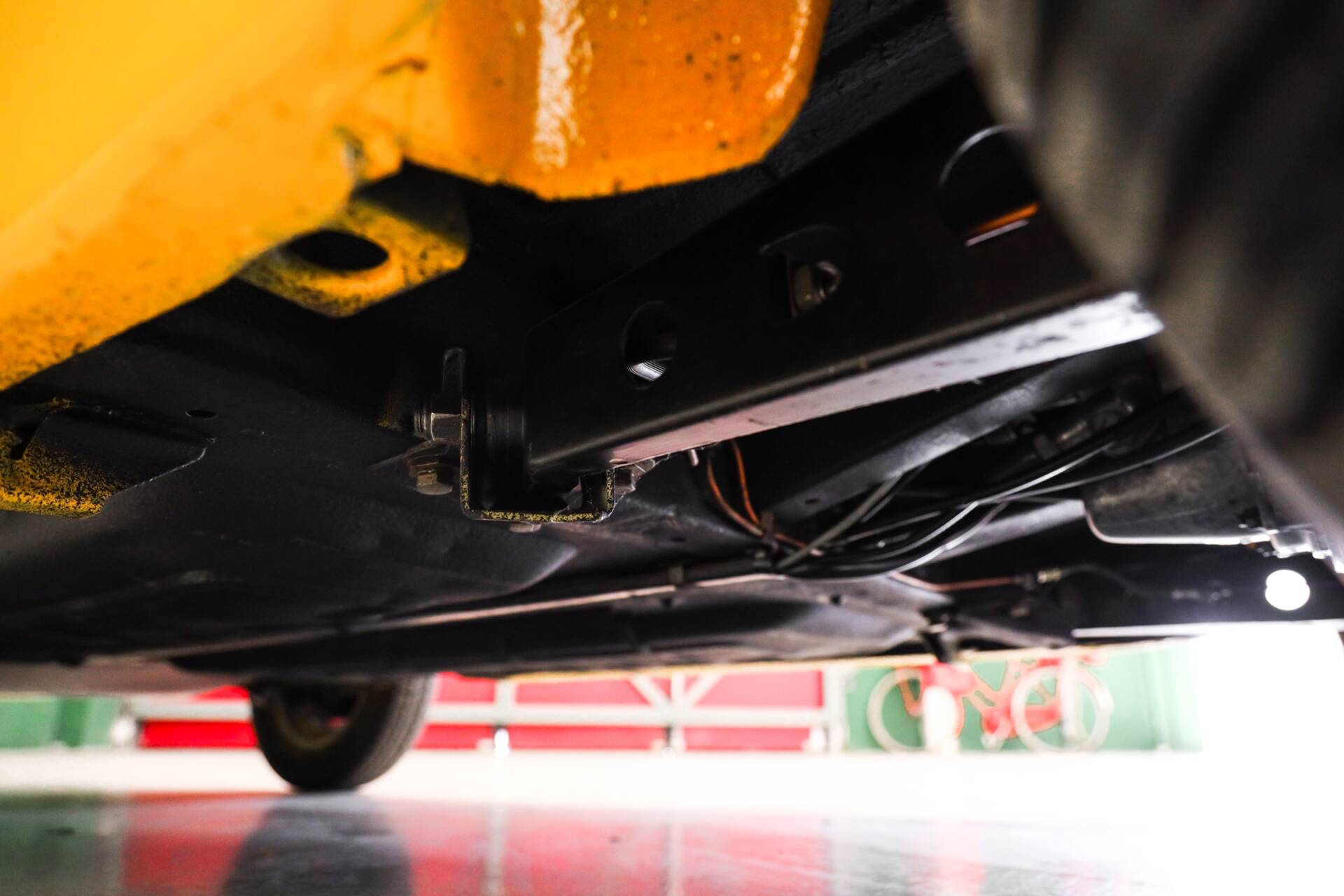
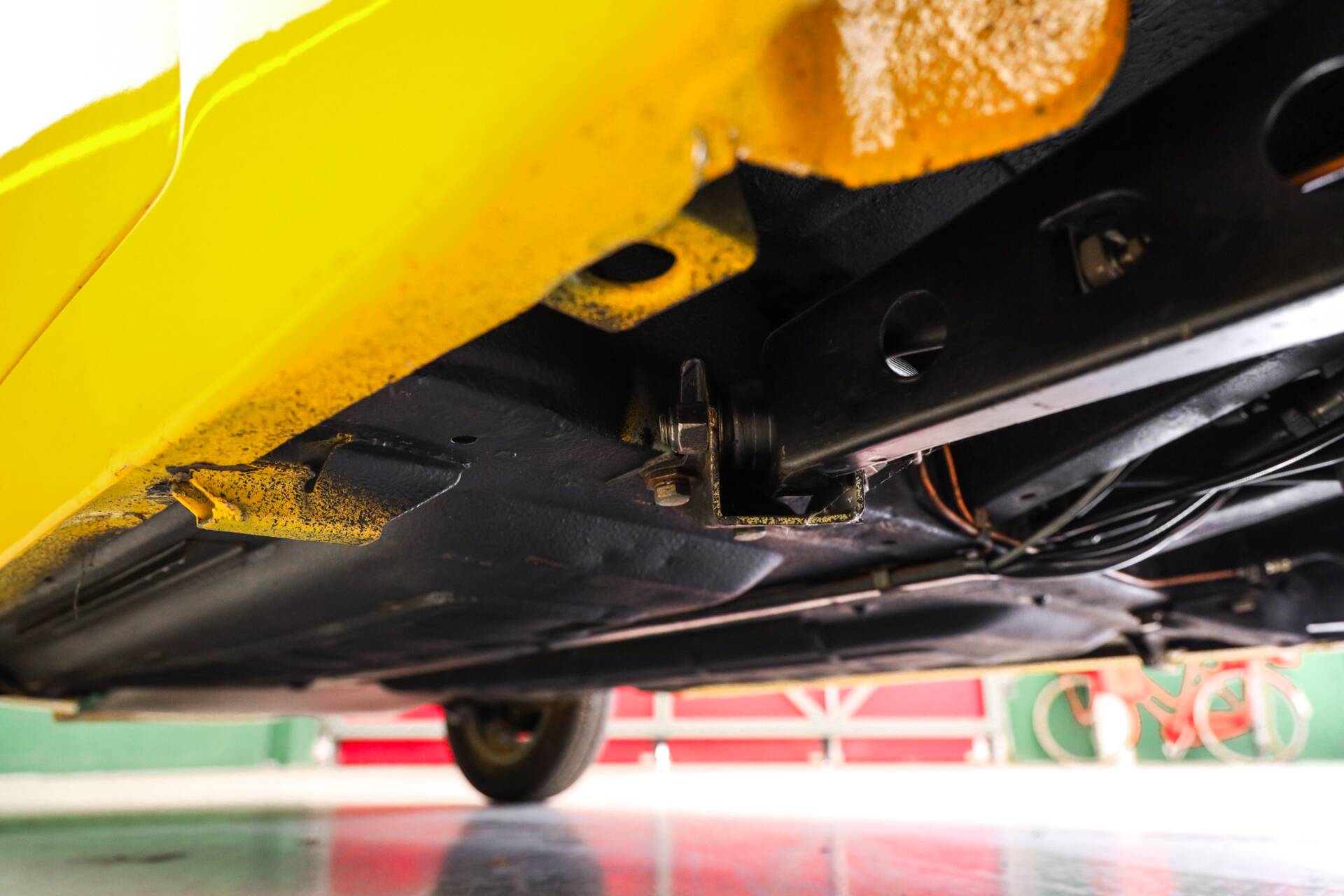
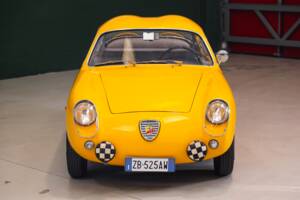
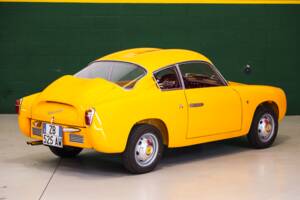
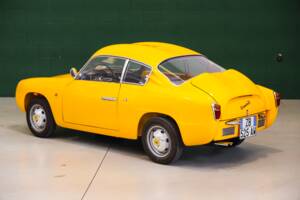
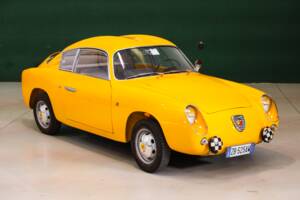
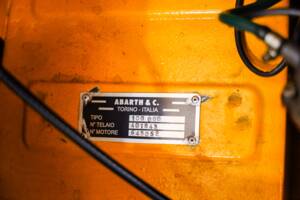
This Abarth Fiat 750 Zagato was manufactured in April 1958 and belongs to that fascinating generation of Italian sports cars in which lightweight construction, aerodynamics, and mechanical sophistication were more important than sheer power. According to the available documentation, the vehicle was first registered in the United States and only later returned to Europe. The current owner acquired the car in 2000 from an Italian previous owner who had imported it from the USA. At that time, the car was in very poor condition and required a complete restoration, which took approximately four years and was completed prior to its Italian registration in 2020.
🏛️ General Information / Model History
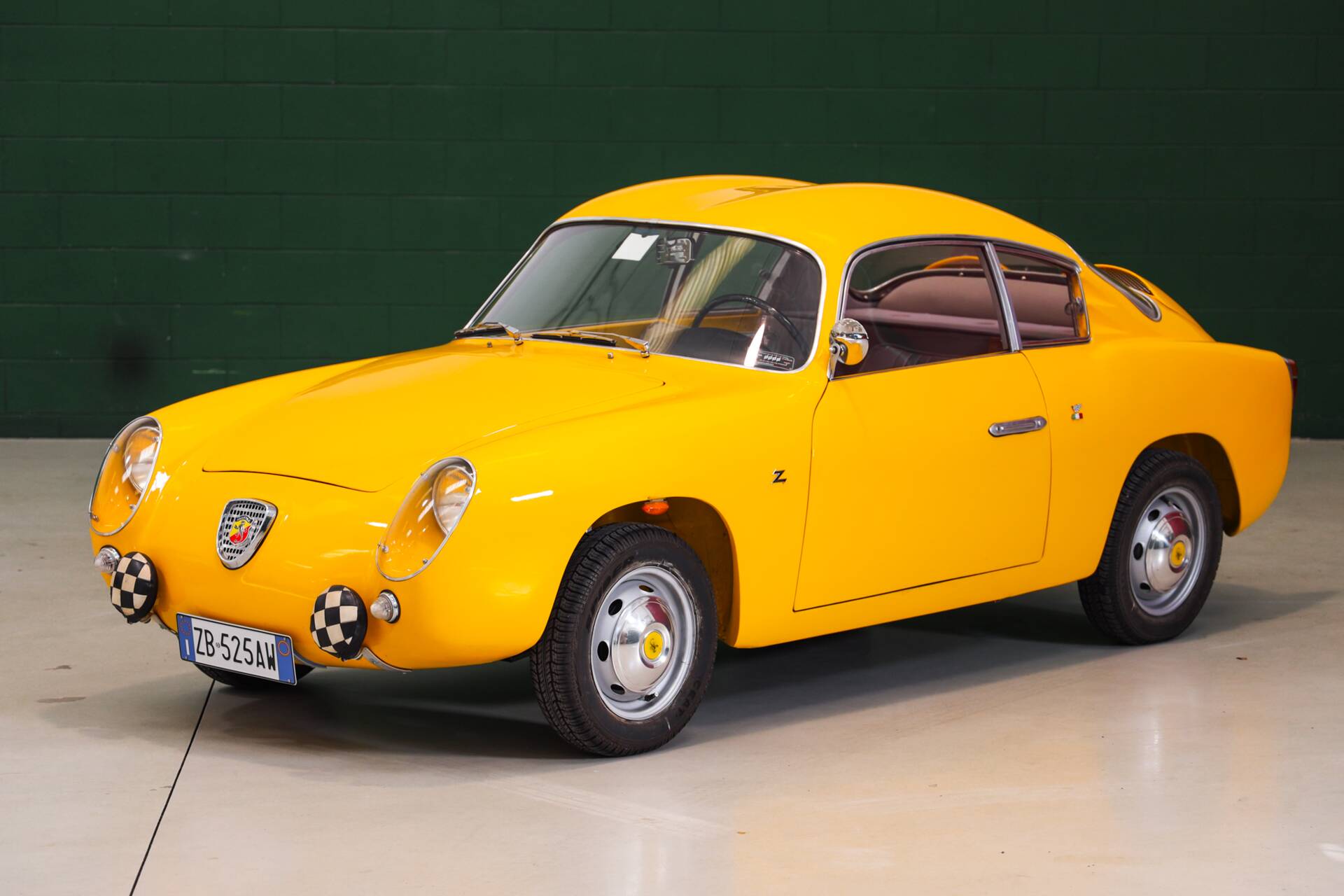
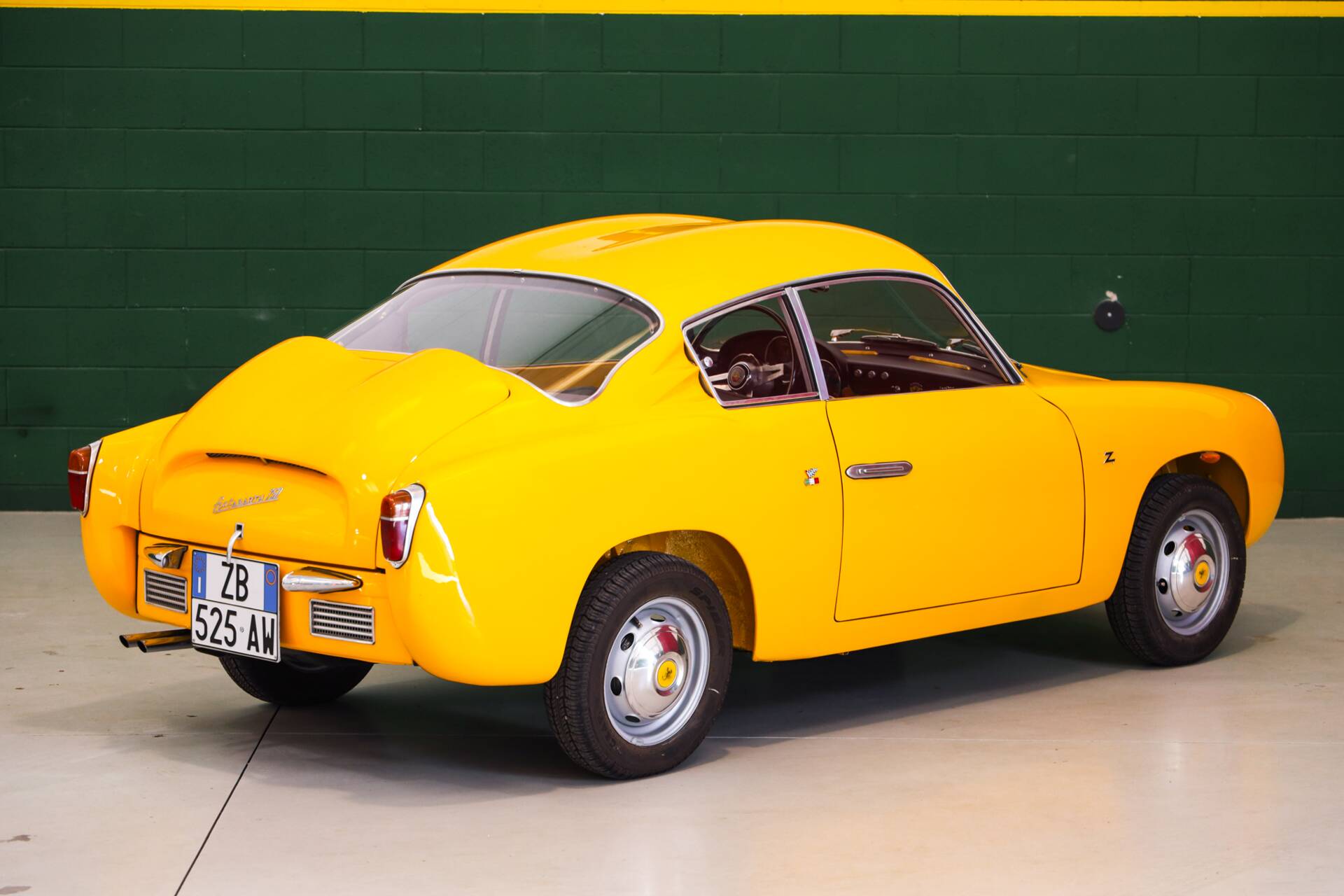
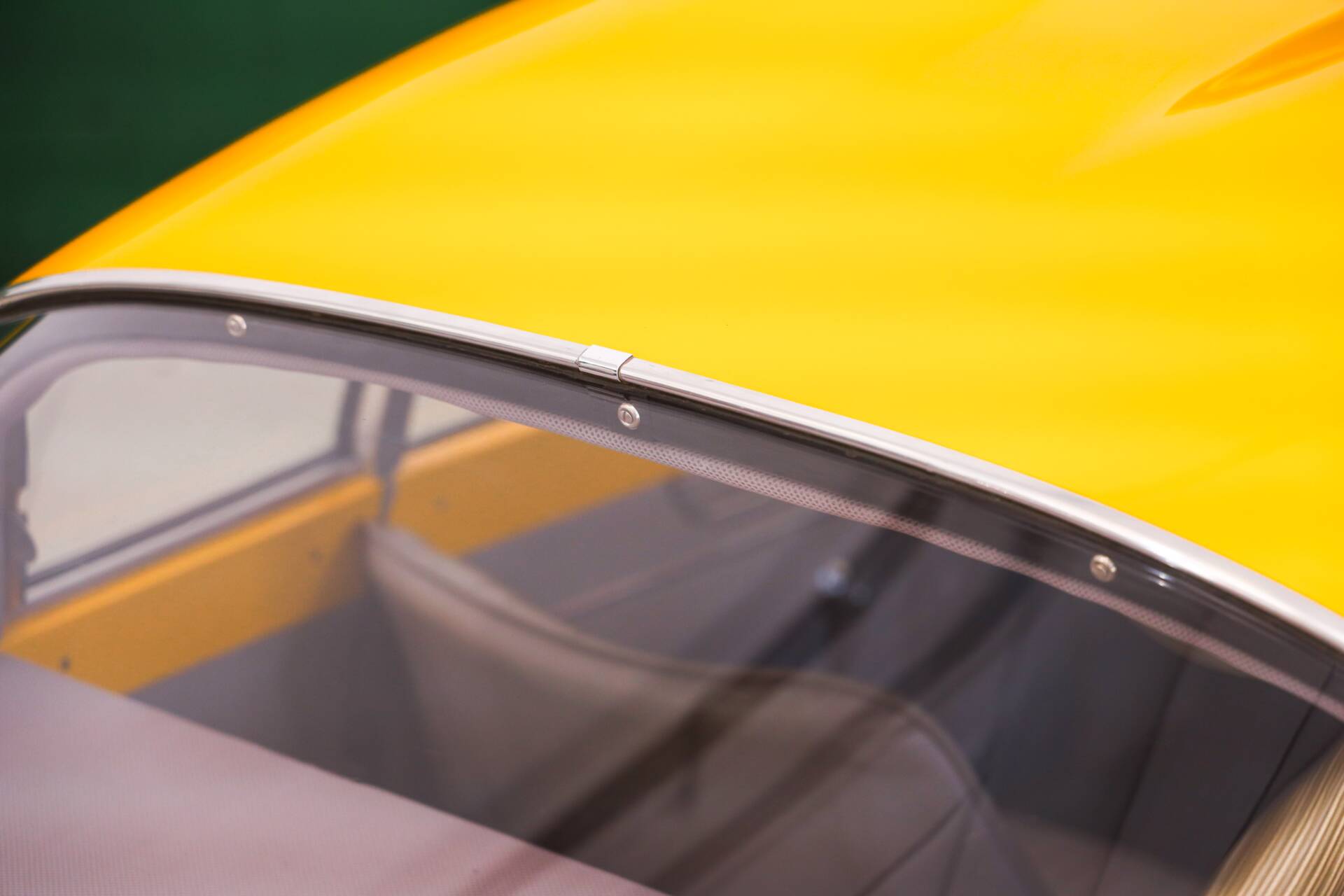
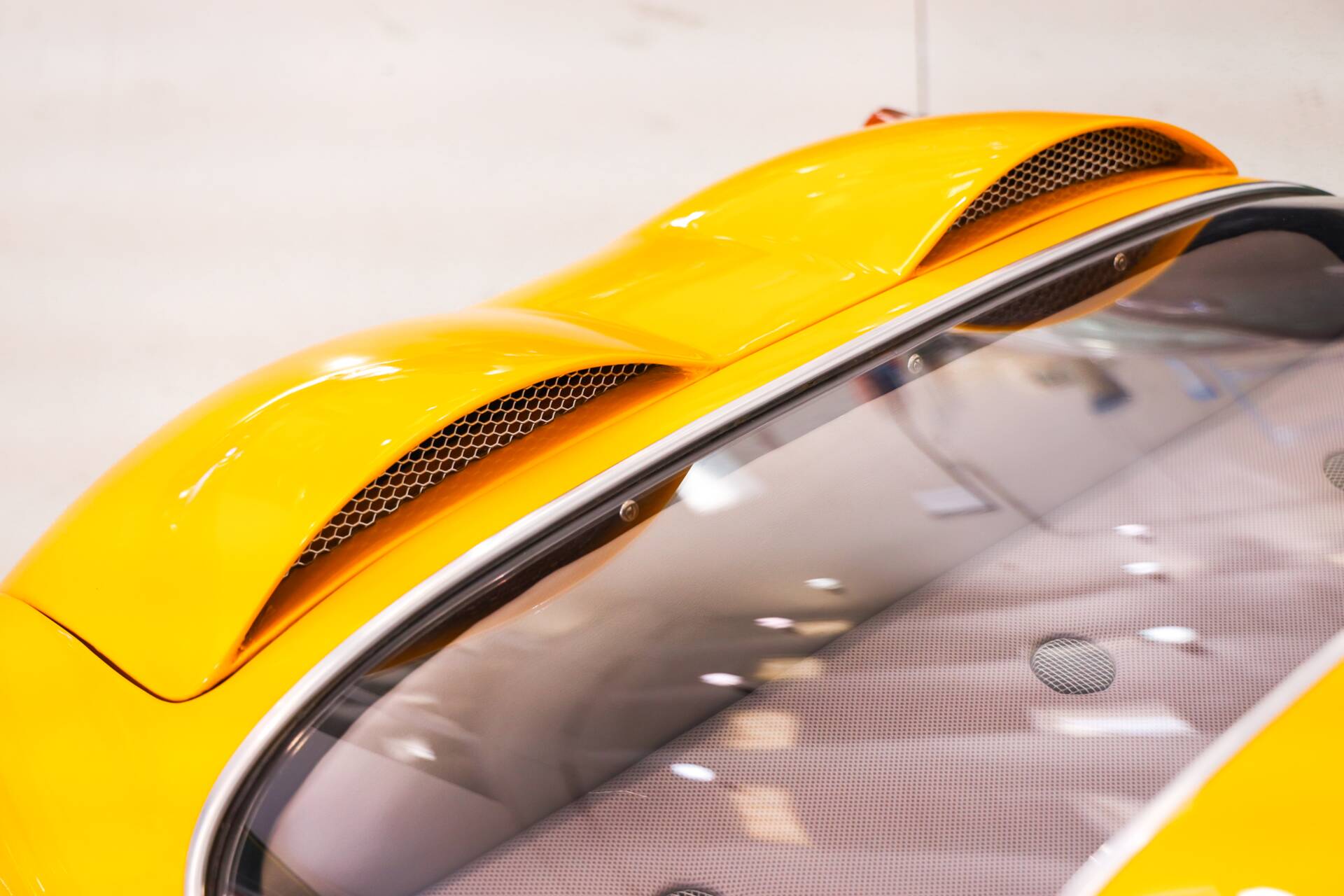
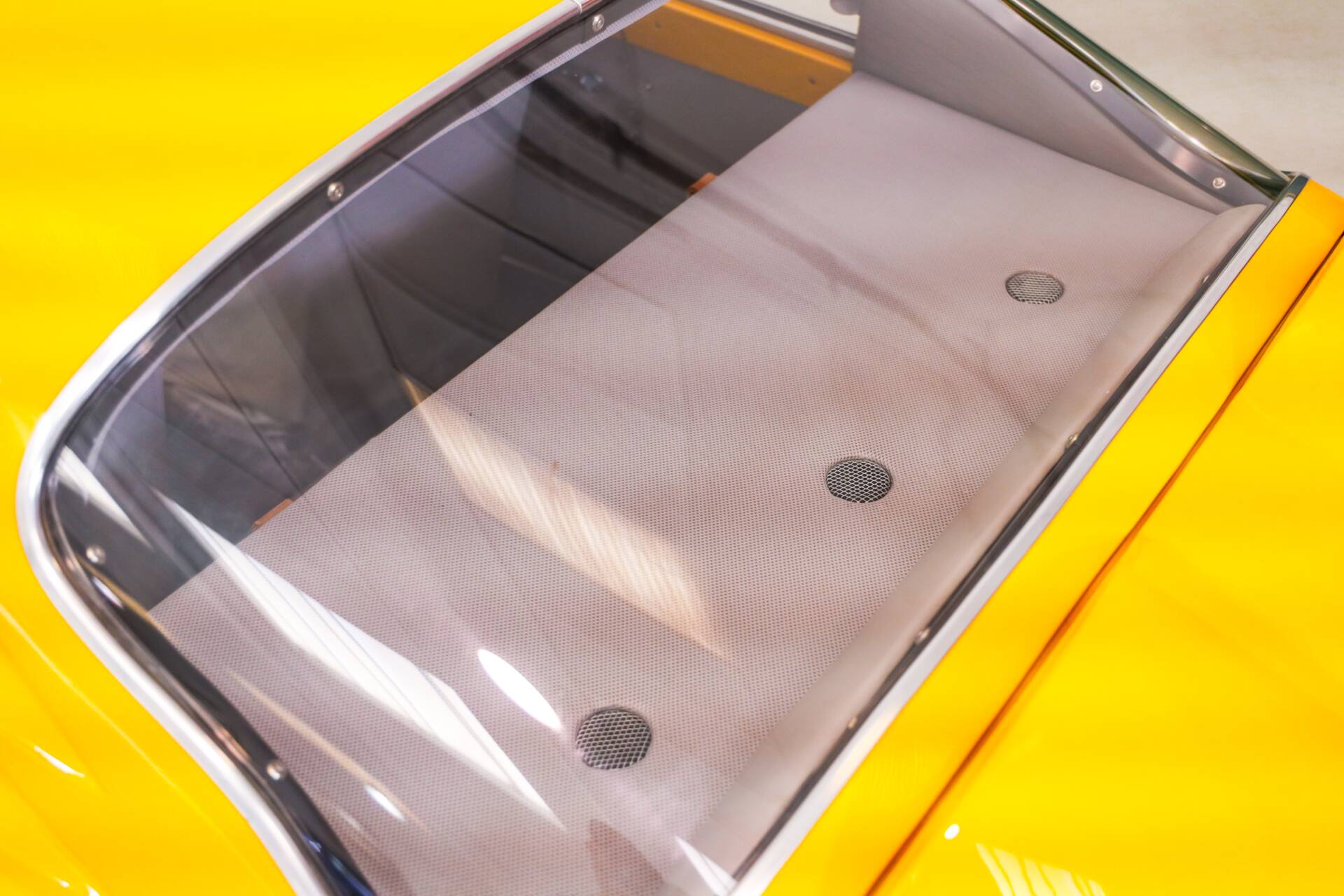
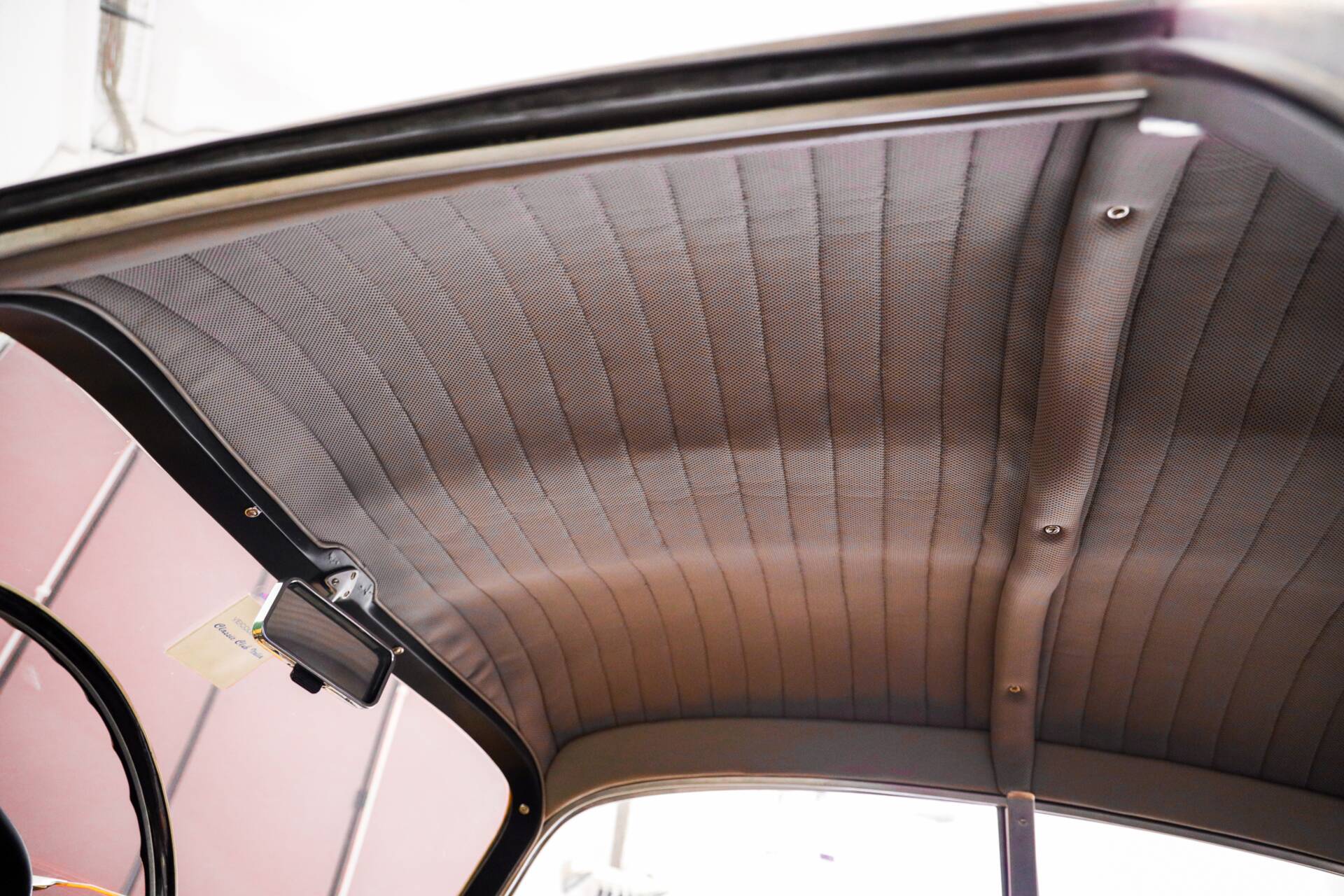
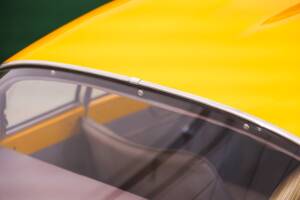
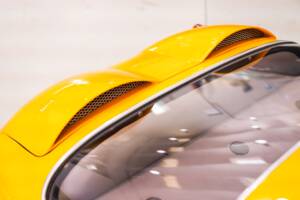
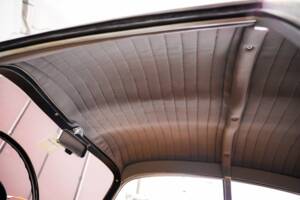
The Abarth Fiat 750 Zagato is a prime example of the fruitful collaboration between Carlo Abarth and Carrozzeria Zagato. Based on the small Fiat 750 mechanical platform, uncompromisingly lightweight sports cars were created in the late 1950s that impressed both on the road and in motorsport. Zagato contributed not only the characteristic aluminum bodywork but also aerodynamic solutions such as the famous “Double Bubble” roof, which optimized both headroom and air resistance.
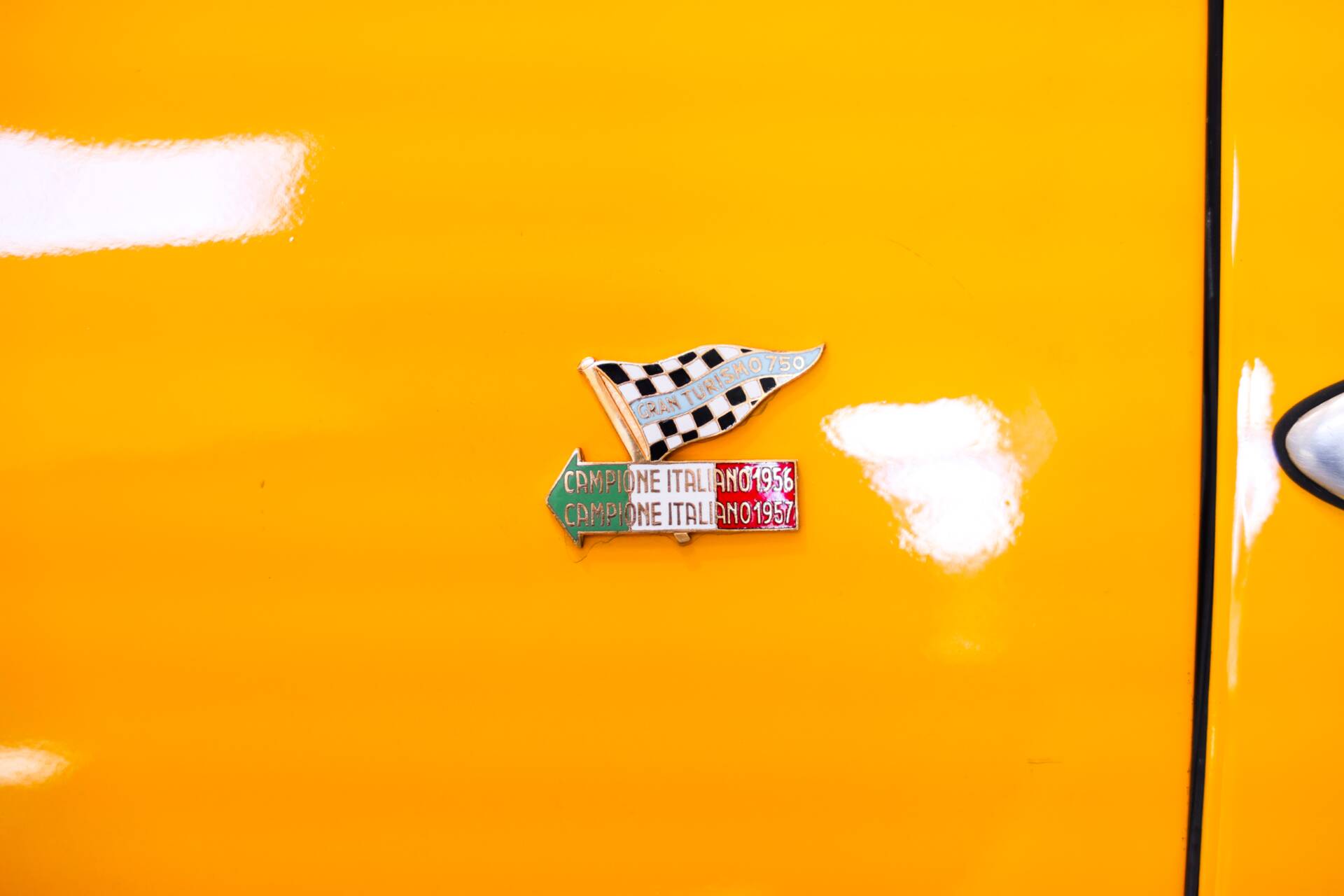
The 750 Zagato was never a volume production model. It was aimed at ambitious private drivers, gentleman racers, and enthusiasts who wanted to be competitive in higher classes with relatively modest displacement. The combination of low weight, a high-revving engine, and precise handling made these cars serious contenders in hill climbs, endurance races, and national championships. Accordingly, authentically restored examples with clear history are rare today.
This Vehicle
Exterior
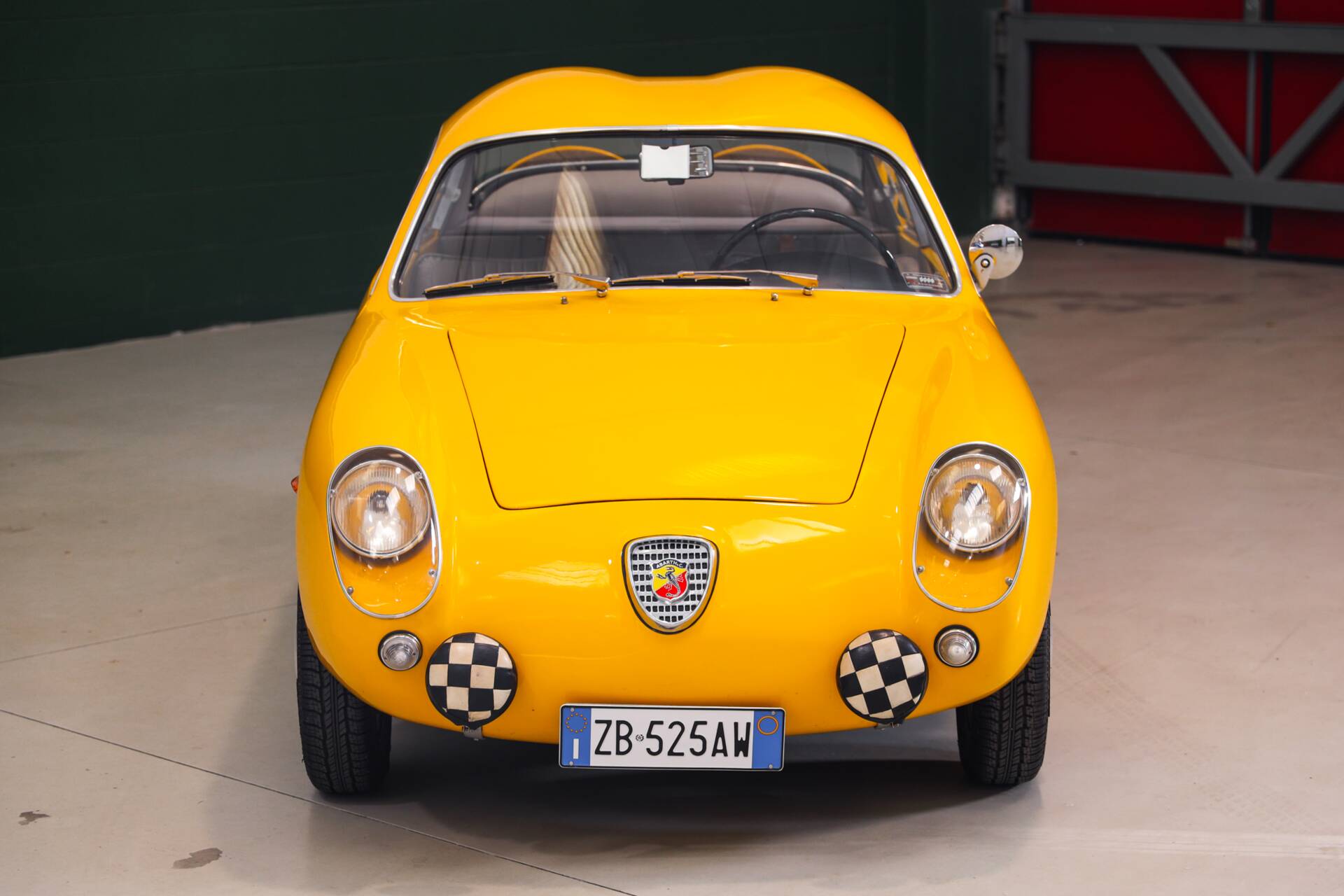
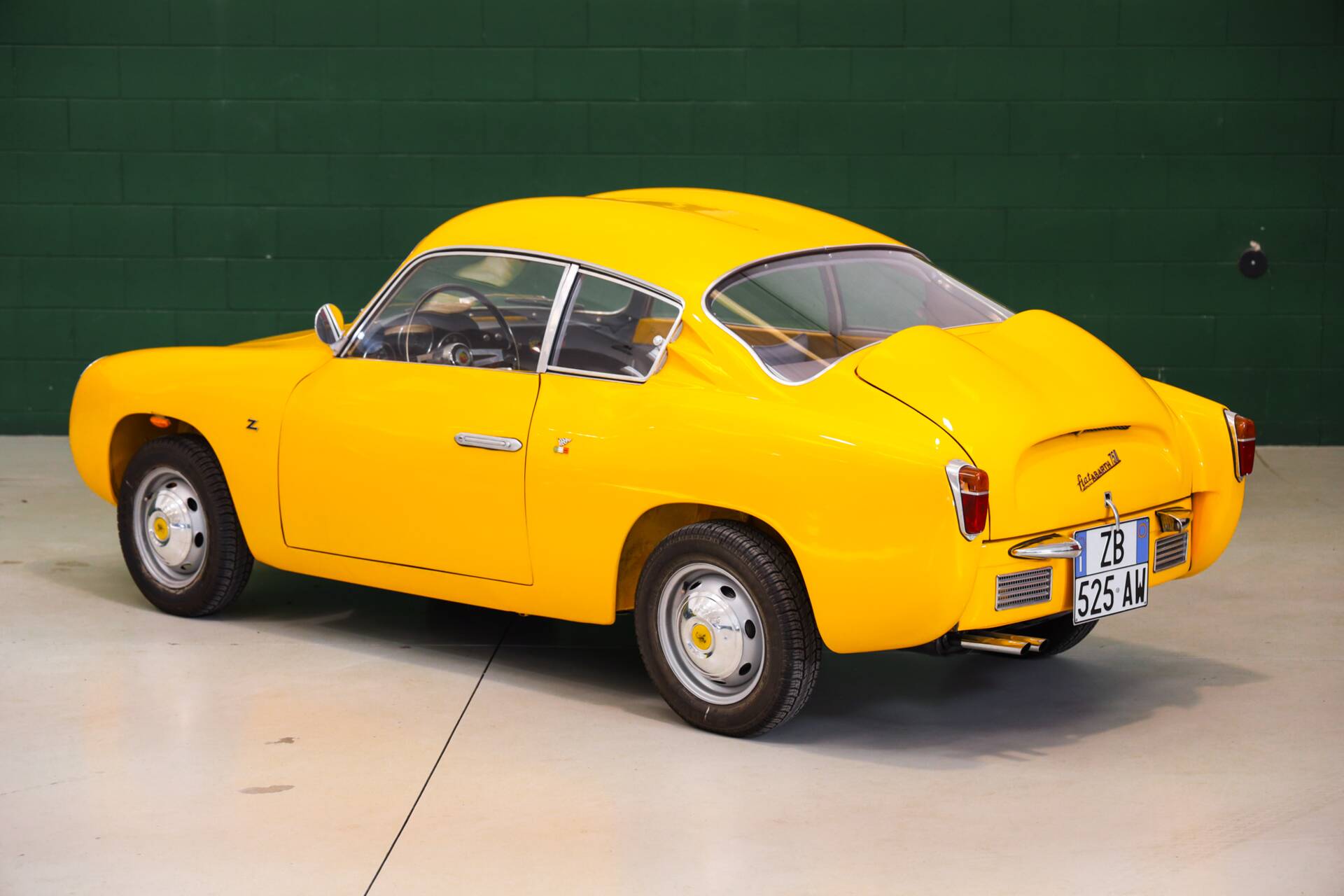
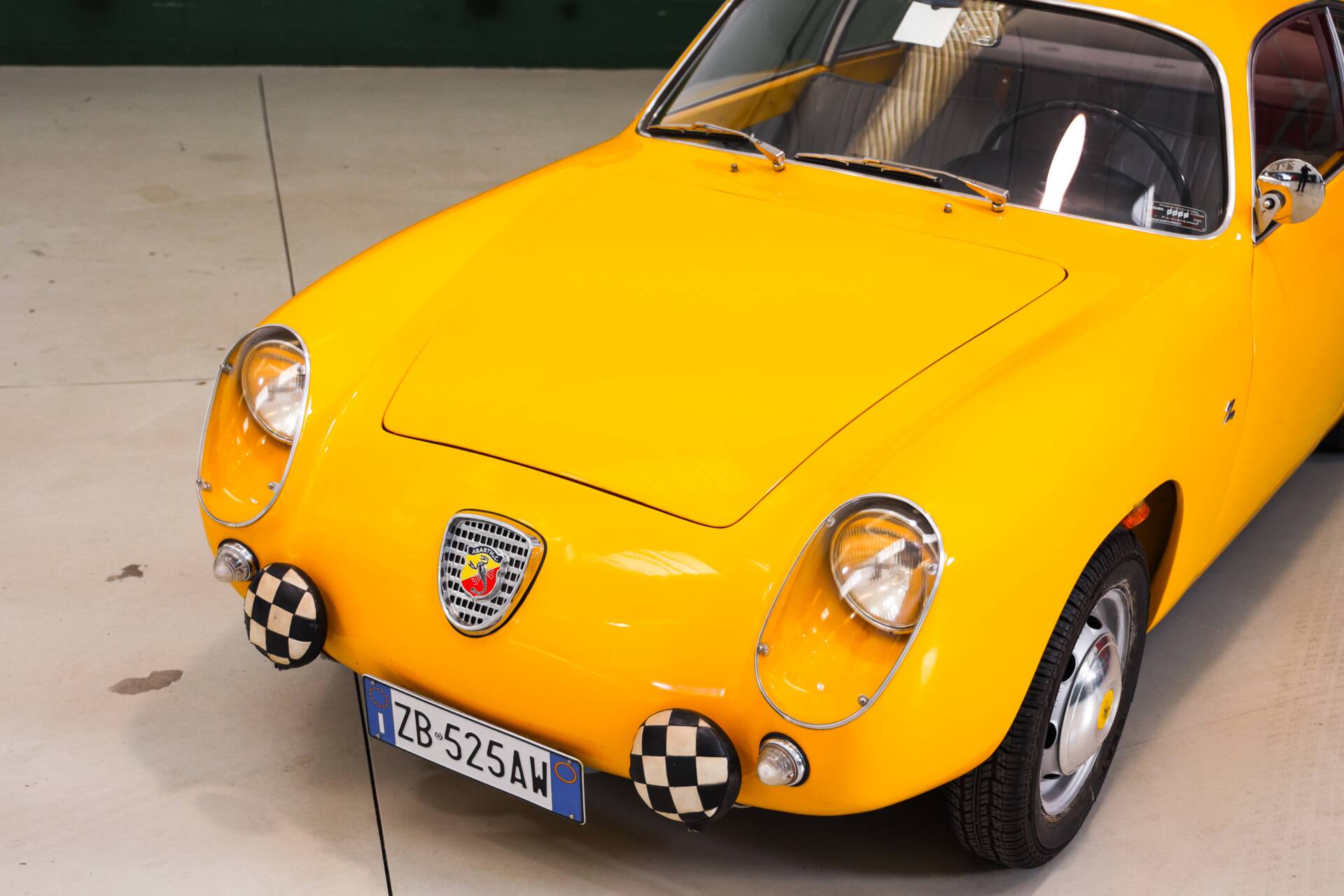
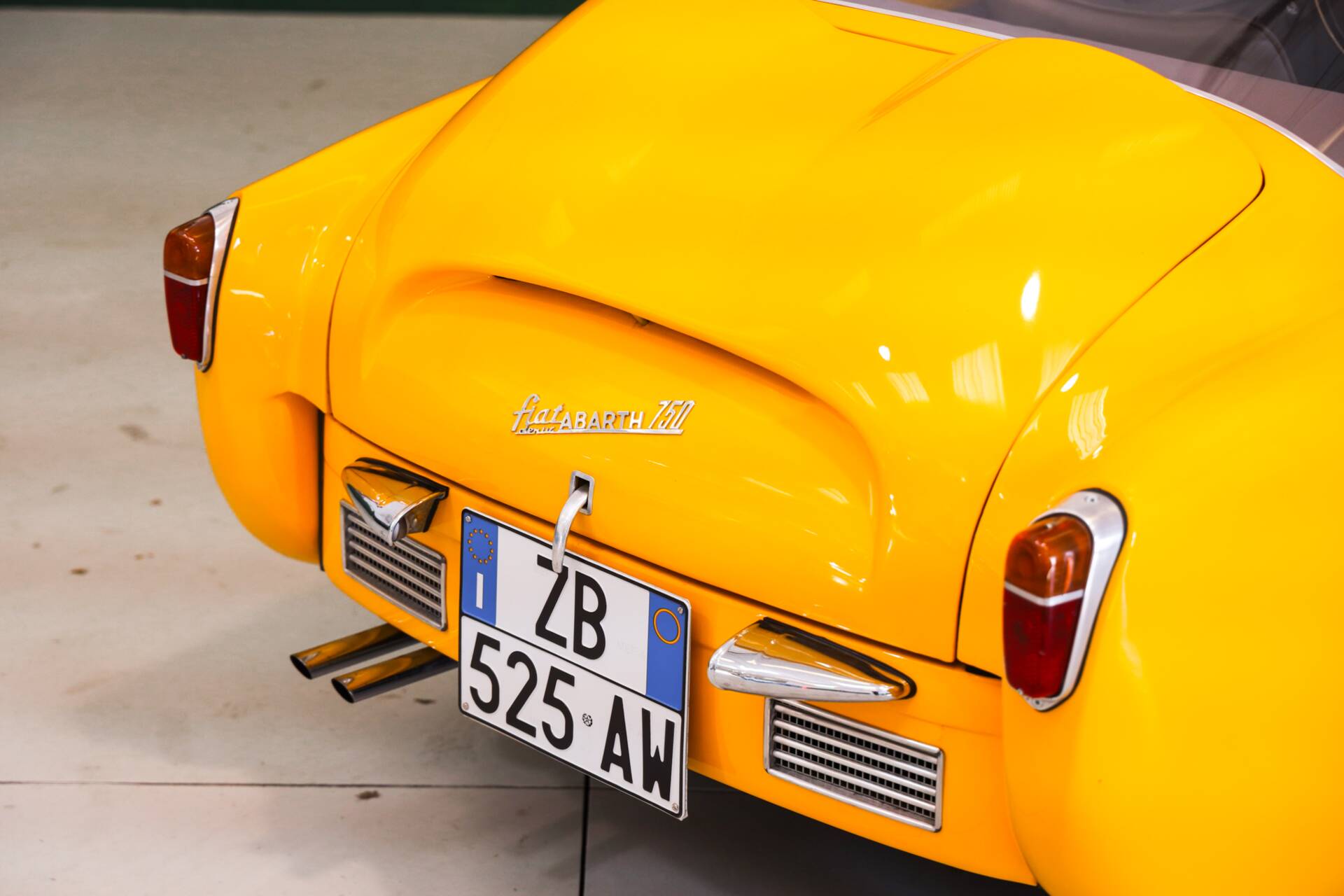
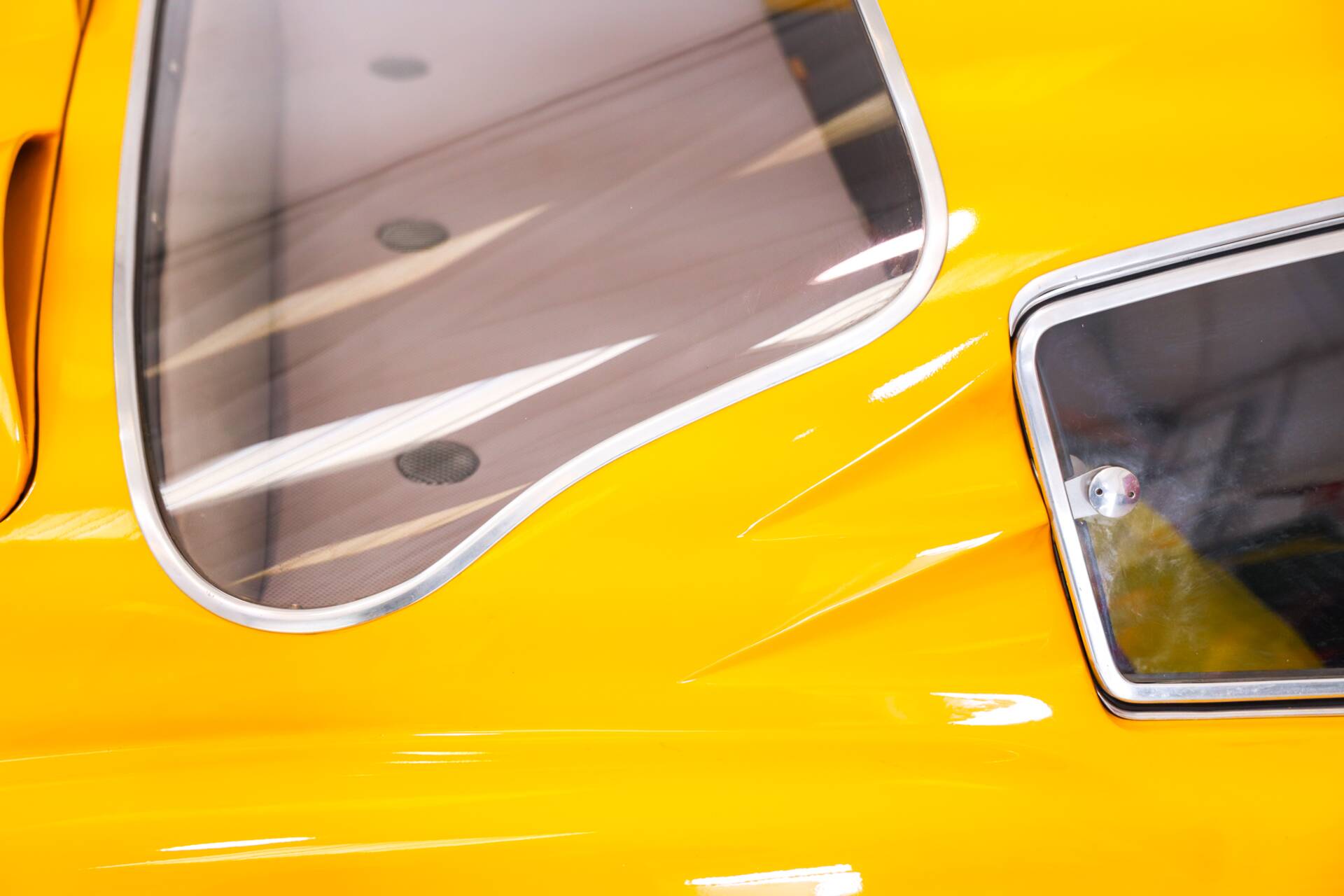
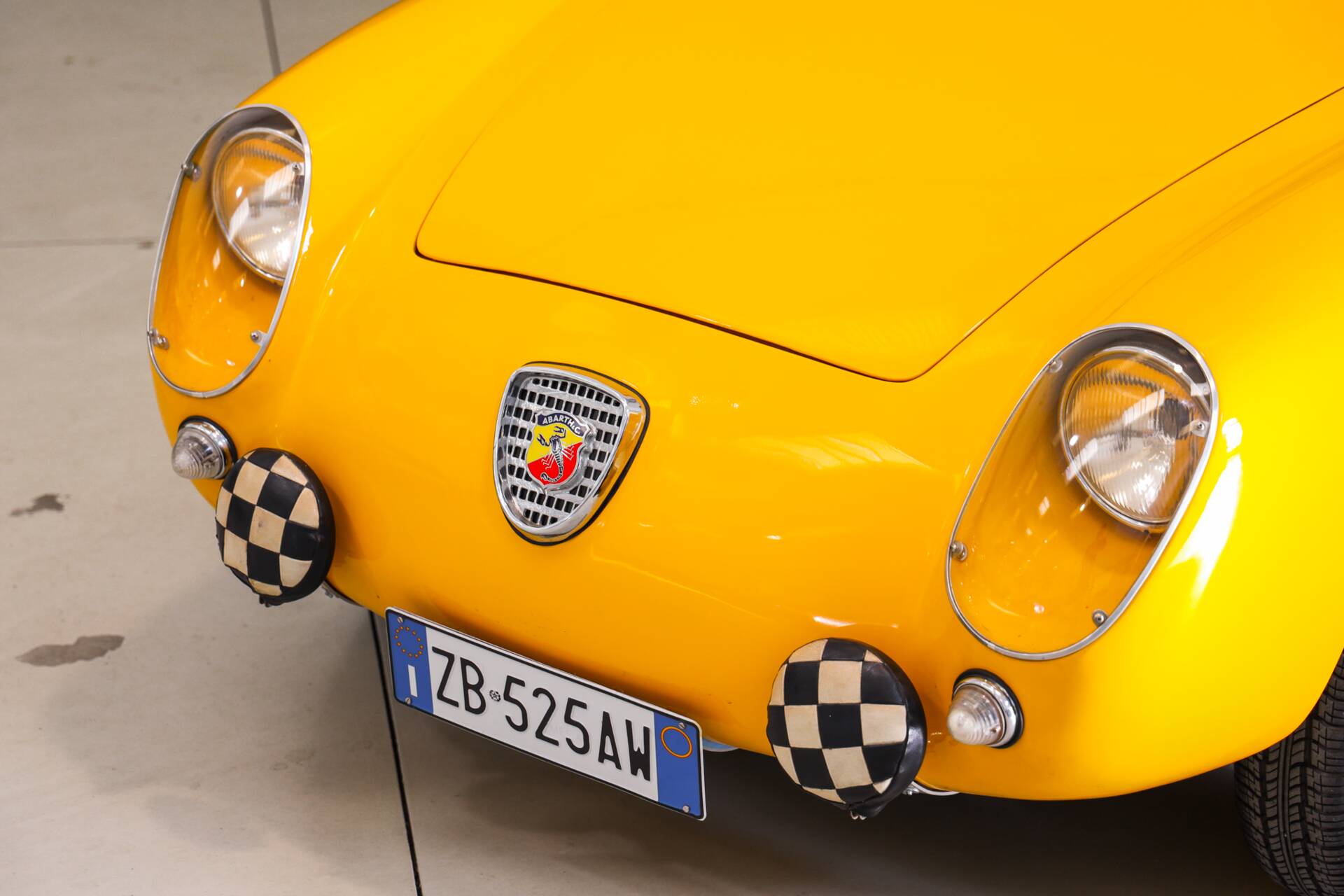
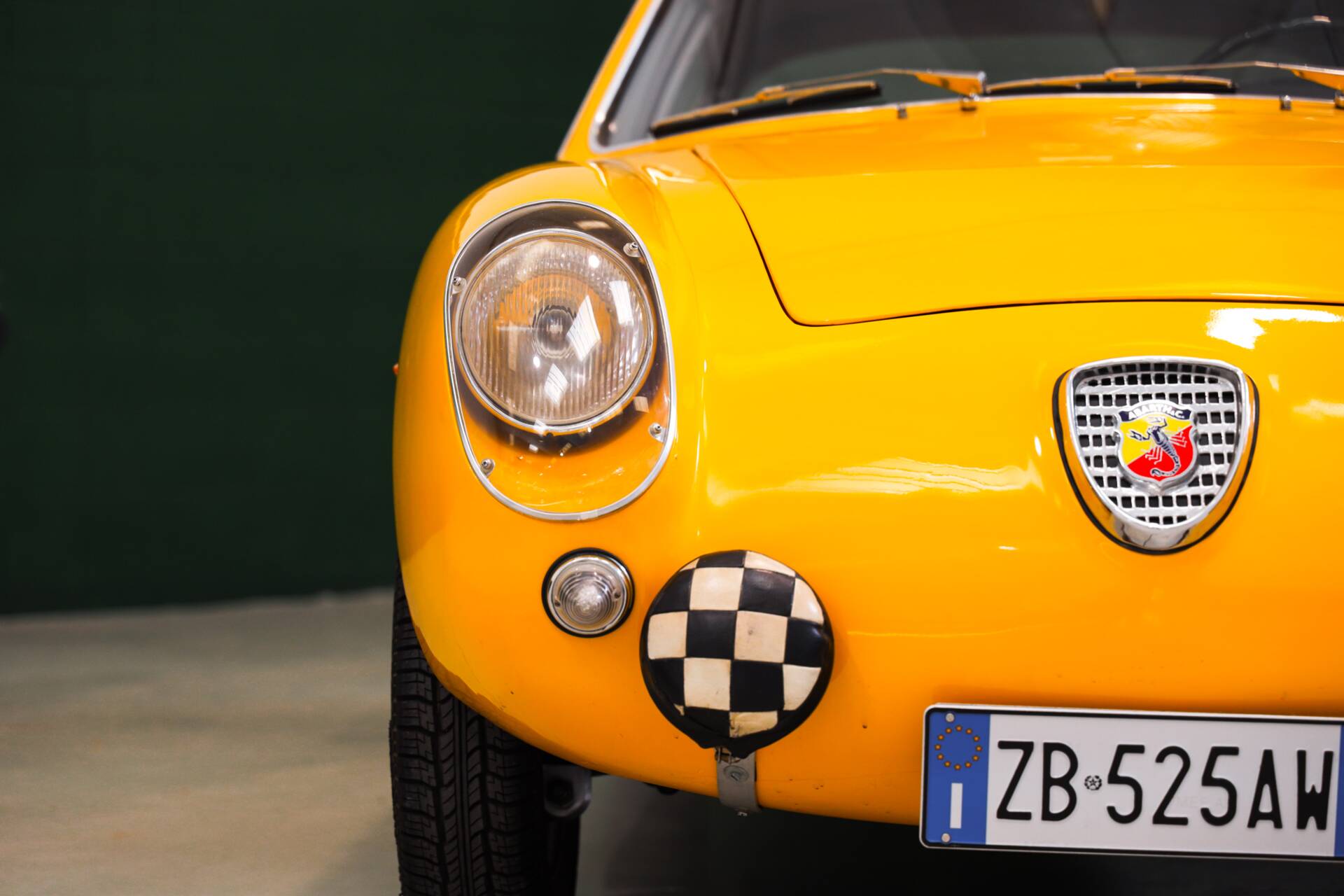
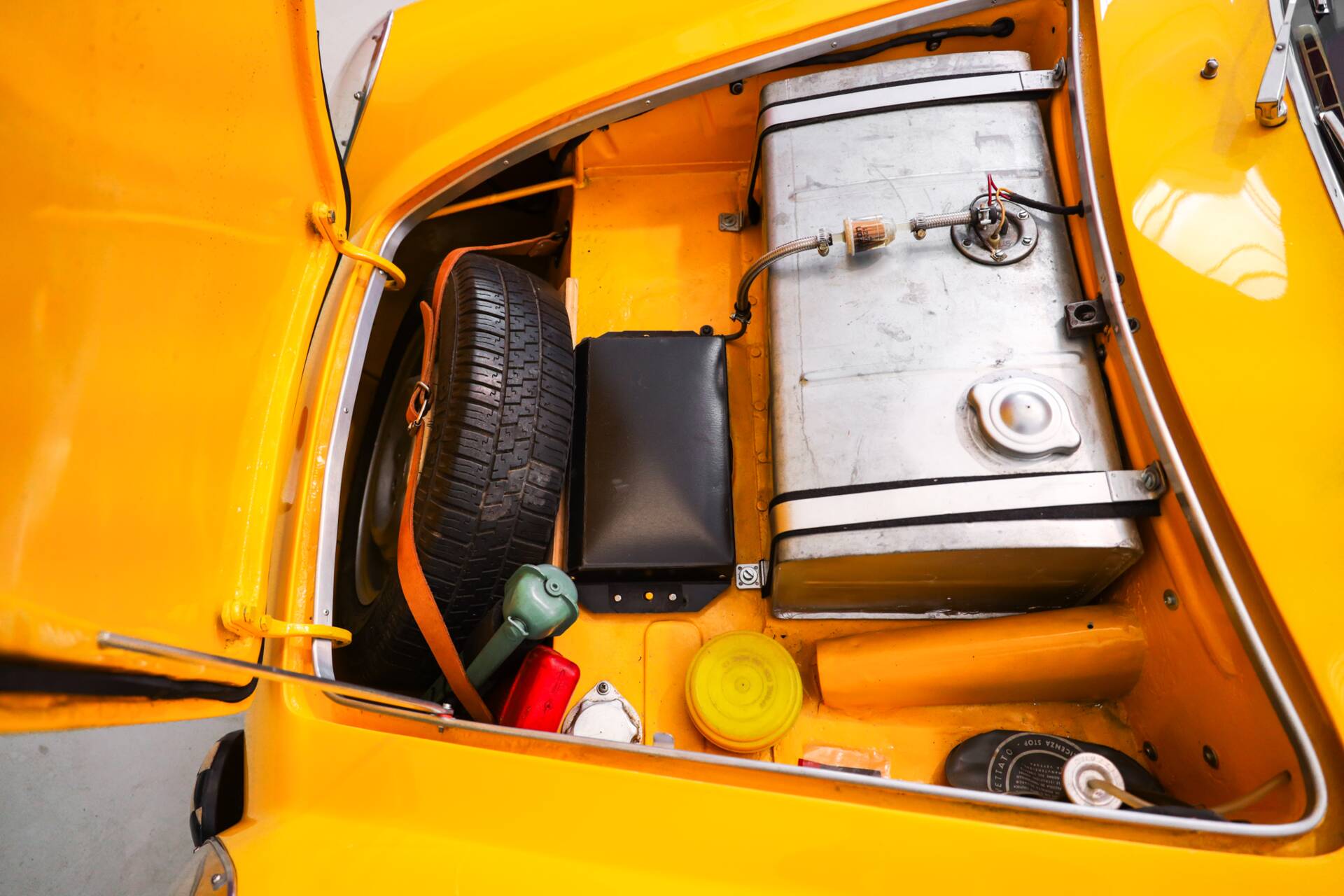
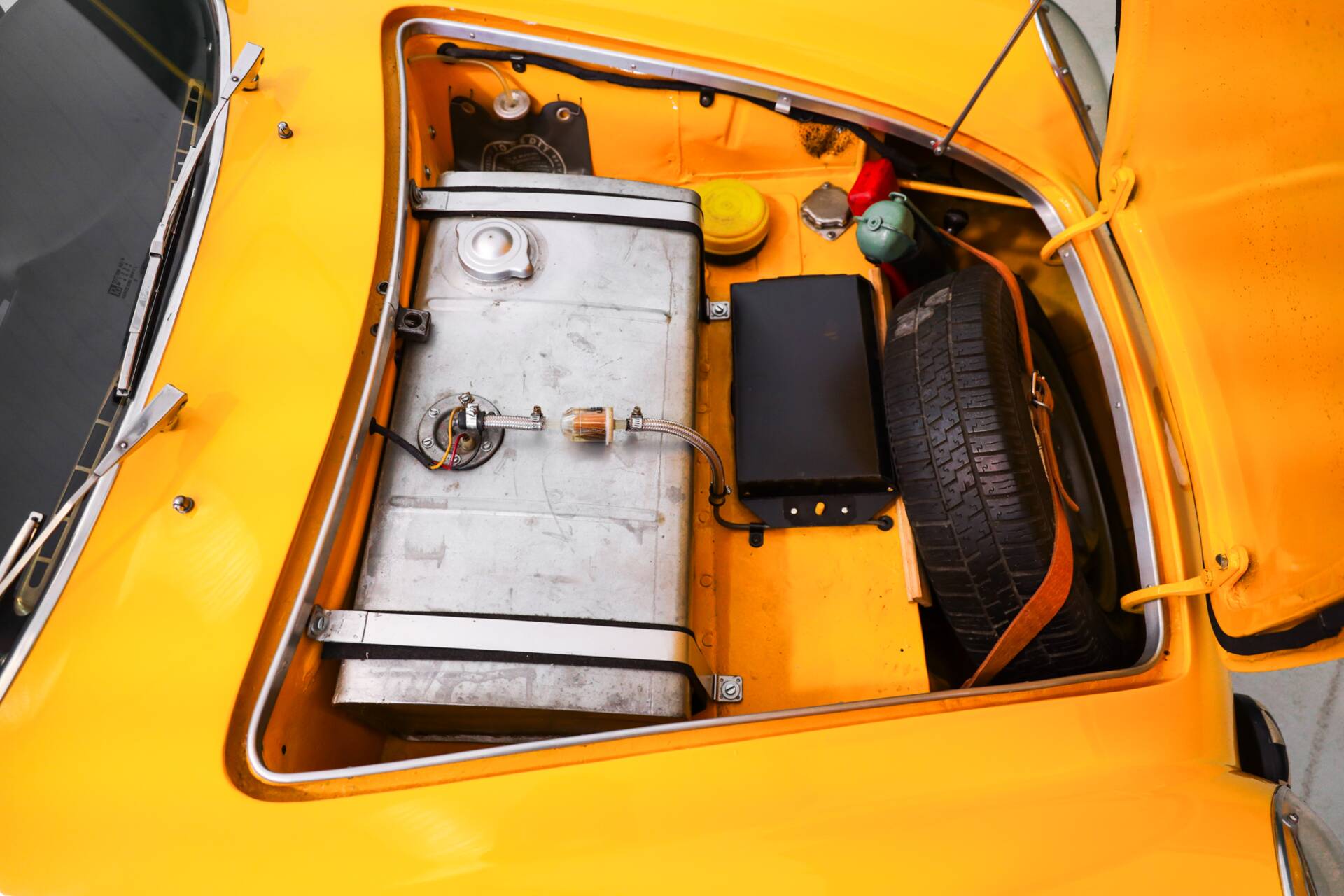
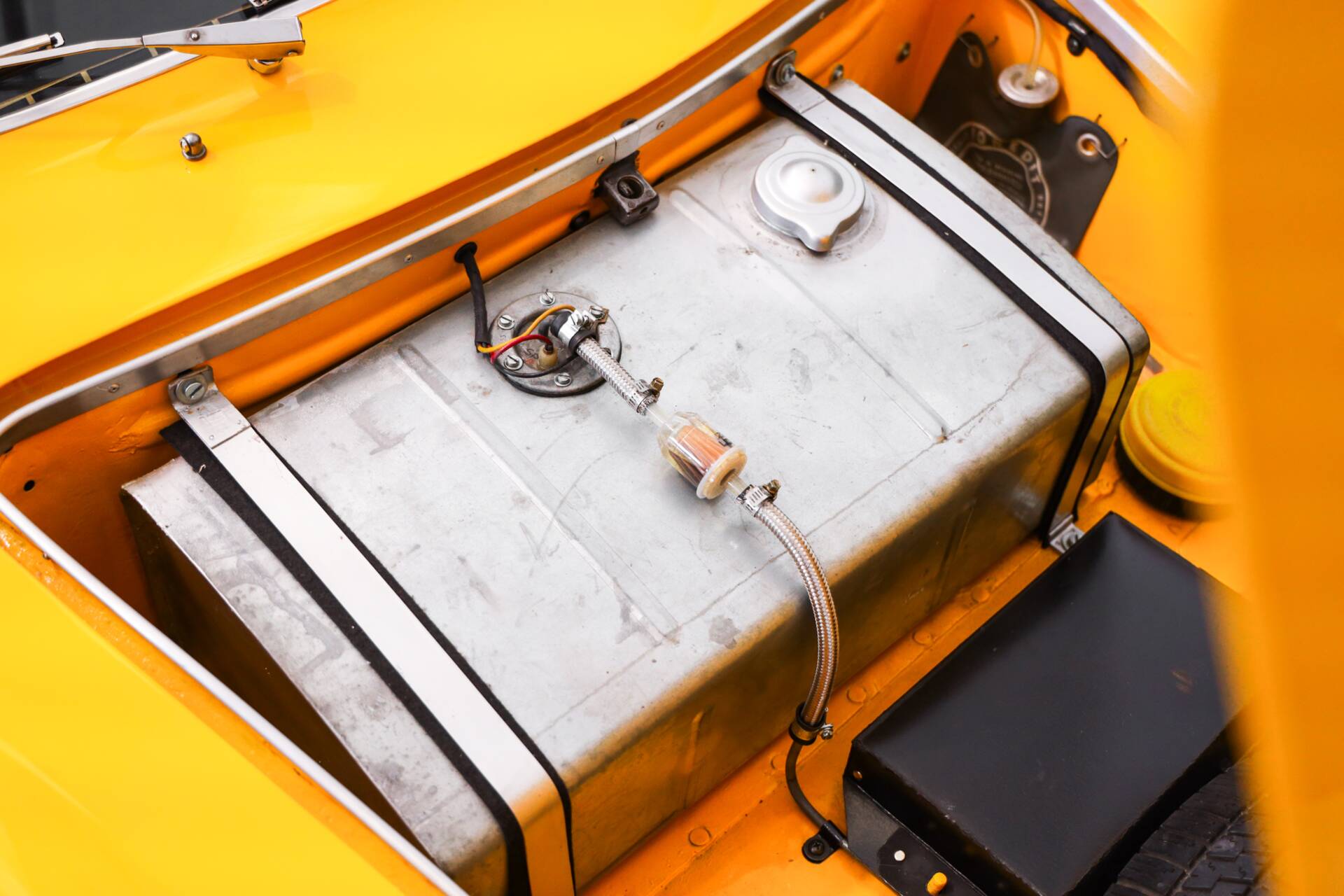
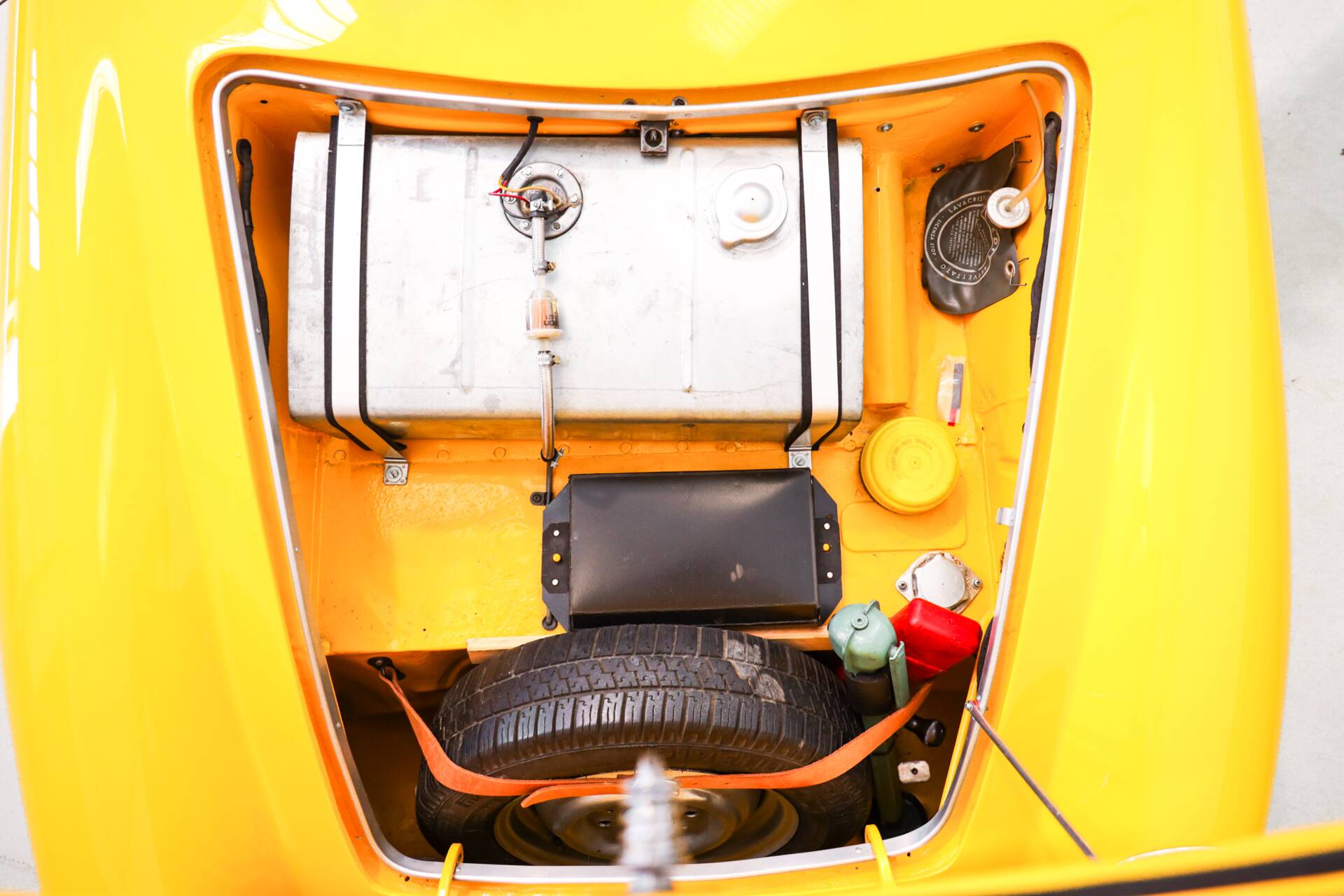
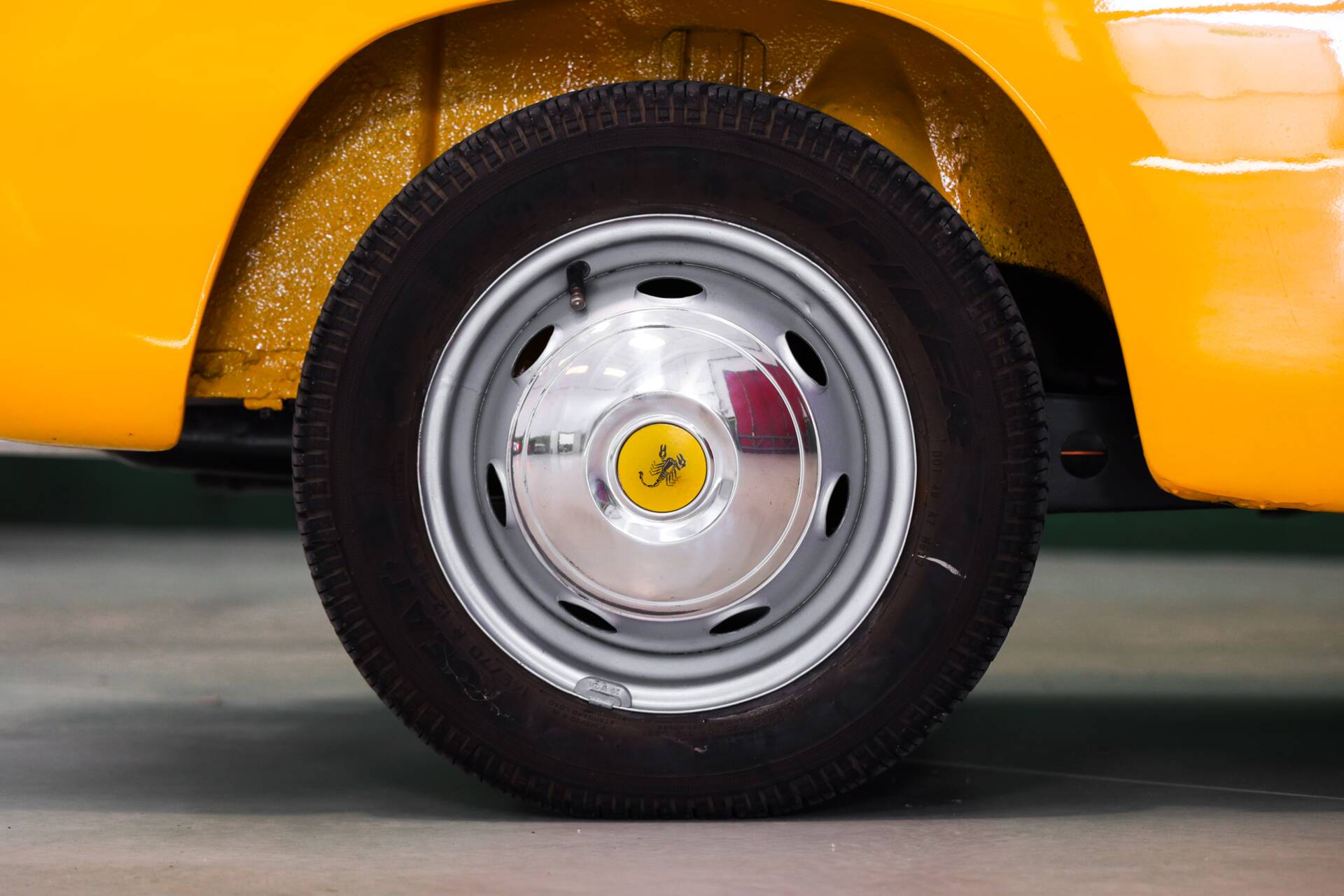
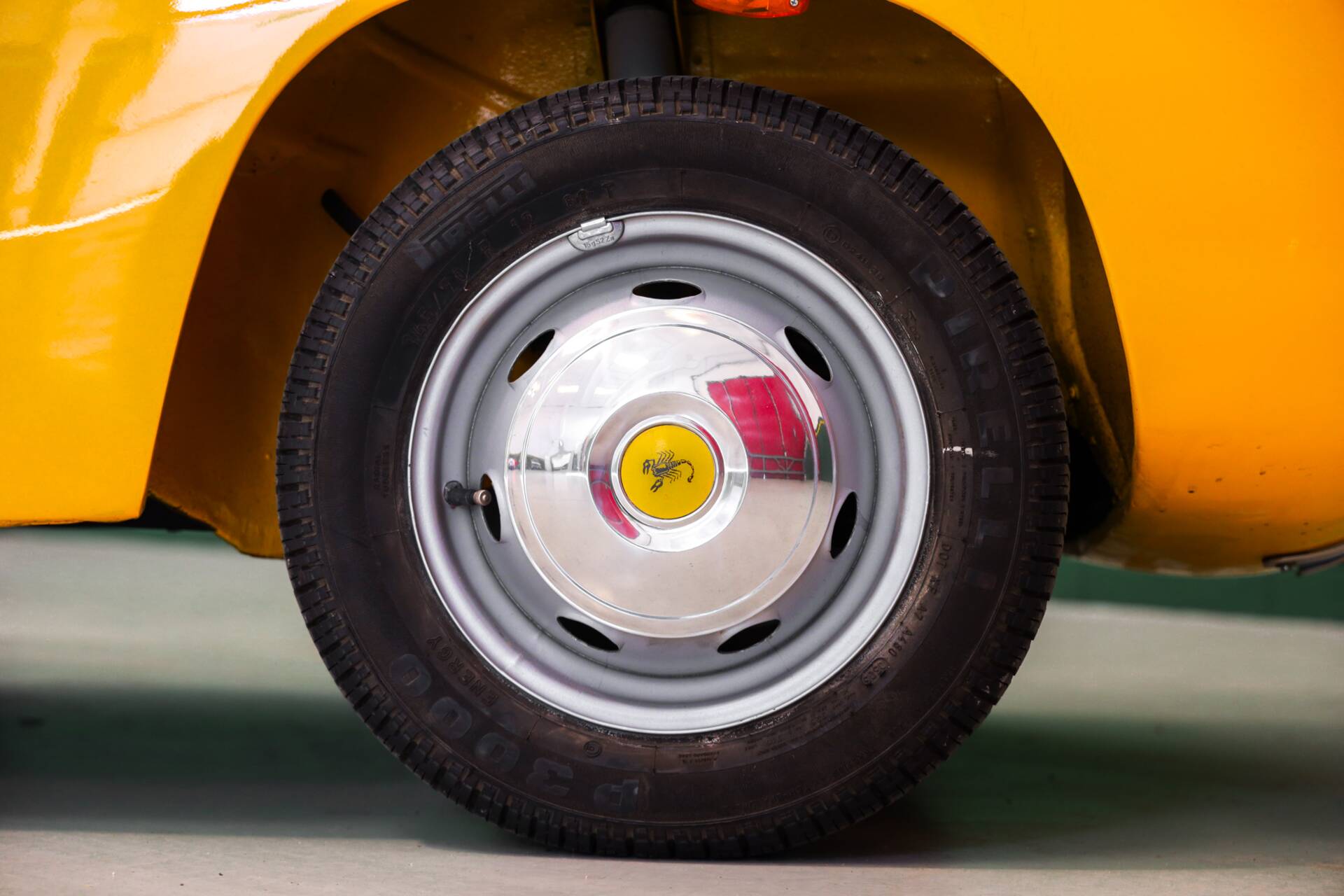
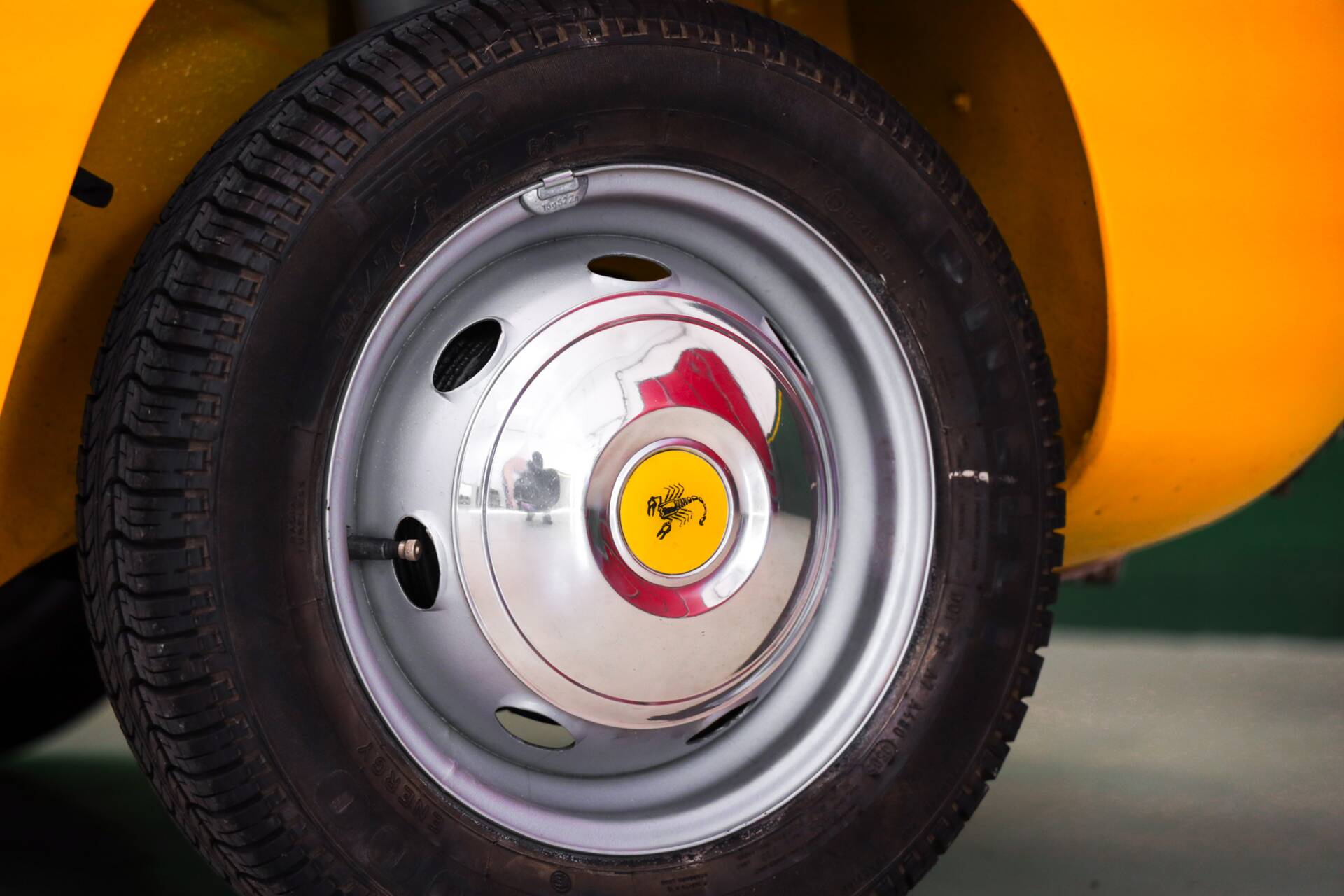
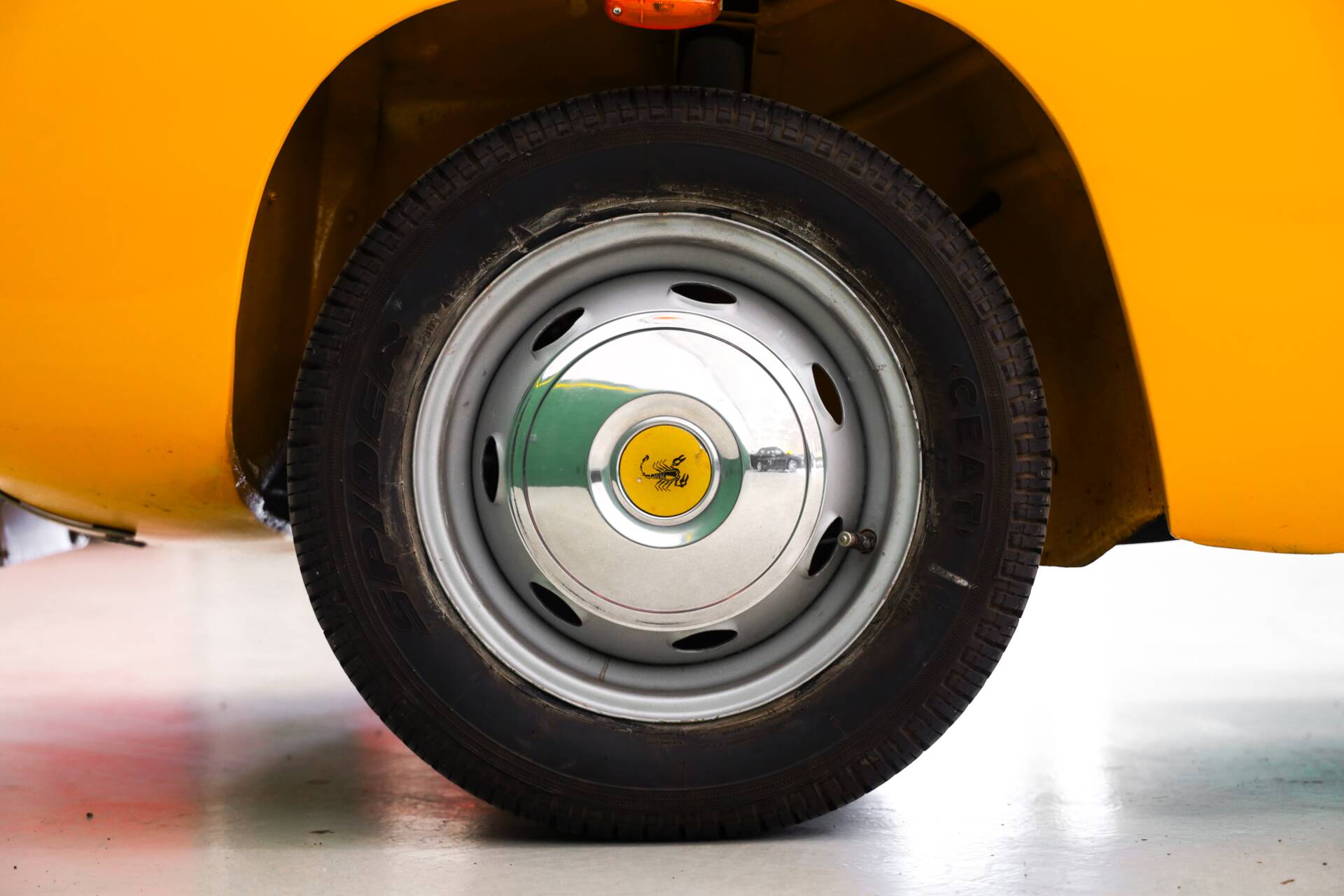
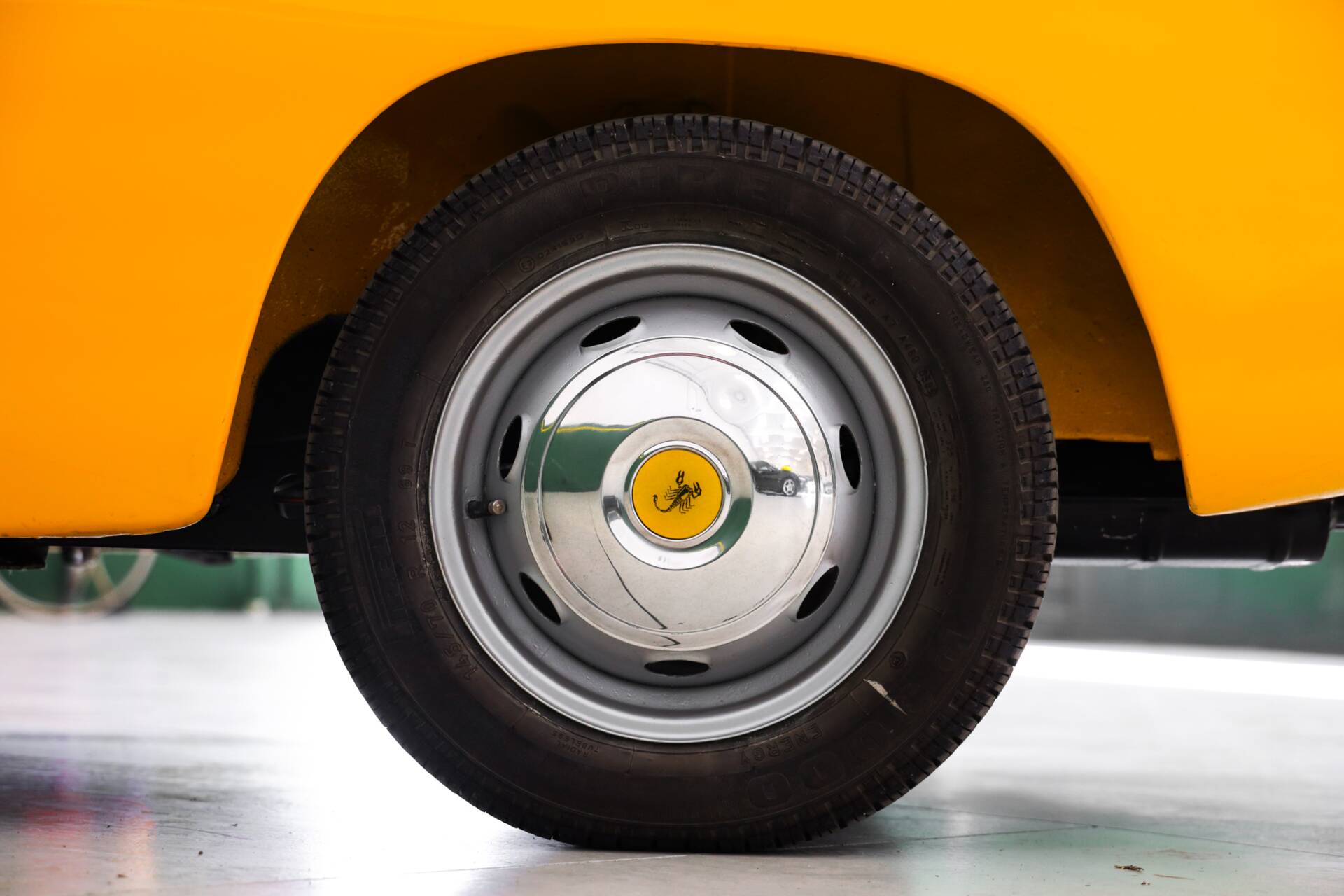
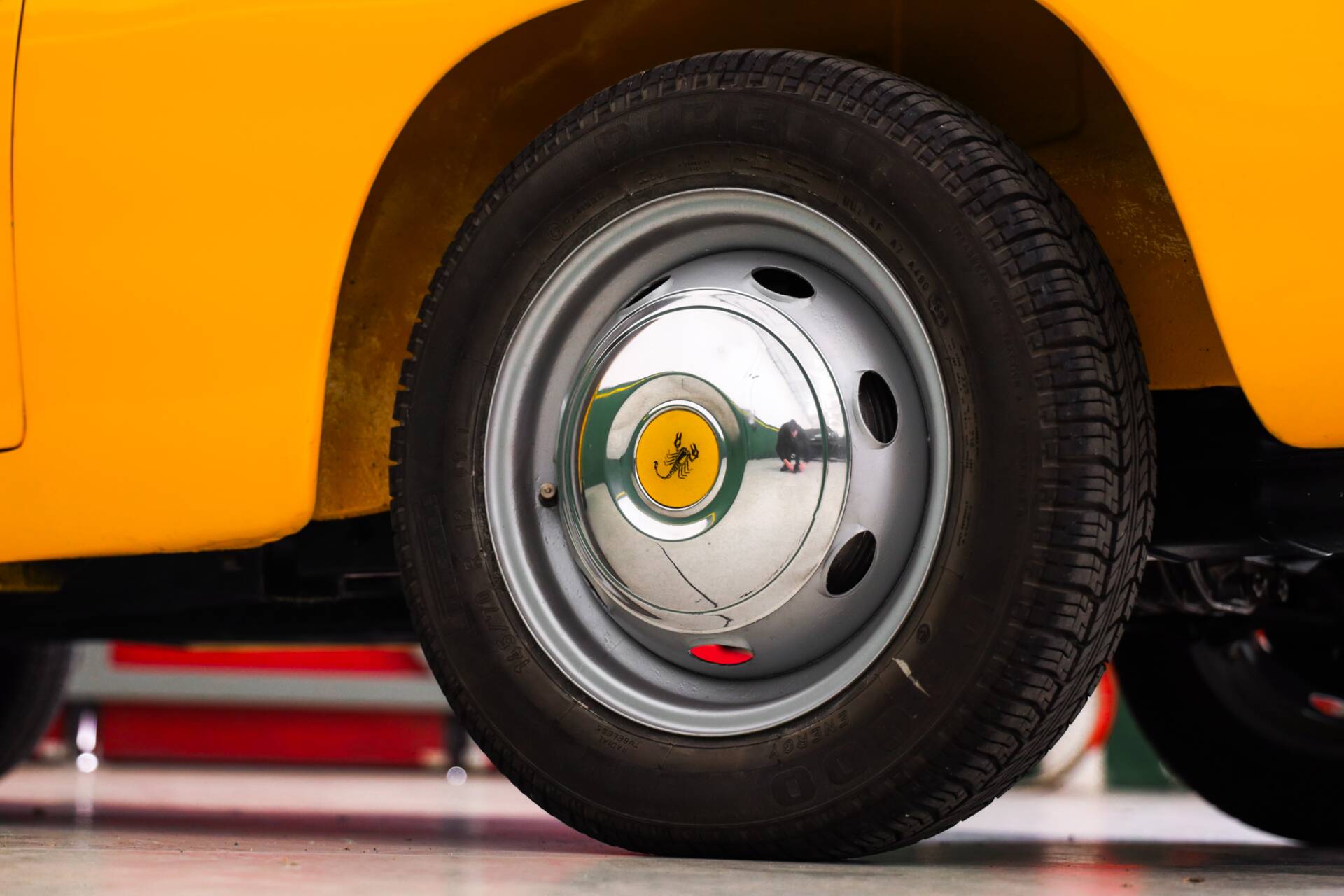
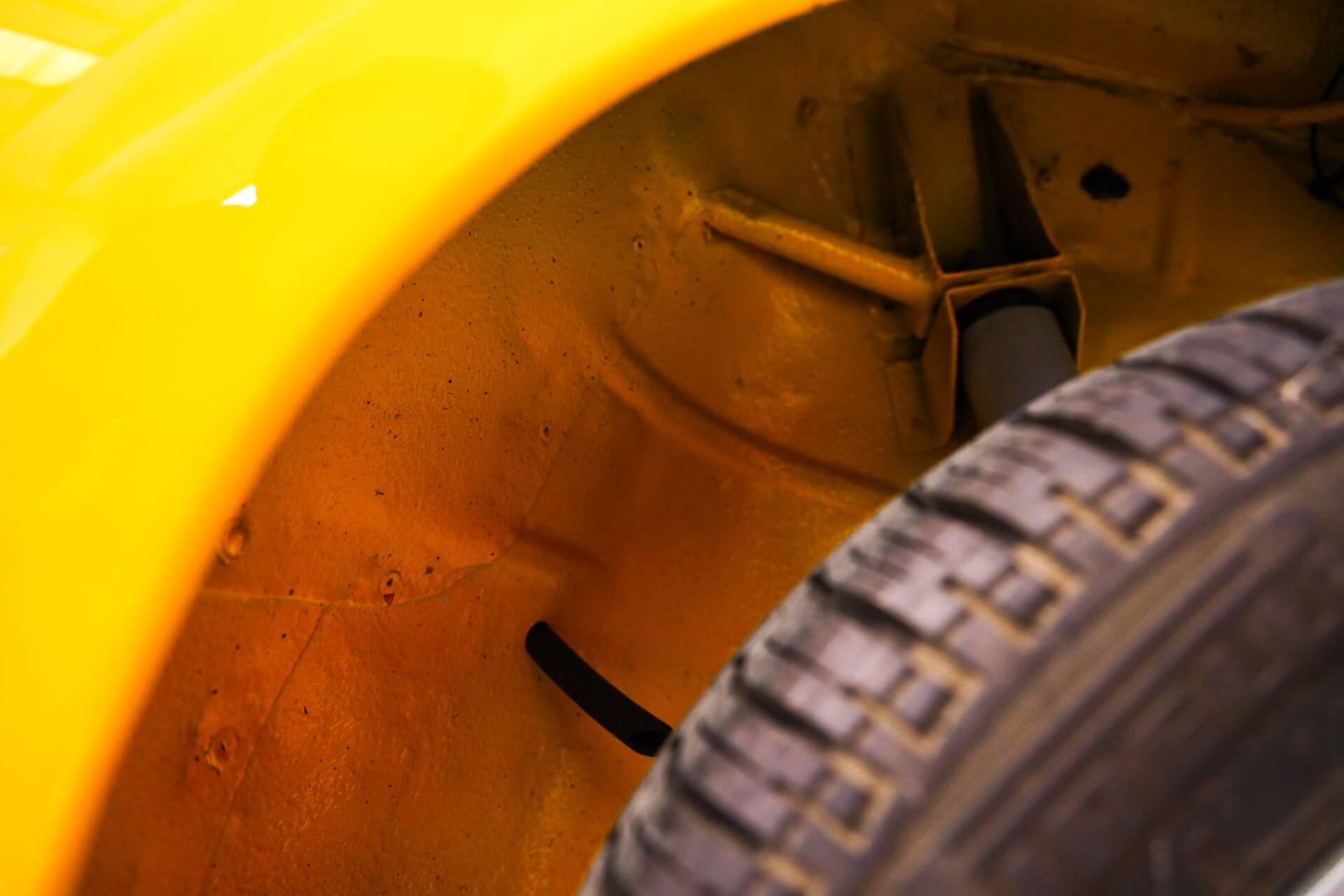
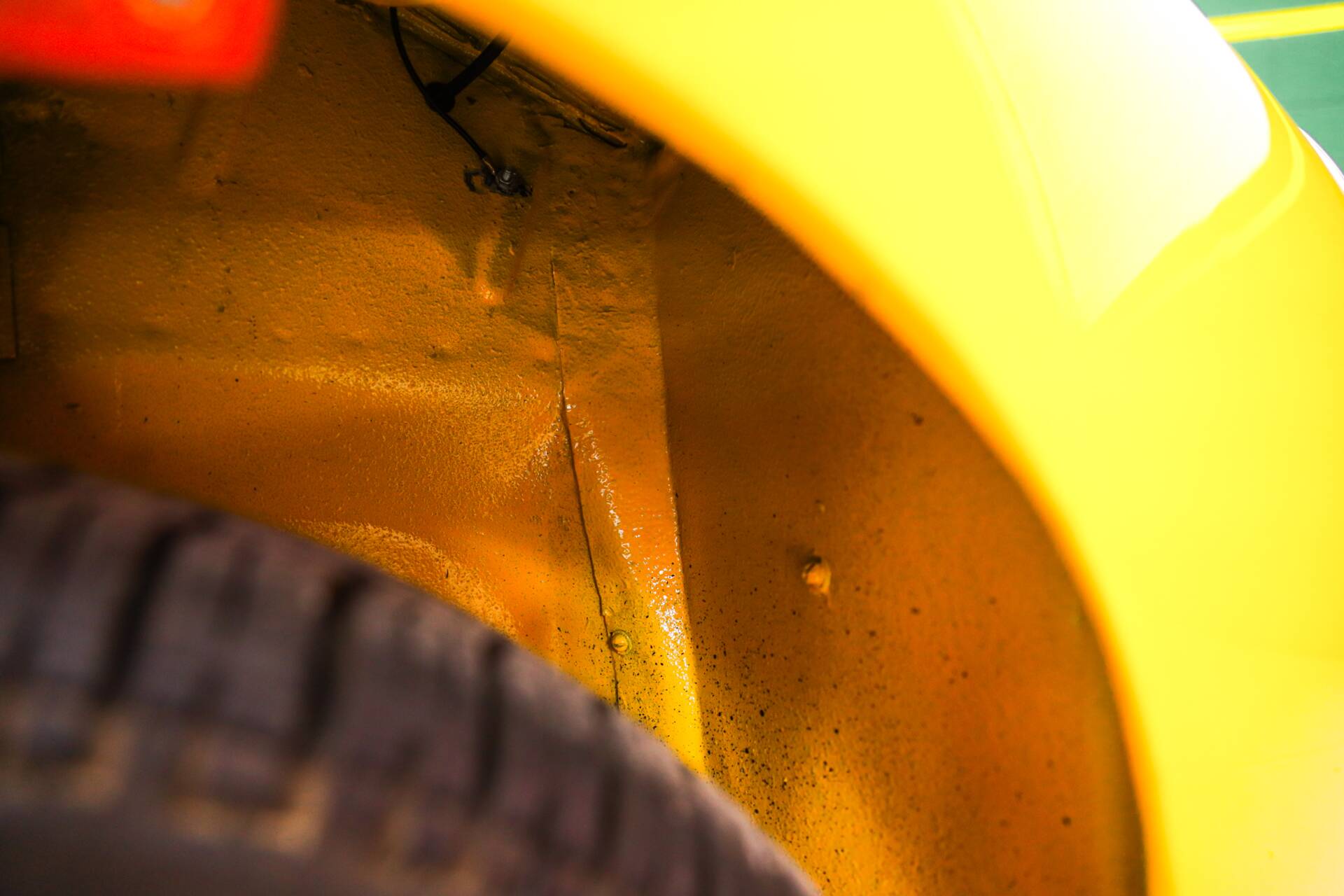
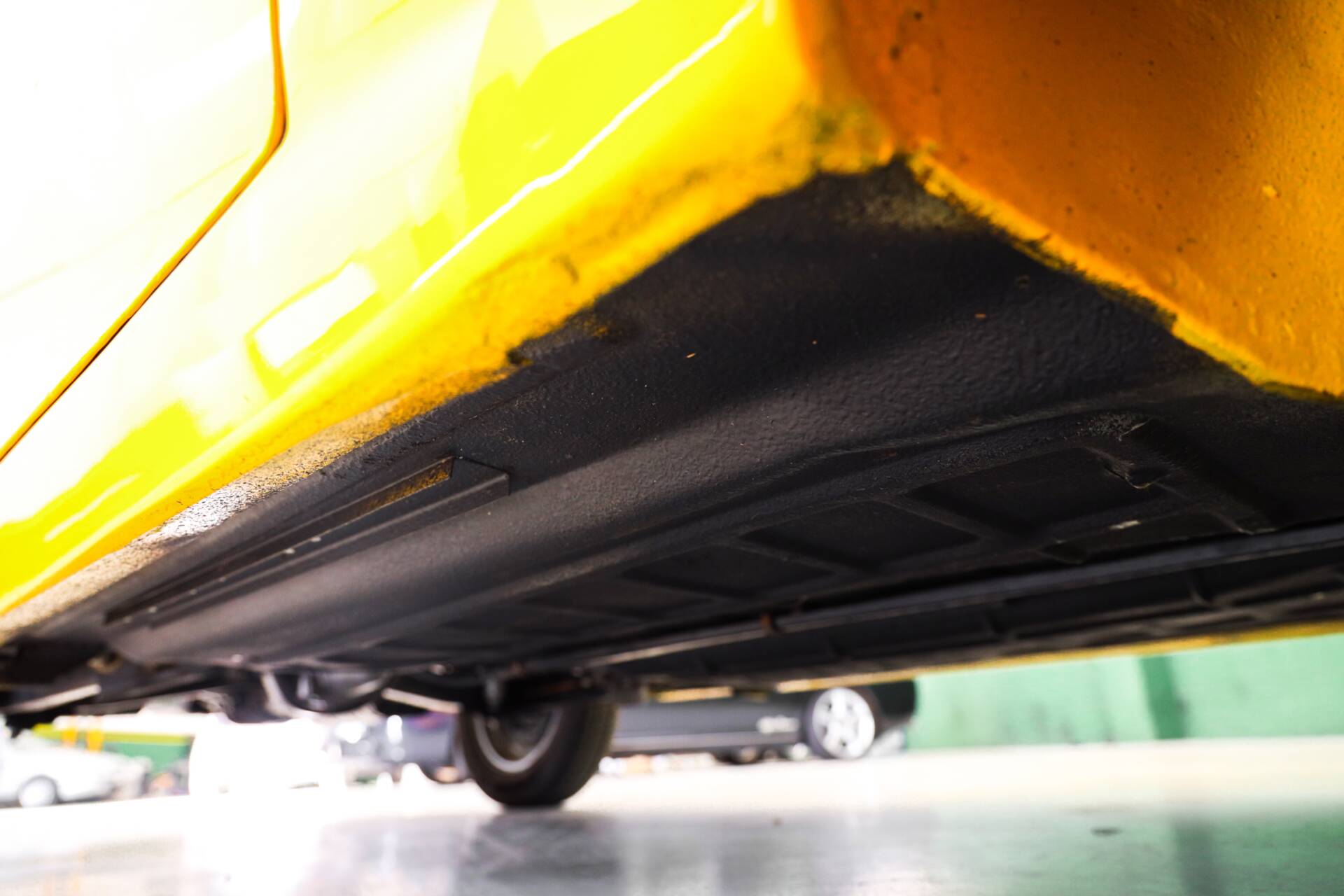
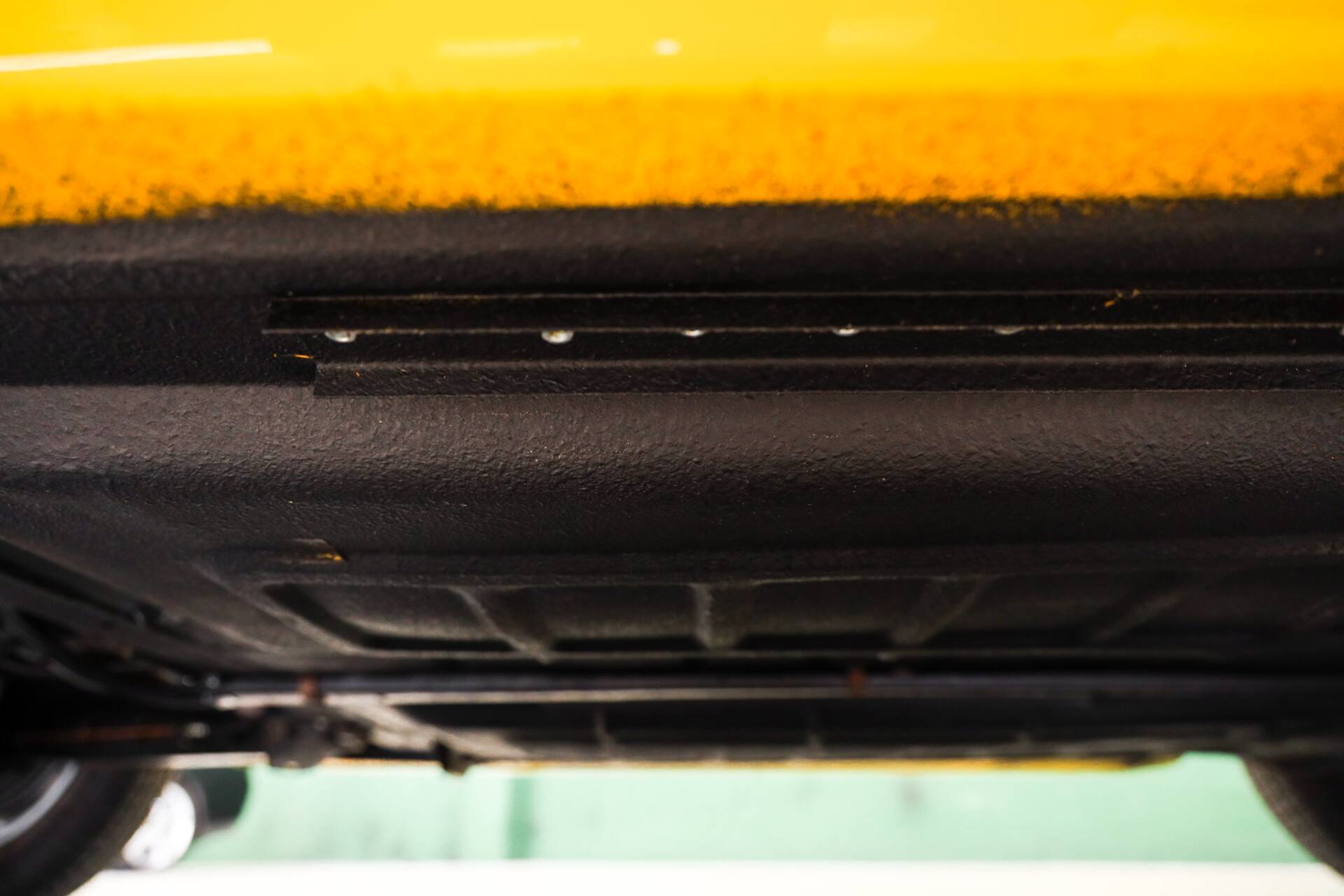
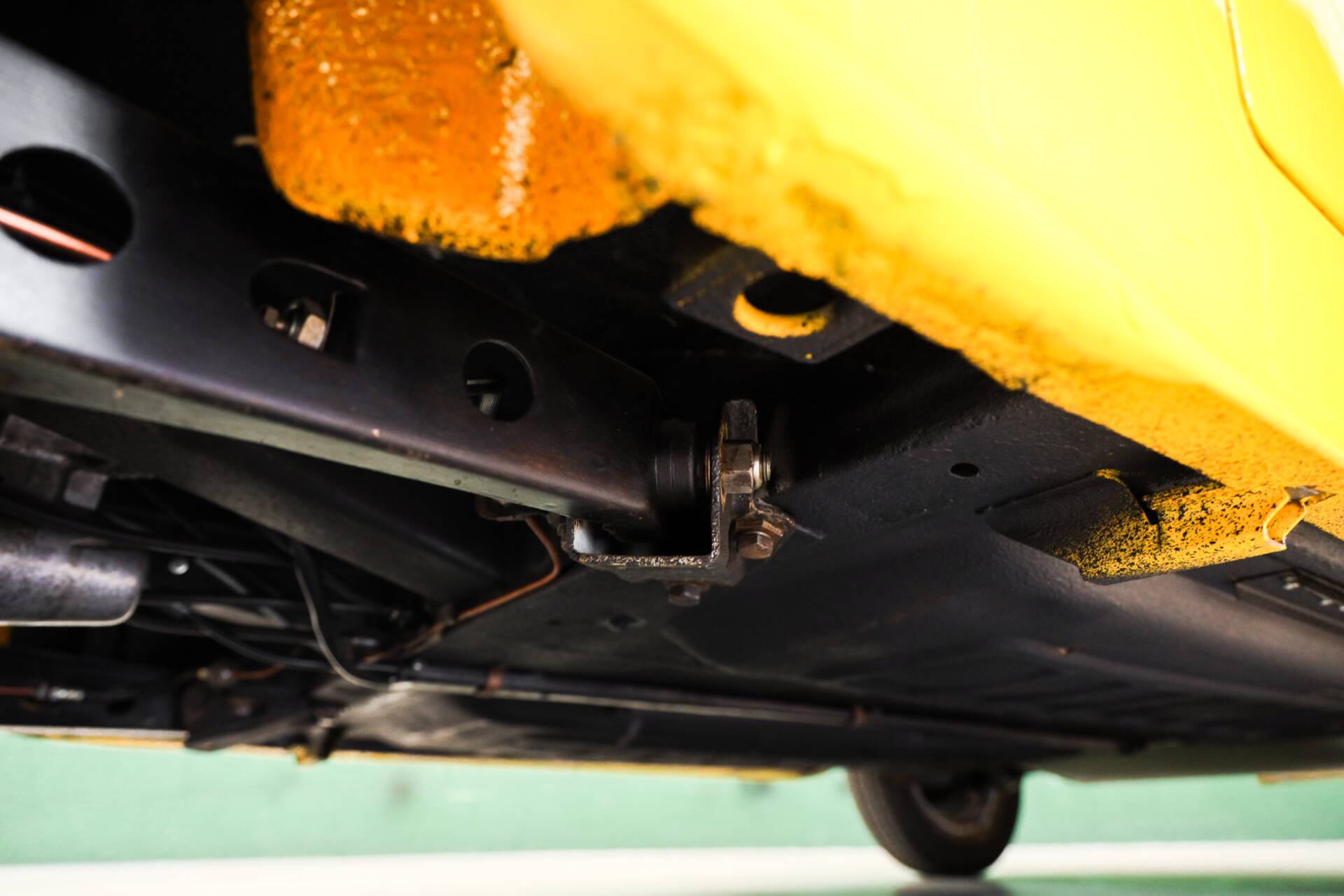
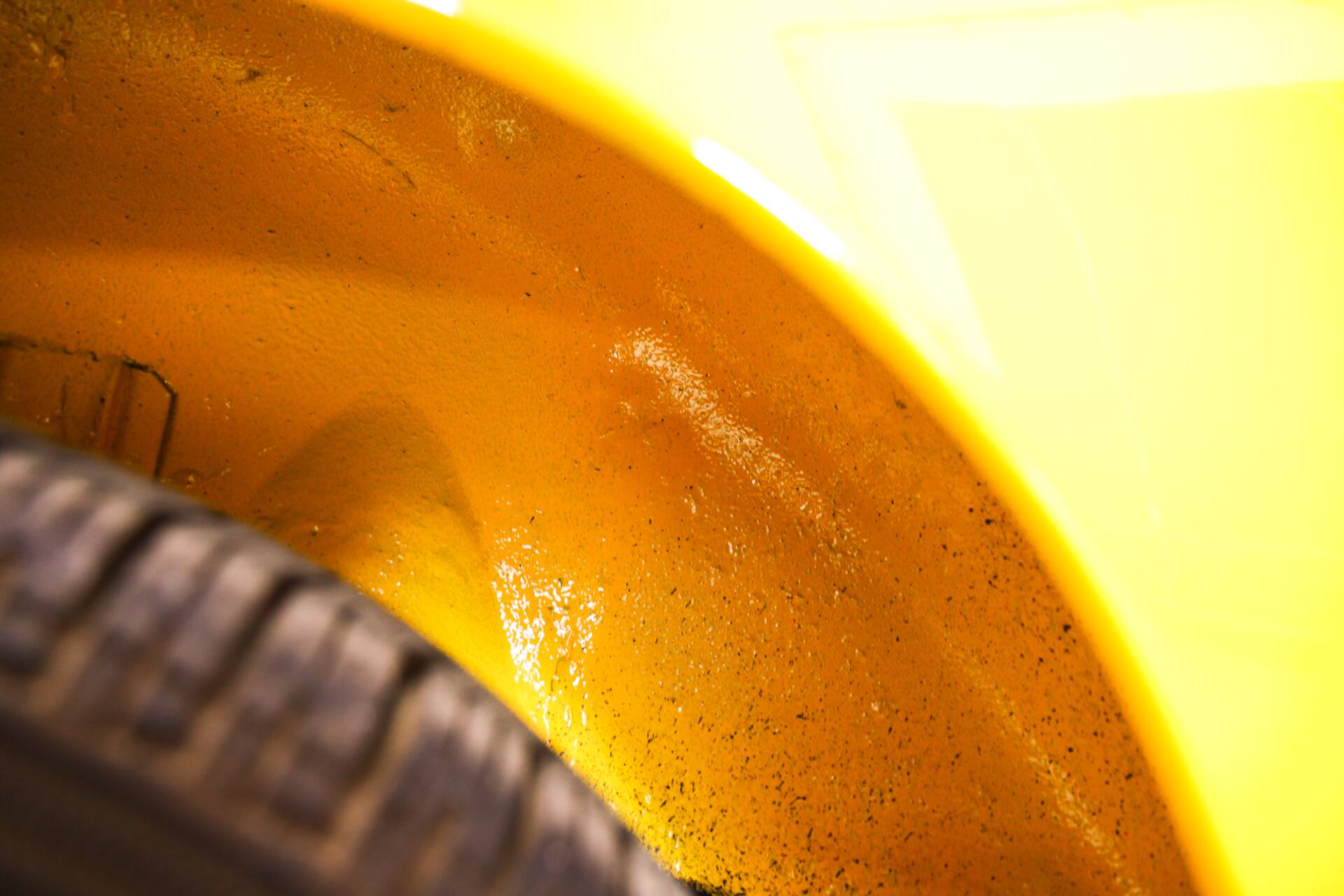
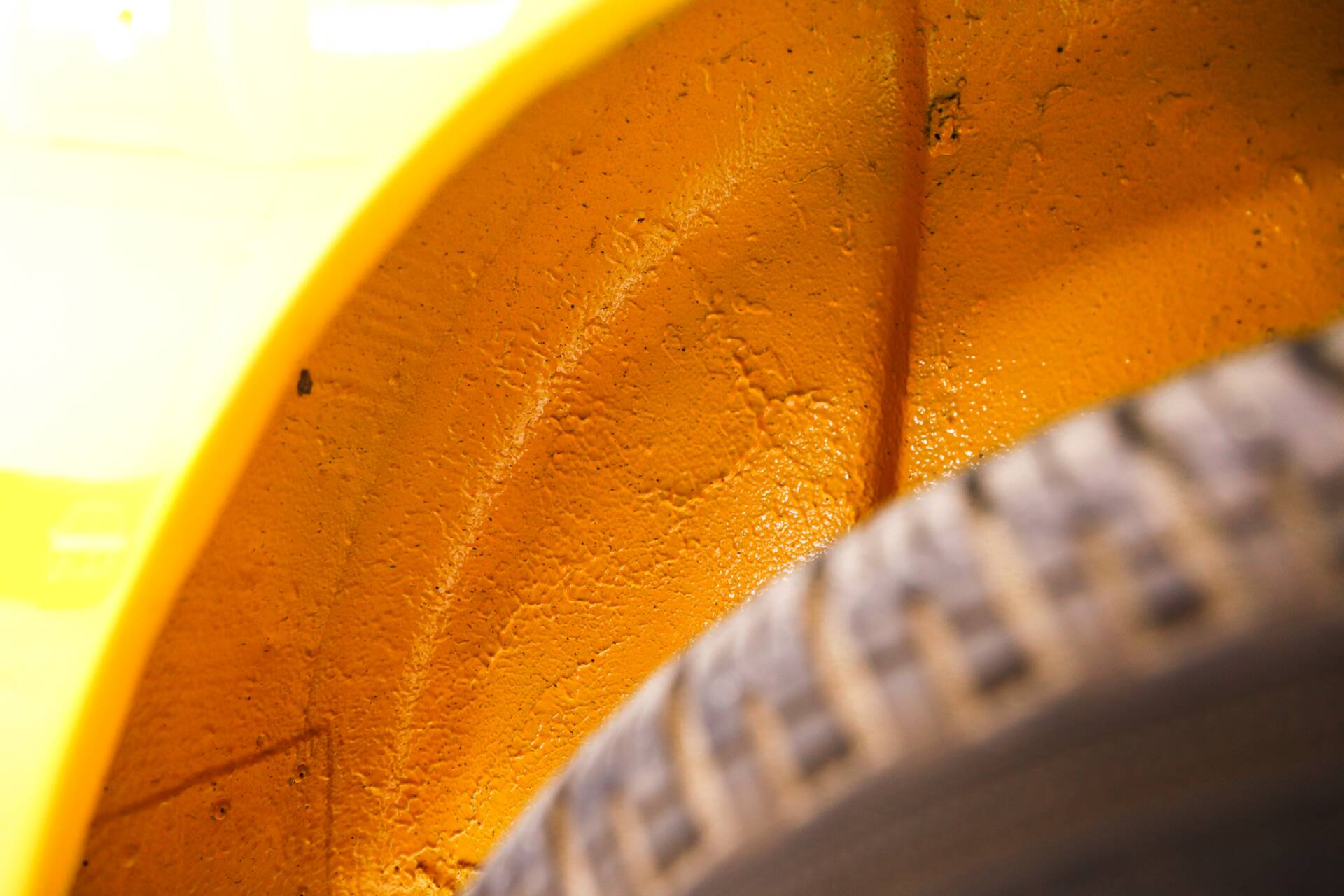
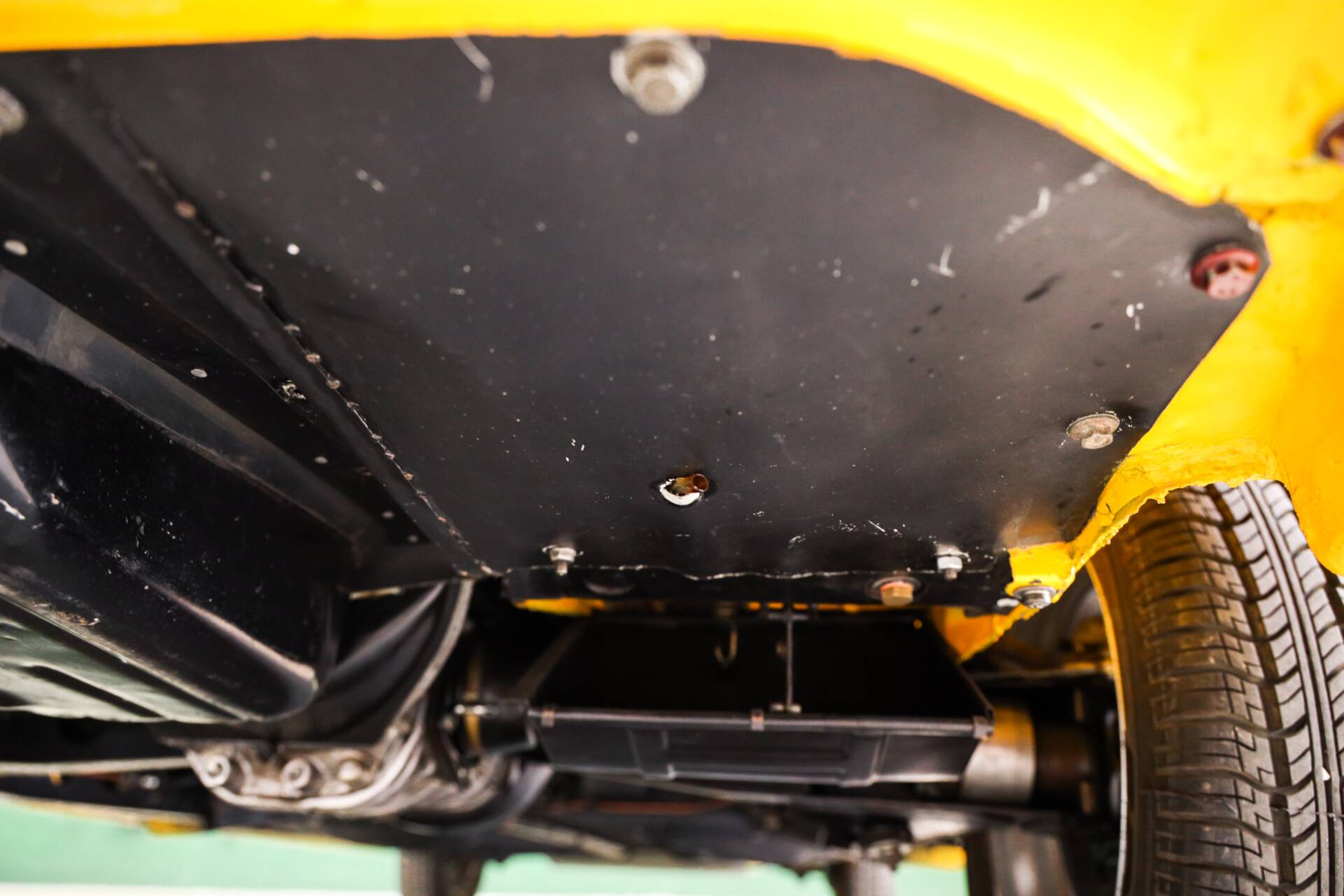
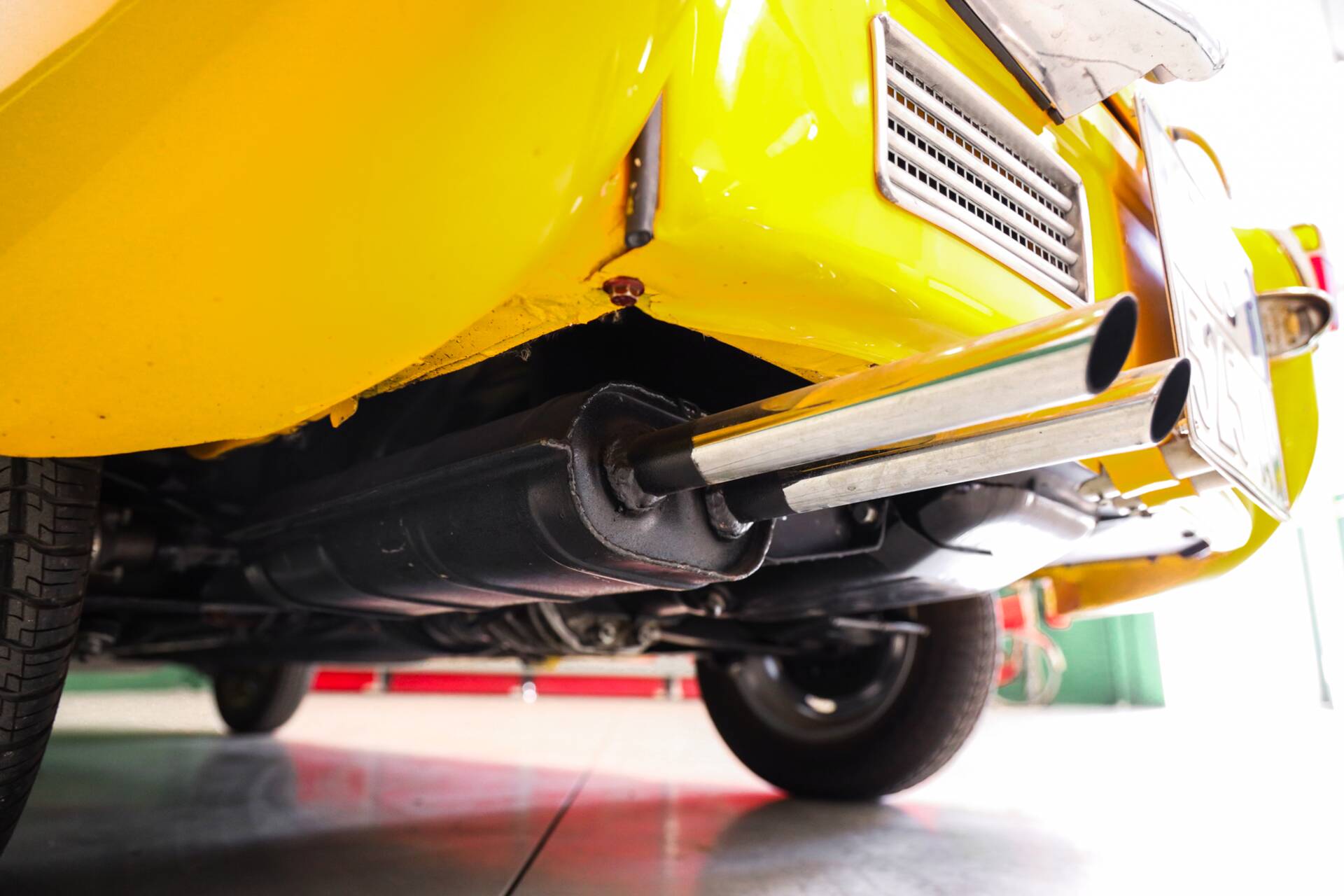
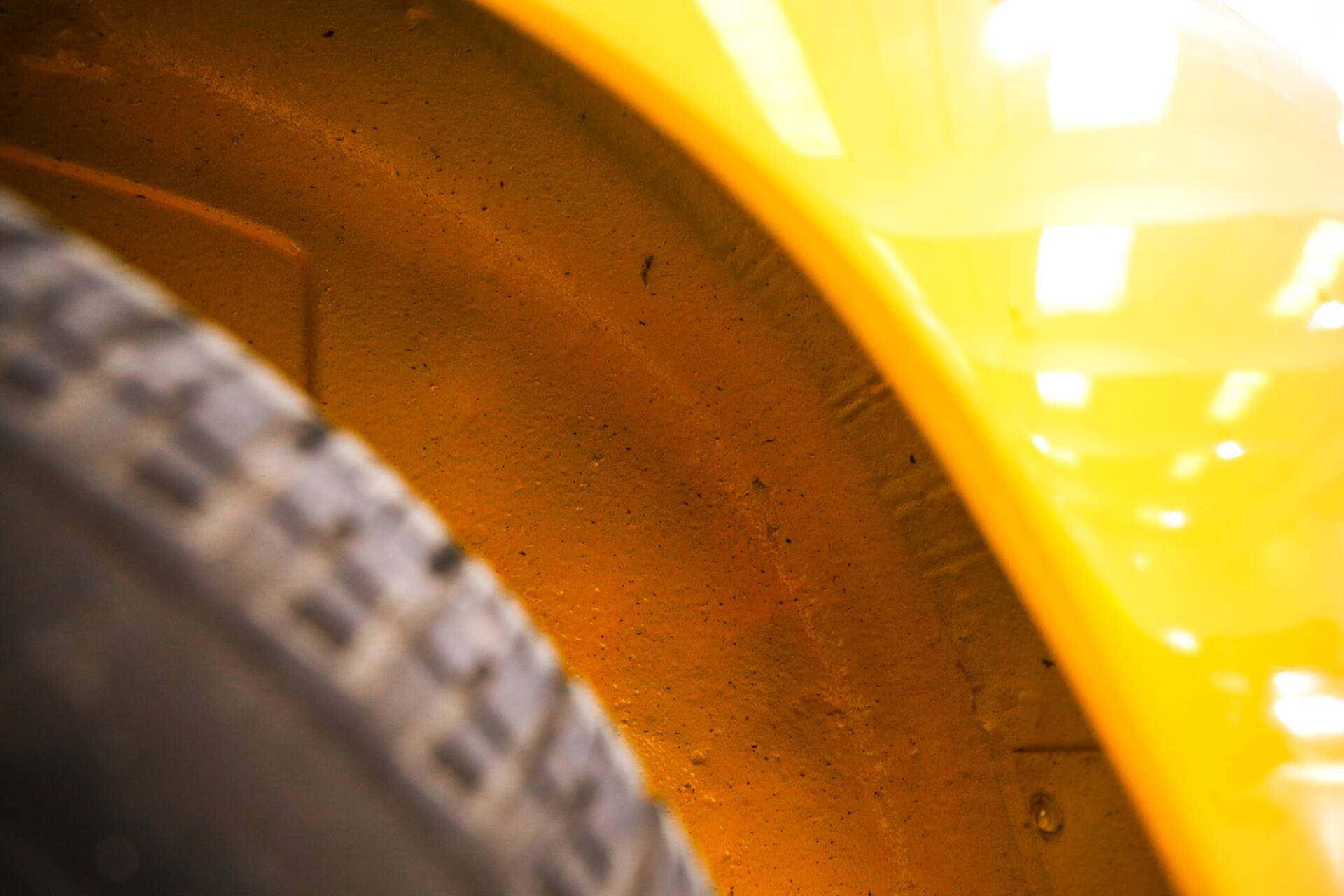
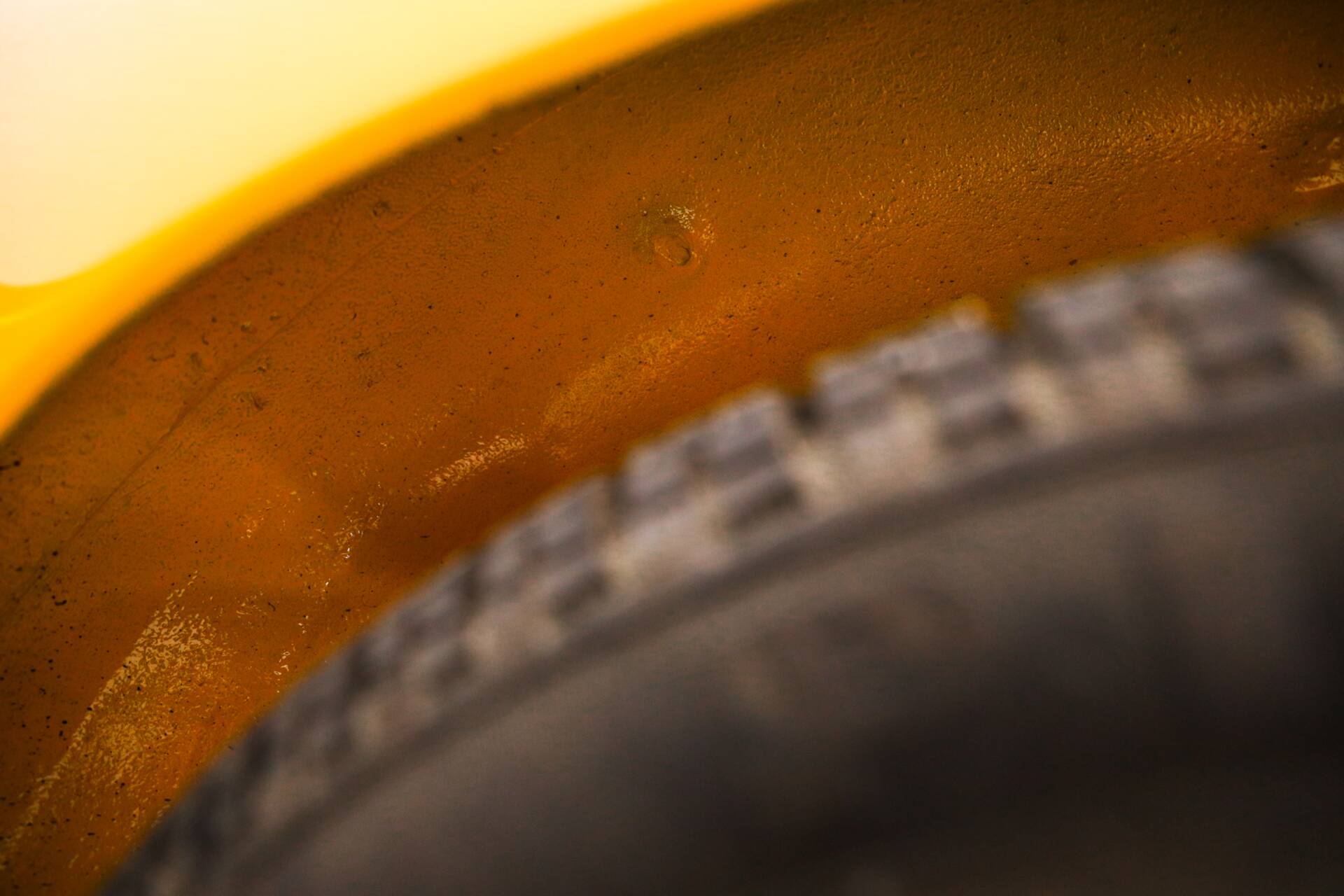
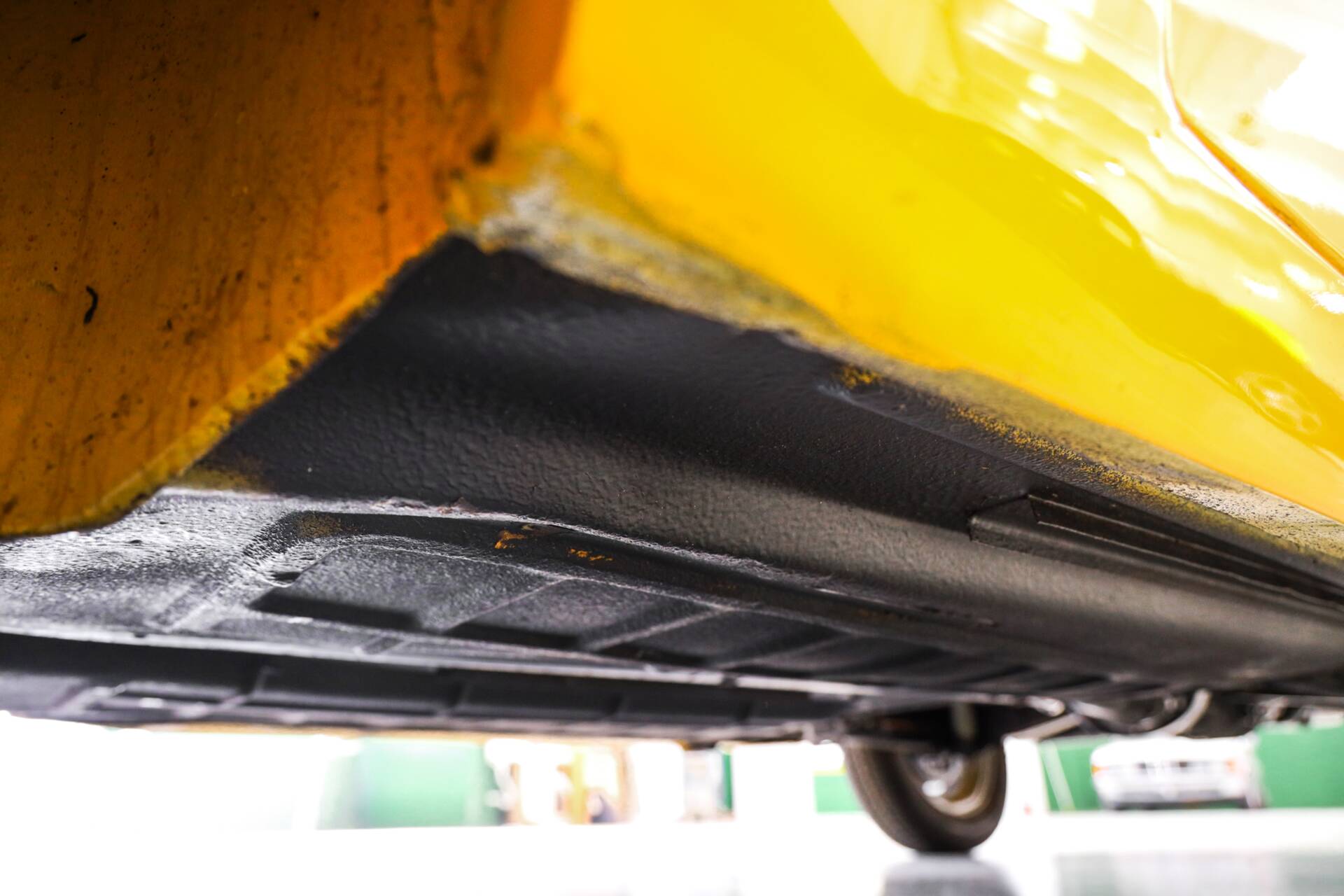
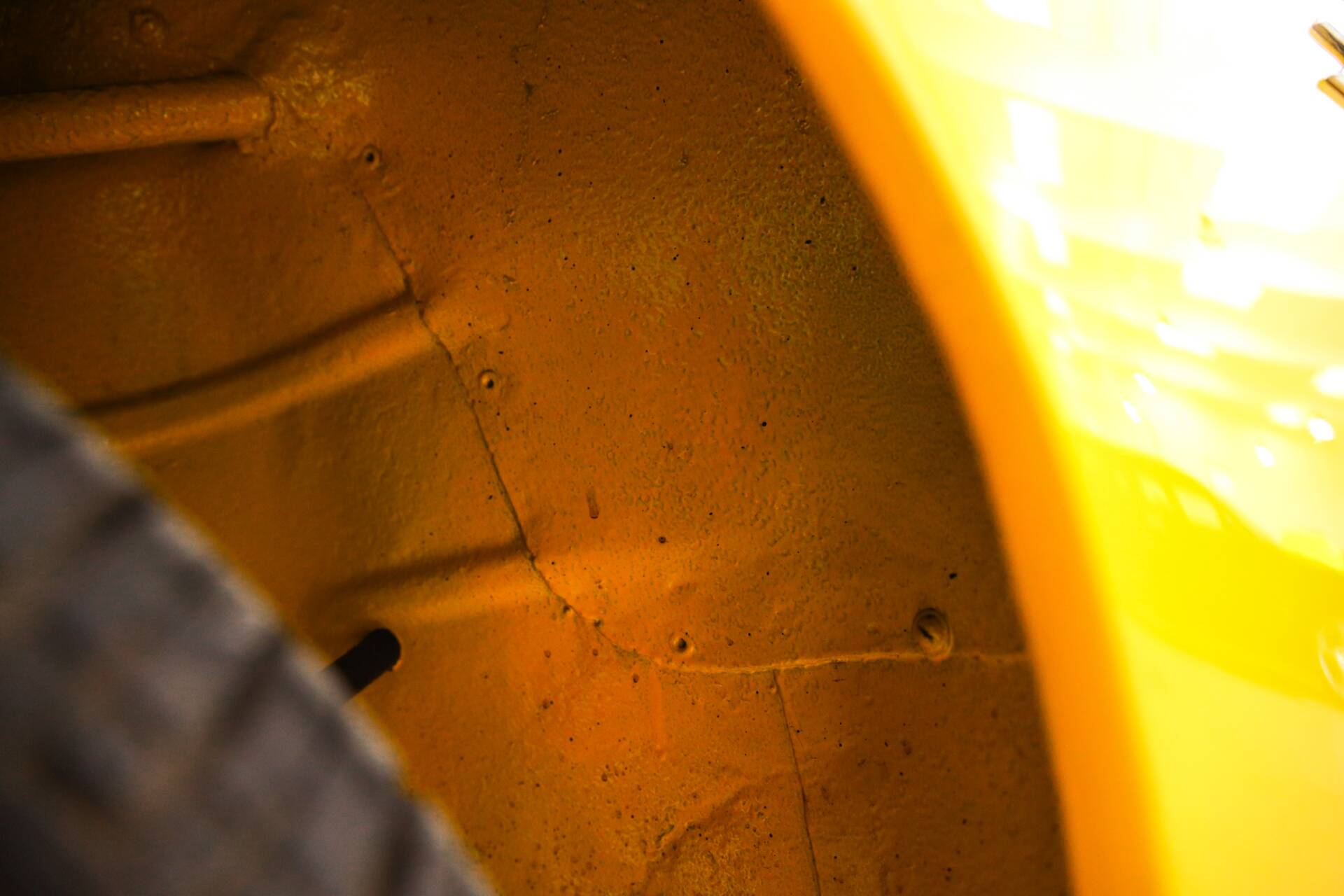
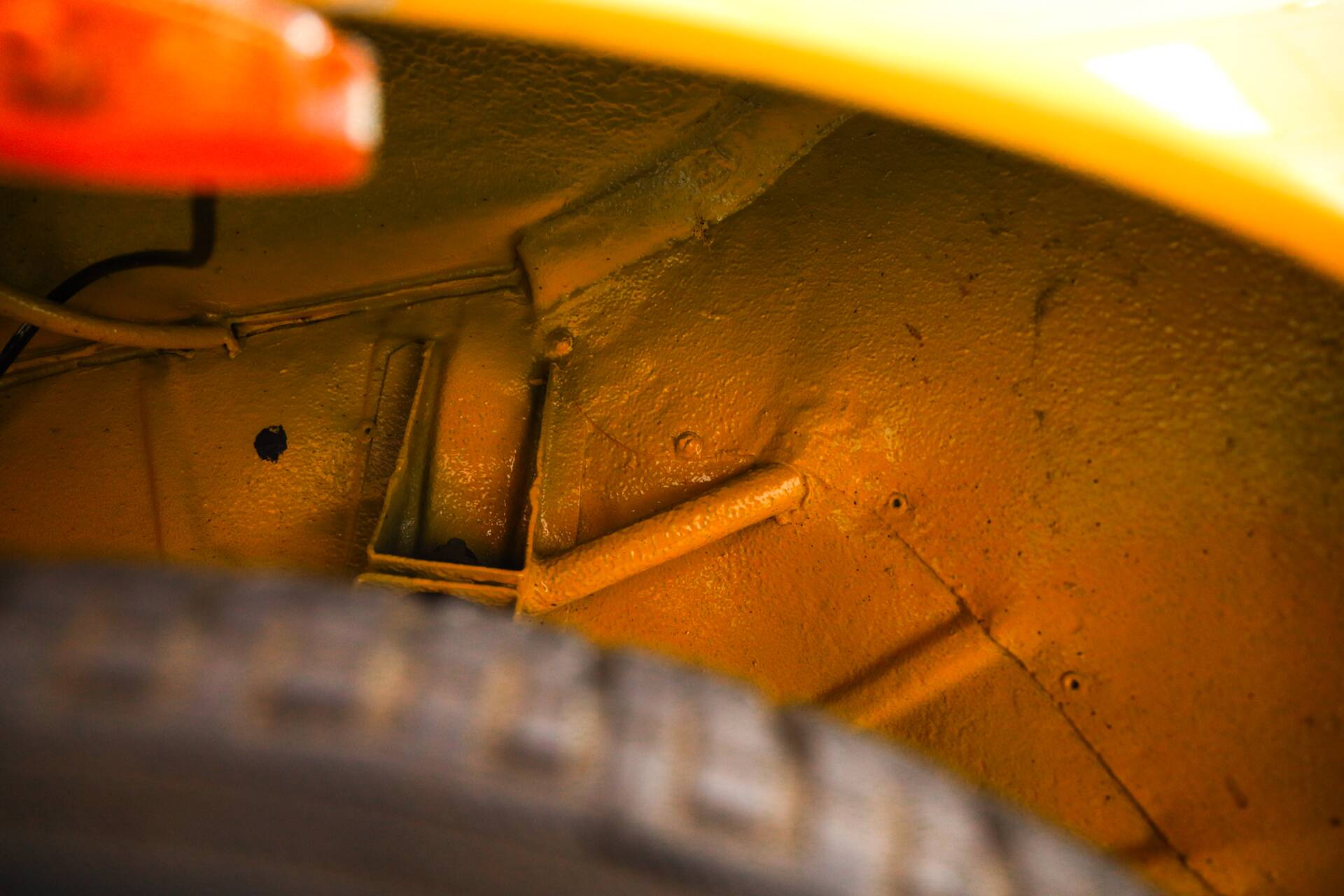
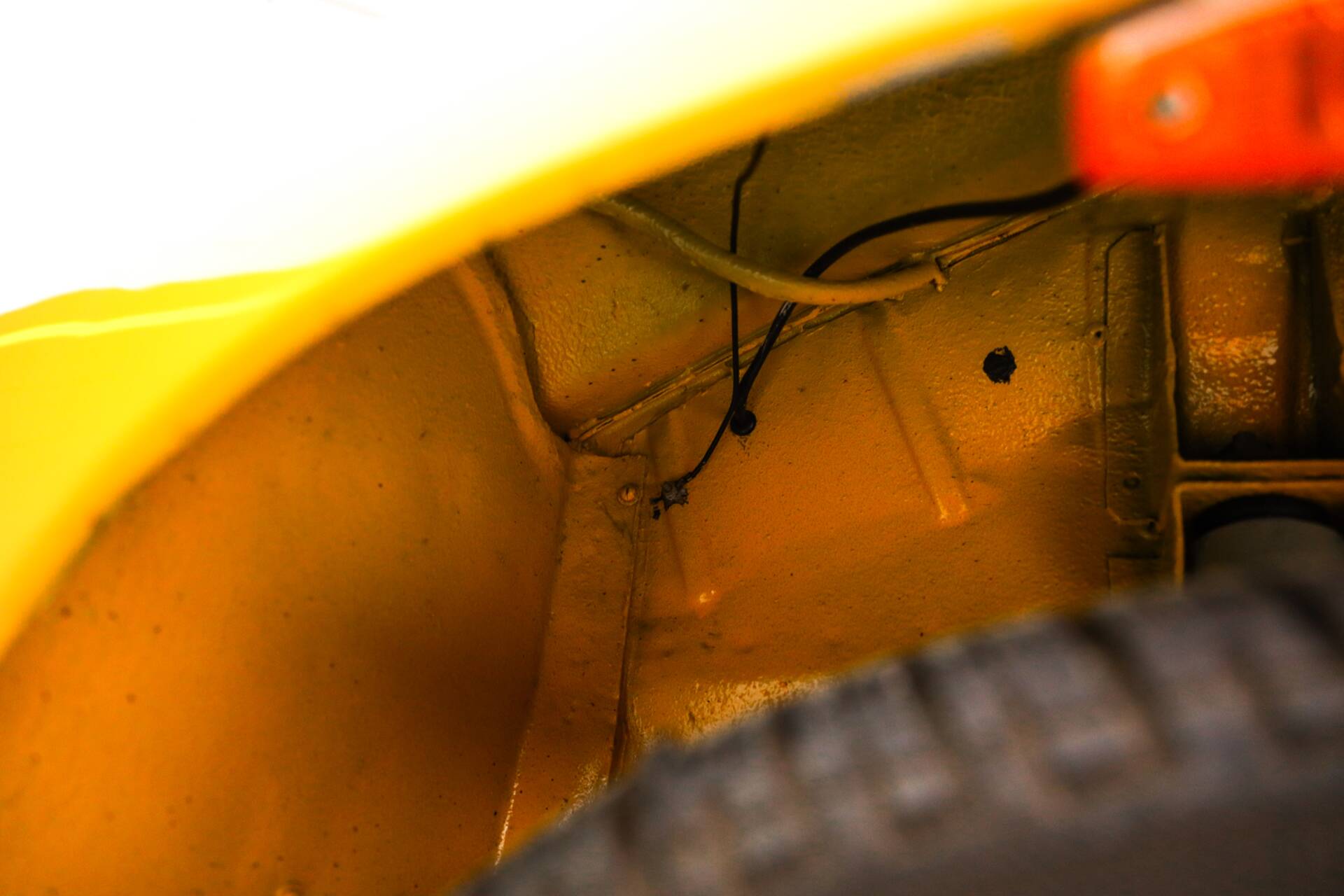
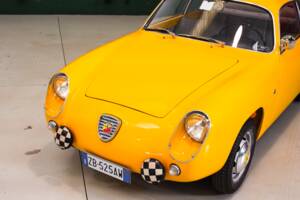
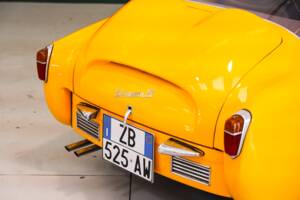
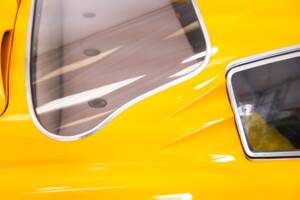
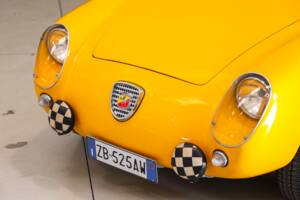
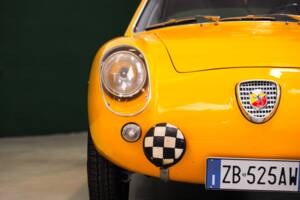
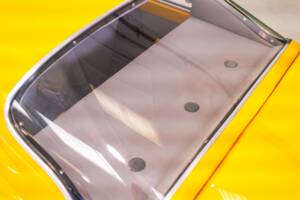
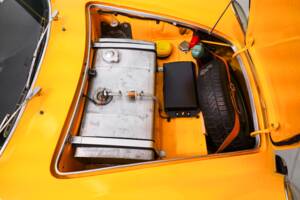
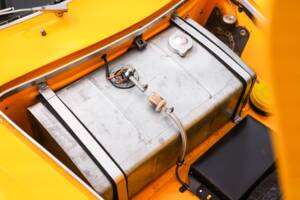
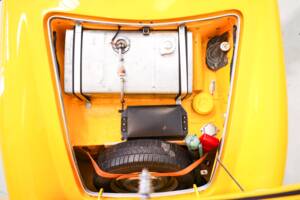
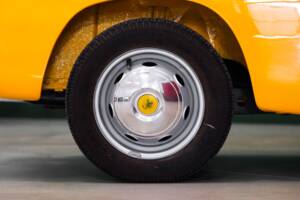
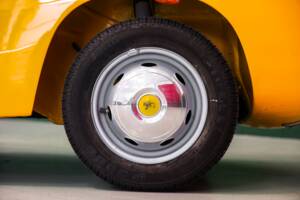
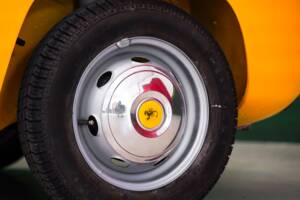
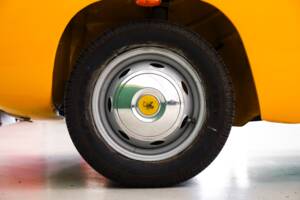
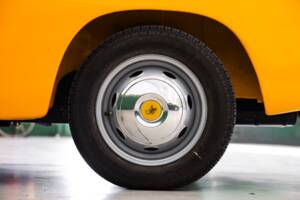
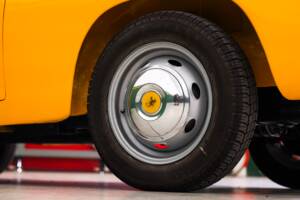
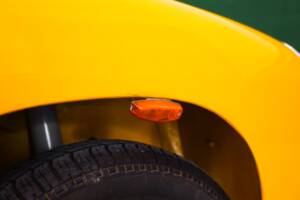
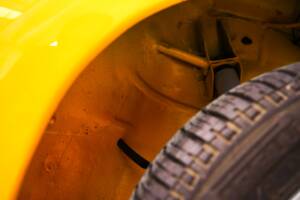
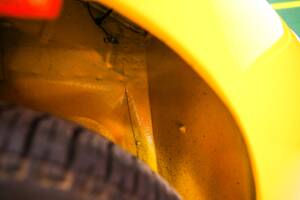
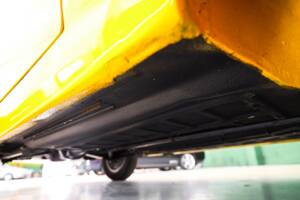
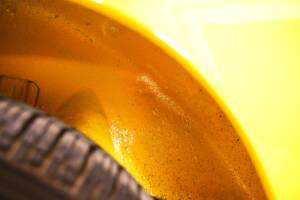
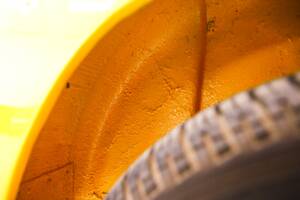
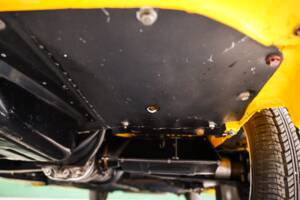
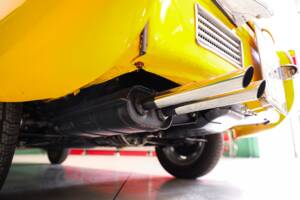
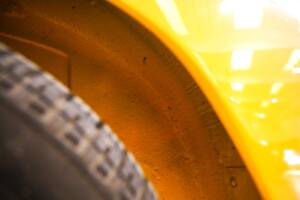
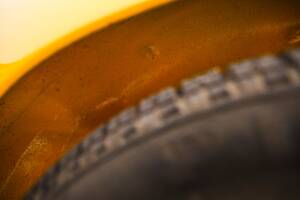
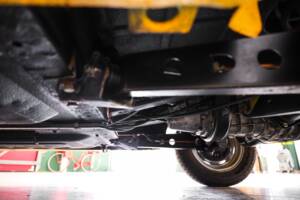
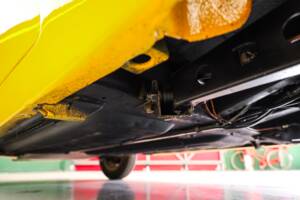
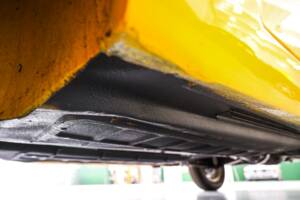
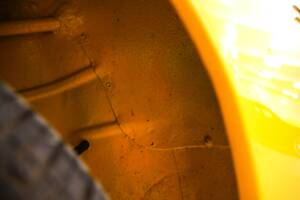
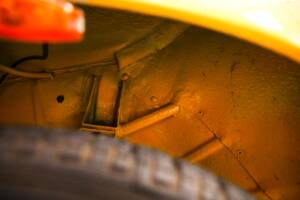
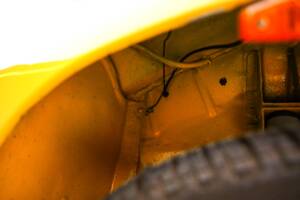
As part of the restoration, the body was completely repainted. The goal was to restore the original character of the Abarth Zagato while achieving a clean and high-quality presentation. The slender silhouette, flowing lines, and typical Zagato details are now once again clearly visible. A new windshield was installed, and wheels and tires were renewed. Detailed information regarding the body material (aluminum/steel) or any structural repairs is not available; overall, however, the exterior condition is described as the result of a comprehensive and consistent restoration.
Interior
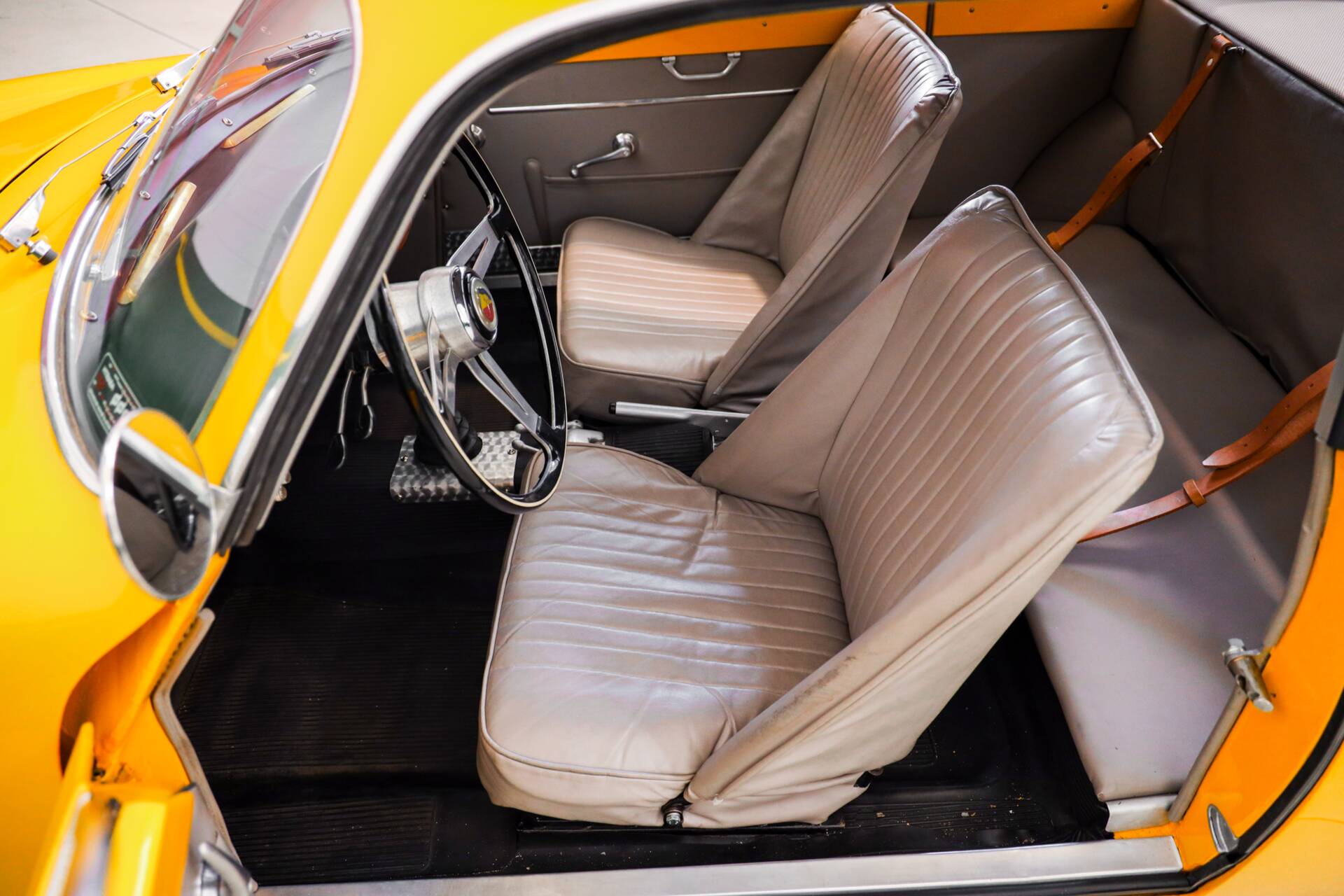
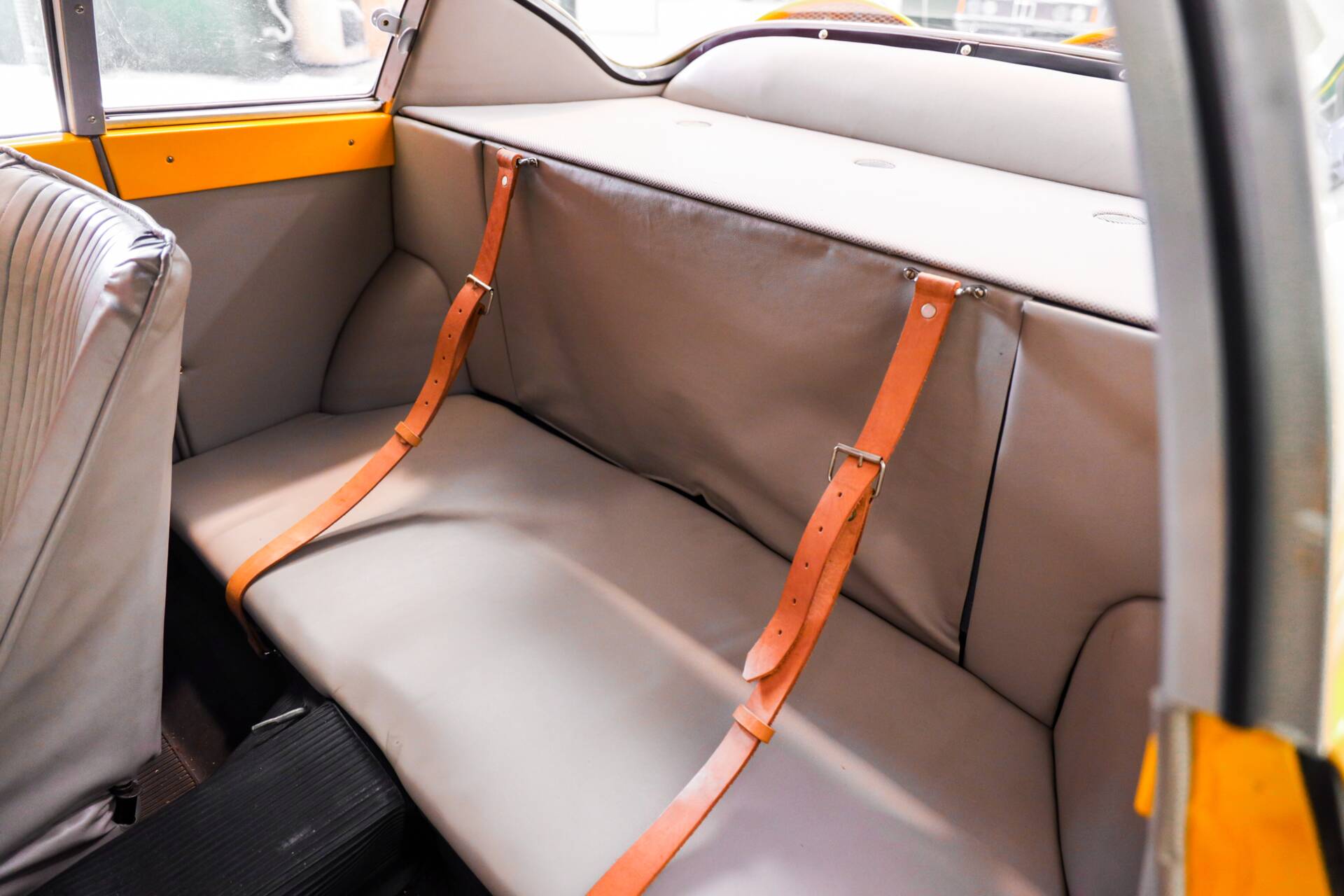
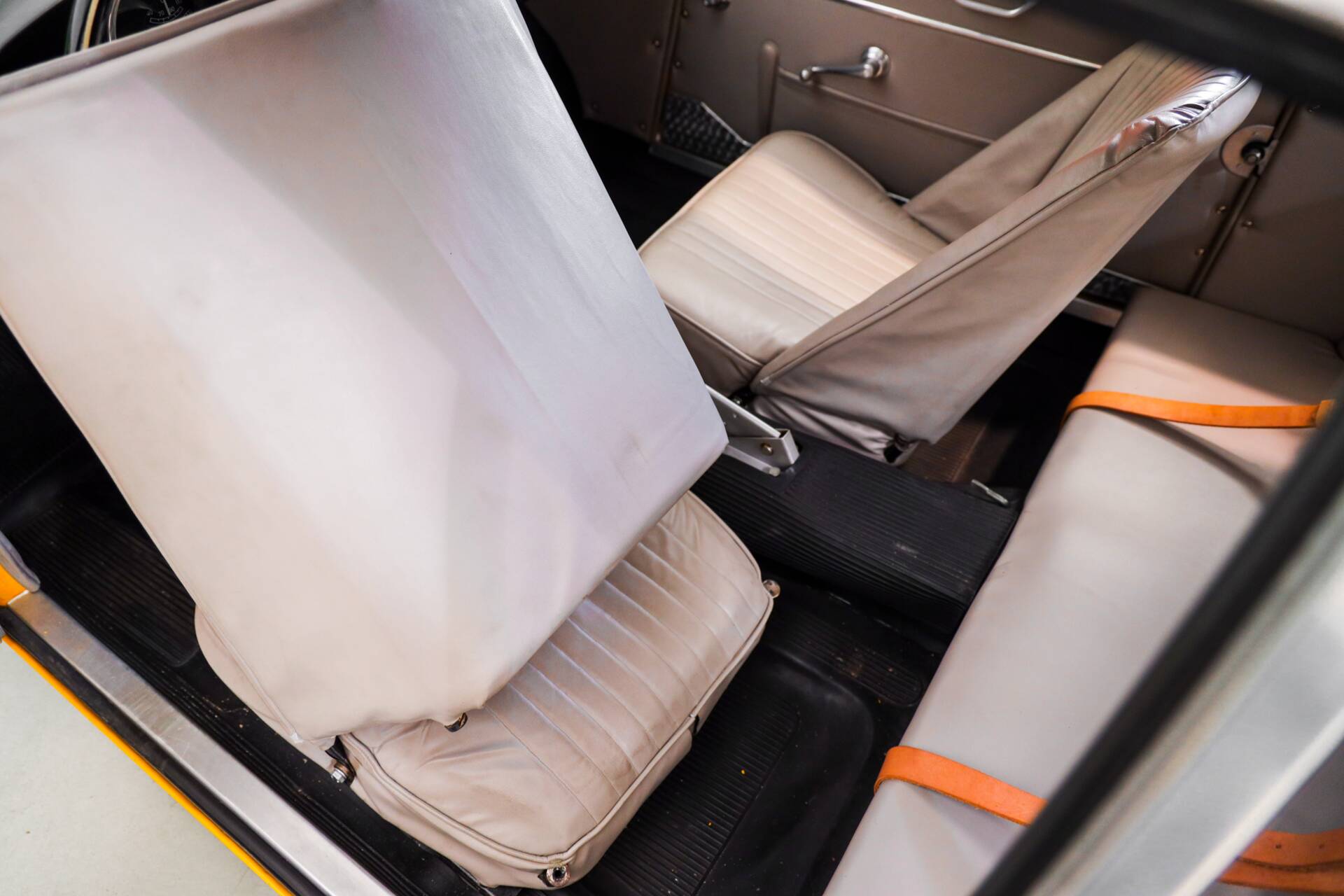
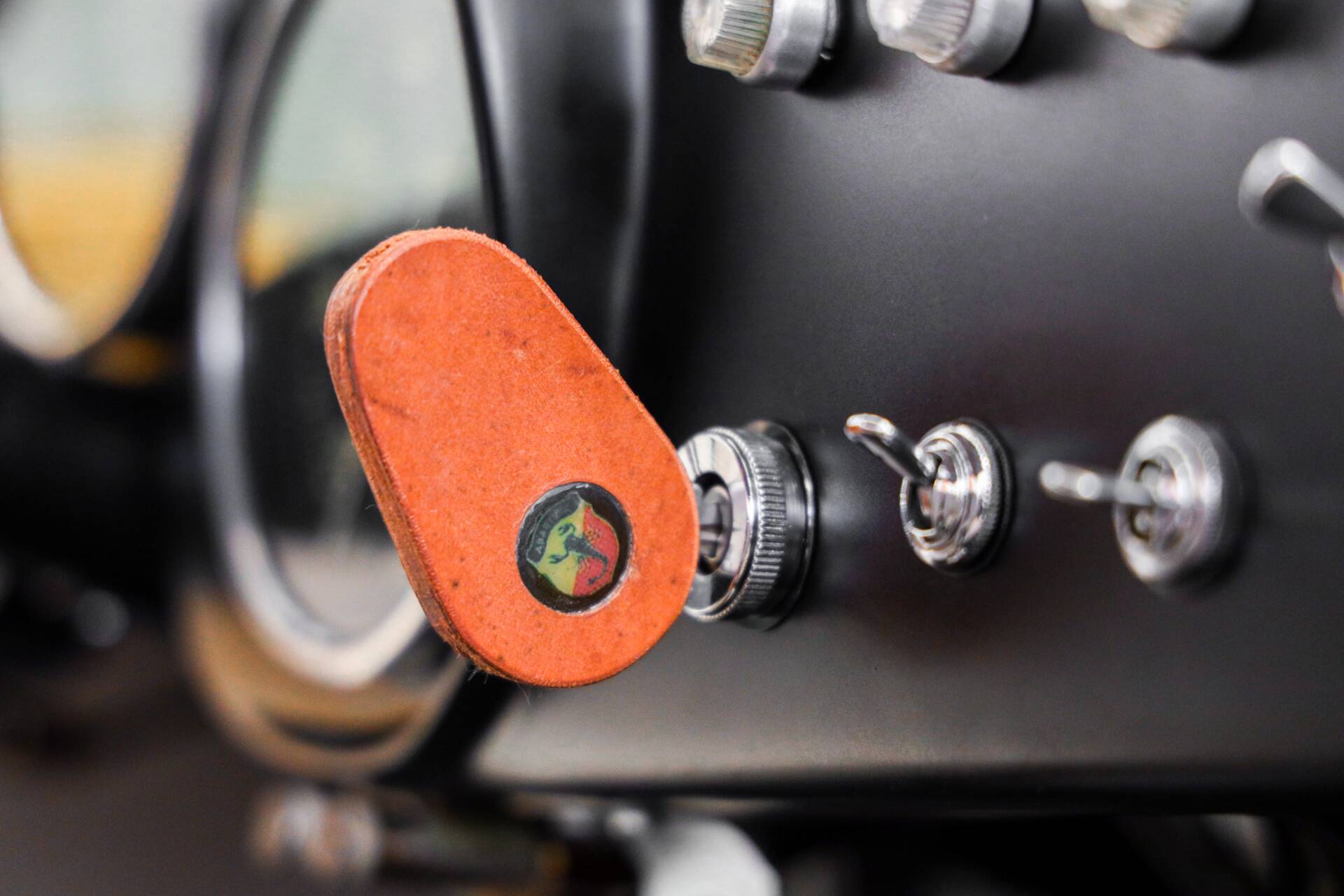
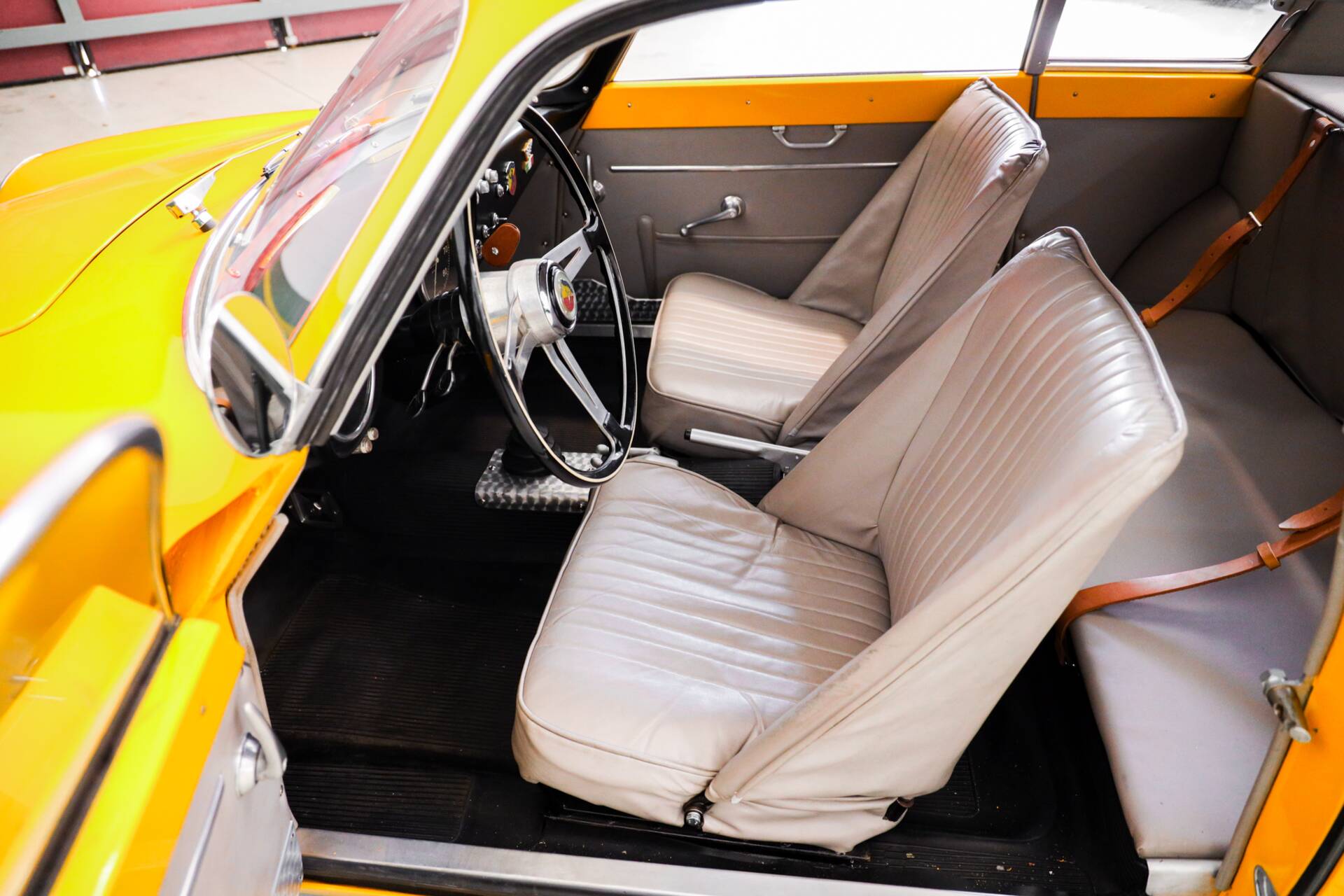
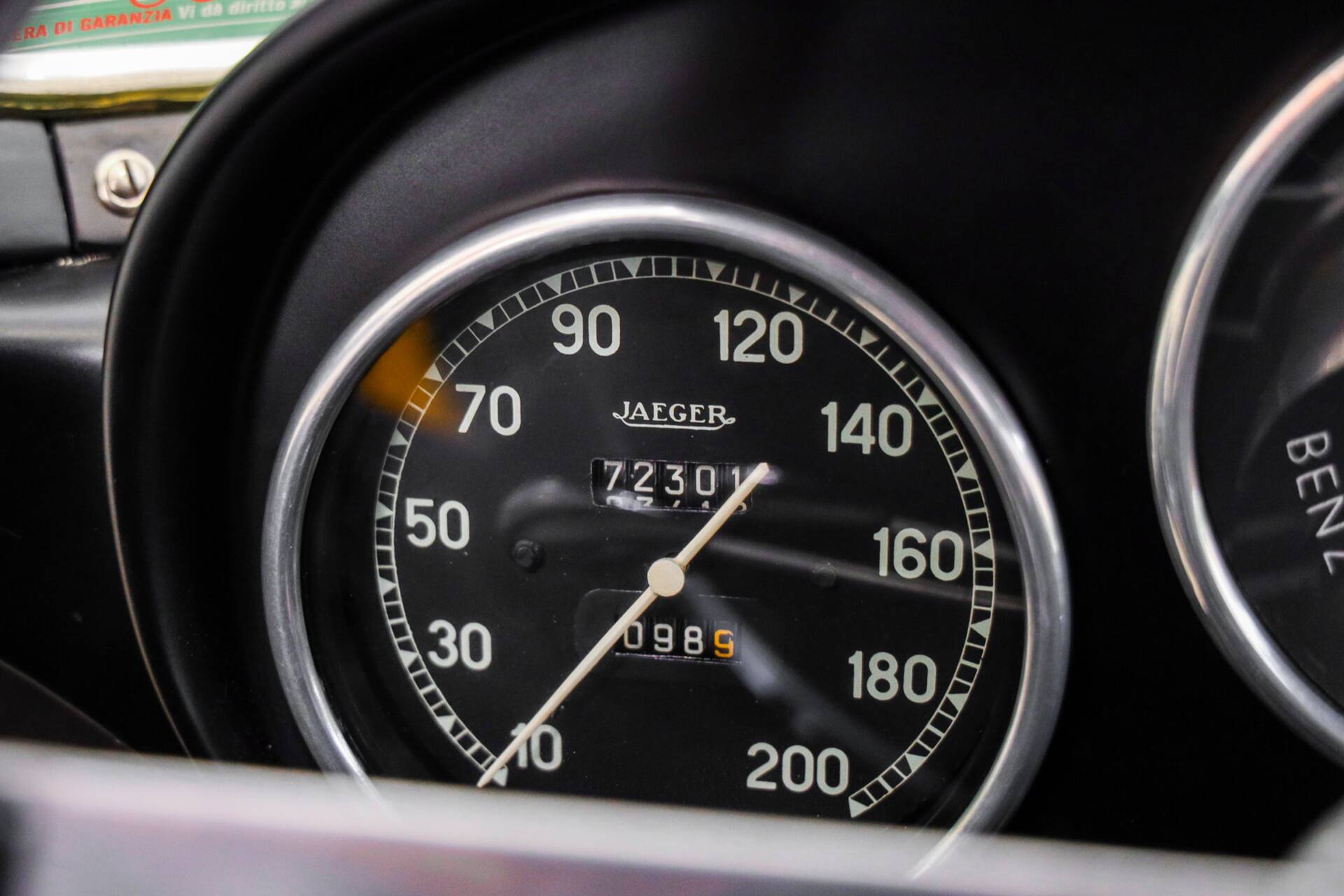
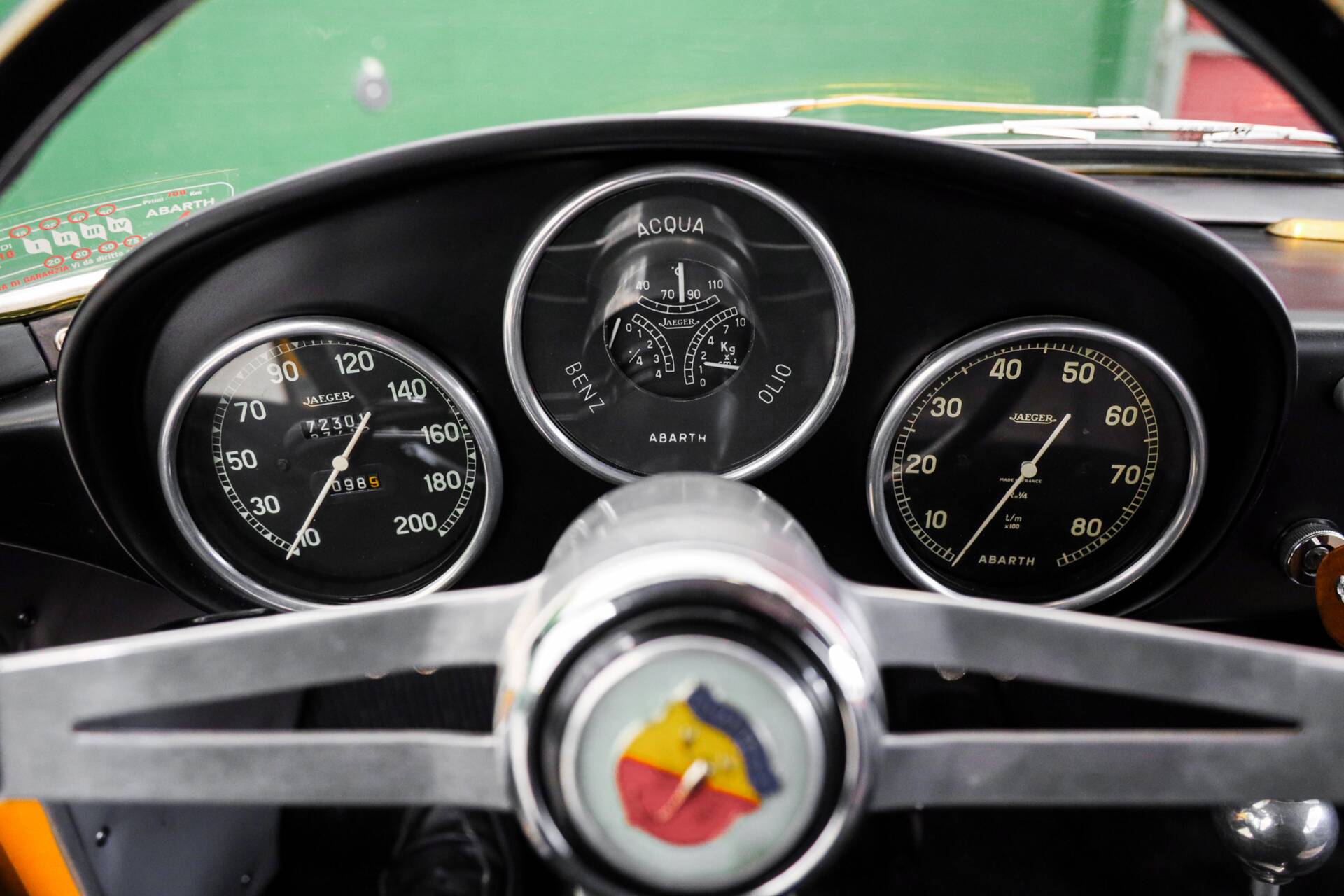
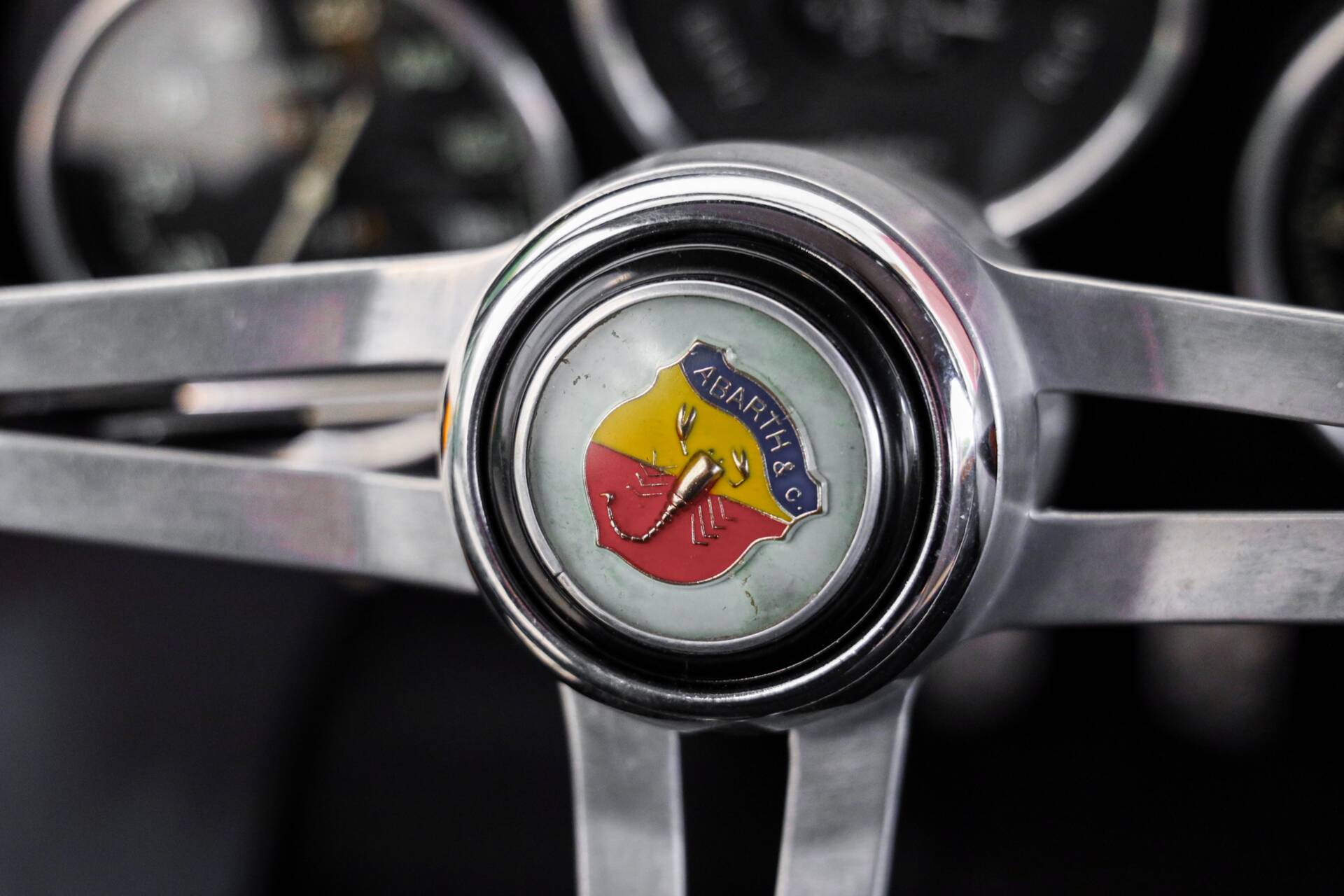
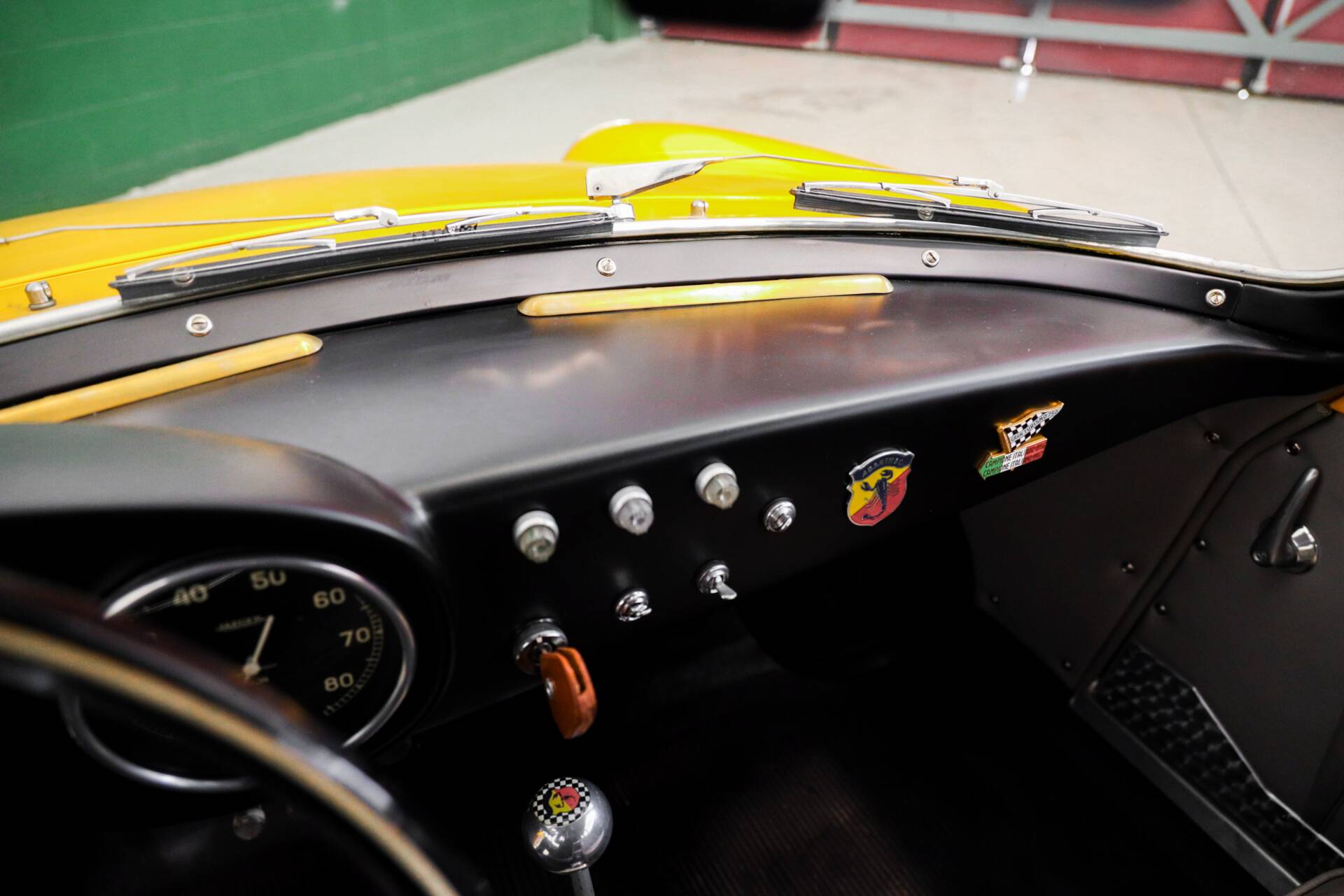
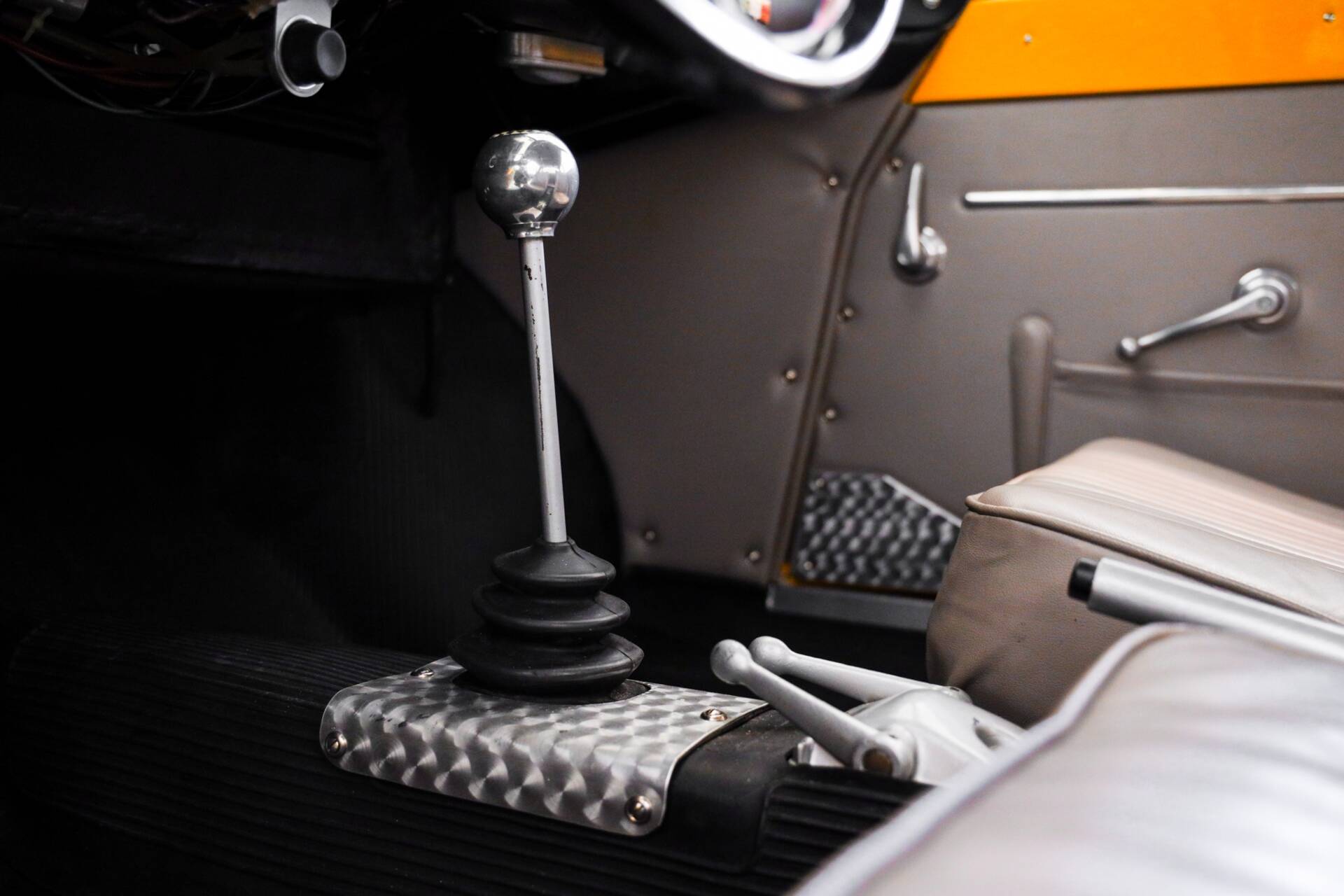
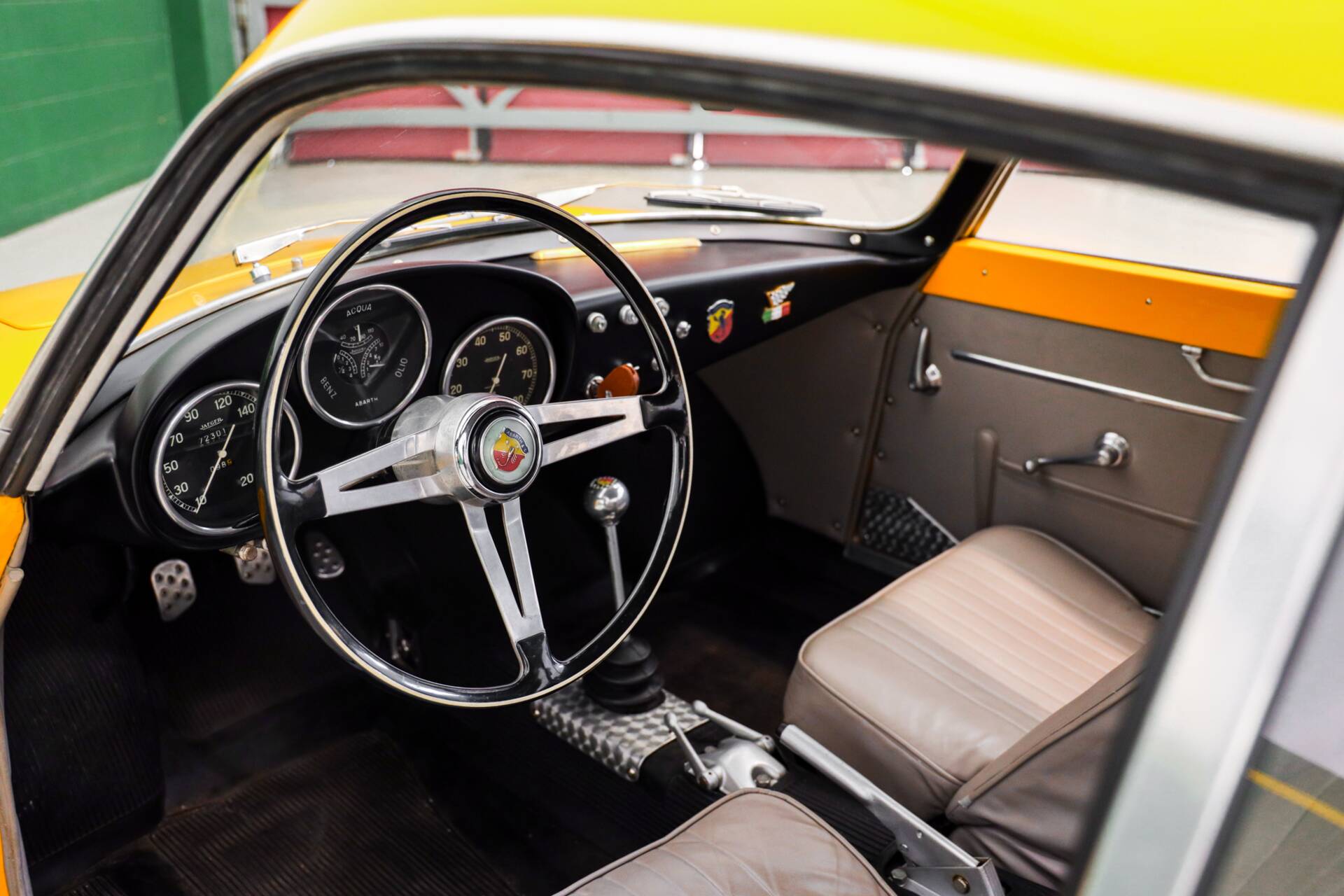
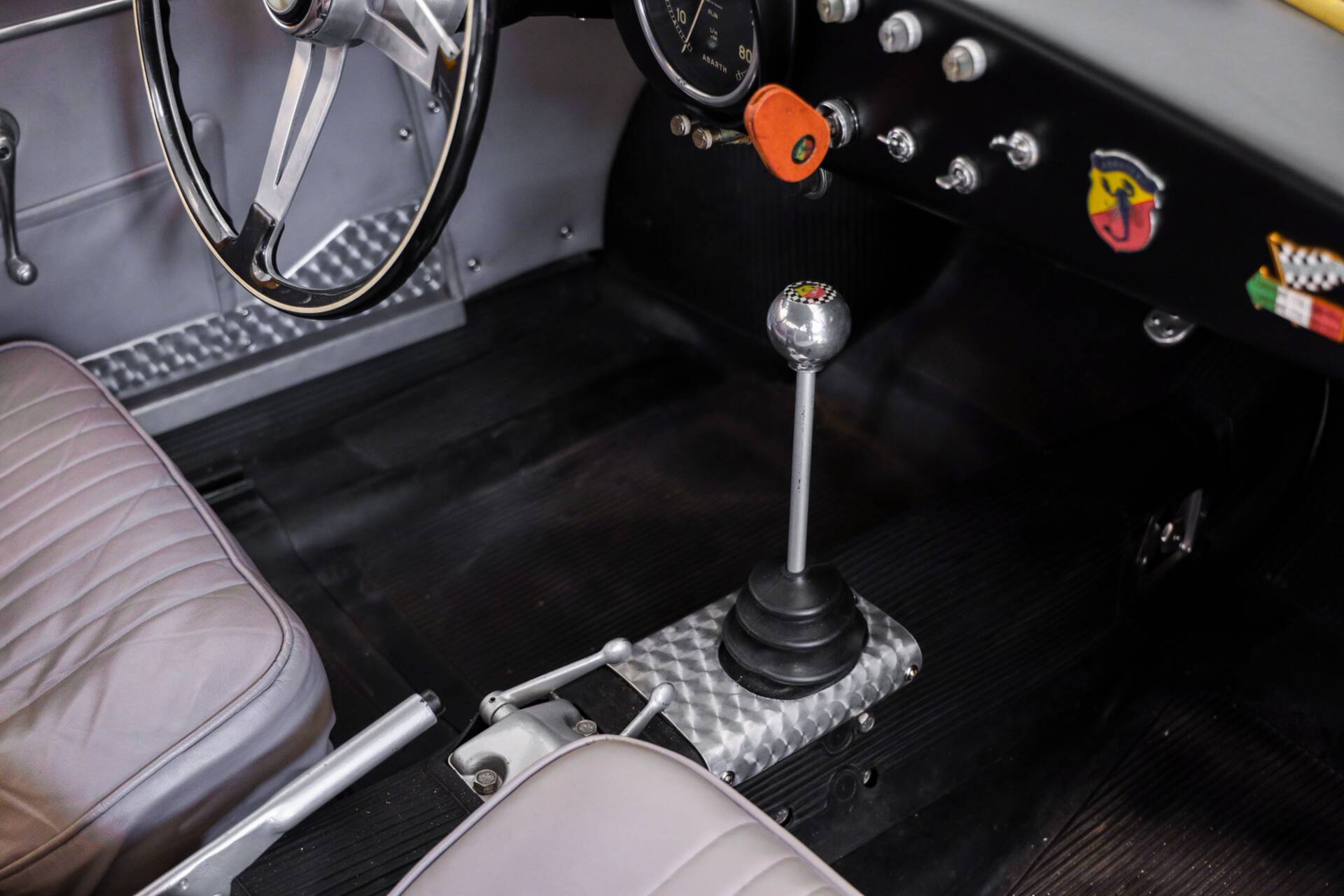
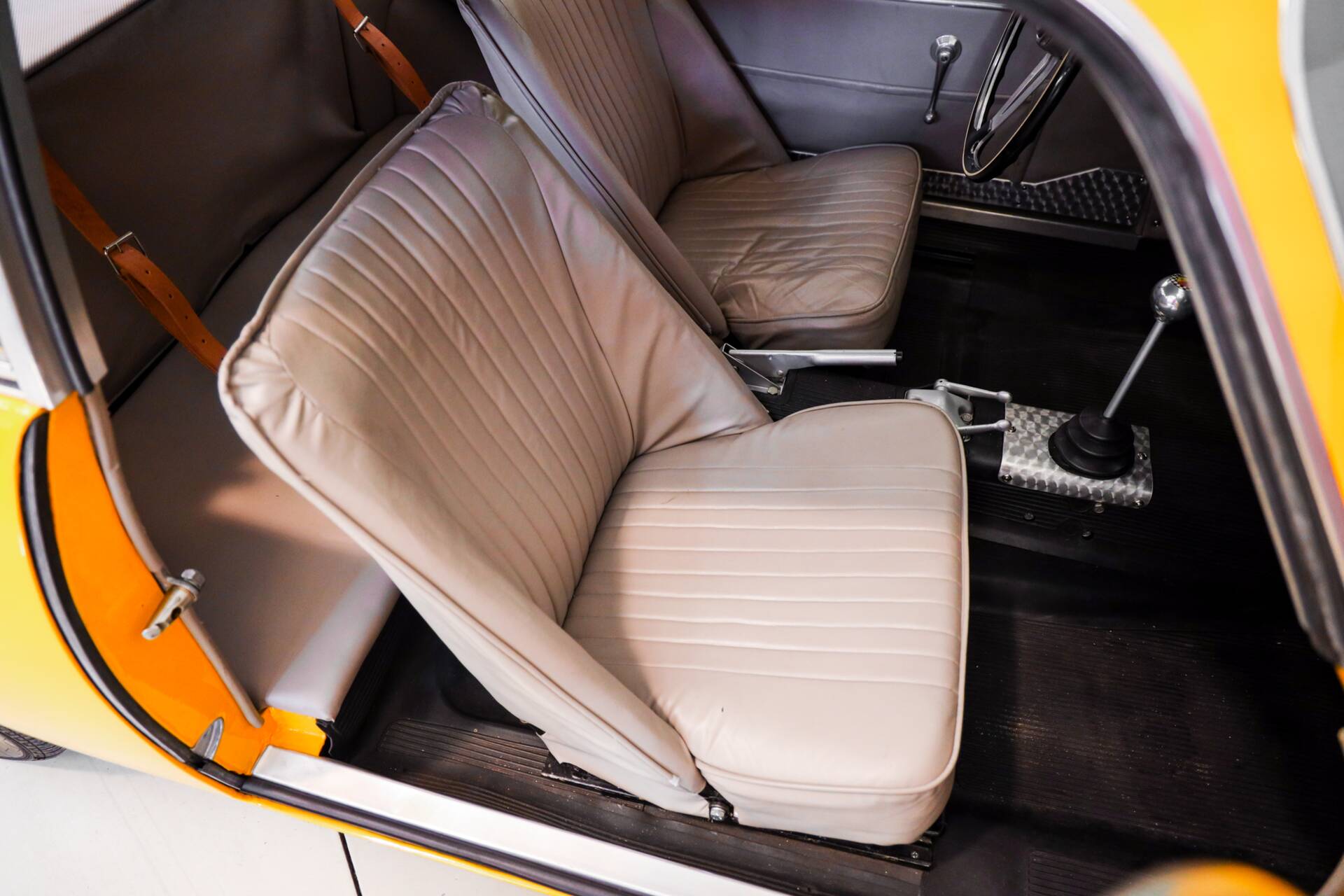
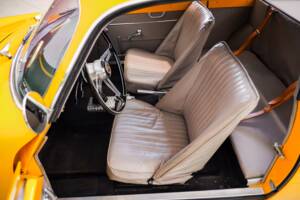
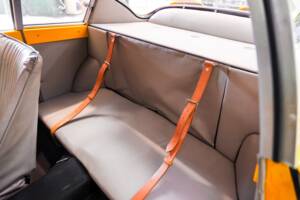
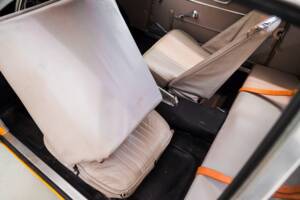
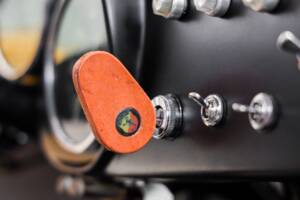
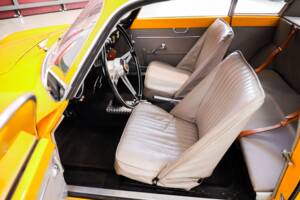
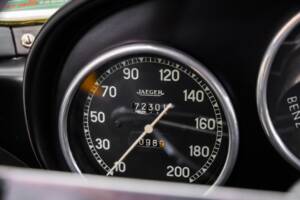
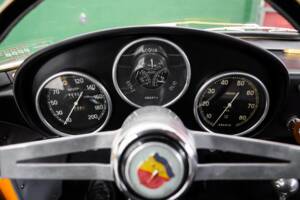
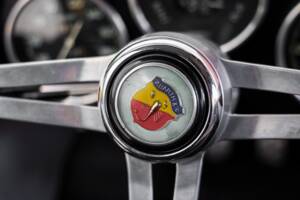
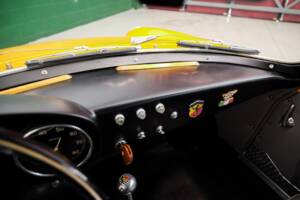
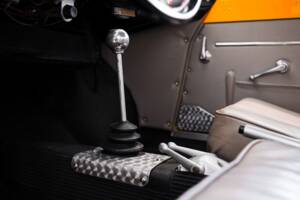
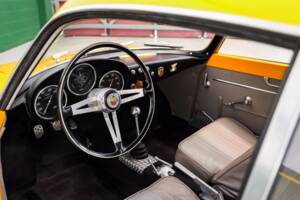
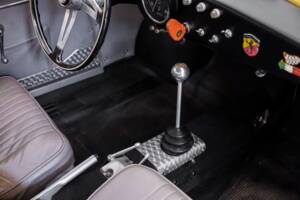
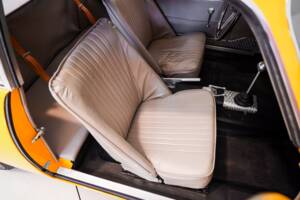
The interior was also refurbished during the restoration process. The focus was less on modern comfort and more on returning to the functional, sporty atmosphere of the late 1950s. No further specific details regarding materials, colors, or execution are available. However, the overall impression is said to be consistent with the vehicle concept and its era.
Mechanics
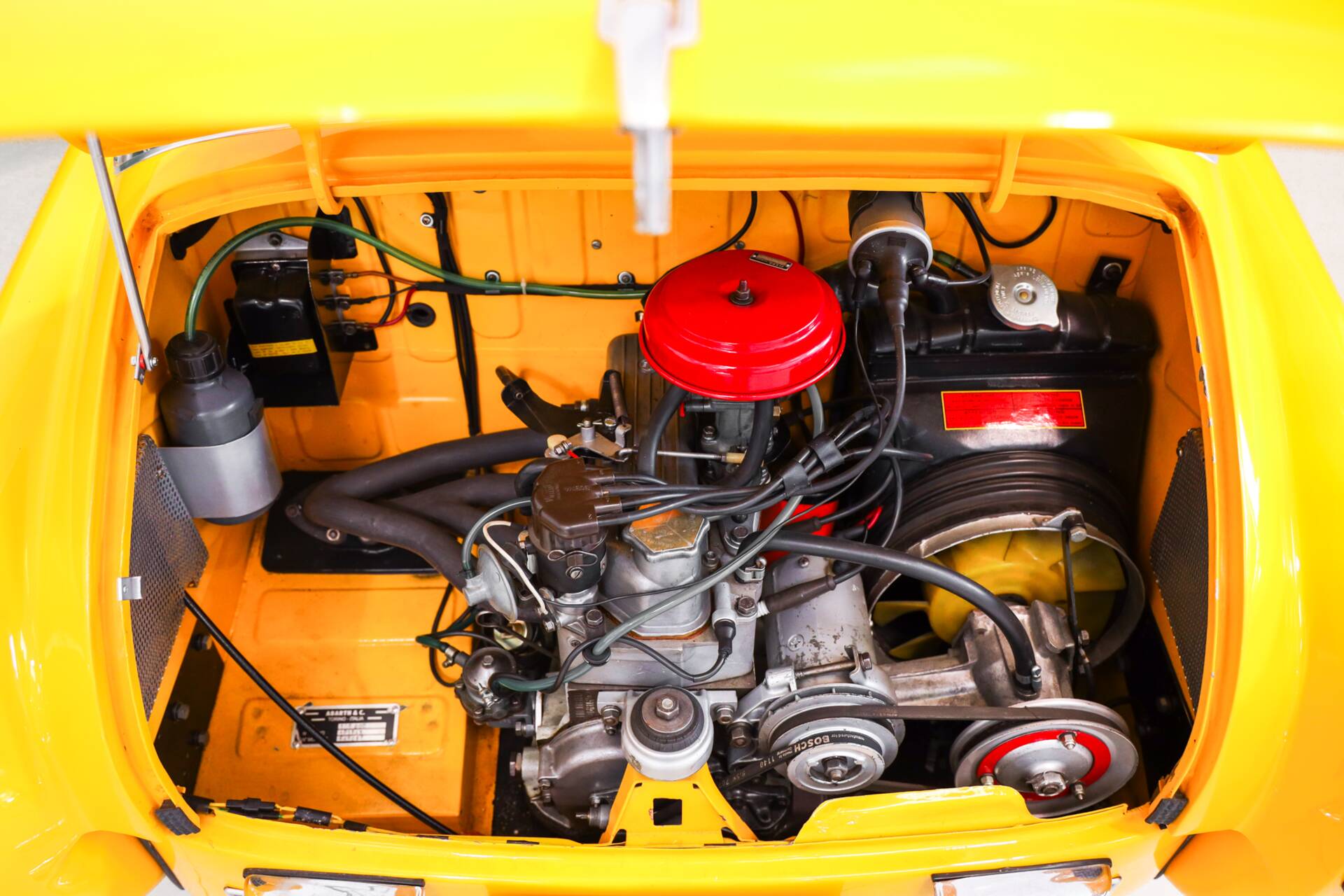
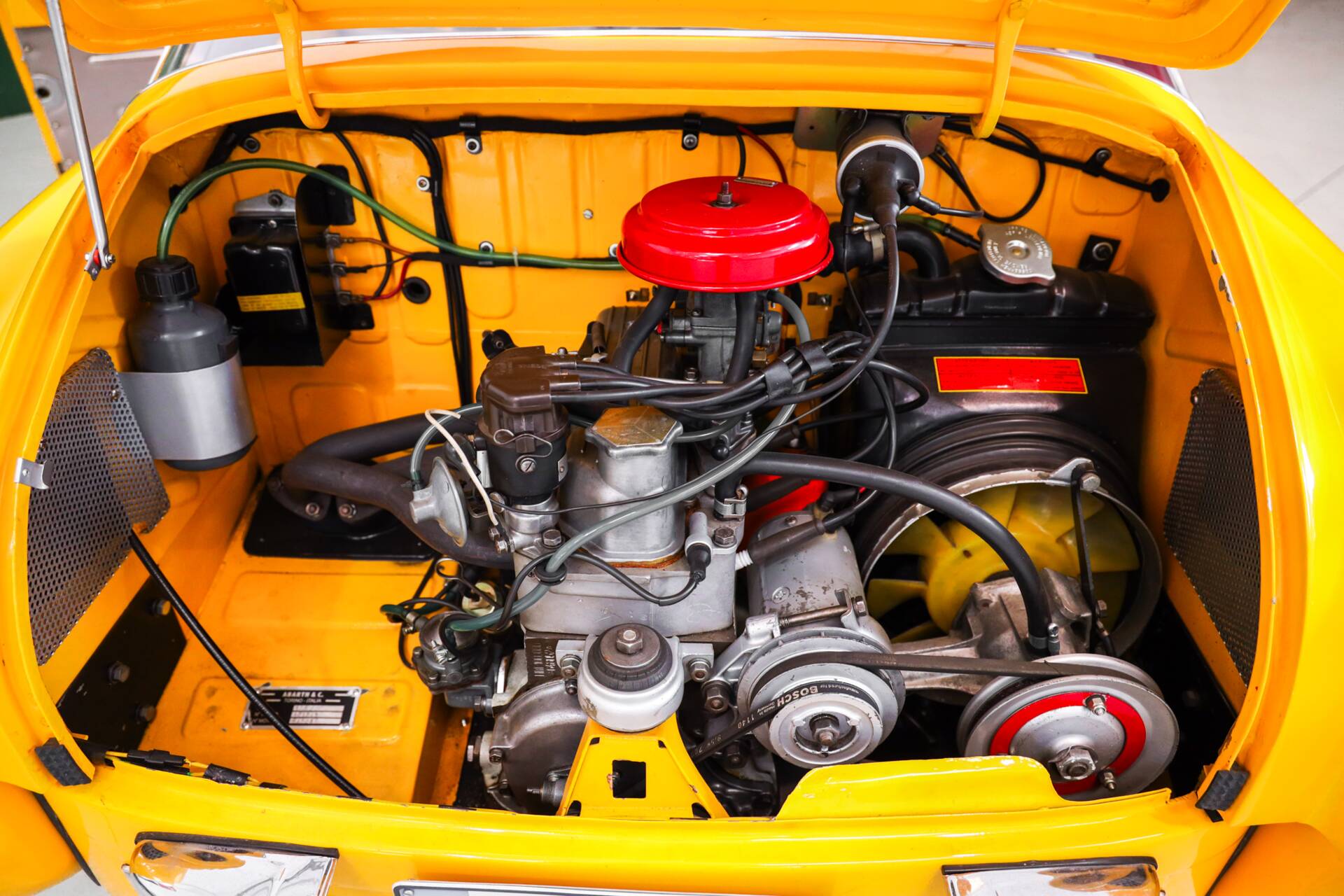
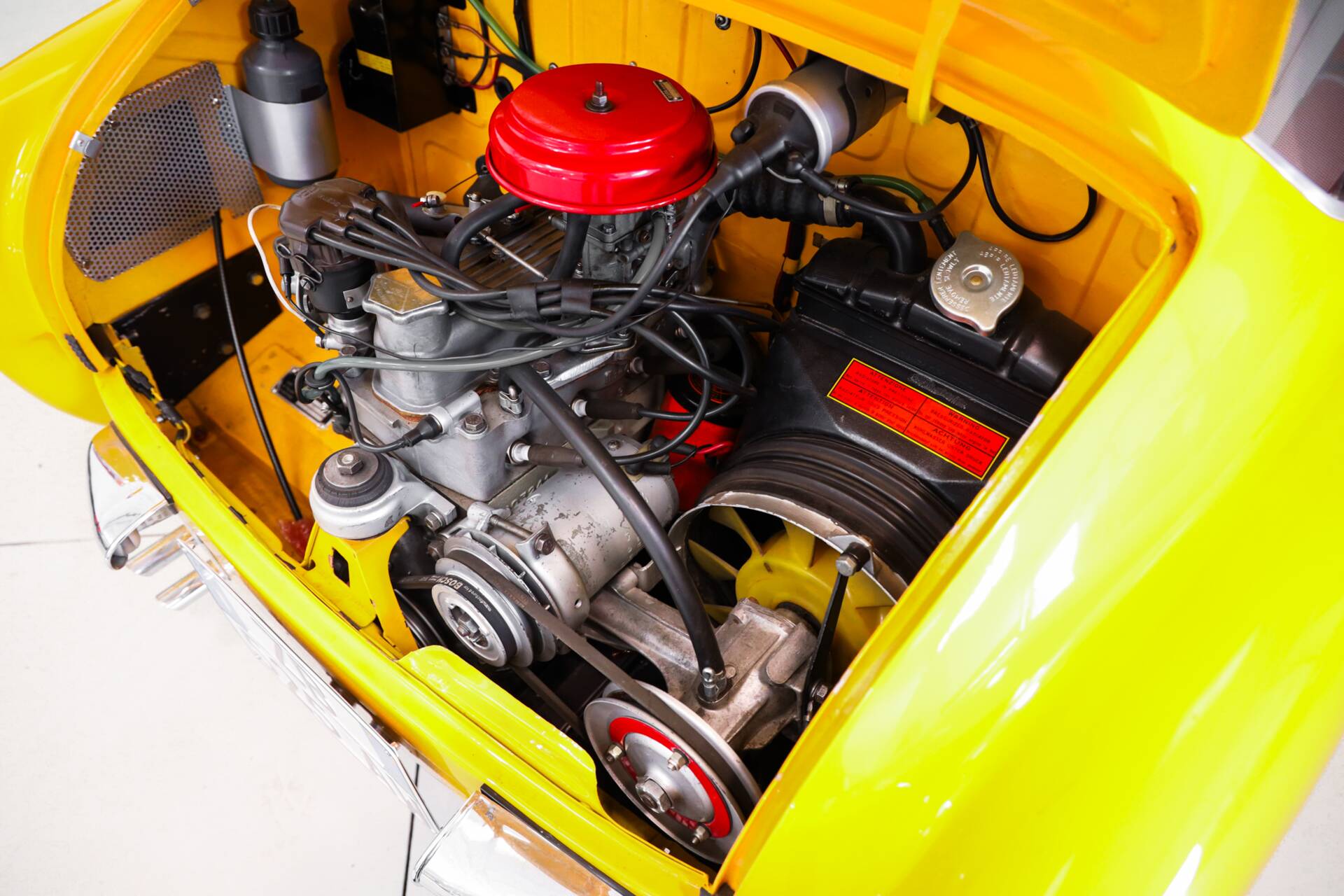
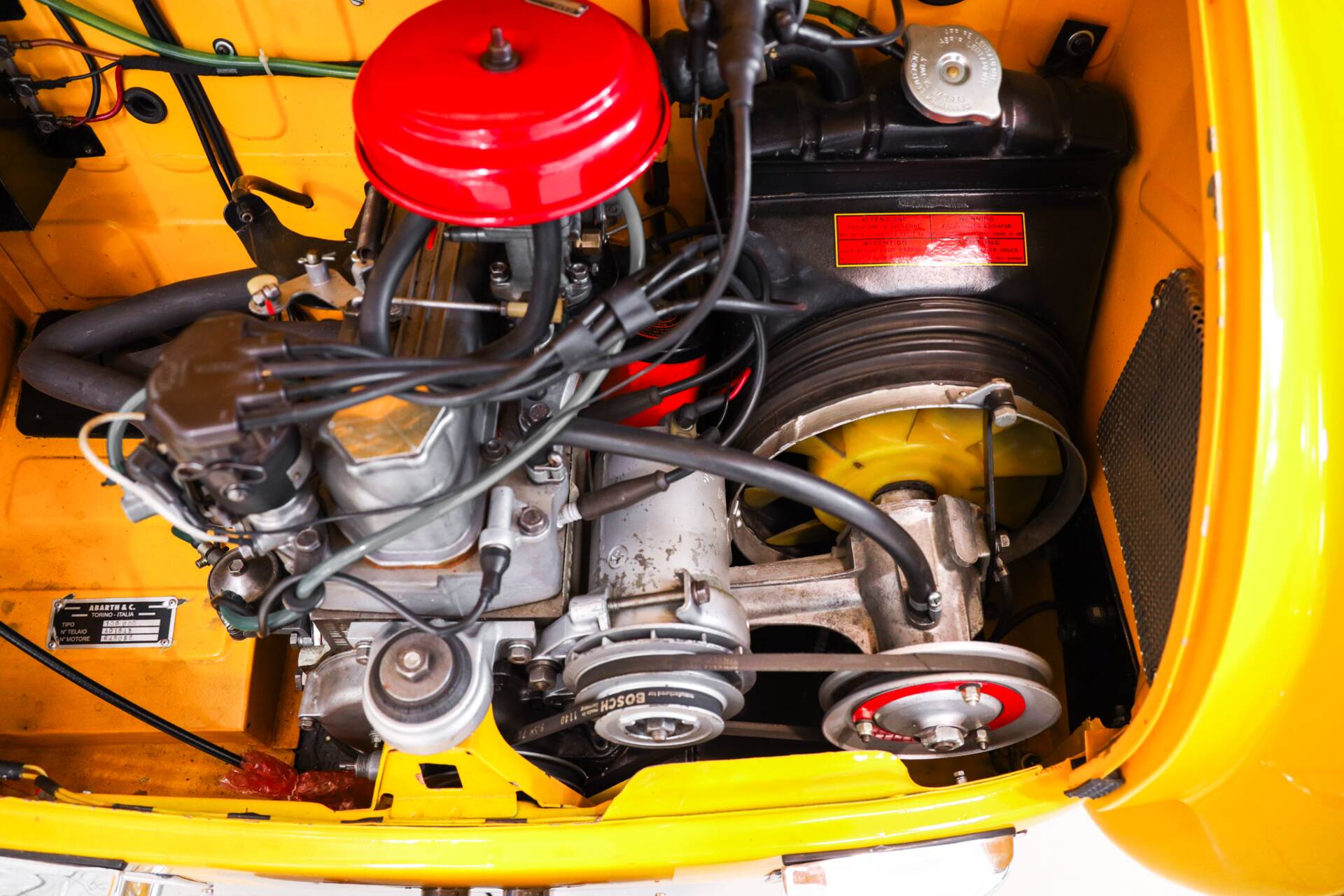
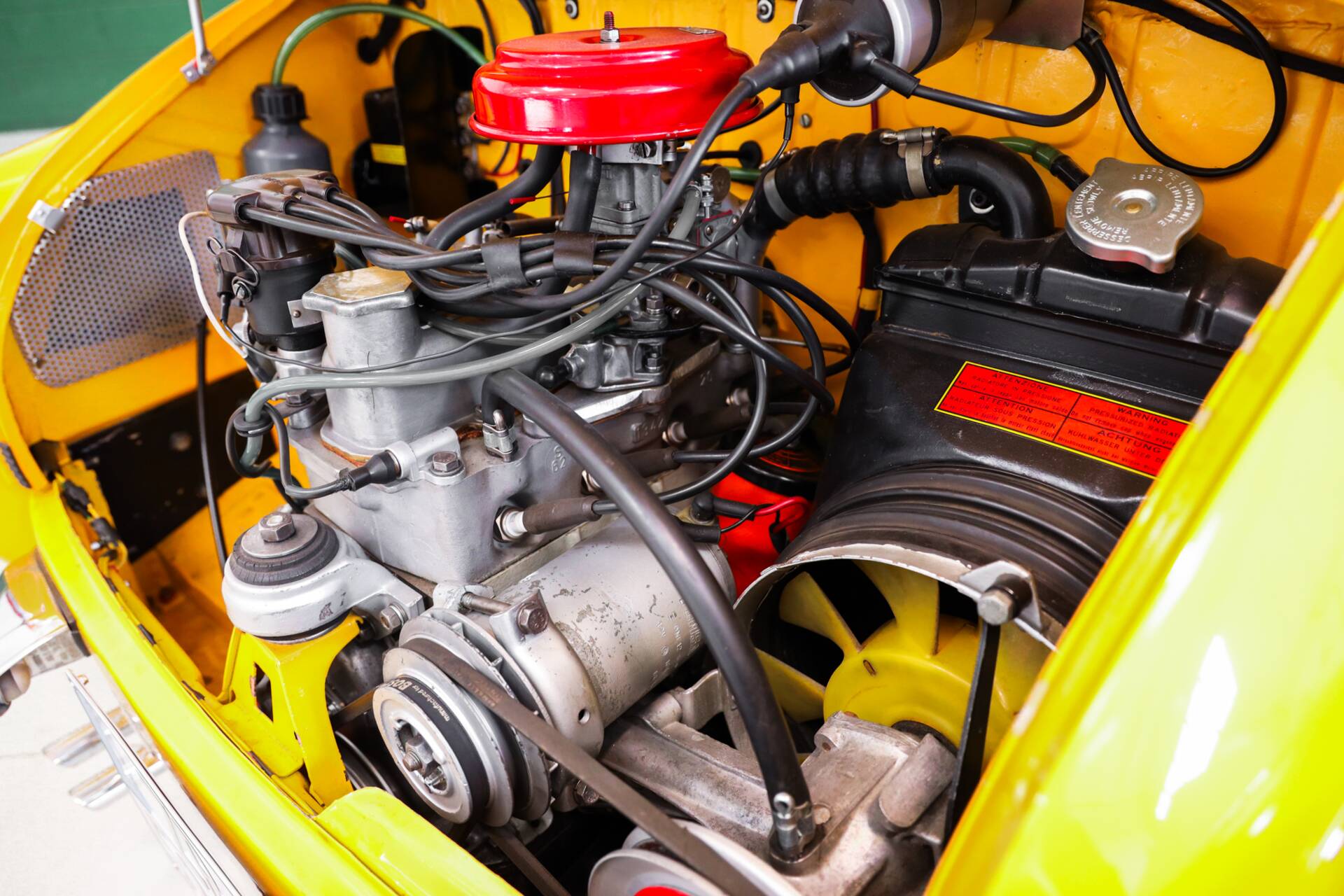
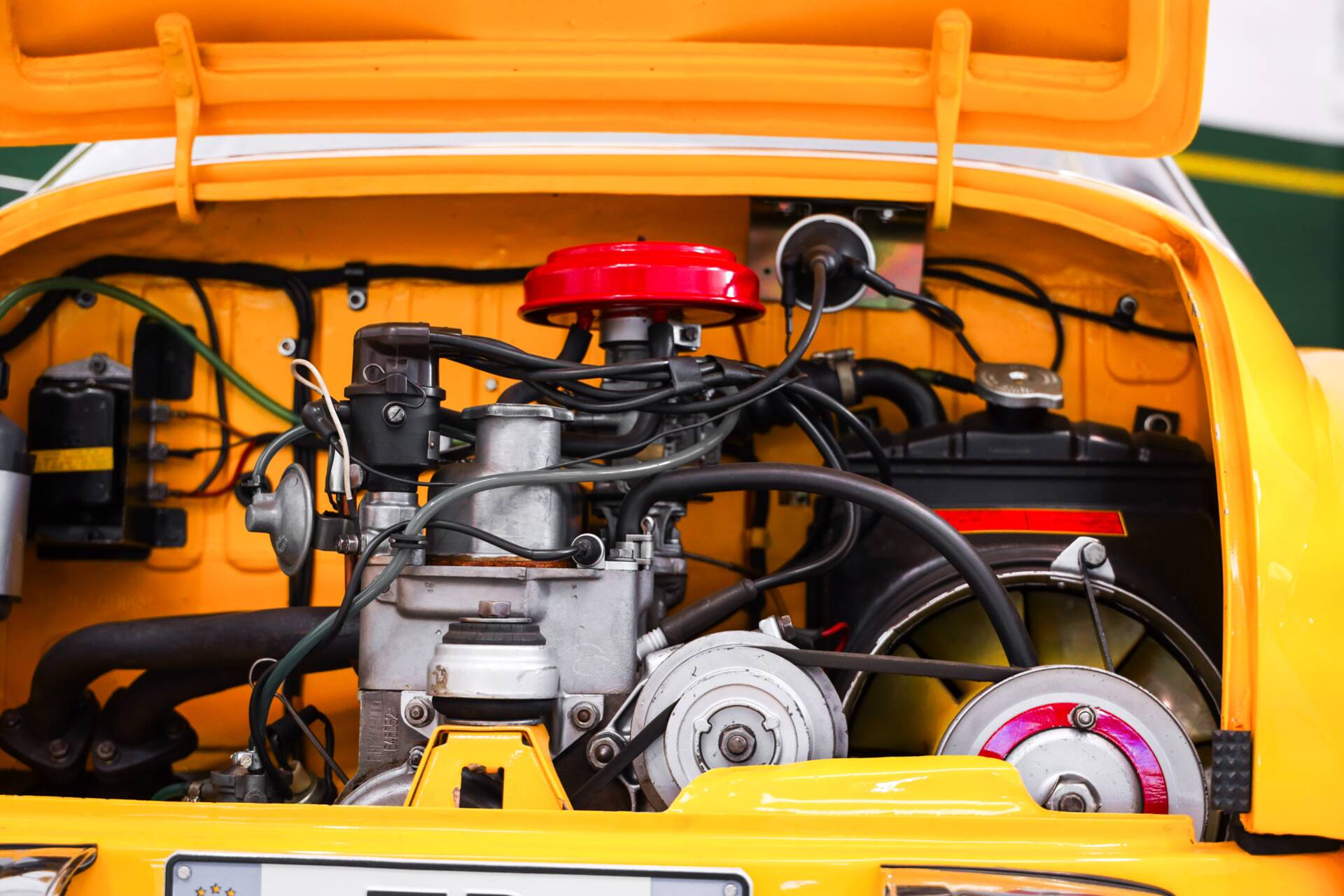
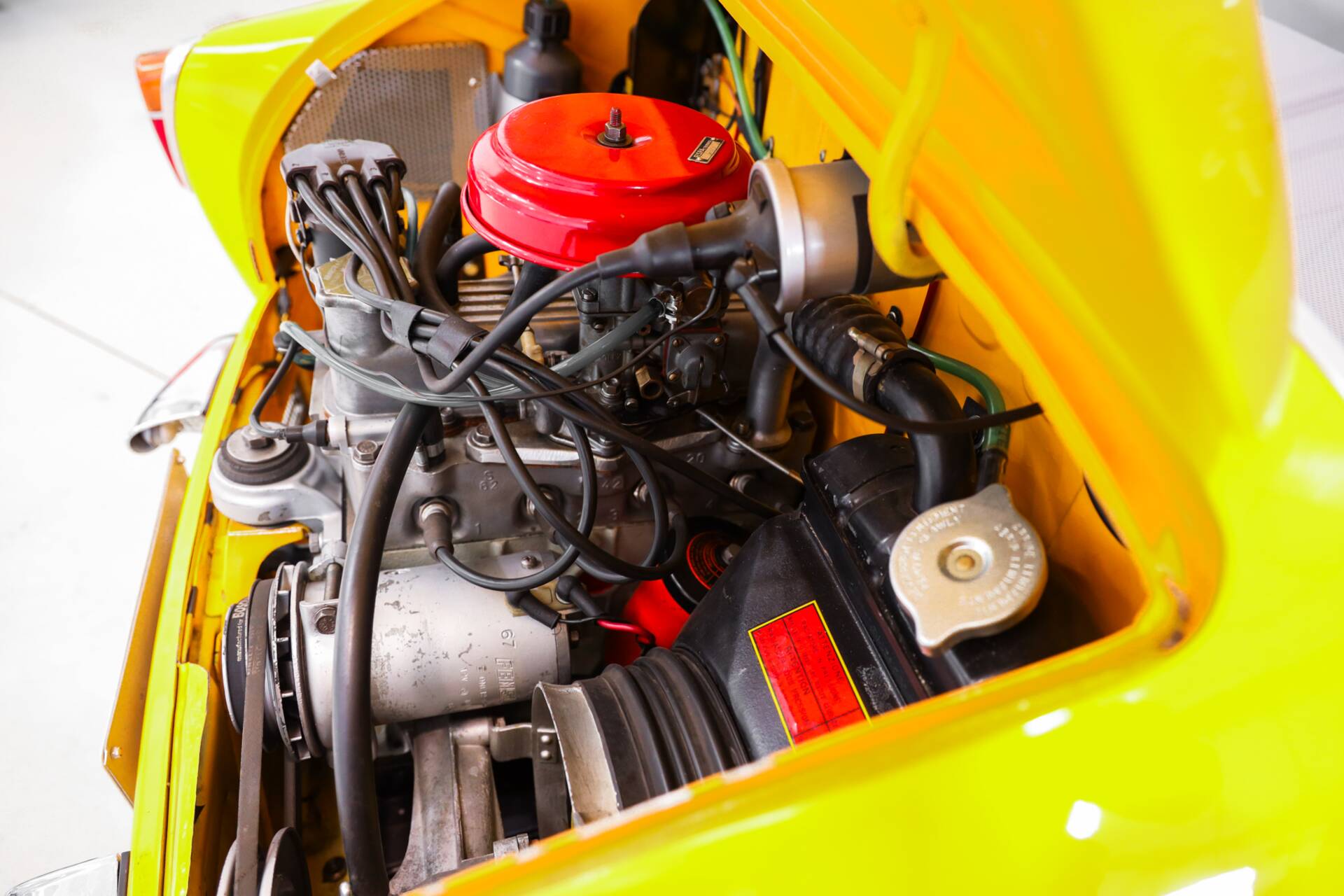
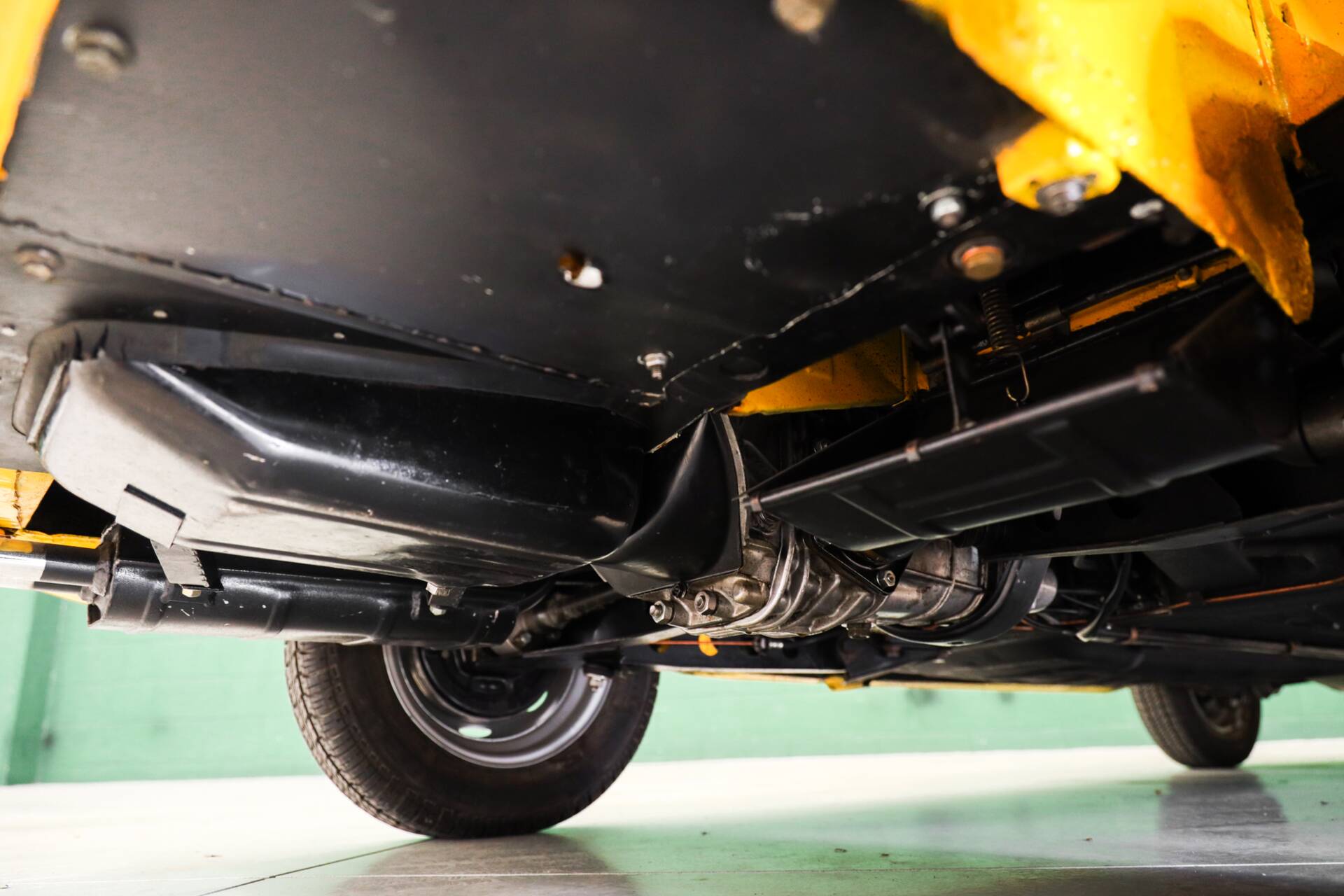
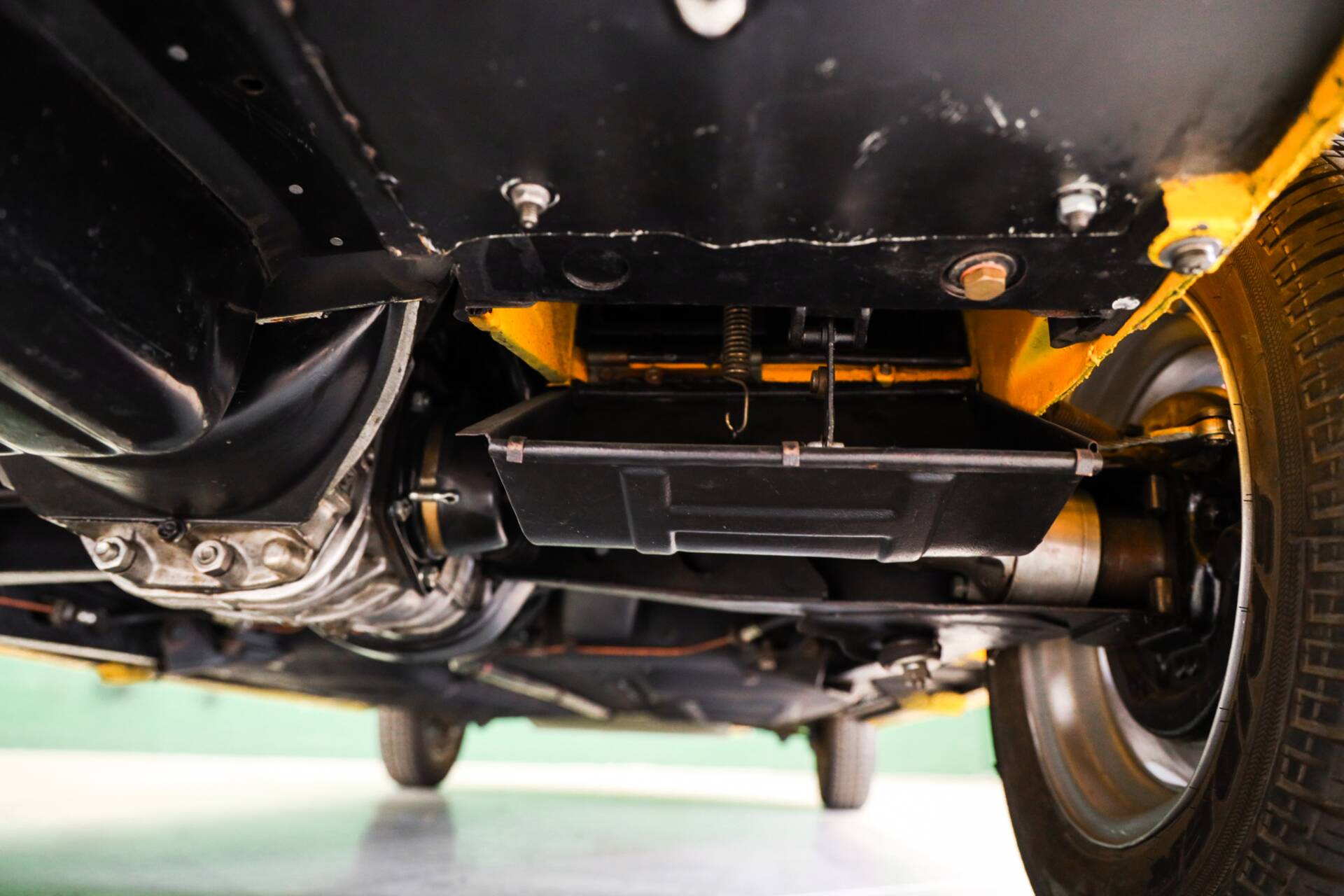
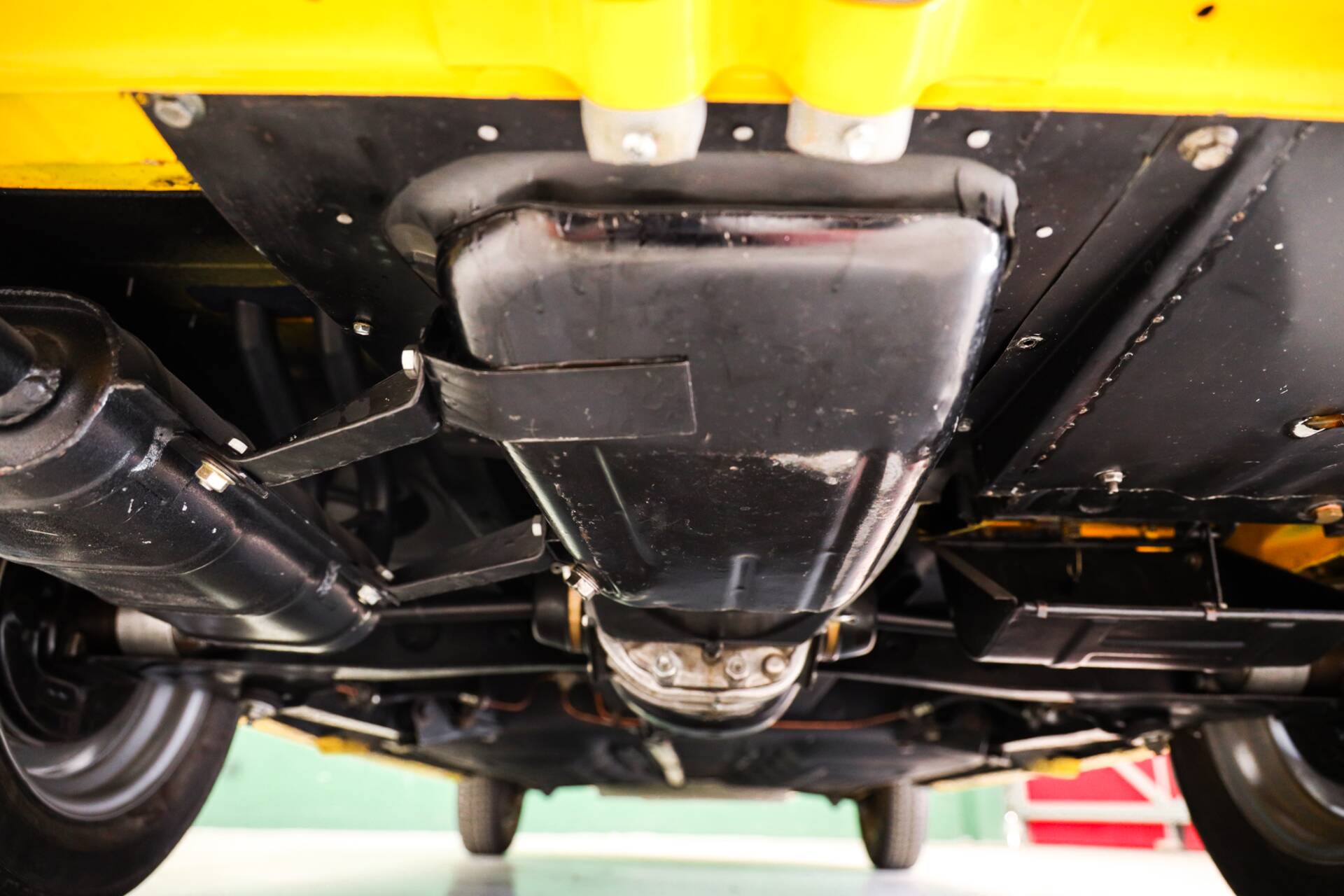
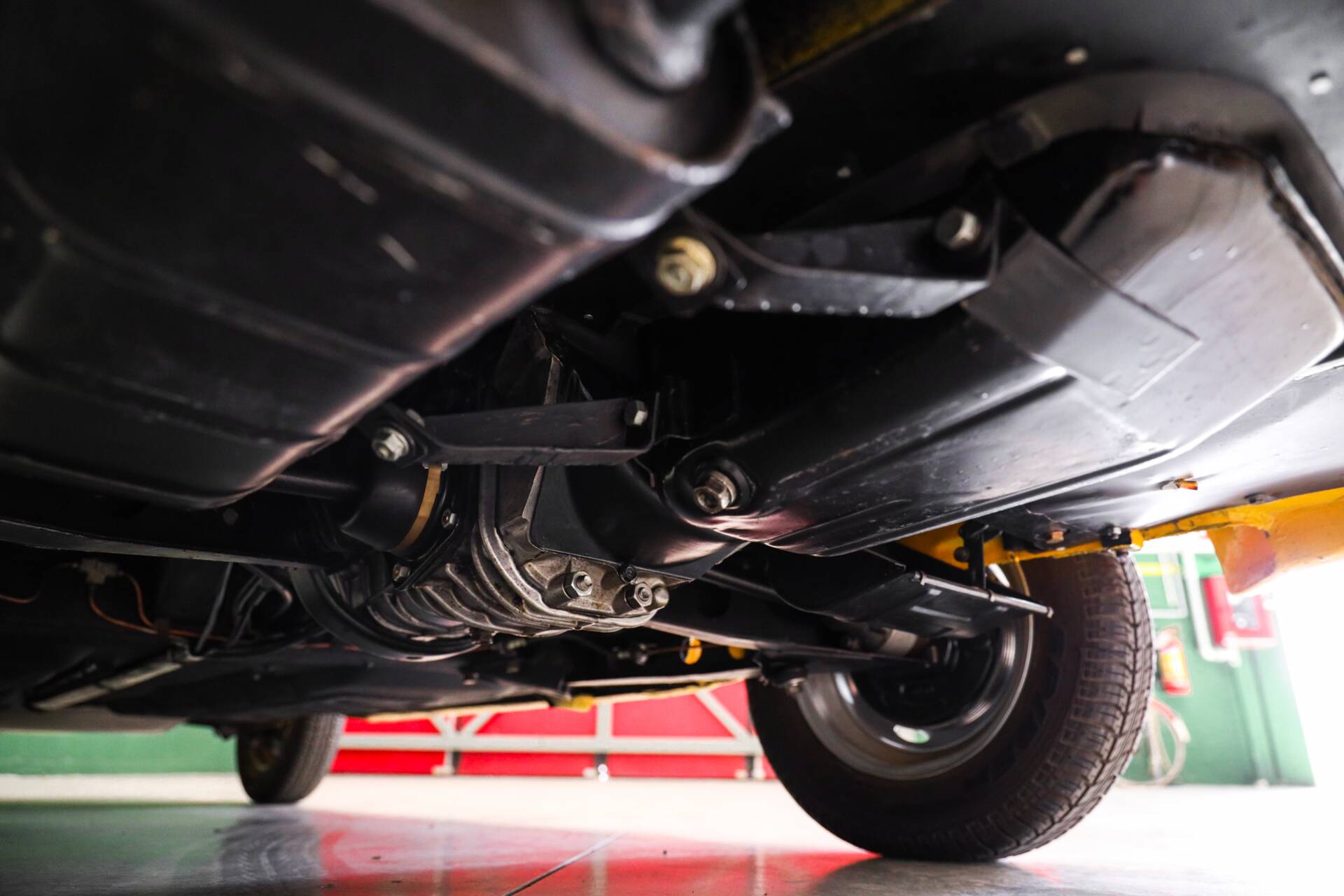
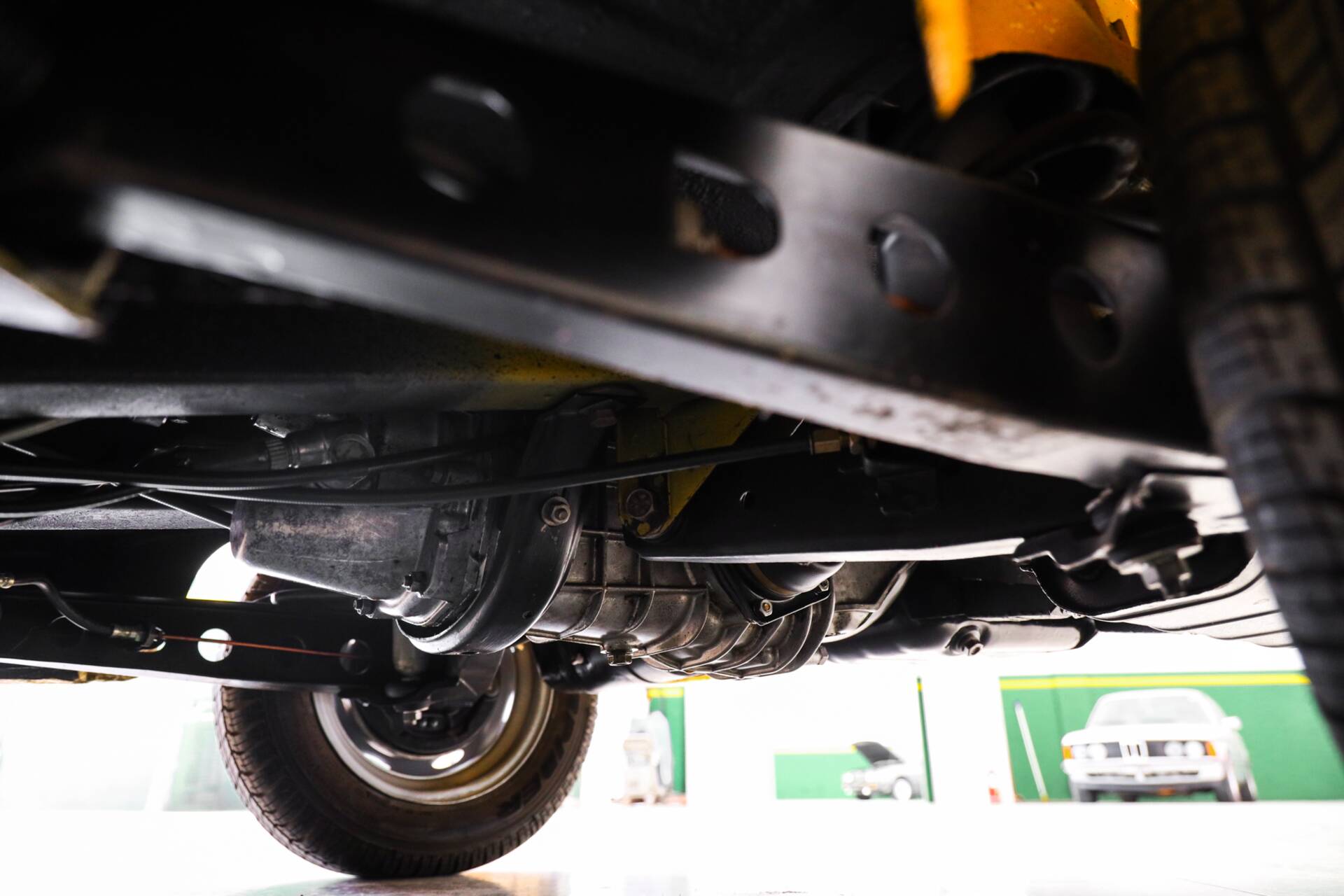
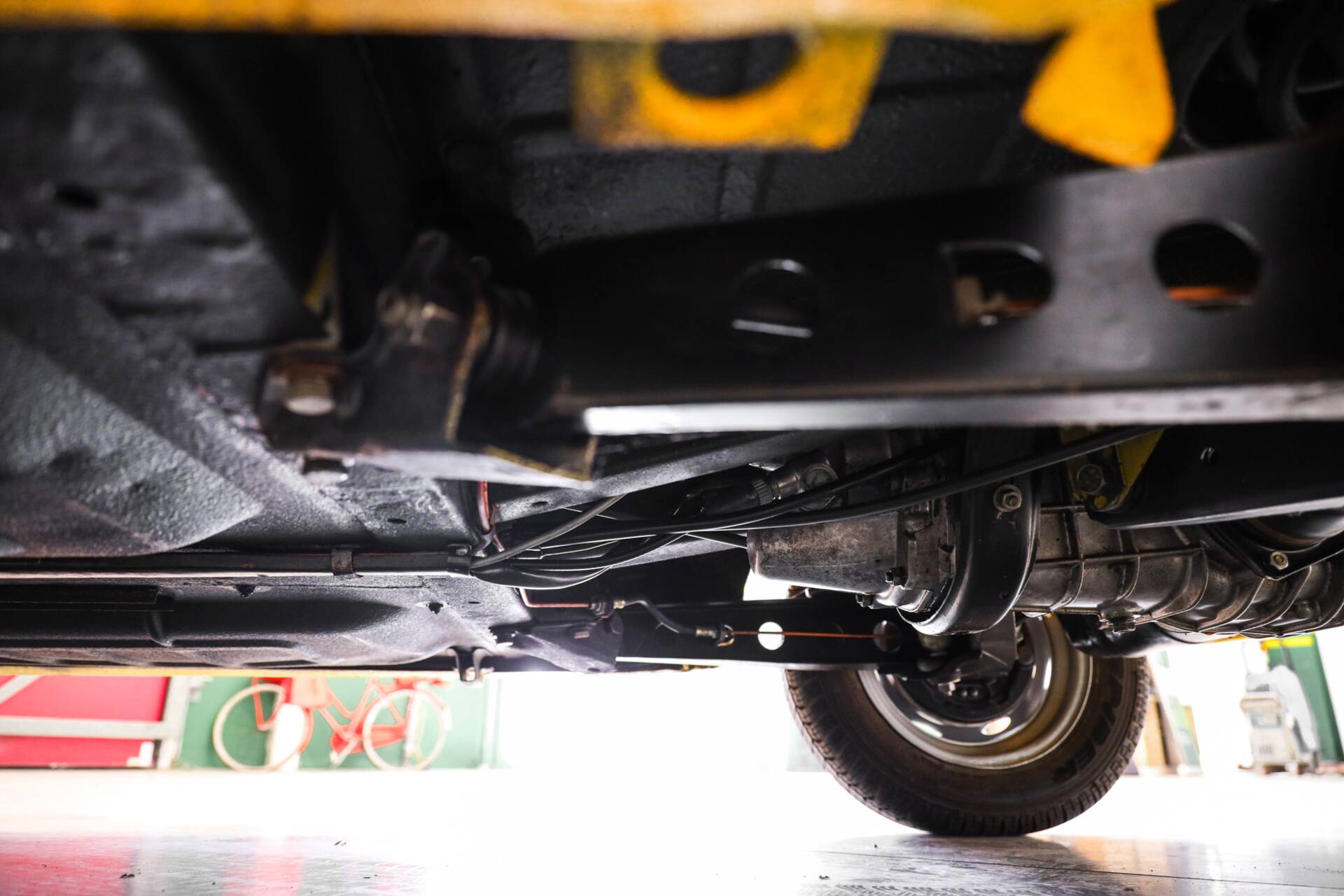
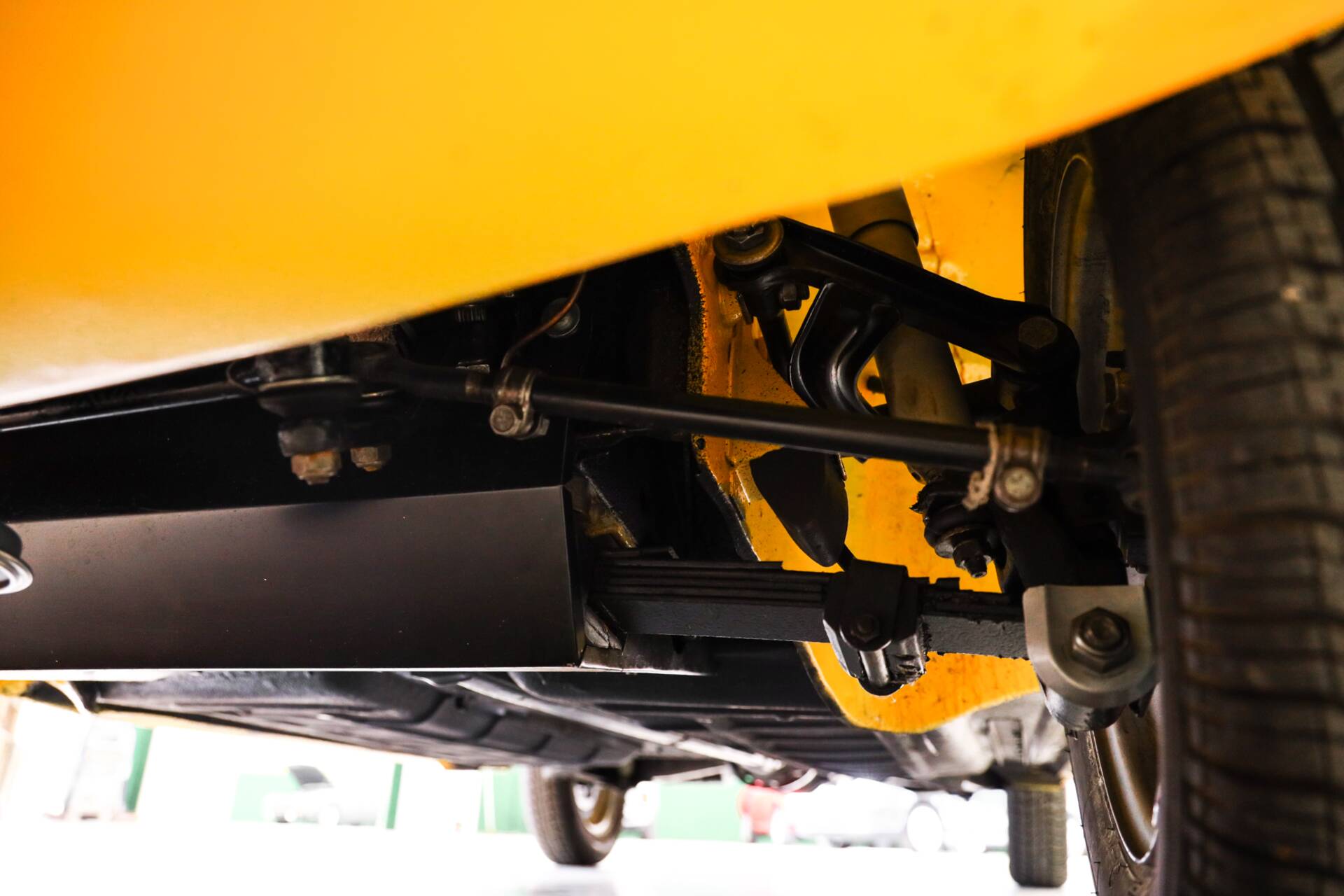
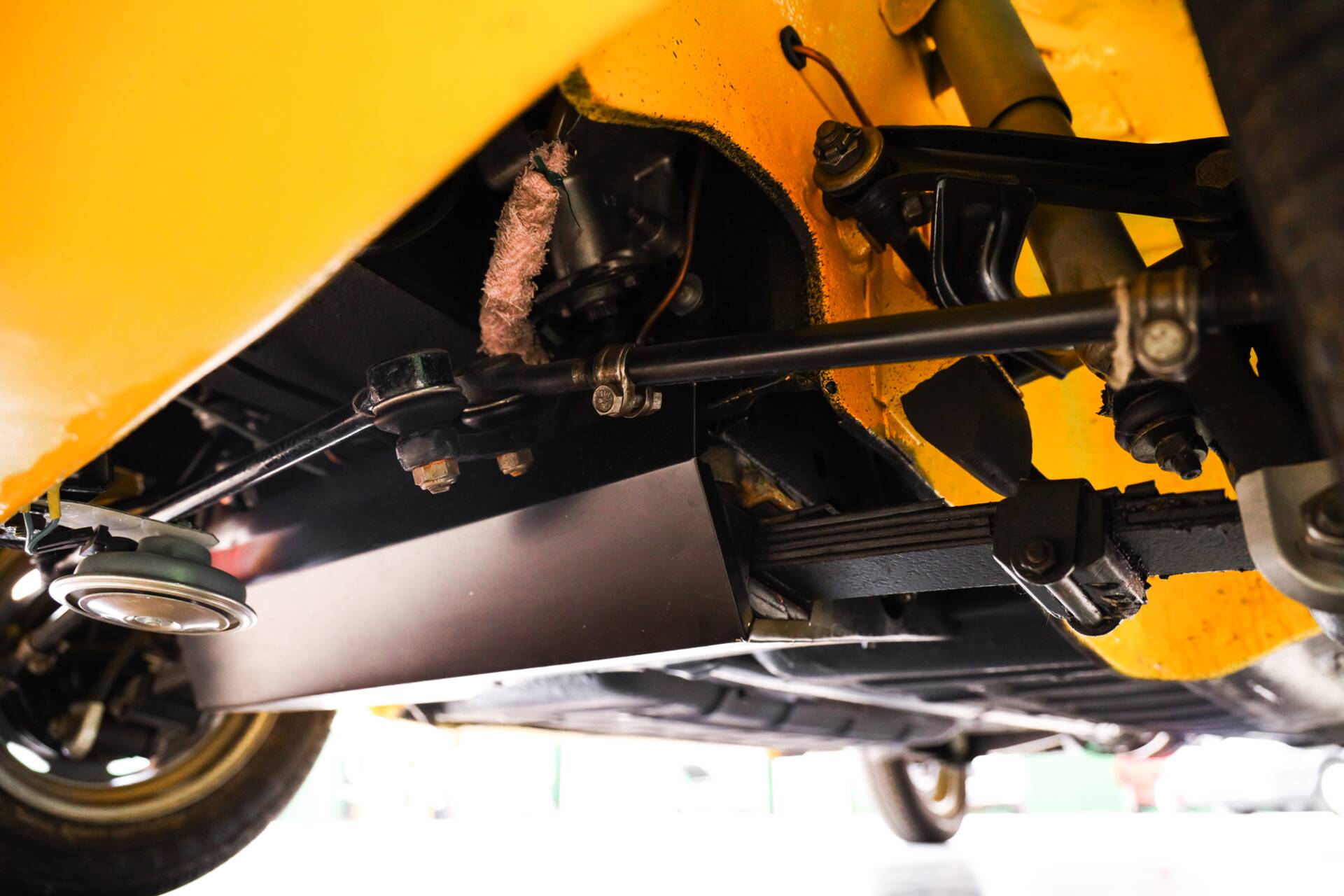
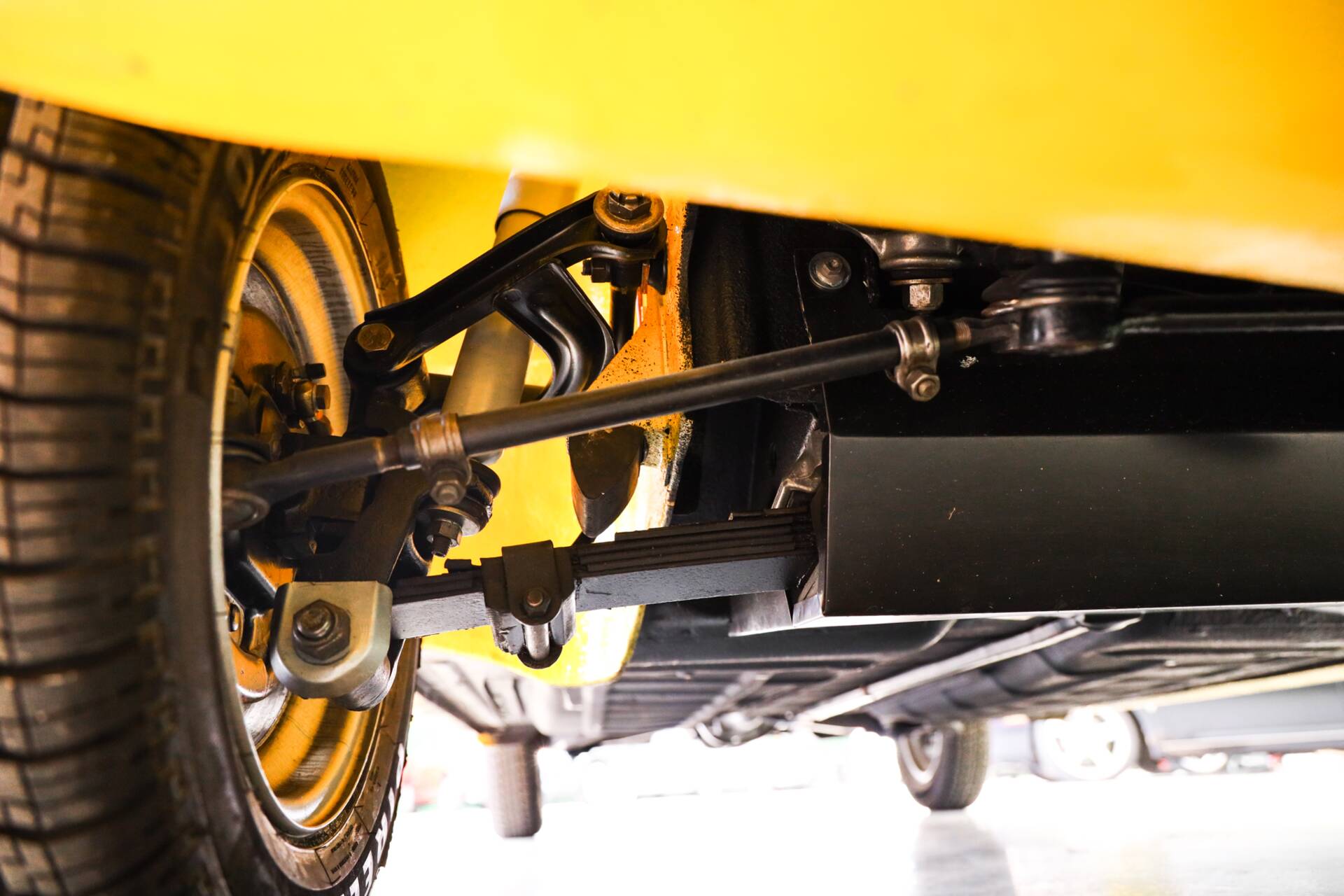
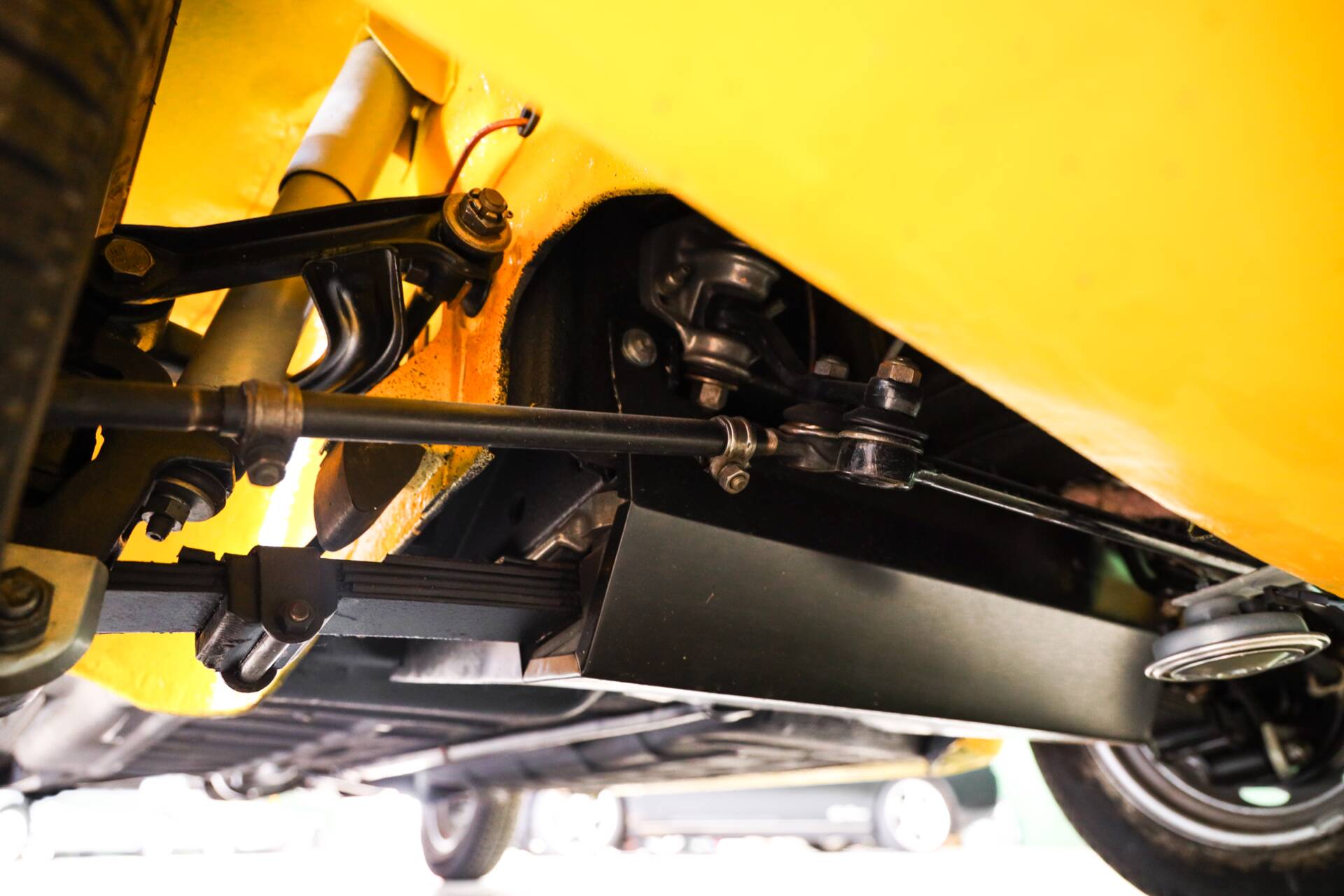
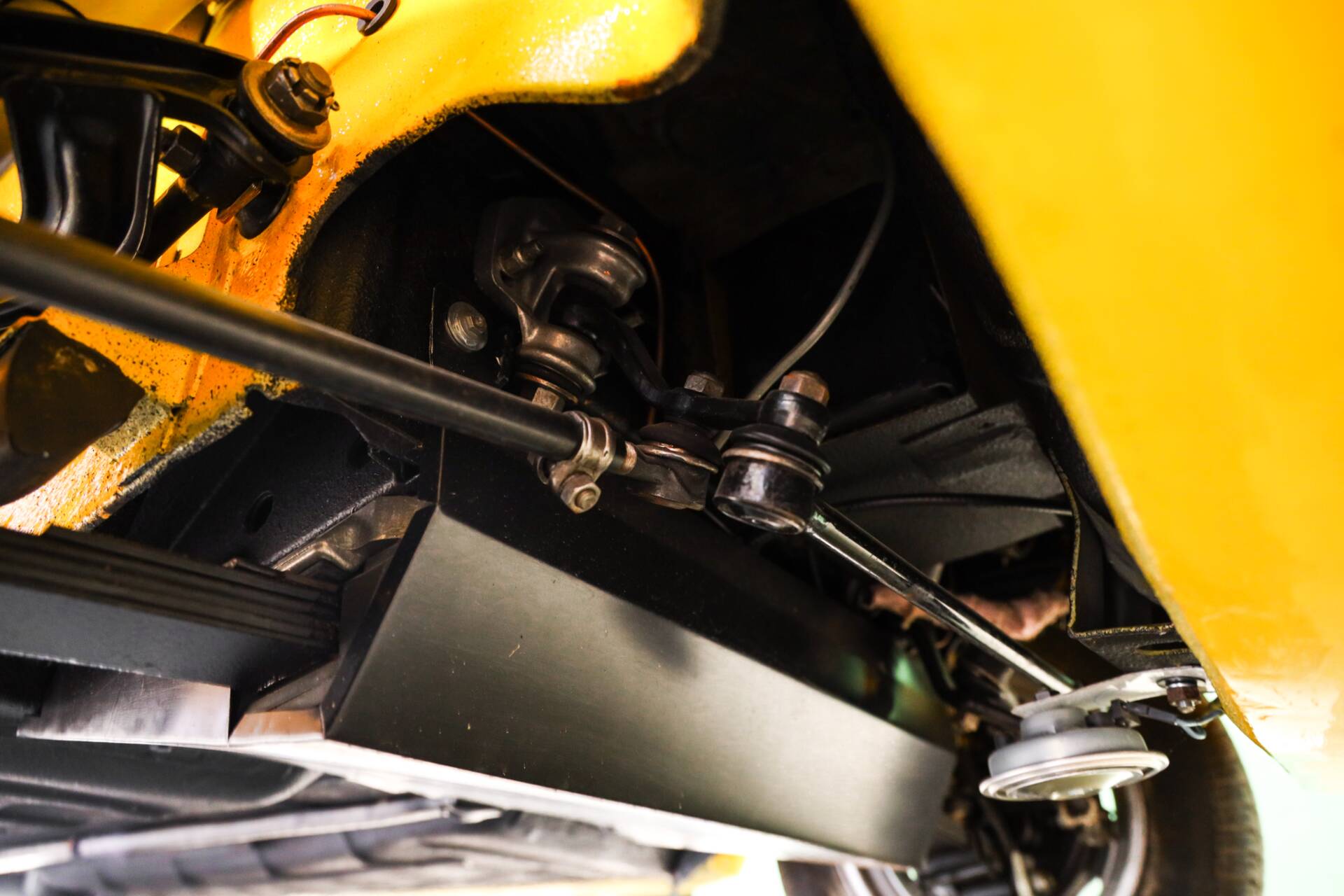
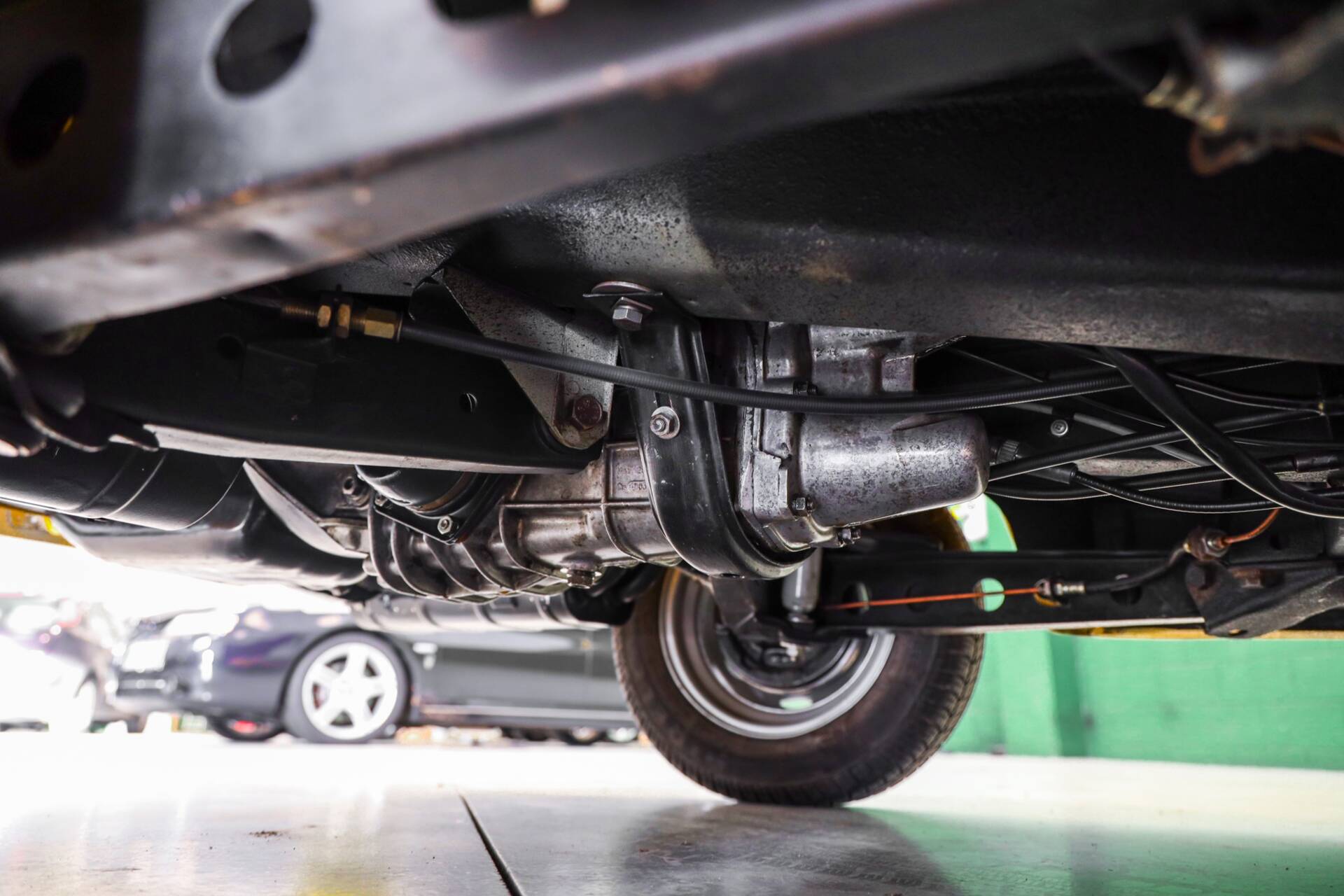
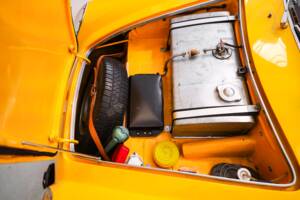
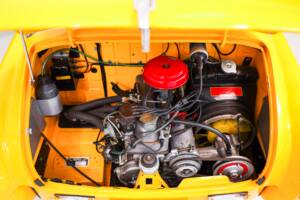
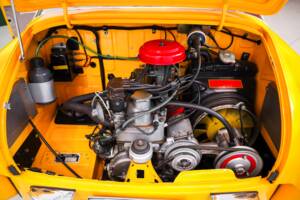
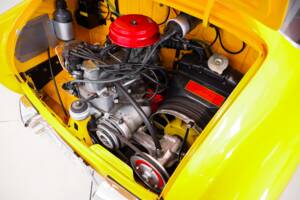
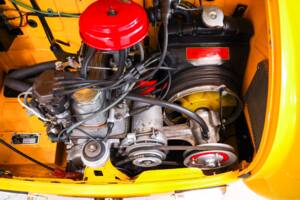
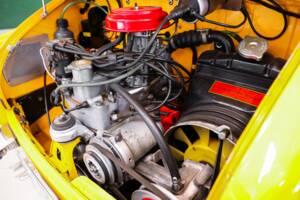
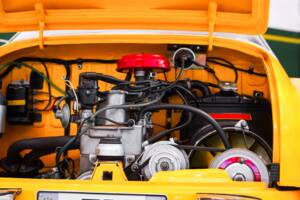
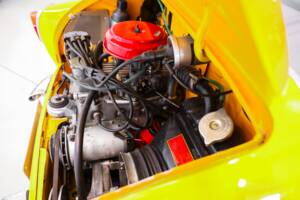
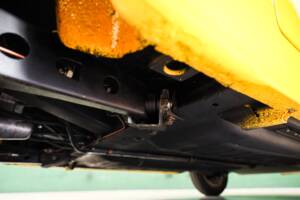
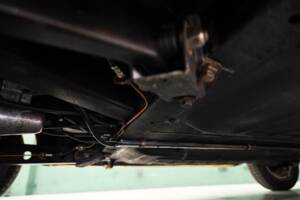
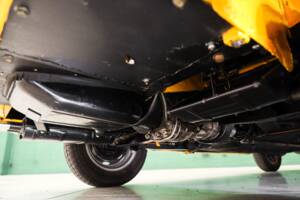
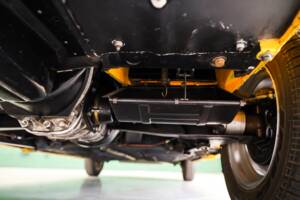
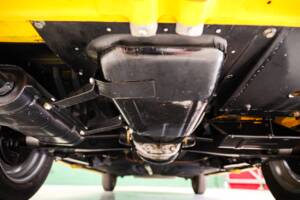
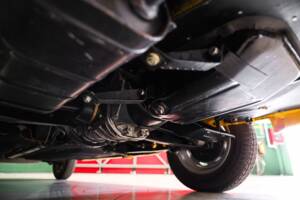
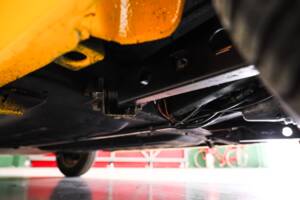
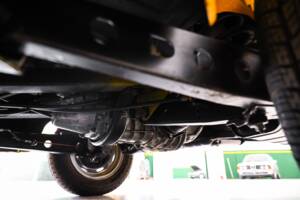
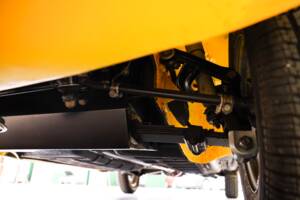
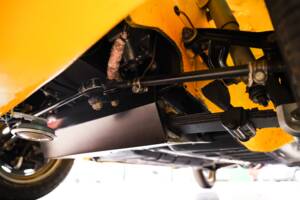
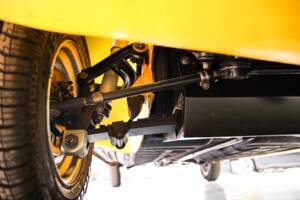
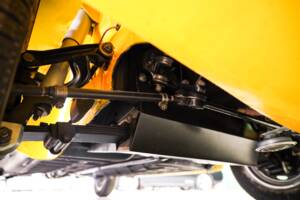
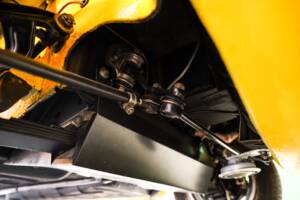
The vehicle’s mechanical components were fully overhauled. Particularly noteworthy is the complete engine rebuild, which, according to the information provided, is now said to function as it did when new. This example thus follows the original Abarth philosophy: less maximum power, but lively throttle response and high-revving character. No detailed information is available regarding output figures, carburetion, or specific Abarth components. However, the work clearly focused on reliability and drivability.
History
The car was built in April 1958 and initially registered in the United States—a not uncommon path for Italian sports cars of the period, which quickly found their way to the American market. After returning to Europe, it came into Italian ownership before being acquired by the current owner in 2000. At that time, the vehicle was in very poor condition. The decision was deliberately made in favor of a complete restoration, which took about four years. Only much later, in 2020, was the Abarth registered in Italy.
Service / Documentation
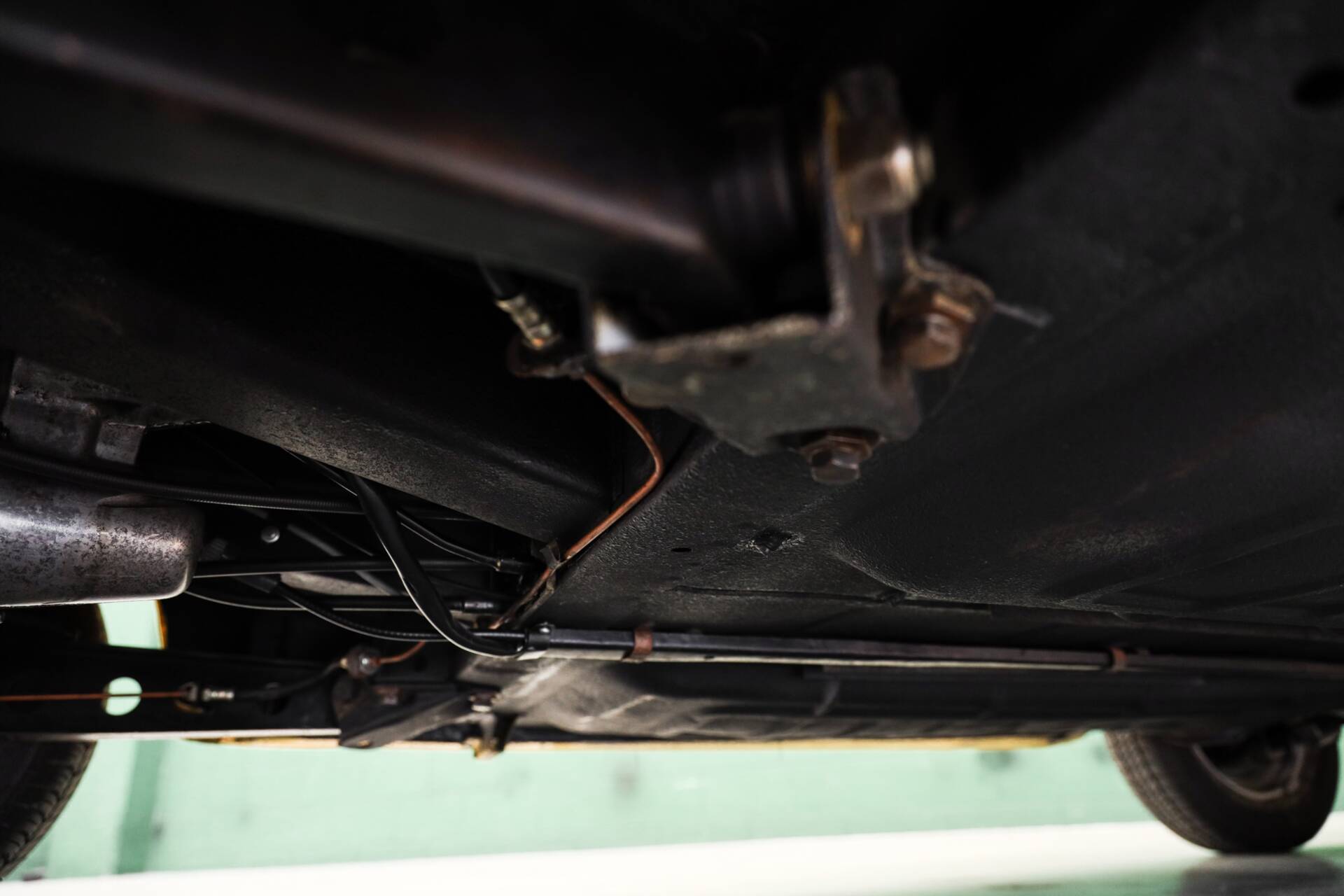
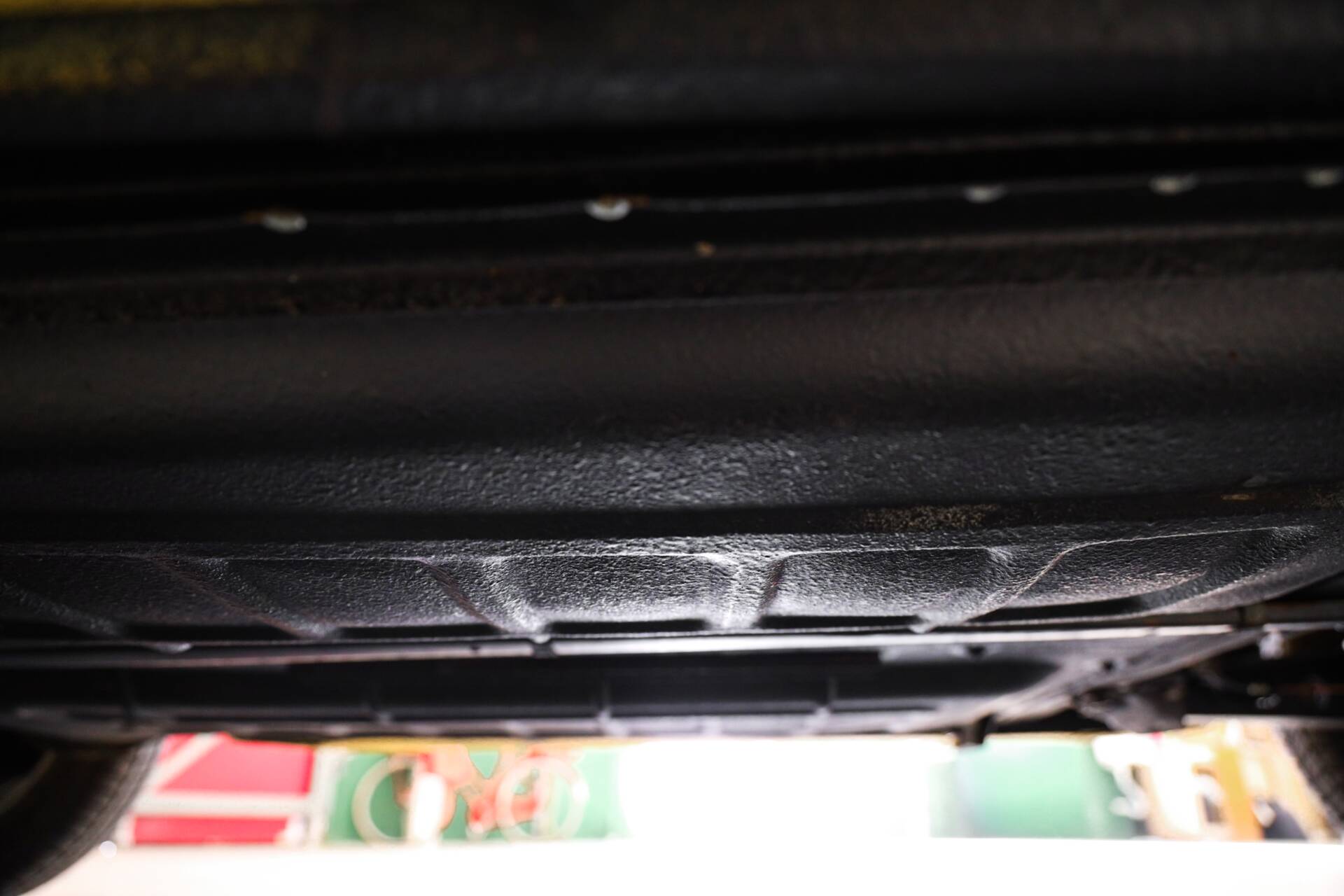
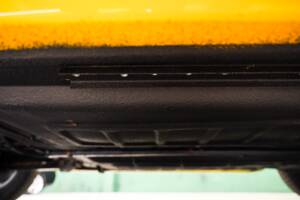
According to the information provided, the restoration included a full mechanical overhaul, engine rebuild, bodywork including repainting, as well as work on the interior, wheels, and glazing. Total costs amounted to approximately €35,000 to €40,000. It is not specified whether invoices, photographic documentation, or additional records are fully available, though the stated cost breakdown lends plausibility to the scope of the work.
Summary / Conclusion
This Abarth Fiat 750 Zagato exemplifies an era in which small displacement engines generated great emotion. Its early production date, initial US registration, and long-term, dedicated restoration make this vehicle an interesting object for collectors of classic Italian sports cars. It is aimed at enthusiasts who value character, authenticity, and historical substance over flawless perfection. A rare representative of Abarth-Zagato history that once again embodies what it originally was: a purist sports car with racing DNA.
Personal Comment / Impression
The appeal of a 750 Zagato lies not in the data sheet, but in the feeling. You sit low, look over a long, narrow bonnet, and sense that every kilogram matters. This car reminds us that driving pleasure once often came from reduction—and that is precisely why a well-restored Abarth like this feels so immediate and honest today.