- Motorcycle
- Motovespa (0 offers)
Buy Motovespa Scooter
Motovespa is a rare Spanish-built Vespa story with a proper collector edge. In Australia, most examples arrived via Europe, so finding one here is a small-market hunt with big rewards.
Search results
Currently, there are no matching listings for your search.
Create search alert
Let yourself be notified as soon as a listing is published that matches your search filters.
Create listing
Do you have a Motovespa that you want to sell? Then create a listing now.
Create listingMotovespa listing references from Classic Trader
Below you will find listings related to your search that are no longer available on Classic Trader. Use this information to gain insight into availability, value trends, and current pricing for a "Motovespa" to make a more informed purchasing decision.
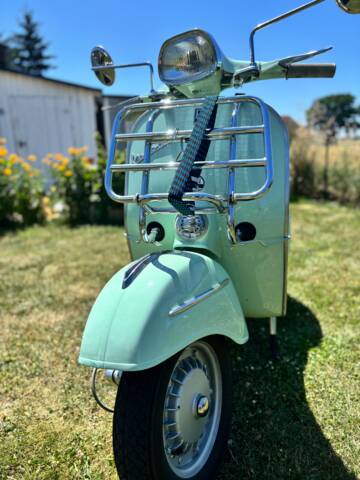
1967 | Motovespa Vespa 125 SL
Vespa Torismo

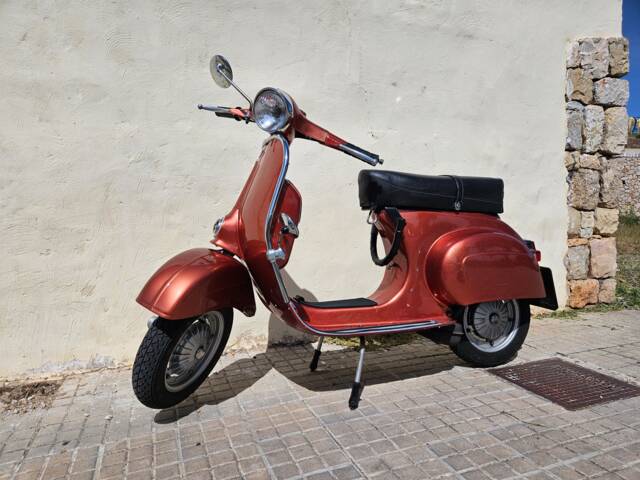
1975 | Motovespa Vespa 125 SL
1975 Motovespa Vespa 125 SL – Historically registered and ready to ride for the season

Create search alert
Let yourself be notified as soon as a listing is published that matches your search filters.
Create listing
Do you have a Motovespa that you want to sell? Then create a listing now.
Create listingHistory
Motovespa sits in one of the most interesting corners of scooter history. It was never just “a Vespa made somewhere else”; it was a Spanish production story shaped by licensing, local industry, and the realities of post-war Europe. For collectors in Australia, that matters because Motovespa combines familiar Vespa DNA with a rarity that feels almost exotic on local roads.
The brand came to life in Madrid in the early 1950s, when Piaggio licensed production in Spain under the Motovespa name. Spain’s economy was comparatively closed at the time, imported consumer goods were hard to access, and a locally built scooter made strong commercial sense. Motovespa became a practical answer to a Spanish transport market that wanted light, affordable mobility.
From the outset, the Madrid operation did more than simply assemble kits. Early machines borrowed heavily from Italian Vespa patterns, but the Spanish factory increasingly developed its own identity, parts supply, and model evolution. Over time, Motovespa became known for small technical differences, local component choices, and a production line that often moved in step with, but not always behind, Italy.
The most intriguing chapter for enthusiasts is the way Motovespa model history diverged from the better-known Italian catalogue. Spanish 125s, 150s, sportier 160s, and later 200cc machines created a parallel Vespa world with its own tuning, trim, and hardware details. In collector circles, that makes Motovespa especially appealing: it is recognisably Vespa, yet just unusual enough to keep even seasoned restorers interested.
In Australia, the story is different again. Motovespa was never sold here in meaningful numbers. Unlike the mainstream Japanese commuter bikes that flooded the market, or even the more common Italian Vespa imports, Motovespa remained a very small footprint presence. Most Australian examples are imported from Europe, usually by specialist buyers or enthusiasts who knew exactly what they were chasing.
That scarcity is part of the appeal. Australia has a strong classic scooter culture, but Motovespa is still a talking point even at well-attended scooter rallies in Melbourne, Sydney, Brisbane, or Perth. If you spot one at a local show, odds are it has already travelled a long way before arriving in the country.
For today’s buyer, the history is more than trivia. It explains why parts can be a mixed bag, why documentation matters, and why originality can affect value more sharply than on a more common Vespa. The deeper you go into Motovespa, the more you realise that these scooters are not just collectibles; they are records of a specific European industrial moment.
Highlights
Motovespa is interesting because it offers collector appeal on several levels at once. It is rare, historically layered, and mechanically familiar enough to be workable for a hands-on owner. That mix is exactly what many Australian buyers want: a scooter you can actually ride, but one that will still stand out in a parking row full of Lambrettas and modern Vespas.
One of the biggest highlights is the brand’s Spanish identity. Because it was built under license rather than simply imported, Motovespa developed its own regional flavour. Some models used different electrics, local suppliers, or market-specific detailing. For collectors, those variations are not minor footnotes; they are the sort of detail that makes a scooter more interesting to own and research.
Another highlight is the rarity outside Spain. In Australia, Motovespa is far from common. Most enthusiasts here know the name Vespa, and many know the Italian classics well enough, but Motovespa is still a niche within a niche. That rarity gives ownership a distinct social reward: people ask questions, and they ask them often.
The brand also has a strong technical reputation among scooter historians. Certain Spanish-built versions brought local adaptations before those features became standard elsewhere. That makes Motovespa attractive to buyers who value engineering evolution, not just badge value. If you enjoy the “why” behind a machine, Motovespa gives you plenty to dig into.
For Australian collectors, one practical highlight is that some later Motovespa models share enough DNA with more familiar Vespa parts and service logic to make ownership realistic. That does not mean every component is easy to source, but it does mean the platform is not as intimidating as a completely obscure one-off classic. If you are already familiar with vintage Vespas, you are not starting from zero.
The market also rewards cars-and-coffee style charm. Motovespa scooters photograph well, they have period-correct curves, and they carry the kind of old-world presence that suits Australian classic events and weekend rides. On a good day, they can be used as intended: for slow, stylish running around town rather than garage decoration only.
Technical Data
Motovespa is not one single model, so technical data varies by series and year. Still, the platform has a clear family resemblance. Most examples are small-capacity, air-cooled, two-stroke scooters with manual gear selection, steel bodywork, and classic Vespa-style riding characteristics.
The headline mechanical features are straightforward in classic scooter terms: a single-cylinder two-stroke motor, drum brakes, a steel monocoque-style frame, and small wheels that prioritise nimbleness over outright touring comfort. Many versions are kick-start only, with manual gear shifting via the left-hand twist grip, which is exactly what buyers expect from a proper period Vespa experience.
For a collector, the most important point is not the raw figures but the model identity. Motovespa parts and trim can differ significantly from Italian equivalents, particularly on earlier machines. On later 200cc scooters, the overlap with more common Vespa architecture makes ownership easier, but the Spanish-specific details still matter if you want the bike to stay correct.
In Australian conditions, these scooters are best understood as classic city machines. They are light, manageable, and ideal for short runs, club rides, and Sunday loops. They are not built for modern highway pace, and that is part of the charm. A Motovespa is about involvement, not invisibility.
Market Overview & Buying Tips
The Australian Motovespa market is tiny. That is the first thing a buyer needs to accept. You will not shop Motovespa the way you shop a mainstream Japanese commuter or even a more common Italian Vespa. In Australia, examples appear irregularly, usually through private sales, specialist imports, or collector-to-collector transactions.
Based on 2024–2025 asking prices seen across Australian classifieds and broader scooter listings, classic Vespa-style scooters in reasonable condition often sit in the low-to-mid four figures for runners, while better restored machines can push into five figures. On bikesales, mainstream Vespa scooters in Australia commonly show used examples from roughly A$4,000 to A$10,000+ depending on year, condition, and model. That matters because a rare Motovespa will usually sit above a basic rider-grade scooter of similar age, especially if it has import paperwork, original trim, and clean cosmetics.
For Motovespa specifically, a sensible Australian buying range looks roughly like this:
- Project / incomplete bikes: A$2,000–A$5,000
- Usable runners: A$5,000–A$9,000
- Well restored or highly original examples: A$9,000–A$15,000+
- Rare top-tier collectors’ pieces: can go beyond that if provenance is strong
These are indicative, not fixed. A rough-but-complete scooter can be a smarter buy than a shiny but poorly assembled restoration. With Motovespa, condition, originality, and documentation often matter more than mileage.
When buying in Australia, there are a few extra costs to factor in. The big one is parts shipping from Europe. Because many Motovespa-specific pieces are not stocked locally, buyers often end up ordering from Spain, Italy, Germany, or specialist European Vespa suppliers. Shipping can be significant, especially for bulky items like body panels, floorboards, trim, or complete engine-related assemblies. Even small parcels add up once you include freight, exchange-rate movement, and GST thresholds. If you are restoring a Motovespa in Australia, parts shipping costs are not a side note; they are part of the budget.
That leads to the most important buying tip: buy the most complete scooter you can afford. Missing badges, switchgear, headlight rims, seat parts, or unique Spanish trim can become expensive quickly once sourced from Europe. A cheap incomplete bike can turn into a costly project fast.
Rust is the next major issue. Like any steel-bodied scooter, Motovespa can suffer in the tunnel, legshield edges, floor, lower frame, and around repair patches. In Australia, coastal storage and years of backyard life can make this worse. A “solid” scooter that has been hidden under fresh paint can easily reveal welding, filler, or previous accident damage once stripped.
Authentication matters too. Because Motovespa is rare here, buyers should verify frame and engine numbers carefully, compare registration paperwork, and ask for import history where available. Spanish paperwork, old European registration documents, or a clear Australian import trail can help support value.
Also inspect the electrical system. Older Motovespa scooters may retain original-style wiring, lights, and charging components that are perfectly period correct but fragile after decades of use. If the scooter has been converted, ask what was changed and whether the work was done cleanly.
For Australian riders, club support is helpful but not universal. Mainstream Vespa communities can assist with general mechanical knowledge, yet Motovespa-specific trim and exact factory detail often needs specialist research. That is part of ownership, but it is worth knowing before you buy.
Here is the short version: in Australia, the best Motovespa is the most complete, most honest, and most documented example you can find. If you have to import from Europe, budget carefully for freight, taxes, compliance, and the inevitable “while you’re in there” parts order.
Performance
Performance in a Motovespa should be judged by period standards, not modern ones. These scooters were designed for urban mobility, not freeway commuting. Even so, the better 150s, 160s, and 200s deliver enough pace for relaxed suburban and inner-city riding.
The 125cc models are the slowest of the bunch, but they still have enough character to make sense as collector scooters. They are happiest at lower speeds, with smooth throttle input and a patient riding style. In the city, that is often enough. On longer roads, they feel more limited, which is why many Australian buyers prefer the later 150/160/200cc bikes.
The 160 GT and later 200cc machines are the sweet spot for many enthusiasts. They bring a more flexible spread of power, better overtaking confidence, and a slightly more relaxed feel at suburban speeds. They still demand classic two-stroke riding habits, but they are much easier to live with than the earliest small-capacity models.
Ride quality is exactly what you would expect from a classic steel scooter. The chassis feels direct, the wheels are small, and the suspension is simple. On smooth roads, Motovespa can feel surprisingly composed. On rough Australian bitumen, especially patched suburban streets or country backroads, it will remind you that this is a vintage machine. That is not a flaw; it is the experience.
Braking is also vintage. You get drum brakes, not modern stopping power. The rider has to plan ahead, keep their distances, and respect wet surfaces. In exchange, the scooter feels light and engaging at low speed.
For Australians who want a classic machine for club events, city rides, or Sunday coffee runs, this performance envelope is exactly right. A Motovespa is not about speed records. It is about style, mechanical honesty, and the pleasure of riding a piece of European history.
Design
Design is where Motovespa wins hearts fast. Even when a model is mechanically modest, it usually carries the unmistakable Vespa silhouette: pressed steel body, rounded front legshield, neat tail section, and compact proportions that look right from every angle.
The Spanish versions add their own flavour. Some early scooters are close enough to Italian Vespas that only a knowledgeable eye will spot the differences. Others, particularly later and more developed models, show clearer local character in the trim, switches, badgework, lighting, or handlebar details. That subtle separation is exactly what collectors like.
One of the most appealing things about Motovespa design is how it balances elegance and utility. It is not flashy in a modern sense. It is restrained, tidy, and built around function. Yet it still looks special. Parked next to a current scooter, it reads like a design object. Parked next to a car at a weekend meet, it reads like a small sculpture with a motor.
Australian buyers often respond well to this sort of machine because it fits our classic scene nicely. It is compact enough for city storage, attractive enough for display, and old enough to have real story value. If you live in Melbourne, Sydney, Adelaide, or Brisbane, a Motovespa makes a strong visual statement without needing chrome excess or big-rig engineering.
Accessories and trim can be a challenge. Correct seats, badges, racks, mirrors, and switchgear vary by model and year, so restorers should avoid the temptation to fit generic “close enough” parts unless they are building a rider rather than a concours scooter. A neat original-style bike will always hold more appeal than one that has been over-modernised.
Colour also matters. Period-correct paint, factory decals, and the right seat covering all contribute to value. A Motovespa with clean lines and correct presentation can look far more expensive than it actually is.
Other
For Australian buyers, ownership is as much about logistics as nostalgia. That is especially true with rare European classics. Motovespa parts can be found, but often not locally and not quickly. If you need something specific, you may be waiting on Europe-based suppliers, international freight, or a specialist breaker who knows the model.
That is why shipping costs deserve a dedicated warning. Importing a small clutch part is one thing; shipping a tank, mudguard, seat frame, or complete body section from Europe to Australia is another. Air freight can be expensive, and sea freight can be slow. If you are restoring a Motovespa here, it is smart to group orders, plan ahead, and avoid impulse purchases that end up costing more in freight than in metal.
The upside is that the global Vespa community is well connected. Even if Motovespa itself is rare in Australia, the wider European scooter network can help with references, part numbers, and model-specific advice. That makes ownership much less lonely than it might seem at first glance.
Another practical point is registration and compliance. If you are importing a Motovespa into Australia, confirm the rules for state registration, lighting, safety requirements, and any needed modifications. What is acceptable on a museum-quality scooter in Europe may not be the final word in Australia, so buyers should check local requirements before committing.
For riders rather than display collectors, the best approach is to keep the bike mechanically honest. A properly serviced Motovespa can be very enjoyable around town, especially at scooter club pace. It is happiest when used regularly, kept clean, and stored dry.
The other big “other” factor is provenance. Because these scooters are uncommon here, clear history can make a real difference to buyer confidence. Old photos, prior restoration invoices, import receipts, and component receipts all help. If the scooter has already been set up by a known Vespa specialist, that can also add credibility.
Summary
Motovespa is a collector scooter with real substance. It offers Vespa character, Spanish identity, and genuine rarity in Australia. That makes it one of those classics that rewards both the heart and the head.
If you are buying in Australia, the key points are simple: seek completeness, verify authenticity, inspect for rust, and budget for parts shipping from Europe. The rarity that makes Motovespa exciting also makes it a little more demanding to own. But for the right buyer, that is exactly the point.
On the market side, 2024–2025 Australian asking prices for classic Vespa-type scooters suggest that even common examples can command solid money, while rare Motovespa machines deserve a premium when condition and provenance line up. The best examples are not cheap, but they are memorable.
If you want a scooter that is more than transport, Motovespa is a strong choice. It is a small slice of European history, imported culture, and classic style — and in Australia, that combination still turns heads.
Find Motovespa scooters on Classic Trader and compare offers & prices now.