- Motorcycle
- Moto Guzzi
- Moto Guzzi Airone Turismo (0 offers)
Moto Guzzi Airone Turismo classic motorbike buy
The Moto Guzzi Airone Turismo, produced from 1941, stands out for its innovative design required by material shortages of the Second World War. With its all-metal construction—except for the forged head tube and tubular handlebars—this classic represents a unique chapter in the history of Italian motorcycling.
Search results
Currently, there are no matching listings for your search.
Create search alert
Let yourself be notified as soon as a listing is published that matches your search filters.
Create listing
Do you have a Moto Guzzi Airone Turismo that you want to sell? Then create a listing now.
Create listingMoto Guzzi Airone Turismo listing references from Classic Trader
Below you will find listings related to your search that are no longer available on Classic Trader. Use this information to gain insight into availability, value trends, and current pricing for a "Moto Guzzi Airone Turismo" to make a more informed purchasing decision.
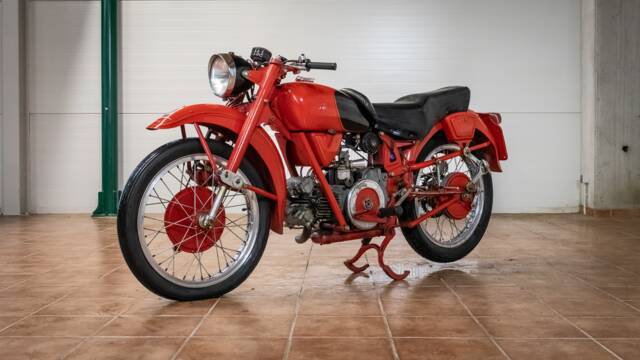
1979 | Moto Guzzi Airone Turismo
Part of the long Airone history from Mandello del Lario

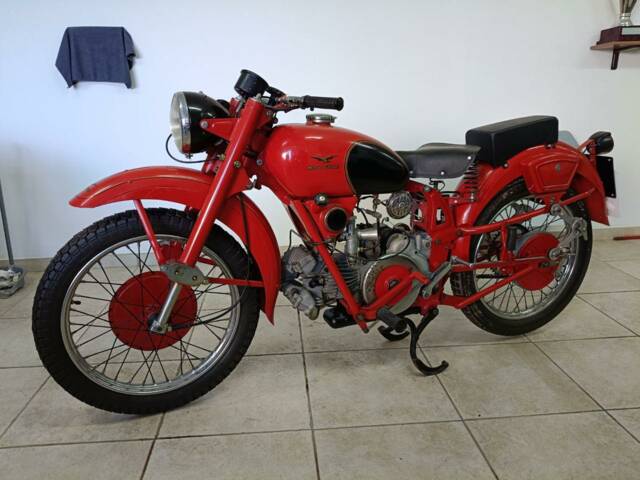
1950 | Moto Guzzi Airone Turismo
-

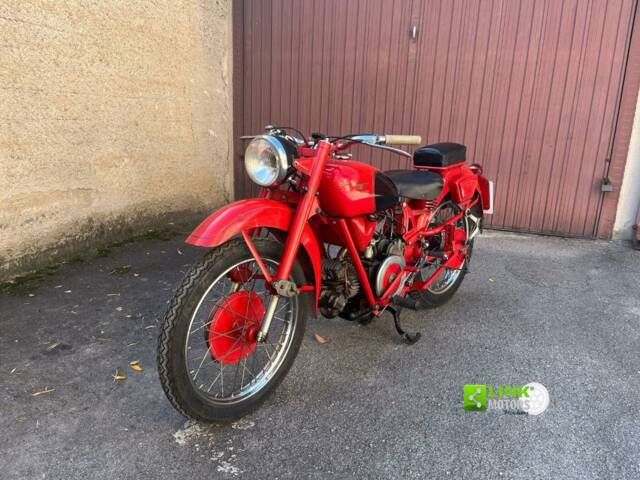
1978 | Moto Guzzi Airone Turismo
-
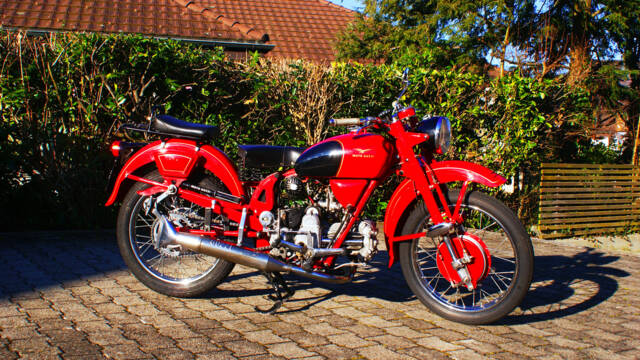
1952 | Moto Guzzi Airone Turismo
Schätzpreis CHF 7'000 bis CHF 11'000

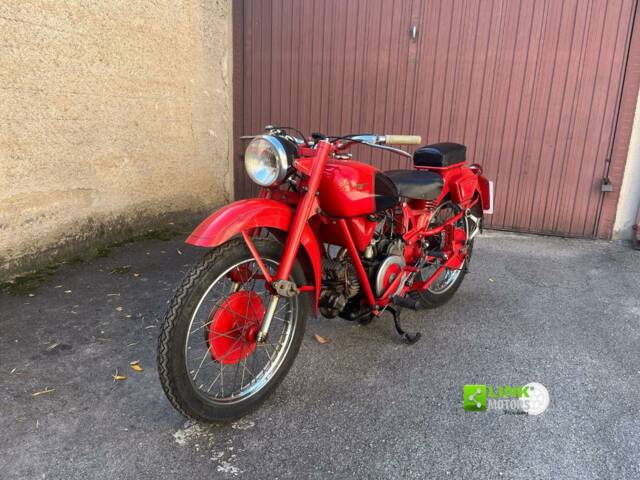
1978 | Moto Guzzi Airone Turismo
MOTO GUZZI Airone 250 Standard
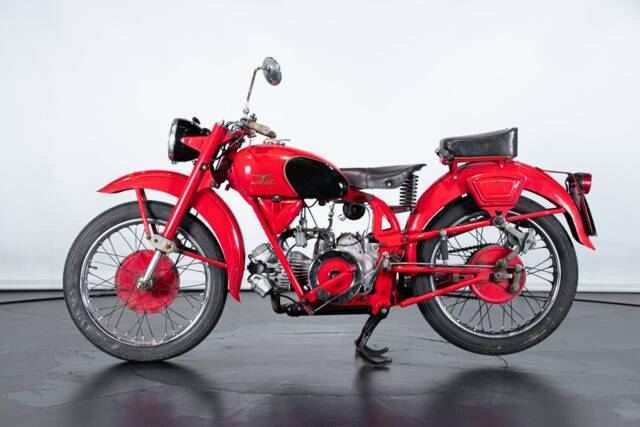
1955 | Moto Guzzi Airone Turismo
-
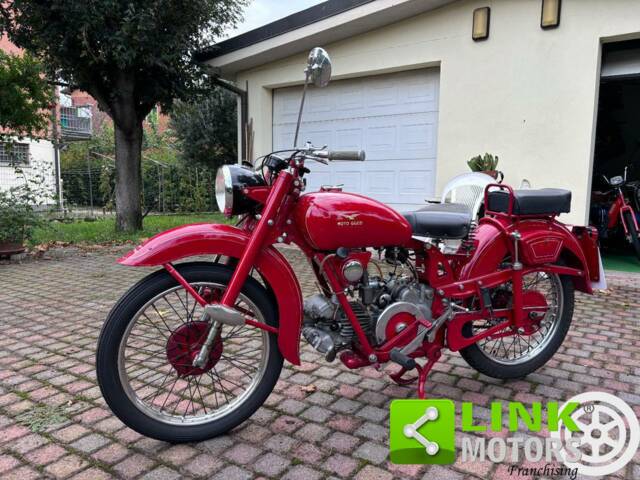
1951 | Moto Guzzi Airone Turismo
MOTO GUZZI TS 250 AIRONEGT
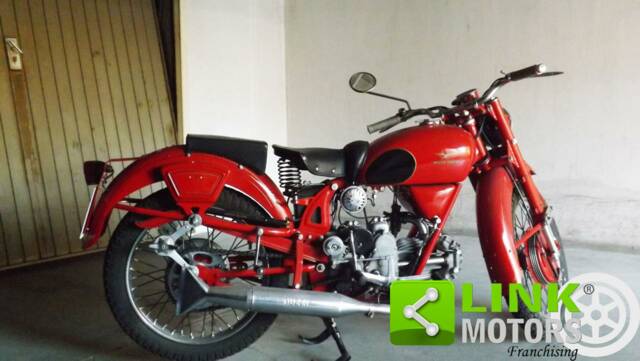
1998 | Moto Guzzi Airone Turismo
MOTO GUZZI Airone 250 250 / A Airone anno 1998 ben conservata
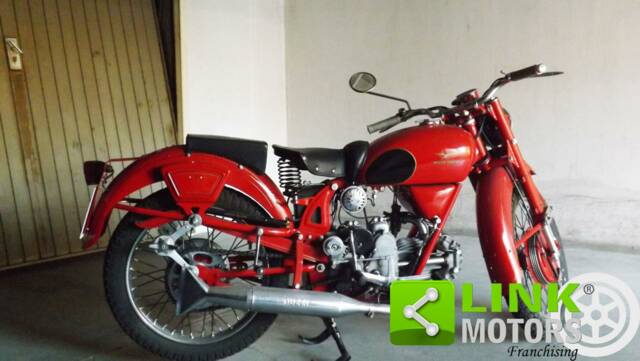
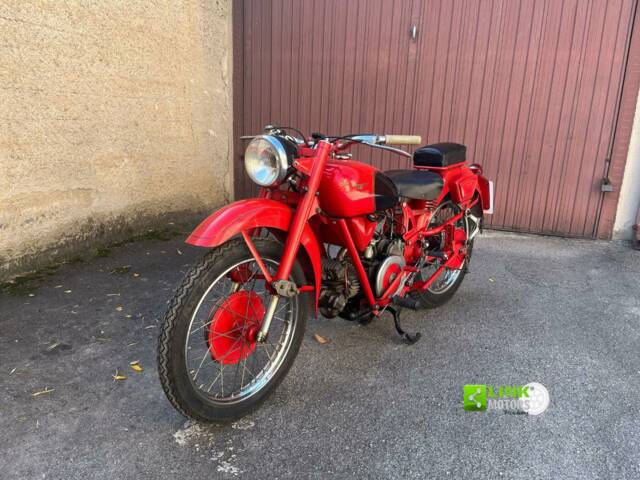
1998 | Moto Guzzi Airone Turismo
MOTO GUZZI Airone 250 250 / A Airone anno 1998 ben conservata
1978 | Moto Guzzi Airone Turismo
MOTO GUZZI Airone 250 Standard
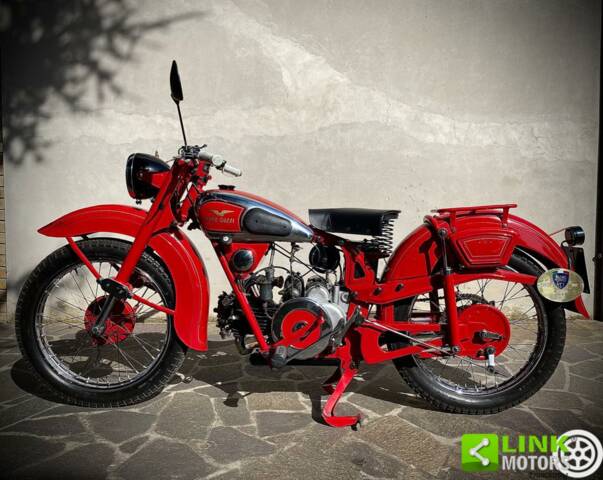
1947 | Moto Guzzi Airone Turismo
MOTO GUZZI Airone 250 TARGA ORO - PROVENIENZA COLLEZIONE PRIVATA
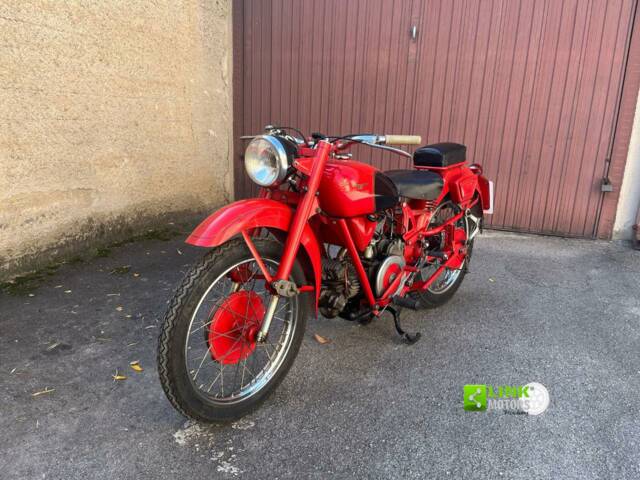
1978 | Moto Guzzi Airone Turismo
MOTO GUZZI Airone 250 Standard
Create search alert
Let yourself be notified as soon as a listing is published that matches your search filters.
Create listing
Do you have a Moto Guzzi Airone Turismo that you want to sell? Then create a listing now.
Create listingMoto Guzzi Airone Turismo Classic Motorbikes: Prices & Market Values
The market value of Moto Guzzi Airone Turismo motorcycles is primarily determined by technical condition, originality, and mileage, as well as rarity, history, and documentation. A well-maintained, largely original vehicle with low, verifiable mileage and a complete history including expert reports and documentation generally achieves significantly higher prices than a comparable vehicle with deferred maintenance, extensive modifications, or an unclear provenance.
Moto Guzzi Airone Turismo: Market Prices & Value Trends
Based on Classic Trader marketplace sales data from March 2021 to January 2026, Moto Guzzi Airone Turismo prices in Europe appear broadly stable with a mild softening in the most recent listings. Most observed asking prices cluster in the mid-range rather than showing a clear upward surge: a realistic market band sits at roughly £3,300 to £6,500, with better-presented, earlier bikes (notably late-1940s to mid-1950s examples such as 1947–1954) more often advertised towards the top of that spread. Higher figures around £7,500–£9,500 do appear occasionally, but these look like the exception and will typically depend on condition, restoration quality and provenance, so they should not be treated as the “normal” market. Recent entries in late 2025/early 2026 lean closer to £3,100–£5,100, suggesting buyers are currently price-sensitive. Overall, the Airone Turismo’s enduring appeal comes from its pre-/post-war Moto Guzzi heritage, simple mechanicals and collector-friendly usability, which helps values hold steady even when the wider classic market cools.
History of Moto Guzzi Airone Turismo
Introduced in 1941, the Moto Guzzi Airone Turismo emerged in a time marked by significant industrial constraints. With most steel tubing diverted to weapon production during WWII, Moto Guzzi resorted to an almost exclusively pressed-sheet metal construction. Only the steering head was forged, and the handlebars remained the sole tubular component. With its exposed valves and characteristically visible mechanical details, the Airone Turismo offers a direct look into engineering approaches shaped by historic necessity rather than stylistic preference.
Development and Model Evolution
The Airone Turismo debuted as part of Moto Guzzi’s response to the challenges of early 1940s production. Its immediate predecessor employed more conventional chassis construction, but due to wartime resource reallocation, the Turismo’s shift to pressed steel components marked a notable deviation. There is no subsequent series that follows the same approach, marking the Airone Turismo as a genuine one-off within the Moto Guzzi family.
Special Features of the Airone Turismo
Among its standout features are the hidden rear suspension dampers—compression and rebound are both managed by a system tucked beneath the engine. The machine’s fish-tail exhaust not only sets it apart visually, but also contributes to its characteristic sound profile, which is highly praised by aficionados. Open, visible valve operation, a throttle cable running through the handlebar, and a parallelogram front fork also underline the mechanical purity of the Airone Turismo.
Technical Data
Special Editions and Noteworthy Variants
The 1941 production Airone Turismo, with its all-metal body (excluding only the stem and handlebar), is itself a special variant among Airones. No other mass-produced Airone shares this particular approach to construction. Collectors value the 1941 production year specifically for its historical context and mechanical distinctiveness.
Weak Points and Common Issues
Due to its sheet metal fabrication and wartime manufacturing conditions, inspect the Airone Turismo for metal fatigue and corrosion, particularly in areas where panels are joined or bear load. Pay attention to the exposed valve mechanism, which requires careful adjustment and can be vulnerable to debris ingress. The under-engine rear suspension system may show signs of wear or oil leakage after decades of use.
Engine and Riding Characteristics
The Moto Guzzi Airone Turismo’s flywheel engine delivers smooth and steady power delivery, while the unique combination of parallelogram front fork and hidden rear dampers ensures a period-typical but comfortable ride. The open valves and exposed engineering allow experienced riders to tweak performance easily. The right-side pedal controls require familiarity for seamless handling, especially for enthusiasts accustomed to more modern layouts. The Airone Turismo (1941) stands alone in the Moto Guzzi Airone supply and demand as shown in Classic Trader’s statistics, confirming that within the Airone lineup, this Turismo model is the version most accessible and most often sought after.
Design, Interior, and Accessories
The Airone Turismo is immediately recognisable by its pressed-steel chassis, fish-tail exhaust, and forged head tube. The component layout is a direct result of material shortages, making each design choice highly functional: visible valve train, internal throttle cable routing, and pedal placement devised for practicality. Colour options for this vintage are typically restrained, favouring authenticity over boldness. Accessories were minimal, aligned with the utilitarian ethos of its era, though some examples feature period-accurate luggage racks or horn arrangements.
Other Noteworthy Details
The Airone Turismo’s acoustic presence, shaped by its distinctive exhaust, is frequently cited by collectors and enthusiasts as a defining feature. Its mechanical transparency and accessibility for repairs or tuning make it especially attractive to hands-on classic motorbike owners.
Summary
The Moto Guzzi Airone Turismo, born from wartime necessity, offers a window into the resilience and ingenuity of 1940s Italian motorcycle engineering. With 100% of Airone supply and demand on the Classic Trader market focused on this variant, its rarity and technical distinctiveness are clear. From its all-metal construction to its unique riding characteristics, the Airone Turismo captures a singular moment in two-wheel history.