Wolseley Hornet classic cars for sale
The Wolseley Hornet series brings together distinct automotive eras: the pre-war six-cylinder sports saloons of the 1930s and the stylish, Mini-based sedans produced in the 1960s. Often finished in their original paint with genuine leather interiors, these classic models offer a blend of British craftsmanship and mechanical charm. Move on to discover the unique background and stories behind these sought-after vintage vehicles.
Search results
Currently, there are no matching listings for your search.
Create search alert
Let yourself be notified as soon as a listing is published that matches your search filters.
Create listing
Do you have a Wolseley Hornet that you want to sell? Then create a listing now.
Create listingWolseley Hornet listing references from Classic Trader
Below you will find listings related to your search that are no longer available on Classic Trader. Use this information to gain insight into availability, value trends, and current pricing for a "Wolseley Hornet" to make a more informed purchasing decision.
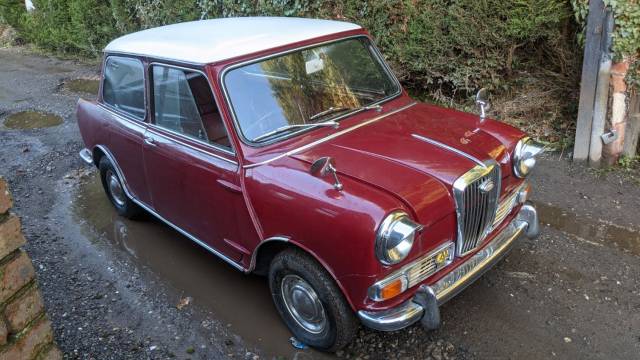
1964 | Wolseley Hornet
WOLSELEY HORNET SPECIAL Mk2 1964 Manual Petrol

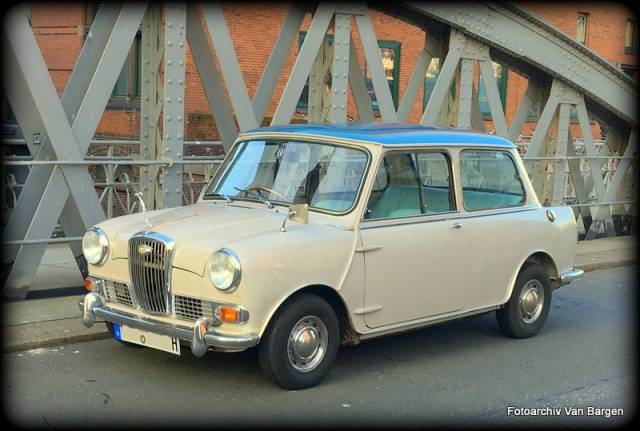
1964 | Wolseley Hornet
Wolseley Hornet MK II im unverbastelten phantastischen Originalzustand

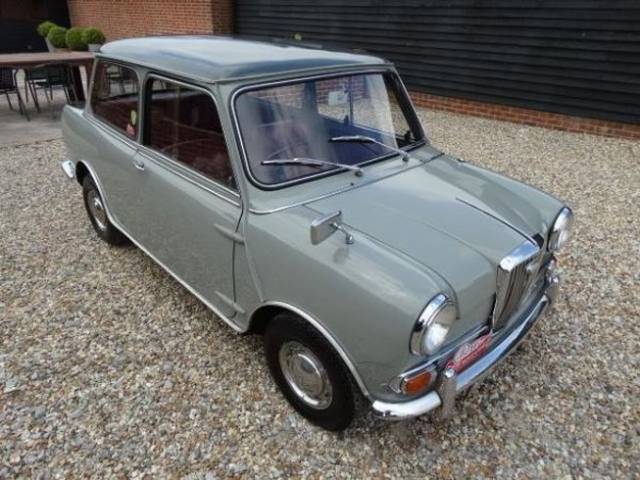
1965 | Wolseley Hornet
Create search alert
Let yourself be notified as soon as a listing is published that matches your search filters.
Create listing
Do you have a Wolseley Hornet that you want to sell? Then create a listing now.
Create listingWolseley Hornet Classic Cars: Prices & Market Values
History of the Wolseley Hornet
The Wolseley Hornet name has a heritage that traces back to two significant moments in British motoring. The original Hornet emerged in the early 1930s as a compact six-cylinder car, combining lightweight construction with options spanning from elegant saloons and coupes to open-top sports and racing variants. Its blend of sophistication and performance quickly made it a favourite among ambitious drivers until the end of the decade. Decades later, the nameplate was revived as the Wolseley Hornet (Mini), crafted by the British Motor Corporation. This second chapter started in the early 1960s, blending the revolutionary design of the Mini with Wolseley's distinctive front grille and upmarket appointments. The Hornet thus reflects two unique chapters in British automotive engineering, valued today for their separate yet compelling histories.
Model History: Predecessors and Successors
The Wolseley Hornet story begins with the six-cylinder models of the 1930s, developed on the backbone of Wolseley's own engineering prowess. These cars do not have direct predecessors in the Wolseley line but set a standard for small, potent British saloons of the era. After World War II, the evolution of the BMC Mini led to a new breed of Hornet, sharing much of its technical basis with the Austin and Morris Mini but featuring a distinct Wolseley grille and enhanced trim as befits the marque's refined image. The Hornet (Mini) ran alongside its Riley Elf sibling until production ceased in the late 1960s. No direct successor in the Wolseley line carried on the legacy, as Wolseley as a brand faded in the changing landscape of the British car industry.
Highlights and Special Features
The Wolseley Hornet series stands out for its dual legacy: the advanced six-cylinder engines and lightweight chassis of the 1930s models, and the unmistakable refinement brought to the Mini-based Hornet of the 1960s. Common highlights among surviving vehicles include original paintwork, unmodified interiors with real leather seats, and well-maintained mechanical systems. The factory-correct interior is especially prized, while colours vary depending on production year and configuration. These models are widely available with historic registration, and it is not uncommon to encounter examples with upgraded or overhauled technology aimed at preserving original condition.
Technical Data
Special Editions and Collectible Models
The Hornet's most collectable variants often include original MK II examples from the 1960s, especially those retaining first paint, authentic Wolseley leather interiors, and complete documentation. While limited factory runs or special editions were not a major focus, vehicles in highly original, unrestored condition are particularly sought after by enthusiasts looking for authenticity in both appearance and mechanical components.
Engine, Transmission and Handling
1930s Hornet models delivered a unique mix of nimble handling and spirited performance thanks to their lightweight build and lively six-cylinder powerplants—ideal for both comfortable touring and club-level competition. The Mini-based Hornet, meanwhile, borrowed heavily from the BMC Mini’s proven mechanical package but offered slightly upgraded comfort and style, with a spacious boot and improved sound insulation. Handling is sprightly, especially given period technical standards. Gearboxes are robust but should be checked for worn synchromesh, and overhauled mechanics are often found in current examples. - Wolseley Hornet MK II (1960s Mini-based): four-cylinder engine, upgraded trim, leather seats, increased boot space compared to standard Mini.
- Pre-war Hornet (1930s): six-cylinder, lightweight frame, available as sports saloon or racing specification.
Interior, Comfort, Exterior and Design
The Wolseley Hornet places high focus on British tradition, visible in the wood and leather decked interiors of both series. 1930s models present upright, balanced lines and often feature rich wooden accents on the dashboard. The Mini-based Hornet is easily identified by its Wolseley-typical chrome vertical grille, separate boot, and elegant two-tone paintwork options. Classic colours like British Racing Green, Old English White, and period-correct pastel shades are reported in existing cars. Original accessories like ornate steering wheel bosses, authentic period radios, and factory-fitted badges enhance collector appeal.
Other Noteworthy Features
Many Wolseley Hornet examples currently for sale are offered on consignment and may benefit from flexible financing or leasing arrangements. Viewing and test drives are typically arranged by appointment. Specialist dealers present these vehicles with comprehensive documentation on condition and maintenance, and most listed cars qualify for historic number plates.
Summary
The Wolseley Hornet encompasses both the six-cylinder charm of 1930s British motoring and the characterful, upmarket rendition of the classic Mini from the 1960s. With original interiors, potential historic registration, and a clear niche within classic car inventories and buyer interest, the Hornet delivers both historical and driving distinction for collectors who favour British engineering and craftsmanship.