Volvo PV 60 Classic Cars for Sale
The Volvo PV 60, produced from 1946 to 1950, represented Volvo's first return to car manufacturing after the Second World War. Packed with luxury for its time, this four-door saloon attracted buyers with its roomy and meticulously finished interior, as well as its advanced engineering. Enthusiasts today appreciate the PV 60's unique post-war story, distinctive design cues, and robust character.
Suchergebnisse
Zur Zeit sind keine passenden Inserate zu Ihrer Suche veröffentlicht.
Create search alert
Let yourself be notified as soon as a listing is published that matches your search filters.
Create listing
Do you have a Volvo PV 60 that you want to sell? Then create a listing now.
Create listingVolvo PV 60 listing references from Classic Trader
Below you will find listings related to your search that are no longer available on Classic Trader. Use this information to gain insight into availability, value trends, and current pricing for a "Volvo PV 60" to make a more informed purchasing decision.
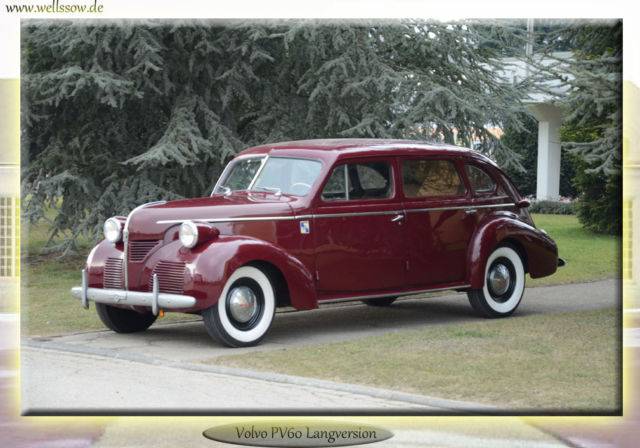
1946 | Volvo PV60 L
Volvo Andere PV60 Langversion
Create search alert
Let yourself be notified as soon as a listing is published that matches your search filters.
Create listing
Do you have a Volvo PV 60 that you want to sell? Then create a listing now.
Create listingVolvo PV 60 Classic Cars: Prices & Market Values
History of the Volvo PV 60
Volvo launched the PV 60 in 1946, marking the company's post-war rejuvenation. Initially planned for release in 1940, its arrival was delayed by the outbreak of the war. When it finally hit the market, the PV 60 was positioned firmly in the luxury segment and stood out for its sophisticated features. The model's American-inspired styling and Volvo’s signature approach to comfort and reliability made it a noteworthy contender among late-1940s vehicles.
Model History of the PV 60
The PV 60 stood as Volvo’s last six-cylinder car designed before the war, introducing several advancements over its pre-war predecessors. Production embraced both standard four-door saloon bodies and a run of chassis-only variants, which coachbuilders frequently turned into light trucks or vans. Around 3,600 examples rolled off Volvo's assembly line between 1946 and 1950. The PV 60 concluded a chapter for Volvo before new post-war models started taking over the product portfolio.
Highlights and Special Features
The PV 60 immediately drew attention with its American-flavoured design, notably at a time when individuality was sought after in the recovering European market. Its comfort-oriented interior, including broad seats and carefully selected trimmings, resonated particularly well with its clientele. Sale as both saloon and chassis greatly increased its appeal and versatility, leading even some commercial buyers to choose the model. The PV 60’s robust six-cylinder engine and three-speed transmission were notable engineering feats for its time.
Technical Data
Special Editions and Collectible Models
The PV 60 line did not include formal special editions, but units delivered as chassis only became notable for their widespread conversion into ambulances, vans, and light trucks—making those versions particularly interesting for collectors seeking unique variants of the base model.
Weak Spots and Common Issues
There is no detailed list of chronic issues specific to the PV 60, but, as with any classic from the immediate post-war period, buyers should inspect for age-related wear in the engine, transmission, and chassis. Special attention should be given to rust-prone areas, the integrity of the electrical system, and the condition of the suspension and steering components, especially in vehicles that have seen conversion into utility formats.
Engine, Performance, Transmission and Handling
Under the bonnet, the PV 60’s 3.7-litre straight six produced 90 hp, which offered smooth running and respectable dynamics for the late 1940s. Coupled with a three-speed manual transmission—often with overdrive in export or later models—the PV 60 managed long journeys with composure. The rear-wheel drive layout contributed to handling characteristics familiar to classic saloon drivers, with the chassis offering robust construction and the steering providing a light, direct response typical for the period. - PV 60 Limousine: Standard version, appreciated for its blend of luxury and practicality.
- PV 60 Chassis: Especially those converted into commercial vehicles, sought after by collectors for their rarity.
Interior, Comfort, Exterior and Design
The PV 60 reflected American design trends of the time, with prominent front grilles, flowing fenders and a substantial stance on the road. Its interior was spacious, featuring wide seats upholstered in high-quality material, detailed trimming and careful attention to passenger comfort. The dashboard and controls possessed a logical, ergonomic layout—an early hint of Volvo’s focus on driver-centric design. Some examples were delivered with accessories for extended journeys, and the chassis variant allowed for bespoke coachbuilt bodies catering to various uses.
Other Noteworthy Features
The PV 60’s release as a chassis allowed custom coachbuilders substantial scope for conversions. Historically, a significant proportion of chassis saw use as ambulances, delivery vans, or even small trucks in post-war Sweden—illustrating the car’s flexibility and the strong engineering base of its construction.
Summary
The Volvo PV 60 made its mark as Sweden’s return to premium automotive production in the aftermath of World War II. Its elegant American-inspired design, six-cylinder engine, and versatile application—from a saloon for luxury touring to a chassis for bespoke bodywork—make it a distinctive chapter in Volvo’s heritage. Today, its rarity on the classic market underlines its uniqueness, attracting enthusiasts drawn to mid-century Scandinavian engineering.