- Car
- Volkswagen
- Volkswagen Taro (0 offers)
Volkswagen Taro classic cars for sale
The Volkswagen Taro stands out among pickups with its roots in Japanese engineering, offering robust utility backed by Volkswagen’s reliability. First introduced in the late 1980s, it uniquely bridges the gap between light commercial vehicles and full-tonne workhorses, appealing to enthusiasts and classic car collectors who value rare cross-manufacturer collaborations. Explore available Volkswagen Taro classics and discover why this 1-tonne pickup has earned a distinct spot in automotive history.
Search results
Currently, there are no matching listings for your search.
Create search alert
Let yourself be notified as soon as a listing is published that matches your search filters.
Create listing
Do you have a Volkswagen Taro that you want to sell? Then create a listing now.
Create listingVolkswagen Taro listing references from Classic Trader
Below you will find listings related to your search that are no longer available on Classic Trader. Use this information to gain insight into availability, value trends, and current pricing for a "Volkswagen Taro" to make a more informed purchasing decision.
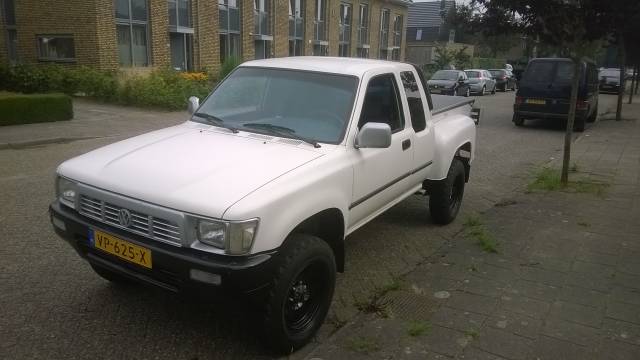
1991 | Volkswagen Taro 2.4 XtraCab
Totaal gerestaureerd en gereviseerd
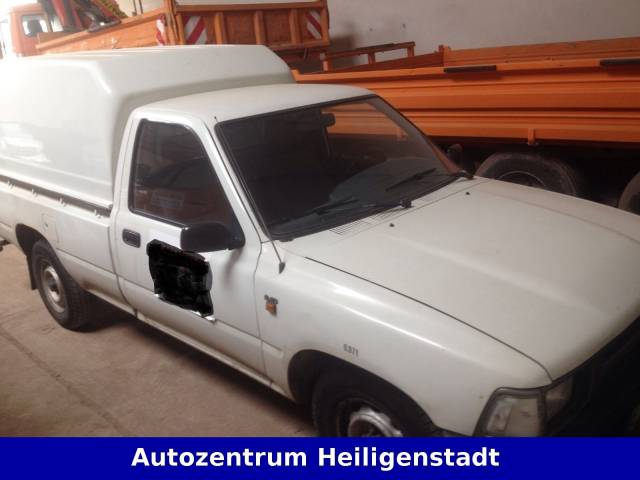
1993 | Volkswagen Taro 1.8
Taro
Create search alert
Let yourself be notified as soon as a listing is published that matches your search filters.
Create listing
Do you have a Volkswagen Taro that you want to sell? Then create a listing now.
Create listingVolkswagen Taro Classic Cars: Prices & Market Values
History of the Volkswagen Taro
The Volkswagen Taro made its debut in January 1989 as a response to European demand for a durable, 1-tonne pickup. Volkswagen Commercial Vehicles developed the Taro in collaboration with Toyota, using the proven underpinnings of the Toyota Hilux as its foundation. This partnership ensured the Taro offered both the reliability associated with Japanese vehicles and the practicality Volkswagen customers expected. The Taro complemented Volkswagen’s existing range, fitting perfectly between the smaller Caddy and the larger Transporter, further enhancing Volkswagen's range of light commercial vehicles through the late 1980s and early 1990s.
Model History
The Taro was Volkswagen’s only foray into the 1-tonne pickup segment at the time. Preceded by smaller pickups like the Caddy and accompanied by the larger Transporter vans, the Taro filled a unique niche within the brand’s line-up. While it did not have a direct Volkswagen predecessor in the true pickup segment, its design and layout were thoroughly influenced by the Japanese Toyota Hilux. After the Taro ended production, Volkswagen did not produce a similar 1-tonne pickup until much later, leaving the Taro as a unique product of its era.
Highlights of the Volkswagen Taro
Unlike many pickups of the late 1980s, the Taro combined Japanese engineering with German branding. Its direct use of Toyota’s chassis and driveline provided proven ruggedness, while the Volkswagen badge brought familiarity and access to established VW commercial networks. The Taro’s balanced payload capacity and reliability made it popular among tradesmen and commercial users seeking dependable work vehicles, attracting classic car enthusiasts who appreciate its rarity and backstory.
Technical Data
Special Editions and Collectible Models
No widely acknowledged special editions of the Volkswagen Taro are documented. However, particular vehicles featuring factory four-wheel drive or higher-specification trims may be considered more desirable to collectors due to their rarity.
Engine and Performance, Transmission and Handling
Borrowing from its Japanese sibling, the Taro’s engines ranged from reliable four-cylinder petrol units to economical diesel options. Its robust suspension and solid rear axle delivered high durability, especially suited to load-bearing and offroad conditions. Steering and ride quality were utilitarian, focusing on strength rather than refinement. Four-wheel-drive models provided additional capability in challenging terrains, further boosting the Taro’s appeal. Most sought-after Taro models are the ones equipped with four-wheel-drive and diesel engines, as these configurations maximise both utility and efficiency for users valuing long-term durability.
Interior, Comfort, Exterior and Design
The Taro’s cabin was functional, focusing on hard-wearing materials and straightforward ergonomics. The dashboard and switchgear mirrored the Toyota Hilux rather than typical Volkswagens of the era, yielding a layout unfamiliar to followers of VW’s own styling language. Externally, the Taro shared most bodywork with the Toyota Hilux, with the VW badge distinguishing it. Accessories included practical options like reinforced bed liners and robust tow hitches, reflecting its workhorse positioning.
Summary
The Volkswagen Taro occupies a special niche as a durable, 1-tonne pickup resulting from a unique collaboration between Volkswagen and Toyota. With its reliable mechanics, rare badge, and limited production numbers, it captures the interest of classic commercial vehicle enthusiasts seeking robust utility and a story to tell. Its availability on the market is limited, ensuring each example remains a notable discovery for collectors and fans of utility vehicles.