- Car
- Volkswagen
- Volkswagen Jeg (0 offers)
Volkswagen Jeg classic cars for sale
The Volkswagen Jeg is an unusual chapter in Brazilian automotive history—a vehicle that started as a military prototype and evolved into a rare civilian off-roader. Built on a shortened VW Kombi chassis and equipped with a reliable 1600cc Boxer engine, the Jeg combines rugged simplicity with industrial practicality. Only around 600 were made, all between 1977 and 1981, making it a coveted curiosity among collectors.
Search results
Currently, there are no matching listings for your search.
Create search alert
Let yourself be notified as soon as a listing is published that matches your search filters.
Create listing
Do you have a Volkswagen Jeg that you want to sell? Then create a listing now.
Create listingVolkswagen Jeg listing references from Classic Trader
Below you will find listings related to your search that are no longer available on Classic Trader. Use this information to gain insight into availability, value trends, and current pricing for a "Volkswagen Jeg" to make a more informed purchasing decision.
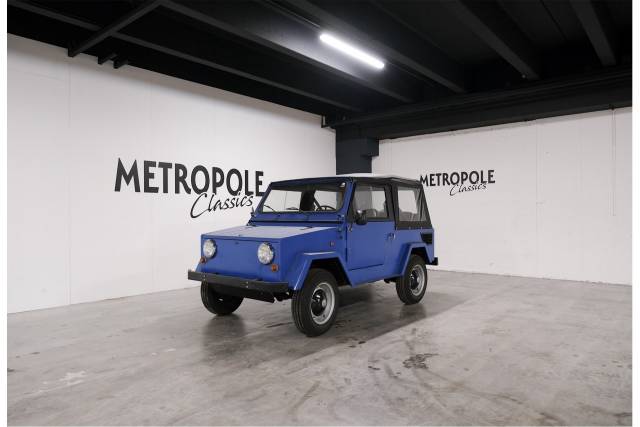
1973 | Volkswagen Jeg
Volkswagen Jeep

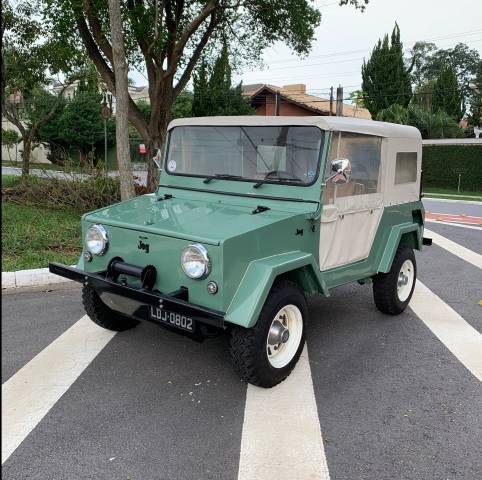
1978 | Volkswagen Jeg
Seltener VW Jeep aus Brasilien

Create search alert
Let yourself be notified as soon as a listing is published that matches your search filters.
Create listing
Do you have a Volkswagen Jeg that you want to sell? Then create a listing now.
Create listingVolkswagen Jeg Classic Cars: Prices & Market Values
History of the Volkswagen Jeg
The story of the Volkswagen Jeg begins in the 1970s in Brazil, a period when VW sought to develop a utilitarian vehicle for the national army under the codename 'VEMP.' Initial efforts resulted in two prototypes—one with 4x4, one with 4x2 drive—featuring robust, straight-lined bodywork designed for easy repair in challenging conditions. The military rejected the rear-engined layout, resulting in the abandonment of the project. However, the concept survived when the civilian transport company Dacunha, impressed by the practicality, took over and refined the vehicle. Marketed as the 'JEG,' this unique off-roader became available to the Brazilian public in 1977. Production remained limited, running until 1981, with only about 600 units built, adding rarity to the Jeg's legacy.
Model History
The Jeg's direct ancestry lies in the military-targeted VW VEMP prototype. Its transformation into a civilian vehicle was motivated by utility and adaptability. While its platform drew from the VW Kombi, modifications such as a 40 cm reduction in wheelbase gave it distinctive proportions. After the military project was shelved, two main variants of the Jeg were offered to civilians, though precise distinctions between versions remain a topic for enthusiasts. After the final vehicle rolled out in 1981, no immediate successor followed—the project stands as a one-off chapter in Volkswagen's Brazil operations.
Highlights of the Volkswagen Jeg
Built primarily for robustness and function, the Jeg is notable for its use of galvanized steel in body panels, minimising corrosion and extending durability under harsh environments. Its mechanical simplicity—typified by the 1600cc air-cooled Boxer engine and VW Kombi running gear—ensured easy maintenance. Distinctive features include a dual fuel tank system (55 litres standard + 20 litres auxiliary), underlining its utility roots.
Technical Data
Special Editions and Collectible Models
The limited production run itself makes all Jegs collectible, but there are two distinct versions produced during its short lifespan. Details regarding exact equipment differences or identification of rare trims are scarce, but any surviving unit—particularly those retaining unique features or in unrestored condition—warrants attention among collectors.
Engine and Performance, Transmission and Handling
With its 1600cc Boxer engine, the Jeg offers straightforward, easy-to-service power, well-matched to the vehicle’s simple off-roading aspirations. The rear-engine layout and Kombi-derived suspension provide acceptable ground clearance for moderate terrain. The brake and chassis systems, borrowed from the Kombi, offer no-frills reliability but little in terms of contemporary sophistication. The auxiliary fuel tank extends operational range beyond what most classic Volkswagens of this period offered. As there are only about 600 Jegs ever made, every version is noteworthy. The two known variants are both based on the shortened Kombi underpinnings with air-cooled Boxer engines.
Interior, Comfort, Exterior, and Design
The Jeg’s design is industrial and functional—a direct result of its military roots. The panels are dead-straight for simplicity in repair, and the body is made from galvanized steel to resist oxidation. Interior appointments are sparse, focused on purpose over comfort, with minimal upholstery and utilitarian dashboards. Accessories and equipment were likely tailored to rugged use, and colour options would have favoured practicality. Unique features include simple instrumentation and externally obvious weld points, underscoring the Jeg’s 'no-nonsense' philosophy.
Summary
The Volkswagen Jeg is a one-of-a-kind export from the Brazilian VW factory, bridging military inspiration with civilian adaptability. With only an estimated 600 vehicles produced between 1977 and 1981, galvanized steel bodywork, and tried-and-tested Kombi mechanicals, the Jeg stands as an uncompromising oddity for collectors who appreciate unique solutions to practical challenges.