TVR Vixen classic cars for sale
The TVR Vixen stands out as a lightweight British sports car, produced from 1967 to 1973 in Blackpool. With a fibreglass body and predominantly Ford engines, the Vixen delivers raw driving experience, agile handling and unmistakable design. Its rarity and hand-built origins make it sought after among classic car collectors. Series 1 to 4, along with unique variants, offer a broad spectrum for enthusiasts and restorers alike.
Search results

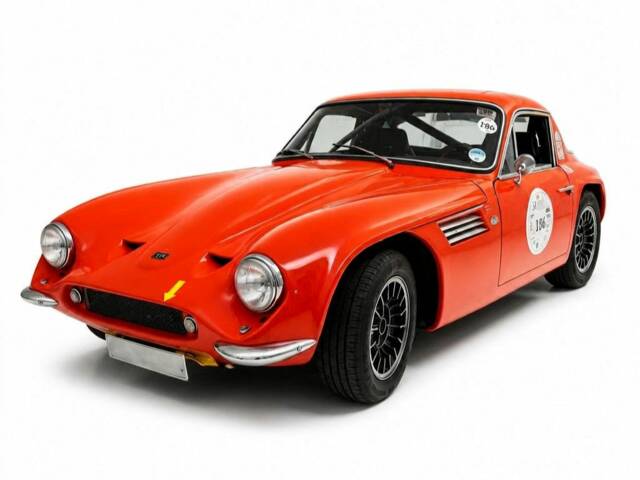
1969 | TVR Vixen Series 2
TVR Vixen S2 | 1969 | Route 66 Auctions - For sale by auction. Estimate 19800 EUR

TVR Vixen listing references from Classic Trader
Below you will find listings related to your search that are no longer available on Classic Trader. Use this information to gain insight into availability, value trends, and current pricing for a "TVR Vixen" to make a more informed purchasing decision.
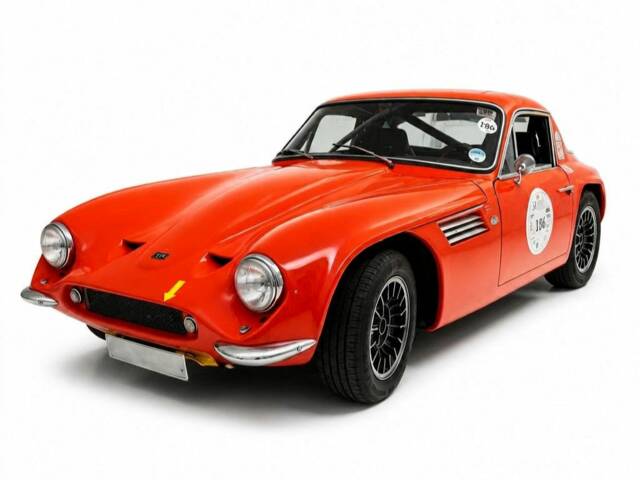
1969 | TVR Vixen Series 2
TVR Vixen S2 | 1969 | Route 66 Auctions - For sale by auction. Estimate 19500 EUR
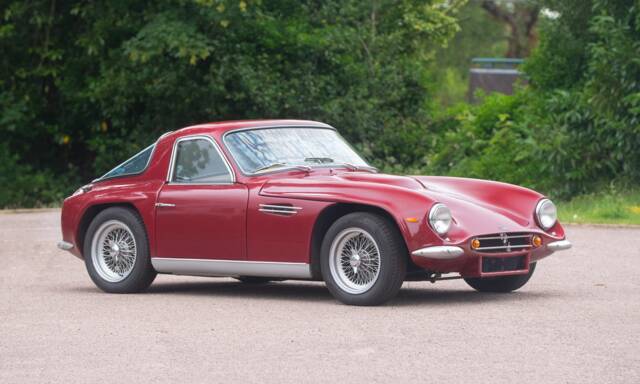
1968 | TVR Vixen Series 1
1968 TVR Vixen V8 'Evocation' Special

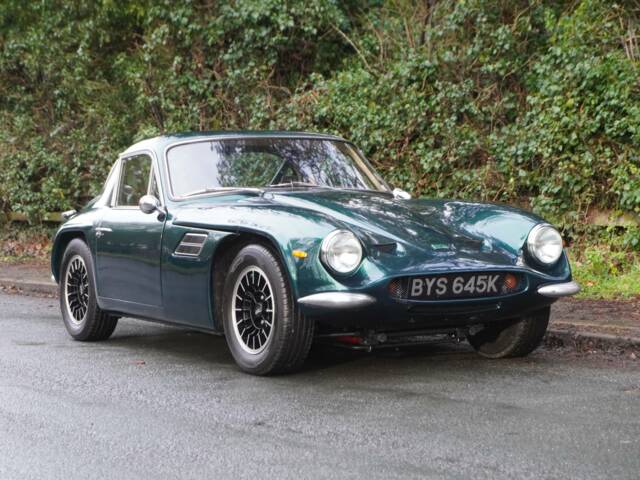
1971 | TVR Vixen Series 3
1971 TVR Vixen S3
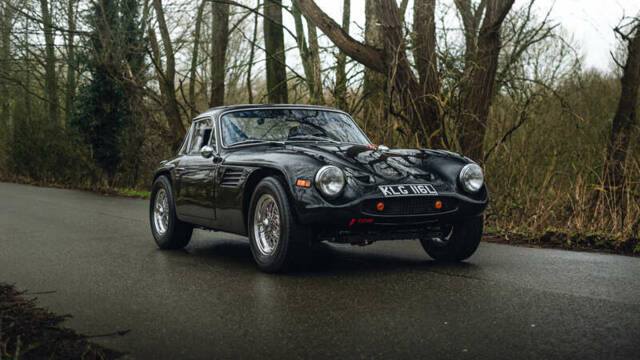
1972 | TVR Vixen Series 4
1972 TVR Vixen-V8 Tuscan Homage Fast Road/Race
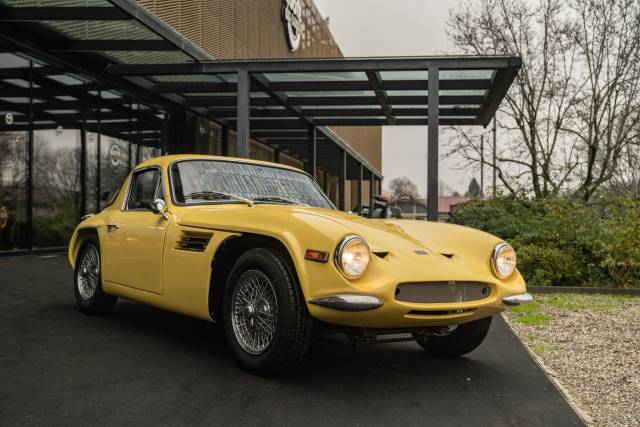
1970 | TVR Vixen Series 2

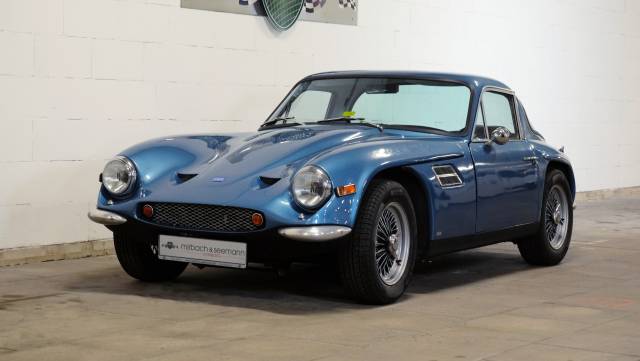
1972 | TVR Vixen Series 3
V 8

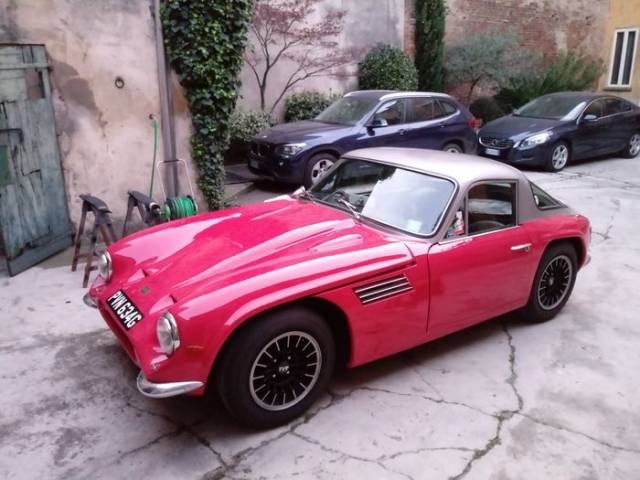
1969 | TVR Vixen Series 2
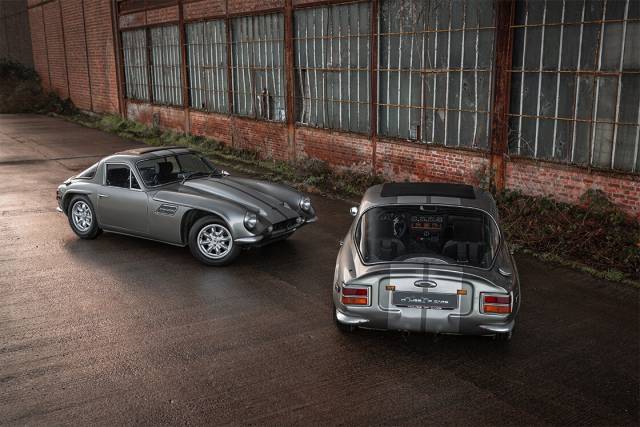
1971 | TVR Vixen Series 3
2500

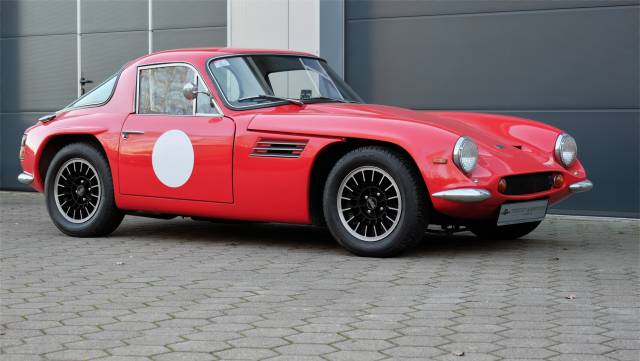
1971 | TVR Vixen Series 3
TVR Vixen with Cosworth engine
TVR Vixen Classic Cars: Prices & Market Values
The evolution of the TVR Vixen – A British hand-built sports car success story
Unveiled in 1967, the TVR Vixen represented a decisive leap for TVR. As the successor to the Grantura 1800S, the Vixen retained the glass-fibre-reinforced plastic body, but switched from MG to Ford power: the 1.6-litre Ford Kent engine. Double wishbone suspension and notably light construction gave the Vixen a superior power-to-weight ratio and a lively character. Genuinely hand-built, early Series 1 Vixens are rare, with just 117 made. Subsequent revisions in 1968 expanded both the wheelbase and overall footprint (Series 2), with 438 units built — making it the most numerous Vixen. Series 3 arrived in 1970, inheriting more styling from the Ford Zodiac and a Capri-derived engine. The Vixen's modularity, combined with traditional British craftsmanship, underscores its niche appeal among historic vehicle aficionados.
Model history – Predecessors, evolutions and successors of the Vixen
The TVR Vixen directly replaced the MGB-engined Grantura 1800S, marking TVR’s commitment to Ford powertrains and lighter construction. After Series 1 (117 produced), Series 2 debuted in 1968 with chassis and visual updates, producing 438 examples. Series 3 (1970–72) saw further cosmetic and moderate mechanical changes (165 built). In 1971, TVR introduced two additional models: the TVR 1300 (15 built, Triumph 1.3L engine) and the more potent 2500 (385 built, Triumph 2.5L engine). Series 4 (23 built) overlapped with development of its successor, the TVR M-series. By 1973, the Vixen was fully replaced by the M-Series, but remained influential in shaping TVR’s engineering ethos.
Key features and collector highlights of the TVR Vixen
The Vixen’s most distinguishing features include its ultra-light fibreglass body, double wishbone suspension, and minimalist cabin. Most Vixens are fitted with Ford engines, shifting to Triumph units for the 1300 and 2500 models. Low production figures across all series accentuate exclusivity. Collector interest is supported by literature, participation in classic rally events and eligibility for historic certification (FIVA, ASI). Well-chosen restoration components—such as original alloy wheels and authentic suspension parts—are valued by purists.
Technical specifications of the TVR Vixen
Special variants and rare Vixen editions
Special models include the TVR Vixen 1300, distinguished by its Triumph 1.3L engine but limited to just 15 examples due to low demand. The Vixen 2500, designed mainly for the US market, offered a 2.5L inline six from the Triumph TR6 and accounted for 385 units, catering to those seeking increased power. Series 4, essentially a transitional model with M-Series chassis, is the rarest with only 23 built—making each a potential collector focus. The 'Super Sports Kit' and original FIVA or ASI certification further boost historical value.
Weak spots and common TVR Vixen issues
Given the hand-built nature and the era’s quality standards, buyers should expect varying build quality, particularly concerning panel gaps and fit/finish. Fibreglass bodywork is often affected by age-related issues, and original chassis may require inspection for corrosion or previous restoration quality. Mechanical systems—including suspension, differentials, and intake manifolds—are serviceable but can be difficult to source as original spares are limited. Regular maintenance and a sound replacement-part management strategy are vital for preserving value and reliability. Prospective owners are advised to check the condition of the glassfibre body, window frames, and differential, all known concerns in owner circles.
Engine, transmission and handling characteristics of the Vixen
Driving a TVR Vixen is a highly involved experience. The car’s low mass, rear-wheel drive and double wishbone suspension result in engaging, agile dynamics. With the lively Ford Kent engine in early models and the muscular Triumph engine in the 2500, the Vixen balances sharp handling with brisk acceleration. Transmission is generally a manual gearbox, adding to driver's involvement. Despite its size, the car’s chassis rewards committed driving, especially on winding roads, making it a favourite among those valuing unfiltered feedback. - Vixen Series 2: The most common variant (438 units), lauded for its refined dimensions and marginally improved mechanics.
- Vixen 2500: Sought after for its 2.5L inline six, offering more torque and appeal, particularly for international collectors.
Design, interior and special features of the TVR Vixen
The Vixen’s exterior is typified by its aerodynamic fibreglass shape and compact stance. The lines evolved subtly across series, with Series 3 adopting a bonnet akin to the Ford Zodiac and minor rear light changes. Interiors are spartan but focused, with the possibility of full restoration and the use of original or period-correct materials. Aluminium wheels, minimal brightwork and individual details — including special dashboard layouts and sometimes period-unique colours — distinguish specific cars. For added appeal, the Super Sports Kit and rare factory equipment, like FIVA-eligible accessories, provide personalised touches. Upholstery often returns to the roots, with retrimmed dashboards and seating to suit owner tastes.
Other information about the TVR Vixen
All Vixen variants can be registered as historic vehicles in several countries, including eligibility for Italian classic car certification (Certificato di Identità ASI). The model frequently appears in specialist TVR literature, attesting to its significance among British sports cars. Restoration projects are common given the manageable numbers and club support, with many cars re-emerging after full mechanical and cosmetic refreshes.
Summary – TVR Vixen at a glance
With just over 1,000 units built across all variants, the TVR Vixen distinguishes itself with low production numbers, individual British craftsmanship and pure driving appeal. Engine varieties and special models, alongside a fibreglass body and involved restoration scene, ensure a dedicated following. Maintenance requires attention, but for those seeking an authentic and rare British sports car, the Vixen stands alone within TVR’s history.