- Automobile
- Triumph
- Triumph 1500 (0 offerte)
Triumph 1500 classic cars for sale
The Triumph 1500, produced from 1970 to 1976, introduced front-wheel drive to Triumph’s compact saloon range before transitioning to rear-wheel drive in the 1500TC. This four-door saloon features a twin carburettor engine setup for notable performance and a comfortable, well-appointed interior, making it an appealing choice for fans of 1970s British engineering.
Risultati della ricerca
Attualmente non ci sono annunci corrispondenti alla tua ricerca.
Create search alert
Let yourself be notified as soon as a listing is published that matches your search filters.
Create listing
Do you have a Triumph 1500 that you want to sell? Then create a listing now.
Create listingTriumph 1500 listing references from Classic Trader
Below you will find listings related to your search that are no longer available on Classic Trader. Use this information to gain insight into availability, value trends, and current pricing for a "Triumph 1500" to make a more informed purchasing decision.
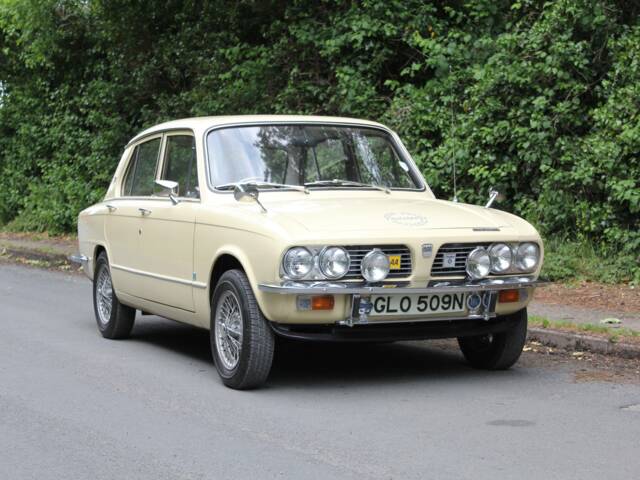
1974 | Triumph 1500
1974 Triumph 1500 TC
Create search alert
Let yourself be notified as soon as a listing is published that matches your search filters.
Create listing
Do you have a Triumph 1500 that you want to sell? Then create a listing now.
Create listingTriumph 1500 Classic Cars: Prices & Market Values
History of the Triumph 1500
The Triumph 1500 entered the market in 1970 as a front-wheel-drive saloon, succeeding the Triumph 1300. Standard-Triumph aimed to blend practicality with advanced engineering, targeting drivers seeking contemporary compact saloons with a British touch. In 1973, the model underwent significant revision and was relaunched as the Triumph 1500TC, switching to rear-wheel drive and offering improved handling. By 1976, production ceased, making way for the Triumph Dolomite, but the 1500 left its mark with its innovative layout and driving experience.
Model History of the Triumph 1500
The Triumph 1500 built on the foundation set by the Triumph 1300, offering similar driving dynamics but taking a technical leap forward with its initial move to front-wheel drive. The range evolved in 1973 with the introduction of the 1500TC (Twin Carburettor), which shifted to rear-wheel drive and improved on performance and reliability. The model served as a direct link between the outgoing 1300 and the incoming Dolomite, bridging Triumph’s range in the core small saloon market of the 1970s.
Highlights of the Triumph 1500
Distinctive for its transition between front- and rear-wheel drive configurations, the Triumph 1500 was equipped with twin carburettors in the 1500TC variant, elevating engine output. The car’s four-door saloon layout provided everyday usability, while features like the rev counter and the optional brown 'Chesnut' trim set it apart from comparable models of the era. With factory accessories and a focus on comfort, it was tailored for touring and commuting alike.
Technical Data
Special Editions and Collectible Models
The Triumph 1500TC stands out as the memorable evolution within the series, identified by the Twin Carburettor engine and rear-wheel drive conversion. The availability of distinctive interior trims such as the 'Chesnut' brown finish, in addition to unique factory-issued features like the rev counter, further contributed to the allure of specific 1500 variants.
Weak Spots and Common Issues
Although not specified in detail, buyers should be mindful of the running condition typical of British saloons from the 1970s. The switch from front-wheel to rear-wheel drive improved certain mechanical points, but attention to carburettor synchronisation and standard maintenance of the four-cylinder engine remains essential.
Engine, Transmission and Driving Behaviour
The Triumph 1500’s four-cylinder engine, especially in TC specification with twin carburettors, delivers lively acceleration within its segment. The transformation to rear-wheel drive in the 1500TC improved handling and driving stability, aligning with feedback from owners accustomed to more traditional British driving dynamics. The layout made the 1500 particularly suited to longer journeys and consistent touring. The 1500TC is the most sought-after version due to its upgraded engine and improved drivetrain. The inclusion of practical features like the rev counter and the well-finished four-door saloon body ensure continued appreciation among fans of compact British vehicles from this era.
Interior, Comfort, Exterior and Design
The Triumph 1500’s cabin prioritised comfort and usability, with options like the distinctive 'Chesnut' brown interior. The design incorporated factory-installed features such as a rev counter, which was rare among its contemporaries. The sharp-edged styling of the bodywork, combined with a classic four-door layout, gave it a purposeful presence typical of early-1970s saloons. Special trim options and additional equipment packages, often mentioned in period literature, reflected personalisation trends of the era.
Other Relevant Features
A notable practicality of the Triumph 1500 is its suitability for touring and long-distance trips, as documented in period reports. The existence of an original factory manual ('1500TC manual') is a tangible bonus for buyers and enthusiasts focused on originality and comprehensive documentation.
Summary
With a clear focus on engineering development and usability, the Triumph 1500 series remains a defining example of British small saloons from the 1970s. Its unique combination of drivetrain evolution, twin carburettor performance, and accessible comfort continue to attract classic car lovers looking for a distinctive piece of motoring history.