Triumph 1300 classic cars for sale
The Triumph 1300, produced between 1965 and 1970 in Coventry, represents Triumph’s take on a compact luxury saloon. Designed by Michelotti, it shares visual cues with its larger siblings and laid the engineering groundwork for subsequent Triumph models. Discover the details behind this notable British saloon.
Search results
Currently, there are no matching listings for your search.
Create search alert
Let yourself be notified as soon as a listing is published that matches your search filters.
Create listing
Do you have a Triumph 1300 that you want to sell? Then create a listing now.
Create listingTriumph 1300 listing references from Classic Trader
Below you will find listings related to your search that are no longer available on Classic Trader. Use this information to gain insight into availability, value trends, and current pricing for a "Triumph 1300" to make a more informed purchasing decision.
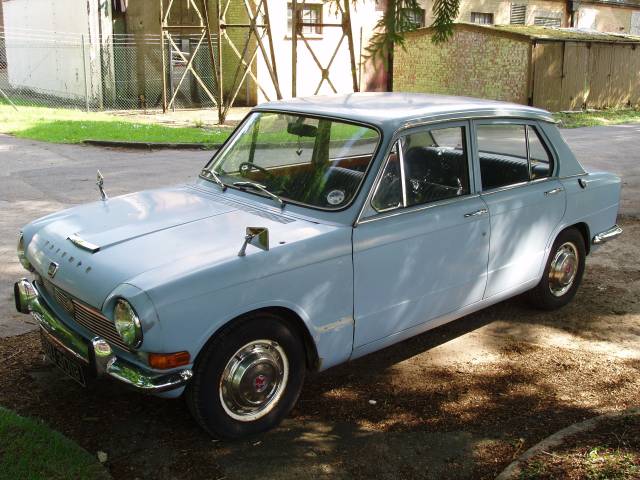
1967 | Triumph 1300
Create search alert
Let yourself be notified as soon as a listing is published that matches your search filters.
Create listing
Do you have a Triumph 1300 that you want to sell? Then create a listing now.
Create listingTriumph 1300 Classic Cars: Prices & Market Values
History of the Triumph 1300
The Triumph 1300 marked a significant step in the evolution of British family cars during the 1960s. Launched at the London Motor Show in October 1965, the car was Triumph’s answer to the aging Herald. Manufactured at the historic Standard Triumph works in Coventry, the 1300 introduced a modern front-wheel-drive concept to the Triumph lineup, a rarity among British manufacturers of the era. Its distinctive Michelotti-designed body borrowed elegant lines from the acclaimed Triumph 2000, giving the compact saloon a sophisticated presence on British roads. The car’s production continued until 1970, when it was succeeded by the Triumph 1500. Even after its run ended, the core architectural concepts of the 1300 lived on, inspiring Triumph’s later Toledo and Dolomite models, underlining the importance of this car’s design and engineering in the marque’s late-20th-century portfolio.
Model History of the Triumph 1300
The 1300 replaced the Triumph Herald, bringing front-wheel drive and an all-new chassis to the line. After production finished in 1970, its role was taken over by the Triumph 1500, which continued to evolve the design both mechanically and aesthetically. The 1300 served as the technical and stylistic origin for Triumph’s Toledo and Dolomite series, helping Triumph stay current in a competitive market. Its tenure may have been brief, but its influence on later Triumph models is unmistakable.
Highlights of the Triumph 1300
The Triumph 1300 distinguished itself with its front-wheel-drive layout, a departure from traditional Triumph engineering. Its Michelotti-designed bodywork, echoing the larger 2000 model, offered a high-end look in a compact format. Interior appointments and road manners were positioned to appeal to buyers seeking both style and urban practicality, reflecting the changing demands of British motorists in the late 1960s.
Technical Data
Special Editions and Collectible Models
At launch and throughout its production, the Triumph 1300 was offered primarily as a single specification. However, certain trim upgrades and accessories became available, aligning with evolving market expectations. There are no widely recognised factory special editions, but factory-fitted options and finishes can add collectability to individual cars today.
Engine, Performance, Transmission and Handling
The Triumph 1300 introduced front-wheel drive to Triumph’s saloon lineup, granting stable traction and effective use of space. The 1.3-litre engine delivered respectable urban and touring performance for its size, combining adequate acceleration with smooth road handling. The transmission offered a familiar four-speed manual configuration, engineered for longevity and simplicity. The Triumph 1300 was available as a four-door saloon, with all models sharing the same basic drivetrain and chassis engineering. Technical highlights included the combination of front-wheel drive and independent suspension, which together were unusual for this market segment in the 1960s.
Interior, Comfort, Exterior and Design
Michelotti’s design lent the Triumph 1300 a sense of modernity, with crisp lines and a compact yet substantial silhouette reminiscent of the Triumph 2000. The cabin balanced practicality and comfort, providing upright seating, quality fabrics, and functional instrumentation. Optional extras included higher-grade upholstery and period-correct radio units. The exterior featured elegant chrome accents and trim, reflecting the era’s style focus. Special colours and period accessories, when found, make surviving examples more attractive to dedicated enthusiasts.
Summary
The Triumph 1300 gave Triumph’s saloon range a significant technological shift in the late 1960s, marrying Michelotti’s design language with front-wheel drive engineering. As the forerunner to later mainstream models, the 1300 is an important chapter in Triumph history, offering a distinctively British blend of innovation, style, and practicality.