- Car
- Talbot-Lago
- Talbot-Lago T26 (6 offers)
Talbot-Lago T26 classic cars for sale
The Talbot-Lago T26 stands out as a French luxury and performance car, produced from 1946 to 1954, and renowned for its impressive 4.5-litre straight-six engine, diverse body styles, and meticulous coachbuilt craftsmanship. With production limited to a few hundred examples and connections to racing glory, the T26 offers a unique glimpse into postwar automotive prestige and technical innovation.
Search results
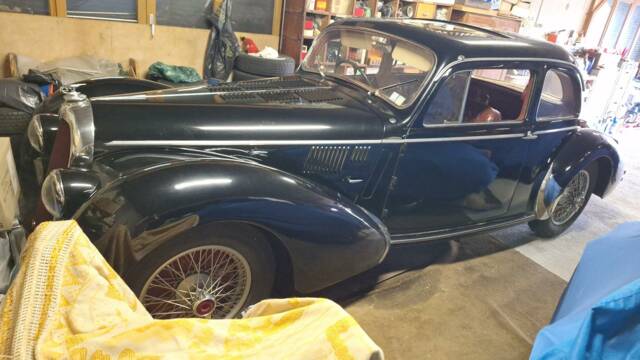
1951 | Talbot-Lago T26 Record
34 years in the same family




Auctions ending soon

Loading…
Loading…
Loading…
Loading…
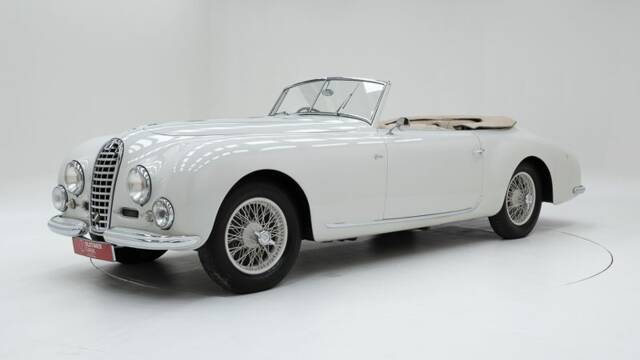
1950 | Talbot-Lago T26 Record
1950 Talbot Lago T26 Graber '50
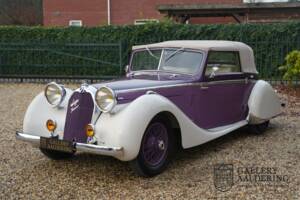
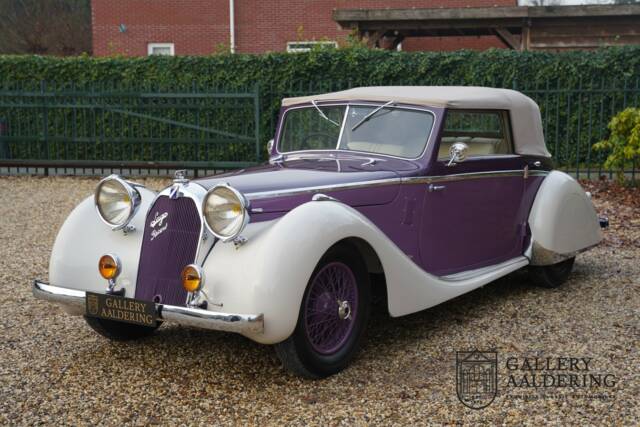
1950 | Talbot-Lago T26 Record
Talbot-Lago T26 Record Unique car, Veth&Zoon body, Pebble Beach Car

Newsletter
The best Talbot-Lago listings, straight to your inbox
Get hand-picked Talbot-Lago listings, plus the best of cars, motorbikes, and auctions on Classic Trader — all in one place.
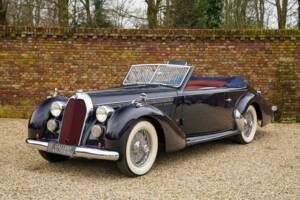
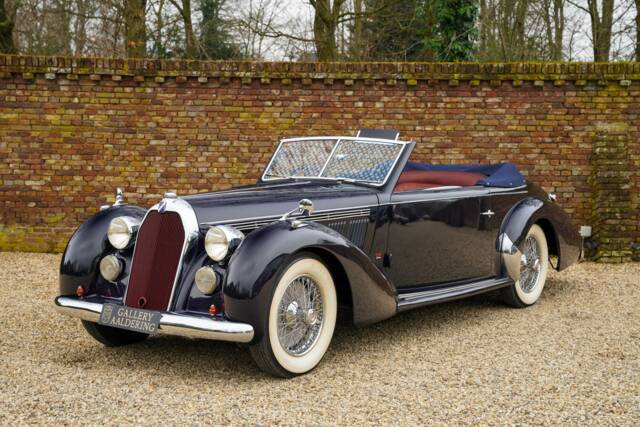
1947 | Talbot-Lago T26 Record Worblaufen
Talbot Lago T26 Record Worblaufen Cabriolet Former "Pebble Beach"-participant, Only 3 built by Carrosserie Worblaufen-F.Ramseier & Co., Concours restoration in the Netherlands, Equipped with the 4-speed Wilson Preselector gearbox, Accompanied by a huge history file, Includes historical photos and restoration records,
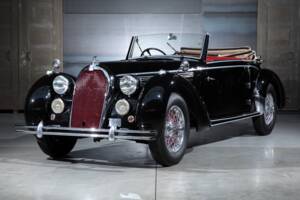
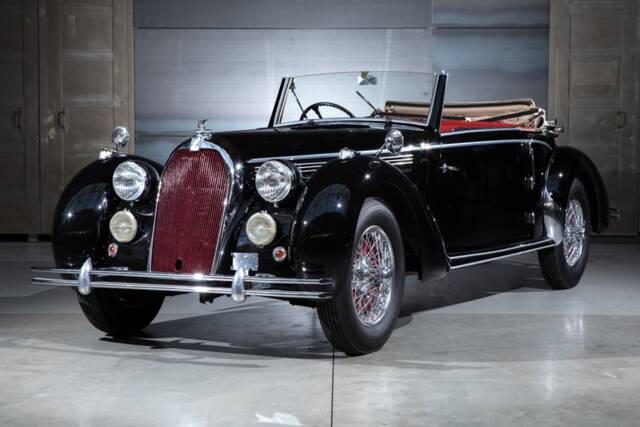
1947 | Talbot-Lago T26 Record
- LAGO Record T 26

Talbot-Lago T26 listing references from Classic Trader
Below you will find listings related to your search that are no longer available on Classic Trader. Use this information to gain insight into availability, value trends, and current pricing for a "Talbot-Lago T26" to make a more informed purchasing decision.
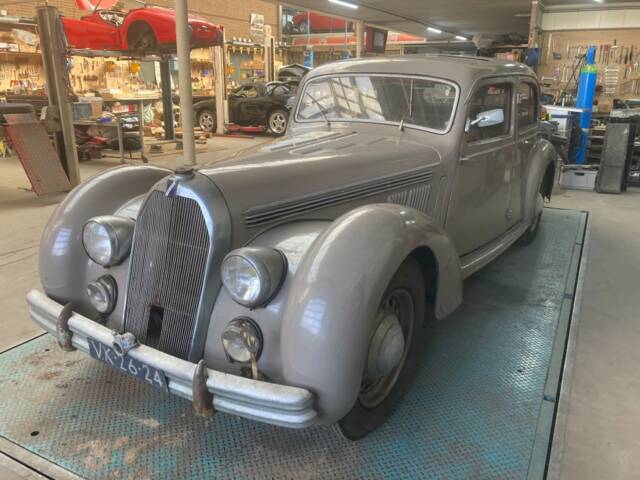
1949 | Talbot-Lago T26 Record
Talbot Lago-T26 Saloon (RHD)
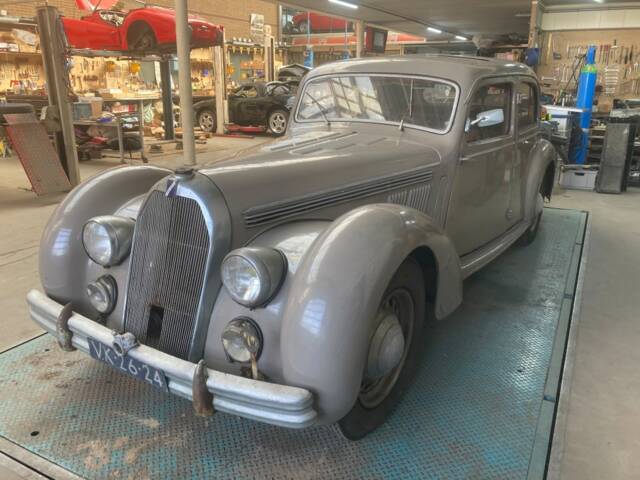
1949 | Talbot-Lago T26 Record
Talbot Lago-T26 Saloon (RHD)
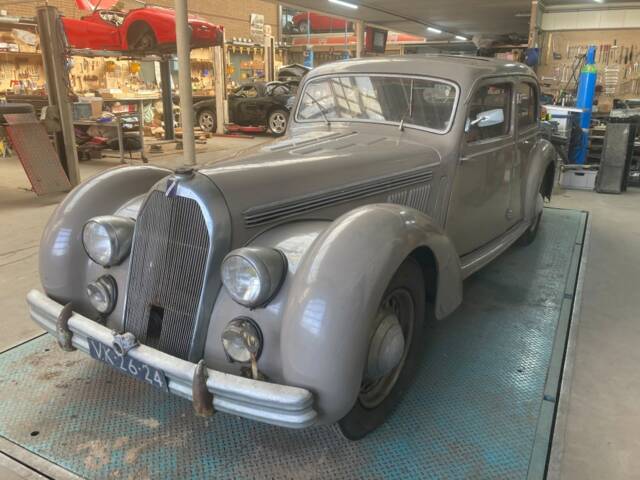
1949 | Talbot-Lago T26 Record
Talbot Lago-T26 Saloon
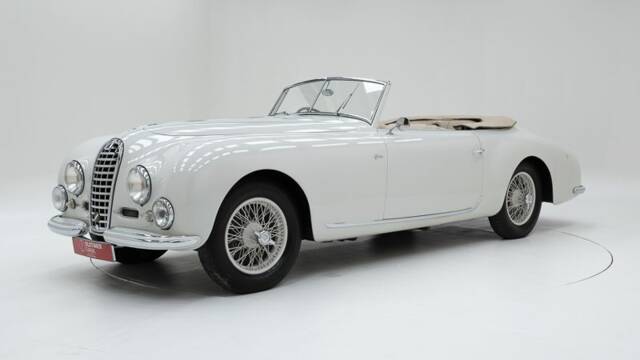
1950 | Talbot-Lago T26 Record
1950 Talbot Lago T26 Graber '50
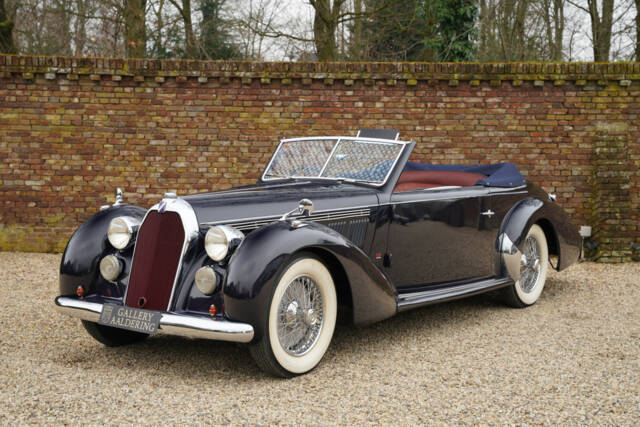
1947 | Talbot-Lago T26 Record Worblaufen
Talbot Lago T26 Record Worblaufen Cabriolet Former "Pebble Beach"-participant, Only 3 built by Carrosserie Worblaufen-F.Ramseier & Co., Concours restoration in the Netherlands, 4-speed Wilson Preselector gearbox
Talbot-Lago T26 Classic Cars: Prices & Market Values
Introduction and history of Talbot-Lago T26
The Talbot-Lago T26 symbolises postwar French engineering ambition. Under Antonio Lago's leadership, Talbot-Lago emerged after WWII with an unrivalled commitment to luxury and performance, specifically tailored for a clientele seeking exclusivity and racing pedigree. Debuting in 1946, the T26 Record reflected contemporary advances, featuring a robust inline-six engine with twin overhead camshafts, hemispherical combustion chambers, and a bespoke chassis.
Each T26, available as coupé, cabriolet, or saloon, often wore custom coachwork by names like Figoni & Falaschi or Dubos. Production was artisanal, with some bodies demanding over 1,600 hours to complete—a level of craftsmanship no longer conceivable in modern car manufacturing. Despite limited production, the T26’s influence reached far beyond French borders. The line would become notable for exceptional road and race results, including victories at the Grand Prix and the 24 Hours of Le Mans in 1950.
By the late 1950s, increasing tax pressures on cars with large engines and changing ownership led Talbot-Lago to decline. The T26 nonetheless remains a testament to a unique period in automotive history, representing the swansong of French grand routiers.
Model history
The T26 series was introduced as the logical step forward from Talbot-Lago’s prewar luxury and sports models. Its forebear, the Lago Special, employed a 4.0-litre layout, while racing history traced back to the late 1930s T26 Grand Prix racers. The T26 line included different wheelbase versions ranging from 265 to 345 cm, enabling a variety of body styles.
Bodywork ranged from Talbot’s own sturdy in-house creations to bespoke masterpieces from the great European coachbuilders. Production began with the T26 Record in 1946, with approximately 433 to 750 units produced until the early 1950s, reflecting both market exclusivity and the effect of restrictive postwar French tax policies. Later years saw the gradual transition of the company into Simca ownership, marking the end of an era for Talbot-Lago luxury.
Highlights of Talbot-Lago T26
The T26 excelled through technical sophistication and artistry: a 4.5-litre, twin-cam, straight-six engine, independent front suspension, hydraulic drum brakes, and both manual and preselector gearboxes defined its mechanical prowess. Coachwork from Figoni & Falaschi, Dubos, Veth & Zoon, and Worblaufen resulted in rare, personalised cars rich with Art Déco and streamlined design motifs. Interior appointments featured the finest leather trim, wood dashboards, and unique instrument layouts.
Technical data
Special Editions and Collectible Models
Variations on the T26 platform include ultra-rare Grand Sport, Record, and racing configurations, as well as one-off bespoke bodies tailored by celebrated coachbuilders. Particularly sought-after examples feature Figoni & Falaschi fastback coupés, luxury cabriolets, and competition machines with historical motorsport provenance, including Le Mans entries.
Weak Spots and Common Issues
With no specific weak spots provided, the main considerations for T26 owners involve sourcing replacement parts for the twin-cam six, maintaining the hydro-mechanical brake system, and specialist attention for the unique gearboxes and custom coachwork. Many examples feature elaborate body structures, demanding expert metal and trim restoration skills when required.
Engine and Performance, Transmission and Handling
The T26’s straight-six delivers smooth, ample torque with outputs from 165 PS in road trim to well over 200 PS for racing. The combination of twin overhead camshafts, hemispherical heads, and multiple carburettors places the engine at the forefront of immediate postwar technology. Mated to a four-speed manual or preselector setup, the T26 offers confident acceleration for its era and a true grand touring ride. The robust chassis, wide selection of wheelbases, and sophisticated independent front suspension enable competent handling, while the weight and period brake system require a considered driving style. - T26 Record (flagship luxury model)
- T26 Grand Sport (performance variant, limited production)
- Custom-bodied one-offs (notably Figoni & Falaschi, Veth & Zoon)
Interior, Comfort, Exterior and design
Talbot-Lago T26s embrace high society automotive art: flawless Art Déco profiles, flowing lines, split windscreens, and signature teardrop fenders mark their silhouettes. Interiors are trimmed with rich leathers, woods, and centrally mounted instruments. Depending on the coachbuilder, unique accessories include wire wheels, signature chrome details, and bespoke comfort features. Collectors value the marquetry, rare steering wheels, premium knobs, and occasionally, special paintwork or metallic finishes hand-applied by master craftsmen.
Other relevant features
Many T26s were built as rolling chassis for subsequent completion by independent body shops, resulting in a unique specification for nearly every car. Notably, frames often comprised wooden elements clad in aluminium or steel panels, underlining the blend of tradition and technology. Talbot-Lago T26s have consistently succeeded at international concours events, such as Pebble Beach and Amelia Island, highlighting both their technical and aesthetic excellence.
Summary
The Talbot-Lago T26 represents the pinnacle of French postwar automotive luxury and coachbuilding. Its technical innovations, artisanal construction, grand prix pedigree, and nuanced market impact create an irreplaceable chapter in car history. With every listing and viewing at Classic Trader focused on the T26, it remains the standard-bearer for Talbot-Lago’s worldwide reputation.