- Car
- Talbot-Lago
- Talbot-Lago T150 (2 offers)
Talbot-Lago T150 Classic Cars for Sale
The Talbot-Lago T150 stands among pre-war French automotive masterpieces, embodying innovation both in engineering and bespoke luxury. Its rare chassis variations and groundbreaking technology from the 1930s define a car that became synonymous with French grand tourisme performance and elegance. Discover why only a handful of these unique vehicles left the Suresnes factory.
Search results
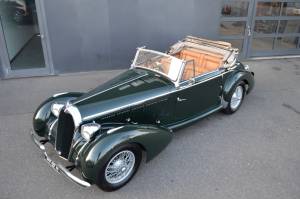
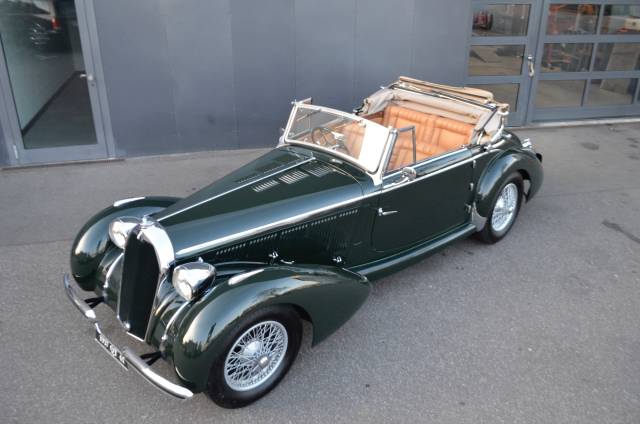
1937 | Talbot-Lago T150 C SS Teardrop Coupe
Talbot-Lago T 150 C Cabriolet d' Usine

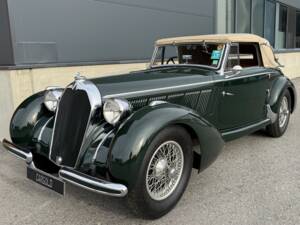
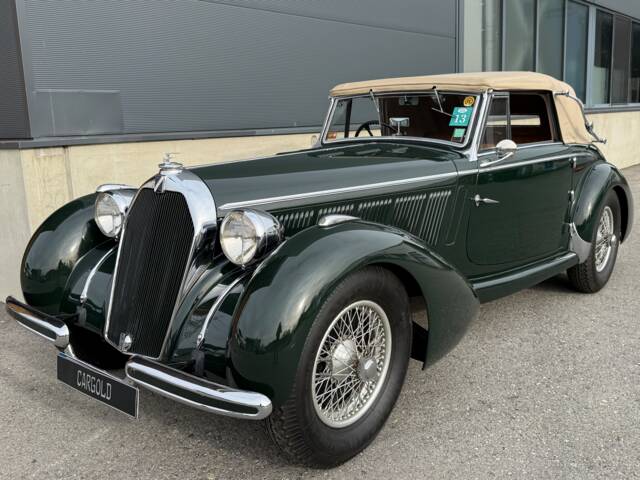
1937 | Talbot-Lago T150 C "Lago Speciale"
Von Markenexperten restauriert / Eines von 51 Exemplaren!

Auctions ending soon

Loading…
Loading…
Loading…
Loading…
Talbot-Lago T150 listing references from Classic Trader
Below you will find listings related to your search that are no longer available on Classic Trader. Use this information to gain insight into availability, value trends, and current pricing for a "Talbot-Lago T150" to make a more informed purchasing decision.
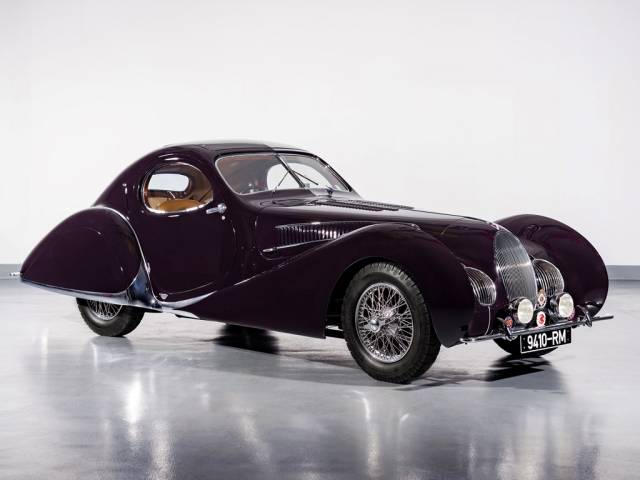
1938 | Talbot-Lago T150 C SS Teardrop Coupe
1938 Talbot-Lago T150-C SS Teardrop Coupe by Figoni et Falaschi

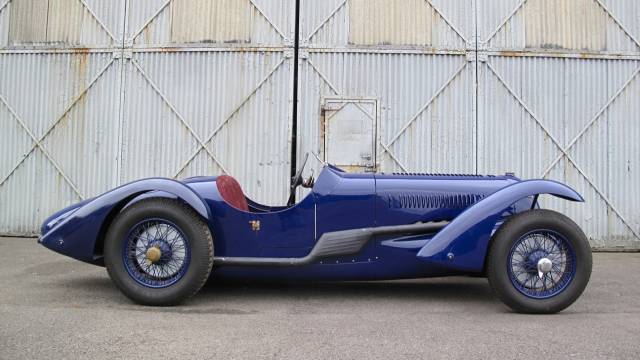
1936 | Talbot-Lago T150 C
1936 Talbot Lagao T150 C
Talbot-Lago T150 Classic Cars: Prices & Market Values
History of Talbot-Lago T150
The Talbot-Lago T150 emerged in the transformative automotive era of 1930s France after Anthony Lago took over the Talbot marque in 1934. Operating from Suresnes, near Paris, Lago elevated the brand by crafting vehicles that combined proprietary technology with sophisticated bodywork. At the 1934 Paris Motor Show, Talbot-Lago unveiled a vehicle with a Figoni body, setting the aesthetic and technical tone for later factory models. Unlike many contemporaries who sold bare chassis, Lago ensured his cars featured in-house or esteemed coachbuilt bodies, reinforcing both exclusivity and craftsmanship.
Model History
The T150 succeeded earlier Talbot sports chassis, breaking new ground with a wholly new frame. The model appeared in two primary configurations: the T150 C 'Super Sport' (SS) with a short, agile chassis for spirited driving and motorsport, and a longer variant suited for luxurious custom coachwork. Both versions shared a lightweight chassis – as little as 950 kg – with the SS further shaved down by 130 kg. In total, just 51 T150 Cs were produced, making each vehicle a significant piece of automotive history. The majority featured right-hand drive, adhering to French pre-war conventions.
Highlights of the Talbot-Lago T150
Technologically, the T150 C was a trailblazer. Its advancements included a large oil sump for reliability, front independent suspension for handling finesse, robust all-around drum brakes, and a Wilson 4-speed preselector gearbox patented by Lago himself. The 4-litre inline-six, designed by Walter Becchia, distinguished itself with high-compression pistons and advanced valvetrain architecture for its day. Numerous cars boasted bespoke equipment, fine Jaeger instrumentation, and intricate wooden inlays. In the context of racing and touring, the T150 C established itself as not only among the fastest, but also the most balanced luxury sportscars in France by the late 1930s.
Technical Data
Special Editions and Collectible Models
One highly sought-after variant is the T150 C 'Super Sport' (SS), built on a shorter, lighter chassis tailored for performance and competition. Outfitted with advanced mechanicals and distinctive bodywork—often by Figoni & Falaschi—these versions are especially prized for their driving agility and motorsport pedigree. Series II, introduced in 1938, featured bodywork updates for improved practicality, such as external bootlids and the availability of aerodynamic Figoni grilles. Almost every car was uniquely specified, increasing historical interest.
Weak Spots and Common Issues
No known weak spots or common mechanical issues documented for the T150 C in the supplied information. Given their exclusivity and advanced design for the 1930s, careful inspection of original materials, mechanical components, and bespoke bodywork is advised when considering purchase or restoration.
Engine and Performance, Transmission and Handling
The Talbot-Lago T150 C's power unit was advanced for its time, delivering 140 PS from a 4-litre six-cylinder. The combination of front independent suspension and all-round drum brakes set new benchmarks for pre-war road handling. The SS version, significantly lighter, was at the forefront of European sports motoring, surpassed in outright speed only by the supercharged Bugatti Type 57. The Wilson preselector gearbox allowed drivers to operate the car with sophistication unrivalled amongst contemporaries. Highlight: The T150 C SS, with its short-wheelbase chassis and focus on motorsport, stands out for its dynamic prowess and bespoke bodywork options by Figoni & Falaschi.
Interior, Comfort, Exterior and Design
Designers like Figoni & Falaschi played a pivotal role in establishing the T150's silhouette, typified by sweeping fenders and fluid lines. Many cars were factory-equipped with Jaeger gauges, premium wood dashboard inlays, and luxurious trim. The cars could be ordered with rare accessories and custom features—such as the patented streamlined radiator grille. Choice of upholstery, detailing, and finish was often tailored to the client's demands, making each T150 a singular creation. Series II models updated the rear design, with boot access now through an externally hinged lid for added practicality.
Other Notable Aspects
The T150 C chassis provided the foundation for a number of competition successes. Anthony Lago's commitment to motorsport resulted in appearances at premier events including the French Grand Prix, Tourist Trophy, and Monte Carlo Rally. The cars were lauded for not just speed but also reliability and comfort over road and track.
Summary
The Talbot-Lago T150 represents the zenith of French automotive engineering and design in the pre-war period. With limited numbers produced, cutting-edge mechanicals, and rich coachbuilding heritage, the T150 C holds a singular position in motoring history. Among Talbot-Lago's classic cars, the T150 is the undisputed highlight for enthusiasts and historians alike.