Stutz Bearcat classic cars for sale
The Stutz Bearcat stood for uncompromising driving fun in the 1910s and 1920s, uniting racing technology and minimalist design in a street-legal package. From its formidable four-cylinder engines to its distinctive monocle windscreen, the Bearcat set benchmarks in American sports car history.
Search results
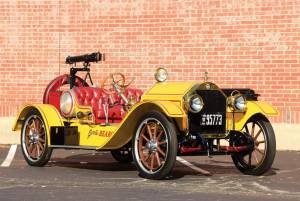
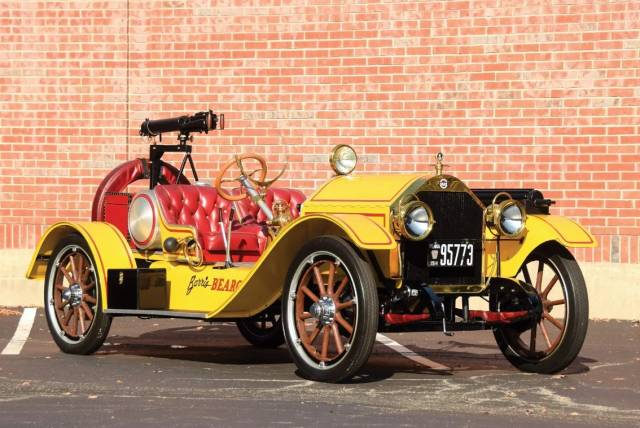
1968 | Stutz Bearcat
1968 Stutz Bearcat Recreation

Stutz Bearcat listing references from Classic Trader
Below you will find listings related to your search that are no longer available on Classic Trader. Use this information to gain insight into availability, value trends, and current pricing for a "Stutz Bearcat" to make a more informed purchasing decision.
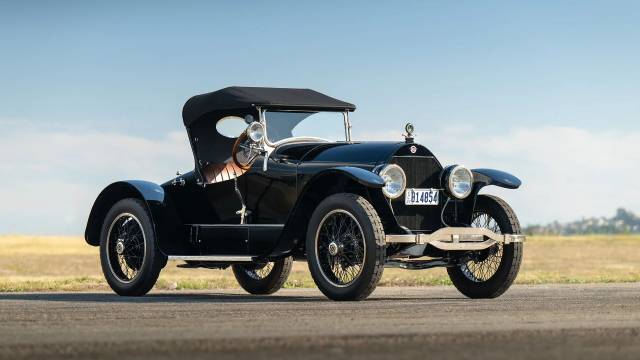
1918 | Stutz Bearcat
1922 Stutz Series K DH Bearcat
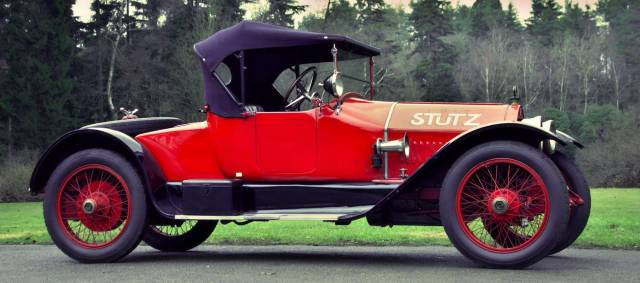
1917 | Stutz Bearcat
1917 Stutz Bearcat Roadster Model R
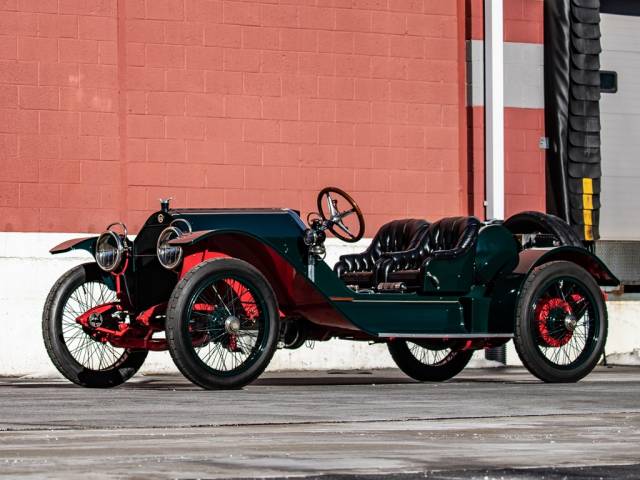
1913 | Stutz Bearcat
1913 Stutz Series B Bearcat
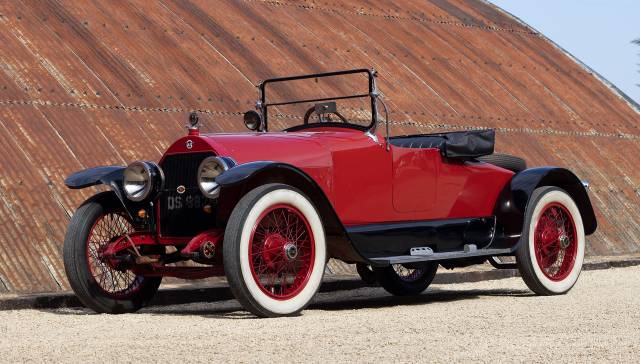
1918 | Stutz Bearcat
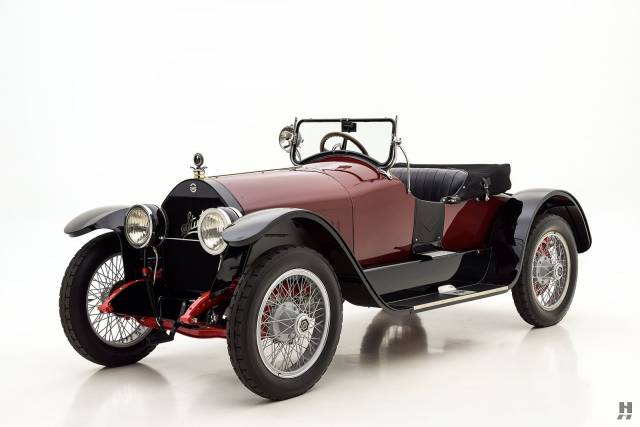
1920 | Stutz Bearcat
Stutz Bearcat
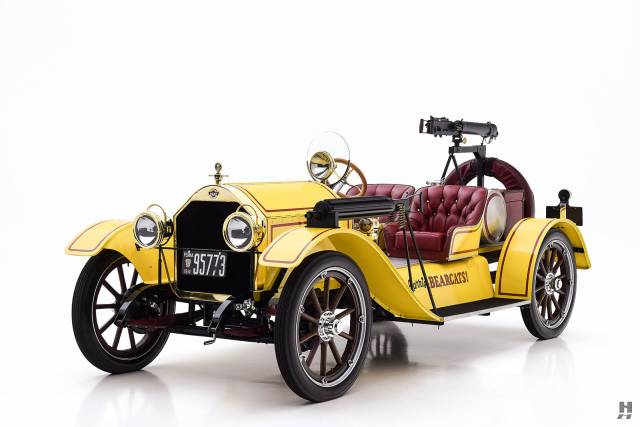
1968 | Stutz Bearcat
Stutz Bearcat
Stutz Bearcat Classic Cars: Prices & Market Values
Introduction and history of Stutz Bearcat
The Stutz Bearcat emerged from a racing pedigree — the basis was the Model A, built by Harry C. Stutz to compete at the inaugural Indianapolis 500 in 1911. Shortly after, the Bearcat made the leap from racetrack to road as a model focused purely on performance, becoming renowned for its lightweight body, minimal comfort features, and immediate association with wealth and speed. Its phrase, 'The Car That Made Good in a Day', hints at its meteoric reputation, established at racing events and then as a sports car for discerning clients. Throughout the 1910s and 1920s, the Bearcat not only defined the sporty, luxurious brand image of Stutz but also became a symbol of American automobile culture in the Roaring Twenties.
Model history
After the Indianapolis efforts with the Model A in 1911, serial production of the Bearcat began in 1912. Early Bearcats ran large Wisconsin T-head four-cylinder engines before Stutz introduced its in-house 16-valve engine from 1921 onwards. Over the years, the model line evolved; later series such as Series H and Series K brought increased performance, technical updates (like a removable cylinder head), and sturdier chassis construction. While the Bearcat had no direct predecessor in the Stutz lineup, it’s often contrasted with the Mercer Raceabout of the same era. Later Bearcats carried forth the brand’s sporting spirit until the end of the classic period for Stutz sports cars.
Highlights of Stutz Bearcat
The Stutz Bearcat is immediately recognisable by its reduced, sporty stance: two bucket seats, little bodywork, monocle windshield, and a lack of doors. Underneath, it featured wire wheels (from Buffalo, Frayer or Houk), a three-speed transaxle with external gate shifter, and a robust yet lightweight chassis. Built for agility and raw performance, features like the Warner Auto-Meter tachometer, Moto Meter radiator cap, and period accessories like extra spotlights underscored the car’s racing roots. In supply statistics, 80% of listed Stutz Bearcats carry the Series S code, highlighting a strong representation of this version in Classic Trader's listings. Demand data shows 71.5% of searches for Stutz on the platform are for Bearcat models without series code, while 28.5% are for the Series S — demonstrating that interest persists strongly for Bearcat, especially the earlier variants.
Technical data
Special Editions and Collectible Models
Certain Bearcat models, such as the Series H and Series K, are of particular technical interest due to improvements in engine design and structural reinforcements. The earliest Bearcats are rare due to their hard usage in period, making original, unrestored survivors exceptionally interesting for specialists. Some vehicles had additional weather protection accessories (like full windshields and canvas tops), setting them apart in terms of usability.
Weak Spots and Common Issues
No known significant manufacturer-specific weak spots or reliability issues are documented. Nevertheless, interested buyers should expect age-typical challenges, including drivetrain wear, potential wood rot in structural elements, and scarcity of original parts. Close inspection of mechanical, bodywork, and especially original wooden chassis elements is advised before purchase, given the Bearcat's motorsport background and likely enthusiast use over decades.
Engine and Performance, Transmission and Handling
Thanks to its lightweight construction and powerful engines, the Bearcat achieved sprint times well ahead of its contemporaries — period advertising even claimed a 90% acceleration improvement from 10 to 60 mph. The robust axle construction, short wheelbase, and shift-focused manual gearbox meant handling was direct and vividly communicative. Acceleration and chassis agility made the Bearcat suitable for period racing while offering a driver's experience that was highly engaging and raw. - Bearcat (Wisconsin T-Head): Circa 60–83 hp, 360–390 cu in engine, three-speed gearbox, 118 in wheelbase.
- Bearcat (Stutz 16-valve D-H, post-1921): Improved peak power, easier service, more robust and advanced for the era.
Interior, Comfort, Exterior and design
Inside, the Bearcat featured only what was necessary: two shell-type seats, low-profile doors or none at all, wooden dashboard (often walnut), and leather with buttoned finishes. The cockpit carried an array of practical instruments (tachometer, ammeter, 8-day clock) and details such as wooden steering wheels. Accessories included a single rear-mounted spare wheel, folding canvas tops, and sometimes period extras like nickel-plated headlamps or spotlights. Wire wheels, distinct period paint schemes, limited use of chrome, and prominent radiator caps define the Bearcat visually. Early models sometimes exhibited footrests for the passenger and separate petrol tank fillers on both sides.
Other features
Stutz Bearcats were typically supplied with minimal weather protection — the earliest cars had only a monocle windshield and simple canvas canopies, while later vehicles offered better coverage. These cars often appeared at classic rallies and automotive events due to their specialist appeal and historical significance.
Summary
The Stutz Bearcat brought motorsport engineering to American roads, offering distinctive driving engagement and technical sophistication rare for its time. With rapid acceleration, a focused cockpit and spartan weight-saving measures, the Bearcat’s reputation among prewar sports cars is underpinned by both statistics and period reports. Collectors will find particular appeal in rare original examples and the technical development across model years.