Stutz Series H classic cars for sale
The Stutz Series H, introduced in 1919, stands as a significant milestone in American automotive development. As an evolution of the legendary Bearcat and a direct beneficiary of Stutz’s racing achievements, the Series H uniquely blends performance, mechanical innovation, and elegant early 20th-century design. Collector interest remains strong, encouraged by its pivotal role in motorsports and distinctive engineering choices.
Search results
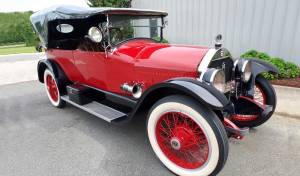
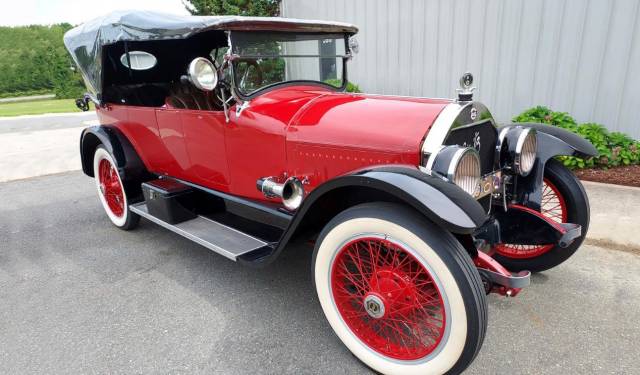
1920 | Stutz Series H
1920 Stutz Model H Seven Passenger Touring

Stutz Series H listing references from Classic Trader
Below you will find listings related to your search that are no longer available on Classic Trader. Use this information to gain insight into availability, value trends, and current pricing for a "Stutz Series H" to make a more informed purchasing decision.
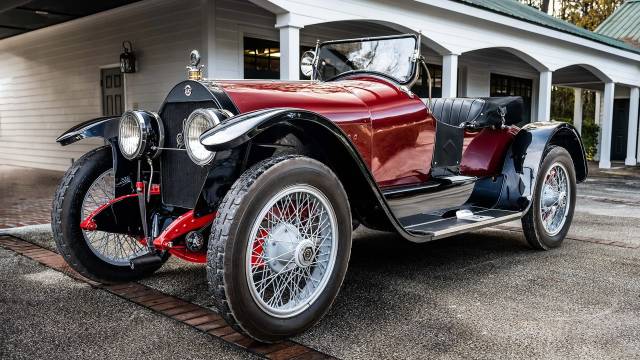
1920 | Stutz Series H
1920 Stutz Series H Bearcat, OFFERED WITHOUT RESERVE
Stutz Series H Classic Cars: Prices & Market Values
History of the Stutz Series H
Founded in 1911 as the Ideal Motor Car Company by Harry C. Stutz and Henry F. Campbell, Stutz soon made its mark with the Bearcat model, gaining renown after completing the 1911 Indianapolis 500 in 11th place. This race result earned the brand the moniker 'The Car That Made Good in a Day.' The Series H emerged in 1919, building on Bearcat’s notoriety and race-bred technology. The rapid evolution of Stutz’s designs was spurred by notable accomplishments, such as victories in the AAA Championship Car season of 1915 and a transcontinental speed record in 1916, cementing the company’s reputation for robust engineering and performance-driven design. The Series H brought an important update to the model series by offering closed cockpits and shortened doors, marking a clear step forward in both comfort and style.
Model Lineage and Evolution
The Stutz Series H is a direct successor to the earlier Stutz Bearcat, which had launched in 1912 and quickly ascended to fame via motorsport successes. The Series H, introduced in 1919, carried forward the innovative spirit with significant novelty beneath its bodywork, specifically a new in-house developed powerplant. This transition away from bought-in engines, establishing Stutz as a full-line manufacturer, was symbolised by the introduction of dual-camshaft valvegear and an efficient 16-valve four-cylinder engine. The Series H models are commonly identified by chassis numbers beginning with 'H', and engines noted with serial numbers such as 'Engine No. 8427'. Successor models would continue to pursue both competition results and customer comfort developments based on the lessons learned from the Series H.
Highlights of the Stutz Series H
- Introduction of a closed roof and distinctive shortened doors compared to earlier open Bearcat models.
- Engineered for touring events and concours d'elegance, combining performance suitable for regular road use and collectible presentation.
- Notable for rare period features: Buffalo wire wheels, nickel-plated grille, supplemental headlamps, and black fender contrasts typical of the era. Emphasis was placed on minimal brightwork to reduce mass and improve reliability.
- The Series H is always identified by a chassis number beginning with 'H'.
Technical Data
Special Editions and Collectible Models
Period documentation and known collector circles confirm that every Stutz Series H was individually titled, often by engine or chassis number. However, no factory-built special editions or officially limited runs for this model have been identified in surviving documentation. Instead, collectability is often driven by condition, historical provenance, and unique coachbuilt features on individual cars.
Engine, Transmission, and Road Performance
The driving experience of the Series H stands out primarily because of its advanced-for-the-time engine, which delivers high flexibility and noticeable mid-range torque. The dual-cam 16-valve four-cylinder results in swift acceleration and consistent cruising, unusual for vehicles of this era. The focus on low weight due to restrained use of chrome and decorative elements improves agility and responsiveness. Transmission is manual, and the car’s mechanical simplicity allows for relatively straightforward maintenance by classic car standards. Touring events and historic runs often feature Series H examples, a testament to their robust drivability and mechanical reliability. The core Series H specification—with its unique engine and period-correct bodywork—represents the foundation of most surviving examples. Notable variants can include custom coachwork or individual accessories, but all share the same basic chassis and powertrain architecture.
Interior, Comfort, Exterior, and Design
In terms of design, the Stutz Series H is easily recognised by its foldable fabric roof (or occasionally full cab), stark contrasts between typically dark-painted fenders and lighter main body colours, and signature Buffalo wire wheels. Simple but effective nickel-plated grilles and headlamps give the car purpose and era-appropriate presence. Decorative elements are restrained, deliberately to keep weight low. Inside, the atmosphere is functional but refined, suitable for longer tours and driving events. Common accessories include period driving lamps, nickel-plated spotlamps, and very limited chromed touches. Serialised chassis and engine numbers denote originality and provenance for collectors.
Other Noteworthy Aspects
The Stutz Series H, in contrast to many contemporaries, entices historic vehicle enthusiasts with its touring and concours potential. Proven mechanical reliability and highly individual designs owing to periodic coachwork updates make each car a unique proposition for long-term ownership. Vehicles are often identified and traded by their engine or chassis numbers in specialist circles.
Summary
The Stutz Series H, debuting in 1919, exemplifies the marque’s shift towards full in-house engineering excellence, coupled with an uncompromising motorsport heritage. Its combination of advanced mechanicals, recognisable design, and historical significance ensures enduring fascination among dedicated collectors and drivers.