- Oldtimer
- Studebaker
- Studebaker Silver Hawk (1 aanbieding)
Studebaker Silver Hawk classic cars for sale
The Studebaker Silver Hawk, built between 1957 and 1959, stands out as one of Studebaker’s most recognisable coupes, combining understated American styling with six- and eight-cylinder powertrains. This model bridged the gap between the more opulent Golden Hawk and the earlier Champion and Commander models. Licensed for both European and US export, well-preserved Silver Hawks demonstrate the appeal of late-1950s American engineering.
Zoekresultaten
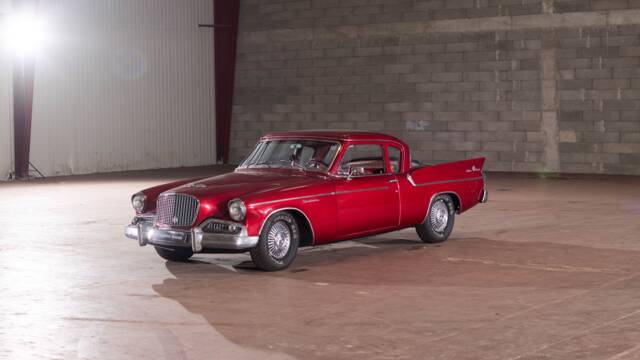
1959 | Studebaker Silver Hawk
1959 Studebaker Silver Hawk V8 aus Kalifornien, 78.223 Meilen, Matching Numbers und Colors
Preview

Studebaker Silver Hawk listing references from Classic Trader
Below you will find listings related to your search that are no longer available on Classic Trader. Use this information to gain insight into availability, value trends, and current pricing for a "Studebaker Silver Hawk" to make a more informed purchasing decision.
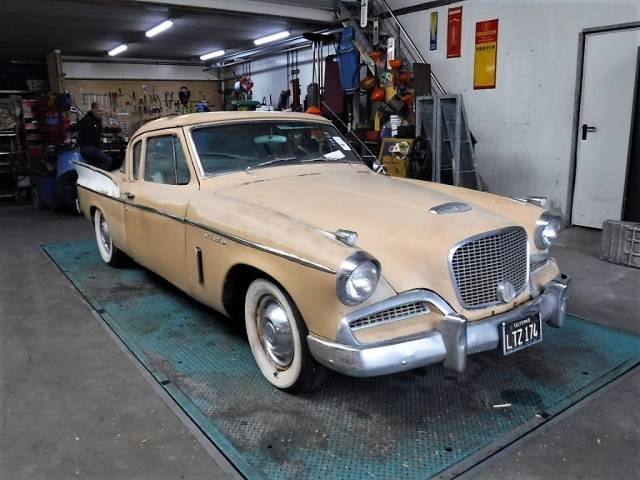
1958 | Studebaker Silver Hawk
Studebaker-Silver Hawk

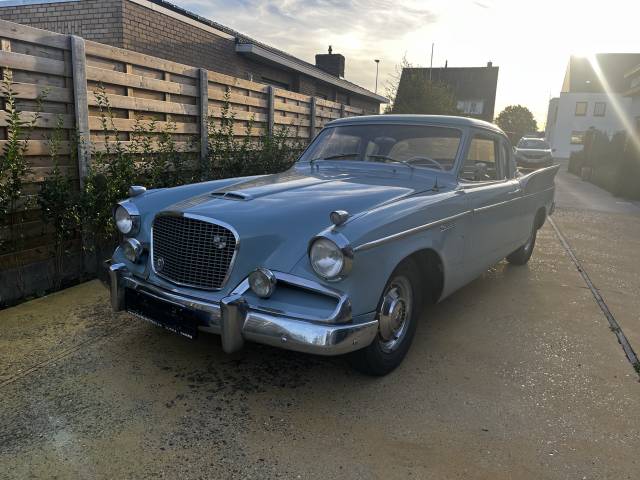
1957 | Studebaker Silver Hawk

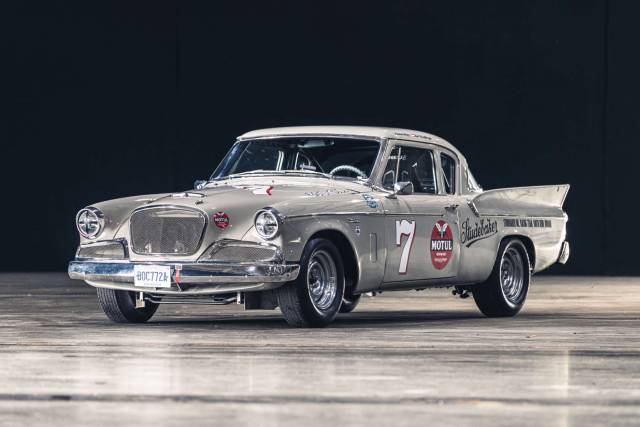
1959 | Studebaker Silver Hawk

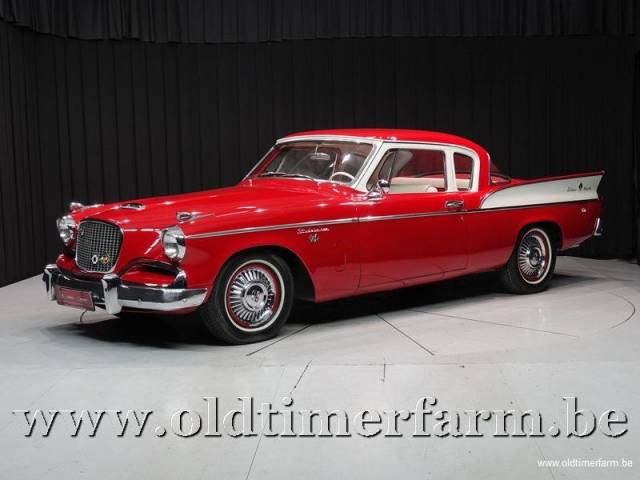
1957 | Studebaker Silver Hawk
1957 Studebaker Silver Hawk '57
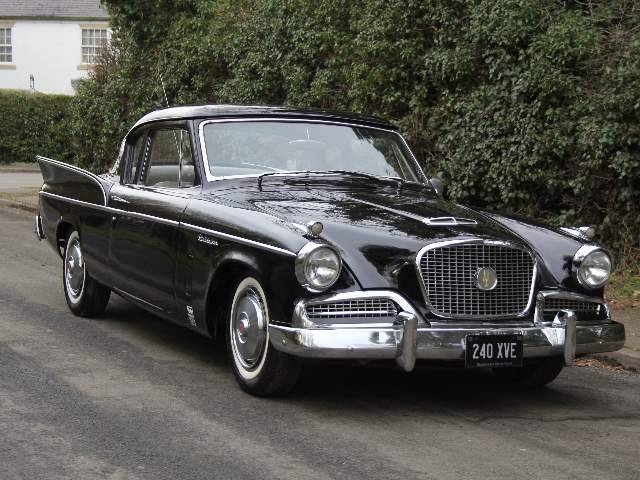
1957 | Studebaker Silver Hawk
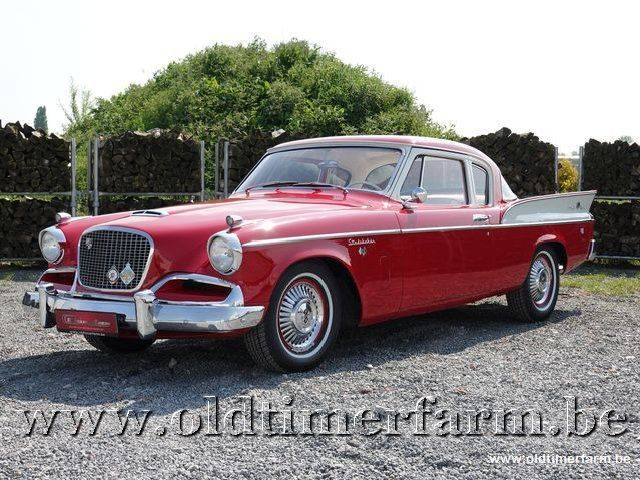
1957 | Studebaker Silver Hawk
1957 Studebaker Silver Hawk '57
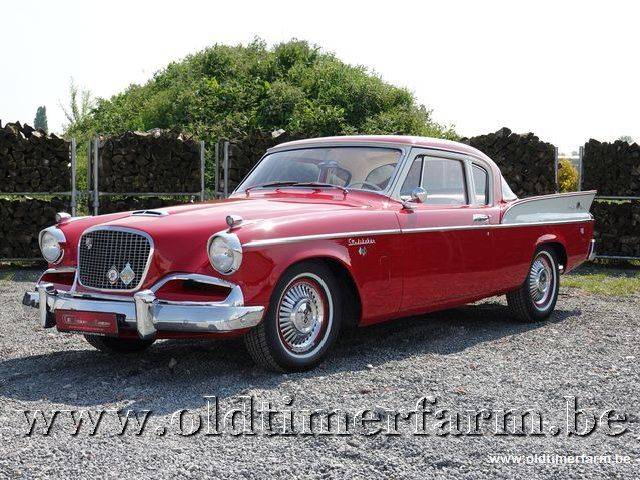
1957 | Studebaker Silver Hawk
1957 Studebaker Silver Hawk '57
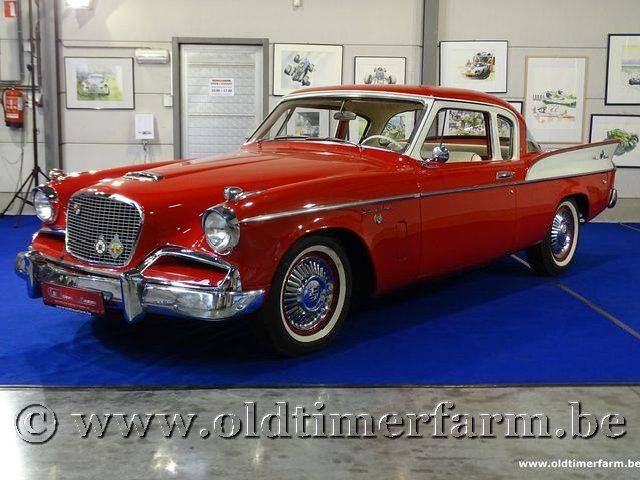
1957 | Studebaker Silver Hawk
1957 Studebaker Silver Hawk '57
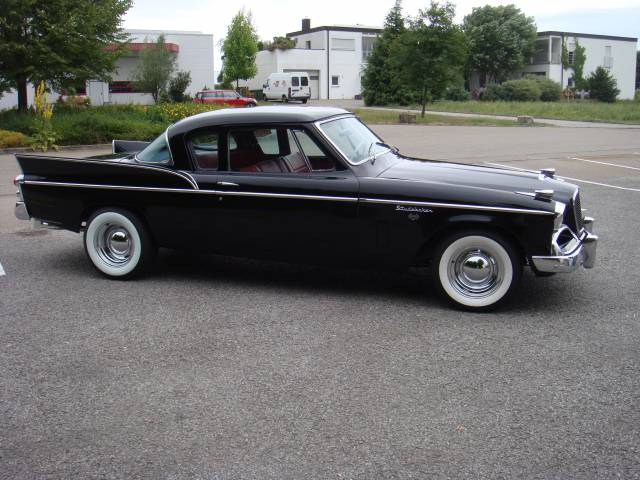
1957 | Studebaker Silver Hawk
V8

Studebaker Silver Hawk Classic Cars: Prices & Market Values
History of the Studebaker Silver Hawk
The Studebaker Silver Hawk entered production in 1957 as part of a strategic move by Studebaker to streamline its Hawk series. The original Hawk line-up debuted in 1956, evolving from the celebrated '53 “Starlight” coupe, a design steeped in the forward-thinking vision of Robert Bourke at Raymond Loewy Associates. As economic conditions tightened following the financial crisis of 1958, Studebaker discontinued other Hawk variants, with only the Silver Hawk remaining in the lineup. Notably, the Silver Hawk sat above its siblings, drawing design cues and technological improvements from the Golden Hawk and the now-discontinued Power and Flight Hawks. Production continued under the ‘Hawk’ name until 1961, by which point it represented the lone survivor of Studebaker's personal luxury coupe ambitions.
Model History of the Silver Hawk
The Silver Hawk succeeded the Champion and Commander as Studebaker’s principal coupe for enthusiasts seeking American style with a sporty undertone. Offered first in 1957, the Silver Hawk carried over the robust underpinnings of its predecessors and served as the benchmark for subsequent ‘Hawk’ series models. It was built as a two-door coupe with a pillar, echoing the earlier Power Hawk and Flight Hawk. Mechanical configurations included the inline-six ‘Champion’ engine or, for export markets, the more potent ‘President’ 289 V8. After 1959, with the discontinuation of other Hawk models, Studebaker dropped the ‘Silver’ distinction; remaining vehicles were simply marketed as the ‘Hawk’ through 1961.
Highlights and Unique Features
The Silver Hawk distinguished itself through a visually pared-down style compared to the flashy Golden Hawk, with restrained use of chrome and more subdued two-tone paintwork – unique for its era. The rear fins could be highlighted in contrast colours for dealer showpieces, reflecting customer tastes and market demands. From a technical perspective, the Silver Hawk offered a choice between the venerable naturally aspirated six-cylinder and, in key markets, the 4.7L V8 engine, yielding up to 225hp in four-barrel, dual-exhaust specification.
Technical Data
Special Editions and Collectible Models
The Silver Hawk line did not see true factory-limited editions, but certain export models equipped with the President V8 or special two-tone paint applications can be regarded as significant. Dealer-customised finishes—sometimes with colour-matched fins, trunk insets, and contrasting grille side panels—have also become points of collector interest. Models from 1959, the first profitable production year and the final run before the name changed to just 'Hawk', are particularly sought after among enthusiasts due to their transitional status.
Weak Spots and Common Issues
Owners and buyers should be especially vigilant regarding engine wear, as few Silver Hawks have run for more than 180,000 km without requiring major overhaul. Rust presents the greatest threat to these coupes, focusing mainly on the rear end and underbody—areas where US steel quality and design choices show their age. The rear axle is known to develop hairline cracks following high-speed runs over rough surfaces, leading to expensive repairs. Thus, thorough underbody and drivetrain inspections are vital for prospective owners to avoid unexpected costs.
Engine, Performance, Transmission and Handling
The Silver Hawk was offered with two principal motorisations: the ‘Champion’ inline-six or the 4.7L (289 cu in) President V8. The V8, in combination with a four-barrel carburettor, delivered 225hp and robust torque for its weight, giving the coupe respectable acceleration and a top speed just under 190 km/h. Handling, in period, was considered stable for long American highways but less refined over uneven surfaces where axle stress occasionally resulted in cracks, a known point of failure. Most models used a three-speed gearbox, with automatics rare but available on later years. - Studebaker Silver Hawk 8G V8 (1959): Four-barrel carburettor, dual exhaust, 225hp, widely regarded for its combination of reliability and peak performance.
- Silver Hawk (1957–1958) Champion Six: Inline six for buyers prioritising easier maintenance and lower running costs.
Interior, Comfort, Exterior and Design
Designed under the oversight of Robert Bourke, the Silver Hawk’s bodywork built on the modern '53 coupe but with sharper lines, modest tailfins, and a distinctive two-tone paint demarcated below the bodyside chrome. While the Golden Hawk flaunted more chrome and ornamentation, the Silver Hawk channelled restraint, with only basic chrome components and a clean hood. The cabin inherited much from earlier models but featured updates in trim and seat design, accessible in varied colours—typically blue, gold, red or black. Certain aftermarket and dealer upgrades included special seat fabrics or colour-matched dash details. Many export vehicles showcased custom interiors to suit local markets.
Other Features
1940s–1960s Studebaker buyers valued the ability to order custom trims, special paint jobs, and unique accessories from dealers. Some Silver Hawks were delivered with optional radios, heater units, or power steering, depending on market and year. Later cars could carry badge modifications depending on export destination, and upholstery as well as dashboard features frequently varied between early and late production.
Summary
The Studebaker Silver Hawk exemplifies the late-1950s evolution of the American coupe: modest yet elegant in design, notable both for its restrained use of chrome and its dual-engine approach. Technical highlights included robust V8 options as well as a comfortable two-door coupe format. Buyers should be aware of common engine and rust issues before purchasing. Collector interest focuses on the 8G V8 models and uniquely finished export vehicles. For those seeking a classic US-built machine with a unique backstory, the Silver Hawk remains a practical and visually distinctive choice.