- Car
- Studebaker
- Studebaker Avanti (3 offers)
Studebaker Avanti Classic Cars for Sale
The Studebaker Avanti set new standards among American coupes with its radical, fibreglass body and advanced technical features, including being the first US production car with front disc brakes. Designed by Raymond Loewy, the Avanti combined dramatic looks, robust V8 power, and rare craftsmanship, making it a unique sight on the road and in the collector scene.
Search results
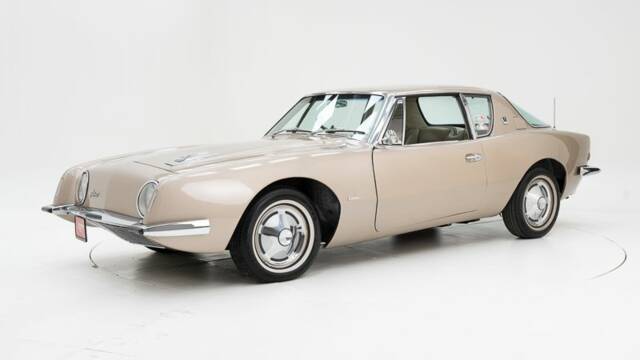
1963 | Studebaker Avanti
1963 Studebaker Avanti R2 Supercharged '63

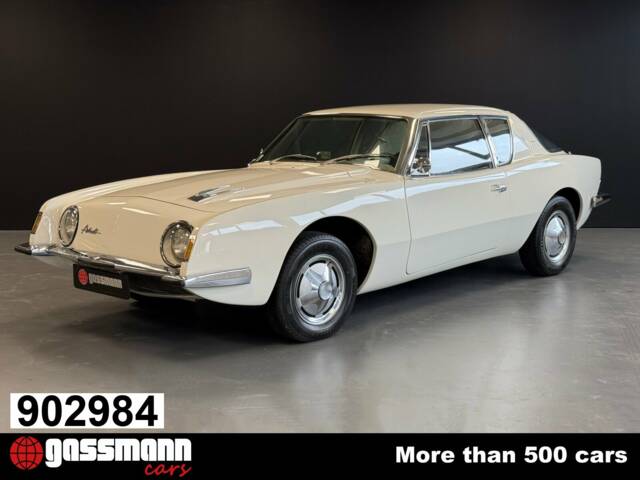
1964 | Studebaker Avanti
Avanti Coupe mehrfach verfügbar!

Auctions ending soon

Loading…
Loading…
Loading…
Loading…
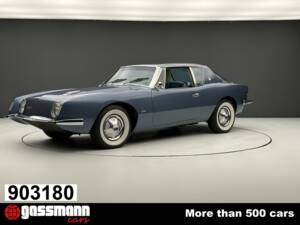
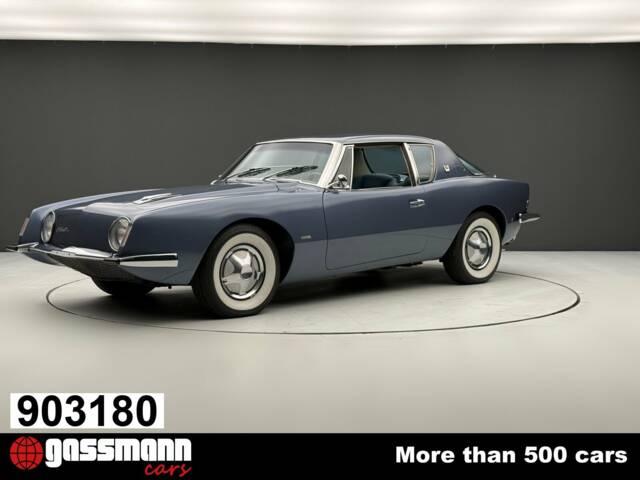
1963 | Studebaker Avanti
Avanti Coupe mehrfach verfügbar!
Studebaker Avanti listing references from Classic Trader
Below you will find listings related to your search that are no longer available on Classic Trader. Use this information to gain insight into availability, value trends, and current pricing for a "Studebaker Avanti" to make a more informed purchasing decision.
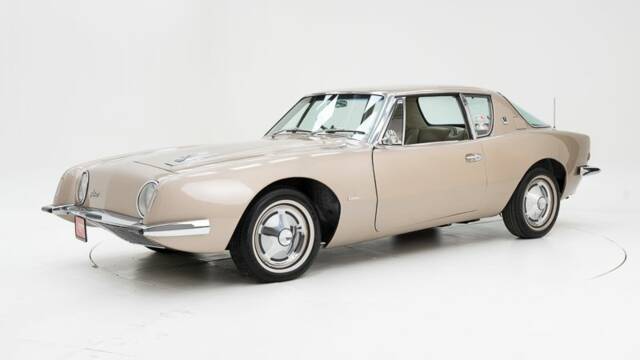
1963 | Studebaker Avanti
1963 Studebaker Avanti R2 Supercharged '63
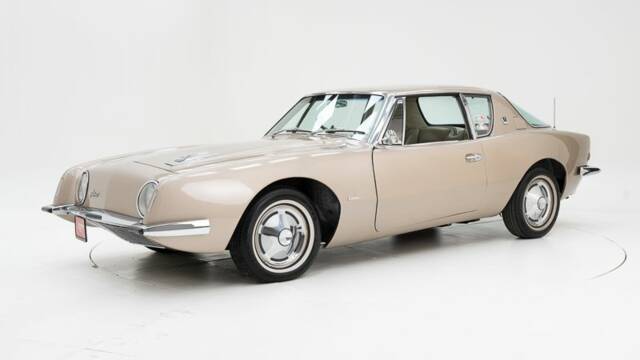
1963 | Studebaker Avanti
1963 Studebaker Avanti R2 Supercharged '63
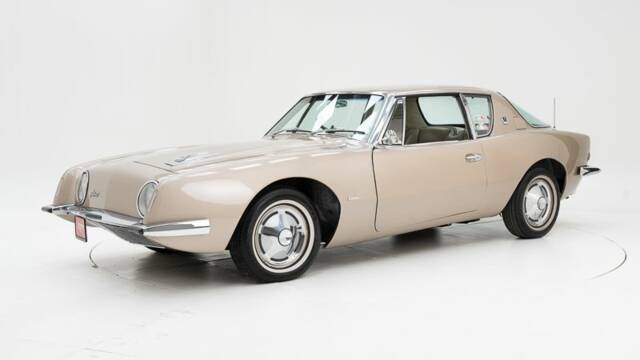
1963 | Studebaker Avanti
1963 Studebaker Avanti R2 Supercharged '63
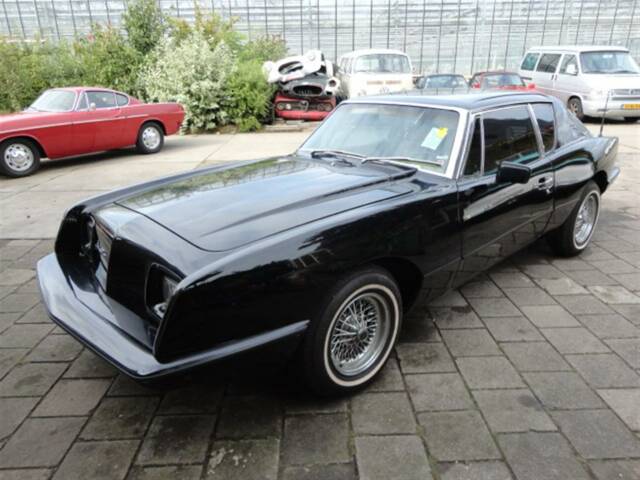
1984 | Studebaker Avanti
Studebaker-Avanti black

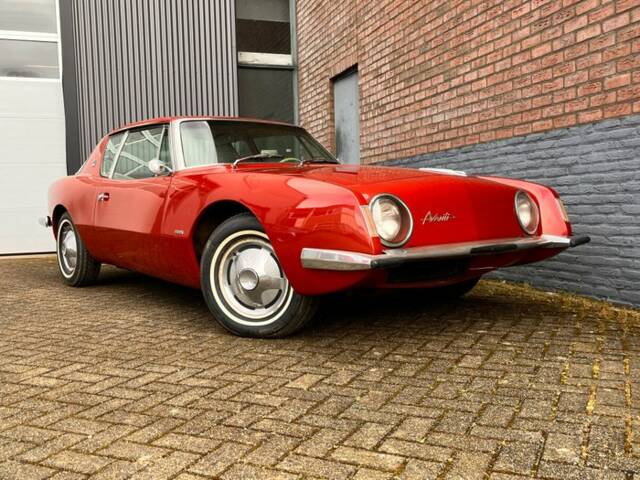
1963 | Studebaker Avanti
Studebaker - Avanti 4.7 Supercharged - 1963
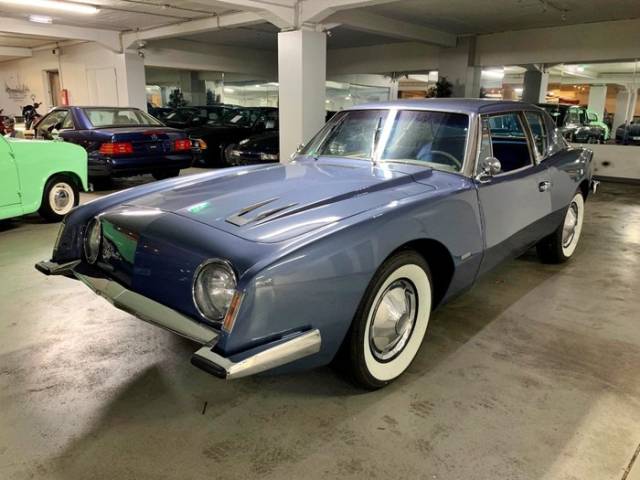
1962 | Studebaker Avanti
Studebaker - Avanti R Supercharged - 1962
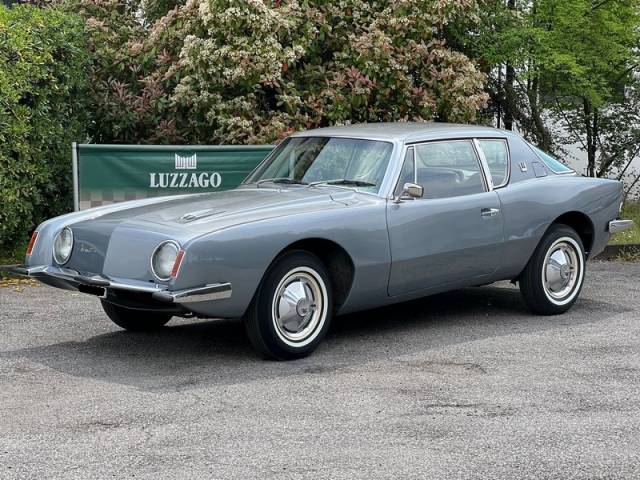
1965 | Studebaker Avanti

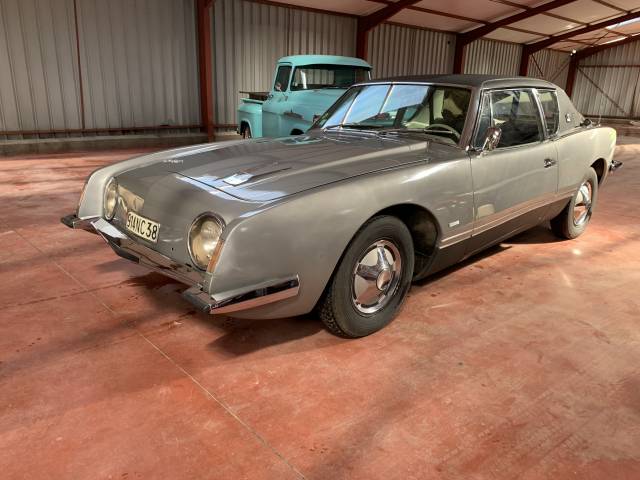
1963 | Studebaker Avanti
STUDEBAKER AVANTI R2 SUPERCHARGED

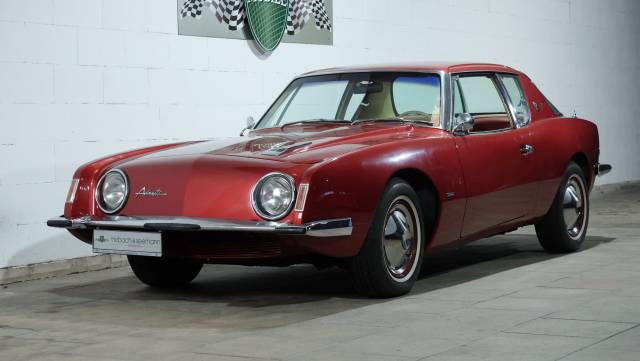
1963 | Studebaker Avanti
Kompressor
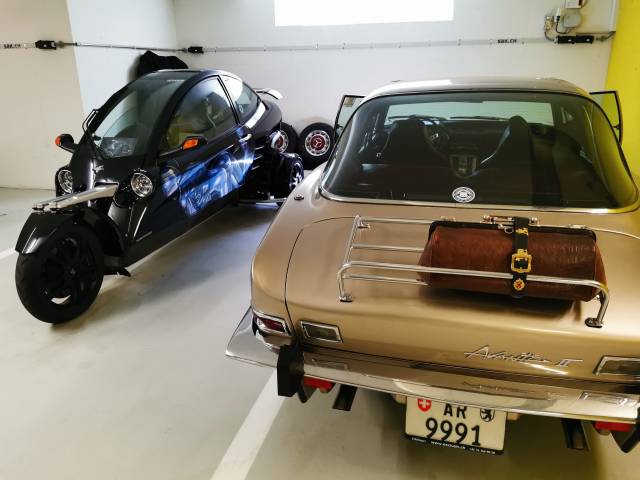
1975 | Studebaker Avanti II
TOP ZUSTAND

Studebaker Avanti Classic Cars: Prices & Market Values
History of the Studebaker Avanti
Between June 1962 and December 1963, Studebaker produced the Avanti as a high-performance, four-seater personal luxury coupe. Developed rapidly under the guidance of Raymond Loewy in California, its unconventional fibreglass bodywork and advanced chassis drew attention at the 1962 New York International Automobile Show. Despite strong public interest and an extensive pre-launch campaign, production was limited due to tooling problems, particularly with the fibreglass panels. These quality and supply issues meant that Studebaker was only able to deliver a fraction of its projected numbers, with just 4,643 Avantis built before the South Bend plant closed at the end of 1963. Afterwards, small-scale production continued as the Avanti II under different ownership well into the 2000s. Famous owners include Frank Sinatra, Shirley Bassey, and Ian Fleming, marking the Avanti as a car with significant cultural impact.
Model History of the Studebaker Avanti
The Avanti was launched under the shadow of Studebaker's financial difficulties, but occupied a hugely ambitious position as 'America’s only four-passenger high-performance personal car.' Its foundation was the chassis from the Studebaker Lark Daytona convertible, which provided robustness and rapid development. Distinguishing between model years is possible through the headlamp surrounds: round for 1962–mid 1963 cars and square from August 1963. After Studebaker halted production, the Avanti legacy was kept alive by former dealers and entrepreneurs, who launched the Avanti II and later variations, adapting Corvette-sourced engines and making incremental design changes until production ceased altogether in 2006.
Highlights and Key Features
The Avanti astonished the American car landscape with its flush fibreglass front end—no grille, just pure aerodynamic shapes—and safety innovations like a built-in roll bar and optional seat belts, years ahead of their time. Its standout engineering included being the first US production car fitted with front disc brakes, a major safety feature borrowed from British Dunlop engineering, built by Bendix. Debuting jet-age design and a distinctive style free of ornamentation, the Avanti stood out among American GT cars for seating four adults at speed and comfort comparable to European contemporaries.
From a statistical perspective, Avantis with the manufacturer code R-1 account for 33% of supply and nearly 67% of demand for Avanti models, while the R-2 (the supercharged version) secures 50% of supply but 30% demand, hinting at the preference by enthusiasts for the normally aspirated R-1 variant. The R-3 and other rare variants make up only a small fraction of both supply and interest.
Technical Specifications
Special Editions and Low-Volume Variants
The R-2 supercharged Avanti, with a factory-fitted Paxton unit, is the most sought-after original version after the R-1. Only a handful of R-3 Avantis were built, equipped with a more powerful engine and tuned for competition—the rarest of the original batch. Post-Studebaker, the Avanti II, produced by Avanti Motor Corporation, kept the spirit alive with Corvette engines and ongoing design tweaks, catering to buyers favouring exclusivity and hand-built craft.
Engine, Performance, Transmission and Handling
The Avanti's V8 provided robust acceleration for a GT car of its era, especially in supercharged R-2 and ultra-rare R-3 form—with the R-2 sprinting from 0–100 km/h in under 8 seconds. The rigid Lark-based chassis, four-wheel independent suspension, and advanced front disc brakes yielded poised handling that was unusual by American standards of the early 1960s, while the rear-wheel drive ensured classic sport coupé dynamics. Record-breaking runs at Bonneville established the Avanti's credentials, with 29 speed and endurance records. The manual gearbox was standard, but the automatic was also favoured by some for relaxed cruising. - Avanti R-1: Naturally aspirated 4.7L V8, manual gearbox, balanced power and reliability
- Avanti R-2: Same V8 with Paxton supercharger, significantly more powerful acceleration
- Avanti R-3: Rare competition version, highly limited production
Interior, Comfort, Exterior, and Design
Raymond Loewy's design for the Avanti abandoned classic American styling cues in favour of modern European-influenced lines, featuring a sleek, aerodynamic body without a grille. Special attention to safety led to an integral roll bar and padded dash—the car’s interior was minimalist but comfortable, with bucket seats and generous glass for visibility. The clean surface treatment continued throughout, and the lack of excessive chrome accentuated its progressive philosophy. Although a variety of colours were offered, early Avantis are remembered for bold, pastel-tinged finishes. Special design features include concealed headlamps behind unique bezels, frameless side windows, and an uncluttered dashboard. Notable accessories—such as optional seat belts, safety door locks, and a choice of audio systems—were advanced for their time.
Other Noteworthy Features
Thanks to its use of fibreglass throughout the body, owners do not face traditional rust-related problems associated with American classics from the era. The Avanti's reputation extends into motorsport and popular culture, with notable record attempts and a string of celebrity owners enhancing its profile. Its small production numbers and enduring afterlife under Avanti Motor Company ensure a high degree of individuality for every example.
Summary
The Studebaker Avanti occupies a remarkable niche in classic American automotive history. With its unconventional design by Raymond Loewy, advanced safety and braking technology, and the performance credentials to match, it offers an experience distinct from more mainstream US classics like the Corvette. Low original build numbers, a focus on modern engineering, and an unorthodox silhouette place the Avanti at the crossroads of collectability and usability. Well-preserved examples, especially R-1 and supercharged R-2 models, remain standout choices for enthusiasts seeking something outside the ordinary.