- Car
- Studebaker
- Studebaker President (1 offer)
Studebaker President classic cars for sale
The Studebaker President was the flagship of Studebaker from the 1920s until the late 1950s, standing out with technical innovations, distinctive designs, and extremely limited production numbers. Known for its rare appearances both in Europe and the USA, the President attracts enthusiasts seeking a truly special classic.
Search results
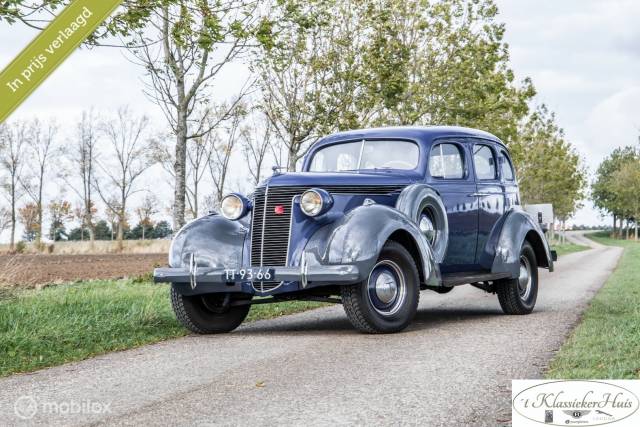
1937 | Studebaker President
Studebaker President 8-cilinder gerestaureerd

Studebaker President listing references from Classic Trader
Below you will find listings related to your search that are no longer available on Classic Trader. Use this information to gain insight into availability, value trends, and current pricing for a "Studebaker President" to make a more informed purchasing decision.
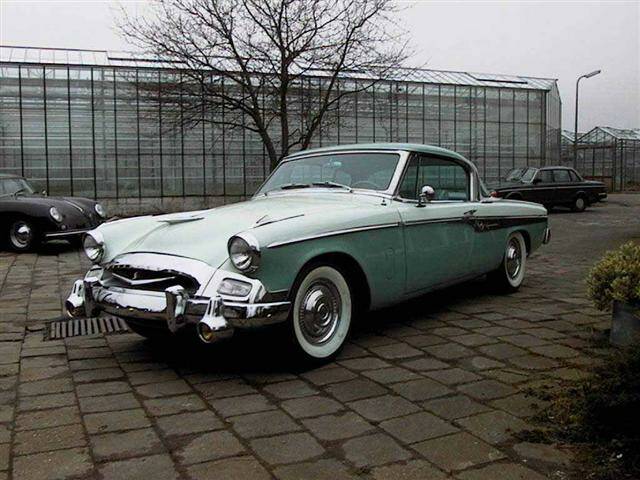
1955 | Studebaker Speedster
Studebaker-President Speedster
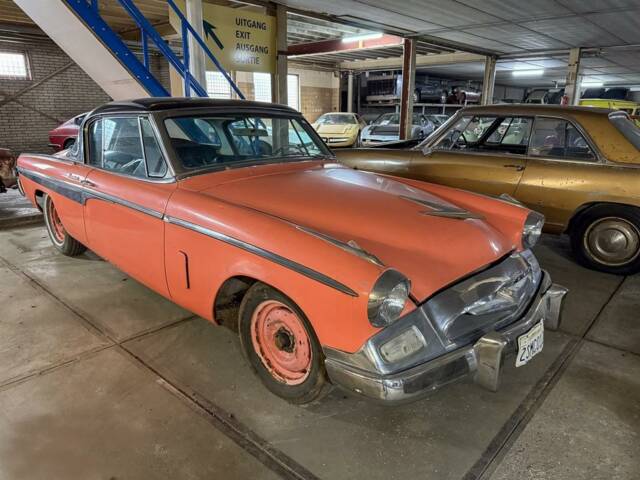
1955 | Studebaker President
Studebaker-President ''55
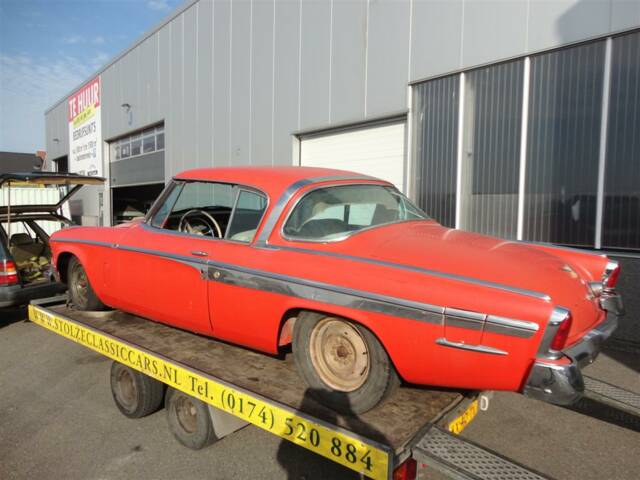
1955 | Studebaker Speedster
Studebaker-Speedster
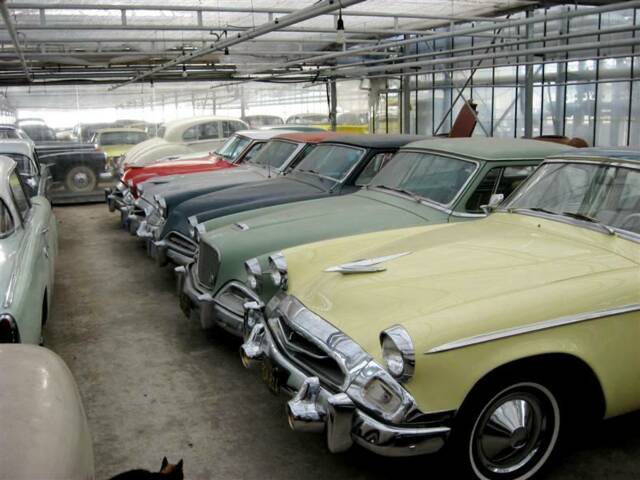
1955 | Studebaker President
Studebaker-President - geel
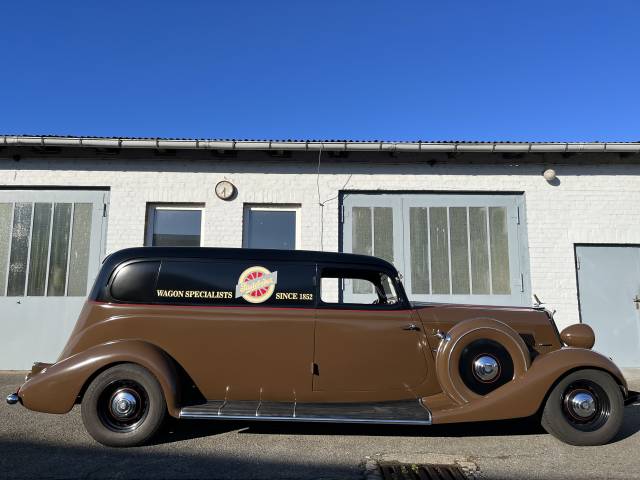
1934 | Studebaker President
1934 Studebaker President Delivery , Unikat!!! Ohne Motor und Getriebe!

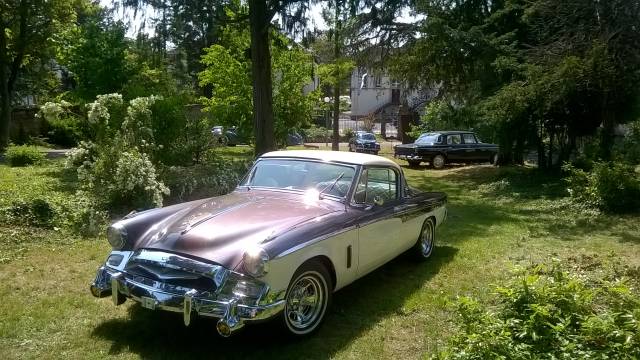
1955 | Studebaker Speedster
Einer der wenigen, die noch Fahren
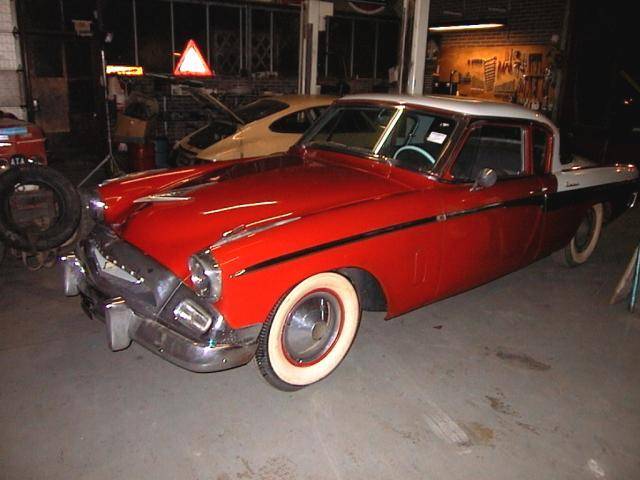
1955 | Studebaker President
Studebaker-President
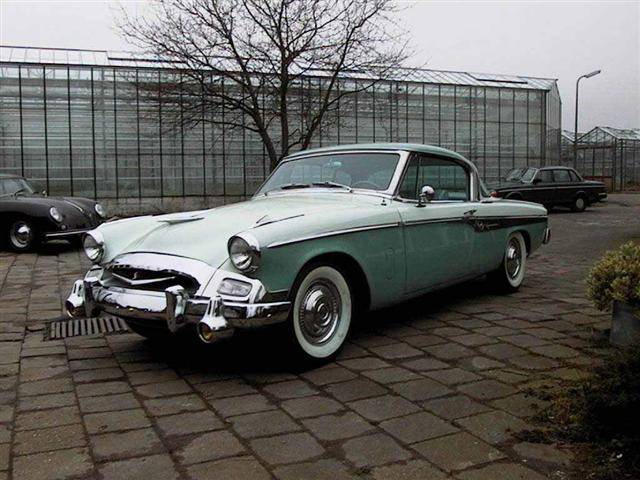
1955 | Studebaker Speedster
Studebaker-President Speedster
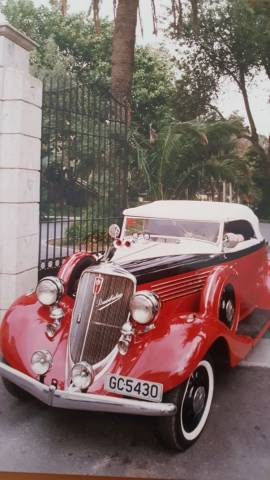
1934 | Studebaker President
STUDEBAKER 1934 DICTATOR A CONVERTIBLE ROADSTER

Studebaker President Classic Cars: Prices & Market Values
History of the Studebaker President
The Studebaker President was introduced in 1926 as a replacement for the Big Six series and remained the marque's most prestigious model until 1942, with a brief revival from 1955 to 1958. Engineered to rival other luxury American manufacturers such as Packard, Chrysler's Imperial, and Cadillac, the President became synonymous with upper-class motoring in its era. The line is renowned for numerous technical milestones, including record-setting speed performances between 1928 and 1933, and continuous mechanical refinement—such as a nine-bearing crankshaft and advanced lubrication systems by 1931. The 1934 introduction of the aerodynamic Land Cruiser bodywork marked a significant design leap forward, featuring streamlined profiles and unique split rear windows. These innovations kept the President at the forefront of pre-war American automotive technology.
Model History
The first President, coded ES, was introduced in 1926 with a robust 5.8 L six-cylinder engine. Over the years, the President evolved through several mechanical and stylistic generations. Key moments in its evolution include the switch to inline-eight engines, advanced oil and filtration systems, and the adoption of distinctive design cues such as ovoid headlights in 1932. Despite facing financial pressures and a short period of administration in the early 1930s, Studebaker introduced innovative features and fresh bodystyles—most notably with the 1934 Land Cruiser variant. Production ceased during World War II, with a brief nameplate revival in the mid-1950s before being replaced by the Lark series.
Highlights of the Studebaker President
The President distinguished itself through pioneering technical details: a nine-bearing crankshaft, improved oiling and air filtration, and the introduction of the hill-holder system (allowing easier hill starts) in 1936. The Planar independent suspension and 'Startix' automatic starting were unusual features for the period. In 1938, the innovative 'Miracle-Shift' dashboard-mounted gear selector further underscored Studebaker's forward-thinking engineering. The President's design language shifted dramatically with the introduction of the streamlined Land Cruiser body, which included integrated fenders, wheel covers, and a split rear window—details unseen elsewhere in the Studebaker lineup.
Technical Data
Special Editions and Collectible Models
The Land Cruiser body style, introduced in 1934, stands as one of the most distinctive President models, featuring advanced aerodynamic design, flush rear wheel covers, and a split rear window. Later examples such as the Skyway President (1941–1942) included significant updates like reworked bodies and front-hinged rear doors, offering added uniqueness to collectors.
Engine, Performance, Transmission and Handling
Studebaker President models are known for robust engines—initially six-cylinder, later evolving to smooth straight-eight powerplants. Mechanical developments such as nine-bearing crankshafts and modernized filtration contributed to reliability and a smoother operation at highway speeds. The Planar suspension system, available from 1936 onwards, greatly improved handling comfort compared to most contemporaries. Gearbox options included the innovative 'Miracle-Shift' mechanism and, later, a steering-column mounted selector. These features, paired with relatively lightweight construction for a luxury car of the time, made the President both responsive and comfortable. Particularly noteworthy are the 1934 Cabriolet Roadster for its combination of open-top motoring and rarity, and the Land Cruiser saloons (from 1934 onwards), which merged technical sophistication with a distinctive streamlined design.
Interior, Comfort, Exterior and Design
Studio Loewy led the styling overhaul from 1934, sculpting the President with streamlined bodywork, integrated fenders, and for the Land Cruiser, enclosed rear wheel covers and a four-piece rear window. Interiors often benefitted from the expertise of designer Helen Dryden, featuring art deco details and premium finishes. Special features included two-tone colour schemes, elaborate chrome trim, and innovative dashboard arrangements, especially in later pre-war models. Optional extras such as period radios and luxurious upholstery materials reflected the President's target market of affluent clientele seeking modern comfort and style.
Other Features
Hill-holder brake aids became standard in 1936, ahead of their widespread adoption elsewhere, showcasing Studebaker's commitment to practical technology. The President also saw use of the 'Startix' automatic starting system—a rarity among pre-war American vehicles.
Summary
The Studebaker President remains a rarity in both Europe and the USA, reflecting its historical significance and limited production. This model is a testament to Studebaker's drive for technical and stylistic innovation during the interwar and postwar periods. For collectors and enthusiasts, the President offers a remarkable combination of pre-war luxury, advanced mechanics, and scarcity on today's classic market.