- Car
- Studebaker
- Studebaker Daytona (0 offers)
Studebaker Daytona classic cars for sale
The Studebaker Daytona, based on the Lark model series, marked a pivotal response to the American compacts of the 1960s. Known for its bold styling and diverse engine choices, it reflects a distinctive era of independent US automaking. Interested in precise details? Dive into its unique story below.
Search results
Currently, there are no matching listings for your search.
Create search alert
Let yourself be notified as soon as a listing is published that matches your search filters.
Create listing
Do you have a Studebaker Daytona that you want to sell? Then create a listing now.
Create listingStudebaker Daytona listing references from Classic Trader
Below you will find listings related to your search that are no longer available on Classic Trader. Use this information to gain insight into availability, value trends, and current pricing for a "Studebaker Daytona" to make a more informed purchasing decision.
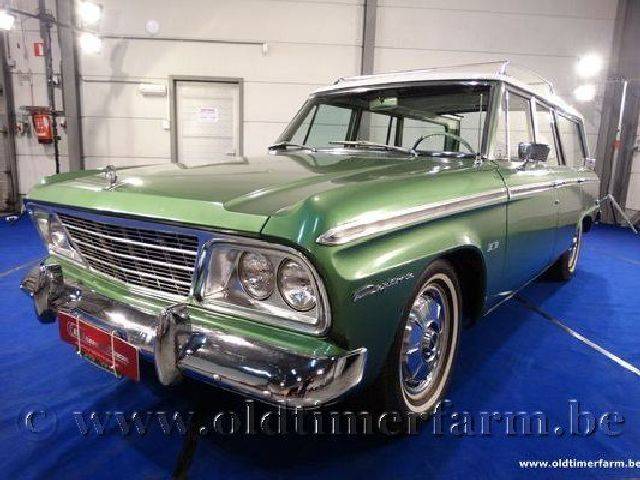
1964 | Studebaker Daytona Wagonaire
Create search alert
Let yourself be notified as soon as a listing is published that matches your search filters.
Create listing
Do you have a Studebaker Daytona that you want to sell? Then create a listing now.
Create listingStudebaker Daytona Classic Cars: Prices & Market Values
History of the Studebaker Daytona
The Studebaker Daytona debuted in 1962 as a higher-spec trim of the Lark, aiming to compete with the rapidly evolving American compact car segment. Its release was part of Studebaker’s effort to refresh its image and maintain relevance against the 'Big Three.' Daytona models were characterised by more aggressive styling, sporting trim, and optional V8 engines that set them apart from the more utilitarian base Larks. Studebaker’s struggle for survival during this era meant the Daytona was a highlight in a turbulent time for the company, showcasing both ambition and resilience up to the manufacturer's withdrawal from car production in 1966.
Model history of the Studebaker Daytona
The Daytona evolved directly from the Studebaker Lark, a model first introduced in 1959 as one of the earliest American compacts. The Daytona name represented the more performance- and style-oriented branch of the Lark series. With distinct trims and additional equipment, Daytona saloons and convertibles offered options like bucket seats, sportier dashboards, and a range of powertrain choices. The Daytona was produced until the end of US automobile production at Studebaker’s South Bend plant in 1963, with continued, limited production out of the Hamilton, Ontario plant until 1966. No direct successor followed its distinct blend of compact performance and styling within the Studebaker range.
Highlights of the Studebaker Daytona
Distinctive styling, including unique exterior trim and available two-tone paint, separated the Daytona from other Larks. Buyers could select from inline-six or potent V8 engines—a rare offering in the compact segment at the time. Bucket seats and a floor-mounted shifter aimed Daytona directly at the growing youth market seeking sportier compacts. Daytona convertibles were especially notable, as open-top compacts were rare among independent American brands.
Technical data for the Studebaker Daytona
Special Editions and Collectible Models
The 1964 Studebaker Daytona convertible is particularly sought after due to its low production numbers and the fact it was among the last convertibles produced by Studebaker before US production stopped. Additionally, models equipped with the 289 V8 and four-speed manual transmission stand out for enthusiasts looking for a pure driving experience and rarity.
Engine and Performance, Transmission and Handling
With a range spanning from modest inline-sixes to the 289 V8, the Daytona delivered above-average performance for its class, especially when fitted with the larger engines. The combination of a relatively lightweight body and optional four-speed manual transmission made for engaging driving dynamics by compact US car standards of the era. Drum brakes and the basic suspension setup, however, meant handling and stopping power lagged behind more modern vehicles. Enthusiasts often seek out V8-powered examples for the combination of accessible torque and period character. Noteworthy are the 1964 convertibles and sedans equipped with the 289 V8 and four-speed manual gearbox, offering the most performance-oriented package in the Daytona roster.
Interior, Comfort, Exterior and Design
The Daytona featured enhancements over the Lark, with specially designed grilles, exclusive badges, and upscale trim options. Interiors often boasted bucket seats, unique dashboard details, and options for upgraded fabrics and vinyl. Notable are the two-tone paint schemes and chrome detailing, setting the Daytona apart visually from both its predecessors and contemporaries. Options such as deluxe radio, special wheel covers, and power top for convertibles catered to buyers seeking greater comfort and exclusivity.
Other relevant features
The Daytona's relative rarity today means parts sourcing requires specialist knowledge, and joining marque-specific owner groups can greatly aid in restoration and upkeep.
Summary
The Studebaker Daytona stands as a compelling chapter in independent American automotive history. Its combination of distinctive styling, diverse drivetrains, and special models like the convertible make it a standout choice for classic car enthusiasts seeking something outside the mainstream. Its roots in the Lark series reflect a time of innovation and adaptation within Studebaker’s history, ensuring the Daytona remains a focal point for collectors and historians alike.