- Car
- Studebaker
- Studebaker Big Six (1 offer)
Studebaker Big Six Classic Cars for Sale
The Studebaker Big Six stands as a symbol of American engineering between 1918 and 1926, defined by its robust wheelbase and distinctive position in the Studebaker lineup. This series appeals to enthusiasts seeking pre-war mechanical authenticity and a direct link to early 20th-century motoring history.
Search results
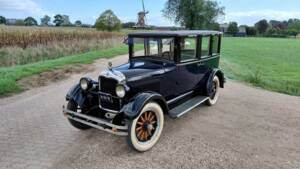
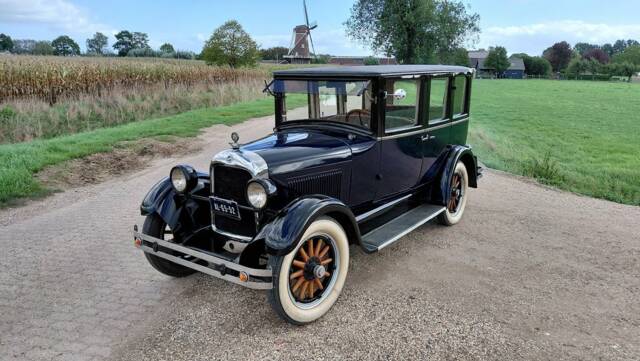
1926 | Studebaker Big Six EP
Studebaker Big Six EP | 1926 | Route 66 Auctions - For sale by auction. Estimate 21000 EUR

Studebaker Big Six listing references from Classic Trader
Below you will find listings related to your search that are no longer available on Classic Trader. Use this information to gain insight into availability, value trends, and current pricing for a "Studebaker Big Six" to make a more informed purchasing decision.
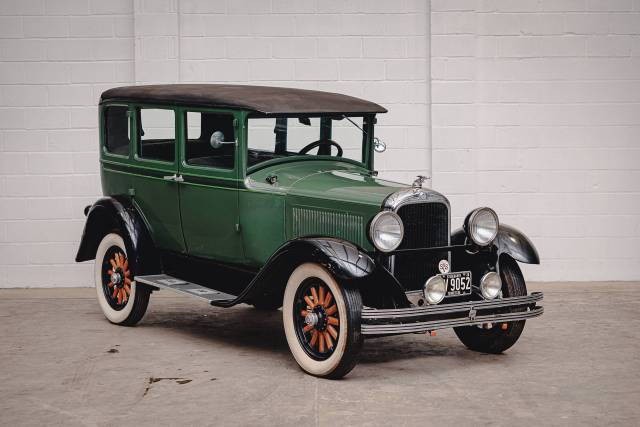
1927 | Studebaker Big Six Sport
Offered with Original Engine – Rewarding Project

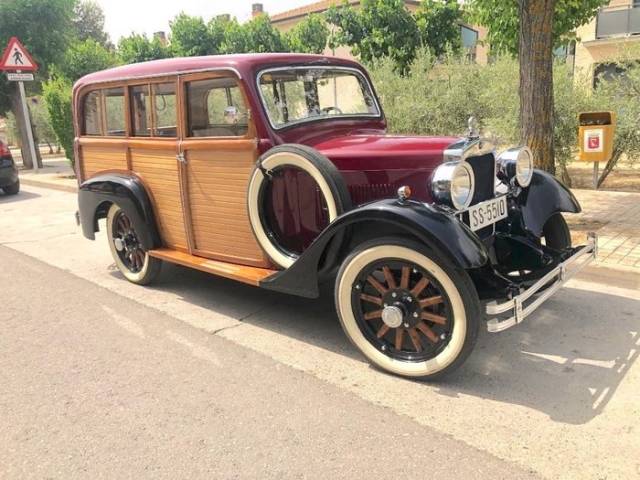
1927 | Studebaker Big Six Sport
Studebaker - Erskine Woody - 1927
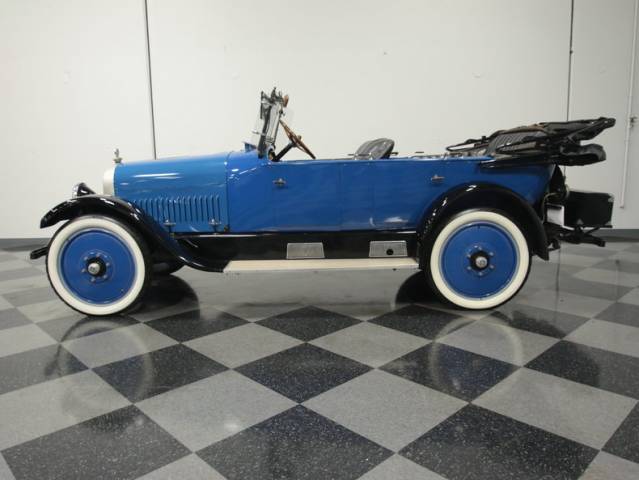
1923 | Studebaker Big Six EK
1923 Studebaker Big 6

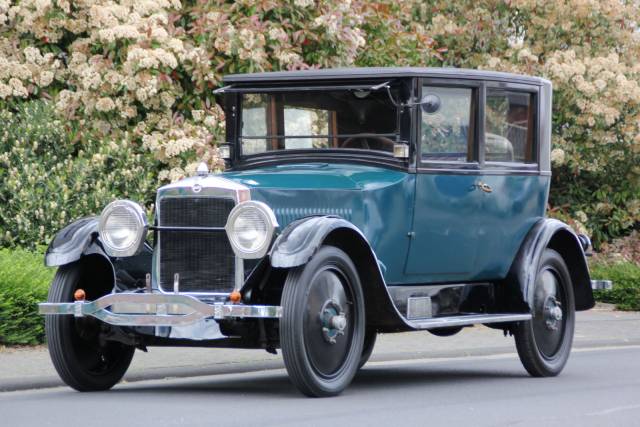
1923 | Studebaker Big Six EK
Studebaker 23 EK Big Six Coach
Studebaker Big Six Classic Cars: Prices & Market Values
History of the Studebaker Big Six
Introduced in 1918, the Studebaker Big Six was a direct response to a growing post-war demand for large, durable touring cars. Manufactured in South Bend, Indiana, it was initially released as the Model EG (1918–21), followed by the EK (1922–24), and concluded as the EP (1925–26). The car’s 127-inch wheelbase differentiated it from its sibling, the Special Six. The Big Six was phased out in 1927, succeeded by the President ES as Studebaker transitioned to smaller, straight-eight powered cars.
Model History
The Big Six replaced earlier Studebaker six-cylinder models and served as the brand’s top offering until 1927. As Studebaker evolved its lineup, the Big Six gave way to the President ES, marking a new engineering chapter with straight-eight engines for even smoother performance. The Big Six itself was revised multiple times, with model codes EG, EK, and EP marking each update.
Special Features and Highlights
Unlike other vehicles in the Studebaker portfolio, the Big Six’s 127-inch wheelbase and engine choices focused on both passenger comfort and long-distance reliability. Its evolution into the President ES laid the groundwork for Studebaker's upmarket ambitions. The Big Six remains unique within Studebaker’s offerings, as evidenced by the current market:
Technical Data
Special Editions and Collectible Models
While the Big Six was offered in several model codes (EG, EK, and EP), no evidence points to factory-produced limited editions or commemorative models during its 1918–1926 run. However, variations across trim and body styles—covering touring, sedan, and other body types—can result in differing levels of rarity and desirability in the collector community.
Engine, Transmission, and Driving Characteristics
The Big Six’s hallmark was its strong six-cylinder engine, well suited for the heavier body and generous wheelbase. Drivers valued the smoothness and stamina on long-distance outings, making it a favourite among early motoring enthusiasts and those needing reliable interstate touring. The move to the President ES later on reflected Studebaker’s push for even more refinement and performance with the adoption of the straight-eight. Most Big Six vehicles found today correspond to three model series—EG, EK, and EP. Differences are primarily in minor cosmetic and mechanical enhancements, rather than extensive overhauls.
Interior, Exterior, and Design Details
The Big Six’s design focused on size and grandeur. The long 127-inch wheelbase lent stable road manners and a stately appearance. Cabin configurations included open and closed versions, tailored to the motoring tastes of the era. Interior materials and exterior paint options varied by model year and customer preference, but always reflected the luxury aspirations of 1920s premium American vehicles. Design elements included solid wood dashboards, nickel-plated fixtures, and large-diameter wheels. Accessories available at the time, like luggage racks and side-mounted spares, add to the period authenticity and appeal for collectors.
Additional Details
As early American classics, documentation and originality greatly influence the appeal and value of a Studebaker Big Six today. Vehicles with extensive period-correct restoration, rare body types, or complete technical documentation tend to attract the most interest among marque specialists and collectors.
Summary
The Studebaker Big Six represents a pivotal chapter in American automotive evolution, bridging pre-war and late-1920s design philosophies. With all classic Studebaker listings and enthusiast interest centring exclusively on this series, the Big Six holds a unique, benchmark status within the marque’s history. Its distinctive combination of engineering, design, and historical context makes it a key focus for fans and collectors of early American automobiles.