SIMCA 1300 classic cars for sale
The SIMCA 1300, produced in France during the 1960s, stands out with its distinctive notchback body and attention to interior detail. Sought after by enthusiasts for both restoration and as preserved survivors, the SIMCA 1300 is often encountered in original or altered colours, making each example unique. The model’s reputation for classic French engineering and characterful design keeps it in the spotlight among classic car circles.
Search results
Currently, there are no matching listings for your search.
Create search alert
Let yourself be notified as soon as a listing is published that matches your search filters.
Create listing
Do you have a SIMCA 1300 that you want to sell? Then create a listing now.
Create listingSIMCA 1300 listing references from Classic Trader
Below you will find listings related to your search that are no longer available on Classic Trader. Use this information to gain insight into availability, value trends, and current pricing for a "SIMCA 1300" to make a more informed purchasing decision.
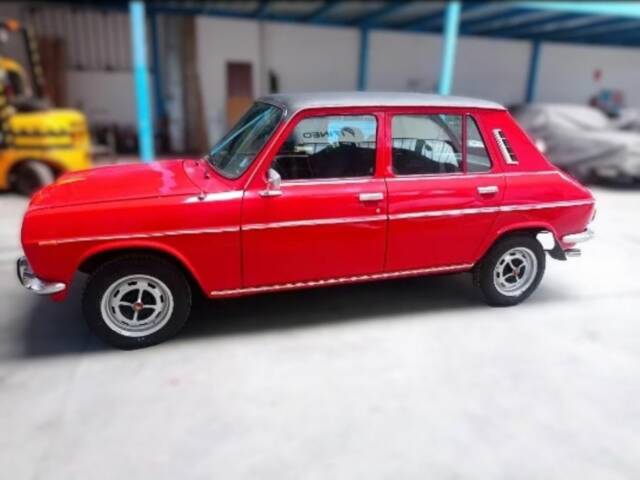
1976 | SIMCA 1300
Simca 1200 Special | 1976 | Route 66 Auctions - For sale by auction. Estimate 4500 EUR
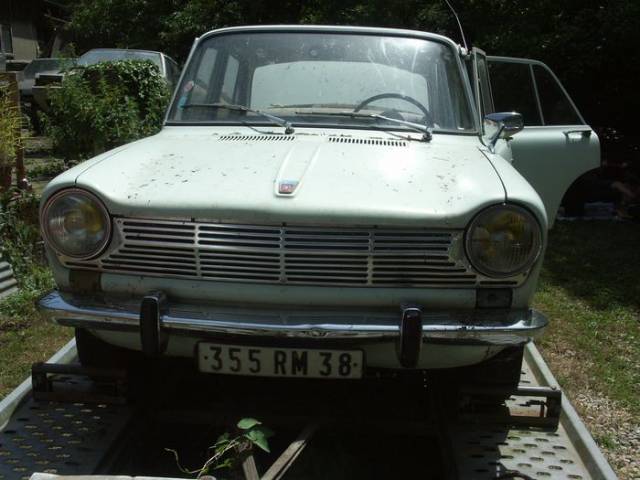
1965 | SIMCA 1300
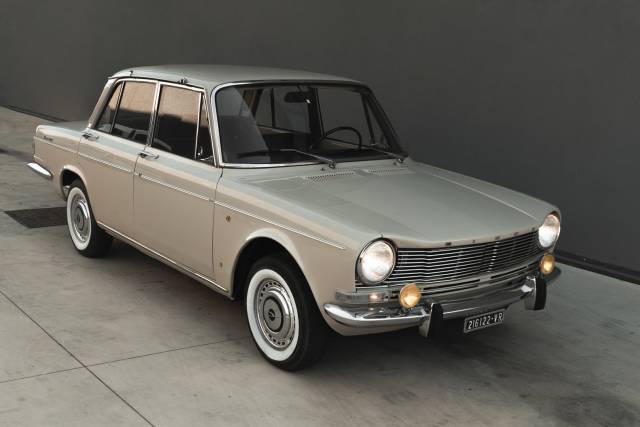
1969 | SIMCA 1300
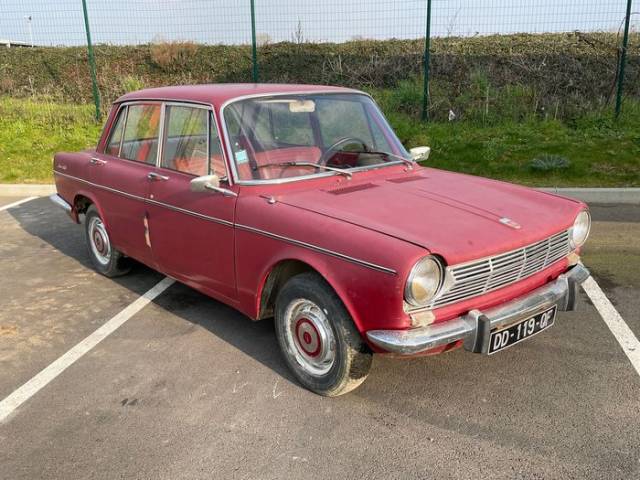
1964 | SIMCA 1300
Create search alert
Let yourself be notified as soon as a listing is published that matches your search filters.
Create listing
Do you have a SIMCA 1300 that you want to sell? Then create a listing now.
Create listingSIMCA 1300 Classic Cars: Prices & Market Values
History of the SIMCA 1300
The SIMCA 1300 traces its roots to the vibrant French automotive industry of the 1960s. Introduced as a mid-sized car, it quickly established itself as a significant player on the European market, especially in France and Switzerland. Its production in the mid-1960s marked a period of innovation and expansion for SIMCA, as the brand targeted drivers seeking modern features paired with traditional styling. The model’s presence is still notable in barn finds and untouched examples, which frequently attract enthusiasts aiming for authentic restorations.
Model History
The SIMCA 1300 belongs to a model range that cemented the brand’s position during the post-war automotive boom. Built in various body colours including red and white, it was most recognizable in its four-door sedan version. Originality is highly regarded among collectors, especially regarding features like factory upholstery in Skai (artificial leather) and unique door trim colours. The 1300 often underwent changes in finish or interior due to personalisation, and surviving examples may present a mix of preserved and modified elements.
Highlights of the SIMCA 1300
Distinctive for its clear French styling and robust engineering, the SIMCA 1300 offers several notable features: classic steel hubcaps, richly detailed interior trim, and bodywork known for both its elegance and susceptibility to corrosion. Its compact dimensions and practical design made it a versatile choice in its era. Owners will appreciate the availability of original registration and customs documents, often critical for legal import or export within Europe.
Technical Data
Special Editions and Collectible Models
Information about official special editions of the SIMCA 1300 is limited. However, select factory finishes, rare colours, and preserved original interiors increase desirability among collectors. Vehicles found in original condition—such as unmodified barn finds—often attract heightened interest for their authenticity and restoration potential.
Weak Spots and Common Issues
Prospective owners should be aware of persistent corrosion problems, especially affecting the body shell, underbody, and chassis. Many examples require significant restoration work, especially regarding rust-through in critical areas. Mechanical longevity is possible, but most engines demand a comprehensive rebuild during restoration. Complete vehicles may occasionally lack hubcaps or other trim parts. As always, in-person inspection and evaluation are advised before purchase.
Engine and Performance, Transmission and Handling
The SIMCA 1300, equipped with a practical inline engine, offers moderate power delivery suited for everyday driving from its era. Its traditional rear-wheel-drive layout ensures a predictable handling dynamic, while the manual gearbox provides a hands-on driving experience prized by enthusiasts today. The ride comfort is typical for mid-century French saloons, balancing road feedback and isolation. Engine overhaul is recommended for unrestored examples.
Popular variants:
- Four-door saloon, notable for its widespread availability and preserved originality in upholstery and finish.
- Barn finds, sought for their untouched mechanical and aesthetic state, though usually requiring a full technical overhaul. undefined
Interior, Comfort, Exterior and Design
French automotive taste is apparent in the SIMCA 1300’s uncluttered dashboard, the tactile appeal of Skai-trimmed seats, and the classic chrome hubcaps. Distinctive door cards, often coloured in contrast to the seats (e.g. blue, cream), underline the attention to personalisation. Factory paint ranges from subdued whites to striking reds, with some cars showing period-correct alterations. Optional accessories were modest, but complete cars still include original fittings and documents, enhancing collectability.
Other Relevant Features
The SIMCA 1300 is typically sold complete and with the necessary export or import paperwork, especially relevant for intra-European sales. Vehicles are usually offered without warranty or return, demanding thorough inspection prior to purchase. Most sales require on-site pick-up by the buyer, reinforcing the need for pre-purchase viewings.
Summary
The SIMCA 1300 remains an authentic classic, thanks to its roots in 1960s French automotive manufacturing. Its popularity in the classic car market is underscored by a 100% share in current supply and demand statistics for the make. Buyers should expect restoration needs, particularly regarding corrosion and interior ageing, but will also find a satisfying driving and ownership experience rooted in period-correct engineering and style.