Rover 2300 classic car for sale
The Rover 2300 stands out within classic British executive cars with its fastback design and range of innovative mechanical features. As part of the SD1 family produced from 1976 to 1986, it offers a unique experience for enthusiasts of both Rover heritage and distinctive styling.
Résultats de la recherche
À l'heure actuelle, il n'y a pas d'annonces correspondant à votre recherche.
Create search alert
Let yourself be notified as soon as a listing is published that matches your search filters.
Create listing
Do you have a Rover 2300 that you want to sell? Then create a listing now.
Create listingRover 2300 listing references from Classic Trader
Below you will find listings related to your search that are no longer available on Classic Trader. Use this information to gain insight into availability, value trends, and current pricing for a "Rover 2300" to make a more informed purchasing decision.
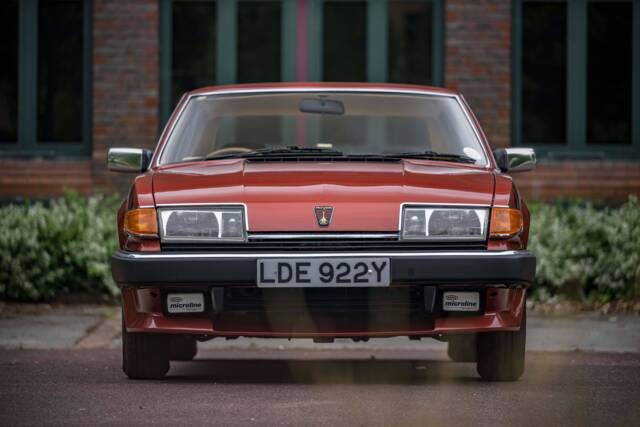
1982 | Rover 2300
Low Mileage Example - Rare Classic
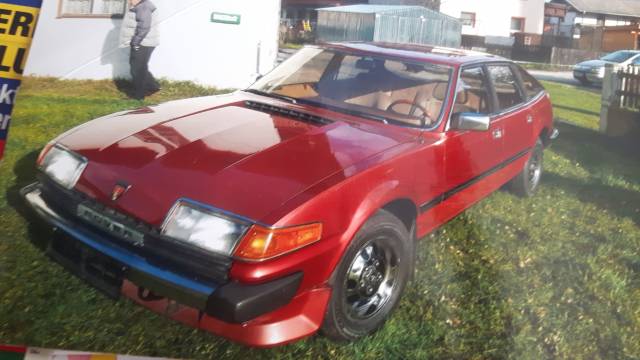
1982 | Rover 2300
2300S
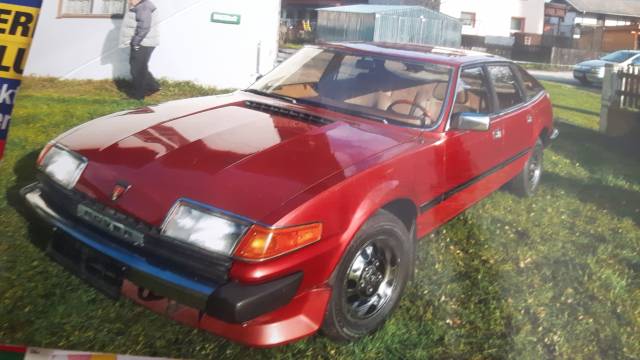
1982 | Rover 2300
Www.cSD1
Create search alert
Let yourself be notified as soon as a listing is published that matches your search filters.
Create listing
Do you have a Rover 2300 that you want to sell? Then create a listing now.
Create listingRover 2300 Classic Cars: Prices & Market Values
History of the Rover 2300
Produced by British Leyland under the Rover banner from 1976 to 1986, the Rover 2300 marked a new era for the company’s executive offerings. It was conceived as part of the SD1 project—'Specialist Division 1'—showcasing the dedication to developing a modern, forward-thinking car for the upper-middle class segment. Distinguished by its five-door fastback silhouette, the SD1 broke away from the traditional saloon shape previously associated with Rover. The SD1 concept prioritised practical luggage space without sacrificing visual presence, setting the 2300 apart from its rivals.
Model history
The Rover 2300 launched as a new entry-level model in the SD1 series, expanding the line-up beyond the V8-powered variants. The SD1 directly replaced the Rover P6 and rivalled peers like the Ford Granada and Vauxhall Carlton. It retained a rear-wheel-drive configuration and was typically fitted with the 2.3-litre straight-six petrol engine. Over its decade-long run, the SD1 received incremental updates, including refinements in trim, infotainment, and interior ergonomics. Successors in the Rover executive lineage included the Rover 800 series, which shifted towards more angular styling and a partnership with Honda.
Highlights of the Rover 2300
Unique in its class for its combination of fastback practicality and executive status, the Rover 2300 was lauded for delivering the space and utility of a hatchback with the refinement expected from Rover. The SD1’s engineering, with a front-engine layout and rear-wheel drive, allowed for dynamic road manners and a balanced driving feel. At a time when most competitors stuck to conventional saloon designs, the 2300’s rear hatch provided easier loading capacity for owners valuing everyday usability.
From our statistics: The SD1 2300 accounts for 100% of both supply and demand within our Rover 2300 offerings, highlighting its position as the core model for enthusiasts searching for this particular configuration. This underscores how central the SD1 2300 is to the Rover classic car landscape.
Technical Data
Special Editions and Collectible Models
Within the SD1 series, special editions tended to focus on the higher-spec Vanden Plas or V8 models. The 2300, while not the subject of limited editions, shared in many of the range-wide upgrades and trim refinements over the years, such as improvements to interior materials and equipment packages.
Weak Spots and Common Issues
Typical for SD1 models, areas to monitor with the Rover 2300 include electrical components, rust along sills and subframes, and general wear in the interior due to the large glass area and potential sun exposure. Regular inspection of the cooling system is recommended, since these engines can be susceptible to overheating if neglected.
Engine and Performance, Transmission and Handling
The 2.3-litre straight-six delivers a smooth, flexible power delivery, well-matched with the SD1’s rear-wheel-drive setup. Manual and automatic transmissions were available, both optimised for relaxed, long-distance comfort rather than outright sportiness. The independent front suspension and live rear axle provided respectable handling characteristics for the era, while the steering was light enough for urban manoeuvres.
Popular Models:
- Rover 2300 SD1 – Well-regarded for its combination of practicality, straight-six performance, and executive-class ride quality. Technical highlights are the 2.3L SOHC engine, manual or automatic gearbox choices, and rear hatch for improved everyday usability. undefined
Interior, Comfort, Exterior and Design
The Rover SD1 2300’s styling drew heavy inspiration from Italian grand tourers, with a fastback roofline, long bonnet, and an expansive glasshouse. Its interior focused on driver-oriented ergonomics, featuring large, legible instruments and supportive seating. Materials ranged from plush velours to optional leather on later models. Special attention was paid to boot accessibility—an unusual feature in cars of this calibre at the time. Accessories from the period included alloy wheels, electric mirrors, and period-correct radio systems. Unique design cues such as the wraparound dashboard and wide rear hatch set the SD1 apart in the segment.
Other Relevant Features
Some SD1 2300s were supplied with factory air conditioning and headlamp wash systems, features rarely seen in British executive cars in the late 1970s and early 1980s. Owners often value the solidity of the SD1’s structure, especially when properly maintained and protected from corrosion.
Summary
The Rover 2300, as part of the SD1 family, combined innovative fastback design, practicality, and distinct British engineering character. With a unique placement in the executive car segment, it continues to attract enthusiasts seeking something distinct from more conventional saloon offerings. The SD1 2300 remains a defining entry in Rover’s classic lineup—most notably for its balance between everyday usability and visual impact.