Riley Pathfinder classic cars for sale
The Riley Pathfinder, produced from 1953 to 1957, represents a distinct chapter in British saloon car engineering. Taking up the baton from the RMF, this model established itself as Riley’s flagship with its combination of traditional craftsmanship and innovative drive technology.
Search results
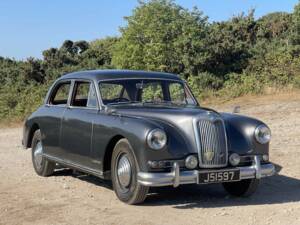
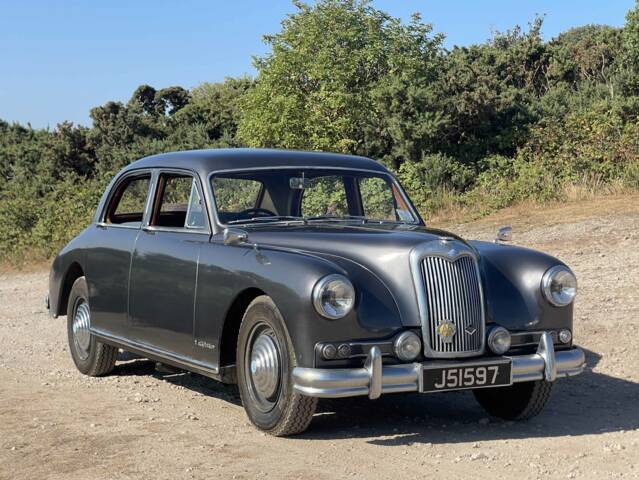
1956 | Riley Pathfinder
Stylish and rare performance saloon from the ‘50s

Riley Pathfinder listing references from Classic Trader
Below you will find listings related to your search that are no longer available on Classic Trader. Use this information to gain insight into availability, value trends, and current pricing for a "Riley Pathfinder" to make a more informed purchasing decision.
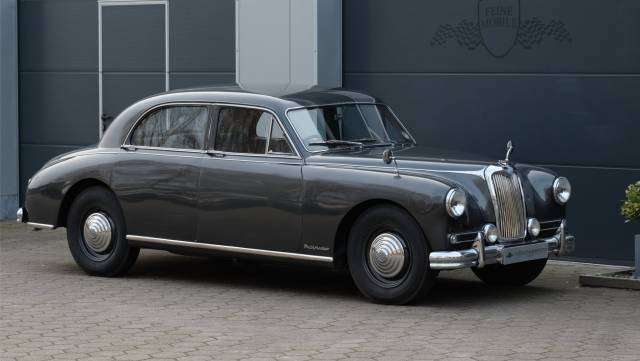
1955 | Riley Pathfinder
Sehr, sehr selten !

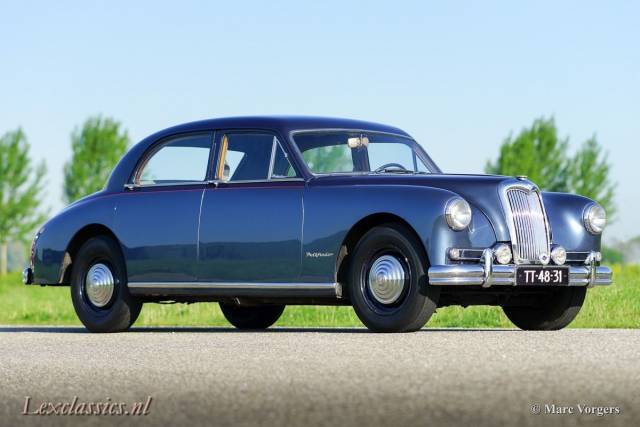
1956 | Riley Pathfinder
Riley Pathfinder

Riley Pathfinder Classic Cars: Prices & Market Values
History of the Riley Pathfinder
The Riley Pathfinder debuted at the 1953 London Motor Show, marking Riley Motors Limited's ambition to advance their range beyond the earlier RMF saloon. Built at a time when the British car market was diversifying, the Pathfinder stood out with its pronounced front grille, flowing wing lines, and a chassis engineered for refinement. Its introduction corresponded with the post-war period in the UK when buyers sought both comfort and technical development in their family cars.
Model History
The Pathfinder was developed as the successor to the Riley RMF, inheriting its predecessor's commitment to high build quality and robust six-cylinder engines. It set itself apart with an all-new body design and advanced coil-sprung rear suspension. The model had a relatively short production run, concluding in 1957 when the Riley Two-Point-Six took over as the marque's top saloon offering. During production, the Pathfinder carved out its niche in the executive and family saloon segment, bridging Riley’s traditional practices with modern touches.
Highlights of the Riley Pathfinder
Distinctive for its combination of the earlier Riley elegance and a new, more contemporary body, the Pathfinder featured details such as an upright grille and integrated headlights. Another highlight is the advanced suspension system for its era, offering improved handling compared to the RMF. The Pathfinder’s reputation stems from its balanced blend of driving dynamics and British luxury atmosphere.
Technical Data
Special Editions and Collectible Models
There are no widely documented factory special editions of the Riley Pathfinder. Most surviving vehicles are standard saloons, though individual cars may feature period accessories or dealer-fitted options such as sunroofs, radio equipment, or upgraded upholstery.
Weak Spots and Common Issues
No explicit weaknesses or known issues have been supplied for the Riley Pathfinder. However, prospective buyers should always examine chassis corrosion, engine oil pressure, and correct function of the suspension bushings, given the era and technical layout of this model.
Engine and Performance, Transmission and Handling
The typical 2.5-litre engine provided the Pathfinder with a robust torque curve and high-revving character, especially appreciated by drivers who valued responsive acceleration. The manual gearbox was praised for precise shifting, and the innovative rear coil-spring suspension gave the Pathfinder both ride comfort and improved handling over its RMF predecessor. Period reviews noted that the Pathfinder felt stable at high speeds and responded eagerly to steering inputs—a rare quality for British saloons of the mid-fifties. The Riley Pathfinder itself stands as the sole model in this specific lineage until the arrival of the Two-Point-Six. Its engine and chassis details made it attractive to drivers with sporting ambitions as well as those seeking practicality.
Interior, Comfort, Exterior and Design
True to Riley tradition, the Pathfinder’s interior combined rich wood veneers, tufted leather seating, and a full instrumentation dashboard. Distinctive design features included chromed grille elements, subtle wing lines, and factory-applied paint schemes in subdued, elegant hues. Accessories such as fog lamps, period-correct spoked wheels, and occasional sunroof installations allowed buyers to individualise their vehicles. The Pathfinder’s cabin was engineered for spaciousness and comfort, making it suitable for long-distance British motoring.
Other relevant features
No additional unique features have been documented for the Riley Pathfinder outside of those already covered in the main sections.
Summary
The Riley Pathfinder encapsulates a short but notable chapter in British saloon car history, combining traditional build quality with progressive engineering solutions. Its six-cylinder power, distinctive design, and advanced suspension mark it as a standout choice for connoisseurs of post-war British motoring.