Riley 12/4 Classic Cars for Sale
The Riley 12/4 stands as a benchmark for British craftsmanship during the pre-war era, boasting distinctive streamlined looks, robust engineering, and a track record in both everyday use and motorsport. Notably available as the sporty Kestrel saloon or as rare Sprite or Merlin editions, the 12/4 combines sporting flair, luxury trim, and mechanical innovation into a single, highly individual classic car.
Search results
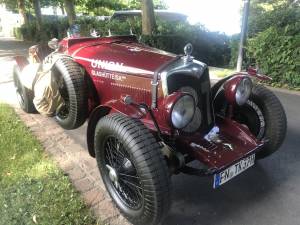
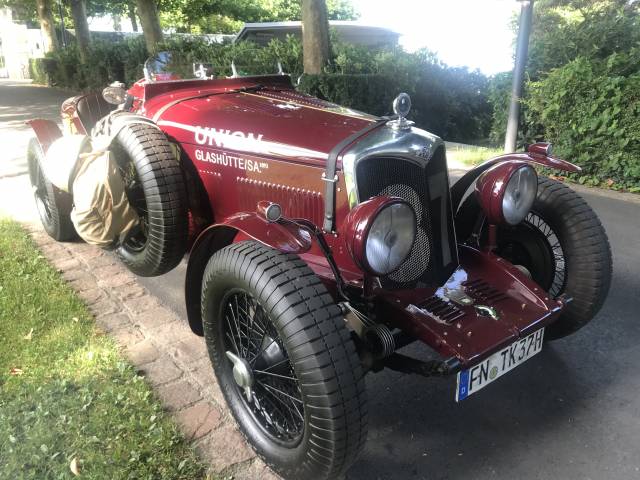
1937 | Riley 12/4 Special
Riley 12/4 Brooklands Special The red Baron perfekt


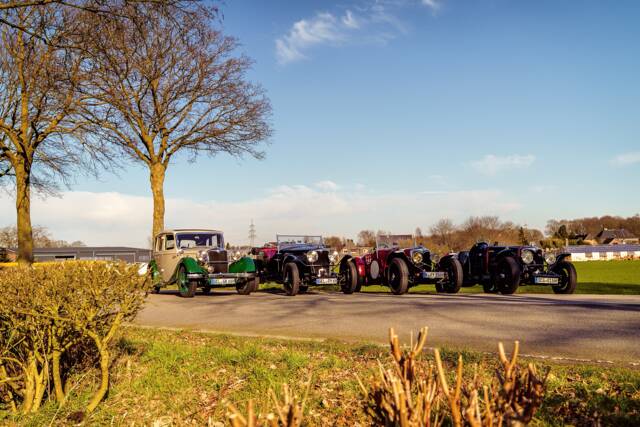
1936 | Riley 12/4 Special
Riley Motor Cars, Spare Parts & Workshop Service (1925–1939)
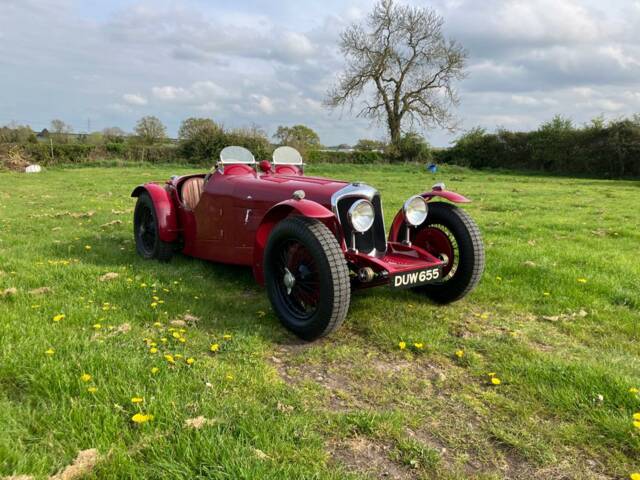
1937 | Riley 12/4 Special
Riley 12/4 Sports Special

Newsletter
The best Riley listings, straight to your inbox
Get hand-picked Riley listings, plus the best of cars, motorbikes, and auctions on Classic Trader — all in one place.
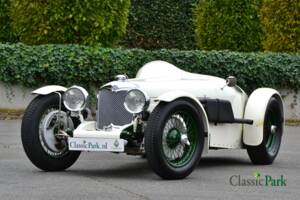
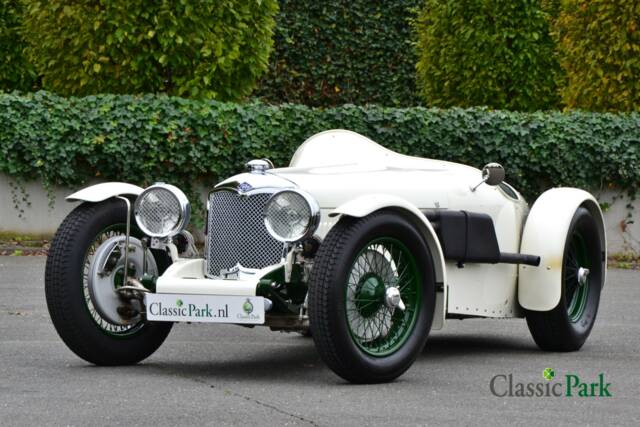
1935 | Riley 12/4 TT Sprite
Riley TT Sprite Replica

Riley 12/4 listing references from Classic Trader
Below you will find listings related to your search that are no longer available on Classic Trader. Use this information to gain insight into availability, value trends, and current pricing for a "Riley 12/4" to make a more informed purchasing decision.
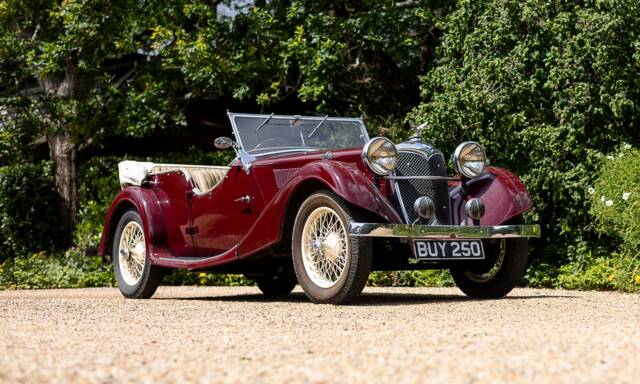
1937 | Riley TT Sprite Special
1937 Riley Lynx-Sprite
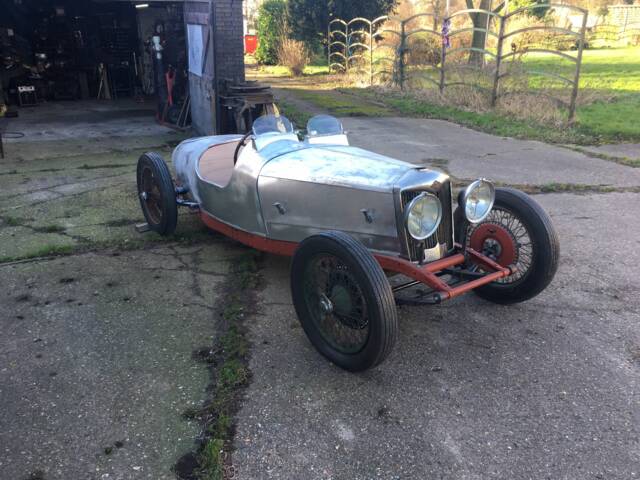
1933 | Riley 12/4 Special
12/4 engined project with rare Amal carburettors
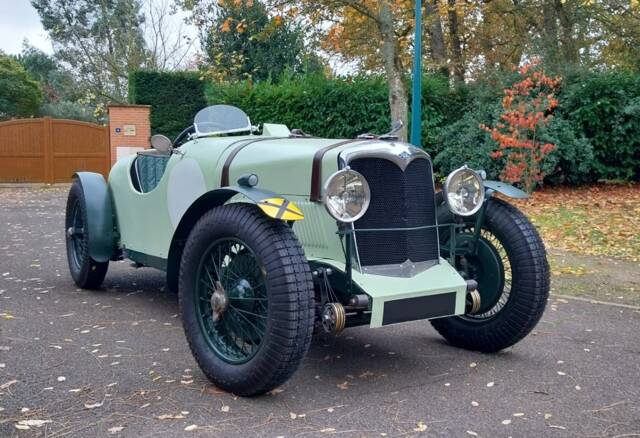
1935 | Riley 12/4 Special
Riley 12/4 Special 1935

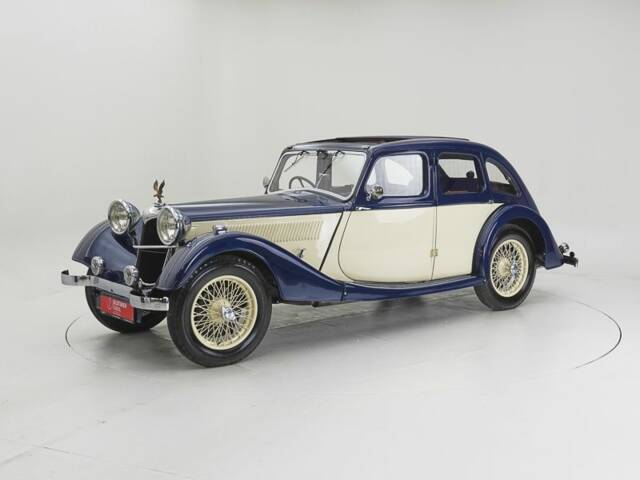
1936 | Riley 12/4 Adelphi
1936 Riley 12/4 Kestrel '36

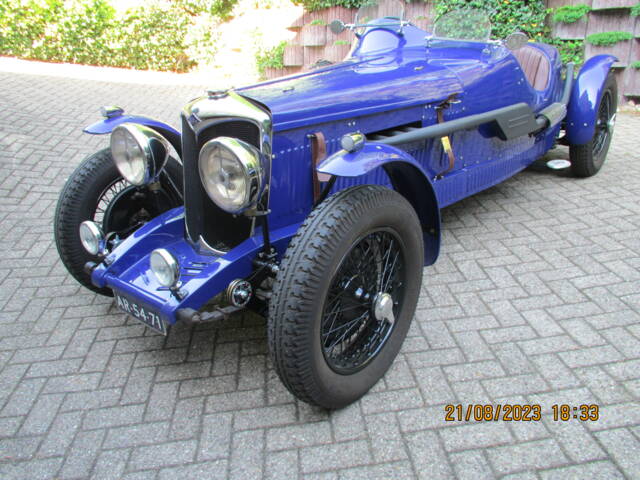
1937 | Riley 12/4 Special
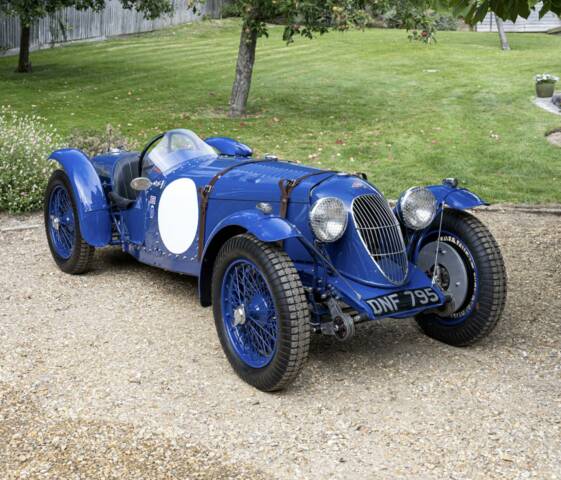
1937 | Riley TT Sprite Special
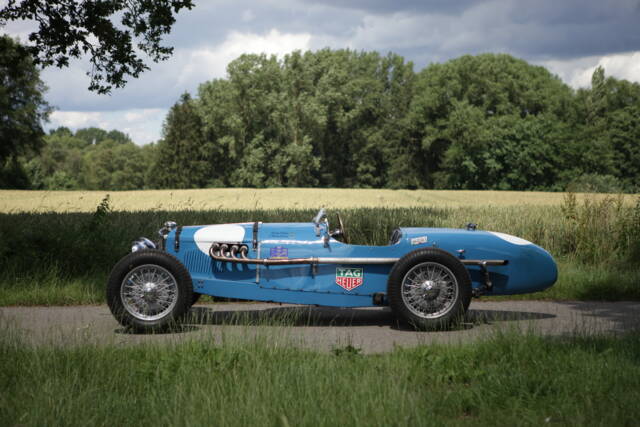
1935 | Riley 12/4 Special
TT Sprite Spacial by Alan Clear UK
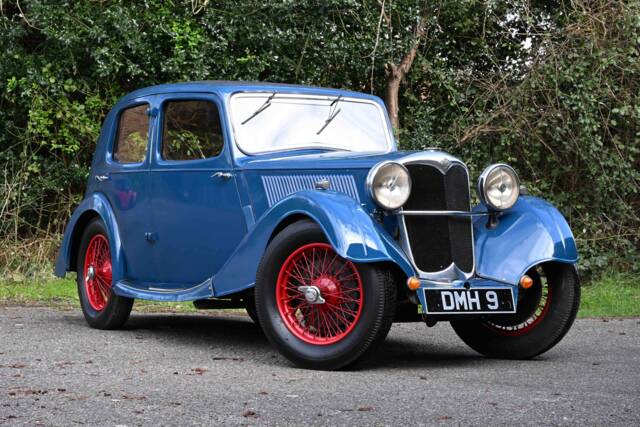
1935 | Riley 12/4
Very Rare - Recent Money Spent
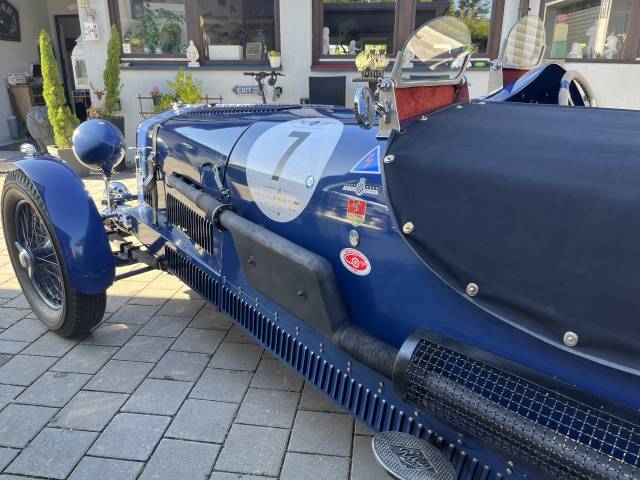
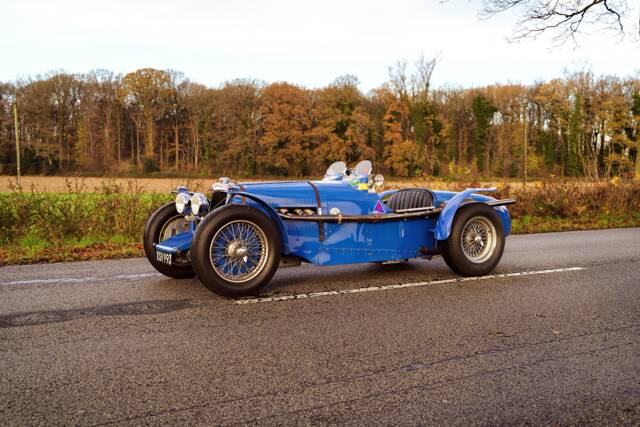
1937 | Riley 12/4 Special
Riley 12/4 Brookland Special "The old Race blue Lady" Top Fahrzeug H-Zulassung
Riley 12/4 Classic Cars: Prices & Market Values
History of the Riley 12/4
Emerging in the mid-1930s, the Riley 12/4 responded to a changing motoring landscape in Britain, where both everyday motorists and motorsport enthusiasts sought advanced design and performance. Riley, already experienced in bicycle and early automotive production, channelled its sporting pedigree into the 12/4. Having evolved out of decades of innovation from family-run roots and specialist sporting models, the 12/4 made its debut as both a refined saloon and, notably, as the high-performance Sprite roadster. These vehicles captured pre-war engineering at its peak, offering features—and speeds—then rare in the medium market segment. With the launch of this series, Riley cemented its reputation for combining luxury and sporting ability, a blend that drew drivers both for daily use and racing circles, right up until the company came under the Morris umbrella in 1939.
Model History of the 12/4 Series
The Riley 12/4 series was introduced as a logical successor to Riley’s earlier MPH models, bringing a fresh focus on midmarket customers wanting sports-derived performance. Across its production run from 1935 to 1938, several body styles appeared—including the classically styled 6-light Kestrel saloon, the more upright Falcon, and the high-performance Sprite and Merlin derivatives. Engine power remained consistent; however, minor design modifications—such as changes to wiper motor location, bonnet venting, and the use of aluminium in select body builds—distinguished each year and model. Collectors particularly prize the chassis codes S26K, 27K, and 28K, marking distinct production batches, with numbers produced ranging from approximately 180 to over 500 per variant. The run ended late in the 1930s, just before Riley's absorption into larger conglomerates.
Highlights and Special Features of the Riley 12/4
Distinguishing features of the Riley 12/4 include its flowing aerodynamic styling—particularly the Kestrel’s fastback silhouette and 6-light saloon bodywork. All 12/4s use a 1.5-litre twin-cam four-cylinder engine with overhead valves, known for durability and a notably sporty delivery. The Wilson preselector gearbox—an advanced transmission system for its era—allows for rapid, smooth gear changes using a preselect and engagement mechanism. The chassis and suspension tuning provided a poise rarely matched by contemporaries, while sporting versions like the Sprite were regular competitors in sports racing events, including the esteemed RAC Tourist Trophy. Aluminium bodywork variants are especially notable for their lightness and rarity.
Technical Data
Special Editions and Collectible Models
Several stand-out editions complement the main 12/4 range. The Sprite roadster, with an even sportier chassis and bodywork, excelled in pre-war racing circles and often carried tuning upgrades for greater performance. 'SS' chassis designations signified Tourist Trophy race-preparation and hold special cachet in collector circles. The Merlin model, featuring distinctive Art Deco design motifs, is also noted for its distinctive grille and intricately styled wheel arches.
Weak Spots and Common Issues
While the 12/4 stands out for its engineering quality, the most commonly noted points of caution relate to the condition of the preselector gearbox, potential oil leaks from the twin-cam engine, and corrosion in aluminium or steel coachwork depending on body type. Thorough inspection of chassis numbers and documentation is vital, especially for rare Sprite and SS chassis, as originality significantly affects provenance and value.
Engine, Transmission and Handling
Powered by a 1.5-litre OHV four-cylinder engine and twin SU carburettors, the Riley 12/4 produced up to 51 hp, offering brisk performance for a 1930s saloon and reaching speeds up to 141 km/h in the Sprite variant. The Wilson preselector gearbox translates this output into a dynamic yet smooth driving experience. The engineering focus on balanced weight and responsive steering delivered superior cornering and made the 12/4 a favoured base for competitive events—a fact reflected in its continued presence at historic rallies and events. Noteworthy examples within the range include the long, sleek Kestrel with its distinctive aerodynamic shape, and Sprite editions with lighter bodywork and more focused tuning for motorsport enthusiasts. Chassis codes S26K, 27K, and 28K are particularly significant for collectors tracking production lineage.
Interior, Comfort, Exterior and Design
The Riley 12/4’s design adheres to the best British stylistic conventions of its time: flowing body lines, pronounced fenders, and an upright, chrome-accented grille. The Kestrel variant’s fastback design stands out for its six-window (‘6-light’) layout and sweeping rear lines. Interiors are trimmed in high-grade coloured leathers—commonly red, green or black—matching the original Bakelite steering wheel. Dashboards feature wood veneer and central instrument clusters with fully analogue dials. Early examples may offer rare accessories like sunroofs and opening windscreens for enhanced driving comfort. The Merlin incorporates Art Deco flourishes and uniquely styled details, and rarer aluminium bodywork variants further amplify exclusivity and visual lightness.
Other Information
The Riley 12/4 was engineered to accommodate taller drivers comfortably—a rare advantage among pre-war vehicles. Road-registered examples are now frequently campaigned at historic and vintage rallies, while their robust mechanicals and sporting chassis set them apart at classic motoring gatherings.
Summary
A Riley 12/4 provides a rare insight into the blending of sporting ambition and luxury in a pre-war British saloon. It pairs sophisticated engineering—like the preselector gearbox and twin-cam engine—with bold design elements, high-class trim, and usable performance. With its strong presence in the current classic market and an unmatched share among Riley offerings, the 12/4 is a mainstay for collectors seeking a distinct, technologically advanced representative of 1930s British automotive development.