Renault Type KZ classic cars for sale
The Renault Type KZ represents French pre-war engineering focused on practicality and economical operation. Targeted as an accessible, robust model in the late 1920s and early 1930s, the Type KZ stands out for its solid four-cylinder engine, spacious body types and distinctive variants, including rare Landaulettes and taxi versions.
Search results
Currently, there are no matching listings for your search.
Create search alert
Let yourself be notified as soon as a listing is published that matches your search filters.
Create listing
Do you have a Renault Type KZ that you want to sell? Then create a listing now.
Create listingRenault Type KZ listing references from Classic Trader
Below you will find listings related to your search that are no longer available on Classic Trader. Use this information to gain insight into availability, value trends, and current pricing for a "Renault Type KZ" to make a more informed purchasing decision.
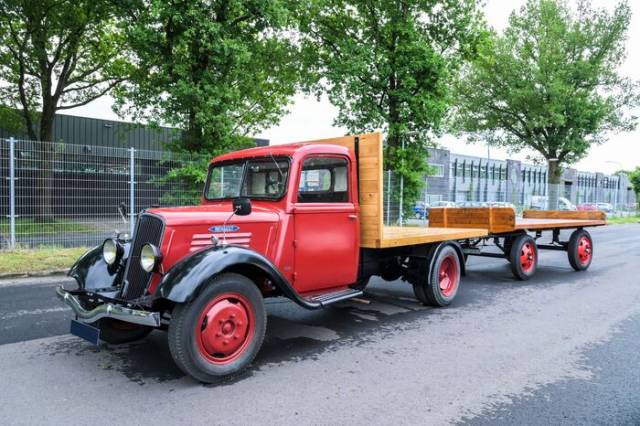
1936 | Renault KZ 1

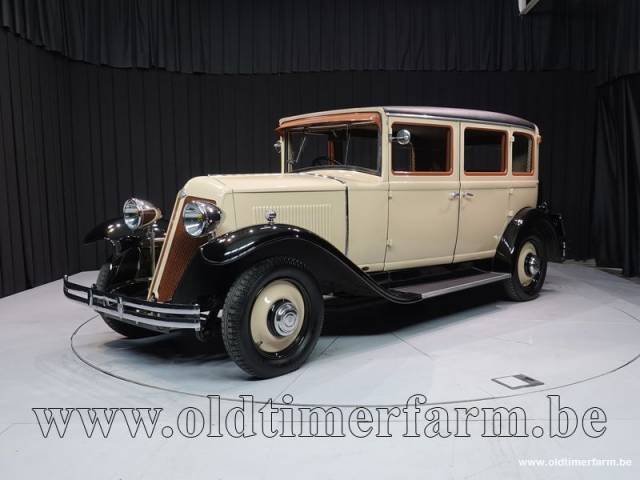
1931 | Renault Type KZ 5
1931 Renault KZ5 '31

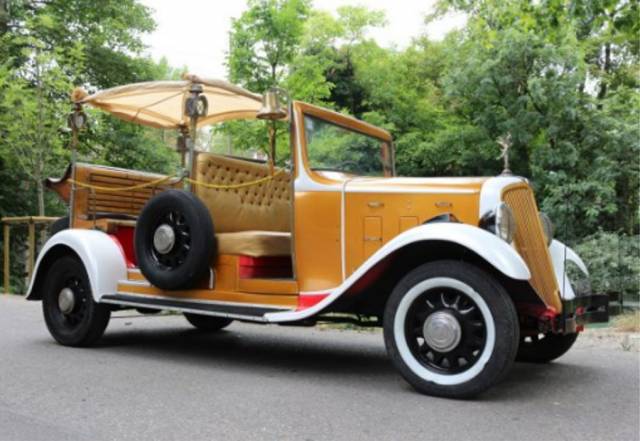
1930 | Renault Type KZ 4
CARROSSE
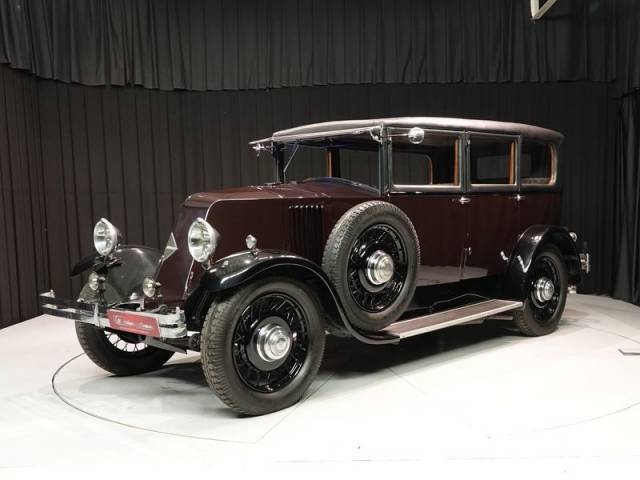
1925 | Renault Type KZ 2
1925 Renault KZ '25
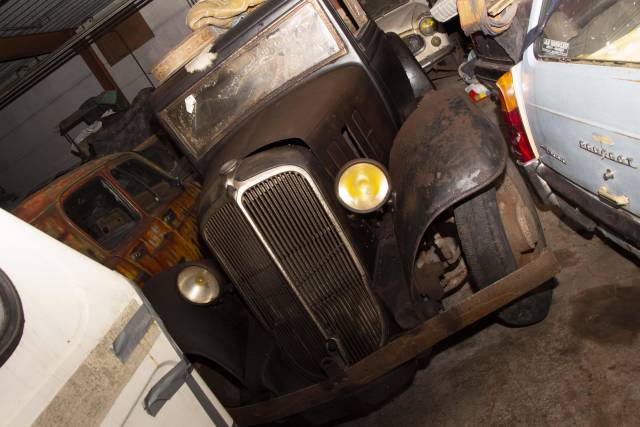
1930 | Renault Type KZ 4
Renault KNZ 1930
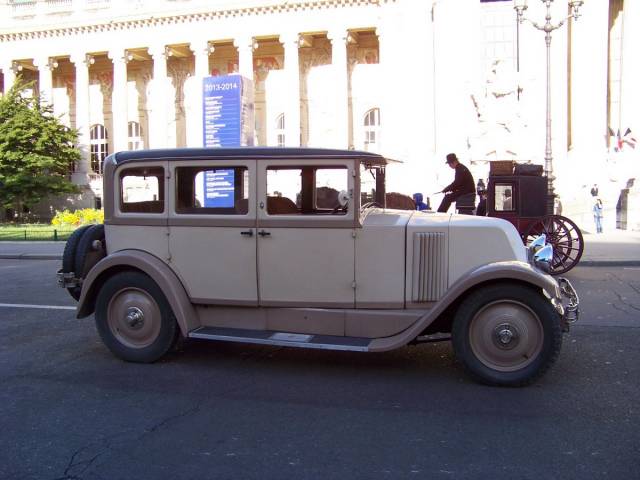
1928 | Renault Type KZ 2
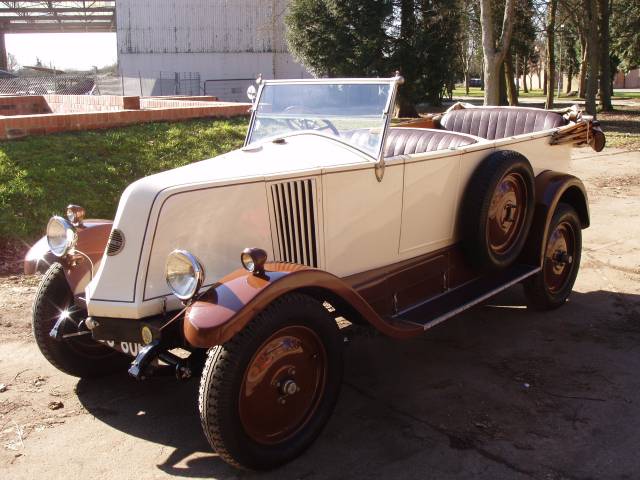
1923 | Renault Type KZ

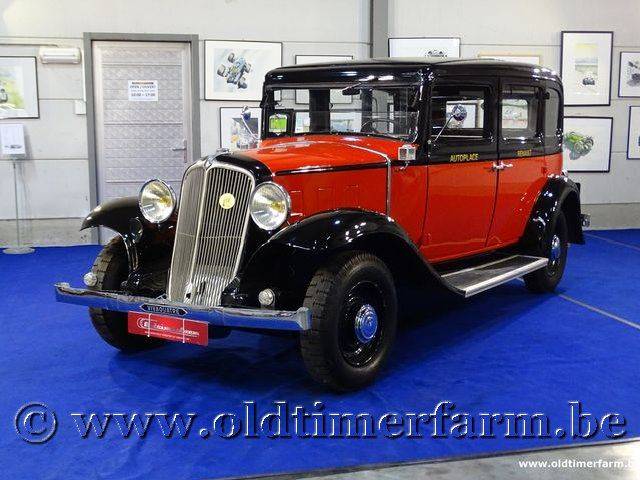
1933 | Renault Type KZ 4
1933 Renault KZ11 Taxi '33
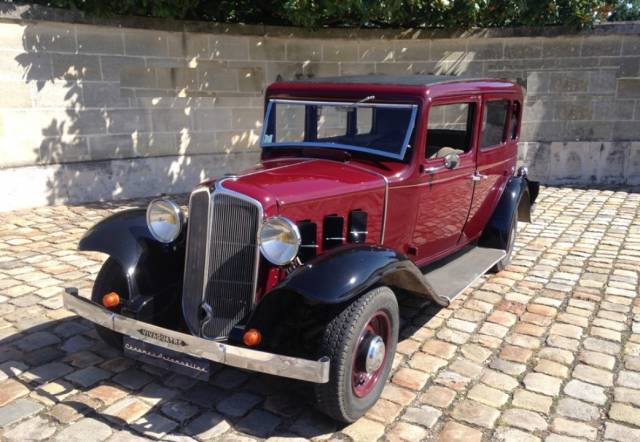
1929 | Renault Type KZ 4
RENAULT VIVAQUATRE KZ9 de 1933
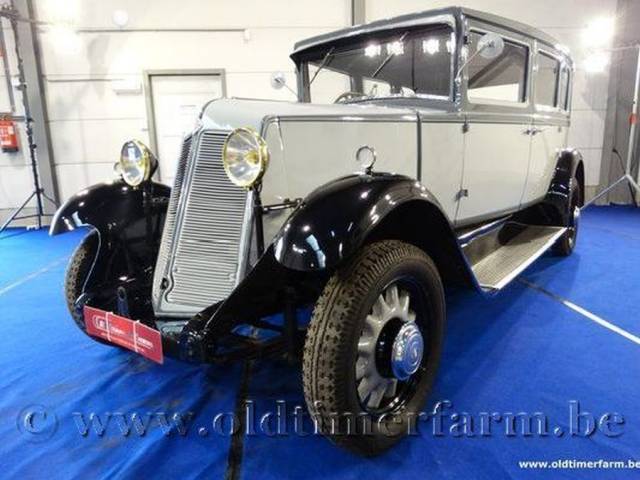
1929 | Renault Type KZ 4
Create search alert
Let yourself be notified as soon as a listing is published that matches your search filters.
Create listing
Do you have a Renault Type KZ that you want to sell? Then create a listing now.
Create listingRenault Type KZ Classic Cars: Prices & Market Values
History of the Renault Type KZ
Introduced in the late 1920s, the Renault Type KZ was designed to fill France's growing demand for dependable and affordable transport. Conceived as a rival to Citroën's B2, the Type KZ succeeded the Type GS and IG models, setting new standards for the 'populaires'—Renault’s economical class. During its production, the model was continually improved with each generation, gaining market traction as a reliable pre-war family and taxi vehicle. By 1931, the KZ had already established a reputation for its practical layout and robust construction.
Model History: Generations and Variants
The Type KZ series evolved through several phases: The original KZ1 was followed by KZ2 and the longer KZ3 from 1927, which offered a 21 cm extended wheelbase. Later variants like the KZ4 and KZ5 were launched in 1929 and 1931, respectively. One special iteration, the KZ11, was built specially for Parisian taxi service with over 2,400 units produced for the G7 company. The succession of model updates reflects Renault’s response to market needs, prior models’ limitations and the evolving demands for both comfort and utility.
Highlights of the Renault Type KZ
Key features of the Type KZ include its spacious interior configurations—up to two fold-out seats and a luxurious rear bench—making it particularly well-suited for taxi service and larger families. The KZ also offered special body styles, most notably the Landaulette with its partial convertible roof and partitioned driver compartment. Right-hand drive and rear-wheel drive were standard, along with robust engineering for the era that ensured long-term reliability.
Technical Data for Renault Type KZ
Special Editions and Collectible Models
The KZ11 stands out as a limited series, purpose-built for the G7 taxi fleet in Paris. Only 2,400 of these purpose-adapted vehicles were produced, featuring unique interior arrangements suited to intensive urban taxi duty. Surviving Landaulette variants are rare, prized for their unusual cabriolet-style rear compartment and original interior lay-outs.
Weak Spots and Common Issues
No specific mechanical weak spots have been reported in the available data for the Renault Type KZ. Given the vehicle’s age, usual points to check would include frame corrosion, drivetrain wear, and the condition of unique Landaulette roof mechanics or taxi modifications, especially in unrestored examples.
Engine and Performance, Transmission and Handling
The Type KZ’s 2120 cc four-cylinder engine provides a solid 35 HP, which was sufficient for urban and interurban travel in the late 1920s and early ‘30s. Its rear-wheel drive chassis and 3-speed manual combined with a fairly long wheelbase give the vehicle a comfortable, predictable ride, especially appreciated by period taxi drivers. The available body styles and passenger accommodations were advanced, catering well to the operational needs of commercial services during its era. Popular variants include the KZ3 for its extended wheelbase, and the rare KZ11 G7 Taxi for its unique Parisian taxi legacy and utilitarian adaptations.
Interior, Comfort, Exterior and Design
Designed with both function and luxury in mind, the Type KZ featured options such as a Landaulette body with an openable rear compartment and partitioned cabin. High-backed luxurious rear seats and optional fold-out middle-row seats were not common in its class. Right-hand drive and robust exterior styling reflected the practical French coachwork of the period. Taxi editions typically added durable upholstery and easy-access cabins, while the Landaulette catered to more elegant private transportation. The clean lines and sturdy build remain distinguishing attributes.
Other Relevant Features
Some KZs were configured for specialist uses, such as ambulances, delivery vans and even bespoke funeral cars, attesting to the platform’s flexibility during its production life.
Summary
The Renault Type KZ is a notable French pre-war automobile, designed for robust everyday use and versatility. Its special editions, especially the rare Landaulette and G7 taxi models, highlight its historic relevance and adaptability. High demand statistics show that the Type KZ remains central to Renault collectors interested in solid engineering, classic French style, and diverse historical uses.