Renault Type CB classic cars for sale
The Renault Type CB stands out as a milestone in early automotive history, boasting a technical approach and level of luxury that were unparalleled in its era. This rare model draws attention from collectors seeking authenticity, historical significance, and unique engineering.
Search results
Currently, there are no matching listings for your search.
Create search alert
Let yourself be notified as soon as a listing is published that matches your search filters.
Create listing
Do you have a Renault Type CB that you want to sell? Then create a listing now.
Create listingRenault Type CB listing references from Classic Trader
Below you will find listings related to your search that are no longer available on Classic Trader. Use this information to gain insight into availability, value trends, and current pricing for a "Renault Type CB" to make a more informed purchasing decision.
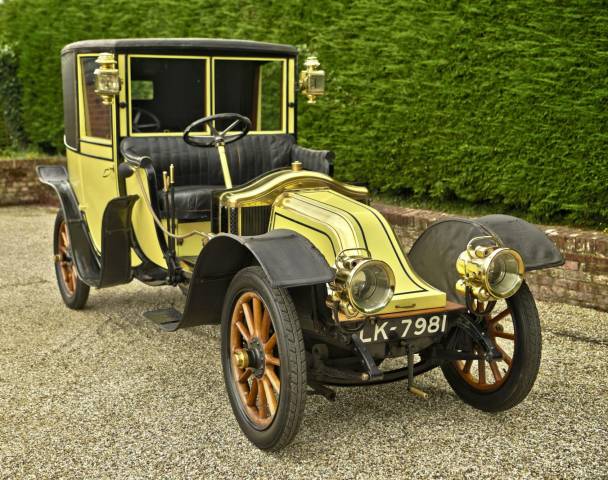
1912 | Renault Lawton Brougham

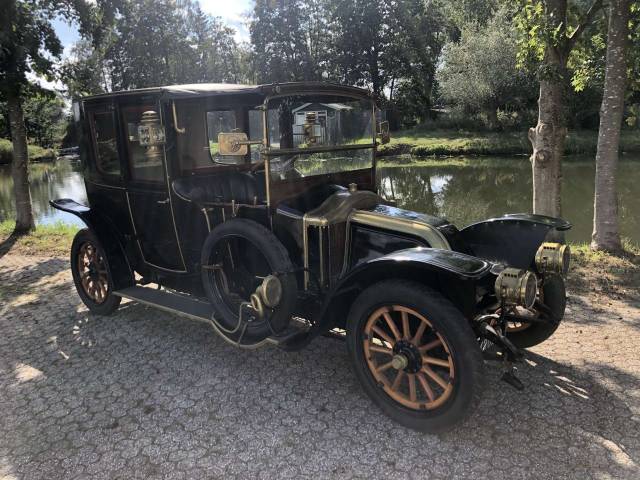
1912 | Renault Type CB

Create search alert
Let yourself be notified as soon as a listing is published that matches your search filters.
Create listing
Do you have a Renault Type CB that you want to sell? Then create a listing now.
Create listingRenault Type CB Classic Cars: Prices & Market Values
History of the Renault Type CB
The Renault Type CB, also widely known as the Renault 40CV, emerged in the aftermath of World War I as Renault’s answer to the demand for prestige vehicles. Introduced in 1911, the Type CB was renowned for its size and presence, quickly becoming a preferred choice for dignitaries and even heads of state. The most famous appearance of this model was during the transport of the French President Alexandre Millerand. The Type CB was a flagship, symbolising France’s industrial prowess and Renault's position at the forefront of luxury automobile manufacturing in the 1910s and 1920s.
Model history
The Type CB evolved from Renault’s earlier large-displacement tourers, with the 40CV designation referencing its substantial power output for the time: 40 taxable horsepower. It held a prominent place in Renault’s lineup through the 1920s, before being succeeded by later luxury models such as the Reinastella. There is no direct predecessor, as it was developed as an upscale offering in its own right, and its modern successors are best seen in Renault's higher-end historic models.
Highlights of the Renault Type CB
A distinctive feature of the Renault Type CB lies in its formidable 7.5-litre inline six-cylinder engine and substantial chassis, offering exceptional comfort and impressive performance by 1920s standards. The car was often bodied by renowned coachbuilders, making each example unique. It was also one of the first luxury cars to offer four-wheel brakes as standard in later years. Exclusivity is underlined by the model’s supply and demand statistics: the Type CB accounts for 100% of both Renault’s classic inventory and demand in available listings, underscoring its rarity and singular importance within Renault’s historical portfolio.
Technical data
Special Editions and Collectible Models
The most notable variant of the Type CB was the 40CV, which achieved fame both for its luxury appeal and successful endurance runs, notably setting records in the early 1920s at the Montlhéry circuit with a special streamlined version that completed 50,000 km at impressive average speeds for the time. Many Type CBs were uniquely customised by leading coachbuilders, making factory-bodied examples and documented provenance especially sought after.
Weak Spots and Common Issues
No specific issues are documented in the available data for the Renault Type CB. As with many high-end vehicles of its era, buyers should verify mechanical condition thoroughly, as sourcing original parts and authentic materials for restoration can be challenging. The complexity of the large six-cylinder engine and the specialist nature of early hydraulic or mechanical four-wheel brake systems warrant inspection by experts familiar with pre-war French engineering.
Engine and Performance, Transmission and Handling
The 7.5L straight-six engine gave the Type CB remarkable power delivery for the period, allowing for smooth cruising at higher speeds relative to many contemporaries. Handling is characterised by a substantial but precise steering response, aided by the model's substantial footprint and state-of-the-art brakes for its era. The period manual transmission rewards patience and familiarity, while comfort was prioritised through luxury suspension setups. The 40CV variant is the highlight, with its streamlined Montlhéry endurance record car standing out in technical achievement. It featured improved aerodynamics and mechanical refinements that highlighted Renault’s engineering prowess in the 1920s.
Interior, Comfort, Exterior and Design
Design of the Type CB was defined by the collaboration with prestigious French coachbuilders, offering buyers an almost bespoke vehicle tailored to personal taste. Interiors typically featured luxurious upholstery, elaborate wooden trim, and ample passenger space. Exteriors varied widely, but the car's long bonnet, upright grille, and elegant proportions are instantly recognisable. Special equipment was often specified depending on the client, with items such as custom luggage, fine instrumentation, and innovative lighting not uncommon. Materials used were top-tier for the era, with a focus on both durability and grandeur.
Other relevant features
Beyond its technical and historical merits, the Renault Type CB is highly associated with ceremonial and state uses. It was often seen in parade settings, highlighting its status and reliability. Collectors also value documented history, particularly those vehicles with provenance linking them to prominent figures or events.
Summary
The Renault Type CB is a cornerstone in the evolution of luxury motoring in France. Every example on the market today offers collectors a rare opportunity to acquire a vehicle that epitomises early 20th-century prestige, advanced engineering, and bespoke craftsmanship. Its prominence in supply and demand statistics underscores the unique focus it receives among Renault classics.