Renault AX classic cars for sale
The Renault AX, produced from 1908 to 1914, stands as a representative of early motoring tailored primarily for cab use. Collectors value its straightforward engineering and its clear historical significance within the context of pre-WWI urban transport.
Search results

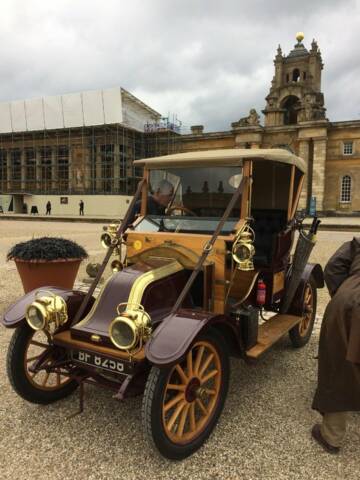
1926 | Renault AX
Renault Type AX | 1926 | Route 66 Auctions - For sale by auction. Estimate 16800 EUR

Renault AX listing references from Classic Trader
Below you will find listings related to your search that are no longer available on Classic Trader. Use this information to gain insight into availability, value trends, and current pricing for a "Renault AX" to make a more informed purchasing decision.
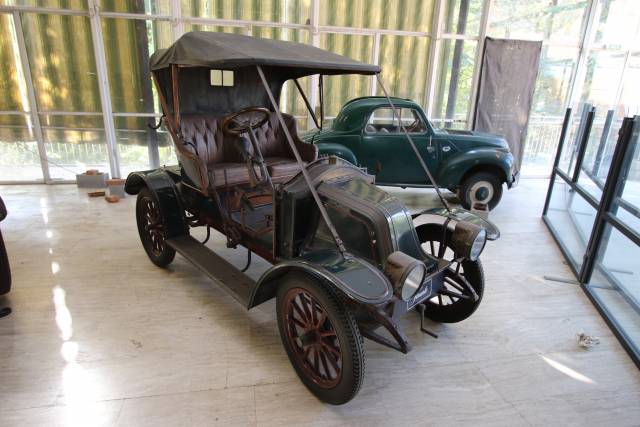
1909 | Renault AX

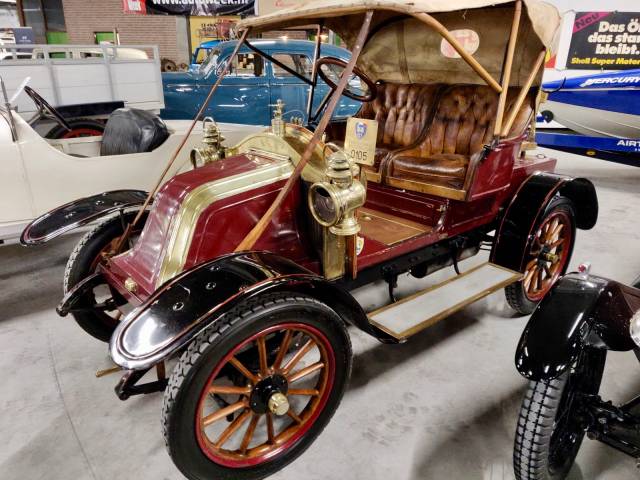
1909 | Renault AX
Online Auction "Classics, Sports Cars & Specials". From 9th to 22nd of May
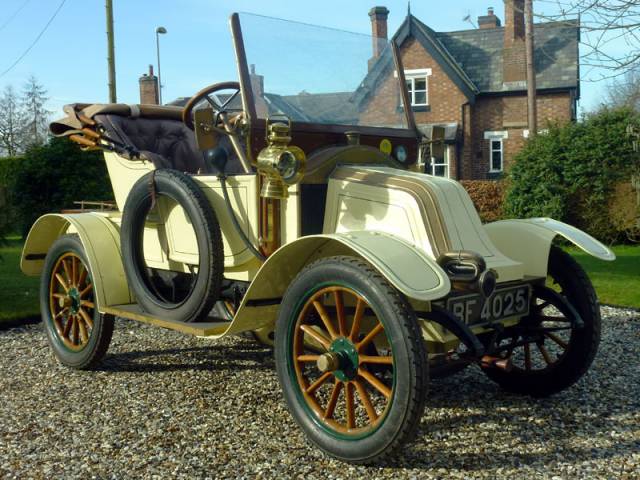
1909 | Renault AX
Auction Duxford: 29.03.2017 Estimate: £24500 - 28500

Renault AX Classic Cars: Prices & Market Values
Introduction and history of the Renault AX
The Renault AX marked a decisive step in Renault's pre-war automotive development. Manufactured between 1908 and 1914, the AX targeted budding urban mobility, especially in the booming taxi market of Paris and other European capitals. Its robust layout, easy handling, and mechanical reliability made it particularly attractive to cab operators who sought a dependable daily companion for demanding city work. The model's production coincided with a period of intense motorisation in public transport before the disruption caused by the First World War.
Model history
The AX succeeded earlier Renault designs of the 1900s, improving on reliability and performance for professional drivers. Its direct successors were models like the Renault AG, which continued the marque’s push into urban transportation and commercial vehicle fields. Over its lifespan, the AX established the pattern for Renault’s light car engineering in the pre-war years.
Highlights of the Renault AX
Unlike many contemporaries, the AX stood out through its purposeful design aimed almost exclusively at taxi fleets and commercial operators. With a light frame and efficient drivetrain for its time, it demonstrated Renault's focus on practical innovations tailored to real-world urban requirements. The AX's presence in major European cities helped cement the brand’s reputation as a maker of reliable workhorses before mass individual car ownership developed.
Technical data
Special Editions and Collectible Models
No official special editions of the Renault AX are documented from contemporary sources. Variations may exist due to custom coachwork ordered by specific taxi operators or local modifications for particular operating conditions, but these were not factory-issued limited editions.
Weak Spots and Common Issues
No specific data on common mechanical problems for the AX is available from current ads or supplied sources. Prospective buyers should expect typical issues associated with vehicles of this age: attention to chassis and engine components subject to early motoring wear, and careful inspection of any bespoke bodywork modifications done for taxi duties.
Engine and Performance, Transmission and Handling
The AX’s two-cylinder petrol engine, combined with its low curb weight, made for a vehicle well suited to short, frequent city trips. While not designed for speed or long-distance touring, the performance perfectly matched the stop-and-go world of early 20th-century urban logistics. The chain-driven rear axle, common in the era, enabled straightforward servicing and operation. Handling was sufficient for the narrow, chaotic streets of European capitals. The most notable AX variants were those employed as cabs, frequently featuring custom local bodywork to suit municipal requirements. All AX models share the same core mechanical underpinnings.
Interior, Comfort, Exterior and Design
Design of the AX focused on maximizing practicality for fleet operators. The bodywork was simple, easy to maintain, and usually left space for luggage or parcels given its taxi-oriented use. Interiors were utilitarian by today’s standards, often equipped with only essential controls and furnishing robust enough for commercial duty. Coachbuilders sometimes fitted unique cabs for specific cities, but the underlying Renault design prioritised durability and function over complex ornamentation.
Other relevant features
The AX’s use as a taxi contributed significantly to the early public image of Renault as a supplier of reliable urban transport. Surviving examples today are rare and offer a remarkable insight into pre-WWI mobility solutions, reflecting the evolving needs and innovation strategies of the emerging European car industry.
Summary
The Renault AX is a classic car that captures a pivotal era in both Renault’s brand history and the growth of urban mobility before 1914. Its unpretentious engineering, strong association with early taxi fleets, and exclusive focus within classic Renault listings all underscore its singular relevance among early 20th-century vehicles. Collectors can expect both solid mechanical design and a direct connection to the foundational years of the automotive age.