Renault Sport Spider classic cars for sale
The Renault Sport Spider, produced from 1996 to 1999, stands out as a pure driver’s car. Hand-built in limited numbers, its lightweight aluminium chassis, mid-mounted 2.0-litre engine, and rose-jointed double wishbone suspension deliver a direct connection to the road with emphatic focus on performance. With exclusive race pedigree and minimal driver aids, it promises an uncompromising driving experience.
Search results
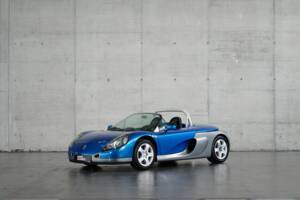
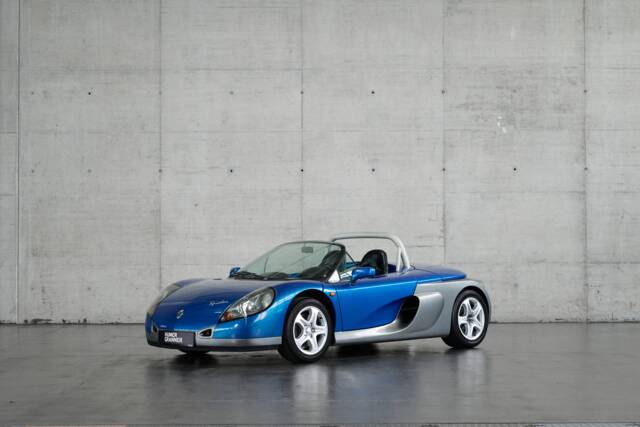
1997 | Renault Sport Spider
1997 Renault Sport Spider. Im Auktionsverkauf. Schätzwert: 35.000 € - 45.000 €. Ohne Mindestpreis!

Renault Sport Spider listing references from Classic Trader
Below you will find listings related to your search that are no longer available on Classic Trader. Use this information to gain insight into availability, value trends, and current pricing for a "Renault Sport Spider" to make a more informed purchasing decision.
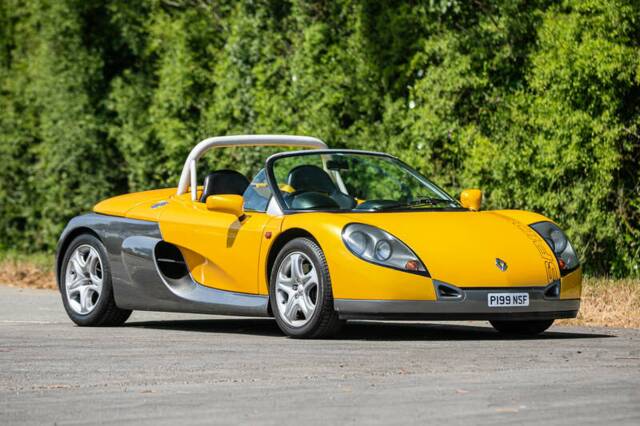
1997 | Renault Sport Spider
1997 RenaultSport Spider

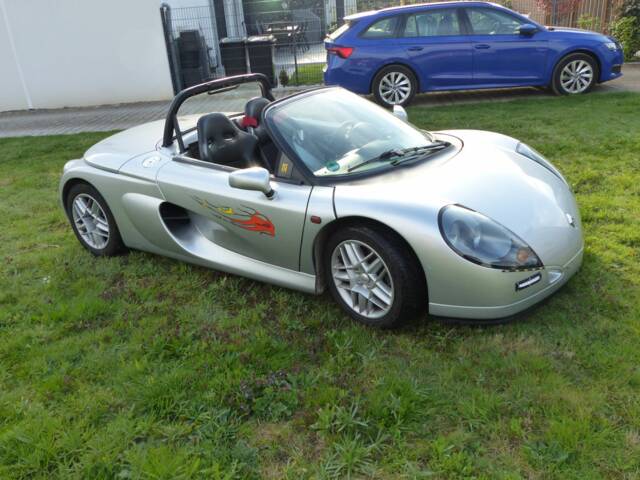
1998 | Renault Sport Spider
Renault Sport Spider | 1998 | Route 66 Auctions - For sale by auction. Estimate 20500 EUR

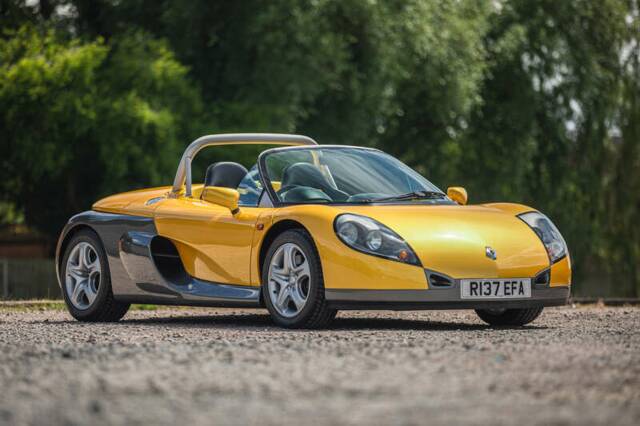
1998 | Renault Sport Spider
1997 RenaultSport Spider - 5,350 Miles
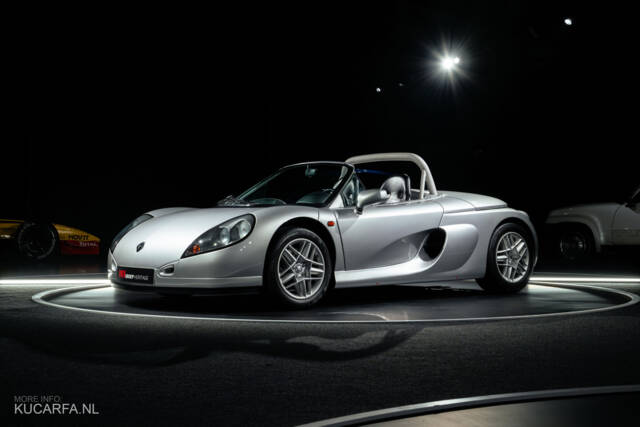
1999 | Renault Sport Spider
40.000 km; 1-1640
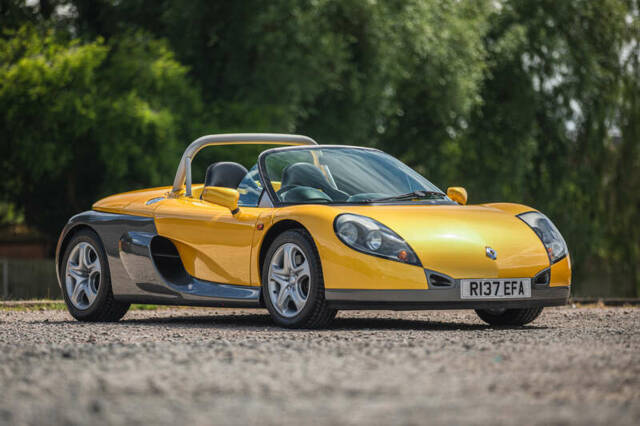
1999 | Renault Sport Spider
1997 Renault Sport Spider - 5,000 Miles
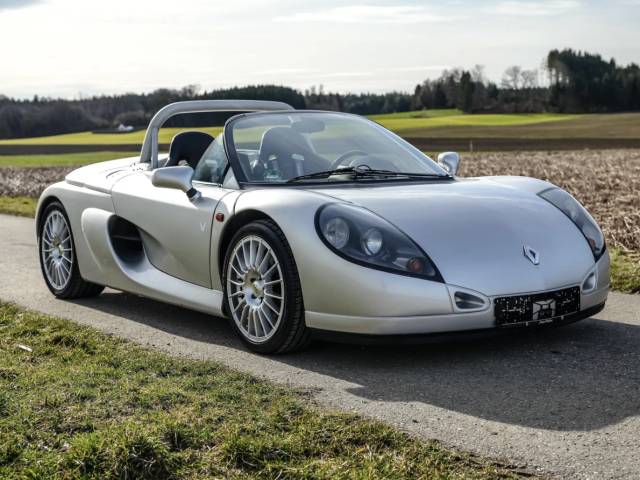
1998 | Renault Sport Spider
Renault Sport Spider 44.000 km Laufleistung TÜV Zugelassen Lückenloses Scheckheft (1998)

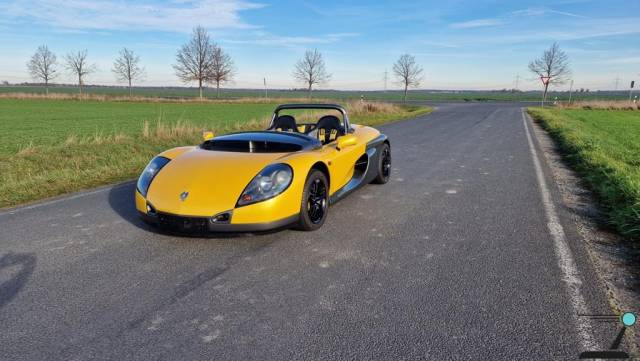
1997 | Renault Sport Spider

1998 | Renault Sport Spider
Renault Spider mit Frontscheibe
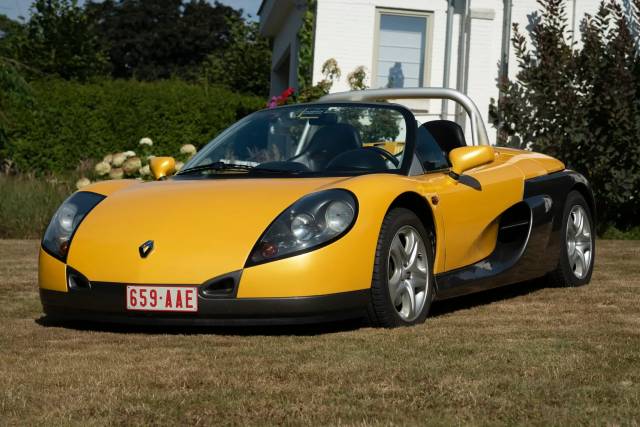
1998 | Renault Sport Spider
ONE OF THE BEST EXAMPLES AVAILABLE - LESS 15,000KM FROM NEW & FIRST OWNER!
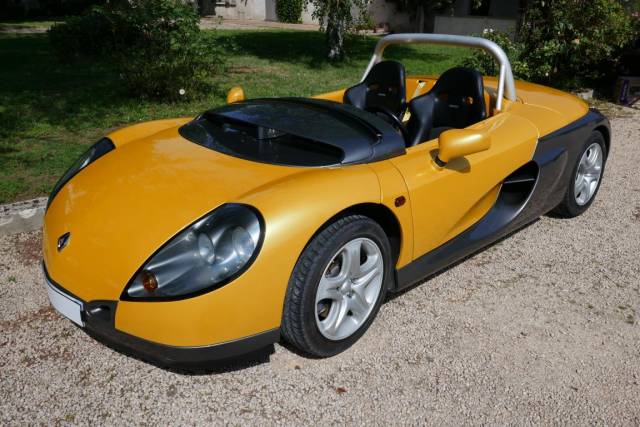
1996 | Renault Sport Spider
2 400 kms d'origine!

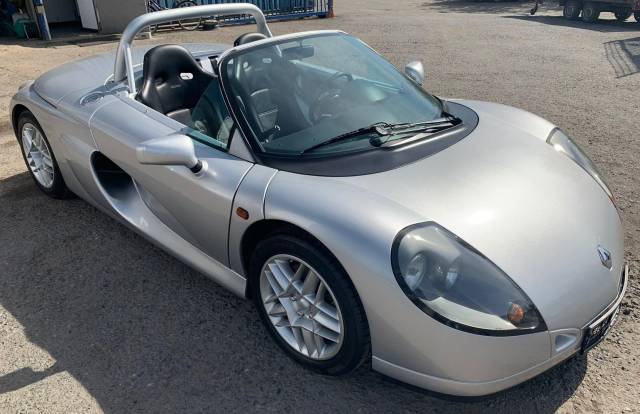
1998 | Renault Sport Spider
Original Renault Sport Kit
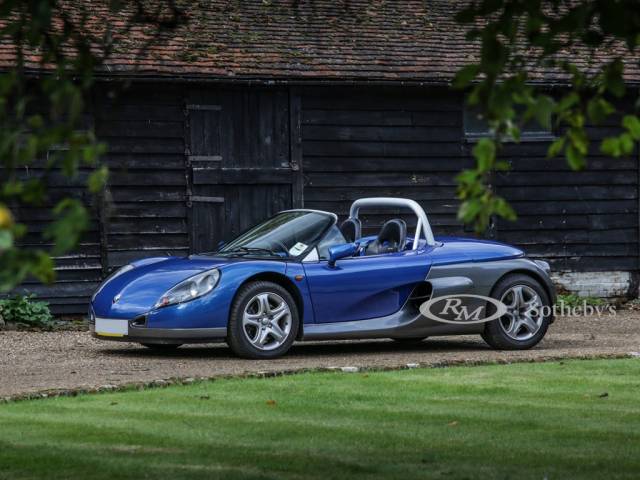
1997 | Renault Sport Spider
1997 Renault Sport Spider
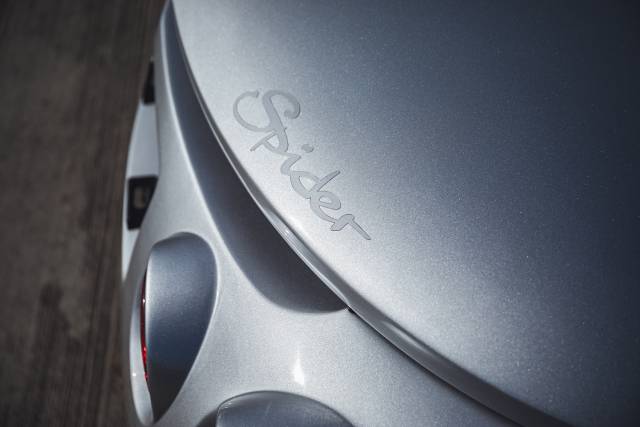
1998 | Renault Sport Spider
1998 Renault Spider
Renault Sport Spider Classic Cars: Prices & Market Values
History of the Renault Sport Spider
In the mid-1990s, Renault Sport, inspired by the brand’s dominant presence in Formula 1, introduced the Sport Spider in 1995 (production 1996–1999) as a bold statement in its motorsport-influenced road car lineup. Launched during the Williams/Renault era of Grand Prix success, the Spider embodied the sporting ethos of the period. Every example was meticulously assembled by hand—a process taking approximately 90 hours per car. It debuted as a radical alternative to the mainstream, focusing on low weight, structural rigidity, and driver involvement.
Model History
The Renault Sport Spider was conceived without direct predecessor, representing a new venture by Renault Sport into uncompromising sports cars. It was positioned as a purist machine and did not have a direct successor, although its focus on raw driving experience can be seen as a spiritual predecessor to later Renault Sport models such as the Clio Renault Sport. Specially for the UK market, a unique racing series for the Spider attracted talents like Andy Priaulx and Jason Plato, cementing its position in motorsport history.
Highlights and Unique Features
The Spider was sold with either a fixed windscreen (notably in the UK) or without, emphasising its raw roadster character. Its chassis was crafted from aluminium for optimal weight savings and high torsional stiffness, keeping kerb weight around 930 kg. The suspension utilised uniball joints and double wishbones all round for maximum response. Standard equipment omitted both power steering and servo-assisted brakes, sharpening feedback at the controls. Recaro bucket seats and an optional front luggage bucket highlighted the focus on lightweight minimalism. Every component was selected for driving purity and involvement.
Technical Data
Special Editions and Collectible Versions
While there were no traditional limited-edition runs, the UK market versions with fixed windscreens (enabling fitting of an emergency roof) stand out as distinctly different from continental models. The Spider’s entire production run is considered highly collectible due to low volumes, hand assembly, and its dedicated British one-make race championship.
Engine and Performance, Transmission and Handling
The mid-mounted 2.0-litre engine, adapted from the Clio Williams, provides sharp throttle response and robust performance. The Spider’s minimal mass allows rapid acceleration, with 0–60 mph dispatched in just over six seconds and a top speed near 140 mph. Power is channelled through a precise 5-speed manual gearbox. Without power assistance for steering or brakes, the driver receives pure feedback from the chassis and suspension, which use motorsport-grade double wishbones and uniball joints for superior control. The result is outstanding grip and stability, noted by period reviews for its ability to maintain astonishing corner speeds. The UK-spec Spider with fixed windscreen and race heritage is particularly sought after, thanks to its links to the brand’s one-make racing series and use by notable racing drivers.
Interior, Comfort, Exterior and Design
The Renault Sport Spider’s appearance is as extroverted as its driving experience: a minimalist but high-impact roadster with flowing, sculpted bodywork. Interior comforts were sacrificed for weight saving, but buyers received lightweight Recaro bucket seats and basic weather protection only if fitted with a windscreen (UK models). The instrumentation is simple and functional, reflecting the vehicle’s singular purpose. Outside, details like the uncovered roll hoops and aerodynamic design emphasise both safety and modernity for their time. Optional accessories included a front luggage bucket. There was no luxury trim—every element served usability and speed.
Other Notable Features
The Spider’s role as both a road and dedicated trackday car was rare for its era. Many owners chose the model exclusively for weekend use or amateur motorsport, as evidenced by the car’s one-make race series in the UK. Its manually assembled, race-derived construction and purposeful exclusion of amenities have ensured it remains an engineering curiosity.
Summary
The Renault Sport Spider offers a focused, undiluted driving experience, shaped by motorsport influences and engineered for precise control. Its rarity, manual construction, and unique race pedigree distinguish it among classic sports cars. For enthusiasts seeking a roadster built without compromise, the Spider stands alone within Renault’s history and the broader classic car landscape.