Renault Extra classic cars for sale
The Renault Extra is Renault’s answer to the practical small van segment of the 1980s and 1990s. Designed for urban deliveries and tradesmen, the Extra impresses with its reliability, functional design and roots in the iconic Renault 5 platform. It remains a sought-after choice for those valuing versatility and robust engineering.
Search results
Currently, there are no matching listings for your search.
Create search alert
Let yourself be notified as soon as a listing is published that matches your search filters.
Create listing
Do you have a Renault Express that you want to sell? Then create a listing now.
Create listingRenault Express listing references from Classic Trader
Below you will find listings related to your search that are no longer available on Classic Trader. Use this information to gain insight into availability, value trends, and current pricing for a "Renault Express" to make a more informed purchasing decision.
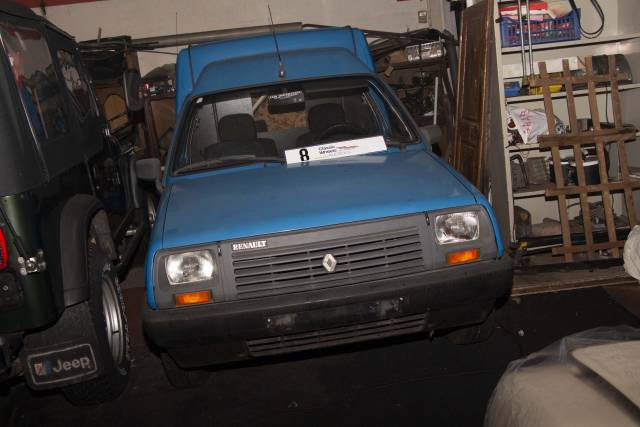
1990 | Renault Express
Renault Express 1990

Create search alert
Let yourself be notified as soon as a listing is published that matches your search filters.
Create listing
Do you have a Renault Express that you want to sell? Then create a listing now.
Create listingRenault Express Classic Cars: Prices & Market Values
History of the Renault Extra
First introduced in July 1985, the Renault Extra succeeded the celebrated Renault 4 Fourgonette as Renault’s primary compact panel van. Building upon the mechanical foundation of the second-generation Renault 5, the Extra was specifically tailored for commercial users needing a smaller, agile van for city deliveries and light loads. Distinct from its predecessor, the Extra offered improved comfort, safety, and driving refinement, playing a key role in Renault’s commercial vehicle portfolio during the late 1980s and 1990s.
Model History
The Renault Extra marked a significant shift from the R4 Fourgonette. While the R4 was renowned for its spartan practicality, the Extra introduced a more modern concept, leveraging the second generation Renault 5’s platform for enhanced handling and ergonomics. Its lifecycle saw only incremental refinements rather than radical redesigns, with its main successor being the Renault Kangoo, which continued Renault’s tradition of compact commercial vehicles into the early 21st century.
Highlights
The Renault Extra distinguished itself with its unmatched practicality for its size class, offering a deceptively spacious cargo area and car-like handling. Its combination of low running costs and urban agility made it especially favoured by city-based businesses.
Technical Data
Special Editions and Collectible Models
Special editions of the Renault Extra are rare, as the vehicle was designed primarily for practicality and workhorse value. Any noteworthy collectible models are limited to well-preserved survivors or vans with documented commercial histories, rather than official factory special editions.
Weak Spots and Common Issues
Renault Extras benefit from a relatively simple mechanical construction, keeping running costs low. However, like many light vans of this era, users should be vigilant for rust in high-use areas such as the sills, wheel arches, and floor pan, and check for wear in suspension and braking components due to frequent heavy loads.
Engine and Performance, Transmission and Handling
The Renault Extra’s engines are chosen more for durability and economy than outright power, reflecting its commercial focus. Expect adequate but unremarkable performance, with a real strength lying in smooth low-speed operation and urban manoeuvrability. Power steering was not always standard, making early models best suited to those used to mechanical feedback. The handling benefits from its car-derived base, with tight turning circles and reassuring ride quality great for frequent urban use. Highlight: Early petrol models offer uncomplicated maintenance and lighter weight, while later diesels are lauded for robust longevity amongst surviving examples.
Interior, Comfort, Exterior and Design
The Extra’s design philosophy is rooted in functionality: large, squared-off cargo space, simple dashboard layouts, and durable seat fabrics. Some versions offered features such as side sliding doors or split rear doors for easier loading – crucial in city environments. Later models sometimes included optional extras like upgraded audio, central locking, or improved heating – rare for commercial vehicles of this period. Factory-ordered paint was usually limited to practical, easy-to-maintain colours, with special liveries more common for fleet customers.
Other Noteworthy Features
The Renault Extra’s practical reputation is enhanced by the interchangeability of many parts with other Renault models from the same era, simplifying restoration and ensuring availability of spares.
Summary
The Renault Extra stands as a testament to the durability and ingenuity of 1980s French commercial vehicle design. This van continues to attract collectors and enthusiasts who appreciate its unique combination of practicality, mechanical simplicity and unmistakable Renault character.