Renault Celtaquatre classic cars for sale
The Renault Celtaquatre, produced from 1934 to 1938, stands out with its distinctive rounded silhouette, known affectionately as the “Celtaboule”. This small family car marries French engineering with American-inspired 1930s styling—making it an intriguing addition to the classic car landscape.
Search results
Currently, there are no matching listings for your search.
Create search alert
Let yourself be notified as soon as a listing is published that matches your search filters.
Create listing
Do you have a Renault Celtaquatre that you want to sell? Then create a listing now.
Create listingRenault Celtaquatre listing references from Classic Trader
Below you will find listings related to your search that are no longer available on Classic Trader. Use this information to gain insight into availability, value trends, and current pricing for a "Renault Celtaquatre" to make a more informed purchasing decision.
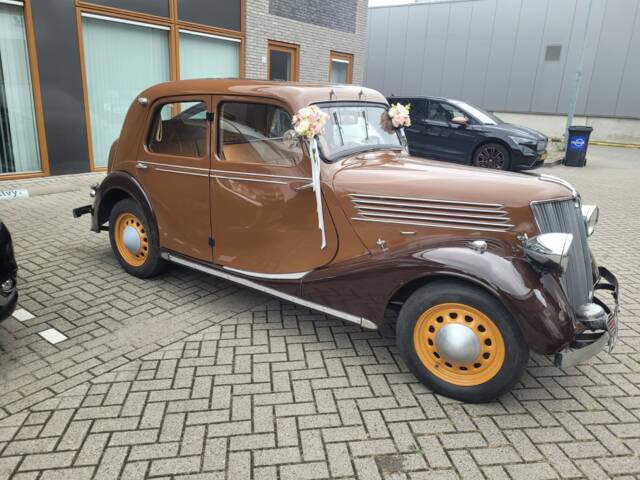
1936 | Renault Celtaquatre
French elegance from the pre-war era – a rare Renault Celtaquatre with character, style and presence

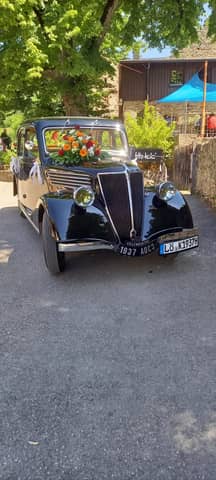
1936 | Renault Celtaquatre

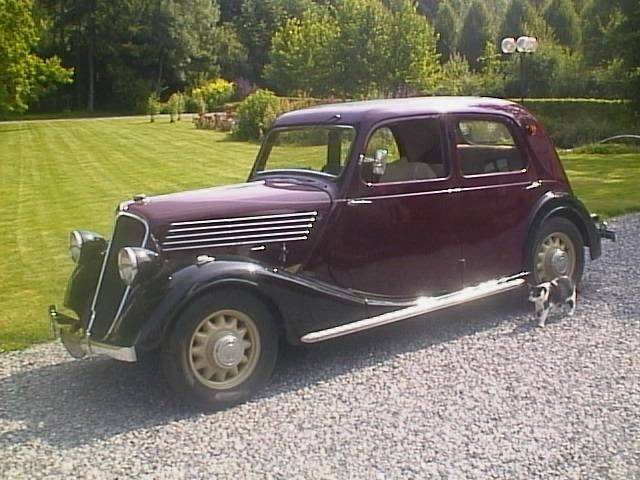
1936 | Renault Celtaquatre
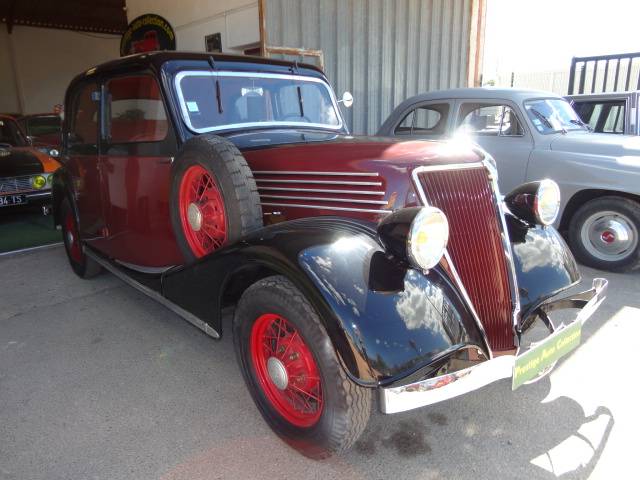
1936 | Renault Celtaquatre

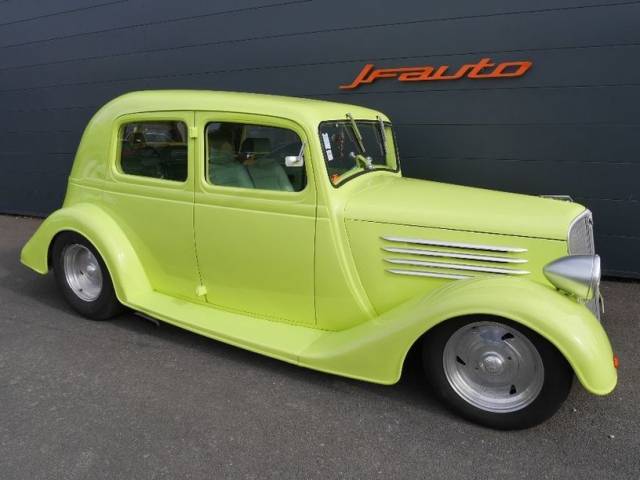
1936 | Renault Celtaquatre
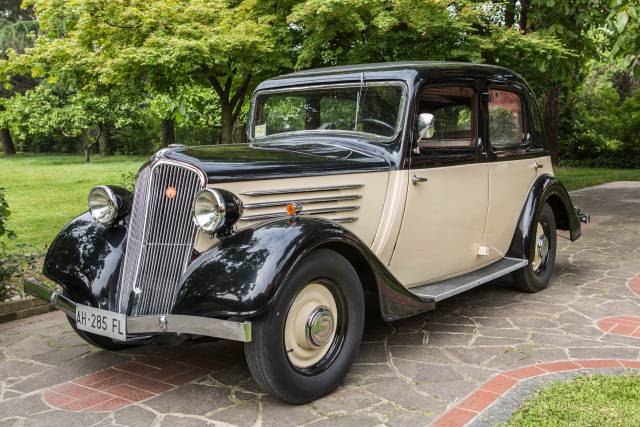
1937 | Renault Celtaquatre
Renault Celtaquatre

Create search alert
Let yourself be notified as soon as a listing is published that matches your search filters.
Create listing
Do you have a Renault Celtaquatre that you want to sell? Then create a listing now.
Create listingRenault Celtaquatre Classic Cars: Prices & Market Values
History of the Renault Celtaquatre
The Renault Celtaquatre made its debut in 1934, targeting families seeking practicality combined with a fresh, modern look. Its body line departed from the boxier forms common in Europe at the time, echoing the fluid, aerodynamic shapes seen in contemporary American vehicles. This ‘French-American’ crossover concept didn’t just help Renault stand out; it also encouraged other automakers to consider international trends when designing their own models. Production continued until 1938, with subtle changes to its aesthetic and technical base along the way.
Model History
The Celtaquatre followed Renault’s tradition of providing accessible cars for the middle class. It succeeded models like the Renault Monaquatre and preceded later family cars such as the Renault Juvaquatre. Each year, incremental improvements were implemented, particularly regarding bodywork and mechanical reliability, all while preserving its iconic rounded form.
Highlights of the Renault Celtaquatre
A defining highlight of the Celtaquatre is its streamlined, bulbous design—a significant break from its contemporaries. The nickname 'Celtaboule' reflects this unique visual identity. Unlike many of its rivals, the configuration focused on comfort and aesthetic innovation rather than solely on function or performance. For enthusiasts looking for something outside the norm of pre-war European saloons, the Celtaquatre’s American-inspired lines and approachable size set it apart.
Technical Data
Special Editions and Collectible Models
No specific special editions or officially recognised limited series related to the Celtaquatre are documented. All models share a similar technical basis, with only slight annual design or mechanical revisions distinguishing them.
Weak Spots and Common Issues
As with most pre-war vehicles, potential buyers should pay special attention to corrosion in the bodywork and underpinnings, as well as wear in mechanical components that are now nearly a century old. Spare parts for the Celtaquatre can be a challenge to source, given the relatively short production span and the passage of time since its manufacturing.
Engine and Performance, Transmission and Handling
The driving experience in a Renault Celtaquatre aligns with expectations for a 1930s compact saloon. The engine offered modest but reliable power for urban and rural roads, aided by a straightforward manual gearbox. Steering and suspension systems were built for comfort instead of outright dynamic performance, making this car best enjoyed at a leisurely pace.
Popular Model:
- Standard Celtaquatre Saloon: Typical for its period—a rear-wheel drive, four-door body and naturally aspirated petrol engine. undefined
Interior, Comfort, Exterior and Design
Exterior design is defined by pronounced fenders, smooth curves and a short, compact bonnet. The interior followed a functional approach with clear instrumentation and basic seating. Accessories and special equipment were limited, typical for a mass-produced 1930s family car. The most distinctive accessory: the elegant Renault diamond on the bonnet. The most memorable design feature remains the curvaceous bodywork, which was quite contemporary for the pre-war era.
Other Noteworthy Features
The Renault Celtaquatre’s blend of French practical engineering with nods to international design trends gives it a particular place in classic car circles. Its cultural significance lies in Renault’s willingness to cross aesthetic frontiers—and its continued appeal comes from both its rarity and story.
Summary
The Renault Celtaquatre, produced between 1934 and 1938, represents one of Renault's early forays into streamlined automotive design. Its American-influenced styling, compact dimensions and practical engineering continue to attract enthusiasts focused on the uniqueness of pre-war European vehicles. While sourcing parts may require effort, the unmistakable appearance and historical relevance of the Celtaquatre make it an engaging pick for dedicated collectors and historians alike.