Renault Caravelle classic cars for sale
The Renault Caravelle stands out as a rear-engine convertible and coupé, designed by Pietro Frua for Renault and produced from 1958 to 1968. Known for its elegant lines, the Caravelle is a rare glimpse into French automotive interpretation of affordable sportiness, blending practical elements like a front luggage compartment with a distinct vacation flair.
Search results
Currently, there are no matching listings for your search.
Create search alert
Let yourself be notified as soon as a listing is published that matches your search filters.
Create listing
Do you have a Renault Caravelle that you want to sell? Then create a listing now.
Create listingRenault Caravelle listing references from Classic Trader
Below you will find listings related to your search that are no longer available on Classic Trader. Use this information to gain insight into availability, value trends, and current pricing for a "Renault Caravelle" to make a more informed purchasing decision.
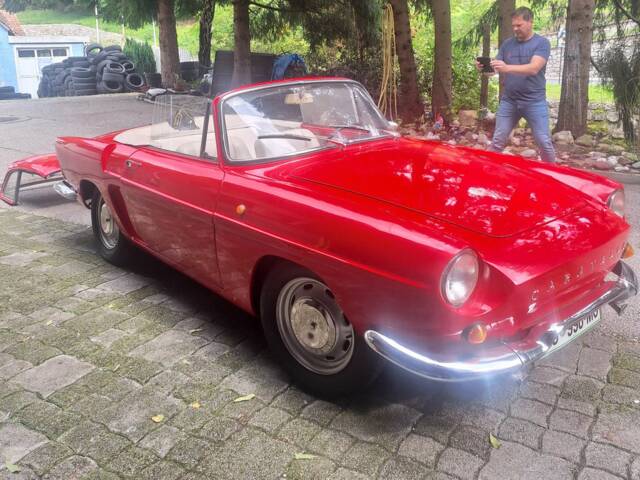
1963 | Renault Caravelle S
Renault Caravelle | 1963 | Route 66 Auctions - For sale by auction. Estimate 4500 EUR

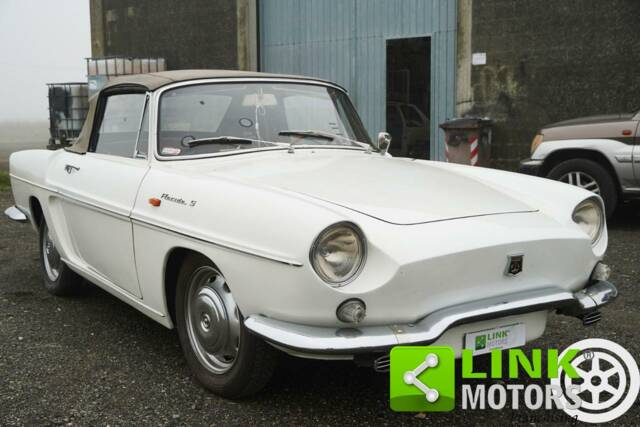
1962 | Renault Caravelle S
RENAULT Floride S Cabriolet - 1962 - TARGA ORO ASI

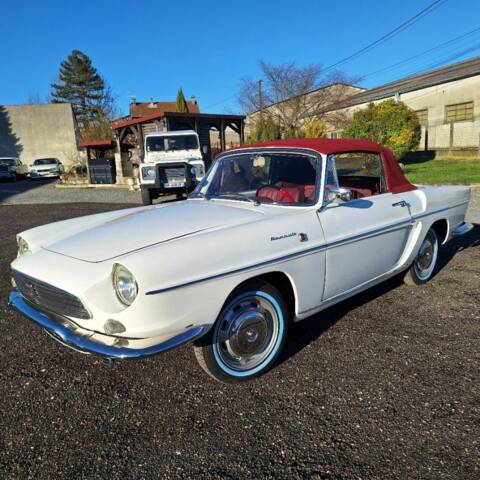
1963 | Renault Caravelle S

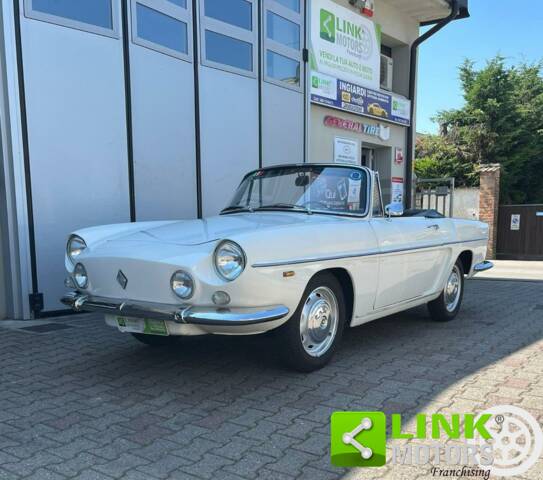
1964 | Renault Caravelle S
RENAULT Floride ASI
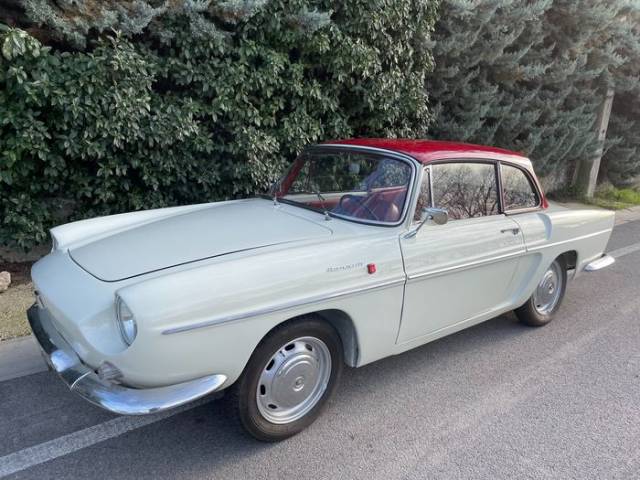
1962 | Renault Caravelle S
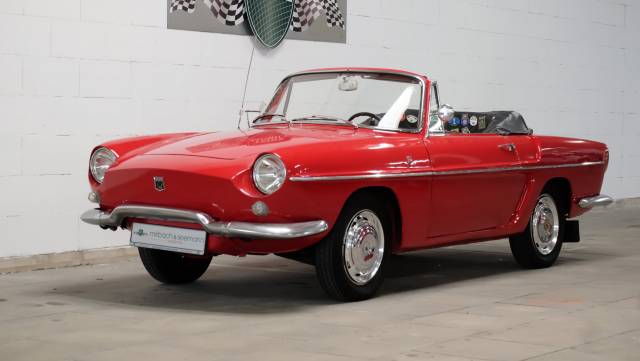
1963 | Renault Caravelle S
Floride

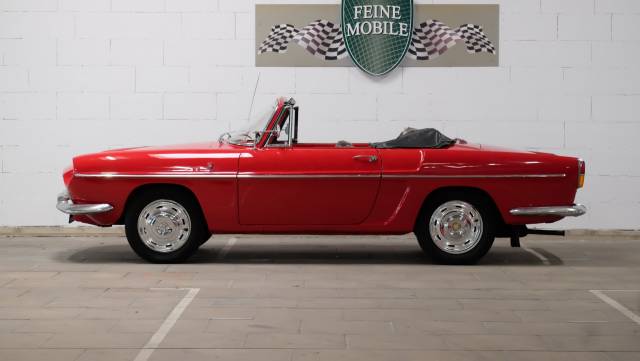
1963 | Renault Caravelle S
Floride S
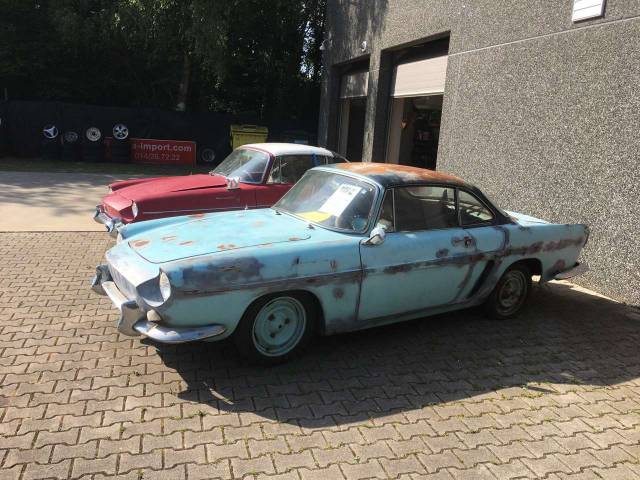
1963 | Renault Caravelle S
Renault

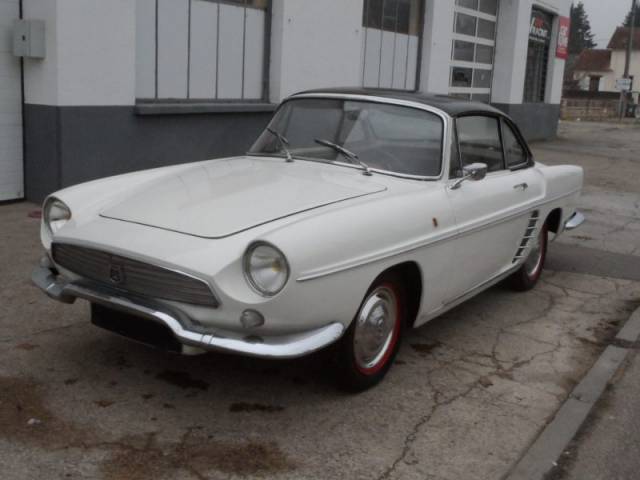
1961 | Renault Caravelle
Boite 4 vitesses
Create search alert
Let yourself be notified as soon as a listing is published that matches your search filters.
Create listing
Do you have a Renault Caravelle that you want to sell? Then create a listing now.
Create listingRenault Caravelle Classic Cars: Prices & Market Values
History of the Renault Caravelle
Introduced in 1958 as the Renault Floride and later known as the Caravelle, the model emerged from a desire to create a medium-segment convertible refined enough for European tastes and attractive to the American market. Renault engaged designer Pietro Frua from Carrozzeria Ghia for the project. Aimed at evoking a sense of leisure and fashion, the Caravelle immediately caught attention at the 1959 Paris Motor Show. Despite celebrity endorsements, such as Brigitte Bardot’s purchase, its journey reflected Renault’s ongoing effort to balance elegance with accessible motoring in a climate favouring both style and usability.
Model History
The Caravelle built on the Renault Dauphine’s floorpan and engine, inheriting a rear-mounted engine layout. The model underwent continuous improvements with its variations offered as coupé, cabriolet, and spider, adapting to different markets under names like Floride in the US. The Caravelle remained in production for a decade, with no direct predecessor and eventually yielding to Renault’s continued work on more mainstream models rather than a specific sports successor. During its lifecycle, the Caravelle experienced several technical updates and refinement rounds to maintain appeal in a dynamic market.
Highlights and Features of the Renault Caravelle
Distinctive features of the Renault Caravelle include its clean, flowing bodywork and the practicality of a front luggage compartment, compensating for the rear-mounted engine. Its recognisable round headlights and the airy experience with the roof down define its charm. With a focus on driving enjoyment at moderate speeds and a balanced compromise between looks and functionality, the Caravelle attracted drivers seeking an affordable, stylish convertible.
Technical Data
Special Editions and Collectible Models
Throughout its run, the Caravelle was available in both coupé and cabriolet forms, with notable differences in trim and roof mechanism. Early Floride models and later Caravelle variants can sometimes be distinguished by unique edition features or commemorative trims, especially models featuring enhanced interior materials or limited colour schemes made for specific markets or exhibitions.
Engine and Performance, Transmission and Handling
The Caravelle’s rear-mounted engine, borrowed from the Dauphine, delivered moderate performance, aligning with its positioning as a stylish cruiser rather than a pure sports car. The lightweight body, paired with a manual gearbox, offered an agile, if not high-powered, driving experience. Handling was tuned for relaxed, enjoyable drives rather than aggressive cornering. Period updates aimed to address performance and reliability expectations without departing from the original concept. Popular variants to consider include the cabriolet versions featuring the later engine upgrades and improved trim, as these refinements enhanced the overall driving experience without significantly compromising the car's charming character.
Interior, Comfort, Exterior and Design
Styled by Pietro Frua at Carrozzeria Ghia, the Caravelle’s design features slender chrome bumpers, minimalistic dashboards, and upholstery choices reflecting late-1950s and early-1960s tastes. Exterior paint colours ranged from classic French hues to market-specific shades, with special attention to convertible roof mechanisms for the cabriolet. Accessories and optional equipment included luggage racks and period-correct radios, contributing to its leisure-oriented appeal. The model’s aesthetic speaks to its role as a vacation-coupe: sophisticated without being overengineered.
Summary
The Renault Caravelle embodies Renault’s vision of an affordable, elegant convertible for a wide audience, merging French design flair with everyday practicality. Rare on today’s roads, the Caravelle appeals to enthusiasts valuing its period styling, uncomplicated mechanics, and unique status as a rear-engined French sportscar.