Plymouth Satellite classic cars for sale
The Plymouth Satellite, introduced in 1965 as the top trim of the Belvedere series, stands for classic American muscle in a distinctive design. Available as a coupé or convertible, these mid-size Mopar classics feature V8 engines, period-correct interiors, and a range of rare special editions. Discover carefully maintained or professionally restored examples from several generations and find the right Satellite for connoisseurs of US automotive history.
Search results
Currently, there are no matching listings for your search.
Create search alert
Let yourself be notified as soon as a listing is published that matches your search filters.
Create listing
Do you have a Plymouth Satellite that you want to sell? Then create a listing now.
Create listingPlymouth Satellite listing references from Classic Trader
Below you will find listings related to your search that are no longer available on Classic Trader. Use this information to gain insight into availability, value trends, and current pricing for a "Plymouth Satellite" to make a more informed purchasing decision.
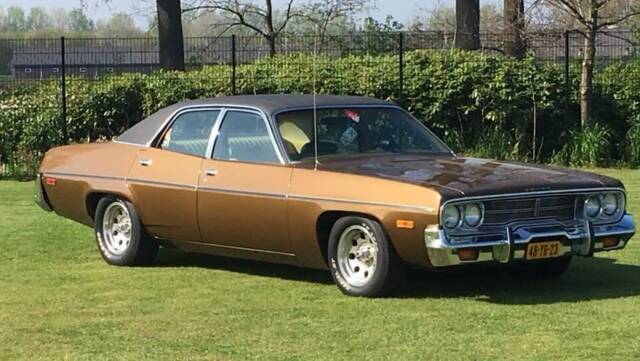
1974 | Plymouth Satellite
Plymouth Satellite | 1974 - For sale by auction. Estimate 20500 EUR

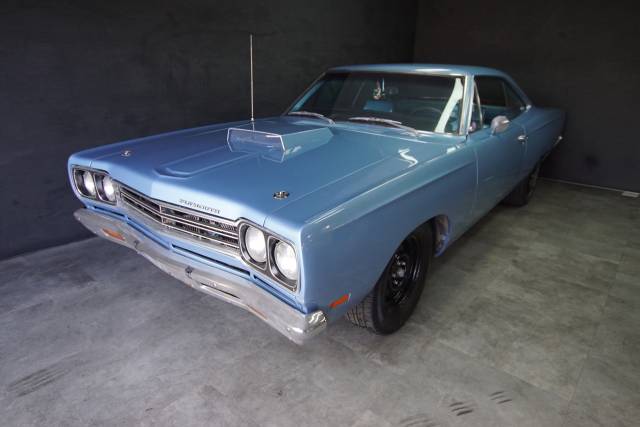
1969 | Plymouth Satellite
Plymouth SATELLITE V8 AUTOMATIC
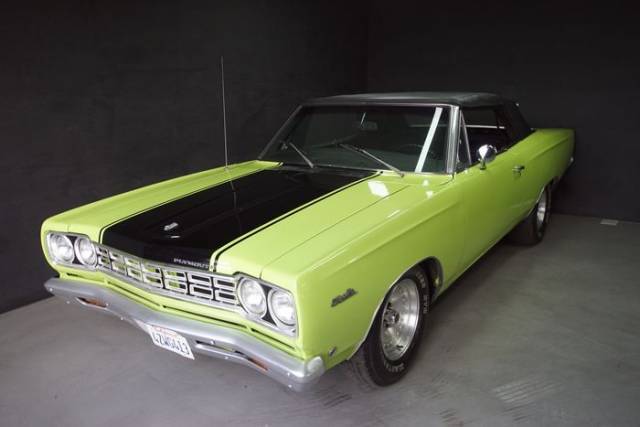
1968 | Plymouth Satellite
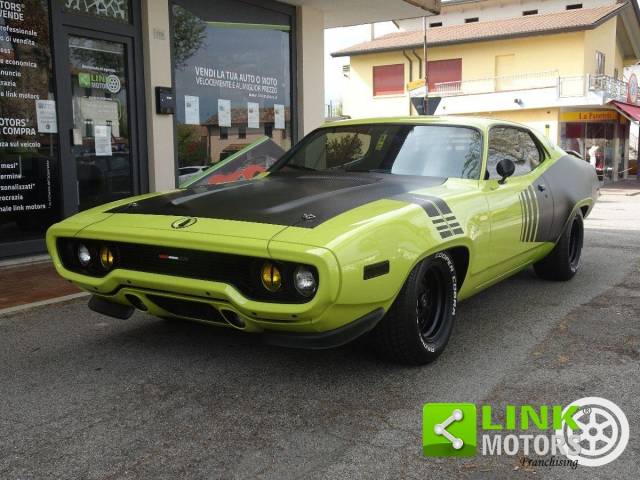
1971 | Plymouth Satellite Sebring 318
Plymouth SATELLITE SEBRING

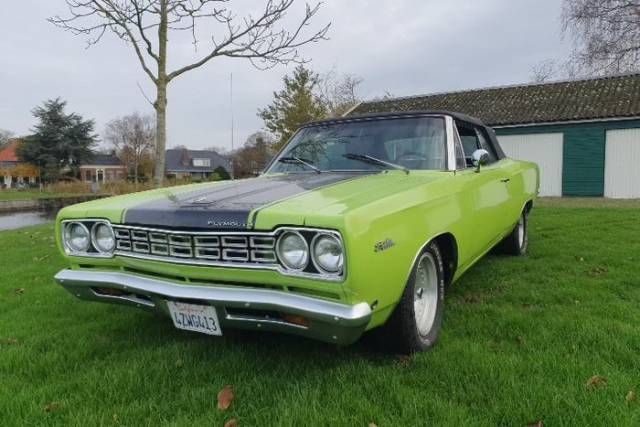
1968 | Plymouth Satellite
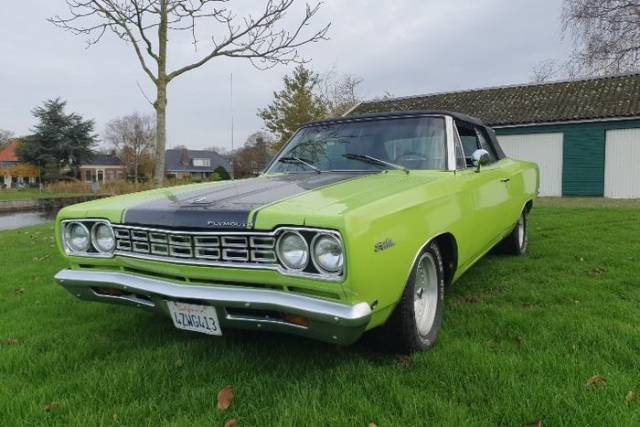
1968 | Plymouth Satellite
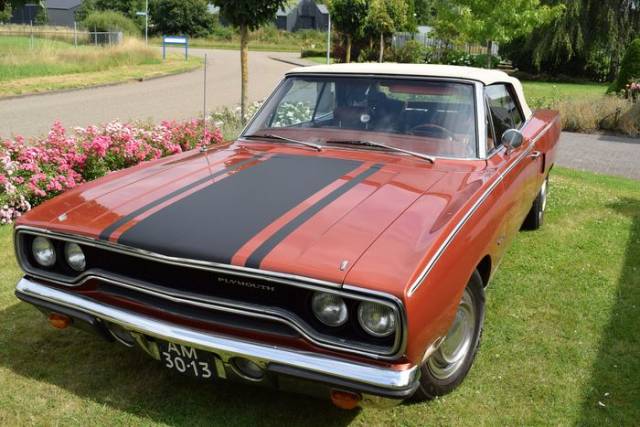
1970 | Plymouth Satellite
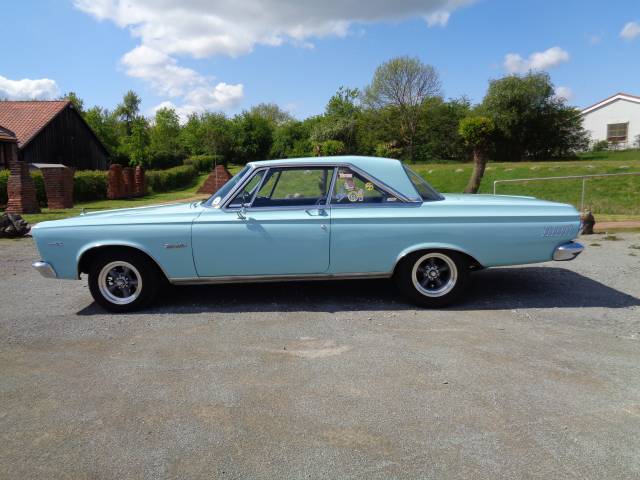
1965 | Plymouth Satellite
440 cui/ Scheibenbremse

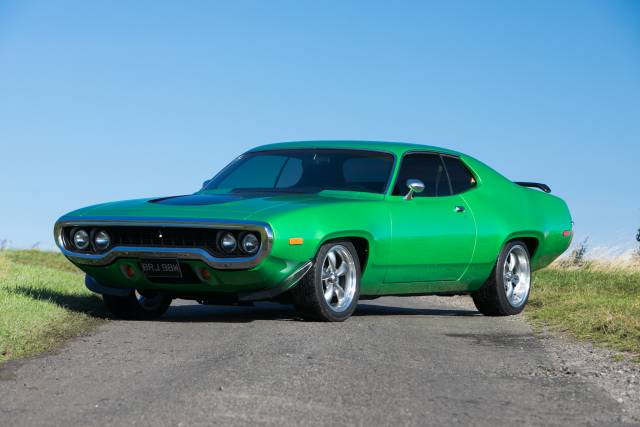
1972 | Plymouth Satellite
Classic Motor Show Sale 2019 – November 8 -10, Estimate: £25000 - £30000

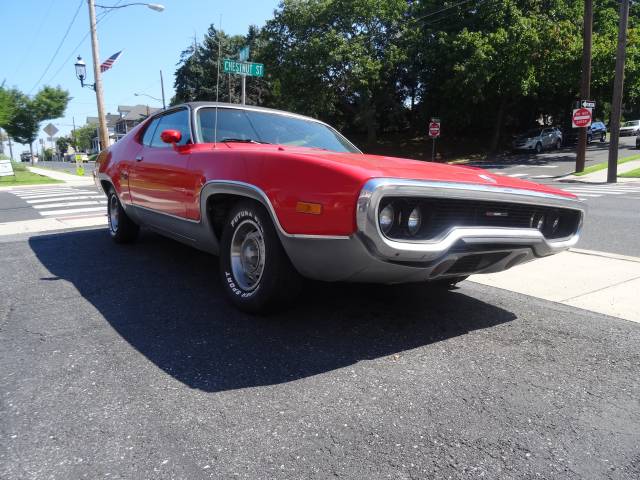
1972 | Plymouth Satellite
PLYMOUTH Satellite Sebring plus 1972

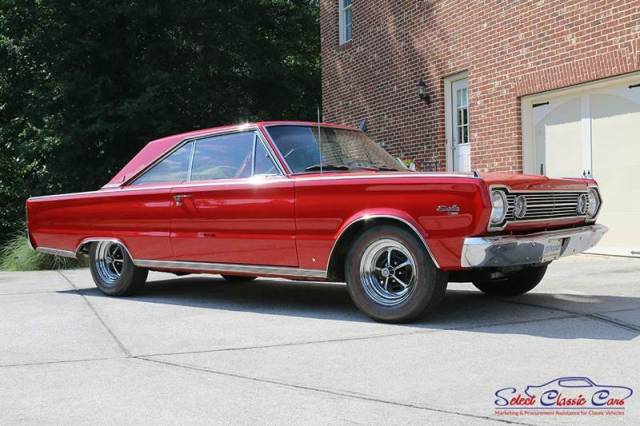
1966 | Plymouth Satellite
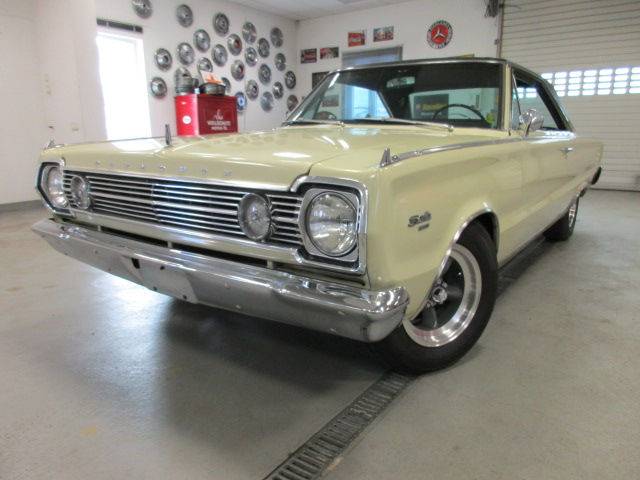
1966 | Plymouth Satellite
Satellite Hardtop Coupé, Top Zustand,Tüv/H-Zul.
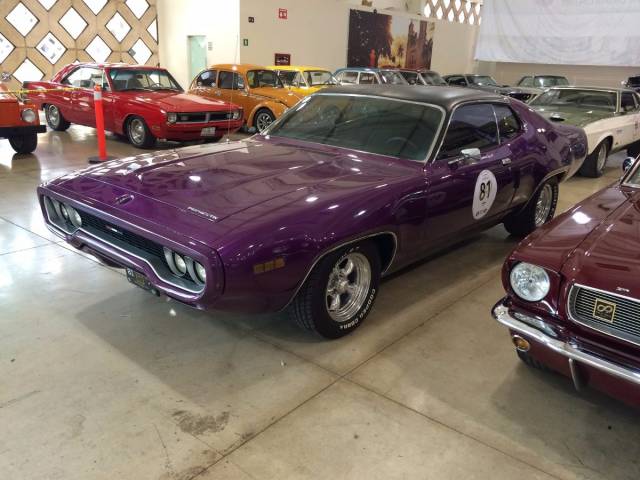
1970 | Plymouth Satellite
Moteur V8 360ci entièrement refait.
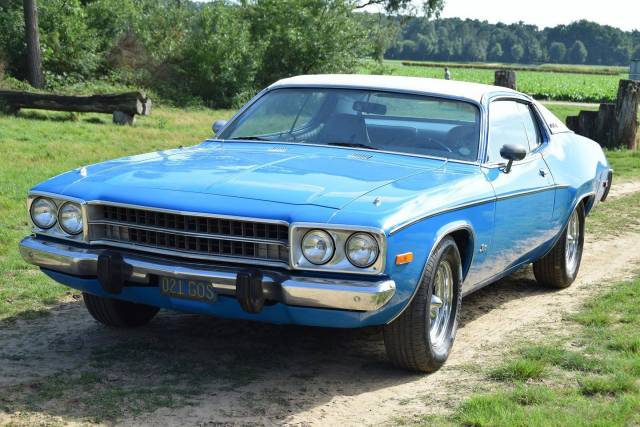
1973 | Plymouth Satellite
S betrifft eine seltene Satellite Sebring Plus Edition mit Sonderausstatting
Create search alert
Let yourself be notified as soon as a listing is published that matches your search filters.
Create listing
Do you have a Plymouth Satellite that you want to sell? Then create a listing now.
Create listingPlymouth Satellite Classic Cars: Prices & Market Values
History of the Plymouth Satellite
The Plymouth Satellite made its debut in 1965 as the flagship model of the mid-size Belvedere range, targeting buyers looking for a well-equipped and eye-catching American coupe or convertible. Up to 1967, the Satellite held its place as the premium B-body offering from Plymouth before the introduction of the higher-spec GTX. With Chrysler introducing a redesigned Fury on the C-platform, the Belvedere—and consequently the Satellite—solidified its place in the increasingly competitive mid-size segment. Over a production span from 1965 to 1974, the Satellite evolved through various facelifts, adapting both in style and technical innovations. By 1975, the Satellite name was replaced by Fury, marking the end of an era for this Mopar classic.
Model History
Three primary generations define the Plymouth Satellite’s model history:
- First Generation (1965–1967): Focused on hardtop and convertible formats, featuring the signature single headlamps and clean lines typical of the era.
- Second Generation (1968–1970): Expanded to include four-door sedans and station wagons. Notably, the Sport Satellite trim with additional comfort features made its debut during this period. The Satellite also served as the basis for the performance-oriented Road Runner.
- Third Generation (1971–1974): Marked by a radical redesign with a fuselage-style body, curved lines, and a shift towards more angular forms in the later years. The popular Sebring and Sebring Plus trims and wood-trimmed Regent wagons gained prominence. In 1975, the Satellite transformed into the Plymouth Fury, but its character remains unmatched.
The Satellite’s model lineage is a prime example of how Plymouth adapted to changing tastes and regulatory requirements during the 1960s and 1970s.
Highlights of the Plymouth Satellite
- Offered in two-door hardtop, convertible, four-door sedan, and station wagon variants
- V8 engine options (including the 318, 4.5L, and early Street Hemi)
- Period-correct details such as bucket seats, centre consoles, and rare original interiors
- Factory options: air conditioning, power steering, power brakes, electric soft tops, color-tinted windows
- Noteworthy for limited runs: some models saw only 701 units produced, with special derivatives as few as 100 units
- Notable technical options: dual stainless steel exhaust, reinforced frames, LPG conversions
- Colour, trim and wheel options (from Centerline wheels to period-correct chrome and even dragster tires)
- Electric upgrades possible (USB, radio, custom sound systems, optional gauges)
- Rich history as a film car (e.g. appearance in 'Zwei außer Rand und Band' in 1977)
Technical Data
Special Editions and Collectible Models
Uniquely, some Satellite models were produced as limited editions—certain versions being limited to just 701 examples worldwide, with even rarer offshoots down to 100 units. The Sport Satellite trim (1968–1970) stands out for its enhanced equipment level. Regent wagons with woodgrain details and Sebring/Sebring Plus models offered distinct identities within the range. These versions are particularly valued by knowledgeable collectors for their rarity and specification diversity.
Weak Spots and Common Issues
Rust is the most critical weak spot for B-body Mopars of this age, including the Satellite. American steel bodywork, especially sills and underbody, is susceptible unless previously restored or protected. Mechanical components such as automatic gearboxes, steering and brake systems often require frequent attention, but parts remain relatively accessible via Mopar. Well-maintained interiors retain originality and value; however, professional retrimming is common on high-usage specimens. Vehicles with reinforced drivetrains or chassis require inspection for non-factory modifications. Look for original exhausts, matching numbers, and comprehensive documentation—many cars have rich histories which significantly affect long-term value and peace of mind.
Engine and Performance, Transmission and Handling
Most Satellite models on offer feature robust 318 V8 engines, known for their smooth torque delivery and reliability. Early series included A-engines from 4.5 to 5.2 litres; the Street Hemi delivers 173 kW, with later 4.5L blocks reaching up to 202 kW, while the 5.2L variant trades ultimate power for ease of use. Automatic gearboxes predominate, offering relaxed cruising, while variants with improved suspension and brake packages provide a balanced, comfortable ride for a classically proportioned US car. Handling is further aided by power steering and power brakes—standard on many cars due to the Satellite's premium positioning.
- 1968 Plymouth Satellite Convertible: 318 V8, automatic, power top, rare production volume
- Plymouth Sport Satellite: upgraded trim, additional equipment
- Regent Wagon: station wagon with wood trim, spacious interior
- Sebring/Sebring Plus: two-door coupes renowned for their style and comfort
Interior, Comfort, Exterior and Design
Plymouth Satellite vehicles exhibit a unique blend of American styling — early generations feature single headlamps and minimalist shapes; 1971’s redesign introduces flowing fuselage lines, with looping front bumpers and revised grilles, echoing contemporary Chrysler styling cues. Station wagons like the Regent received decorative wooden side trim, while Sebring/Sebring Plus coupes boasted sporty details. Period paintwork included bold metallic tones and greens, complemented by chromed Centerline or factory wheels. Interiors were furnished with authentic leather or period-correct fabrics, featuring bucket seats, centre consoles, and possible luxury extras like air conditioning, power accessories and colour-tinted glass. Modern enhancements may include high-end sound systems, USB connectivity, and retrimmed seats or dashboards, often to a high standard for show or regular use.
Other Information
Many Satellites offered for sale are exempt from routine roadworthiness inspections or vehicle tax due to their historic status. Owners value original or extensively documented service histories, professional restoration work—including specialist oil service with classic-specific lubricants—and options like additional instrumentation, safety belts, blue-tinted windscreens, and dual exhausts. Parts remain accessible through Mopar channels, translating to reasonable maintenance even as the model passes into classic status. Smoke-free interiors and well-cared-for cabin trims are frequently highlighted.
Summary
The Plymouth Satellite stands as one of the best-represented and most sought-after Plymouths on the classic car market today, especially on Classic Trader listings. Available as convertible, coupe, sedan, and wagon in varied technical and specification combinations, the Satellite remains a favourite due to its blend of Mopar muscle, distinct design evolution, and rich optional equipment. From rare special editions to tastefully restored driver-quality cars, the Satellite offers a compelling entry or addition to any US classic collection.