Plymouth Concord classic cars for sale
The Plymouth Concord, built from 1951 to 1952, stands as Plymouth’s affordable post-war full-size model. With straightforward design and useful variations such as the sedan, coupé, and two-door station wagon, the Concord appeals to those seeking genuine American automotive character from the early 1950s.
Suchergebnisse
Zur Zeit sind keine passenden Inserate zu Ihrer Suche veröffentlicht.
Create search alert
Let yourself be notified as soon as a listing is published that matches your search filters.
Create listing
Do you have a Plymouth Concord that you want to sell? Then create a listing now.
Create listingPlymouth Concord listing references from Classic Trader
Below you will find listings related to your search that are no longer available on Classic Trader. Use this information to gain insight into availability, value trends, and current pricing for a "Plymouth Concord" to make a more informed purchasing decision.
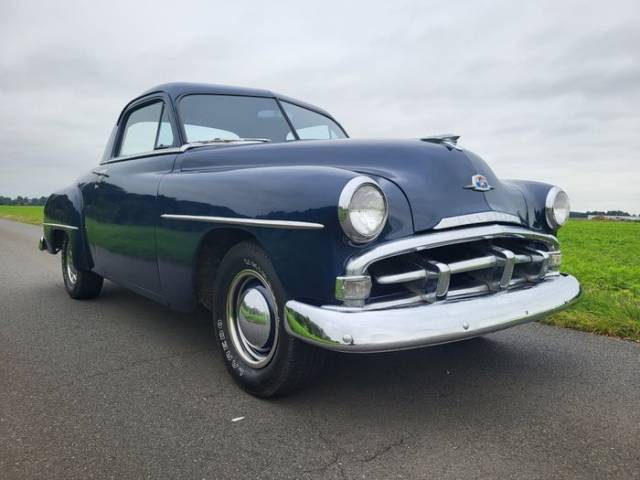
1951 | Plymouth Concord
Plymouth - Concord Businessman Coupe - 1951
Create search alert
Let yourself be notified as soon as a listing is published that matches your search filters.
Create listing
Do you have a Plymouth Concord that you want to sell? Then create a listing now.
Create listingPlymouth Concord Classic Cars: Prices & Market Values
History of the Plymouth Concord
The Plymouth Concord was launched right after the Second World War, at a time when American car production was picking up pace again. Introduced in 1951 as the most accessible offering from Plymouth, the Concord replaced the Deluxe in the lineup. Its role was to provide reliable full-size transportation at a lower entry point, making it an important model for typical American families of the era. Production ended in 1952, with the Plymouth Plaza taking its place in subsequent years.
Model History
The Concord succeeded the Plymouth Deluxe and maintained the brand’s tradition of solid, unpretentious automobiles. During its brief production window of 1951–1952, the model was available in three main body styles: two-door sedan, two-door coupé, and a two-door station wagon. For the wagon, buyers could opt for the Savoy trim with enhanced interior comfort. By mid-1950s, Plymouth retired the Concord name, shifting focus to the Plaza model range.
Highlights of the Plymouth Concord
Available in sedan, coupé, and station wagon variants, the Concord was recognised for its practical, honest approach to full-size motoring. The station wagon could be specified with the Savoy package, bringing in upgraded interior fittings and improved chrome detailing. For 1952, the Concord gained subtle updates, including new hood ornamentation, badges, and—later in the model year—optional electric overdrive for the manual transmission. The Concord also holds a special spot in film history, making appearances in classics like “Corruzione nella città” (1959) and “G-Men della V squadra” (1958).
Technical Data
Special Editions and Collectible Models
The station wagon could be ordered with an extra 'Savoy' specification, which offered better upholstery, armrests, extra storage compartments and additional chrome trim around the windows. No other limited or exclusive editions have been documented for the Concord during its production run.
Engine and Performance, Transmission and Handling
Fitted with a 3.6-litre inline-six engine and a manual transmission, the Concord offered a straightforward driving experience. The later addition of optional electric overdrive (for models produced after mid-1952) allowed for improved cruising comfort on highways, provided the car had a manual gearbox. The model was not available with an automatic transmission. Its relatively hefty weight contributed to a stately, composed ride, typical of early 1950s American full-size cars. Handling was attuned for comfort and straight-line stability over twisty agility. Sedan, coupé and especially the station wagon with Savoy trim stand out due to their additional equipment and improved interior design.
Interior, Comfort, Exterior and Design
Like most full-size American cars of its era, the Concord favoured restraint and function in its design. The general styling carried forward Plymouth’s late-1940s vocabulary, with modest chrome details and practical proportions. The Savoy trim for the station wagon provided enhancements such as better upholstery, armrests, storage bins, and extra chrome on the window frames. Individual colour codes and materials were driven by Plymouth’s offerings at the time, and the overall feel prioritised usability over ostentation—an approach reflected in the subdued dash layout and durable seat coverings.
Other Noteworthy Features
The Concord’s name references Concord, Massachusetts—linking it to American geographical heritage, just like Plymouth itself. While AMC later used 'Concord' for a separate series decades later, and Chrysler returned to the name in modified form (Concorde), the original Plymouth Concord remains unique to the early 1950s landscape.
Summary
Produced from 1951 to 1952, the Plymouth Concord represents accessible, honest American full-size motoring in the immediate post-war era. Available as sedan, coupé, and practical station wagon—with an enhanced Savoy station wagon variant—the Concord featured robust straight-six power and characteristic period design. With 100% of current supply and demand in this segment focused on the Concord, it continues to capture attention among enthusiasts seeking authentic, early 1950s U.S. automotive engineering.