MG D-Type Classic Cars for Sale
The MG D-Type, built from 1931 to 1932, embodies the sporting ambitions of its era in compact, four-seat form. Fitted with the chassis of the C-Type and powered by a small yet advanced overhead cam four-cylinder engine, the D-Type stands out not for speed, but for rarity and its place in MG's rich sports car heritage.
Search results
Currently, there are no matching listings for your search.
Create search alert
Let yourself be notified as soon as a listing is published that matches your search filters.
Create listing
Do you have a MG D-Type that you want to sell? Then create a listing now.
Create listingMG D-Type listing references from Classic Trader
Below you will find listings related to your search that are no longer available on Classic Trader. Use this information to gain insight into availability, value trends, and current pricing for a "MG D-Type" to make a more informed purchasing decision.
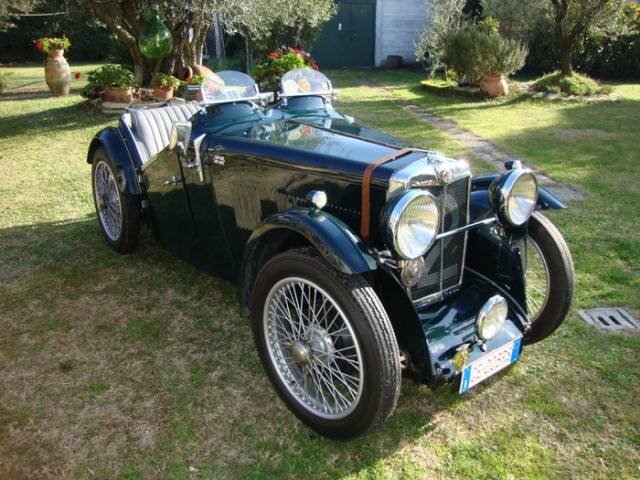
1931 | MG D-Type Midget
MG - D Type - 1931

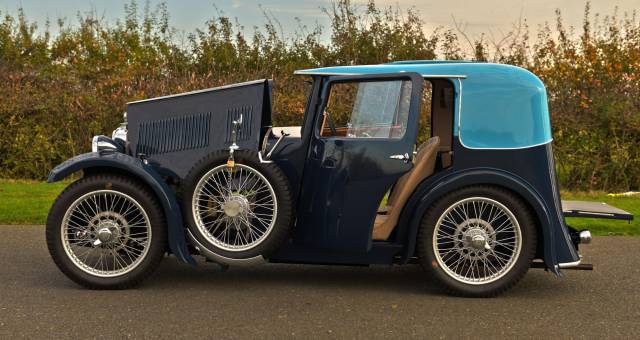
1932 | MG D-Type Midget

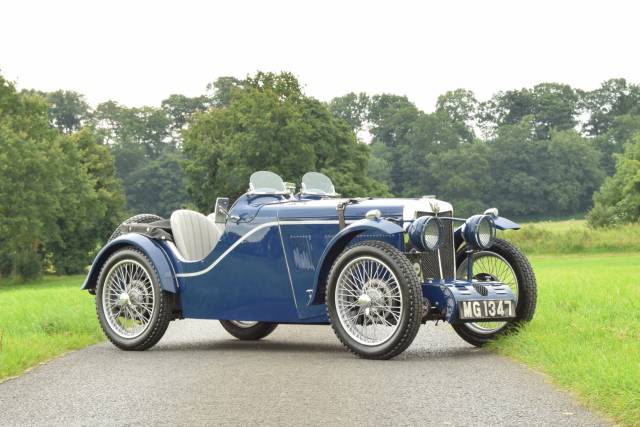
1931 | MG D-Type Midget
Supercharged 2 seater D Type..
Create search alert
Let yourself be notified as soon as a listing is published that matches your search filters.
Create listing
Do you have a MG D-Type that you want to sell? Then create a listing now.
Create listingMG D-Type Classic Cars: Prices & Market Values
History of the MG D-Type
The MG D-Type Midget was produced between 1931 and 1932, launched alongside the MG C-Type Midget and using the same chassis. It followed the MG M-Type Midget and inherited its 847cc overhead cam inline four-cylinder engine, delivering 20 kW at 4,500 rpm. The three-speed transmission sent power to the rear wheels, typical for MG sports cars of the early 1930s. Only available as a four-seater, the D-Type was among MG's slower models, with a top speed of 96 km/h, partly due to its greater weight. The wheelbase was initially 2,134 mm, later increased to 2,184 mm, and only about 250 units left the Abingdon factory. Despite limited success when new—largely due to more powerful contemporary models—the D-Type holds a special place among pre-war MGs for its construction and rarity.
Model History – The MG D-Type Lineage
The D-Type fits into the 'Triple M' family of MGs—Midget, Magna, and Magnette. It succeeded the MG M-Type and shared key components with the C-Type, such as chassis and bodywork. The D-Type initially came only with a three-speed gearbox, later optionally fitted with a four-speed unit in some cars. Over time, many D-Type cars received bodywork changes—often due to restoration needs—with two-seat 'Slab Tank' styles and even replica body conversions common today. Successors to the D-Type include more advanced and powerful MG sports cars as the marque's focus shifted toward performance, leaving the D-Type as a niche, four-place option in their sporting line-up.
Distinctive Features and Market Overview
The D-Type stands out through its four-seat coachwork—unusual for sporting MGs of the period—and use of an OHC four-cylinder engine adapted from the earlier M-Type. Many vehicles saw later upgrades, including installation of a supercharger beneath the bonnet, hydraulic brakes replacing original 13" mechanical drums, and conversions to four-speed gearboxes for improved drivability. Because only around 250 D-Types were made and even fewer remain in genuinely original specification, this model is a rare sight at auction. Some originals have become base vehicles for popular C-Type replicas or other rebuilds. For enthusiasts, the D-Type represents a pure taste of early-1930s MG engineering, particularly in its original configuration.
Technical Data
Special Editions and Collectible Variants
Though originally only offered as a standard four-seat tourer, the D-Type range today features significant variation owing to decades of restoration and modification. Notably, cars converted to 'Slab Tank' two-seaters, or fully rebuilt as C-Type replicas, are particularly recognised within enthusiast circles. Authenticity varies: examples retaining their original bodywork and mechanicals are rare and highly regarded among collectors.
Engine, Performance, Transmission and Handling
With its 847cc OHC engine and stock three-speed gearbox, the MG D-Type's factory performance ranked below that of MG's more competition-focused models. Many were later fitted with modern four-speed transmissions from the Morris range, making gear changes smoother and reducing strain at higher speeds. The supercharged variants, fitted by enthusiasts, help the D-Type keep pace in modern traffic without overstressing its compact engine. Owners further benefit from hydraulic brake upgrades, which provide substantially better stopping power than the original mechanical setup. The tubular ladder frame construction with cross-braces ensures rigidity, but compared to contemporary MGs, the D-Type was heavier and consequently less agile. - D-Type original four-seater, unmodified
- D-Type fitted with 'Slab Tank' two-seat coachwork
- D-Type with period or later supercharger installation
- D-Type conversions with four-speed gearboxes
Interior, Comfort, Exterior and Design
The bodywork mimics the C-Type but with a four-seat configuration, underlining its practical aspiration compared to MG's full-blooded competition cars. D-Types constructed with original coachwork are unmistakable, featuring slender tubular frames, flowing wings and period details typical of early 1930s British sports cars. Cars rebuilt as 'Slab Tank' variants or C-Type replicas show clear deviation from factory style. Interiors are basic, in keeping with the lightweight philosophy, often retrimmed during restorations and sometimes updated for comfort. Special colours are rare, with most finished in period-correct hues such as red, green, or black. Accessories and equipment vary greatly due to the bespoke nature of many surviving MG D-Type examples.
Other Notable Features
Most D-Types seen today reflect a myriad of restoration philosophies: from strict originality to creative upgrades for usability. Many feature modernised mechanicals—especially clutch and crank upgrades—reflecting the need to keep these cars viable for contemporary driving conditions. Factory authenticity, when present, substantially increases both value and interest among dedicated MG collectors.
Summary
The MG D-Type stands as a rare chapter in MG's motorsport-inspired family of early 1930s cars. Although performance was modest from new, its combination of tubular chassis, sporting design and the pioneering use of an OHC engine make it an important car for enthusiasts. Original cars with period-correct specification, especially those avoiding conversion to replicas, represent a unique—and increasingly rare—opportunity for collectors seeking something different from the usual MG line-up.