- Car
- Mercedes-Benz
- Mercedes-Benz S-Class
- Mercedes-Benz W 126 (40 offers)
Mercedes-Benz S-Class W 126 Classic Cars for Sale
The Mercedes-Benz S-Class W 126 represents the height of German automotive engineering from 1979 to 1991. Famed for exceptional build quality and advanced safety features, the W 126 boasts a long production cycle, a diverse engine lineup, and enduring comfort. Its understated design, conceived by Bruno Sacco, continues to impress with aerodynamics and attention to detail.
Search results
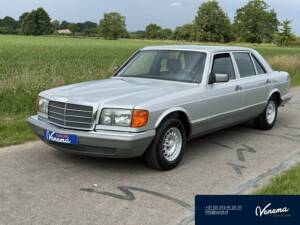
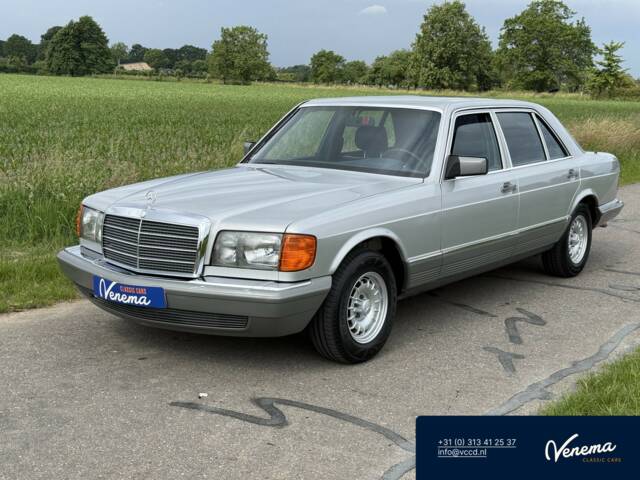
1985 | Mercedes-Benz 500 SEL
Mercedes-Benz S-klasse 500 SEL

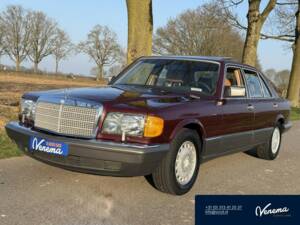
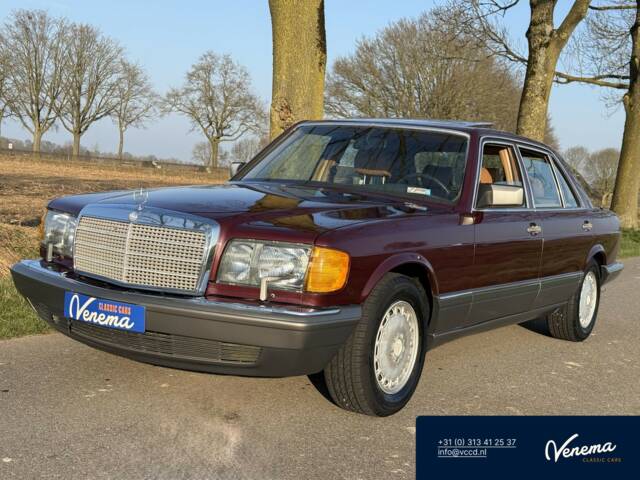
1987 | Mercedes-Benz 300 SDL
Mercedes-Benz S-klasse 300 SDL
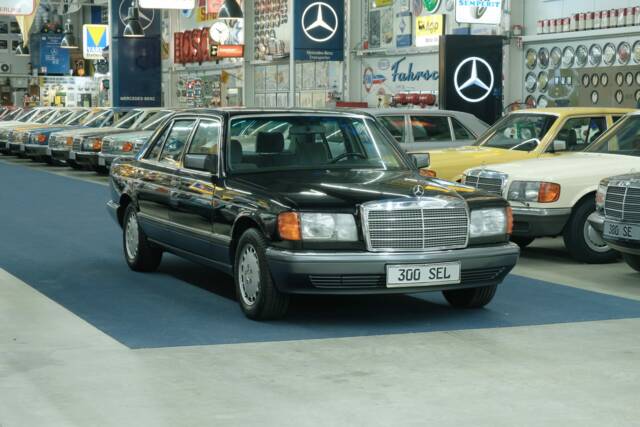
1991 | Mercedes-Benz 300 SEL
1991 Mercedes-Benz 300 SEL · schwarz · 208.000 km · Automatic · No reserve

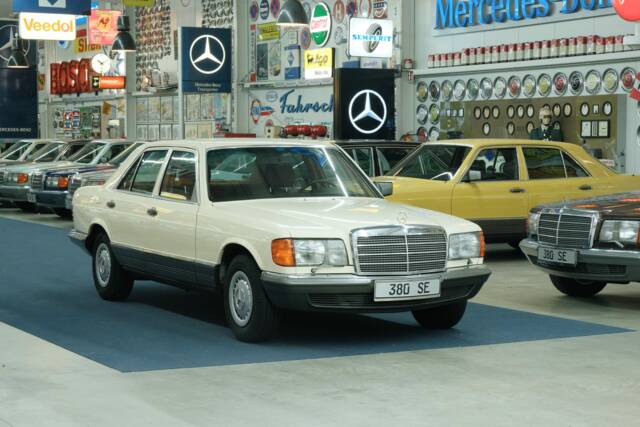
1980 | Mercedes-Benz 380 SE
1980 Mercedes-Benz 380 SE · hellelfenbein · 133.000 km · Automatic · No reserve
Newsletter
The best Mercedes-Benz listings, straight to your inbox
Get hand-picked Mercedes-Benz listings, plus the best of cars, motorbikes, and auctions on Classic Trader — all in one place.
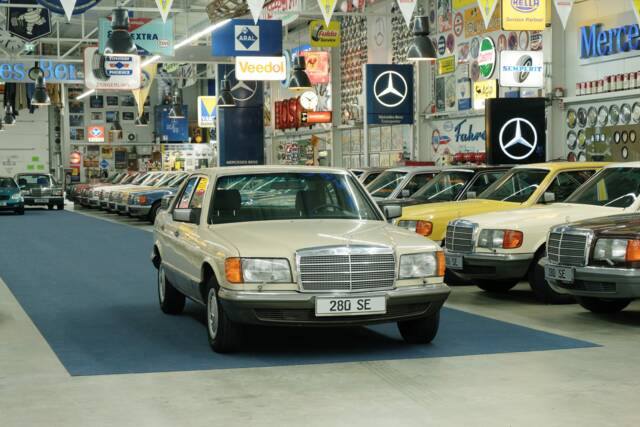
1984 | Mercedes-Benz 280 SE
1984 Mercedes-Benz 280 SE · taigabeige · 114.000 km · Automatic · No reserve
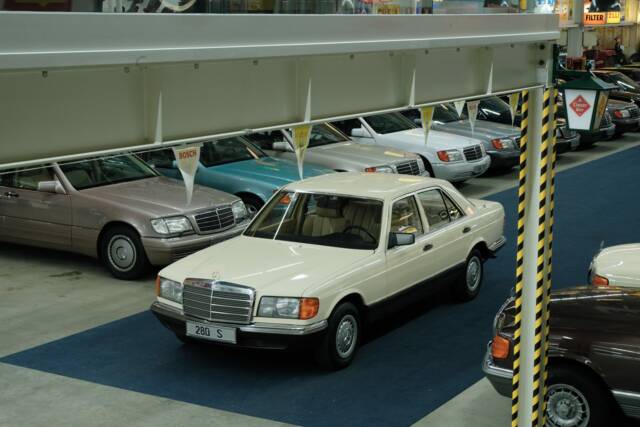
1982 | Mercedes-Benz 280 S
1982 Mercedes-Benz 280 S · hellelfenbein · 81.000 km · Manual · No reserve
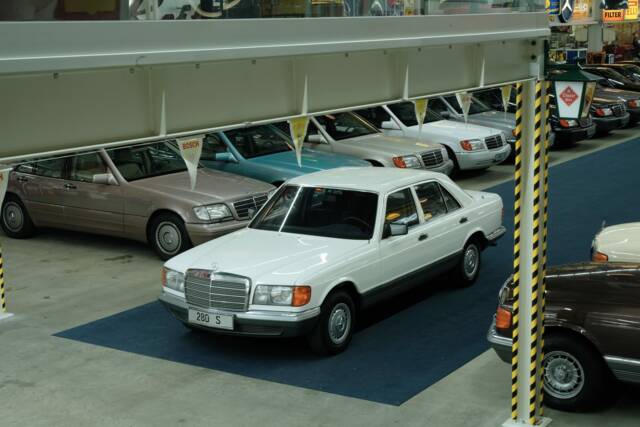
1981 | Mercedes-Benz 280 S
1981 Mercedes-Benz 280 S · classicweiß · 49.000 km · Automatic · No reserve
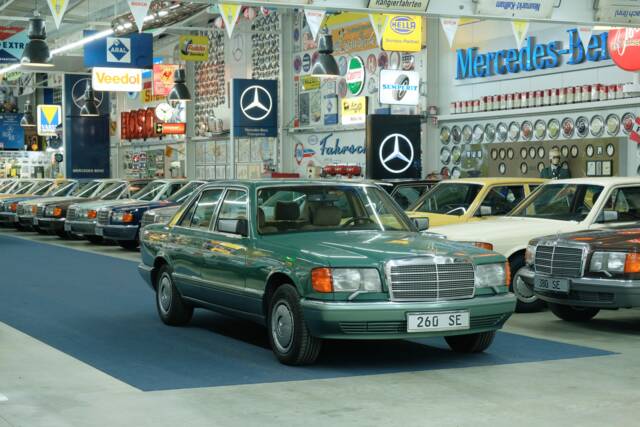
1990 | Mercedes-Benz 260 SE
1990 Mercedes-Benz 260 SE · achatgrün · 185.000 km · Manual · No reserve
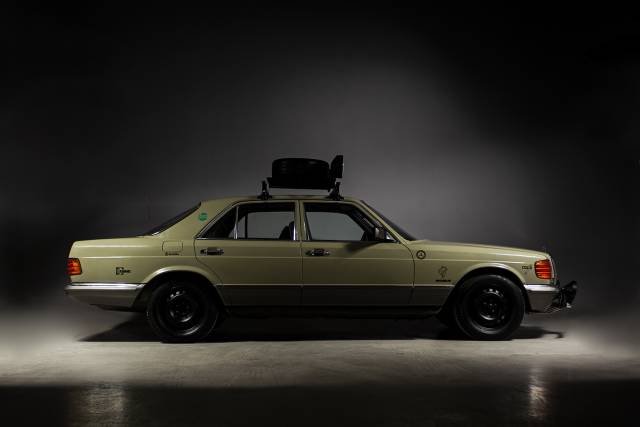
1985 | Mercedes-Benz 280 SE
MERCEDES-BENZ W126 280 SE “SAFARI” FROM 1985

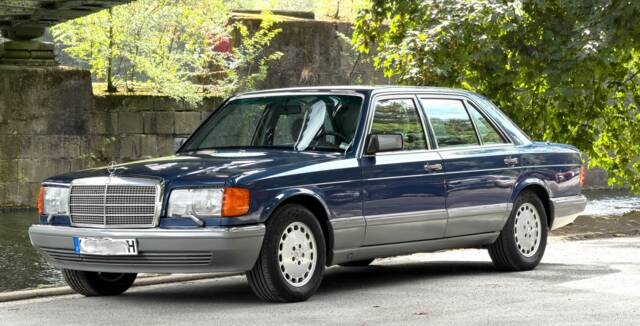
1988 | Mercedes-Benz 560 SEL
Mercedes-Benz 560SEL – Reference condition following documented restoration (investment of more than 52,000 € plus purchase price of 19,500 €) !!!List of investments supplemented on 25.09.2026!!!

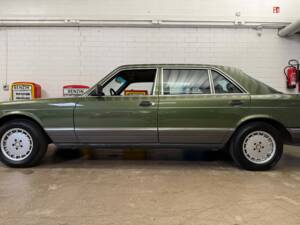
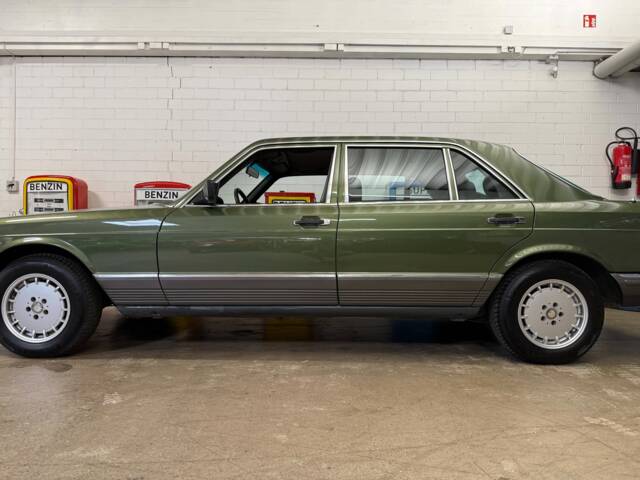
1983 | Mercedes-Benz 280 SEL
Mercedes-Benz 280
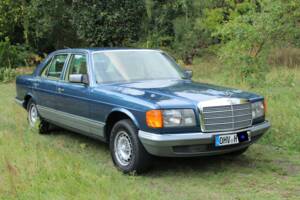
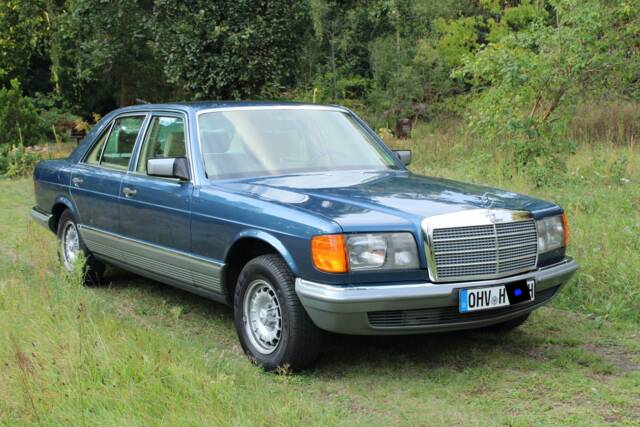
1984 | Mercedes-Benz 500 SE
Mercedes-Benz 500 SE classic vintage car in pristine condition
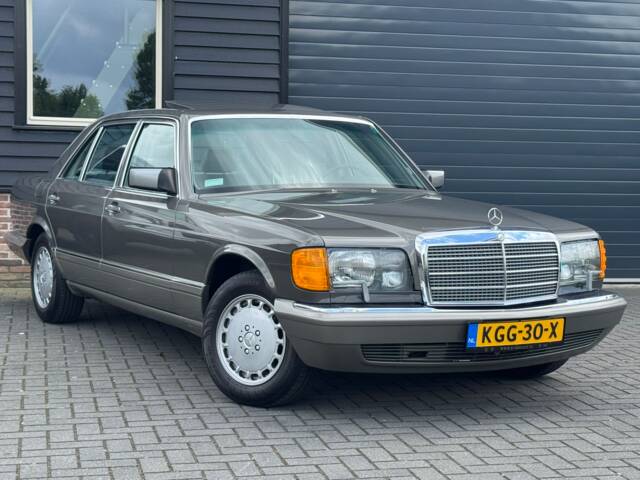
1986 | Mercedes-Benz 420 SEL
Mercedes-Benz 420SEL. Air conditioning, Leather, 1986, New condition
Mercedes-Benz S-Class W 126 Classic Cars: Prices & Market Values
History of the Mercedes-Benz S-Class W 126
The W 126 marked the second generation of the Mercedes-Benz S-Class and succeeded the W 116 series. Produced from 1979 to 1991 (saloon) and 1981 to 1990 (C126 coupé), it established new standards in safety, comfort, and technology. The series earned a reputation for structural longevity and reliability, encapsulated in the phrase 'built for generations.' With a development focus on reduced weight, aerodynamic efficiency (drag coefficient roughly 0.36), and improved fuel consumption (about 10% less than its predecessor), the W 126 quickly positioned itself as the flagship of Mercedes-Benz. Innovations like separate chassis codes for sedan (W126), long wheelbase (V126), and coupé (C126), as well as continued advancements in crash safety and luxury, highlight its significance.
Model History
The W 126 succeeded the W 116 and remained in production for over 12 years, making it the longest-produced S-Class generation up to that point. Its successor, the W 140, would aim to build on the W 126’s impressive legacy. Facelifted in 1985 (from 1986 model year), the series introduced modernised bumpers, larger brakes, 15-inch wheels, and a revised engine palette. Variants included standard and long-wheelbase saloons as well as the stylish C126 coupé. The 'SEL' badge signified fuel injection and extended wheelbase, adding approximately 14 cm of rear passenger space over the standard model.
Highlights of the Mercedes-Benz S-Class W 126
Recognised for superior quality and engineering, the W 126 introduced a series of safety innovations, including early ABS, airbags, seatbelt pretensioners, and optional ASR traction control. The range offered silky straight-six and muscular V8 engines up to 5.6 litres, with the 560 SEL as the series pinnacle. Hydropneumatic suspension and advanced features like automatic climate control, power-adjustable seating, and heat-insulating glass were available. With 818,063 saloons and 74,060 coupés built, the W 126 remains the most successful and longest-lived S-Class cohort by production numbers and years in the market.
Technical Data
Special Editions and Collectible Models
The 560 SEL, equipped with the 5.6-litre V8 and up to 300 PS (depending on market), stands at the top of the range as the ultimate S-Class from this era. Other sought-after variants include the 500 SE/SEL, especially in pre-facelift form for its historical status as former flagship. Diesel-engine models (e.g. 300 SD) built primarily for the North American market are rare and notable for their unique positioning in the S-Class portfolio. Specialist equipment such as hydropneumatic suspension or orthopaedic seats adds further exclusivity to selected models.
Weak Spots and Common Issues
W 126 models are structurally robust, but buyers should carefully inspect potential corrosion on wheel arches, jacking points, and underbody sections. Door bottoms and boot floors are also common trouble spots for rust. While engines and transmissions are generally durable with maintenance, leaks (e.g., from ageing seals in V8s) must be checked. Suspension components and hydraulic systems (in hydropneumatic-equipped cars) may require overhaul after decades. Electronic systems, such as climate control or window regulators, can be expensive to repair if faulty. Originality (including wood trim, upholstery, and period-correct accessories) affects collectability and maintenance costs.
Engine and Performance, Transmission and Handling
The W 126 is renowned for its balanced, comfortable ride and exceptional motorway competence. Engines range from the refined M110 and M103 inline-sixes (2.8-3.0 litres) to V8s like the 420 (4.2L) and the peak 560 (5.6L), with outputs from around 188 PS (300 SE) to 300 PS (560 SEL, market dependent). Typical top speeds are 210-237 km/h depending on model. Most were ordered with 4-speed automatic gearboxes; manual transmission models are rare. Hydropneumatic suspension and self-levelling features, when fitted, further enhance comfort for long distances. - 560 SEL: 5.6L V8, up to 300 PS, long wheelbase, top performance and prestige.
- 420 SE/SEL: 4.2L V8, well-balanced power, strong reliability reputation.
- 300 SE/SEL: 3.0L inline-six, robust and smooth for daily use.
- 300 SD: 5-cylinder turbodiesel, specifically built for North American markets, rare in Europe.
Interior, Comfort, Exterior and Design
The W 126’s understated, aerodynamic design is credited to Bruno Sacco, featuring a timeless elegance and lower drag versus earlier S-Class ranges. Inside, high-quality velour, MB-Tex, or genuine leather upholstery paired with wood trim (burr walnut or Zebrano) set a luxury standard. Comfort features include power-adjustable and heated seats (with memory for selected models), rear window blinds, automatic climate control, and cruise control. Unique features such as heated mirrors, reading lights, electric sunroofs, courtesy lights, and period Becker audio systems were either standard or available as options. Notably, the 'Gullydeckel' alloy wheel design and colour-matched body cladding on late models add visual distinction. The cabin experience emphasises silence, build quality, and intuitive control arrangement, making long journeys effortless.
Other Relevant Features
The W 126 served extensively as an official government, diplomatic, and executive vehicle throughout the 1980s. Special security and armoured versions exist, often with bespoke interiors and enhanced protection features. Market-specific variations, including unique lighting, instrument clusters (miles vs kilometres), and emission control adaptations, were offered, especially for North America and Japan. Certain rare luxury features, such as onboard telephones, travel computers, or rear individual seating, only appear in highly specified examples.
Summary
With nearly 900,000 units built (including over 800,000 saloons), the Mercedes-Benz S-Class W 126 has established itself as the most significant S-Class family in terms of volume and technological advancement. Now regarded as a keystone of classic luxury motoring, its durability, comfort, and engineering detail ensure that interest in well-preserved examples remains strong. Special attention to model details, equipment, and provenance ensures a rewarding ownership experience within the classic Mercedes-Benz community.