- Car
- Mercedes-Benz
- Mercedes-Benz 500 (3 offers)
Mercedes-Benz 500 Classic Cars for Sale
The Mercedes-Benz 500 series stands for pre-war engineering excellence—whether as a Nürburg or the coveted 500 K with supercharged in-line engines and elegant coachbuilt bodies. Collectors value genuine vehicles for their rarity, original components, and unique details like stamped floorboards and fine interior finishes. These vehicles are historic benchmarks in luxury and performance, crafted for both stately service and grand touring.
Search results
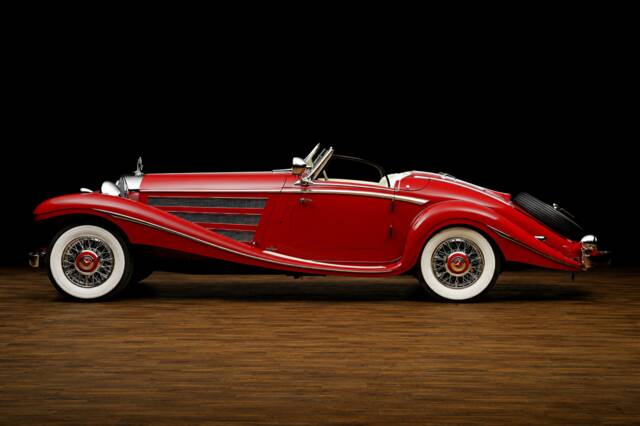
1934 | Mercedes-Benz 500 K Special Roadster
Spezial Roadster - Rebuild

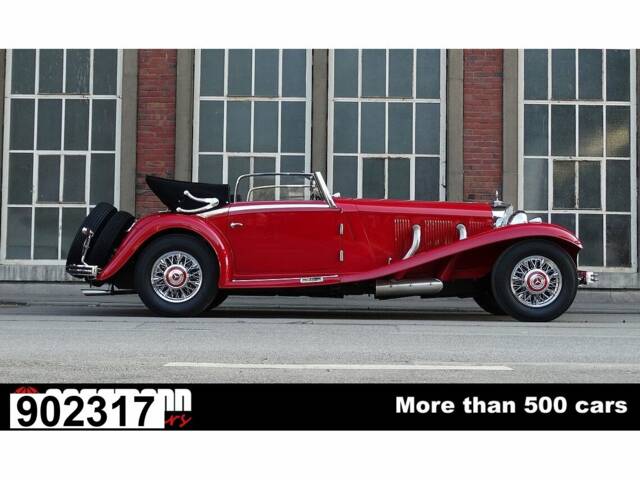
1935 | Mercedes-Benz 500 K Cabriolet A
500 K Kompressor Cabriolet A W29
Auctions ending soon

Loading…
Loading…
Loading…
Loading…
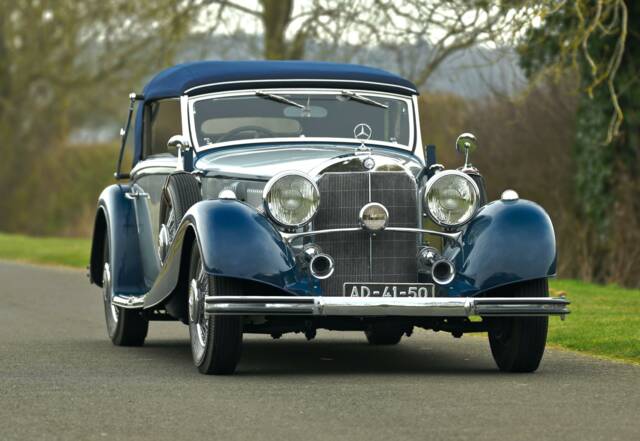

Mercedes-Benz 500 listing references from Classic Trader
Below you will find listings related to your search that are no longer available on Classic Trader. Use this information to gain insight into availability, value trends, and current pricing for a "Mercedes-Benz 500" to make a more informed purchasing decision.
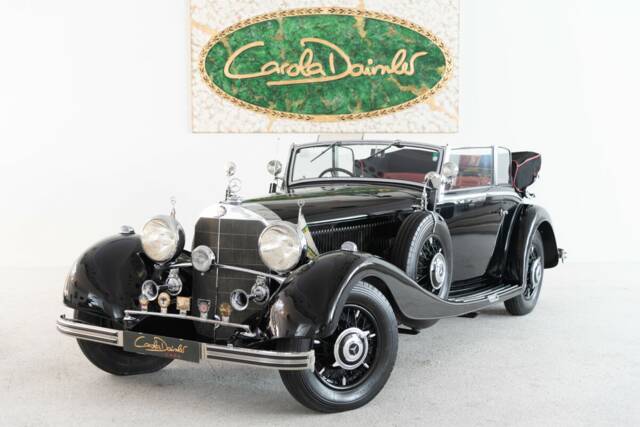
1935 | Mercedes-Benz 500 K Cabriolet B
Mercedes-Benz 500 K Cabriolet B (W 29)
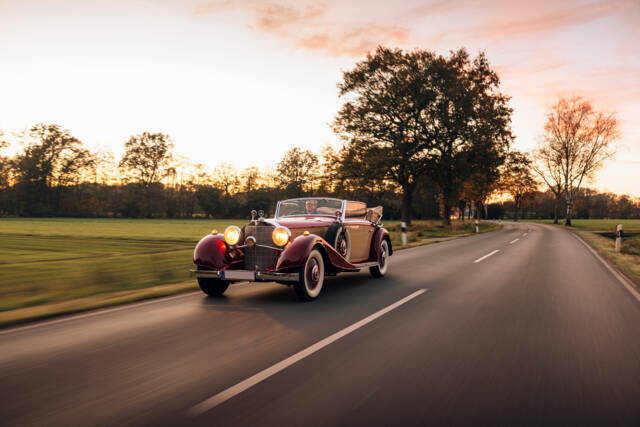
1935 | Mercedes-Benz 500 K Cabriolet A
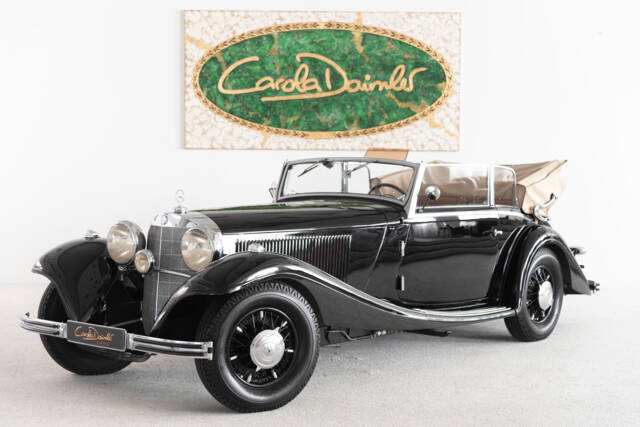
1936 | Mercedes-Benz 500 K Cabriolet B
W29 | Matching Numbers | 1st hand Brenninkmeijer | 1 of 275 Cabriolet B | Good history
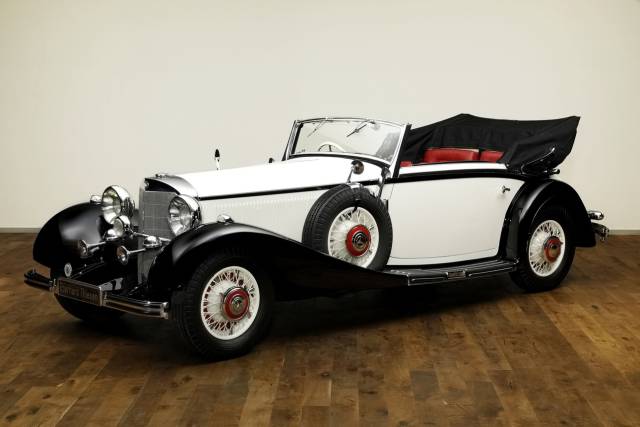
1935 | Mercedes-Benz 500 K Cabriolet C
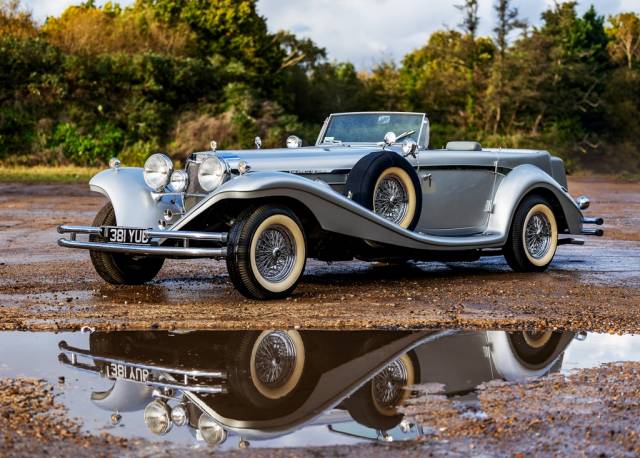
1936 | Mercedes-Benz 500 K Cabriolet A
Mercedes-Benz 544K Replica
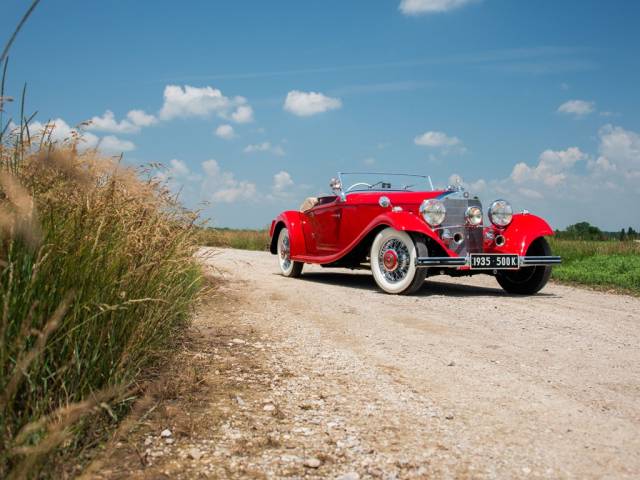
1935 | Mercedes-Benz 500 K Roadster
1935 Mercedes-Benz 500 K Normal Roadster by Sindelfingen
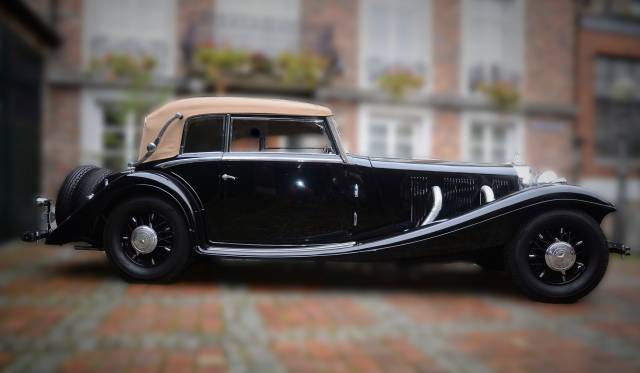
1936 | Mercedes-Benz 500 K Cabriolet B
Prominenter Erstbesitzer | Restauriert | sehr guter Zustand
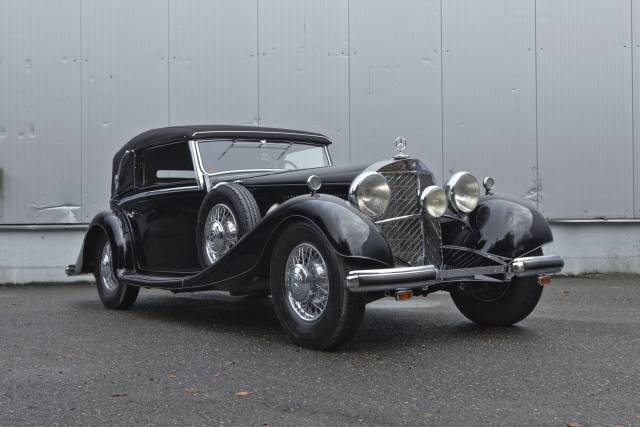
1935 | Mercedes-Benz 500 K Cabriolet C
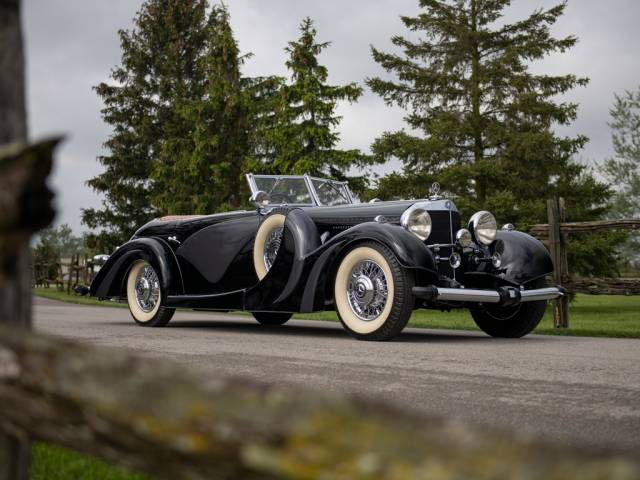
1935 | Mercedes-Benz 500 K Saoutchik Cabriolet
1935 Mercedes-Benz 500 K Cabriolet by Saoutchik
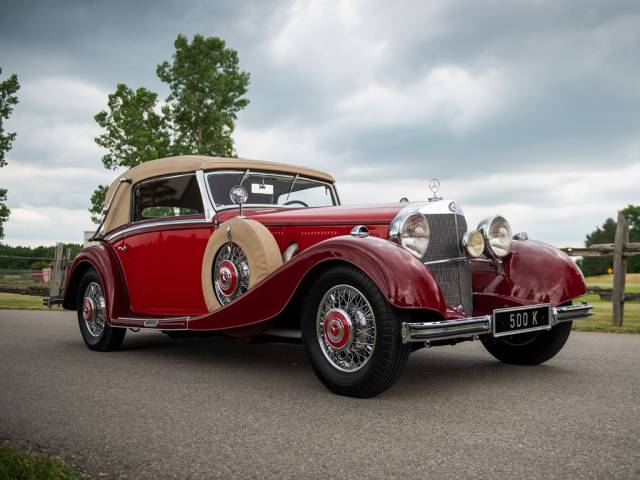
1937 | Mercedes-Benz 500 K Cabriolet C
1937 Mercedes-Benz 500 K Cabriolet C by Sindelfingen
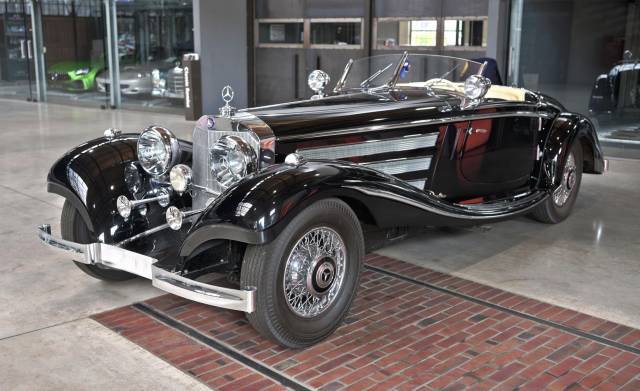
1935 | Mercedes-Benz 500 K Special Roadster
Mercedes-Benz 500 Classic Cars: Prices & Market Values
History of the Mercedes-Benz 500 Series
Mercedes-Benz launched the first 500 model in 1931 as the Typ Nürburg 500, an evolution of the earlier Nürburg 460. The car's nearly 5-litre engine output 100 PS, which, in conjunction with an elongated chassis, made it a true contender in the luxury segment of its era. By 1934, the 500 N arrived with updated bodywork and aerodynamic improvements that upped its top speed to 115 km/h. The series reached a new technical level in 1936, with a revised engine producing 110 PS, further body streamlining, and a top speed of 123 km/h. The 500 models were offered with a range of bodies—from stately sedans to elegant cabriolets and extravagant special roadsters. Notably, the final run of Mercedes-Benz 500 vehicles marked the end of wood-spoked wheels and live rear axles in the marque's lineup before production ceased in 1939.
Model History
The Mercedes-Benz 500’s story began with the Nürburg 500 (1931-1934), derived from the Typ Nürburg 460, followed by the updated 500 N (1934-1936), and the final pre-war iterations through to 1939. Alongside the Nürburg lineage, the celebrated 500 K models emerged, each powered by a supercharged in-line eight-cylinder engine. These included body variants such as the Special Roadster, Normal Roadster, Cabriolet, Coupé, and open-tourers. The Nürburg 500, with just 931 produced, was partly used for official and governmental roles, while the 500 K became a highlight at international car shows and auctions. No direct successor immediately followed the original 500 series after 1939, as the war halted further model development.
Highlights and Special Features
Perhaps most notable are the bodies constructed on the 500 K chassis: the sculpted Special Roadster, the more understated Normal Roadster, open-top touring versions, and classic cabriolets. The Normal Roadster, for example, is instantly recognisable for its higher waistline, elegant tail, and flush-retracting soft top. Instruments on the 500 K often feature mother-of-pearl finishes, and interiors offer luxurious leather in shades from light brown to deep burgundy. Original cars are exceptionally valued for matching engine numbers and period details like stamped woodwork. With just a handful of Normal Roadsters surviving, exclusivity is guaranteed. According to our statistics, Mercedes-Benz 500 (W 29) listings represent 100% of their specific code category in both supply and demand on our platform, indicating their unique position and desirability among Mercedes classics.
Technical Data
Special Editions and Collectible Models
- Special Roadster (500 K): Revered for its athletic design and rarity, often found in private collections and prestigious concours events.
- Normal Roadster: Sleeker styling, extremely limited numbers (only a few built, five known survivors), makes it a favourite among purist collectors.
- 500 Nürburg Open Touring Car: Rarely seen, sometimes used for official duties, especially valued when preserved close to original condition. Each is sought for different reasons—rarity, aesthetics, technical innovation, or historical provenance.
Engine, Performance, Transmission and Handling
The 500 K’s supercharged eight-cylinder delivers a unique sound and punch, lauded by enthusiasts as a ‘banshee wail’. With top speeds between 110 and 123 km/h depending on version, these models exceeded most contemporaries. Transmission is a robust manual four-speed—a sophisticated choice then—and later units were optionally fitted with overdrive for relaxed cruising. The Nürburg offers a stately, smooth ride, while the K models focus more on potent delivery and dynamic appeal. Surviving examples often boast matching numbers and original mechanicals, reflecting their careful preservation by collectors. - Mercedes-Benz 500 K Special Roadster: Supercharged inline-eight, striking curves, prized concourse contender.
- Mercedes-Benz 500 K Normal Roadster: Rarity, classic design fidelity, often original mechanicals.
- Mercedes-Benz 500 Nürburg Open Tourer: Luxury, comfort, official usage, preserved factory features.
Interior, Comfort, Exterior and Design
The 500 models are known for opulent interiors—frequent choices were light or mid-brown leathers, rare but original examples in dark red. Cabin craftsmanship includes finely grained dashboards, sometimes in mother-of-pearl, and clear, precise dials. The body design ranges from the feline curves of the 500 K Special Roadster to the more upright but dignified lines of the Nürburg. Period-correct accessories like folding roofs, special order bodywork, and stamped wooden floorboards are highly appreciated by restoration purists. Each body type showcased bespoke coachwork by in-house or external craftspeople, varying in colour schemes from formal black to more flamboyant shades, always proportional and regal.
Other Noteworthy Details
Many surviving 500 K and Nürburg models remain in museum or private collections, rarely trading hands. Replicas, sometimes produced decades later, exist but are not regarded with the same esteem as factory models. Originality down to mechanical numbers and woodwork is a crucial factor in value and collector interest.
Summary
The Mercedes-Benz 500 series, especially the 500 K and Nürburg types, represents masterful pre-war automotive engineering—its blend of performance, luxury, and technical prowess is unmatched. With only a handful of authentic cars surviving, these models are treasured for their rarity, historical significance, and meticulous craftsmanship. Their enduring appeal among connoisseurs makes them a highlight of any classic car gathering or collection.