- Car
- Mercedes-Benz
- Mercedes-Benz 130 (0 offers)
Mercedes-Benz 130 Classic Cars for Sale
The Mercedes-Benz 130 (W23) stands out as one of the rarest Mercedes models from the 1930s, recognised for its pioneering rear-engine layout and streamlined silhouette. This compact car offered a surprisingly spacious interior compared to its exterior proportions, making it a technical milestone. Its rarity and experimental character spark interest among true enthusiasts.
Search results
Currently, there are no matching listings for your search.
Create search alert
Let yourself be notified as soon as a listing is published that matches your search filters.
Create listing
Do you have a Mercedes-Benz 130 that you want to sell? Then create a listing now.
Create listingMercedes-Benz 130 listing references from Classic Trader
Below you will find listings related to your search that are no longer available on Classic Trader. Use this information to gain insight into availability, value trends, and current pricing for a "Mercedes-Benz 130" to make a more informed purchasing decision.
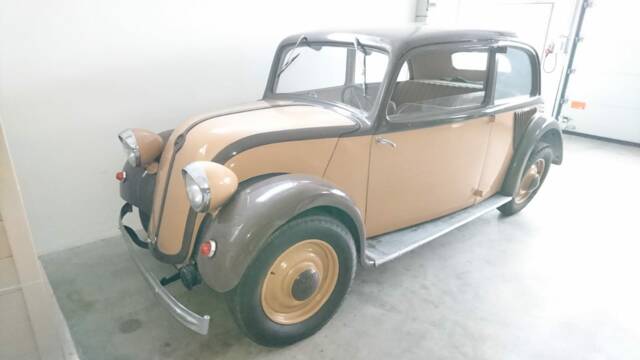
1934 | Mercedes-Benz 130
promintenter Vorbesitz

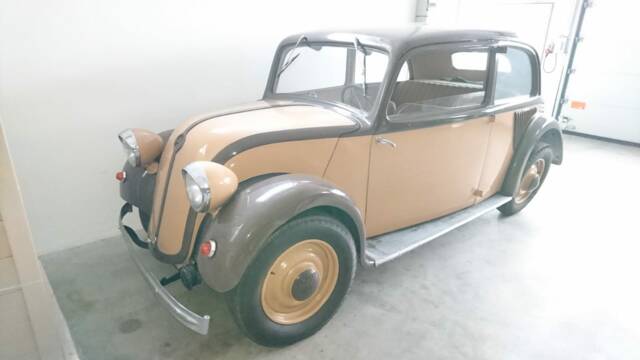
1934 | Mercedes-Benz 130
prom. Vorbesitz
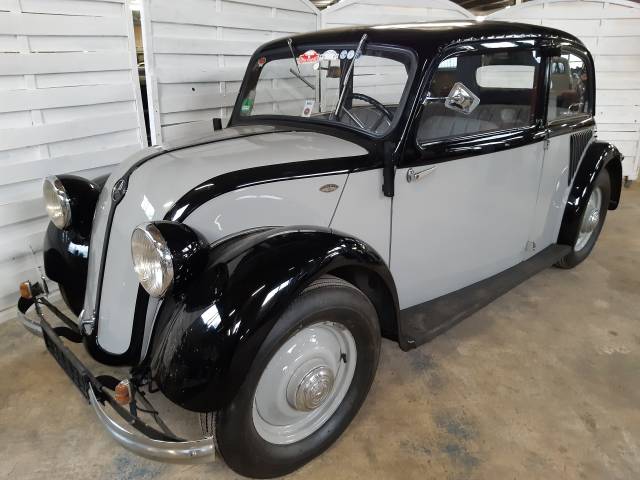
1934 | Mercedes-Benz 130
Einer der unbekanntesten Mercedes Benz Serienwagen!

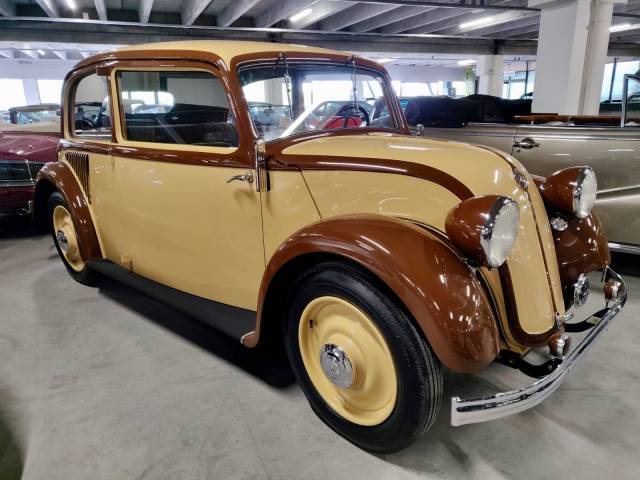
1934 | Mercedes-Benz 130
Online Auction "Classics, Sports Cars & Specials". From 9th to 22nd of May

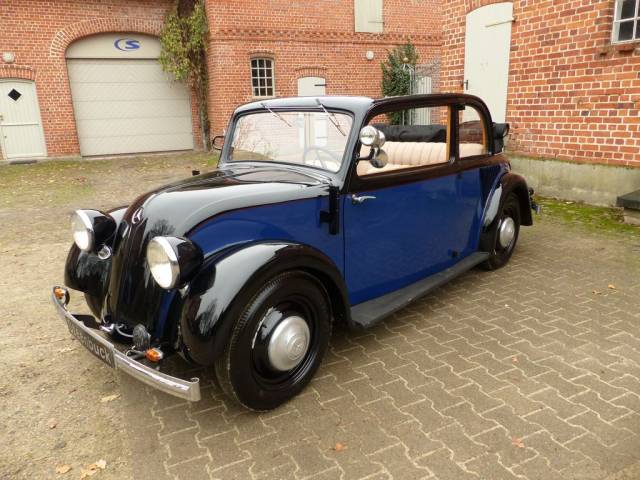
1934 | Mercedes-Benz 130
Very rare convertible saloon
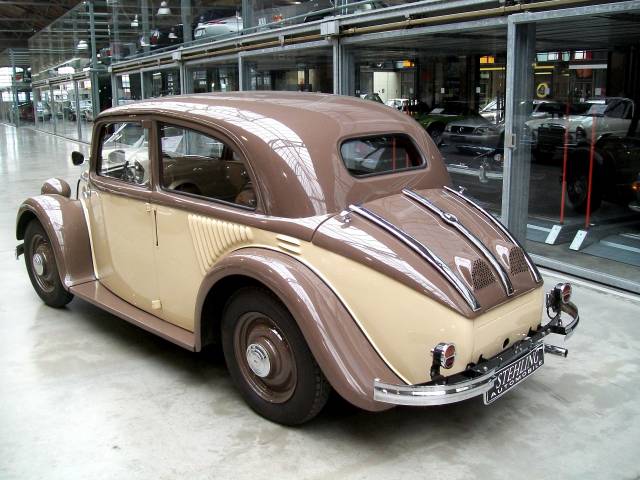
1934 | Mercedes-Benz 130
Sehr schönes und seltenes Fahrzeug
Create search alert
Let yourself be notified as soon as a listing is published that matches your search filters.
Create listing
Do you have a Mercedes-Benz 130 that you want to sell? Then create a listing now.
Create listingMercedes-Benz 130 Classic Cars: Prices & Market Values
History of the Mercedes-Benz 130
Introduced in 1934 at the International Motor and Motorcycle Show in Berlin, the Mercedes-Benz 130 (W23) marked a major departure for Daimler-Benz. It was their first mass-produced rear-engined car—following the design trends championed by Rumpler, Ledwinka (Tatra), and later Porsche. Its launch was a sensation: the W23 was Daimler-Benz’s smallest passenger car and also their first four-cylinder model. Production numbers remained limited, with approximately 4,300 units built until the model’s replacement in 1936.
Model History of the 130 series
The predecessor to the Mercedes-Benz 130 was the conventionally laid-out Mercedes models, none featuring a rear engine. The 130 was replaced in 1936 by the 170 H (W28), which was larger and more powerful, but also came at a higher price. Unlike the 170, the 130’s production run was short-lived, reflecting both technical boldness and market hesitancy.
Highlights and Rarity of the Mercedes-Benz 130
The Mercedes-Benz 130 broke new ground with its streamlined bodywork and rear-mounted, water-cooled 1.3-litre four-cylinder engine. The model’s most distinctive attribute is its weight distribution—65% on the rear axle—resulting from the rear-engine design. It was available as a two-door saloon, cabriolet, touring convertible, or Kübelwagen, with the saloon version being especially rare today. Streamlining, a low centre of gravity, and unusual spaciousness inside were standout features for its time.
Technical Data of the Mercedes-Benz 130
Special Editions and Rare Models
The Mercedes-Benz 130 was produced in several body styles: standard two-door saloon, two-door cabriolet, open touring car (without side windows), and Kübelwagen. The saloon is especially scarce today. Planned special coachbuilt bodies were never realised, cementing the status of factory versions as especially rare finds.
Weak Spots and Common Issues
The Mercedes-Benz 130’s rear-engine setup led to challenging weight distribution, with a tendency to oversteer particularly noticeable in fast cornering. Contemporary testers pointed out this issue, but noted that experienced drivers could adapt. The largely experimental technology of the period may demand higher levels of mechanical know-how and attention during restoration and upkeep compared to conventional front-engined classics.
Engine, Performance, and Handling
The 1.3-litre four-cylinder engine with a Stromberg updraft carburettor and upright valves offered reasonable reliability for the era but modest performance. With 26 PS (19 kW) and a weight distribution biased to the rear, acceleration and high-speed stability suffered, and handling required experienced hands, especially in the wet or on winding roads. The 92 km/h top speed slightly surpassed the 170 model, but the real appeal lies in its innovative mechanics more than its outright performance. Highlighted is the W23, as this is the sole production variant for the 130 series. Its unique technical layout makes it an object of special interest for collectors and period technology specialists.
Interior, Comfort, Exterior and Design
The Mercedes-Benz 130 embraced streamlining—a cutting-edge philosophy in the 1930s—resulting in flowing body lines and efficient aerodynamics. The interior provided surprising spaciousness for a small vehicle, with seating and trim superior to the norm in its class. The dashboard, ergonomics, and materials reflected Mercedes’ approach to even their more affordable models. Special colour options, top-down cabriolet bodies, and the distinct Kübelwagen set the range apart on period streets. Factory and period-correct accessories are now highly sought after.
Other Features
The Mercedes-Benz 130’s technical legacy lives on as a forerunner to later rear-engined designs across the automotive world. It showcased boldness in engineering and influenced subsequent models—even though the concept was later replaced by Mercedes-Benz with a return to front-engined vehicles. The few surviving examples retain high historic value due to their pioneering status.
Summary of the Mercedes-Benz 130
The Mercedes-Benz 130 (W23) represents an experimental chapter in Daimler-Benz history, merging technological ambition with unique aesthetics. Its rare survival rate, distinct rear-engined construction, and streamlined profile make it an intriguing choice for committed collectors and those passionate about automotive history.